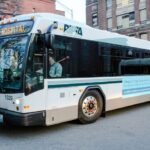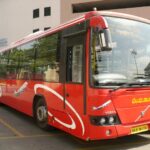

Overview of bus travel services near you
Overview of bus travel services near you highlights a network of affordable and reliable options that connect neighborhoods, workplaces, and landmarks. You can find city, regional, and express routes that run on predictable schedules, with real-time updates and digital ticketing to simplify planning. Accessibility features, safety measures, and multilingual support are increasingly common, helping travelers of all ages navigate with confidence. Whether you’re commuting, running errands, or planning a weekend trip, nearby bus services offer flexible choices to fit your needs.
Local operators and providers
Bus travel services near you offer a range of options for commuting, shopping, and leisure trips. This overview covers the main types of operators, typical services, booking methods, and tips to plan your trips.
Local operators and providers include municipal transit authorities that run city buses, regional and intercity coach companies that connect towns and airports, and private shuttle and commuter services serving business parks, campuses, and events.
Municipal transit authorities usually provide frequent, affordable service within cities and suburbs, with standardized fare structures and accessible buses.
Regional and intercity coaches offer longer-distance routes with more comfortable seating and amenities, often requiring advance booking and offering discounts for round trips or passes.
Private operators run dedicated routes, express services, or airport shuttles, sometimes with premium options or on-demand services.
Frequent questions on booking and fares: you can buy single-ride tickets at the stop, from on-board cash fares, or online and via mobile apps; many places offer day passes, weekly or monthly passes, and regional discount cards.
How to find services near you: use local transit authority websites, map apps, or dedicated transit apps; search for your city plus “bus” or “coach” to see routes, timetables, and stops; check Google Maps or Apple Maps for live times.
Tips for planning: check schedules before you travel, especially for weekends and holidays; consider peak vs off-peak times; allow extra time for transfers; if you have luggage, confirm luggage rules for buses.
Accessibility and safety: most buses are accessible, with low-floor entry, priority seating, and audio-visual next-stop announcements; pay attention to safety guidelines and keep belongings secure.
Sustainability: many operators are transitioning to cleaner fleets, including electric and hybrid buses, which can reduce emissions on busy corridors.
Local tips: combine bus travel with park-and-ride lots to save time; check for late-night or early-morning services if you work unusual hours.
Bottom line: whether you need a quick city trip or a longer regional journey, nearby bus services are often your cheapest, flexible option with multiple providers to compare.
Types of bus services available
Bus travel options near you vary by location, but most communities share a mix of public transit buses, regional coaches, and on demand shuttles. This overview explains the common types of services you are likely to encounter, how they fit together, and what you can expect when planning a trip.
Public city buses are the backbone of urban transportation. They operate on fixed routes with frequent service during peak times and reduced service late at night or on weekends. Fares are often integrated with transit passes or contactless cards, and many systems offer mobile apps to plan trips, track buses, and buy tickets. Accessibility features such as low floors, priority seating, and audio announcements are common in modern fleets.
Regional and intercity buses connect districts, towns, and cities with longer routes and fewer stops than city buses. They are useful for commuting between suburbs and for day trips. Tickets can be purchased online or at terminals, and many operators offer multi-ride passes and discount fares for students and seniors. Comfort features vary; some coaches have reserved seating, free Wi-Fi, power outlets, and restrooms on longer trips.
Night buses and early-morning services fill gaps when trains or flights are not available. These services typically run with lower frequency but can be essential for overnight travelers, shift workers, or travelers catching early flights. Be aware of potential reduced service levels and check the latest timetables ahead of your trip.
Express and limited-stop services provide faster travel by skipping smaller stops. Some cities operate Bus Rapid Transit or dedicated lanes to improve reliability and speed. Express routes are ideal for longer city-to-city hops or commuting from suburbs to downtown centers.
Demand-responsive and on-demand transit uses flexible routing based on passenger requests rather than fixed schedules. This service is common in suburban and rural areas where fixed routes are inefficient, or in urban neighborhoods at night. Booking is usually done via a mobile app or phone call, and pickup times are estimated rather than exact.
Shuttle services include trips to airports, hotels, campuses, business parks, and event venues. These services can be operated by airports, hotel chains, or private companies and often require advance booking. Shuttles may run on scheduled timetables or operate on demand, depending on the location and provider.
Ticketing and fare options vary by provider. In many areas you can use contactless payment cards, mobile wallets, season passes, or single-ride tickets. Some systems offer discounts for seniors, students, veterans, and people with disabilities. Check if transfers between buses are free or require an additional ticket, and keep an eye on peak-period surcharges if any.
How to find bus services near you: start with your city or regional transit authority’s website, then use map or transit apps to see routes in real time. Compare travel times, fares, and transfer options to choose the best plan. If you are traveling to or from an area with limited coverage, look for on-demand transit or shared-ride shuttles as a backup plan. Planning ahead helps avoid delays and ensures you can reach your destination on time.
Coverage, routes, and hubs
When you’re exploring bus travel services near you, coverage, routes, and hubs determine how easy it is to get where you want to go. Broad coverage reaches neighborhoods and towns, clear routes keep schedules predictable, and well-connected hubs offer convenient transfers between lines. Together, they shape reliable, affordable trips for daily commutes and weekend adventures.
Major routes and corridors
Bus travel services near you are shaped by coverage, routes, and hubs. Understanding these elements helps you plan trips more efficiently and find dependable connections from your neighborhood to work, school, or leisure destinations.
Coverage describes how much geographic area a bus network serves and how often buses operate within that area. A dense urban network often provides frequent daytime service across many neighborhoods, plus night or late-evening buses. Suburban and rural coverage may be sparser with longer wait times, fewer routes, and limited late service. Good coverage includes clear route maps, accessible stops, and reliable schedules, along with integration with other transit modes such as rail or regional buses.
Routes are the paths buses take to connect neighborhoods, business districts, and points of interest. Local routes loop within a city or township, while express or limited-stop routes skip smaller streets to speed trips between major hubs. Many networks offer direct routes between key centers and transfer options at common hubs, which reduces travel time when a single route cannot reach your exact destination.
Hubs or terminals are high-capacity nodes where multiple routes converge, making transfers easy. Typical hubs include downtown transit centers, main railway or metro stations, university campuses, and large shopping centers. In good networks, hubs have sheltered stops, real-time service information, and secure waiting areas, helping riders switch buses with minimal delays.
Major routes and corridors describe the backbone lines that carry the most riders or connect critical regions. In a city, you will often find north–south and east–west corridors that link residential areas to downtowns, hospitals, and employment centers. Intercity or regional corridors connect neighboring towns and suburbs to the city center or to larger metro areas. These corridors typically offer higher-frequency service, limited stops at key transfer points, and coordinated timetables to enable smooth connections across modes.
To learn what coverage, routes, and hubs exist near you, check your local transit agency website or regional transportation authority, then use journey planners and maps. Apps and websites often show live bus locations, next-arrival times, and transfer options. You can also visit major hubs in person to see which routes branch out and confirm stop locations and accessibility features. Remember that schedules vary by weekday and weekend, and fare options may include single-ride tickets, day passes, or monthly passes.
Key bus stations and pickup points
Bus travel services near me offer a network that links city centers, suburbs, and neighboring towns through coverage, routes, and hubs. Understanding how these elements fit together helps you plan faster, cheaper, and more convenient trips.
Coverage describes how far a bus network reaches and how often buses run on each route. In cities, coverage typically includes urban core lines with high frequency and frequent stops at major destinations, plus suburban and regional routes that connect neighborhoods, business districts, airports, and shopping centers. Rural areas may have limited service with fewer daily departures. Night service and weekend schedules can extend coverage, but may be reduced on certain routes. Real‑time maps and mobile apps can show exactly which streets and stops are served near you.
Routes are the paths buses take between origins and destinations. A strong system offers direct routes for common trips, frequent express services that skip smaller stops, and reliable transfer points where you can switch buses with minimal travel time. Look for route grids or planners that show frequencies by time of day, first and last departures, and service alerts for construction or weather. If you need to connect to other transit modes, note the transfer windows and platform alignments at hubs.
Hubs are central stations or interchanges where many routes meet. They act as focal points for changing buses, buying tickets, and accessing amenities such as waiting areas, restrooms, and customer service counters. In busy hubs you may find multiple bays, clear signage, and real‑time departure boards that help you orient yourself and time your connections. Some hubs are integrated with rail or metro stations for seamless multi‑modal trips.
Key bus stations and pickup points typically include city center terminals, regional interchanges, and park‑and‑ride or transit centers. In many cities you will see curbside stops with posted route numbers, platform bays in a dedicated terminal, and bus lanes that speed up boarding. Look for posted maps, digital boards, or smartphone apps that show your exact pickup point, door number, and the next departures. When planning, always verify the stop ID and the bus bay before you head out.
To find coverage, routes, hubs, and pickup points near you, start with the service provider’s official website or mobile app. A city or regional transit map will show all lines and the major hubs, while real‑time trackers display live bus locations and ETAs. If you’re using multiple operators, third‑party route planners can help you compare options and estimate total travel time. You can also search for “bus near me” in a map app to locate nearby stops and convenient pickup points.
Tips for a smooth trip: check schedules in advance, buy tickets online when possible, and arrive early at busy hubs to locate your bay. Identify if there are peak‑hour surcharges, accessibility options, or luggage limits, and carry a printed or offline map as a backup. If you plan transfers, allow a little extra time for delays and check for alternate routes in case of a disruption.
By understanding coverage, routes, and hubs, you can navigate bus travel services near you with confidence, find efficient connections, and make your trips more predictable and affordable.
Booking, tickets, and payment options
If you’re looking for bus travel services near me, this short guide covers how booking works, how you receive your tickets, and the payment options you can use—from major credit and debit cards to mobile wallets and contactless methods—ensuring quick, hassle-free trips.
Online booking platforms
Finding bus travel services near you involves understanding how to book, buy tickets, and pay across online platforms. Here are key points to consider.
- Search and compare local bus operators and online booking platforms that serve your area. Look for clear route maps, real-time seat availability, and service frequency.
- Booking process: select your origin and destination, pick travel dates, choose seats, and review any transfer or boarding details before confirming.
- Tickets and formats: electronic tickets (e-tickets), mobile tickets, or printed passes. Many platforms send tickets by email or display them in-app for easy boarding.
- Payment options: major credit and debit cards, digital wallets (e.g., Apple Pay, Google Pay), and sometimes cash on pickup or at a counter. Be mindful of processing fees and regional variations.
- Fees, refunds, and changes: check cancellation policies, change fees, and whether tickets are transferable in case plans change.
- Security and support: use trusted platforms with secure payment processing, customer support contact options, and clear guidance for issues at boarding or after purchase.
Mobile apps and digital tickets
Finding reliable bus travel services near you involves knowing how to book, what ticket types you receive, and what payment methods are accepted. Modern operators often offer multiple channels for booking, tickets, and payment, including mobile apps and digital tickets for convenience on the go.
Booking options typically include online booking on operator websites, mobile apps, and third-party aggregators, as well as ticket counters at major bus stations or hotel concierge desks. Online and app bookings usually let you choose travel times, seats, and any add-ons such as extra baggage or insurance, with real-time seat availability shown before you pay.
Tickets can be issued as e-tickets delivered to your email or app wallet, or as printed tickets picked up at the counter or kiosk. Digital tickets often use a QR code for easy scanning by gate staff or bus attendants, while some operators still provide traditional paper tickets for those who prefer them.
Payment options typically include credit and debit cards, digital wallets like Apple Pay and Google Pay, and sometimes PayPal or bank transfers for online purchases. In many cases you can also pay with cash when buying at a station counter or on the day of travel, though availability varies by operator and route. Some operators offer installment payments for longer trips or student discounts with valid IDs.
Mobile apps from bus operators often provide live schedules, route maps, real-time delays, and the ability to save favorite routes for near-future travel. Apps may support mobile wallet passes for digital tickets, offline access to your itinerary, push notifications about gate changes or delays, and easy rebooking or refunds for eligible trips.
When seeking bus travel services near you, look for trusted operators with clear cancellation policies, transparent fare breakdowns, and visible safety measures. Check whether your near-me service supports seat selection, luggage limits, and accessible travel options if needed. Compare prices across official apps and local agencies to find the best deal, and verify that the digital ticket will work in your region’s scanning system.
To stay secure, download apps only from official stores, verify the operator’s official website or app, and avoid suspicious links. Keep your tickets in a secure digital wallet or print them if required by the operator, and guard your payment details, especially when using shared devices or public networks.
In short, whether you are booking for a short local hop or a longer intercity trip, bus travel services near you typically support flexible booking, multiple payment options, and digital tickets through mobile apps, making travel smoother and more convenient.
Onboard payment and fare validation
If you are looking for bus travel services near you, this guide covers booking, tickets, payment options, onboard payment, and fare validation.
Booking options include online through the operator’s official website or mobile app, and at local ticket counters or bus stations. Some operators also use third party booking platforms or travel apps for convenience and comparisons.
Tickets come in several forms: single-ride tickets, round trips, day passes, or stored value cards. Most providers offer digital tickets delivered by email or shown as a QR code in a mobile wallet; physical paper tickets are still available at counters on some routes.
Payment options vary by operator but commonly include major credit and debit cards, contactless payments, and digital wallets such as Apple Pay or Google Pay. In some areas cash on board is still accepted, and some routes offer prepaid cards or vouchers. Check the local operator page for specifics.
Onboard payment is common in many cities and towns. If accepted, you can usually pay with cash, a contactless card, or a mobile wallet when you board. Some buses require you to tap a card or scan a mobile ticket on a validator before you sit down.
Fare validation. When you board, your ticket or pass is validated by a driver, conductor, or a validator at entry. Digital tickets show a valid QR code or code that staff scan. Fare inspectors may check tickets during the trip, and penalties may apply for riding without a valid ticket.
Tips for bus travel near you: verify schedules, zones, and fare rules on the operator’s page; download the official app for real time updates; keep your ticket until you exit; carry backup payment if needed; be aware of peak times and possible service changes.
Schedules and frequency
When exploring bus travel services near me, schedules tell you when buses depart and arrive, while frequency shows how often services run—crucial for planning departures, connections, and wait times.
Regular vs peak service
When you’re planning bus travel near you, understanding schedules and frequency helps you move smoothly and avoid delays.
Schedules are the fixed times buses are expected to depart or arrive at stops, while frequency describes how often a bus arrives within a given period, usually measured as headways in minutes.
Regular service refers to the standard level of service outside peak periods, with consistent headways such as every 10, 15, or 30 minutes depending on the route and day of week.
Peak service ramps up during morning and evening rush hours, delivering shorter headways to reduce crowding and keep trips on time, and some routes may run express or skip less busy stops to move faster.
Reading timetables involves noting route numbers, stop names, days of operation, and the listed times or headways. Digital boards and apps often show the next bus in real time, helping you plan a transfer or catch the right vehicle.
To use the information effectively near me, check the local transit agency’s website or mobile app, and view live arrival predictions, service alerts, and any weekend practice changes that may alter regular schedules.
Tips: check the last buses after late-evening events, consider alternative routes to avoid long walks from multiple transfers, and allow extra time during peak periods when buses run more frequently but roads may be slower due to congestion.
Understanding schedules and frequency can save time and reduce stress when traveling by bus, helping you plan reliable trips and adapt to changes in near-me service.
Weekly and weekend patterns
If you’re looking at bus travel services near me, schedules and frequency shape how you plan trips. Understanding weekly and weekend patterns helps you avoid delays and missed connections.
Weekdays usually have a pronounced peak period in the morning and evening. Core corridors may see buses every 5 to 10 minutes during rush hour, with service thinning to every 15 minutes or so in late morning and early afternoon, then rising again as people head home. In many systems, rapid transit-connected corridors have the highest headways, while local streets see longer waits.
On weekends, service often shifts. Saturday routes may keep similar daytime frequencies to weekdays but with shorter days and more limited late-night runs, while Sunday service frequently runs less frequently overall, sometimes every 30 minutes to an hour on many routes. In tourist areas or business districts, some routes may remain frequent to support leisure travel, while other lines are trimmed.
Frequent observers will notice regional differences: city centers tend to maintain higher frequencies, while suburban and rural feeders run on longer intervals. Some systems publish service levels by day type—weekday, Saturday, Sunday—with occasional extra trips during holidays or events.
Headways and timetable reliability are influenced by traffic, incidents, and road work. Real-time updates and push alerts help you adjust plans. If you ride near me, check the official transit app or website for the latest timetables, disruptions, and any temporary changes to weekend patterns.
Tips for planning include pairing a timetable with a live map, noting a few backup routes, and selecting buses with frequent headways for easy connections. Planning around the typical weekly cycle—weekday peaks, midday gaps, and weekend reductions—can save time and reduce waiting.
Fares, passes, and discounts
When you travel by bus services near you, you’ll discover a straightforward system of fares, passes, and discounts designed to fit different needs. Single-ride tickets are available on many routes, while daily, weekly, and monthly passes offer savings for frequent riders. Discounts often apply to students, seniors, people with disabilities, and transit loyalty programs, and some areas bundle transfers or multi-ride options to simplify trips while keeping costs low.
Single-ride fares
When planning bus travel near me, understanding fares, passes, and discounts helps you ride smoothly and save money on every trip.
Single-ride fares are typically paid per ride and may be the simplest option if you ride infrequently. In many systems you can pay with cash on board, or with a contactless card, a transit card, or a mobile wallet through an official app. A single ride usually comes with a transfer window, allowing you to continue to another bus within a set period (often one to two hours) for a single fare. Check your local agency’s fare chart to know exactly what a single ride covers and how transfers work.
Passes are designed for riders who use the bus regularly. Common options include a day pass for unlimited rides within 24 hours, a 7‑day pass, and a monthly pass. Some systems offer value passes that charge a fixed amount and grant a certain number of rides. Passes can save you money compared with paying per ride and may include free transfers within the pass period. You can usually buy passes online, in the official mobile app, at vending machines, or at transit centers.
Discounts and reduced-fare programs help students, seniors, people with disabilities, and certain workers or veterans ride more affordably. Proof of eligibility is typically required, and families or dependents can sometimes qualify for additional savings. Some agencies also offer youth, military, or first-responder discounts, and occasional promotional fares or free ride days.
Other money-saving options include fare capping and pay-as-you-go systems. With contactless payments, you may reach a daily or monthly cap, after which you won’t be charged for additional rides in the same period. Transfers are often simpler when you pay with a card or app, but keep an eye on transfer rules so you don’t miss a free continuation of your trip.
To find the best fares near you, start with your local transit agency’s website or mobile app. You can also use official maps or ride-planning tools, and third‑party apps that show fare options for your city. Look for a fare table or “fares” page, and read any notes about eligibility, transfer windows, and where to buy passes. Signs on bus stops and at stations can also tell you about current prices and discounts.
Tips for a smooth experience: have a valid payment method ready, know where to buy or load passes, carry any required student or senior IDs, and keep your receipt or digital pass accessible on your phone. If you’re new to the area, ask a driver or a station agent about the best way to save on your usual routes.
Day, week, and monthly passes
Bus travel services near me offer a range of fares, passes, and discounts to fit different travel needs. Understanding how Day, Week, and Monthly passes work can save time and money on local routes.
- Fares and payment: Most local buses use a base fare with options for reduced fares for eligible riders. Payment methods often include cash, contactless cards, or mobile wallets, and riders may need to tap on or tap off at the start and end of a trip. Transfers between routes are sometimes available for a small extra fee or for free within a set time window.
- Discounts: Many agencies provide discounts for students, seniors, people with disabilities, and veterans. Some systems offer youth, low-income, or family passes. Always check eligibility requirements and required documentation, as well as whether discounts apply to day, week, or month passes.
- Day passes: A Day Pass allows unlimited rides on local buses for a single day. It is convenient for sightseeing, shopping trips, or short-term travel when you don’t want to track fares ride by ride. Prices and validity windows vary by city or transit system near you.
- Week passes: A Week Pass typically covers unlimited rides for a seven-day period, offering better value if you ride frequently within a week. These passes are popular for work, school, or regular errands across multiple routes.
- Monthly passes: A Monthly Pass provides unlimited rides for a calendar month or billing month. It’s ideal for anyone with a regular schedule and can be the most cost-effective option for daily commuting. Some programs offer auto-renew or bundled benefits with other services.
- Purchasing and using passes: Passes can usually be bought online through the transit agency’s app or website, at vending machines, or in person at transit centers. After purchase, you may receive a digital pass on your phone or a physical card. Activate as required and carry it for easy boarding.
- Finding services near you: To see current fares, pass options, and discounts for your area, check the local transit agency’s website or app, visit a nearby transit center, or use a transit-planning tool. Look for signs at bus stops that summarize fare rules and transfer policies.
Discount programs and loyalty
If you’re planning bus travel near you, understanding fares, passes, and discounts can save you money and time.
Fares typically vary by system. Many networks use a base fare for a single ride, while others employ zone-based or distance-based pricing. Some cities offer flat fares with transfers included for a set period, allowing you to switch buses without paying again within that window. Check whether transfers are free, discounted, or time-limited, and whether boarding with a reduced fare option is available.
Passes provide predictability and value for frequent riders. Options commonly include daily passes, 7-day passes, and monthly passes, with higher-value discounts for longer obligations. Some systems offer multi-ride cards, student passes, senior passes, or disability passes. Passes often include unlimited rides within the pass period and may include transfers, making them ideal for commuters and students.
Discounts are widely available beyond standard passes. Senior citizens, youth and students, people with disabilities, and military personnel or veterans often qualify for reduced fares. Low-income or income-based fare programs may exist in many areas. Off-peak or weekend discounts can also reduce costs, and group rates may apply for organized travel or events. Documentation or ID is usually required to verify eligibility.
Discount programs and loyalty come in several forms. Many transit systems offer loyalty features such as fare capping, where you pay a daily or weekly maximum and then ride for free after reaching the cap. Loyalty rewards can include ride credits, bonus discounts for frequent riders, or partnerships with local employers or schools. Digital wallets and mobile apps often enable automatic reloads, easy passes, and stored discounts, plus simple trip tracking and reminders.
To find the best deals near you, visit your local transit authority’s website or app, search for fares and passes, and review any discount programs or loyalty options. Apps or card portals often show real-time price details, eligibility requirements, and how to load or reload passes.
Tips for getting the most value: compare the annual cost of a monthly pass versus pay-as-you-go, consider transfer rules and whether a pass covers your typical commute, and verify eligibility for student, senior, or income-based discounts. Always keep your ID or eligibility documents handy, and check for changes in fare structures seasonally or with service updates.

Exploring fares, passes, discounts, and loyalty programs can help you maximize savings on bus travel near you while keeping trips convenient and reliable.
Accessibility and passenger comfort
Accessible and comfortable bus travel near you starts with easy entry and clear information. Local services offer low-floor or ramp-equipped buses, spacious priority seating, and accommodations for wheelchairs, strollers, and other needs. Inside, comfortable seating, smooth ride quality, climate control, and quiet cabins help all passengers travel with ease. Real-time stop announcements and simple route maps make planning trips straightforward for everyone, from daily commuters to visitors exploring your area.
Vehicle accessibility features
When planning bus travel near me, accessibility and passenger comfort should be top priorities to ensure a smooth and inclusive journey for all riders.
- Low-floor entry and wide doors to ease boarding for wheelchair users and passengers with mobility aids.
- Ramps or power-operated lifts for wheelchair access on buses that are not fully low-floor.
- Dedicated wheelchair spaces with securement points and clear adjacent seating for comfort and safety.
- Priority seating clearly marked for seniors and riders with disabilities, with sufficient legroom and unobstructed access.
- Kneeling capability and automatic folding steps to reduce curb-to-floor height during boarding at varied stops.
- Audible stop announcements and large, high-contrast visual displays to support riders with vision or hearing impairments.
- Real-time service information and accessible trip-planning tools compatible with screen readers and assistive devices.
- Accessible ticketing options, including contactless payments, large-print materials, and braille or tactile signage where available.
- Comfort-focused interiors with ergonomic seating, adequate headrests, and climate control to reduce fatigue on long trips.
- Quiet cabins and vibration-minimizing design to improve ride comfort for sensitive passengers.
- Spacious aisles and clear wayfinding to help all passengers move safely through the bus.
- Accommodations for service animals and clear policies on assistance and staff support during boarding and alighting.
- Staff trained in accessibility support to provide door-to-door assistance and handle special requests respectfully.
When searching for bus travel services near me, check operator pages, stop signage, and onboard information for these features, and don’t hesitate to request assistance from staff to make your trip comfortable and accessible.
Facilities at stations and stops
Accessibility and passenger comfort are essential when choosing bus travel services near me. A well-designed system should make boarding easy, moving between stops simple, and the overall ride pleasant, even if you have mobility challenges or travel with kids and luggage.
Accessibility features in buses include low-floor entry, kneeling ramps, and level boarding to simplify getting on and off. Many buses provide dedicated wheelchair spaces, secure seating belts, priority seating for those who need it, and accessible doors that announce themselves with audible and visual signals.
Passenger comfort goes beyond accessibility. Comfortable seating with adequate legroom, effective climate control, low noise levels, and smooth suspension reduce fatigue on longer trips. Some services offer Wi-Fi, USB charging, and device holders to help you stay connected while you travel.
Facilities at stations and stops matter too. Look for sheltered waiting areas, seating, good lighting, and clear signage. Real-time arrival boards or mobile updates help you plan, while accessible ticketing machines and clear curb ramps improve the ease of entry, especially for mobility devices.
Interchanges and hubs should also be comfortable and accessible: wide pathways, tactile paving for the visually impaired, audible directions, and safe pedestrian crossings. At major stops, you may find restrooms, vending options, and protected areas away from busy traffic.
Regular maintenance matters: clean, well-maintained ramps, non-slip surfaces, clean buses and stops, and prompt repairs to broken accessibility features keep travel reliable.
How to evaluate bus services near you: check official transit sites for accessibility statements, search for low-floor buses, read customer reviews about comfort, and test a trip using a planner that includes accessibility filters. If in doubt, call the customer service number to confirm specific features for your trip.
By prioritizing accessibility, comfort, and station facilities, you can choose bus travel services near me that fit your needs and make every trip smoother.
Safety, security, and hygiene
As you explore bus travel services near you, safety, security, and hygiene are the foundation of every trip. Reputable operators maintain well‑kept buses, rigorous driver training, and secure boarding procedures, while stations offer monitored access and clear safety notices. Inside the cabin, enhanced cleaning, good ventilation, hand sanitizers, and adherence to hygiene guidelines help protect passengers and crew during every journey.
Safety protocols and incident reporting
Safety, security, and hygiene are essential for bus travel services near me. This guide explains practical measures for passengers and operators to maintain a safe and healthy travel environment, and outlines incident reporting protocols.
- Safety and security fundamentals
- Driver training and adherence to traffic laws
- Vehicle maintenance and pre-trip inspections
- Clear safety announcements and accessible emergency procedures
- Passenger safety practices
- Follow posted capacity limits and seating arrangements
- Use seat belts where provided and keep aisles clear
- Keep belongings secure and report unattended bags to staff
- Hygiene and sanitation
- Regular cleaning and disinfection of high-touch areas
- Hand sanitizer stations and encouraging good hand hygiene
- Ventilation and air circulation enhancements on routes with higher ridership
- Mask policies, if applicable, and guidance on respiratory etiquette
- Security and environmental design
- Surveillance cameras in terminals and buses where permitted
- Visible staff presence and routine safety patrols to deter misconduct
- Design features to reduce hazards, such as non-slip flooring and clear signage
- Incident reporting and response
- What to report: accidents, medical emergencies, security threats, vandalism, or harassment
- Who to contact: on-site staff or the local transit authority hotline
- What to include: date, time, location, description of incident, individuals involved, any actions taken
- How to file: complete an incident report form, either in person or via the transit agency’s online portal
- Response timeline: immediate notification for emergencies, and follow-up within 24–72 hours for non-emergent incidents
- Accessibility and support
- Assistance for passengers with disabilities or mobility needs
- Language access and clear, respectful communication
For the latest rules, check your local bus service near me for current safety, security, and hygiene policies and incident reporting procedures.
Security at stations and on buses
When traveling by bus, safety, security, and hygiene matter at every step—from planning your trip to boarding and during the ride. This guide covers what to expect and how to stay safe when using bus travel services near you.
Safety at stations begins with staying aware of your surroundings, using well-lit walkways, and sticking to populated areas with staff presence. Follow posted signs, stay behind platform markings, and mind the gap between the platform and the bus. Keep personal belongings close and avoid distractions that take your attention away from your surroundings.
Security at stations and on buses is supported by visible staff, security cameras, and clearly marked emergency points. If you notice unusual activity or feel unsafe, report it to station staff, bus drivers, or the transit authority’s emergency line. Carry a small card with important numbers and know where to find help if you need it.
On buses, boarding and alighting should be done calmly and in an orderly fashion. Hold onto handrails, move to the center or back of the vehicle if it’s crowded, and keep aisles clear for passengers with mobility devices or luggage. Secure bags and backpacks to prevent them from becoming tripping hazards, and respect priority seating for those who need it.
Hygiene on buses and at stations is supported by regular cleaning, availability of hand sanitizer, and clean facilities where available. Wash or sanitize your hands after touching common surfaces, cover your mouth and nose when coughing or sneezing, and avoid touching your face during your journey. If you wear a mask policy is in place, follow local guidance and respect others’ comfort levels.
For everyone’s safety, people who need assistance—such as the elderly, travelers with mobility devices, or parents with young children—should ask staff for help and use designated assistance points. Keep your personal belongings secured and be mindful of others’ space and comfort.
To find bus travel services near you, check your local transit authority’s official website or mobile app for nearby routes, real-time updates, and safety notices. Look for posted safety information at stations and on buses, and use trusted channels for alerts about delays, detours, or changes to hygiene practices.
In case of emergencies, locate the emergency alarm or intercom on the bus or in the station, and follow the staff’s directions to evacuate or relocate safely. Have a plan for what you’ll do if a route is disrupted, including alternatives and nearby stops, so you can stay safe and comfortable on your journey.
Travel planning tools and information
Discovering bus travel services near me benefits from smart travel planning tools and reliable local information. By comparing routes, schedules, fares, and service levels from nearby providers, and by using real-time updates and maps, you can choose efficient, affordable options for regional and city trips.
Real-time tracking and arrivals
When seeking bus travel services near me, the best approach blends local operators, handy travel planning tools, and reliable information so you can map routes quickly and confidently.
Travel planning tools and information let you search for nearby buses, compare routes, see departure boards, check fares, and read service alerts from nearby agencies in one place.
Real-time tracking and arrivals give you a live view of buses on your chosen route. You can watch a vehicle’s progress on a map, see its estimated time of arrival at your stop, and receive alerts if a delay or detour occurs.
To get the most from these features, know your stop ID, save your frequent destinations, and enable notifications. Many apps support offline maps, so you can plan ahead even without cellular service, and they update automatically when you reconnect.
When evaluating bus services near you, look for broad coverage, frequent departures, accurate real-time data, accessibility options, and clear fare information. Prefer platforms that aggregate data from multiple operators to minimize missed connections.
With up-to-date planning tools and real-time arrivals, you can design efficient trips, avoid long waits, and stay informed about changes, helping you get where you need to go by bus with less hassle.
Trip planners and route suggestions
Planning bus trips near you is easier than you might expect thanks to travel planning tools and up-to-date information. Whether you’re commuting, running errands, or sightseeing, nearby bus services can be discovered, compared, and routed in a few taps.
Key tools include official transit apps like Moovit, Transit, Citymapper, and Google Maps, plus regional operator apps and websites. They provide real-time arrivals, service alerts, route options, and fare details, helping you choose the best bus for your time and budget.
When you use a trip planner, you typically enter your starting point, destination, and desired travel time. The planner then suggests routes with walking distances to bus stops, transfer points, total travel time, and potential delays. You can filter for fastest routes, fewest transfers, or lowest cost, and compare multi-modal options that include buses plus trains or other services.
Route suggestions often include express or limited-stop services, night buses, or routes with fewer transfers for a smoother ride. Look for details like transfer requirements, walking times between stops, and accessibility features. Some planners also flag onboard amenities such as priority seating or low-floor buses for easier boarding.
To find bus travel near you, enable location services or search by your city or neighborhood. Save favorite routes, set alerts for service changes or delays, and check stop locations to estimate walking time. If you’re visiting a city, consult local transit authority pages for planned maintenance or temporary detours that could affect your trip.
Many tools support multi-modal planning, letting you mix buses with metro, regional rail, or bike-sharing for the fastest or most convenient option. They may also offer offline maps, multi-language support, and the ability to compare different departure times to avoid peak crowds or long waits.
Fares and tickets are often digital, with options like single-ride tickets, day passes, or stored-value cards. Mobile tickets and contactless payments are common, and some apps show transfer windows and fare restrictions when switching buses. Be sure to check if your planned route requires a transfer and how to validate your ticket at each step.
Accessibility and safety matter when planning bus trips near you. Look for real-time occupancy estimates, accessible buses with ramp or low-floor design, priority seating, and audible or visual stop announcements. Check service advisories for planned outages, detours, or reduced service that could impact your route.

Quick tips: compare several route options to balance travel time and reliability, verify stop names and walkable distances, carry a small amount of exact fare if needed, and have a backup plan in case of delays. With the right tools, planning bus travel near you becomes a simple, flexible process that fits your schedule and budget.
Customer support and service reliability
When exploring bus travel services near me, strong customer support and reliable service are essential. Clear booking, timely updates, and responsive help during delays build trust and keep trips on track, whether you’re commuting, traveling for leisure, or coordinating group transport.
Contact options and hours
If you’re planning travel by bus and looking for options near you, strong customer support and reliable service can be as important as the timetable. This article highlights what to expect from bus travel providers in your area when it comes to support, reliability, contact options, and hours.
Customer support and service reliability involve accessible assistance when issues arise and dependable operations on your trips. Look for providers that offer clear escalation paths for delays, cancellations, or lost tickets, as well as proven on-time performance, well-maintained buses, and accurate trip information. Near-me options should provide real-time updates via apps or websites, estimated arrival times, and proactive notices about service changes so you can plan with confidence.
Contact options typically include multiple channels to fit different circumstances. You should be able to reach support by phone, email, and live chat on a provider’s website, plus a mobile app for self-service and updates. Some operators also offer SMS or messaging through popular apps, social media support, and in-person help at major terminals or bus stations. A robust system will route urgent issues to a 24/7 or extended-hours line and offer easy access to ticket changes or refunds.
Hours of operation vary by provider and location. Some bus services provide 24/7 support for travel disruptions, while general inquiries may be handled during standard business hours. Ticket counters at stations often have limited hours, whereas online channels and mobile apps generally operate around the clock. When you’re planning weekend or holiday travel, verify hours in advance to avoid surprises and ensure you can get help when you need it.
When evaluating bus travel services near you, compare providers on the strength of their customer support accessibility, reliability metrics, and the breadth of contact options and hours. Check for transparent policies on delays, cancellations, and refunds, as well as the availability of real-time trip information and proactive alerts. A service that combines solid reliability with empathetic, easy-to-reach support can make your journey smoother, even when plans change.
Complaint handling and refunds
When you plan bus travel near me, reliable service and responsive customer support are essential. Travelers depend on clear help options, timely updates during delays, and straightforward policies for refunds or changes. Choosing an operator that communicates well and keeps its promises reduces stress and helps you reach your destination on time.
Customer support should be accessible across multiple channels, including phone, email, live chat on the company’s website or app, and social media. Look for a support team that is available at practical hours, responds within a stated timeframe, and can assist with language preferences, accessibility needs, or urgent travel disruptions. A robust help center with self-service guides can also improve your experience when you’re on the go.
Service reliability is measured by on-time performance, fleet condition, and the operator’s ability to handle disruptions. A reliable bus service uses well-maintained coaches, skilled drivers, real-time tracking, and proactive announcements about delays. Transparent status updates, accurate arrival estimates, and options to reroute or rebook without excessive penalties are signs of a service you can trust near you.
Complaint handling should be straightforward. If something goes wrong, file a formal complaint with the booking or operator, including your booking reference, trip date and route, vehicle number if available, a concise description of what happened, and any supporting documentation. The provider should acknowledge the complaint within a defined period, outline an investigation process, and offer a clear resolution path or escalation to a supervisor when needed. You should be kept informed of progress and expected timelines.
Refunds and refunds policies vary. Read the terms before purchase to understand eligibility, time limits, and whether refunds are issued as cash, credit, or travel vouchers. Common rules include full refunds for cancellations within a certain window, partial refunds for later changes, and non-refundable fares for voluntary changes, while involuntary disruptions (cancellation by the operator, significant schedule changes, or missed connections due to the operator’s fault) usually qualify for refunds or credits. Processing times can range from a few days to several weeks, depending on the payment method and channel used.
Tips for comparing bus travel options near you: check published service levels, on-time performance data, and the clarity of the refund and complaint policies. Test the support channels before you need them by making a simple inquiry; verify how quickly you receive responses and how helpful the agent is. Read recent customer reviews to see how well the operator handles disruptions and refunds in practice. A clear, fair policy and a responsive support team are strong indicators of dependable bus service near you.
In short, strong customer support and transparent complaint handling are as important as a comfortable ride when choosing bus travel services near me. By prioritizing operators with accessible help, reliable performance, and fair refund processes, you can travel with confidence and recover smoothly if plans change.
Sustainability and eco-friendly travel
Sustainability and eco-friendly travel are reshaping how we explore our communities, and bus travel services near me offer a practical, low-emission option that saves money, reduces traffic, and keeps you connected to local destinations.
Low-emission fleets
Sustainable travel starts with the bus. When you search for bus travel services near me, you tap into a network designed to cut emissions, reduce traffic, and improve urban life for nearby communities.
Low-emission fleets are at the heart of this shift. Electric buses, plug-in hybrids, and hydrogen fuel cell buses provide transit options that release far fewer pollutants per passenger than traditional diesel buses.
Riders benefit from quieter operation, better air quality, and often smoother rides as fleets modernize. Over time, switching to low-emission buses lowers greenhouse gas emissions and helps cities meet climate goals.
To find bus services near me that use low-emission fleets, check your local transit authority’s website or app for fleet information, electrification maps, and live bus data. Look for pages about electric or zero-emission buses and upcoming route upgrades.
Many cities are expanding charging and refueling infrastructure, upgrading depots, and adopting cleaner procurement policies to accelerate the transition. Even if not every route is electric yet, you will often see a growing share of low-emission buses on popular corridors near you.
Tips for eco-friendly travel by bus include planning multi-leg trips to reduce car use, choosing routes that maximize public transit connections, traveling during off-peak times when possible, and supporting agencies by following recycling and reusing guidelines inside stations and vehicles.
Choosing transit with a low-emission fleet also means potential cost savings, reliability, and accessibility. Many providers near me advertise seniors and student discounts, real-time tracking, and comfortable, accessible buses as part of sustainable urban mobility.
Explore the options today—search for bus travel services near me, review fleet information, and plan your next trip with the confidence that you are choosing a cleaner, greener way to get around.
Environmental policies and initiatives
Choosing bus travel services near me can be a practical step toward greener transportation. Buses typically emit fewer greenhouse gases per passenger than cars, especially when they are full and use efficient routing. By prioritizing services that share rides, optimize routes, and operate with modern fleets, travelers can reduce their personal carbon footprint while still getting where they need to go.
Environmental policies and initiatives shape how bus networks operate. Many regions set emissions standards, require cleaner fuels, and promote low-emission zones that encourage electric or hybrid buses. Transit authorities often mandate fleet renewal, performance reporting, and public disclosure of environmental impact, creating accountability and incentives to improve air quality and climate outcomes.
Fleet electrification and alternative propulsion are major trends. Electric buses, battery-hybrids, and hydrogen fuel cell buses are expanding in urban networks. Utilities and transit operators are investing in charging infrastructure, on-route energy management, and smart timing to minimize peak demand while keeping service reliable.
Operational practices also support sustainability. Route optimization reduces detours and idle time, while advanced maintenance keeps engines efficient. Digital ticketing saves paper, and data analytics help run fewer buses at off-peak times without compromising access. Some operators deploy regenerative braking to recover energy where possible.
Environmental policies are paired with community benefits. Cleaner air reduces respiratory issues, and quieter electric buses lower noise pollution in neighborhoods. Accessible fleets and inclusive service design ensure that eco-friendly travel is available to all residents, not just a subset of the population.
How to evaluate a bus service near you for sustainability. Look for a published environmental or sustainability report, fleet composition (electric, hybrid, or clean diesel), and progress toward targets. Check whether the service participates in passenger feedback on emissions, provides real-time information about on-time performance, and offers incentives for off-peak or car-free commuting.
Travel tips to maximize benefits. Plan trips with off-peak options, combine modes to minimize car use, bring a reusable bottle, and opt for routes with high occupancy to support a bus system with strong ridership. Support local services that publish transparent carbon and energy data and invest in long-term fleet upgrades.
Conclusion: Sustainable bus travel is a collective effort. By choosing services near you that align with environmental policies and actively pursue greener fleets and smarter operations, travelers contribute to cleaner air, quieter streets, and more equitable mobility for all.