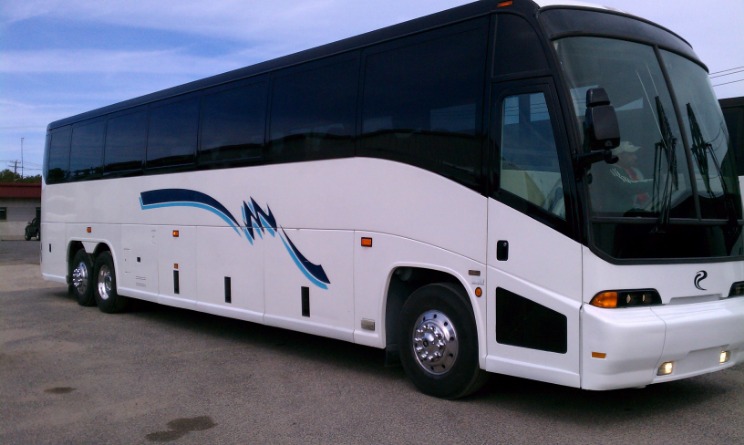

Overview of Bus Travel to Mexico
Bus travel to Mexico offers an economical and scenic way to enter and explore the country, with extensive networks that link border towns, major cities, and popular coastal destinations. Modern coaches provide comfortable seating, onboard amenities, and a range of daytime and overnight routes between cities such as Mexico City, Guadalajara, Monterrey, Cancun, and regional hubs along the coast and Baja Peninsula. When planning, compare operators, check schedules and border crossing requirements, and consider factors like travel time, baggage rules, and safety tips to ensure a smooth journey.
Why Take the Bus
Bus travel to Mexico offers a practical alternative to flying, with frequent routes from many U.S. and Canadian cities to Mexico’s major destinations. Buses can be a cost-effective option and often depart from central terminals, making it easy to reach city centers and tourist sites without hours of airport security processes.
Across the border, long-distance bus networks connect popular Mexican cities such as Mexico City, Guadalajara, Monterrey, Tijuana, Mexicali, Hermosillo, Oaxaca, and tourist regions like Cancun and the Riviera Maya. From border towns and southern U.S. hubs, you can usually reach many parts of the country without changing vehicles. Travel times vary from a few hours to 20 hours or more, depending on distance and route.
Types of buses range from standard coaches with comfortable seating and air conditioning to premium or first-class services with larger seats, more legroom, and sometimes onboard entertainment or meals. Night buses are common and allow travelers to save on daytime travel while arriving at their destination rested. Some operators also offer sleeper options on longer overnight routes.
Booking and tickets can be arranged online, at terminals, or through travel agents. Prices are generally competitive, and you can often choose from several classes or routes. Direct routes may save time, but connections can offer cheaper options. baggage allowances vary by operator, so it’s wise to check luggage limits before you travel.
Border crossing by bus adds a layer of paperwork and wait times. You will typically go through Mexican immigration and customs at the crossing point or terminal. Always carry a passport for adults, and check visa requirements if you are not a citizen of a visa‑exempt country. It’s common to encounter arrival forms and brief inspections during the process.
Why take the bus? It is usually cheaper than flying, especially if you travel with luggage or book in advance. Buses often run from city centers, sparing you a trip to a distant airport, and they offer both day and overnight options, letting you see the landscape as you travel. For many travelers, the bus is a flexible, social way to explore Mexico with easy adjustments to plans.
Tips for a smoother trip include comparing routes and schedules, booking ahead for peak times, choosing a reputable operator with good safety records, arriving early at the terminal, keeping valuables secure, bringing snacks and water, and having local currency or a card for onboard purchases. If you’re new to long-distance bus travel in the region, consider a premium service or breaking up longer journeys into shorter segments to stay comfortable.
In summary, bus travel to Mexico offers an approachable, budget-friendly way to reach multiple destinations, combining convenience, flexible itineraries, and the chance to experience the country’s scenery and culture along the way.
Key Mexico Destinations Accessible by Bus
Bus travel in Mexico offers a broad and affordable way to explore the country, with an extensive network that connects major cities, tourist destinations, and regional hubs. Buses are used by locals and visitors alike, often providing a comfortable alternative to flying for medium to long distances, overnight trips, and scenic daytime routes.
The Mexican bus system is organized around large national operators that run frequent routes between big cities and regional centers. The most widely used carriers cover the central and southern parts of the country, while regional companies connect smaller towns and coastal destinations. In practice, you’ll find modern coaches with a range of service levels, dependable schedules, and ticket offices in major terminals and many tourist areas.
When planning a trip, you can book tickets online, at bus terminals, or through travel agencies. Prices vary by distance, service level, and whether you choose daytime or overnight service. Shorter daytime trips often cost a fraction of what a domestic flight would, while longer or luxury services command premium fares. For budgets, there are standard or economy buses, and for comfort and speed there are deluxe or VIP options with more legroom and extra amenities.
Most long-distance routes offer several service levels. Economy buses are basic but clean and reliable, with air conditioning and comfortable seating. Deluxe or luxury services typically feature reclinable seats, more spacious seating, onboard restrooms, and sometimes snacks or bottled water. Overnight buses are popular because they save time and hotel costs, and many lines provide sleeper seats or beds on the highest tier in longer journeys.
Durations depend on the distance and terrain. Short hops between nearby cities can take 1 to 4 hours, while trips across the central plateau may take 6 to 12 hours. Distances to the Yucatán Peninsula, Oaxaca, or other southern regions can extend beyond 12 hours. Some cross‑country routes and coastal journeys can stretch into 18 to 24 hours or more, but many travelers find overnight services convenient and cost-effective.
Crossing the border from the United States is a common use case for bus travel, with routes from cities such as San Diego or Los Angeles offering connections to Mexican destinations like Tijuana, Baja California, and beyond. If you plan a border crossing by bus, allow extra time for passport checks and potential security procedures, and ensure you have the required travel documents well in advance.
Mexico City serves as a major bus hub, with direct services to almost every region in the country. From here you can reach the central highlands, the Pacific coast, the Gulf coast, and the Yucatán Peninsula with relative ease, making it an excellent first stop for a multi‑city bus trip.
From Mexico City, direct buses to Cancún and the Riviera Maya offer a practical alternative to flying, with connections to Playa del Carmen and other resort towns along the Caribbean coast. The route to the Yucatán also passes through major stops such as Mérida, allowing travelers to continue by bus to archaeological sites, cenotes, and colonial towns.
Oaxaca is well served by long‑distance buses from Mexico City and other northern hubs, with scenic routes that pass through the Sierra Madre and offer access to the city’s rich cuisine, culture, and nearby archaeological sites. The trip is typically several hours, and many visitors pair Oaxaca with day trips to Monte Albán and surrounding villages.
Guadalajara and the broader Jalisco region are accessible by frequent services from the capital and other major cities. A bus trip to Guadalajara provides a gateway to colonial architecture, tequila culture, and nearby towns, with comfortable seating and reasonable travel times compared with air options on some routes.
Monterrey, in the northeast, is another well‑connected destination with multiple daily departures from central Mexico. Bus travelers can enjoy efficient service to this commercial center, along with opportunities to explore nearby natural attractions and regional cuisine after a relatively straightforward journey.
Merida and the rest of the Yucatán Peninsula are reachable by long‑haul buses that run from Mexico City and other hubs, though these journeys are lengthy. Once in Merida, buses connect outward to the colonial towns, cenotes, haciendas, and Mayan sites across the region.
Baja California routes, including Tijuana and other northern coastal cities, are popular for travelers heading to Baja’s beaches and desert landscapes. Long journeys can be lengthy, but the scenery and access to Pacific coast destinations often justify the travel time for adventurous itineraries.
Puebla, Queretaro, San Cristóbal de las Casas, and other historic or highland towns are also well served by regional and national carriers. These routes enable efficient day trips or multi‑city itineraries that highlight Mexican history, architecture, and regional cuisines, often with quick connections to other major destinations.
Tips for a smooth bus trip include booking in advance during peak travel seasons, arriving early at the terminal, keeping your ticket handy, and packing light but with essentials for long trips such as a small blanket, water, snacks, and a neck pillow for overnight journeys. Always verify the service level and terminal location for your specific route, as some cities have multiple terminals served by different companies.
Whether you’re visiting historic cities, exploring colonial towns, or chasing beaches along the Pacific and Caribbean coasts, intercity buses in Mexico offer a practical, economical, and scenic way to travel. With careful planning, you can design a multi‑stop road trip that reveals the country’s diverse landscapes, cultures, and experiences from coast to coast.
Comparison with Other Travel Modes
Bus travel to Mexico offers an affordable and flexible way to explore the country, with a dense network that covers major cities as well as regional destinations. Long-distance buses connect border towns to Mexico City, the Yucatán, the Pacific coast, and the interior, while cross-border services from the United States link many major U.S. cities to Mexican hubs. Renowned Mexican operators such as ADO, Primera Plus, ETN, and others provide different levels of service, from comfortable daytime routes to overnight sleeper journeys. For travelers, the bus system emphasizes city-to-city convenience and shared transport hubs rather than airport transfers.
Key advantages of bus travel include lower costs compared with air travel, frequent departures, and the ability to travel directly between downtown areas without the need for airport transfers. Buses offer various seating options, including standard, semi-cama (reclining), and sleeper services on longer routes. Night buses can save both time and hotel expenses, while daytime services allow sightseeing along the route. The network also tends to have robust coverage in popular tourist regions as well as smaller towns, making it easier to plan a route without rechecking luggage at an airport.
Travel times by bus vary widely by distance and service level. A cross-border ride from the U.S. border—for example, from San Diego or Los Angeles to Mexico City—can take 20 to 30 hours or more, depending on route and customs processing. Within Mexico, a daytime express service might cover 400–600 kilometers in 5–9 hours, while longer routes from the northeast to the Pacific coast can exceed 12 hours. Night buses add a sleeper option, but comfort and on-board amenities differ by operator and price tier.
Booking a long-distance or cross-border bus ticket is usually straightforward online, via the operator’s app, or at bus terminals. Popular Mexican brands include ADO and its sub-brands, Primera Plus, and ETN; international services may partner with U.S. or Central American carriers such as Greyhound or Tufesa. For border travel, carry a valid passport and any required visas, and be prepared for a border crossing may require passengers to disembark or present documents at a checkpoint. Pack light and bring snacks, water, and a travel blanket for overnight journeys; luggage is typically allowed but may be limited on cheaper fares or regional services.
Air travel is the fastest option, with frequent domestic and international flights between major cities, but it often costs more and requires time for airport security, check-in, and transfers from downtown terminals. Driving by car or rental offers maximum flexibility and the ability to explore at your own pace, but border crossing queues can be lengthy and fuel costs, insurance, and tolls add up. Rail travel within Mexico is limited in coverage but can be scenic in routes like the Copper Canyon region, while cross-border rail options are rare and often involve two or more segments. Overall, buses deliver the best balance of cost and reach for many travelers, especially on routes where airports are far from city centers or where travel plans emphasize direct city-to-city movement.
In summary, bus travel to Mexico is a practical choice for budget-conscious travelers and those seeking direct, city-to-city connections. If time is not a constraint and you value scenic routes or overnight travel, buses can be very convenient. If speed or airport convenience matters more, air travel or a short domestic flight network may be a better fit. Always compare routes, durations, and service levels across operators to choose the best option for your itinerary.
Planning and Booking Your Trip
Planning and booking your bus trip to Mexico sets the tone for a smooth journey. Start by mapping your route, comparing schedules and fares, and choosing reputable lines that cross the border safely. Consider travel times, baggage policies, and border crossing options, and book in advance during peak seasons. Decide on comfort versus speed, check for any required documents, and keep a simple itinerary and confirmation details handy. With a clear plan, you can enjoy an affordable, scenic ride to your Mexican destination.
Researching Bus Operators and Routes
Planning a bus trip to Mexico can be a practical and scenic way to travel, offering city-to-city connections across diverse landscapes. Start by outlining your route, dates, and budget, then build a realistic timetable that accounts for border crossing if you’re coming from the United States. With careful planning, you can save money while enjoying easy transfers between towns and tourist destinations.
Researching bus operators and routes is the foundation of a smooth trip. Identify the major networks that serve your origin and destination, such as nationwide brands that cover many routes and regional lines that operate only in certain areas. Look for operators with clear route maps, posted timetables, and a transparent fare structure. Compare service levels, such as standard seating, extra legroom, and premium or sleeper options, as well as amenities like air conditioning, power outlets, and Wi-Fi.
Map out your route by listing possible cities to stop in and transfer times between buses. Consider whether overnight journeys suit you, especially if you want to maximize sightseeing time. Check which operators run direct connections and which require changes, and verify the reliability of those connections through recent traveler reviews and the operator’s own announcements.
Booking options include the operator’s official website or mobile app, and reputable third‑party platforms that aggregate schedules and fares. Official sites often offer the best seat-selection options and straightforward refunds, while third‑party sites can help you compare multiple operators at a glance. Always read the fare rules, cancellation deadlines, and any penalties before purchasing.
Tickets can be purchased with various seating classes, from basic economy to premium or luxury services. If you value extra comfort, choose options that include assigned seating, more legroom, and longer rest periods. Check luggage allowances for both cabin and checked luggage, and be prepared for restrictions on oversized bags. Bring a small bag with essentials for the trip, since some routes have long stops or limited on‑board services.
Border crossing considerations are essential if you’re traveling from the United States into Mexico. Have valid travel documents such as a passport, and verify visa requirements for your nationality. Be prepared for customs and immigration checks at the border, and allow extra time for this during peak periods or holidays. Some cross‑border routes may require you to switch buses at a border town, while others may continue into Mexico with the same operator—confirm this when you book.
Seasonality and schedule reliability can affect prices and availability. Peak travel times—holidays, spring break, and long weekends—often sell out in advance, and prices can rise quickly. If your dates are flexible, you may save money by traveling midweek or shoulder seasons. Keep an eye on local weather and road conditions, which can impact long road journeys.
Safety, security, and comfort matter on long bus trips. Choose reputable operators with well-maintained fleets, clean terminals, and clear safety policies. Have a plan for securing personal belongings at terminals and on board, and keep essential items like passports, tickets, and valuables in a secure bag. When possible, travel with a companion, especially on overnight routes.
Packing and budgeting tips help you maximize value. Pack light to simplify transfers, bring a refillable water bottle, snacks, a light jacket for air conditioning, and an eye mask for daytime naps. Budget should include ticket price, border fees if applicable, meals during stops, and incidental charges at stations. Many long routes offer snack options on board, but you’ll often pay a premium for convenience.
Possible routes to consider include Mexico City to Oaxaca for a mix of mountains and culture, Mexico City to Puebla or Veracruz along the Gulf coast, Guadalajara to Puerto Vallarta, or Mérida to Cancun if you’re heading to the Yucatán. For international travelers, a trip that starts in a US border city and continues into Mexico can be convenient, but always verify the border process with the operator and ensure your documents are in order before you depart.
Ticket Types, Fare Classes, and Refund Policies
Planning a bus trip to Mexico can be straightforward when you map out your route, compare operators, and book in advance.
Start by defining your travel dates and origin and destination cities, then check available routes, including any transfers or border crossings. Consider how long the journey will take and what time you want to arrive.
Booking options include online purchases through carrier websites or apps, third‑party travel platforms, or in‑person at bus terminals. Online booking often lets you compare schedules, reserve seats, and secure lower fares, while buying at the terminal can be convenient if you prefer personal service.
Ticket types commonly include one‑way, round‑trip, and multi‑city itineraries. Some lines offer through tickets that connect with other carriers or modes of transport. For Mexico routes, you may encounter premium or express services with larger seats, greater legroom, and onboard amenities.
Fare classes vary by operator but generally fall into economy or standard and premium options. Premium fares usually include more comfortable seating, assigned seat selection, extra luggage allowances, and sometimes onboard entertainment or Wi‑Fi. Flexible fares may cost more but let you change dates without penalties, while nonrefundable economy fares are cheaper but less forgiving.
Refund policies are set by each carrier. Read the terms before you buy: many economy tickets are nonrefundable or carry a cancellation fee, while flexible or premium fares allow changes or refunds with little or no penalty. Some operators offer credits or vouchers if you cancel within a specific window or if travel restrictions apply.
Tips for planning cross‑border bus travel include verifying border procedures, ensuring you have a valid passport, and knowing whether the ride requires a border stop or immigration checks on board. Arrive at the terminal early, pack any required documents, and keep important items in an accessible bag.
At the terminal and on the bus, keep your ticket or e‑ticket QR code handy, know your seat number, and follow the carrier’s luggage rules. Most lines allow a main piece of checked luggage and a personal item, with size and weight limits varying by service.
Because policies differ by company and route, always review the specific operator’s terms on their official site at the time you buy your ticket and ask at the counter if anything is unclear. Planning ahead will help you secure the best price and a smoother trip to Mexico.
Online Booking Platforms vs. Buying at Terminals
Planning a bus trip to Mexico involves mapping your route, choosing travel dates, and deciding how you will book your tickets.
Online booking platforms offer a way to compare different operators, routes, and prices in one place, making it easier to see options across regional and long‑haul trips.
Benefits include real‑time seat maps, mobile tickets, price alerts, and the ability to read operator reviews before you commit to a bus.
Caveats include service or processing fees, strict refund and change rules, possible language barriers, and the risk of mismatches between the platform listing and the actual bus you board.
Buying tickets at terminals can provide face‑to‑face help, the chance to negotiate on spot for last‑minute trips, and immediate confirmation if seats are available.
Drawbacks include possible long lines, limited seat availability on popular routes, less transparency about exact bus models, and cash‑only or less flexible payment options at the counter.
When to book online versus at the terminal depends on your situation: online is usually best for popular routes, international crossings, or when you want to compare schedules ahead of time; buying at the terminal can suit spontaneous trips or if you prefer paying in cash and negotiating on the spot.
Practical planning for bus travel to Mexico includes carrying valid travel documents, checking entry requirements for your nationality, and allowing extra time for border crossings if you are traveling across the border by bus. It also helps to have a digital and physical copy of your itinerary and to be aware of time zones and ticket validity.
Tips for a smoother trip include arriving early at the pickup point, confirming the boarding location, knowing luggage allowances, keeping a copy of your ticket, and choosing a comfortable seat or quiet car if available. Whether you book online or at the terminal, a bit of planning goes a long way for a safe, affordable bus journey to Mexico.
Border Crossing and Entry Requirements
Border crossing into Mexico by bus requires a valid passport and, depending on your nationality, a visa or a Mexico Tourist Card (FMM) for stays of up to 180 days. Most travelers obtain the FMM at the border or online before crossing, and you may be asked for a return ticket and proof of funds. U.S. and Canadian passport holders often travel without a visa for short visits; always check current entry rules with the Mexican authorities or your bus operator before you travel.
Documents Needed for U.S.–Mexico Travel
Planning a bus trip from the United States to Mexico? Understanding border crossing and entry requirements helps speed your journey and avoid delays at the terminal.
For U.S. citizens crossing the border by bus, valid travel documents are required. Under the Western Hemisphere Travel Initiative, acceptable documents include a valid passport book, a passport card, or an Enhanced Driver’s License (EDL) issued by a U.S. state that participates in the program, as well as other approved travel documents like Trusted Traveler cards. The passport book is widely accepted for all modes of travel, while the passport card and EDL are generally limited to land and sea crossings and not valid for air travel.
Mexico requires a Forma Migratoria Múltiple (FMM) tourist card for most visitors; U.S. citizens do not need a visa for stays up to 180 days for tourism or business, but you must carry a valid passport and obtain the FMM. The FMM can be filled online before you travel or completed upon entering Mexico at the border or at the bus terminal. There is a fee for the FMM, which may be included in your ticket price when you book with a bus company, or payable at the point of entry.
Non‑U.S. citizens should check visa requirements for their nationality before traveling by bus to Mexico. Some travelers may need a visa or an eTA/permits depending on their country of citizenship and length of stay. Even when a visa is not required, the FMM and valid travel documents are still essential.
If you are traveling with children, prepare extra documents. Carry each traveler’s passport or passport card, and for minors, bring a birth certificate or passport. If a child is traveling with only one parent or a guardian, carry a notarized letter of consent and copies of custody documents as required by both U.S. and Mexican authorities.
At the border, be ready to present your documents to immigration officers when you board the bus or at the checkpoint. You may be asked about the purpose and duration of your stay, your address in Mexico, and your onward travel plans. Have cash or cards to pay any FMM fees, and declare any items subject to duties if prompted.
Pro tips for a smoother crossing: travel with digital copies of your documents and keep them accessible; verify with your bus operator which documents are required for that specific route; keep your passport in a safe location and bring a secondary form of ID; arrive early to account for possible delays at the border; and always check the latest official guidance from U.S. and Mexican authorities before you depart.
By understanding the required documents for U.S.–Mexico bus travel and the entry procedures, you can move through border control with confidence and enjoy your trip to Mexico.
Border Procedures, Timings, and Queues
Bus travel to Mexico requires understanding border crossing rules, entry requirements, and the procedures you’ll follow at the port of entry. Knowing what to expect can help you move smoothly from the bus onto Mexican soil and begin your trip without unnecessary delays.
Entry requirements depend on your nationality and the purpose of your visit. In most cases you will need a valid passport. Many travelers also need a tourist permit called the Forma Migratoria Múltiple (FMM), which is typically valid for up to 180 days. The FMM can be obtained online before you travel or at the border, and some bus companies may help collect or pre-fill the form for you. Some nationalities may require a Mexican visa or other documentation, so check with the Mexican consulate or your bus operator before you depart. Ensure your passport remains valid for the duration of your stay and, if required, that any visas are current.
Border procedures usually involve two main steps: immigration and customs. At the border you will present your passport and, if applicable, your FMM or visa to the Mexican immigration officers for stamping. Depending on the port and whether you’re traveling with a group, you may disembark the bus to go to the immigration counters or wait for the officers to coordinate group processing. After immigration, you’ll proceed to customs, where you may declare restricted items or currencies above a certain amount. Always follow the instructions of your bus crew and border officers, and keep your travel documents easily accessible.
Timings at border crossings vary widely. Some ports operate 24 hours, while others have more limited hours. Crossing times depend on how busy the border is, the day of the week, holidays, and security checks. It’s common to experience waits from 30 minutes to several hours, especially during peak travel periods. Plan extra time in your itinerary, particularly if you have onward bus connections or timed activities on the Mexican side.
Queues can form at both immigration and customs, with distinct lines for vehicles and individuals. Bus travelers may encounter dedicated lanes or grouped processing, but this varies by port of entry. To minimize delays, arrive prepared with your passport and FMM (or visa) readily accessible, complete any required forms in advance if possible, and listen to your bus staff for port-specific guidance. If you’re crossing on a busy weekend or holiday period, expect longer queues and allow extra buffer time in your travel plans.
Tips for a smoother crossing include keeping digital and physical copies of your documents, knowing where to find water, snacks, or seating near the border, and noting any fees you might need to pay for the FMM or other permits. Stay patient, follow official directions, and your bus transfer into Mexico will set a positive tone for the rest of your trip.
Prohibited Items and Customs Declarations
Traveling by bus into Mexico from the United States or other neighboring countries involves border controls and entry processes. This article covers the typical steps for bus travelers, including what documents you may need, what items are prohibited, and how Customs declarations work at the border.
Entry requirements usually start with a valid passport. For many travelers crossing by land, a valid passport book is recommended, and a passport card may be accepted at some border crossings. In addition to a passport, many visitors will need a Mexican tourist permit known as an FMM or Forma Migratoria Múltiple, which may be issued at the border or online before travel. Some nationalities can enter for short tourist stays without a visa, while others may require a visa or additional documents. Minors often have extra rules, including consent from guardians. Always check the latest requirements with a Mexican consulate or the border agency before you travel.
At the border itself, you will typically present your passport, the FMM if you have it, and any supporting documents requested by the immigration officers. Bus travelers may go through a combined immigration and customs area where officers can inspect passengers and luggage. Be prepared to answer questions about your travel plans, stay duration, and where you will be staying in Mexico. Keep your important documents accessible but secure, and follow posted instructions for lanes and processing times.
Prohibited items include weapons, ammunition, explosives, illegal drugs, and other dangerous goods. Other items that are often restricted or regulated include certain agricultural products (such as fresh fruits, vegetables, seeds, and plants), meat, dairy products, and animals or animal products that require permits. Prescription medications should be carried with a valid prescription and in original packaging. If you are unsure whether an item is allowed, declare it or leave it at home to avoid delays or penalties.
Customs declarations are a normal part of the border process. If you have items that may be subject to duties or restrictions, you should declare them. Many borders use a “no declaration” option for travelers with only personal belongings, and a “declare” option for those with goods that may require duties. You may be asked to open bags for inspection, and you should retain receipts or proof of purchase for any high-value items. If you carry a large amount of money or valuable items, you may need to declare them and follow the local rules for currency and duties.
Tips for a smoother crossing: arrive early, have all documents ready, and check the latest requirements with official sources before departure. If you are unsure about any item, declare it rather than risk penalties. Language can be a barrier, so having a basic understanding of border terms in Spanish or a translation app can help. After crossing, follow bus company procedures to collect bags and reboard, and be aware that inspection times can vary by border crossing and time of day.
Routes and Destinations
Routes and destinations for bus travel to Mexico connect major cities, tourist hubs, and border towns with schedules, fares, and travel times. Whether you’re crossing from the United States into Baja California or venturing south to Mexico City, Guadalajara, Oaxaca, or Cancún, this guide highlights reliable routes and practical tips for an affordable, comfortable journey.
Cross-Border Routes from the U.S. Southwest (Tijuana, Ciudad Juárez, Nuevo Laredo)
Bus travel between the U.S. Southwest and Mexico’s border cities is a popular option for crossing with luggage and comfort. This guide focuses on cross-border routes to Tijuana, Ciudad Juárez, and Nuevo Laredo, outlining where travelers typically start, how routes connect, and what to expect on the Mexican side.
San Diego to Tijuana is the most-traveled corridor for many travelers starting in the U.S. Southwest. Buses depart from San Diego and cross the border at the San Ysidro or Otay Mesa crossings, then continue to the Centro de Autobuses de Tijuana on the Mexican side. From Tijuana, the bus network fans out to Baja California destinations such as Ensenada and Mexicali, and it also offers connections onward to inland Mexican cities. The route is known for relatively short border wait times and frequent daytime departures, making it a common choice for weekend trips, work travel, and shopping trips across the border.
The El Paso–Ciudad Juárez corridor is another major cross-border option. Buses depart from El Paso’s central stations and cross into Juárez, where a large terminal serves as a gateway to northern Chihuahua and other northern Mexican routes. From Juárez, travelers can connect to longer-distance services that head toward interior destinations in Mexico, with transfer points in larger hubs that link the north to central and southern cities. This corridor is particularly convenient for travelers based in western Texas who want a straightforward border crossing and a single-ticket ride for most of the journey.
From Laredo, Texas, cross-border service to Nuevo Laredo is centered on the World Trade Bridge and the Colombia-Solidarity Bridge. Buses arriving in Nuevo Laredo then feed into a robust Mexican long-distance network, with common onward routes toward Monterrey and beyond, including connections to San Luis Potosí, Saltillo, and Mexico City through major Mexican carriers. This corridor is a reliable option for travelers aiming to reach central and eastern Mexico with one or two simple connections after crossing the border.
On the Mexican side, each city serves as a hub for regional and national routes. Tijuana’s Central de Autobuses handles departures toward Baja California and beyond; Ciudad Juárez’s terminal offers connections into northern Mexico; and Nuevo Laredo’s terminal connects passengers to routes across Tamaulipas, Nuevo León, and central Mexico. In practice, many cross-border trips end in these terminals, where onward tickets, transfers, and local taxis or rideshares provide last-mile connections to accommodation or specific tourist sites.
Practical planning tips for cross-border bus travel include checking border crossing wait times, having valid travel documents, and purchasing tickets in advance when possible. Arrive early to the U.S. border station and prepare for potential delays at immigration and customs. On the Mexican side, confirm the terminal of arrival and the next leg of your journey, whether it’s a quick domestic leg or a longer cross-country ride. Bring pesos or a card accepted at the operator’s ticket desks, and keep a copy of important documents in case of change or transfer needs.
In summary, the U.S. Southwest-to-Mexico routes to Tijuana, Ciudad Juárez, and Nuevo Laredo offer reliable cross-border options with strong onward networks. By starting from San Diego, El Paso, or Laredo and using the corresponding Mexican hubs—Tijuana, Juárez, and Nuevo Laredo—travelers can access a wide range of destinations across Baja California and the wider Mexican interior through interconnected bus services.
Routes to Mexico City and Central Mexico
Bus travel in Mexico offers a network of routes that connect Mexico City with the rest of Central Mexico and beyond. Mexico City serves as a central hub with frequent services from many regional cities, making it easy to reach the heart of the region by bus.
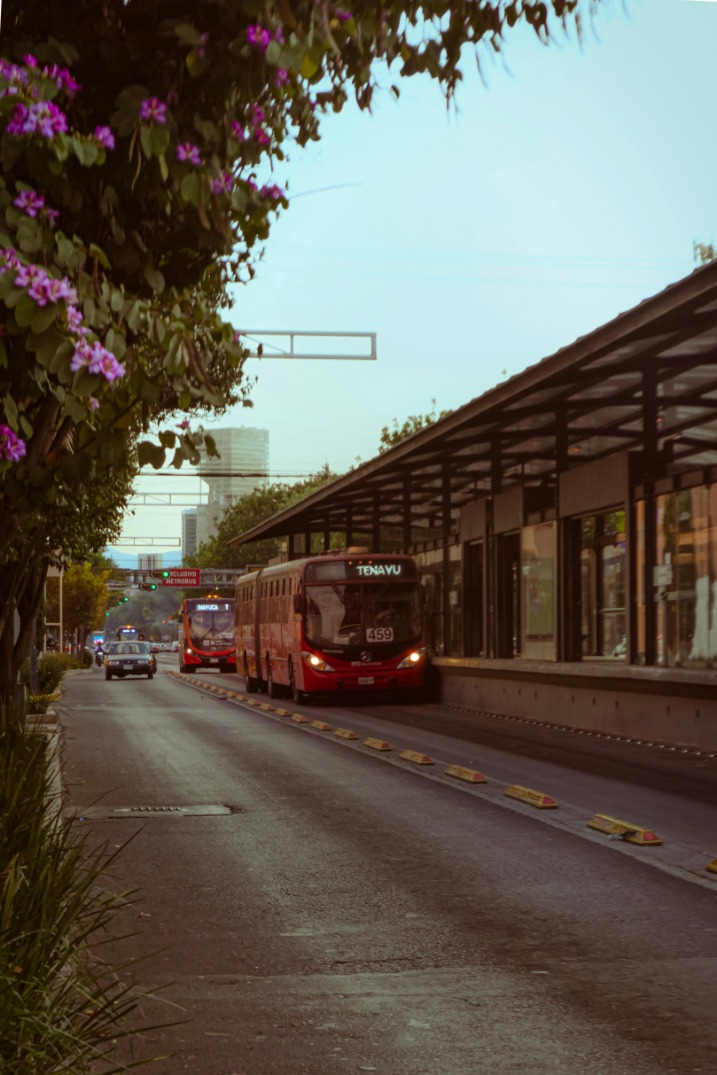
- From Guadalajara to Mexico City — travel time typically 6–8 hours; common CDMX terminals include TAPO, Buenavista, and Observatorio depending on the line.
- From Monterrey to Mexico City — about 9–11 hours; services arrive at major CDMX terminals such as Norte and TAPO.
- From Oaxaca City to Mexico City — around 6–9 hours; buses usually terminate at TAPO or other central CDMX stations.
- From Puebla to Mexico City — roughly 2–3 hours; frequent daytime departures with arrivals at TAPO and nearby central stations.
- From Toluca to Mexico City — about 1–2 hours; direct routes into CDMX terminals or nearby central hubs.
- From Morelia to Mexico City — typically 4–6 hours; common CDMX arrivals include Buenavista and TAPO.
- From Veracruz to Mexico City — around 6–8 hours; routes terminate at TAPO or other major stations in the capital.
- From Cuernavaca to Mexico City — approximately 1.5–2.5 hours; buses head to central CDMX terminals.
Tips: check schedules with major operators, buy tickets in advance during peak travel periods, and consider overnight options to save time and lodging costs.
Southern Mexico and the Yucatán: Long-Haul Options
Southern Mexico and the Yucatán offer a well-developed network of long-haul buses that make exploring by road both practical and scenic. From Mexico City’s central hubs to the colonial towns of Oaxaca, to the jungle-lined routes through Chiapas and the palm-fringed coasts near Mérida, bus travel opens up a string of destinations that are often easier to reach by road than by plane.
Two major networks dominate the long-distance scene in the south and the Yucatán: ADO and OCC. ADO operates the largest schedule with a range of service levels from standard to premium, often covering the most popular routes to Oaxaca, Tuxtla Gutiérrez, Campeche, Mérida, and Cancún. OCC and its regional brands offer alternatives on some corridors, sometimes with different departure times or boarding points. For travelers seeking extra comfort, premium lines such as ETN Turistar provide upgraded seating, wider legroom, and onboard amenities on select routes.
From Mexico City, long-haul buses reach the Yucatán peninsula with direct services to Mérida and Cancún, as well as connections through major hubs. Typical journey times vary by service and route but expect roughly 14 to 20 hours for Mexico City–Mérida and even longer for Mexico City–Cancún. Many night services let you sleep through part of the trip and arrive early in the morning at your destination, which can be a smart way to maximize time at ruins, cenotes, and colonial towns.
In the south and highlands, Oaxaca and Chiapas are well served by long-haul buses. Oaxaca City offers lines that head toward Tuxtla Gutiérrez and San Cristóbal de las Casas, with durations ranging from roughly 9 to 16 hours depending on the exact route and service level. Night departures are common here too, letting you wake up in a different climate and culture, from dry highland towns to lush jungle valleys.
The Yucatán peninsula positions Mérida as the regional hub. From Mérida, you can connect to Campeche, Valladolid, and coastal resort towns such as Playa del Carmen and Cancún. The Mérida–Campeche corridor is a popular day- or overnight-trip, while Mérida–Cancún or Mérida–Playa del Carmen routes let you swing down the coast to the Riviera Maya in a few hours. For those visiting Mayan sites such as Chichén Itzá or Uxmal, Mérida serves as a convenient base with frequent departures to nearby towns and archaeological parks.
Long-haul buses come in several comfort tiers. Standard coaches are reliable and affordable, while semi-cama and cama services offer more recline, extra legroom, and sometimes onboard beverages or meals. Premium fleets like Turistar or Diamante-branded services emphasize wider seats, more space, and additional amenities. If you’re traveling on a tight schedule or during peak season, booking ahead guarantees your preferred service level and seat type.
Tickets are typically the easiest to purchase online through the operator’s site or at the station ticket counters. It’s wise to reserve in advance during holidays and long weekends (Semana Santa, Christmas, or long vacation periods). Bring a valid photo ID when you travel, and check baggage allowances with your operator, as policies can vary between standard and premium services and between brands.
At the stations, arrive early to navigate large, busy terminals, locate your platform, and collect any pre-printed or mobile tickets. Rest stops along the route are practical for stretching legs, using restrooms, and grabbing a bite to eat. Pack a light jacket for air-conditioned buses, comfortable shoes for walking in towns, and water or snacks for longer legs of the journey.
For travelers exploring Mexico by bus, southern routes and the Yucatán’s corridors offer a rich mix of culture, cuisine, ruins, and colonial towns. Long-haul buses provide a cost-effective and immersive way to traverse the region—from Oaxaca’s highlands to Chiapas’s jungles and Mérida’s cenotes—while giving you time to observe the changing landscapes and communities along the way.
Onboard Experience and Comfort
Traveling by bus to Mexico blends affordability with comfort, featuring modern coaches built for long journeys. Expect roomy seats, generous legroom, smooth suspension, climate-controlled cabins, clean restrooms on many routes, and onboard amenities like wifi and charging ports where offered. Attentive staff and scenic routes make the ride enjoyable as you move from border towns to sunlit coastlines.
Bus Types and Amenities (Standard, Premium, Sleeper)
Traveling by bus to Mexico offers a practical, economical way to move between major cities and enjoy the landscapes along the way. Routes connect border towns in the United States with Mexican hubs such as Tijuana, Mexicali, Ciudad Juárez, and further south toward Mexico City, Guadalajara, and the Yucatán. Across these routes, bus companies vary in comfort, service, and amenities, making it worthwhile to choose a class that matches your budget and schedule.
Onboard experience and comfort hinge on seat design, space, climate control, and service. Most long-haul coaches provide adjustable reclining seats, adequate legroom, and good ventilation with air conditioning. Window shade, reading lights, and quiet cabins help you rest, while clean restrooms and onboard attendants add convenience. Some buses also offer Wi-Fi, USB charging ports, and complimentary bottled water, snacks, or coffee on longer trips. Noise from engine and road can vary by coach, so selecting a newer or well-reviewed service helps you travel more comfortably.
Standard buses are the most affordable option and suit travelers who value price over extra space. Expect comfortable, two-aisle or single-aisle seating with moderate recline and shared amenities. Legroom is workable for most adults, but on very full routes it can feel tight. Restrooms vary by operator; many include a small restroom on board. Wi‑Fi and power outlets are not universal on standard services, so plan accordingly and bring a charger or portable battery.
Premium or VIP services upgrade the experience with larger seats, more legroom, and a higher level of service. Seats commonly recline further, and some coaches offer near lie-flat positions for shorter overnight legs. Extras often include personal entertainment screens, better Wi‑Fi, individual USB and power outlets, upgraded bathrooms, complimentary snacks or light meals, and a dedicated cabin crew member to assist with boarding and requests. Cleaner interiors, quieter cabins, and shorter stopovers are typical of premium routes.
Sleeper coaches are designed for overnight or very long journeys and focus on privacy and rest. They may feature a row of semi-reclining seats that convert into small beds or full-length, lie-flat berths. Bedding, pillows, and blankets are sometimes provided, along with privacy curtains or enclosed berths for solo travelers. Nighttime lighting is dimmed, and a personal reading light helps with late-night reading. Some sleeper buses include a restroom at one end and a meal or snack service during the drive, alongside attendant service to assist with luggage and comfort needs.
Choose based on distance, budget, and your sleep preferences. For daytime trips between major cities, standard or premium coaches balance price and comfort, while sleeper services shine on overnight routes such as Mexico City to the coast or border-to-city travel that spans many hours. When booking, read operator reviews, confirm seat type, check luggage allowances, and verify border procedures if crossing from the United States. Arriving early and knowing where to board helps ensure a smooth journey.
Seating, Luggage, and Accessibility
Bus travel to Mexico can be a practical way to move between cities and border towns, offering a balance of cost, scenery, and convenience. This article focuses on four key aspects of the experience: onboard comfort, seating, luggage, and accessibility, to help you plan reliable trips across the country.
Onboard experience and comfort vary by operator and class, but on many long-distance services you’ll find features that make the journey more pleasant. Rural and coastal routes may rely on basic air conditioning and simple seating, while premium coaches often provide quiet cabins, consistent lighting, and cleaner restrooms. On overnight trips you may get blankets, pillows, and a smoother ride with better suspension. Some carriers also offer wifi or onboard entertainment, though these amenities are not universal and can depend on distance and price tier.
Seating is a major determinant of comfort on a Mexican bus trip. Most long-distance services use a 2×2 seating layout with generous legroom and a recline that allows you to rest during long hours on the road. Seat width can range around 17 to 20 inches, with additional features such as adjustable headrests, footrests, fold-down tables, and individual reading lights in higher classes. If you’re tall or sensitive to cramped spaces, select a premium coach or a higher‑tier fare where the seats generally offer greater recline and space.
Luggage policies vary by carrier, but a typical arrangement is one or two pieces of checked luggage in the cargo hold in addition to a carry-on that can go in an overhead rack or under the seat. Weight limits and size limits apply, so it’s wise to check your specific operator’s rules before you travel. Label bags clearly, remove valuables from checked luggage, and keep essential items such as documents, medications, and a small snack with you in your carry-on. At border crossings or busy terminals, you’ll often need to handle your own luggage at check-in and pickup, though some services provide porters for premium routes.
Accessibility options are improving but can vary widely by operator and route. Some long-distance coaches offer wheelchair-accessible features on select models, with ramps or lifts, wider aisles, and priority seating. Boarding assistance and accessible restrooms are not guaranteed on all services, so it’s important to contact the carrier ahead of time to arrange access or confirm availability. If accessibility is essential, look for carriers that explicitly advertise accessible seats, request assistance when booking, and plan extra time for boarding at terminals that may have limited staff.
When planning a bus trip to Mexico, compare routes, pace, and comfort level across operators, and read recent traveler reviews for reliability and cleanliness. Confirm luggage allowances and any extra charges, especially for oversized items like sporting equipment. If accessibility matters, call ahead to reserve suitable seating and confirm that your needs can be accommodated. With careful planning, the bus can be a comfortable, economical way to explore Mexico’s cities and coastline.
In-Transit Services: Wi-Fi, Power, and Entertainment
Travelers on bus routes to Mexico often value a comfortable and connected experience from start to finish. The onboard setup focuses on comfort, efficient service, and accessible entertainment and connectivity to make long hops feel shorter.
- Seating and comfort: cushioned seats with adjustable recline, ample legroom, and climate control to stay comfortable on long distances between major Mexican destinations.
- Cabin environment: quiet, well-maintained interiors with reliable suspension and clean restrooms where offered, plus overhead storage for personal items.
- Accessibility and convenience: clear signage, easy boarding, and availability of priority seating or assistance for travelers who need it.
- Wi-Fi connectivity: on many long-haul routes, onboard Wi‑Fi provides web access for work or quick browsing, with coverage varying by bus and route.
- Power and charging: USB ports or 110V outlets at seats to keep devices powered throughout the trip, often near the armrest for easy reach.
- Entertainment options: screens or streaming apps onboard, pre-loaded movies or music, and route maps or live updates to track progress and border crossing times.
Pricing, Costs, and Budgeting
When planning a bus trip to Mexico, pricing, costs, and budgeting matter from the first ticket search to the final mile. Ticket prices vary by route, time of travel, and provider, while extra costs such as baggage fees, border considerations, and onboard amenities can affect the total budget. A smart approach is to compare options, book in advance when possible, and allocate a simple daily budget to cover meals, transfers, and unexpected expenses along the journey.
Typical Ticket Prices by Route
Bus travel to Mexico offers a wide range of prices depending on distance, operator, and service level, making budgeting an essential part of planning.
Cross-border routes from the United States into Mexico typically fall into short-haul, long-haul to northern cities, and long-haul into central and southern destinations. Typical one-way fares in US dollars for common cross-border trips include: San Diego to Tijuana about 6–12 USD on standard services, El Paso to Ciudad Juárez around 8–25 USD, and longer routes such as Laredo/Nuevo Laredo to Monterrey roughly 40–90 USD, with higher prices for premium or direct services.
Domestic routes within Mexico show larger ranges reflecting distance and service level. Examples include Mexico City to Guadalajara at roughly MXN 550–1,100 (about USD 28–55), Mexico City to Monterrey MXN 700–1,200 (USD 35–60), Mexico City to Oaxaca MXN 600–1,100 (USD 30–55), and Mexico City to Cancún MXN 900–1,700 (USD 45–85). Shorter intercity trips such as Guadalajara to Puerto Vallarta run MXN 350–700 (USD 17–35).
Prices are affected by class of service (economy, ejecutivo, or premier), time of day, travel date (weekends and holidays cost more), and how far in advance you book. Some routes charge extra for luggage, seat reservations, or express buses that skip stops, so always check the fare breakdown before purchasing.
Budgeting tips include choosing multi-leg routes only if direct options are significantly more expensive, comparing prices across operators and booking platforms, and setting aside a cushion for border delays, changes, or cancellations. If you travel in peak season, expect higher fares and consider traveling midweek or shoulder seasons for the best fares.
A sample two-leg budget might look like this: from Mexico City to Oaxaca (MXN 600–1,100) plus Oaxaca to Cancún (MXN 1,100–1,700) for a total of roughly MXN 1,700–2,800 (about USD 85–140). A more budget-conscious plan could pair Mexico City to Guadalajara (MXN 550–1,100) with Guadalajara to Puerto Vallarta (MXN 350–700), totaling around MXN 900–1,800 (USD 45–90).
To find current prices, visit official operator sites (for example major Mexican carriers like ADO or premium lines) or trusted price-comparison platforms. Booking in advance typically yields the best prices, while last-minute tickets on popular routes may cost substantially more. Always confirm baggage allowances and any additional fees before checkout.
Fees, Surcharges, and Border Costs
Pricing for bus travel to Mexico varies widely depending on distance, service level, time of year, and the operator. Whether you’re crossing the border for a city visit or a longer regional trip, budgeting ahead helps avoid surprises at the station or on arrival.
Base fares typically reflect distance and service. Short, cross-border routes (for example, a few hours and under a few hundred miles) often start around 30 to 60 USD. Longer routes can range from 60 to 150 USD or more. Premium coaches with extra legroom, leather seating, or on-board amenities can push prices higher.
In addition to the base fare, expect several common charges. Seat selection fees, priority boarding, or guaranteed seats may add a few dollars to the ticket. Baggage or luggage handling charges are common, especially for checked bags or oversized items. Some online bookings also levy processing or credit card charges.
Border costs and processing. When you cross into Mexico, you may encounter border-related fees or administrative costs. Some carriers include border processing in the ticket price; others list it as a separate border or immigration surcharge. You will also need valid travel documents, and for many travelers a Mexican tourist card (FMM) may be required, with an associated fee in some routes.
Taxes and currency. Ticket prices might be quoted in USD or Mexican pesos, depending on the carrier and the booking channel. If you pay in a different currency than the fare, your payment processor may apply a currency conversion fee. Some routes show prices in MXN, then convert at checkout.
Fuel surcharges and other operational factors. Some carriers add a small fuel surcharge or seasonal surcharge during periods of high fuel prices. Weather, strikes, or demand spikes can also affect price.
Timing matters. Prices tend to rise during holidays and peak travel periods such as spring break or long weekends. Booking in advance and avoiding peak days can save money.
Cancellation and changes. Ticket terms vary. Nonrefundable fares are common, with fees for changes or rebooking. Flexible fares exist but cost more. Check the policy before purchase.
Budgeting approach. Start with a rough route and date, compare multiple operators, check whether border fees are included, and note luggage allowances. Build a worst-case budget by adding a cushion for surcharges and contingencies.
Money-saving tips. Look for off-peak travel, group discounts, and loyalty programs. Book directly with the operator to avoid secondary booking fees. Watch for hidden fees in the fine print, and consider round-trip tickets that may offer savings.
On the day of travel. Bring required documents, verify the luggage policy, and have smaller bills for border kiosks or additional fees. Arrive early at the station to account for border processing times.
Bottom line. Understanding base fares, fees, border costs, and terms can help you budget a comfortable bus trip to Mexico without surprises.
Money-Saving Tips and Discounts
Traveling by bus to Mexico can be a great budget option, with costs that vary by origin, distance, and service level. By planning ahead, comparing options, and using smart money-saving strategies, you can keep travel affordable without sacrificing comfort.
- Know the main operators and services: In Mexico, look at ADO (Primero Plus for premium, economy options), Estrella Blanca, Omnibus de México, and Tufesa for cross-border routes; in the U.S.-Mexico corridor, routes from California and Texas often connect to Mexican terminals. Compare routes and class levels (economy/standard vs deluxe/express) to gauge value.
- Estimate price ranges by route and class: Short border-to-city trips can be inexpensive (roughly $10–30 USD one-way), while longer intercity journeys within Mexico commonly range from about $30–80 USD for standard daytime service, and $70–150+ USD for overnight or premium lines. Check current fares on the operator’s site.
- Book in advance and be flexible with dates: Fares typically rise as departure approaches; booking weeks ahead or traveling on off-peak days often yields the best prices.
- Use overnight buses to save on accommodation: Overnight services let you travel while sleeping, effectively reducing lodging costs if you’d otherwise stay in a hotel. Compare comfort levels and luggage rules for overnight options.
- Look for discounts and loyalty programs: Student or youth discounts, senior rates, military discounts, or multi-trip passes can apply; sign up for operator newsletters or apps to receive promo codes and alerts.
- Be mindful of luggage and add-on fees: Most buses allow at least one carry-on; extra bags, seat selection, or special services may incur charges—factor these into the total when comparing options.
- Choose the right pickup and drop-off points: Major terminals near city centers can save taxi costs; border-region stations often connect with local transit—verify distances to your final destination to avoid surprise transport costs.
- Shop around with reputable aggregators and official sites: Compare prices from the operator’s site, reputable travel apps, and border-crossing itineraries to find the best deal; watch for third-party fees or misleading fares.
- Prepare for currency and payment: Prices are usually shown in Mexican pesos or USD depending on the operator; paying with a credit or debit card online is common, but carrying some pesos helps for on-station purchases or concessions.
- Factor border-crossing time and costs into your budget: If crossing from the U.S. to Mexico by bus, allow extra time at the border and plan for incidental costs like local transit to the terminal.
- Consider bundled travel options: In some regions you can combine bus passes with hotel deals or city passes to reduce overall costs; look for package deals that include transfers or tours.
Safety and Practical Travel Tips
Traveling by bus in Mexico can be affordable and convenient, but a few safety and practical tips help ensure a smooth journey. Choose established bus lines with good reviews, confirm pickup and drop-off points in advance, and keep your belongings close, especially in stations and overnight routes. Pack a compact day bag with essentials, stay hydrated, and have copies of important documents and emergency numbers handy, and be prepared for border-crossing procedures or transfers. With thoughtful planning and awareness, bus travel can be comfortable, rewarding, and safe.
Safety at Terminals and on Buses
Traveling by bus to Mexico can be affordable and convenient, but safety should be part of every plan. With smart preparation and mindful behavior, you can reduce risks and enjoy smooth journeys between cities and across borders.
Choose reputable bus lines such as ADO, Primera Plus, ETN, and Turistar Lujo, and book through official websites or at the station. Check route options, schedules, and travel times, and keep both digital and physical copies of your ID and tickets. Avoid very cheap, unverified operators and be cautious about offers from unofficial agents at terminals.
Safety at terminals begins with awareness. Arrive early, stay in well-lit areas, and keep your bags near you. Use official ticket counters, information desks, and authorized taxi stands for transfers. If traveling with others, designate a meeting point and confirm gate numbers before heading to the platform.
On buses, keep valuables with you in a secure pocket or a bag worn across your chest. Use the seat-back pocket for small items and avoid leaving luggage unattended during stops. If you need to store larger items, request help from the crew and use the official luggage bays when available.
Border and international travel tips: if your route includes an international border, have your passport or travel documents ready and follow border agents’ instructions. Complete any required forms, declare items honestly, and use the bus company’s border-crossing procedures if offered. Carry copies of important documents in a separate location from originals.
Night travel and crowded spaces: whenever possible travel with a companion, stay in crowded, well-lit areas of terminals, and choose seats near the crew or in bus sections with regular staff presence. Be cautious of scams or overly aggressive touts, and report any suspicious behavior to staff.
Health and comfort: stay hydrated, bring water and light snacks, and dress in comfortable layers. Keep hygiene items handy and follow local health guidance. If you feel unwell, alert the bus staff and seek medical help as needed along your route.
Travel Health, Weather, and Security
Bus travel to Mexico is a popular, affordable way to see the country, offering a network of long distance routes between border towns and major tourist destinations. When planning a trip from the United States or within Mexico, choosing reputable bus companies and using established terminals can make the journey smoother. This guide covers Safety and Practical Travel Tips, Travel Health, Weather, and Security to help you plan a safe ride across the border and to your chosen destinations.
Safety and Practical Travel Tips: Pick established carriers with newer buses, clear seat reservations, and reliable luggage handling. Book in advance when possible and verify your ticket at an official counter or the company app. At stations, arrive early, stay in well lit areas, and keep your bags within sight. On board, store valuables in a secure bag, keep important documents in a neck wallet or hidden pocket, and stay aware of your surroundings during transfers. For overnight routes, bring a light blanket and neck pillow, consider a travel partner, and schedule breaks to stretch, hydrate, and rest. Avoid accepting unsolicited help with luggage and be cautious of strangers offering assistance with your bags or tickets.
Travel Health: Pack a basic travel health kit with any prescription meds, pain relievers, antiemetics, and a small first aid kit. Check with a travel health clinic about vaccines such as Hepatitis A and routine immunizations, and assess risks based on your destinations. Carry copies of your prescriptions and a list of medications in case you need refills or replacements. Stay hydrated on long trips, but drink bottled water and avoid ice from unknown sources. Eat cooked foods and practice good hand hygiene. If you have medical conditions, bring a doctor’s note and emergency contact information. Consider travel insurance that covers health care and trip interruptions.
Weather: Weather in Mexico varies by region and season, so check the forecast for your specific route and destinations before departure. Coastal areas like the Yucatán Peninsula and Baja California can be hot and humid with a rainy season from roughly May to October and a potential hurricane risk in late summer and fall. Central highlands such as Mexico City and Adolfo Suárez can be cooler, with chilly nights, especially in winter. Northern states are dry and can be very hot by day and cool at night. Pack layers, sunscreen, a hat, a light rain shell, and comfortable footwear. Bring sunglasses and plan for sun exposure at elevations and along exposed routes.
Security: Use official terminals and reputable bus companies, and avoid traveling at night in high-risk routes or states. Keep valuables secure in a money belt or zipped pockets, and limit the number of items you carry on a single bag. Travel with a companion when possible and share your plans with someone at home. If you encounter delays or are approached by strangers offering unsolicited help, politely decline and seek staff assistance instead. Have your passport or required travel documents ready for immigration and border controls, and follow all instructions from officials and bus company staff.
Before you travel, check official travel advisories for your nationality and current safety information for the states you will visit, and confirm entry requirements such as visas or tourist cards. By choosing reputable carriers, preparing for health needs, and staying aware of weather and security factors, bus travel to Mexico can be a safe and enjoyable part of your trip.
Stay Aware of Scams and Secure Your Belongings
Bus travel to Mexico can be a cost-efficient way to see the country, with extensive routes between major cities and popular tourist spots. To stay safe on these trips, plan ahead, stay aware of your surroundings, and protect your belongings from theft and scams.
Choose reputable bus lines such as ADO, Primera Plus, ETN, and other established operators. Buy tickets from official websites, at the terminal, or through authorized agents. Be cautious of offers from street vendors promising unusually low fares or last-minute “deals.”
At the station and when boarding, keep your bag close and keep valuables with you. Use sturdy luggage locks and clearly label bags with contact information. Only use official check-in counters and keep hold of your passport or ID until you are seated. If strangers offer to “watch” your bags, politely decline and handle them yourself.
On the bus, carry essentials in your carry-on or personal daypack within easy reach: passport or ID, money, cards, medications, and a small flashlight. Store electronics in secure compartments and consider a money belt or hidden pouch for cash. Be mindful of rest stops and crowded aisles where pickpocketing can occur.
Common scams to watch for include people posing as helpers who try to take your belongings or pressure you into paying for fake services, fake souvenir offers at terminals, or overly aggressive taxi offers near the bus station. Only use official taxi stands, approved rideshares, or pre-arranged transfers from your hotel or the bus company.
Secure your belongings by traveling light, keeping valuables with you, and using hotel safes when available. Make copies of important documents and store digital copies or photography of the documents in a secure cloud or email. If possible, split cash and cards across several locations and avoid flashing large amounts of money.
Border crossings by bus require a valid passport and any visa or tourist authorization your nationality requires. Check current entry requirements before you travel, and bring any forms you may need (for example a Mexican FMM tourist card if applicable). Have your documents ready at immigration and customs, and avoid revealing sensitive information to strangers at the border.
Practical tips include traveling with a plan B in case of delays, using offline maps, keeping a small amount of local currency in small denominations, and knowing emergency numbers for the area you’re visiting. Trust your instincts, stay in well-lit areas, and share your itinerary with someone you trust.
Arrival, Local Transit, and Accommodations
Arrival by bus into Mexico puts you at the doorstep of lively cities and scenic routes, with terminal hubs connected to local transit lines for easy onward travel. Once you’re in town, you’ll find a range of local transit options—buses within the city, light rail, and rideshares—to reach museums, markets, and day trips. For accommodations, look for options near major bus terminals or close to transit hubs to simplify your stay, budgeting for hostels, budget hotels, or charming guesthouses near the action.
From Terminal to City Center
Arriving in Mexico by bus usually means stepping into a busy terminal that serves as a gateway to the city. From the large central stations in Mexico City to regional terminals in towns and beach resorts, the layout is similar: ticket counters, baggage drop, restrooms, snack stands, and a map with routes to the city center. From terminal to city center, you will find several travel options, and choosing the right one can affect how quickly you reach your hotel or chosen neighborhood.
Arrival and terminal basics: On arrival, head to the information desk or the company counters to confirm your onward ride. Have your ticket handy, and keep an eye on posted departures boards. In many border-crossing routes, immigration and customs processing happens in the terminal before you continue; always carry a valid passport and any required visas. Seats and coaches vary by company; some terminals have separate areas for luxury buses, standard coaches, and budget services.
From terminal to city center: Local transit options include city buses, metro lines near larger terminals, and short- or long-distance shuttles run by hotel associations. In Mexico City, direct metro connections or light rail may link the terminal to central neighborhoods; in other cities, urban buses and colectivos run with varying frequencies. Taxis or rideshare apps are convenient if you’re carrying luggage or traveling late. If you prefer cost control, walk to nearby bus stops for inexpensive routes when safety and weather allow.
Accommodations near terminals: Many travelers choose to stay near the terminal for early departures or easy connections. Look for hotels within a short walk or quick taxi ride from the terminal; check recent reviews for safety, noise, and access. Prices range from budget hostels to midrange hotels; in larger cities you’ll also find boutique stays in central districts that offer a shorter ride to central sights once you’re ready to explore. Booking in advance, especially during holidays, helps secure a good rate and preferred proximity.
Tips for a smooth trip: Buy tickets from official company sites or at the terminal to avoid scams, note baggage allowances, and save copies of e-tickets on your phone. Have some local currency for small purchases or tips, and keep an ID handy. If you’re traveling to multiple destinations, ask about direct routes to your next city center or your hotel district to minimize transfers. For safety, stick to well-lit areas around the terminal, and choose licensed taxis or rideshares when leaving after dark.
Bottom line: Bus travel to Mexico offers a straightforward path from terminal to city center with a range of transit options and accommodations to fit different budgets. With a little planning ahead of time, you can arrive, navigate local transit comfortably, and find a convenient place to stay near the action.
Local Transportation Options Upon Arrival
Arrival by long‑distance bus into Mexico usually brings you to one of the main border cities such as Tijuana, Ciudad Juárez, Mexicali, Nuevo Laredo, Reynosa, Nogales, or Matamoros. When the bus arrives, you’ll typically proceed to Mexican immigration at the terminal or a nearby booth, present your passport, and answer basic questions about your stay. If you plan to visit tourism sites, have a completed Forma Migratoria Múltiple (FMM) or other entry documents; some terminals provide the form on site or online. After immigration, collect your luggage and follow signs to the ground transportation area.
Local transit options upon arrival vary by city but common choices include authorized taxis from a stand, rideshare services like Uber where available, local buses, and in larger cities light rail or metro lines. For short trips, a taxi or rideshare is simplest; for longer hops within the city, public buses or the metro can be economical. If you’re new to the area, ask hotel staff or terminal information desks for the safest routes and fare estimates, and keep small pesos on hand for transit fares.
Accommodations near the bus terminal are a practical option if you’re continuing travel the next day. When choosing a place, consider safety, sound level, and proximity to transit. Budget travelers can find hostels and basic hotels for roughly $15–40 USD per night in many towns, while mid‑range hotels range from $40–100 USD. In bigger cities, prices can be higher. Read recent reviews focusing on location, security, and access to public transport. Booking ahead is wise, and if you’re staying only briefly, ask about luggage storage and early check‑in options.
Tips for a smoother arrival include having a clear plan for your next bus or train leg, keeping valuables secure, and using maps offline in case mobile service is spotty near terminals. Learn a few basic Spanish phrases for directions and transport inquiries, and verify fare estimates before getting into any ride. By planning your arrival and transport in advance, you can move from the terminal to your accommodations with less stress.
Overnight Stays and Booking Local Lodging
Arriving by bus in Mexico puts you on a vast network of routes that connect border towns with major cities and resort areas. Whether you are crossing from the United States or starting your journey within Mexico, plan your arrival around the terminal you will reach, and be prepared for immigration checks, travel documents, and time to navigate the station.
Border crossing details: If you are coming from the United States, you will typically go through immigration at the border or at a staffed border terminal upon arrival. Carry a valid passport, and check if you need a Mexican tourist card (FMM) for your stay. You can obtain the FMM at the border or online before departure; keep the card with your passport during your trip.
Upon arrival at a major terminal: Many intercity buses land in Mexico City’s or Guadalajara’s central stations, or drop you at a city’s primary bus terminal near the downtown area. From there you can walk, grab a taxi, or use a rideshare to your hotel. In some routes you might be dropped off directly in tourist districts near beaches or historic sites.
Local transit in Mexican cities: Inside cities you will use a mix of metro or light rail, buses, and local taxis. In Mexico City, the Metro is extensive and affordable; other large cities have rapid transit or modern bus networks. Local buses and colectivos are common for short hops; always validate tickets where required and keep a small amount of coins for fare changes. Rideshare apps add convenience, especially at night.
Accommodations and overnight stays: A wide range of lodgings is available near bus terminals and in central neighborhoods. Budget hostels, mid-range hotels, and boutique inns cater to different budgets. In tourist zones, stay in neighborhoods known for safety and access to transit, such as historic centers or well-connected districts near the terminal. Read recent reviews, confirm security features, and check if the property offers 24-hour front desk service.
Booking local lodging: When booking, compare several platforms to balance price and location. Look for flexible cancellation policies and accurate neighborhood descriptions. For convenience, book something near the bus terminal if you want an easy transfer after a late arrival. Consider the neighborhood’s safety, noise level, and accessibility to the routes you plan to take the next day.
Practical tips for a smooth trip: Keep digital and printed copies of essential documents, learn a few basic Spanish phrases for transit and accommodation, and verify gate or terminal information before you travel. Always use official terminals, trustworthy taxis or rideshares, and stay aware of your surroundings, especially in busy stations.
Documentation and Legal Considerations
Planning a bus trip to Mexico requires attention to documentation and legal requirements. A valid passport is typically needed, and many travelers complete a tourist card (FMM) or obtain any visa required by their nationality before crossing. If you’re entering by land, check whether you can use a passport card or need a traditional passport, and make sure you have any vehicle permits if you’re bringing a car. Always confirm current rules with your bus operator or the Mexican consulate before travel, as border procedures can vary and change.
Visas and Entry Requirements by Nationality
Documentation and legal considerations for bus travel to Mexico vary by nationality. The core documents you will generally need are a valid passport, the status of your visa, and the Forma Migratoria Múltiple (FMM), the entry permit for Mexico. Always verify current requirements with official sources such as the Mexican National Migration Institute (INM) or your nearest Mexican consulate before departure, especially when crossing by land.
Passport validity is important. Ensure your passport remains valid for at least six months beyond your planned departure date from Mexico and has enough blank pages for entry stamps. Some border officers may require that your passport is valid for the duration of your stay or may request additional pages for stamps.
Visas and entry requirements by nationality: Many nationalities can enter Mexico visa-free for tourism or business visits of up to 180 days and must still carry a valid passport and obtain the FMM. Nationalities that are not visa-exempt must obtain a Mexican visa in advance from a Mexican consulate unless directed otherwise by official authorities. Always check the latest visa policy for your nationality on the INM website or through a Mexican consulate before travel.
Forma Migratoria Múltiple (FMM): The FMM is a tourist permit required for most visitors entering Mexico by air or land. It is separate from a visa. The form can be completed online before travel or obtained at the border or the point of entry. There is a fee for the FMM, and it is typically valid for up to 180 days of stay. When traveling by bus, your carrier may assist with the FMM process at the border or help you complete it before crossing.
At the border when traveling by bus: Border officials will review your passport, visa status (if required), and your FMM. Make sure that the information on all documents matches and be prepared to show proof of onward travel or sufficient funds if requested. Have your ticket details, accommodation information, and contact details handy to facilitate the process.
Minors and families: Children traveling with guardians must have their own travel documents (passport) and, if applicable, an FMM. Some crossings have additional rules for minors, and a consent letter may be required if a child travels with one parent or guardian who is not accompanying them. Check in advance for crossing-specific requirements.
Working, studying, or long stays: If your purpose is work, study, or long-term residency, you will usually need an appropriate visa or residence permit rather than a tourist FMM. Obtain the correct visa from a Mexican consulate and review any additional documents that may be required, such as invitation letters, enrollment letters, or employer permits.
Tips and practical considerations: Carry both digital and printed copies of your passport, visa (if applicable), and FMM. Store copies separately from the originals and consider backing them up online. Check border crossing times and any recent changes to policies, especially around holidays or during health-related or security advisories. If your FMM is lost or rejected, visit the border office or the INM online portal to reapply or obtain guidance.
Official sources and updates: Rules can change, so consult the INM website and your country’s Mexican consulate for the most accurate and current information before travel. When planning bus travel into Mexico, verify the entry requirements for your nationality and the border crossing you will use, as procedures can vary by crossing and region.
Passport Validity and Immigration Forms
Documentation and legal considerations are an essential part of planning a bus trip to Mexico. This guide covers passport validity, immigration forms, and other documents you may need when crossing by road.
Passport validity is the primary concern for most travelers. A valid passport is the most universally accepted document for entering Mexico by bus. For travelers from the United States, common documents for land crossings include the passport book, the passport card, and, in some cases, an Enhanced Driver’s License. Because rules can vary by border, carrier, and the traveler’s nationality, carrying the passport book is the most universally accepted option.
Immigration forms are a standard part of entering Mexico by land. Most visitors will encounter the Forma Migratoria Múltiple (FMM) tourist card when crossing by border into Mexico. You may complete the FMM online before travel or fill it out at the border or on the bus with the assistance of the crew. Keep the FMM in a safe place and present it to border officials on entry, returning it when you depart to avoid penalties.
Passport validity for departure and re-entry is a common requirement to verify. While some border officials may accept a passport with shorter validity, having at least six months of validity beyond your planned travel dates is a widely recommended best practice. This helps avoid unexpected issues with hotels, flights, or future travel plans.
Visa and entry rules vary by nationality. Depending on your country of citizenship, you may be visa-exempt for short tourist stays or you may need a Mexican visa or e-visa. Check the Mexican embassy or consulate website and your bus operator’s guidance for the most current entry requirements for your nationality and travel plans.
Minors and accompanying travelers require extra attention. If you are traveling with children, ensure they have appropriate identification and documents. Unaccompanied minors may require parental consent forms, birth certificates, and written authorization. Check ahead with the border authorities and the bus company for any specific requirements.
Bus company policies can influence what documents you should carry. Some lines may require a passport, while others may accept alternative documents for border checks. Always confirm the operator’s documentation policy before you travel and carry both originals and clear photocopies of important documents.
Practical steps to prepare include making digital copies of your passport and FMM, storing copies separately from originals, and keeping a quick-access emergency contact. Verify current entry rules before travel on official government and operator websites, and allow extra time at border crossings to accommodate checks.
Bus Operator Regulations and Insurance
Travel Checklists and Preparation
Traveling by bus to Mexico benefits from a simple, focused checklist. Before you go, gather your passport or valid ID, any required visas, travel insurance, and digital copies of important documents. Pack light but bring essentials: comfortable clothing, medications, a compact first-aid kit, chargers, and a refillable water bottle. Know your bus company’s luggage limits and border rules, and have some cash in pesos and USD. Download offline maps and a translation app, stay aware of safety, and plan for time zones and potential delays.
Documents to Pack for a Bus Trip to Mexico
Travel checklists and preparation for a bus trip to Mexico help ensure smooth border crossings and a comfortable journey.
- Passport: valid for the duration of your trip (and ideally six months beyond). Bring the original plus a photocopy or digital copy on your phone or in cloud storage.
- Visa or tourist permit (FMM) if required for your nationality: obtain online or at the border; save the confirmation page or QR code.
- Forma Migratoria Múltiple (FMM) document: bring the confirmation or have it accessible online; some travelers receive it on entry, so keep the form handy if you already have it.
- Travel itinerary and accommodation details: printouts or digital copies for border agents and hotel check-ins.
- Proof of onward travel and/or return bus tickets: helps demonstrate plan to depart Mexico.
- Second form of identification: a government-issued photo ID in addition to your passport (for internal travel or hotel check-ins).
- Travel insurance information: policy number, insurer contact, and emergency numbers.
- Emergency contacts: a list with names and phone numbers, including local contacts in Mexico if available.
- Financials: local currency (Mexican pesos) and a major credit/debit card; carry small denominations for tolls, transit, and vendors.
- Medications and prescriptions: bring enough supply for the trip, in original packaging with a doctor’s note if required.
- Copies of important documents: keep separate from originals (digital backups are recommended).
- Phone and connectivity details: unlocked phone, international roaming or a Mexico SIM/eSIM, and offline maps downloaded.
Other travel prep and packing tips
- Check entry requirements for your nationality and ensure your passport and FMM (if needed) are ready before departure.
- Confirm your bus company’s terminal, schedule, luggage allowance, and security rules; arrive early to allow time for check-in.
- Pack a compact carry-on with essentials for the ride: water, snacks, a light jacket, a travel pillow, earphones, and hand sanitizer.
- Pack a well-organized luggage setup: secure bags, label luggage with contact info, and use a small lock if permitted by the carrier.
- Power and connectivity: bring chargers, a portable power bank, a universal travel adapter, and a SIM card or eSIM for Mexico if you need data on the road.
- Health and safety: carry basic first aid items, sunscreen, insect repellent, and your regular medications with a copy of prescriptions.
- Clothing options: dress in layers, wear comfortable shoes, and prepare for varied climates in cities and towns along the route.
- Security and awareness: keep valuables in a secure bag, avoid flashing cash, and know local emergency numbers (911 is common in many Mexican cities).
Pre-Departure Verification and Safety Checks
Travel planning for a bus trip to Mexico should start with a clear checklist that covers documents, routes, safety, and on‑board essentials. This guide focuses on bus travel from the United States (and other nearby points) to Mexico, with practical steps to help you prepare, verify before departure, and stay safe along the way.
Documentation and entry requirements: Check that your passport is valid for at least six months beyond your planned departure date. For many travelers, a tourist visa is not required for short visits, but you will need a Forma Migratoria Migratoria (FMM) tourist card when crossing by land, which you can obtain at the border or online through the Mexican immigration portal. If traveling with minors, carry any custody documents or notarized letters if required, and ensure all travelers’ names exactly match their IDs.
Ticketing and route planning: Book with reputable cross‑border or domestic bus lines known for safety and reliability, such as major carriers like ADO, ETN, and Primera Plus. Confirm the route, transfer points, border crossing times, and luggage allowances. Arrive at the station early, especially for international crossings, and keep your passport, FMM, and essential documents in an accessible carry‑on bag. Consider overnight routes to save hotel costs and to maximize sightseeing time.
Health and safety preparation: Check if you need any vaccines or health advisories for your destinations and carry a small medical kit, prescribed medications, and copies of prescriptions. Have travel insurance that covers medical care and emergencies, and bring your health information and emergency contacts in case you are sick or injured on the road. Bring a reusable water bottle, snacks, and a basic first‑aid kit for longer rides.
Money, valuables, and communication: Bring a mix of pesos and dollars, or rely on a debit/credit card where accepted. Keep valuables like passports, extra cash, and electronics in a secure carry bag, preferably in a money belt or money pouch. Have digital and paper copies of important documents, and share your itinerary with a trusted contact. Ensure your cell phone has roaming or a Mexican SIM card and a plan for data and calls in advance.
Luggage and packing: Pack light and use sturdy luggage with tags. Label bags with your name and contact details, and keep essentials in your carry‑on: a change of clothes, medication, chargers, and a small flashlight. Pack adaptors suitable for Mexico (mostly type A/B), and include weather‑appropriate clothing for varying climates along your route. Do not leave valuables unattended at bus stations or on the bus.
On‑board safety and security: Choose well‑reviewed buses and sit in safe, well‑lit areas. Keep your seat belt fastened when required and store bags securely in overhead compartments or under the seat. Be mindful of your surroundings at stations, and avoid displaying expensive electronics. If you need to use ATMs, use bank‑operated machines and be discreet. Keep a list of emergency numbers for Mexico (local police and travel assistance) handy.
Border crossing tips (land travel into Mexico): At the border, present your passport and FMM, declare items if required, and listen to border agents. Have your receipts for any purchases and be prepared for possible delays. Some bus routes project or stamp the FMM; keep the card until you exit Mexico, as you may need to present it again when leaving. If traveling with a vehicle, ensure you have Mexican auto insurance; for buses, your insurance is typically covered by the carrier.
Arrival and local travel safety: Once you arrive in Mexico, verify local transport options from the terminal to your accommodation. Use licensed taxis or rideshare apps, and agree on a fare if no metre is used. Be cautious at crowded terminals and tourist hotspots, avoid displaying large sums of cash, and respect local customs and language. Stay informed about current travel advisories or safety notes for your specific destination in Mexico.
Packing and final pre‑departure checklist: Do a last pass of your packing list, confirm your bus departure time, print or save digital copies of important documents, and set up a plan for staying connected. Check the weather forecast for your route and build in buffer time for delays at border crossings or at station queues. With these steps, you can focus on enjoying the journey as you travel by bus to Mexico.
Emergency Contacts and Travel Insurance Information
Traveling by bus to Mexico offers an affordable, flexible way to explore the country from the U.S. border towns to the southern beaches and historic sites.
Travel Checklists and Preparation: Start early with a practical checklist that covers documents, tickets, luggage, money, and contingencies. Plan your routes between cities, check bus company policies, and confirm border crossing requirements well in advance.
Documents to bring: A valid passport is essential for international bus travel. Depending on your nationality, you may need a visa or a Forma Migratoria Múltiple (FMM) tourist form; in many cases US citizens can travel for short visits without a visa but may still need the FMM. Carry printed and digital copies of your passport, visa or entry documents, travel itinerary, hotel confirmations, and emergency contacts. Keep a separate copy of important numbers in case your phone is lost or stolen.
Identification and visas: Verify entry requirements for your nationality before departure. If you require an FMM, obtain it online or at the border or bus station as instructed by the carrier. Ensure your passport is valid for at least six months beyond your planned stay and that you have any necessary documentation for vehicle or border crossing permissions.
Luggage and packing: Pack light to ease boarding and transfers. A sturdy daypack for day trips, a small carry-on, and one checked bag (if allowed) is common for many routes. Pack essentials in your carry-on: medications with copies of prescriptions, a basic first aid kit, chargers, adapters, sunscreen, a reusable water bottle, and weather-appropriate clothing. Leave valuables in a secure bag and use luggage locks where permitted.
Money, communications, and safety: Bring a mix of cash in Mexican pesos and a card with international usage. Have backup payment options and keep a copy of card numbers and emergency numbers separate from the cards. Use hotel, station, or bus company Wi‑Fi cautiously and avoid sharing sensitive information in crowded areas. Stay aware of your surroundings, especially in busy terminals, and split valuables between your bags rather than carrying everything in one place.
Emergency contacts: Save the local emergency number (911) for police, fire, and medical in the area you’re visiting. Have the contact details of your country’s embassy or consulate in Mexico, the bus company’s emergency line, your accommodation, and a trusted contact at home who knows your itinerary. Carry a printed list of these numbers in addition to digital copies.
Travel Insurance Information: Choose a policy that clearly covers medical expenses, emergency medical evacuation, trip interruption or cancellation, and lost or delayed baggage for travel in Mexico. Check whether pre‑existing conditions are covered, whether activities you plan (such as certain adventure activities) are included, and what the claim process requires. Keep your policy number, insurer contact, and 24/7 assistance hotline accessible offline and online, along with paper or digital proof of coverage. Bring a copy of your insurance card and the toll‑free number for claims assistance.
Border crossing and on‑the‑road tips: If you’re crossing the border by bus, arrive early and follow the instructions of immigration and customs officers. Have your passport, FMM (if required), and any other travel documents ready for inspection. Keep a small amount of local currency for incidentals, and allow extra time for delays at border checks. Confirm with your bus company what documentation is required and what to do in case of schedule changes, delays, or emergencies on the route.
Seasonal Travel Tips and Disruptions
Traveling by bus to Mexico is affordable and scenic, but seasonal factors and disruptions deserve planning. The dry season (Nov–Apr) usually offers smoother rides and reliable schedules, while the rainy season (May–Oct) can bring delays from downpours and floods. Holiday periods like spring break, Semana Santa, and year-end travel fill buses quickly and raise fares, and hurricane season or border wait times can add to delays. To minimize disruption, book in advance, check schedules with your carrier, stay flexible, and monitor weather and road conditions.
Weather-Related Delays and Planning
Traveling by bus to Mexico offers an affordable way to see the country’s landscapes and connect major destinations, but planning around seasons, disruptions, and weather is essential for a smooth trip.
Seasonal travel tips: Peak travel times include late December to early January, spring break, and Holy Week (Semana Santa). Expect higher fares and fuller buses during these periods. To save, consider shoulder days, midweek departures, and overnight buses that let you travel while you sleep and cut lodging costs.
Summer travel (June through August) often brings heavy rain and tropical weather in many coastal areas. Thunderstorms can cause localized flooding, road closures, and delays. Check daily forecasts, factor in extra travel time, and have flexible plans if a route is disrupted by rain or storms.
Fall disruptions (September and October) align with the Atlantic hurricane season. Hurricanes and tropical storms can alter routes, delay ports and border crossings, or force rerouting inland. Stay informed about weather advisories, have alternative routings in mind, and keep ticket change policies in mind when booking.
Winter travel (November through February) is popular for escaping northern cold, which increases demand on routes to Baja California, Mexico City, and southern destinations. Book early to secure preferred seats and prices, and allow extra time for border crossing and potential morning fog or chilly night bus interiors.
Spring travel (March and April) brings crowded terminals around spring break and Semana Santa in many destinations. Plan ahead for bus station congestion, verify boarding times, and consider flexible or changeable tickets in case schedules shift with crowds or events.
Weather-related delays and disruptions can arise from storms, floods, or landslides that affect highway corridors. Tropical weather near the Gulf and Caribbean coasts, as well as Pacific coastal routes, may lead to delays, detours, or cancellations. Always check operator alerts, local news, and weather apps for real-time updates before and during your trip.
Planning and preparation: carry your passport and any required visas, and check whether you need a Mexican tourist card (FMM) for your stay duration. Have copies of important documents, a small amount of local currency, and a debit or credit card that works abroad. Check baggage allowances with your chosen bus line and confirm cross-border rules if you’re traveling from the U.S. or Canada into Mexico.
Schedules and tickets: buy from official operator websites or at the station to avoid counterfeit fares, and confirm the exact boarding point and terminal. When crossing borders, allow extra time for security checks and border procedures, and verify whether the route requires a bus transfer or waiting in a separate immigration area.
Packing and safety: pack breathable clothing, a lightweight rain shell, sturdy footwear, a hat, sunscreen, water, snacks, and a power bank. Bring a small first-aid kit and any needed medications. On longer or overnight trips, choose a reputable operator, keep valuables close, and use the bus’s seat storage wisely.
On the road: choose daytime routes when possible to benefit from better visibility and easier rest breaks. If you’re taking overnight buses, plan for adequate rest stops, carry a neck pillow, and stay hydrated. Have a backup plan in case a schedule changes, including alternative connections or lodging options along the way.
Final planning tips: monitor weather and travel advisories, stay flexible with dates, and book a route with a clear cancellation or change policy. With careful timing, documentation in order, and awareness of seasonal disruptions, bus travel to Mexico can be an economical and enjoyable way to explore the country.
Strike Risks, Road Closures, and Schedule Changes
Seasonal travel tips for bus trips to Mexico help you navigate weather, holidays, and local schedules, reducing delays and keeping your plans flexible across peak travel periods and rainy seasons.
-
Seasonal travel tips
During peak holiday periods and long weekends, buses to and within Mexico can fill up quickly. Book tickets in advance, arrive early at stations, and be prepared for higher fares. In rainy seasons (roughly May through October in many regions), plan for possible weather-related delays and consider routes with alternative options or longer lead times.
-
Disruptions and strike risks
Labor actions, maintenance pauses, or operator scheduling changes can affect intercity bus service. Stay informed by checking the official websites or social media channels of operators you trust (for example, major lines and regional carriers), subscribe to alerts, and have a backup plan such as flexible dates or a mix of operators in your itinerary.
-
Road closures and travel impacts
Seasonal weather, road work, and occasional natural events can close highways or alter routes. Before departure, review real-time maps and local news for your corridors (including popular routes like those toward coastal resorts or border regions). Allow extra travel time, identify alternative roads, and consider traveling during daylight if road conditions are uncertain.
-
Schedule changes and border considerations
Bus timetables can shift around holidays and due to weather or security checks at border crossings. Verify departure times the day before and aim to arrive at stations early. When crossing the U.S.–Mexico border, factor in wait times, required documents, and updated border policies that may affect cross-border bus services.
Plan with flexibility in mind, keep digital copies of your tickets, and monitor operator updates to adapt quickly to any disruption along your Mexico bus journey. Safe travels.
Health Protocols and Travel Advisories
Traveling by bus to Mexico can be an affordable and scenic way to explore the country. Planning around seasons, potential disruptions, health protocols, and official advisories will help you travel more smoothly and safely.
Seasonal travel tips: In general, the high season runs from November through April, with peak periods around holidays and Semana Santa, so book in advance and expect fuller buses and bus terminals. The rainy season in many parts of Mexico is roughly May through October, bringing afternoon showers and higher humidity in destinations like the Yucatán Peninsula, Chiapas, and the Pacific coast. If you’re heading to coastal or southern regions during hurricane season (June to November), monitor weather forecasts and be prepared for possible route changes. For highland destinations such as Mexico City, San Cristóbal, or Guanajuato, pack layers for cooler evenings and arid days. Always check regional forecasts for your specific routes and consider shoulder seasons for lighter crowds and lower prices.
Disruptions and how to navigate them: Bus routes can experience delays due to weather, roadwork, or border wait times, especially on popular cross-border corridors like Tijuana–San Diego, Nuevo Laredo, and Ciudad Juárez routes. Travel with flexible ticket options if possible, and choose reputable operators with good safety records and clear contact channels. Common disruptions include changes to border entry procedures, longer lines at crossings, and occasional cancellations during severe weather. Stay informed by checking the operator’s status updates, arriving early at terminals, and having a backup plan for regional hops if a long-haul leg is delayed.
Health protocols and travel health tips: Ensure routine vaccines are up to date and consider Hepatitis A and Typhoid vaccines for longer trips or rural itineraries. Carry a basic first-aid kit, any prescribed medications, and copies of important documents. Stay hydrated with bottled water, practice good hand hygiene, and eat freshly cooked meals to minimize stomach upsets. If you have concerns about health conditions or mobility, check accessibility options with your bus company and plan medical coverage or travel insurance that includes medical evacuation if needed.
Travel advisories and safety: Always consult official sources before departure, such as your country’s travel advisory for Mexico, and follow local guidance while in transit. Registering with a government travel program (like STEP) can help with safety alerts and receiving emergency notices. Use reputable bus lines, keep valuables secure, avoid buses that travel in unfamiliar or high-risk areas at night, and be mindful of common street scams around busy terminals. Knowing the current advisories, border requirements, and entry rules will help you choose routes that match your comfort level and itinerary.