

Overview of bus scrap yards in South Africa
Bus scrap yards in South Africa play a key role in managing aging fleets. They collect, dismantle, and recycle buses retired from municipal, school, and private services, turning decommissioned vehicles into spare parts, metal, and reusable components. These yards support local recycling efforts, reduce waste, and provide affordable parts for maintenance while navigating environmental regulations and safety standards.
Definition and purpose
Bus scrap yards in South Africa are facilities where retired buses are dismantled, salvaged for spare parts, and processed for recycling. They support fleet retirement, reduce waste, and contribute to the local parts supply and recycling sectors.
- Definition: A bus scrap yard is a facility that collects decommissioned buses, dismantles them for parts, and processes remaining materials and waste in a controlled manner.
- Purpose: To recover usable components, recycle metals and other materials, minimize environmental impact, and provide affordable spare parts to operators and workshops.
- Core activities: Dismantling, cataloging and selling parts, sorting and storing materials, metal recycling, tire and battery handling, and proper management of fluids and hazardous waste.
- Regulatory framework: Operations are governed by environmental and transport regulations, requiring licenses, waste management practices, and worker safety measures.
- Economic and social role: They support the second‑hand parts market, create local jobs, and promote a circular economy within the transport sector.
- Environmental practices: Containment of fluids, spill prevention, recycling of metals and plastics, proper disposal of hazardous waste, and adherence to environmental targets.
- Challenges and opportunities: Market demand for used parts, upskilling dismantling crews, ensuring compliance and traceability, and expanding recycling of batteries and tires.
- Geographic distribution: Facilities are typically located near major urban centers with good logistics, road networks, and access to ports for import/export activities.
Scope of services (dismantling, salvage, recycling)
Bus scrap yards in South Africa play a critical role in managing aging municipal and private bus fleets, enabling the responsible decommissioning of vehicles and the recovery of valuable components. As fleets evolve with policy shifts, maintenance backlogs, and financial pressures, scrapping becomes an important lifecycle stage that supports reuse, repair, and recycling while reducing landfill burden and environmental impact.
Facilities in the sector typically combine dismantling yards, salvage depots, and dedicated recycling plants. The sector is concentrated around major urban hubs such as Gauteng, the Western Cape, and KwaZulu-Natal, with feeder operations and smaller yards distributed across provinces. Equipped with cranes, forklifts, hydraulic lifting systems, balers, and shredders, these yards follow safety and environmental standards to separate and process materials efficiently while protecting workers and surrounding communities.
Dismantling involves methodically isolating vehicle systems, draining fluids, and safely removing hazardous materials. This includes diesel and engine oil, coolant, refrigerants where applicable, batteries, and fuel tanks. Documentation and tagging of components ensure traceability and compliance with waste manifests. Fluids are collected for proper recycling or disposal, and the vehicle is prepared for the salvage and recycling streams in a way that minimizes contamination and environmental risk.
Salvage activities focus on identifying and preparing reusable parts for the aftermarket. Engines, transmissions, alternators, starters, electrical harnesses, seating, dashboards, and other functional components are tested where possible, cleaned, repaired if feasible, and catalogued for sale to repair shops, spare parts traders, or remanufacturers. Effective inventory management and quality control are essential to maximize value, extend the life of other buses, and support downstream repair markets.
Recycling streams handle materials that are no longer viable for reuse. Metal frames and body panels are sorted into steel and aluminum streams for smelting, while plastics and composites are processed into feedstock for plastic recyclers. Tyres are baled or shredded for crumb rubber or energy recovery where permitted, and glass from windows is cleaned and recycled if feasible. Lead-acid or other batteries are recycled through licensed facilities, and fluids are treated by approved waste service providers. Compliance with environmental regulations governs air emissions, wastewater handling, and waste manifests throughout the recycling process.
Managing these yards requires navigating regulatory and safety frameworks such as the National Environmental Management Act, the Waste Act, and occupational health and safety standards. Permitting, environmental licensing, and proper handling of hazardous waste are essential, as is compliance with hazardous materials regulations and data integrity for parts provenance. Market pressures, including scrap metal price volatility and transport costs, influence profitability, while the risk of informal dumping or illicit salvage activity underscores the need for formal operator licensing and robust enforcement.
Despite challenges, the bus scrap yard sector presents opportunities to advance South Africa’s circular economy. Recovered parts support cost-effective repairs and reduce demand for new production, while recycling streams create jobs and local value chains. Industry players pursue certifications such as ISO 14001 for environmental management and implement digital inventory and parts provenance systems to improve traceability and customer confidence. The shift toward cleaner fleets and new mobility models also opens avenues for partnerships with manufacturers and municipal fleets for certified remanufactured components and end-of-life vehicle programs.
Typical yard layout and equipment
Bus scrap yards in South Africa play a vital role in managing retired public transport and fleet vehicles. These facilities dismantle decommissioned buses, salvage usable components, and responsibly handle fluids such as fuels, oils, coolants, and batteries, while separating metals, plastics, and electronic waste for recycling.
Typical yard layout is organized to optimize safety and throughput. The entrance and admin block sit near a secure perimeter, followed by a weighbridge for incoming units. Inside, a dismantling or stripping area is set apart from the processing line, with dedicated zones for fluids storage and containment, hazardous waste segregation, and a metal yard where salvaged parts and scrap metal are stored in clearly marked piles or containers. A sorting and recycling corridor connects the dismantling area to the scrap processing zone, while a loading zone and access gates facilitate dispatch of recycled components and bulk metals to buyers or recyclers.
Common equipment includes heavy-duty forklifts and yard trucks for moving buses and bundles, mobile cranes or hoists for lifting sections, hydraulic shears or grapples for cutting scrap, and baling or shredding machines for compacting metal. Magnetic separators and eddy current separators help separate ferrous and non-ferrous metals, while conveyors and sorting lines streamline material flow. Storage tanks and containment systems manage fuel, oil, and other fluids, and a dedicated workshop may house basic repairs and safe dismantling. Security cameras, lighting, and fire suppression systems protect the site.
Operations emphasize safety, environmental responsibility, and regulatory compliance. Staff use PPE, and procedures cover spill response, leak detection, and proper disposal of contaminated liquids. The yard should have spill containment, fire protection, and a plan for managing asbestos-free buses and other hazardous components. Waste management aligns with national and local regulations on hazardous waste, recycling, and vehicle fluids. Transport to authorized recycling facilities is coordinated through compliant records and weighbridge data.
South Africa’s bus scrapping network serves municipal fleets and private operators across provinces, with capacity concentrated near major cities and ports for easier material export. The sector supports the circular economy by recovering metal and plastics, refurbishing select components, and providing jobs in refurbishment, dismantling, and logistics while promoting responsible environmental practices.
Geographic distribution and key facilities
Bus scrap yards in South Africa are concentrated in major industrial corridors across Gauteng, KwaZulu-Natal, and the Western and Eastern Cape, with additional facilities in the Free State and Limpopo to serve regional fleets. The strongest clusters are around Johannesburg, Durban, and Cape Town, located along key transport routes such as the N1, N2 and N3 and near ports that enable the resale of salvaged components. Core facilities typically include secure storage yards, dismantling bays, depollution and hazardous-waste handling areas, on-site welding and cutting workshops, crushing and shredding lines, parts-salvage warehouses, wash bays, fire-protection systems, weighbridges, and robust security fencing to manage inventory and ensure regulatory compliance.
Leading provinces and hubs
Bus scrap yards in South Africa are concentrated around major urban centers where municipal and long-distance fleets reach the end of their service lives. These facilities handle decommissioning, safe disposal of fluids, dismantling, and the consolidation of reusable parts and metal for recycling. Location choices are driven by proximity to fleet depots, maintenance workshops, and export and logistics routes.
Geographic distribution shows a strong concentration in Gauteng, where Johannesburg, Pretoria and Ekurhuleni host multiple dismantling yards and recycling facilities due to dense fleet turnover. The Western Cape around Cape Town also maintains several yards serving the metro and provincial fleets. KwaZulu-Natal around Durban and Pietermaritzburg houses a sizable cluster as well, supported by coastal logistics. The Eastern Cape around Port Elizabeth (Gqeberha) and East London hosts yards linked to longer-distance and rural fleet retirements. Smaller clusters exist in the Free State and Limpopo, with operations often tied to regional bus operators and school transport fleets.
Key facilities in these yards include decommissioning depots where end-of-life buses are drained of fluids and hazardous materials are treated, dismantling workshops, and yard storage for parts and scrap. Processing chains typically feature metal shredders and sorting lines for ferrous and non-ferrous metals, followed by baling and preparation for export or local recycling. Supporting infrastructure includes secure storage, wastewater treatment, hazmat handling, and compliance with environmental and occupational safety regulations. Nearby ports and rail links facilitate export of scrap metal to international recyclers or domestic processing plants.
Leading provinces and hubs include Gauteng with Johannesburg, Pretoria and surrounding corridors as the central hub for fleet disposal; the Western Cape with Cape Town as the regional cluster; KwaZulu-Natal centered on Durban and coastal towns; and the Eastern Cape with Port Elizabeth and East London acting as key disposal nodes. There are additional, smaller hubs in the Free State (Bloemfontein corridor) and Limpopo, often tied to district and provincial bus operations and aging municipal fleets.
Logistics and export considerations shape most scrap yard locations, with Durban and Cape Town ports providing essential channels for exporting scrap metal and reclaimed components. Road and rail links connect yards to depots, processing plants, and distribution networks, enabling efficient movement of dismantled parts and materials. As fleets evolve, yards are increasingly adapting to handle new streams such as batteries from electric buses and to implement stricter environmental and safety standards.
Notable yards and operators
Bus scrap yards in South Africa are distributed across provinces with concentration around major cities and port hubs. This overview covers geographic distribution, key facilities, and notable yards and operators.
- Geographic distribution and key facilities: South Africa’s bus salvage ecosystem centers on urban hubs and transport corridors. The largest clusters are in Gauteng (Johannesburg and Pretoria), the Western Cape (Cape Town and surroundings), and KwaZulu-Natal (Durban and Pietermaritzburg). Additional yards operate near the Eastern Cape ports of Port Elizabeth and East London, as well as in Free State (Bloemfontein) and Mpumalanga (Nelspruit), and North West (Rustenburg). Yards near harbours like Durban, Cape Town, and Port Elizabeth facilitate export of parts and whole vehicles. Typical facilities include dismantling bays with cranes and hydraulic lifts, secure storage yards, parts warehouses, fluids recovery and hazardous waste handling, battery and oil recycling, scrap metal processing, and environmental safety systems. Some yards offer mobile decommissioning, on-site testing, and certification to comply with national and international dismantling standards.
- Notable yards and operators: Notable yards combine municipal fleet salvage depots and private dismantlers. In major cities, municipal transport authorities may operate or contract salvage depots for decommissioned buses, while private operators deliver scavenging, full dismantling, and parts sales to repair shops and brokers. Port-adjacent and export-oriented yards around Durban and East London coordinate containerized shipments to regional buyers and international markets, often working with brokers to handle paperwork and compliance. These operators typically provide parts reclamation, complete bus scrapping, and certification services, with varying emphasis on sale of reusable parts versus recycling of metals and fluids.
Accessibility and transport connections
Geographic distribution of bus scrap yards in South Africa is concentrated in areas with dense public transport fleets and strong logistics networks. Most facilities cluster near major metropolitan centers and along key freight corridors, enabling efficient dismantling, storage and dispatch of salvaged components.
Gauteng hosts the largest cluster, around Johannesburg and Pretoria, with yards positioned along the N1, N12 and other arterial routes to support rapid intake from municipal and private fleets. KwaZulu-Natal follows, centred on Durban and coastal towns where buses are retired or replaced, taking advantage of the N2 and related routes for deliveries and waste streams. The Western Cape has operations near Cape Town, leveraging the N1/N2 corridors; the Eastern Cape sites are located in the Port Elizabeth and East London districts near the N2. Smaller clusters exist in the Free State (Bloemfontein region), North West (Klerksdorp, Potchefstroom area), Limpopo (Polokwane) and Mpumalanga (Nelspruit/Mbombela corridors).
Key facilities within these yards typically include a reception and assessment area, dedicated dismantling bays, secure storage and laydown areas for salvaged components, and separate zones for fluids, batteries and hazardous wastes. On-site workshops for basic repairs, equipment for decontamination, scale and weighing, fencing, CCTV and security personnel, and office blocks for administration are common. Many yards integrate recycling infrastructure such as metal shredders or crushers, ore separation, and partnerships with certified hazardous-waste handlers to meet environmental standards.
Accessibility is driven by proximity to national and provincial roads, with yards often located beside major routes to facilitate entry for heavy-duty trucks, tow trucks and cranes. They typically have wide, hard-standing surfaces, loading bays, and nearby facilities for fuel and lubricant disposal. For export or wider distribution of recovered materials, some yards are positioned within reach of major ports such as Durban and Cape Town, enabling direct shipment of bulk scrap metals.
Transport connections emphasize road logistics: inbound buses arrive on flatbeds or tow trucks, and outbound salvaged goods are moved on freight carriers. A subset of yards maintains rail sidings or is linked to intermodal hubs, supporting transfer of material to regional smelters or overseas markets where rail freight is available. Overall, the most efficiently located sites balance secure, compliant handling with proximity to fleets, maintenance depots and transport corridors.
This geography shapes operational efficiency and environmental compliance in the bus-scrap sector, highlighting how location, facilities and transport links work together in South Africa.
Operations and workflows
Operations in a South Africa bus scrap yard revolve around a streamlined workflow that turns end-of-life buses into reusable parts and recycled materials. From arrival and intake paperwork to safety assessments, fluids and battery removal, and proper decommissioning, each step is designed to minimize risk. Dismantling and parts salvage follow, with meticulous sorting of metals, plastics, rubber, and components for resale or recycling. Waste handling adheres to South African environmental and safety regulations, and every item is documented for traceability and compliance. The result is an efficient cycle of recovery, responsible disposal, and value creation within the local transport industry.
Intake and evaluation process
Operations and workflows in a bus scrap yard in South Africa are organized around a structured intake, thorough evaluation, careful disassembly, and responsible disposition of assets to maximise value while maintaining safety and regulatory compliance.
Intake begins with a formal arrival log for each bus, capturing origin, date, VIN or chassis number, and any documentation from decommissioning. A safety check is performed, fuel and hazardous materials are secured or removed, and the vehicle is weighed and photographed. Evidence of environmental protections, such as oil and coolant containment, is verified, and an initial risk assessment determines the sequence of unloading, drainage, and initial categorisation for salvageability versus recycling or scrapping.
During the evaluation phase, a multidisciplinary team assesses the bus condition to identify salvageable components, wear limits, and non-recoverable parts. Engineers and parts specialists examine engines, transmissions, electrics, seating, windows, and body panels, producing a parts list with estimated value and required disassembly steps. Compliance checks ensure that disposal methods meet local environmental regulations, including hazardous waste handling and spill prevention. A disposal plan guides the subsequent workflow, with prioritised salvage opportunities and timelines aligned to market demand and capacity.
The disassembly and processing workflow follows a staged approach. Mechanical removal of engines and drivetrains occurs on controlled stands, followed by removal of electrical systems, batteries, fluids, and other components in designated zones. Hazardous materials are segregated, and waste streams are logged for recycling, re-use, or proper disposal. Each step uses standardized procedures to minimize damage to reusable parts, optimise safety, and maintain traceability for warranty or resale. Disassembly work orders, parts tickets, and tagging support a chain-of-custody system that links salvaged items to their intake records.
Parts sorting and inventory management are central to operational efficiency. Salvageable components—such as engines, gearboxes, seats, dashboards, and electrical assemblies—are cleaned, tested where feasible, photographed, and assigned part numbers. Non-salvageable material, including scrap metal and contaminated fluids, is prepared for recycling or hazardous waste processing in accordance with environmental guidelines. A warehouse layout supports fast picking, with barcodes or RFID tags enabling real-time stock visibility, stock rotation, and perpetual counts.
Compliance and environmental health and safety are integrated into every step. South African regulations require alignment with the National Environmental Management Act, Waste Act, and relevant provincial by-laws, along with occupational health and safety requirements. Hazardous waste handling, spill response plans, appropriate storage of fuels and lubricants, and proper waste documentation are mandated. Training programs, safety briefings, and periodic audits reinforce a culture of safe operations and continuous improvement.
Logistics and distribution of salvaged assets follow a customer-centric and compliant model. Recovered parts are offered to local repair shops, fleet operators, and parts recyclers, with clear terms for warranties and returns. For larger veins of value, agreements may cover auctions, direct sales, or export to regional markets, always with proper documentation, licensing, and transport security to maintain traceability from yard to purchaser.
Data-driven operations underpin ongoing performance improvement. An integrated system tracks intake metrics, time-to-evaluate, dismantle-cycle duration, yield by category, and waste streams. Regular performance reviews identify bottlenecks, inform capacity planning, and drive process refinements. Continuous improvement initiatives focus on increasing salvage rates, reducing waste, and shortening cycle times while maintaining safety and regulatory compliance.
In summary, a bus scrap yard in South Africa implements a clear, compliant, and efficient workflow from intake through evaluation, disassembly, and disposition. By emphasising safety, traceability, environmental stewardship, and data-driven decision making, the yard maximises recoverable value while supporting responsible recycling and reuse across the transportation sector.
Dismantling, salvage, and material separation
A bus scrap yard in South Africa runs on a carefully designed workflow that turns end-of-life municipal and intercity buses into reusable components and recyclable material. These facilities balance productivity with safety, environmental stewardship, and regulatory compliance, while serving the local market for second-hand parts and recycled metals.
Intake and pre-inspection: Arrival of decommissioned buses is recorded, and basic checks are performed to verify ownership, salvage status, and any required permits. A high-level assessment identifies valuable components, potential hazards, and the overall condition of the bus, guiding the dismantling plan.
Dismantling workflow: The yard uses a staged dismantling process. Licensed technicians drain and remove fluids in containment; batteries, refrigerants, and airbags are removed in safe sequences; major assemblies such as engines, gearboxes, axles, seating, and electrical harnesses are detached with appropriate tools. Work is organized by zones to minimize cross-contamination and optimize space.
Salvage and parts cataloging: Usable components are cleaned, tested where feasible, and logged into an inventory system. Parts such as doors, windows, seating, dashboards, and mechanicals are categorized by model compatibility to aid resale. Valuable items may be refurbished or rebuilt, increasing their market value while reducing waste.
Material separation and recycling: After the valuable parts are removed, remaining materials are sorted. Ferrous and non-ferrous metals go to shredders or melters; plastics are separated by type; tires are removed and routed to dedicated recycling streams; glass and rubber are handled for reuse or energy recovery.
Hazardous waste management: All fluids—diesel, lubricants, coolants—are collected by licensed handlers and stored in approved containers. Lead-acid batteries are recycled; refrigerants are recovered and reclaimed; oily rags and filters are disposed of as hazardous waste through accredited processors. The yard maintains spill kits and palletized containment for any leaks.
Environmental and regulatory compliance: Scrap yards in SA operate under environmental permits and waste management guidelines. The facility keeps records of waste streams, emissions, and corrective actions, and may work with approved recyclers to ensure end-of-life processing aligns with circular economy goals.
Safety and workforce: Staff receive PPE, training on lockout/tagout, crane and forklift operation, and hazard communication. Housekeeping, clear signage, emergency evacuation plans, and fire suppression equipment are standard. Routine audits help prevent injuries and protect the community.
Technology and data: A digital parts catalog, barcoding, and ERP support efficient logistics and traceability. Photo documentation and model data help customers verify compatibility, while data sanitization protects any sensitive vehicle information.
Challenges and opportunities: The SA market for bus parts experiences price fluctuations, competition from imports, and the need to maintain quality control. Addressing theft, counterfeit parts, and illegal dumping requires strong security and transparent documentation. Investments in training, partnerships with approved dismantlers, and adherence to standards improve reliability and expand the customer base.
Conclusion: A well-run bus scrap yard in South Africa demonstrates how dismantling, salvage, and material separation can contribute to a sustainable transport sector. By following structured workflows, prioritizing safety, and partnering with recycling networks, such facilities turn decommissioned buses into valuable parts and raw materials while reducing waste.
Storage, inventory, and logistics
A bus scrap yard in South Africa functions as a specialized operation where decommissioned municipal and private buses are dismantled, catalogued, and prepared for parts resale, recycling, and responsible disposal.
Operations and workflows center on a defined sequence: arrival and assessment, hazardous material removal, fluids collection, battery handling, and engine/transmission decoupling, followed by systematic dismantling of bus assemblies, parts sorting, and quality checks.
Storage and inventory spaces are arranged to separate live assets from salvage parts, with clearly labeled zones for engines, gearboxes, electrical components, interior fittings, body panels, and tires, and with weatherproof or covered storage for sensitive items.
Inventory and parts control leverage simple to advanced methods, such as tagging with barcodes or QR codes, periodic stock counts, and an ERP or warehouse management system that ties physical locations to a parts database, enabling fast retrieval and accurate valuation.
Logistics planning covers inbound transport from fleet owners, fuel removal services, and outbound distribution to repair shops, scrap yards, or exporters. Routes are optimized for fuel efficiency, with scheduling that respects hot-work and hazardous material handling windows.
Storage and inventory in a SA yard must handle hazardous materials safely: fuels, oils, brake fluids, coolant, batteries, and refrigerants require containment, spill kits, proper ventilation, and regulatory disposal streams that align with local environmental laws.
Recycling and waste management address non-salvageable components, metal reclamation, shredder feed, and scrap metal marketing, ensuring compliance with the Waste Act and environmental standards.
Security, safety, and compliance are embedded: fencing, CCTV, access control, PPE, fire suppression, and training on vehicle lifting equipment and hazardous materials handling.
Quality control and continuous improvement track KPIs such as parts yield, cycle time for dismantling, inventory accuracy, on-time outbound deliveries, and incident rates.
South Africa’s context adds considerations for documentation, licensing, and adherence to environmental and transport regulations, along with local supplier networks and demand for affordable used parts.
Waste handling and hazardous materials management
In a bus scrap yard in South Africa, operations focus on recovering usable parts, reclaiming materials, and disposing of waste in a way that protects people and the environment.
Operations and workflows start with intake and pre-decommissioning assessment, documentation, and tagging of vehicles. A standardized process guides teams through de-pollution, dismantling, sorting, storage, and the final disposition of components and scrap.
The site layout supports safe and efficient work: dedicated zones for stripping, metal recycling, plastics and rubber, and hazardous materials, with clear traffic routes and secondary containment for fluids.
Waste handling and hazardous materials management rely on segregated waste streams, trained personnel, and records. On-site containment, proper labeling, and secure storage reduce spill risk and facilitate compliant disposal.
Hazardous materials require special attention: diesel, engine oil, transmission and hydraulic fluids are drained into licensed containers and collected for recycling or disposal; batteries are removed for recycling or proper disposal; refrigerants recovered from air conditioning systems by licensed technicians; any asbestos-containing components are isolated and removed by licensed workers following regulatory requirements.
Other waste streams include scrap metals for melting and resale, plastics and composites separated for recycling, tires reclaimed or disposed through licensed tire recyclers, and absorbents or contaminated soils managed as hazardous waste where applicable. Waste water and runoff are controlled to prevent contamination.
Compliance rests on waste management licensing, manifests for hazardous wastes, and recordkeeping of quantities and destinations. Transport between the yard and licensed facilities uses documented waste transport vouchers, and audits verify adherence to NEMA, the Waste Act, and OHS standards.
Health and safety are integrated into every step: use of personal protective equipment, lockout/tagout procedures during dismantling, electrical isolation, fire prevention measures, spill kits, emergency response plans, and regular training on safe handling of fluids and chemicals.
Environmental stewardship extends to implementing an environmental management system, monitoring emissions and leaks, and seeking opportunities to reduce waste, increase recycling rates, and work with licensed partners in the South African recycling and waste-management network.
Effective operations and robust waste handling and hazardous materials management in a South African bus scrap yard create value from end-of-life buses while protecting workers, communities, and the environment.
Regulatory and compliance framework
Regulatory and compliance frameworks governing bus scrap yards in South Africa are designed to protect the environment, workers, and communities by formalizing how vehicles are dismantled, fluids and hazardous materials are managed, and waste is handled. Central pillars include the National Environmental Management Act and the Waste Act, which require environmental authorizations or waste licenses for facilities, strict handling of fuels, oils, batteries, and refrigerants, and ongoing monitoring and reporting by national and provincial authorities and municipalities. Complementary requirements cover occupational health and safety, pollution control, and compliance with municipal by-laws and industry standards to ensure safe, responsible recycling of buses and their components.
National and provincial regulations
Establishing and operating a bus scrap yard in South Africa involves navigating a comprehensive regulatory and compliance framework at both national and provincial levels to manage waste, hazardous materials, air and water quality, and workplace safety.
At the national level, the National Environmental Management Act (NEMA) provides the overarching environmental governance framework. Depending on the scale and nature of the activity, a proposed scrap yard may require Environmental Authorisation (EA) under the NEMA EIA Regulations, which assess potential environmental impacts before the project proceeds. The National Environmental Management: Waste Act (WMA) governs waste handling, storage, treatment and disposal, and creates a licensing regime for waste management facilities. A Waste Management License (WML) is typically required for operating a facility that stores, sorts, or processes waste, including metal scrap and other materials generated by a bus scrapping operation. The Waste Act also supports waste minimisation and record-keeping requirements through waste management plans and reporting obligations. Hazardous Waste Regulations under the WMA address the handling, storage, and disposal of hazardous wastes such as used oils, fuels, coolants, batteries and other automotive fluids, with strict requirements for containment, bunding and spill response.
In addition, national law covers air quality and water protection. The National Environmental Management: Air Quality Act regulates emissions from facilities and processes, which can apply where vehicles are stored, started, or processed on-site and where diesel or other combustion emissions are generated. The National Water Act governs the use of water and the discharge of effluent; many scrap yards require a Water Use Licence (WUL) if water is drawn from a source, if water is used in processing, or if effluent is discharged, to prevent contamination of water resources.
Occupational health and safety is addressed through the Occupational Health and Safety Act, which requires safe working conditions, appropriate training, risk assessment, handling of hazardous substances, and emergency response planning. Compliance extends to workers who handle used oils, batteries, metals and other scrap materials, and to the maintenance of equipment and facilities to prevent injuries and illnesses.
Provincial implementation complements the national framework. Each province administers environmental authorisations, waste licensing, and related approvals through its own department or provincial environmental authority, often in collaboration with municipalities. For example, Gauteng commonly involves the provincial Department of Agriculture and Rural Development (GDARD) or its successor structures; the Western Cape relies on the Department of Environmental Affairs and Development Planning; KwaZulu-Natal operates through EDTEA (or equivalent provincial departments); other provinces follow similar arrangements. Municipal by-laws and Integrated Waste Management Plans (IWMPs) at the local level may set additional requirements for waste separation, storage infrastructure, noise control, and site operation standards. While the core national standards are harmonised, the specific licensing authorities, application forms, fees, and monitoring regimes can vary by province and municipality.
For a bus scrap yard, particular attention is paid to the management of hazardous materials and environmental risk. This includes secure, leak-proof storage for used oils, fuels and hydraulic fluids; proper handling and storage of lead-acid batteries or other battery chemistries; segregation and containment of scrap metals to prevent leaks and fires; provision of spill containment systems, impervious paving, and drainage that directs any potential spills to an appropriately designed collection system; and fire protection measures. Asbestos-containing components in older buses require special handling in line with hazardous waste regulations. The site should also be designed to prevent soil and groundwater contamination and to facilitate clean-up in the event of spills.
In terms of approvals and processes, a bus scrap yard typically starts with a project scoping and consultation phase to determine applicable listed activities under NEMA. If EA is required, an Environmental Assessment Practitioner (EAP) conducts the assessment and the competent authority issues the EA if the impact is manageable. Separately, a Waste Management License is pursued for the facility under the Waste Act, and a Hazardous Waste Permit may be needed for handling certain hazardous wastes. Where water use or discharge is involved, a Water Use Licence is sought from the relevant water authority. If air emissions thresholds could be exceeded, an air emission license or compliance with ambient air quality standards may be required. Local by-laws and IWMPs will specify additional municipal requirements, such as site layout, waste segregation zones, and emergency response planning.
To stay compliant, operators should establish a robust environmental management approach that includes an approved Environmental Management Plan (EMP), an on-site system for waste categorisation and record-keeping, training for staff on hazardous materials handling, and an emergency response plan for spills, fires and exposures. Regular internal audits and external compliance inspections help ensure ongoing adherence to national standards and provincial requirements. Maintaining up-to-date licenses, timely renewals, and transparent reporting to the relevant environmental and health and safety authorities are essential components of lawful operation in the bus scrap yard sector in South Africa.
Environmental permits and standards
In South Africa, a bus scrap yard operates under a layered regulatory and compliance framework designed to protect the environment, workers and nearby communities. The framework covers environmental impact assessment, waste management, water and air quality, and occupational health and safety, with specific permits required for dismantling, fluid handling, battery and refrigerant management, and emissions control.
- Regulatory framework and primary statutes: National Environmental Management Act (NEMA) and its regulations, the Waste Act, the National Water Act and the Air Quality Act provide the baseline for approvals, waste handling, water use, and atmospheric emissions. Occupational Health and Safety legislation also governs worker safety at scrap yards, and local by-laws may apply at the municipal level.
- Environmental permits and licensing: Depending on activity scale and location, a bus scrap yard may need an Environmental Impact Assessment (EIA) or a basic assessment, a Waste Management License (WML), and, where applicable, a Water Use License (WULA) and an Air Emissions License. An Environmental Management Programme (EMPr) is typically required as part of the licensing process and must be implemented and updated as operations change.
- Hazardous and non‑hazardous waste management requirements: Regions require proper classification, storage, and disposal of fluids (oil, diesel, coolant), batteries (lead-acid), refrigerants, and other hazardous wastes. De-pollution of vehicles before dismantling, spill containment, and secure, labeled waste containers are mandatory to prevent soil and water contamination.
- Standards and compliance guidelines: National standards and sector guidelines govern safe handling of hazardous substances, air and water quality protections, and waste management practices. The EMPr provides operational controls, monitoring requirements, and corrective actions to ensure ongoing compliance.
- Implementation and enforcement: Environmental authorities conduct periodic inspections and audits. Non-compliance can lead to penalties, license conditions being tightened or revoked, or orders to cease activities until issues are resolved.
- Operational best practices for bus scrap yards: Implement containment systems for oils and chemicals, lint-free drainage and runoff controls, fire prevention measures, spill kits, and proper storage areas for batteries and refrigerants. Ensure staff training, PPE use, and clear recordkeeping for waste streams and disposal, as well as planning for end-of-life disposal or recycling of vehicle components.
- Cross-border and transport considerations: Hazardous waste shipments, including certain vehicle fluids or refrigerants, must comply with Basel Convention controls and SA documentation requirements for inbound/outbound waste to and from facilities.
Health and safety requirements
Running a bus scrap yard in South Africa involves navigating a layered regulatory and compliance framework that covers occupational health and safety, environmental protection, and municipal requirements. Operators dismantling decommissioned buses must manage hazardous fluids, batteries, tires, and scrap metal while protecting workers and the surrounding community.
Regulatory framework is anchored in several national laws, with enforcement administered by the Department of Employment and Labour and provincial environmental departments, as well as local municipalities. Key statutes include the National Environmental Management Act (NEMA), the National Environmental Management: Waste Act (NEM:WA), and the Occupational Health and Safety Act (OHS Act).
Under OHS Act, employers must provide a safe working environment, appoint a safety officer or competent person where required, and consult with workers and safety representatives. A formal health and safety policy and a documented risk assessment are required, along with safe operating procedures, machinery guarding, electrical safety, and handling of hazardous substances. Training, PPE, incident reporting, and an emergency response plan are essential.
Environmental compliance requires proper handling, storage, and disposal of waste streams generated by vehicle dismantling. This includes fuel and oil, coolants, hydraulic fluids, batteries, tires, and metal scrap. The Waste Act and related regulations require licensing for the waste management facility and appropriate measures for spill prevention, containment, and cleanup, as well as measures to prevent air, water, and soil pollution.
Licensing and approvals often involve a Waste Management Licence (WML) issued under NEM:WA by the appropriate environmental authority, as well as compliance with local by-laws on land use, zoning, and fire safety. Depending on the scale, an environmental impact assessment (EIA) or scoping may be required for new sites or significant expansions. Regular inspections by environmental and health and safety authorities are common.
Bus scrap yards present particular hazards: petroleum products and solvents require licensed storage, and containment measures must prevent leaks. Lead-acid batteries must be stored, handled, and recycled by licensed processors. Tires can pose fire and pest risks and should be stored in piles with appropriate spacing and containment. Where older fleets contain asbestos or mercury switches, licensed removal and disposal must be followed. All fluids should be recovered and recycled where possible, with proper record-keeping.
Health and safety practices should include risk assessments (HIRA), method statements, and safe work procedures for dismantling activities, lifting operations, cutting, and use of power tools. Personal protective equipment such as steel-toed boots, gloves, goggles, and respirators must be provided where needed. Emergency equipment, fire extinguishers, spill kits, eye wash, and first aid facilities should be accessible, with clear evacuation routes and muster points.
Implementation tips: develop a site-specific safety plan, appoint safety roles, train staff in hazards and procedures, set up bunded storage for hydrocarbons, create waste segregation areas, and maintain records of waste streams, licenses, and inspections. Establish a system for reporting and investigating incidents and near-misses, and conduct periodic audits to ensure ongoing compliance.
Keep in mind South Africa’s enforcement landscape is dynamic; operators should stay informed about updates to legislation, integrate with the local municipality and environmental authorities, and engage with accredited service providers for hazardous waste management, asbestos removal, and battery recycling to maintain compliant operations.
Environmental impact and remediation
South Africa’s bus scrap yards present environmental challenges when aging fleets reach end-of-life, with potential contamination from diesel residues, hydraulic fluids, asbestos, batteries and heavy metals seeping into soil and groundwater. Remediation emphasizes controlled dismantling, proper hazardous-material handling, safe storage, and recycling of metals and components, along with soil and groundwater cleanup and land reclamation, all guided by national regulations and industry best practices to protect communities and ecosystems while converting derelict yards into safer, productive land.
Pollution controls and spill prevention
Bus scrap yards in South Africa operate at the intersection of vehicle recycling and environmental stewardship. As fleets age and are retired, these yards handle large volumes of fuels, oils, coolants, batteries, metals, tires and other materials that can threaten soil, groundwater and air if not managed properly.
Environmental impact: Leaks from tanks and machinery can contaminate soil and groundwater; leakage of heavy metals from batteries and brake components; stormwater runoff may carry hydrocarbons and solvents to rivers and wetlands; dust and airborne particulates from dismantling and crushing activities; noise and visual disturbance; risk of fires releasing pollutants.
Remediation considerations: When contamination is detected, site assessment and remediation may involve soil removal and replacement, soil washing, or stabilization; groundwater monitoring and pump-and-treat where needed; treatment of leachate and stormwater; capture and treatment of contaminated runoff; asbestos-containing materials require specialized handling; long-term monitoring and community risk assessment.
Pollution controls and spill prevention: Design yards with impermeable concrete floors and proper containment; bunding around storage tanks and battery bays; impermeable lined areas to capture spills; secondary containment for fuels, oils and solvents; oil-water separators and sediment controls in drainage; dedicated drains, segregated wash bays and rainwater harvesting; strict housekeeping, spill kits, absorbents, and immediate reporting; prohibition of open burning; fire suppression systems and appropriate ignition-source controls.
Storage of hazardous materials: Batteries stored upright in acid-resistant containers with corrosion protection, away from heat sources; solvents and paints in labeled, sealed containers; vehicles and fluids stored with proper labeling and secondary containment; regular inspection of containers and fittings to prevent leaks and failures.
Regulatory framework in South Africa: Scrap yards handling hazardous substances typically fall under the National Environmental Management Act and the Waste Act, which may require environmental authorization for new or expanded facilities; the National Water Act, Air Quality Act, and Occupational Health and Safety Act set requirements for water use, emissions and worker protection; hazardous waste must be managed, transported and disposed of by licensed handlers; records, inspections and reporting are required to ensure compliance.
Best practices for bus scrap yards in SA: formalize operations with an environmental management system; obtain environmental authorization where required; implement a spill prevention and response plan; design for stormwater management and pollution control; invest in containment and treatment infrastructure; employ licensed hazardous waste contractors; train staff on handling and emergency procedures; engage with authorities and communities; conduct regular audits and adapt to evolving regulations.
Conclusion: Proper environmental impact assessment, remediation planning and robust pollution controls are essential to minimize risks at bus scrap yards in South Africa. Proactive spill prevention, waste segregation and ongoing monitoring protect soil, water resources and public health while enabling sustainable vehicle recycling.
Recycling rates and circular economy
Bus scrap yards in South Africa are a notable source of material for a green economy but also present environmental challenges. Proper remediation and recovery initiatives can reduce risk and unlock value for communities and industry.
- Environmental impact and remediation
- Key hazards include fuels, oils, hydraulic fluids, heavy metals from batteries, asbestos from older buses, refrigerants, solvents, and dust. Improper handling can contaminate soil and groundwater and release air pollutants during open burning or poor ventilation.
- Remediation approaches: environmental site assessments; containment of wastes; removal and safe disposal of hazardous fluids and asbestos; soil excavation and treatment; groundwater monitoring and remediation; proper closure of tanks; fire prevention measures; ongoing post-closure monitoring; community engagement to address health concerns.
- Recycling rates and material recovery
- Metal recovery from bus frames, engines, and components typically yields high recycling rates for steel and aluminum, while plastics, rubber tires, and composites have variable recovery depending on infrastructure and market demand.
- Challenges include segregating multi-material components, hazardous waste streams, informal dismantling without controls, and limited access to certified facilities for hazardous waste processing.
- Opportunities in South Africa include formalizing the informal sector, establishing centralized collection and sorting hubs, and integrating with scrap metal and plastics recycling networks to improve overall collection and processing rates.
- Circular economy opportunities in South Africa
- Design for disassembly and refurbishing buses to extend service life; reusing components such as seats, interior fittings, brake systems where feasible.
- Reuse of recovered metals and materials into new products, creating local value chains and jobs.
- Energy recovery from non-recyclable organics or tires where safe, and use of recycled materials in public transport fleets or infrastructure projects.
- Policy and industry alignment, including extended producer responsibility, funding for remediation, and partnerships between municipalities, transport operators, and the recycling sector to boost the circular economy.
Land restoration and post-closure obligations
Bus scrap yards in South Africa represent a critical part of the vehicle lifecycle, but they can pose significant environmental and health risks if not managed properly. Decommissioned buses carry residual fuels, lubricants, coolants, hydraulic fluids, refrigerants, tyres, batteries, asbestos-containing components, and various metals. Poor handling or inadequate containment can threaten soil, groundwater, air quality, and nearby communities.
Environmental impact: Hydrocarbon spills and heavy metals from batteries and braking systems can contaminate soil and groundwater, creating long-term remediation challenges. Leachate from soaking rain can transport contaminants to surface water bodies. Dust and fumes during dismantling can affect air quality; incineration or open burning can release pollutants. Tires create fire hazards and leachate; refrigerants in older buses release ozone-depleting substances if not recovered. The cumulative loss of vegetation and habitat around yards increases erosion and biodiversity loss.
Remediation and cleanup: A robust remediation plan begins with site characterization (Phase I/II environmental site assessment), risk assessment, and waste inventory. Licensed contractors should safely remove and store fuels, oils, coolants, and hydraulic fluids; recover and recycle batteries; capture and reclaim refrigerants and foam; segregate and recycle scrap metals and tires. Contaminated soil may be excavated and treated (soil washing, bioremediation, stabilization) and replaced with clean fill. Groundwater may require monitoring and treatment (pump-and-treat, containment) where contamination is detected. Stormwater management, containment of polluted runoff, and proper disposal to licensed facilities are essential. All asbestos-containing materials must be handled by licensed specialists, with disposal in approved facilities. Documentation and regulatory reporting are required.
Land restoration and post-closure obligations: After cleanup, the yard should be rehabilitated to a safe state, with soil replaced, topsoil reinstated, and the land re-vegetated to stabilize the site and restore the local ecosystem. Engineered barriers or capping may be used where contamination persists. Long-term monitoring of soil, groundwater, and surface water should be conducted, with maintenance of drainage and erosion controls. Land-use restrictions may be placed on the site to prevent exposure or recontamination. The operator must establish a financial provisioning or bond to fund closure and post-closure activities, and a closure plan approved by the regulator. A closure certificate is typically issued once compliance is demonstrated. Community access and ongoing disclosure to stakeholders are encouraged.
Regulatory context and obligations in South Africa: Scrap yards handling hazardous materials typically require a Waste Management License or exemption under the National Environmental Management: Waste Act; an Environmental Impact Assessment and an approved closure plan under NEMA regulations; adherence to the National Core Environmental Standards and relevant air, water, and waste management regulations; ongoing reporting, audit, and inspection by environmental authorities. Operators should have risk-based emergency response plans, spill containment systems, and personnel trained in hazardous materials handling. Financial guarantees or bonding provisions are often required to ensure funds are available for remediation and closure even if the business ceases operation.
Best practices and stakeholder responsibilities: Achieving sustainable outcomes requires proactive planning, community engagement, and collaboration with local authorities. Implementing best practices such as segregating waste streams, reclaiming metals, recycling batteries and refrigerants, proper tire management, implementing secondary containment for fluids, and maintaining a documented closure plan reduces environmental risk and supports successful land restoration and post-closure outcomes.
Economic aspects and market dynamics
In South Africa, bus scrap yards sit at a critical intersection of the automotive recycling economy, where the value of decommissioned fleets hinges on scrap metal prices, demand for second-hand parts, and the efficiency of dismantling processes. Market dynamics are shaped by fleet renewal programs, municipal needs, regulation on hazardous materials, and international scrap markets, as operators balance salvage yields with compliance and environmental stewardship. Economic activity is driven by parts recovery, scrap metal value, and the potential for converting legacy buses into refurbished components, while competition, currency volatility, and policy incentives influence profitability and investment in this niche sector.
Value chain: dealers, recyclers, and manufacturers
South Africa’s bus scrap yards operate within a broader transport fleet retirement cycle and the circular economy. End-of-life buses create raw material streams (steel, aluminum, copper) and reusable components that fuel a local market. The economics hinge on scrap metal prices, currency movements, and the cost of dismantling and safe disposal, all of which shape the viability of yard operations.
Value chain: dealers, recyclers, and manufacturers form the core. Dealers and fleet managers act as the first contact points, moving decommissioned buses from municipal, parastatal, and private operators to scrapyards. They price parts or whole units for sale to recyclers or to parts traders. Recyclers dismantle vehicles, separate metals and components, test and grade salvageable parts, and establish channels to repair shops, bus refurbishers, or regional exporters. Manufacturers and remanufacturers take recovered assets and reintroduce them in the market: remanufactured engines, transmissions, seating and dashboards, or refurbished bodies can supply a lower-cost alternative to new parts. The chain also includes parts dealers, workshops, and logistics providers.
Economic aspects: profitability depends on the spread between salvage values and dismantling costs; metal prices (steel, aluminum, copper) drive revenue; processing costs (labor, storage, waste handling, environmental compliance) cut into margins; exchange rates affect imported tools and parts; demand for affordable second-hand parts among municipal fleets, bus operators, and rural transport markets provides steady demand; capex for yards, safety compliance, and data systems can be a barrier for small operators.
Market dynamics: pricing is volatile, with metal prices moving independently; supply is influenced by procurement policies, bus lifecycles, and government expenditure on public transport; competition exists between larger, formal recyclers and informal scrappers; regulatory oversight on waste management and scrap metal handling affects operations; cross-border trade with neighboring countries in SADC adds a dimension; quality control and traceability are increasingly important to combat stolen parts and ensure compliance.
Opportunities and challenges: digitization for inventory management, standardized warranties on used parts, partnerships with OEMs or government programs, and demand from rural routes offer growth potential. Challenges include illegal yards, environmental liabilities, and safety concerns, as well as price volatility in scrap metal and competition from imports of remanufactured parts; skilled labor shortages and the need for robust regulatory compliance remain critical for sustainable growth in South Africa’s bus scrap sector.
Pricing, demand, and market volatility
Economic aspects of a bus scrap yard in South Africa are shaped by the interaction of municipal fleet retirement programs, commodity markets, and recycling policy. Pricing, demand for salvaged components, and market volatility reflect local procurement cycles, global metal prices, and regulatory costs that influence yard profitability.
- Pricing dynamics in SA bus scrap yards: Revenue mainly comes from ferrous steel, aluminum, copper and other components. Prices track international metal markets, local currency movements, and transport costs. When steel and copper prices rise, decommissioned buses fetch higher bids; when oversupply occurs or freight costs climb, realized prices fall. Yard grade, component condition, and whether items are sold as bulk scrap or as rebuildable parts also shape margins.
- Demand drivers for parts and metal: Demand comes from metal recyclers, spare-parts traders, and workshops in urban centers. Aging municipal fleets increase the volume of scrap and salvageable components. Policy shifts toward affordable public transport or cleaner fleets can boost new-bus purchases, reducing long-term demand for traditional parts, while rising interest in circular economy practices can lift demand for reusable components.
- Market volatility factors: Volatility in the rand against major currencies affects import costs for equipment and processing gear. Global steel, aluminum and copper swings directly impact scrap pricing. Regulatory changes, energy price movements, and tender cycles for fleet replacement can cause abrupt shifts in volumes and pricing expectations.
- Supply dynamics and geography: Proximity to ports like Durban or Cape Town influences access to export markets and processing capacity. SA’s urban centers generate substantial decommissioned-bus streams, but volumes depend on municipal budgets, procurement schedules, and success of retirement programs. Geography also affects transport costs and competition among yards.
- Regulatory environment and compliance: Compliance with the National Environmental Management Waste Act and related licensing for dismantling, hazardous materials handling (fluids, asbestos), and waste disposal adds operating costs. Accurate record-keeping and verification for resale of parts are important for buyers and lenders, shaping pricing power and risk.
- Pricing strategies and market structure: Yard operators use a mix of tonnage-based pricing for bulk metal and itemized pricing for high-value parts. Larger operators may secure better pricing through contracts, while smaller yards rely on spot sales and auctions. Market fragmentation can drive price sensitivity and intensity of competition.
- Implications for policy and municipal budgets: Efficient retirement programs can deliver environmental and social benefits while creating revenue streams from scrap. Clear retirement schedules help yards plan capacity, invest in sorting and processing equipment, and stabilize local scrap markets, supporting jobs in recycling and related services.
- Risks and resilience considerations: Diversifying into value-added activities, such as refurbishing rebuildable components or offering dismantling services, can reduce exposure to metal-price swings. Access to finance, insurance, and reliable energy supply strengthens resilience in a capital-intensive sector facing periodic volatility.
Job creation and community benefits
In South Africa, bus scrap yards convert decommissioned municipal and private buses into a stream of materials, parts, and revenue, tying transport policy to recycling and local development.
The economic and market dynamics of this sector are shaped by metal prices, demand for spare parts, regulatory compliance, and the capacity of yards to dismantle safely and efficiently.
- Economic aspects and market dynamics: value recovery from steel, aluminum, copper and tires; sale of recovered parts to repair shops and dealers; processing margins influenced by international metal prices and logistics costs; regulatory compliance affects licensing and export opportunities.
- Investment and job creation: capital investment in yards for safety, drainage, security, and equipment; direct employment in dismantling, sorting, and transport; opportunities for apprenticeships in welding, hydraulics, and mechanical maintenance; indirect jobs in logistics and service providers.
- Community benefits: local procurement, municipal revenue from licensing, and reduced environmental impact through recycling; potential reductions in illegal dumping and vandalism; skills development and entrepreneurship in surrounding areas.
- Environmental and regulatory challenges: safe handling of batteries, fluids, and used tires; preventing soil and water contamination; navigating the Scrap Metal Act and waste management regulations; ensuring fair competition and preventing theft or illicit trade.
- Policy opportunities and market outlook: potential government incentives for green jobs and circular economy projects; partnerships with transit authorities and OEMs for decommissioning programs; market consolidation and professionalization of the sector to improve safety and efficiency.
Challenges and risks
Bus scrapyards in South Africa face a range of challenges and risks, from worker safety and hazardous material handling to environmental contamination and regulatory compliance. Dismantling buses exposes workers to sharp parts, heavy equipment, and fluids such as diesel and coolants, while improper storage of batteries and oils can threaten soil and groundwater. Informal operators and uneven enforcement can lead to unsafe practices, theft, and illegal dumping, highlighting the need for strong safety culture, training, and adherence to environmental and health regulations.
Illegal dumping and unregulated sites
Bus scrap yards in South Africa face a range of challenges and risks tied to the end-of-life handling of large vehicles. The mix of formal and informal activities, aging fleets, and uneven enforcement creates opportunities for illegal dumping and unregulated sites that threaten health, safety, and the environment.
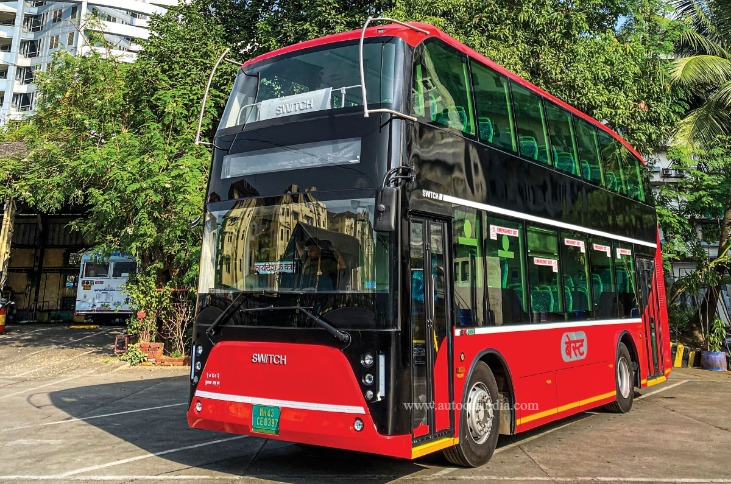
- Illegal dumping and unregulated sites: Retired buses or components are sometimes discarded on vacant land or along roadsides without permits or proper containment, making waste tracking difficult and increasing soil and groundwater contamination risks.
- Environmental contamination: Fluids such as diesel, brake fluid, coolant, oils, transmission fluids and hydraulic fluids can leak from buses, while heavy metals and batteries pose long-term pollution and health hazards; improper storage amplifies these risks.
- Fire and explosion hazards: Flammable liquids, battery storage, and hydraulic systems create fire risks, especially in poorly secured yards with inadequate fire protection or drainage; fires release toxic smoke and pollutants.
- Water and soil impacts: Runoff from unpaved yards can carry contaminants into streams and groundwater; lack of containment systems and sediment traps exacerbates erosion and pollution of local water resources.
- Health and safety risks: Workers may face injuries from heavy machinery, sharp metal edges, and unstable piles; exposure to hazardous substances without PPE and training raises occupational health concerns.
- Regulatory and licensing gaps: Scrap yards may operate without proper waste management licenses, environmental impact assessments, or hazardous waste handling permits; gaps in oversight enable non-compliant practices and hinder traceability of hazardous materials.
- Illegal waste trafficking: Salvaged components and hazardous materials can be diverted to informal traders or improper recycling chains, bypassing formal recycling streams and compliance requirements, challenging authorities to enforce the law.
- Community and environmental justice concerns: Emissions, noise, and odour from unregulated yards disproportionately affect nearby communities, particularly in underserved areas with limited enforcement resources.
- Data and transparency challenges: Inadequate record-keeping for material streams (fluids, batteries, asbestos) makes it difficult to monitor the environmental footprint and ensures accountability for cleanup or remediation when sites are closed or abandoned.
- Economic and market pressures: The value of salvaged parts versus disposal costs can tempt operators toward shorter-term, riskier practices; during downturns, improper dumping may rise as businesses cut compliance costs.
- Cross-border and hazardous waste rules: Some components are subject to international controls (e.g., Basel Convention for hazardous waste)—non-compliance can lead to legal penalties and reputational damage for scrap yards engaging in illegal exports or shipments.
Addressing these issues requires strengthened licensing, regular inspections, secure containment and drainage, proper handling of hazardous materials, and clear remediation plans to reduce illegal dumping and protect communities near bus scrap yards in South Africa.
Compliance costs and regulatory uncertainty
Bus scrap yards in South Africa occupy a crucial niche in the transport life cycle, turning decommissioned fleets into materials for reuse while addressing waste streams and environmental concerns.
Challenges and risks include environmental contamination from used oils, fuels, coolants, brake linings and other fluids, as well as potential asbestos-containing materials in older components. Improper handling can threaten soil and groundwater quality, air quality from dust and emissions, and worker health and safety due to fires, heavy machinery, and hazardous materials. The risk of theft of valuable metals and parts, vandalism, and community tensions over noise and traffic adds to the operational burden. In addition, the sheer logistical complexity of dismantling, storage and transport can introduce spill, sedimentation and runoff concerns if waste streams are not properly segregated and contained.
Compliance costs rise with the need to obtain and maintain multiple licences and approvals. A bus scrap yard must typically secure a Waste Management Licence and comply with the National Environmental Management Act and the waste management provisions in the Waste Act, along with regular environmental management plans and audits. Local municipal by-laws, water use permissions from the Department of Water and Sanitation, and potential air-quality or fire-safety requirements add layers of cost. Capital requirements for containment systems, spill-response capacity, oil-water separators, fire suppression infrastructure, drainage controls, and secure fencing are ongoing, as are administrative overheads for record-keeping, reporting and staff training in health and safety and hazardous materials handling.
Regulatory uncertainty compounds these costs. Policy shifts, changes in licensing thresholds, and evolving waste-management regimes can alter compliance expectations mid-project. Backlogs in environmental assessments, delays in issuing licences, or sudden changes in interpretive guidelines create planning risk and financing uncertainty. Emerging or revised extended producer responsibility schemes for vehicles, batteries, or other bus components can impose new obligations on operators or upstream partners. Inconsistent enforcement across municipalities can also lead to surprises in inspection standards and penalties.
Operational compliance and risk management are further challenged by the need to align with environmental, health and safety standards while maintaining economic viability. Fluctuations in scrap metal prices, transport and processing costs, and competition from informal dismantling networks can affect profitability and investment decisions. Given the high stakes around environmental exposure and community impact, proactive risk assessments, conservative budgeting for compliance, and close coordination with regulators and local communities are essential to navigate the challenges of a bus scrap yard in South Africa.
Safety, environmental, and liability concerns
Bus scrap yards in South Africa play a crucial role in retiring old fleets, recycling materials, and supporting downstream industries. However, the sector faces a range of challenges and risks that require careful attention to safety, environmental protection, and liability management.
Key challenges include volatile scrap metal prices, the high cost of safe dismantling, and regulatory complexity. Many yards operate under pressure from informal markets, limited access to skilled labor, and the need to transport decommissioned buses from dispersed depots to processing sites. Weak enforcement, licensing gaps, and inconsistent municipal by-laws can create compliance risk and environmental exposure.
Workplace safety risks are elevated due to heavy lifting with cranes and forklifts, fuel and chemical handling, and the presence of hazardous materials in older buses. Risk of fires from residual fuels, explosions from compressed gas canisters, and exposure to asbestos-containing components and refrigerants require stringent controls, training, PPE, and proper lockout/tagout procedures.
Environmental risks include soil and groundwater contamination from oils, diesel, brake fluids, and hydraulic fluids; improper management of heavy metals from batteries and electronics; release of refrigerants and asbestos; stormwater contamination; and tire disposal challenges. Effective containment, waste segregation, and licensed hazardous waste handling are essential.
Liability issues cover injuries to workers and visitors, property damage, and potential fines or orders from regulators for non-compliance. Yard operators may face civil, criminal, or administrative liabilities if hazardous waste is mismanaged or illegal activities occur. Adequate insurance, documented safety and environmental management systems, and due diligence in land use and licensing can mitigate risk.
Compliance requires navigation of South Africa’s environmental and labor laws, including NEMA, the Waste Act, and OHSA. Waste Management Licenses, environmental management plans, spill response plans, and asbestos management policies are often required, along with local municipal approvals. Implementing an integrated risk management approach, staff training, regular audits, and emergency response planning helps reduce hazards.
Ultimately, well-run bus scrap yards can contribute to circular economy goals while minimizing risks, but success depends on strong governance, transparent licensing, and ongoing investment in safety, environmental protection, and liability management.
Trends, opportunities, and innovation
South Africa’s bus scrap yards are emblematic of a broader shift toward a circular economy in transport, where end-of-life fleets become sources of spare parts, refurbished components, and upcycled materials. Trends in remanufacturing, retrofitting, and digitized inventory unlock new opportunities for local entrepreneurs, SMEs, and skilled workers, while innovation—ranging from data-driven salvage systems to partnerships with OEMs and repair networks—drives efficiency and sustainability in the industry across the country.
Advances in metal recovery and processing
South Africa’s bus fleet end‑life handling is increasingly guided by circular economy principles, making bus scrap yards key hubs for recovering value from steel, aluminum, copper wiring, and composite materials while safely handling fluids and hazardous components. Trends in metal recovery and processing are driving higher recovery rates, better material quality, and lower environmental footprint for ELV bus dismantling.
Current trends include stronger regulation and compliance, consolidation of smaller yards into more capable facilities, and a shift toward systematic, depollution‑driven dismantling. Digital traceability, standardized data collection, and performance metrics are enabling yards to optimize throughput, reduce contamination, and secure fair value for recovered metals. In South Africa, energy constraints and safety considerations are pushing yards toward cleaner power and safer handling practices.
Opportunities abound for local businesses and communities: expanded metal recovery from steel and aluminum alloys, copper from wiring, and even precious metals from catalytic converters; parts remanufacturing and selling salvageable components; value-added processing via near‑net shape recycling and secondary smelting; partnerships with municipalities, OEMs, and regional scrap networks; leveraging solar energy to reduce operating costs; and skills development programs to build a workforce adept at modern dismantling and sorting.
Innovation is advancing through automation, robotics, and intelligent sorting. Automated dopping and fluids removal, robotic dismantling for hazardous areas, and inline shredders improve safety and throughput. Sensor-based and near‑infrared sorting, eddy current and high‑intensity magnetic separators, and air or water‑based classification enhance metal separation. Battery technology progression is also affecting bus scrap yards, with improved handling protocols for end‑of‑life batteries and emerging on-site or near-site recycling for lithium‑ion and lead‑acid chemistries.
In metal recovery, advances include more efficient steel and aluminum scrap processing, high-purity copper recovery from wire harnesses, and selective removal of non‑ferrous impurities. Hydrometallurgical and mechanochemical approaches are enabling cleaner recovery of nickel, cobalt, lithium, and other metals from modern batteries and electrical systems. Direct‑melting and secondary smelting with rigorous emissions controls are closing the loop for high‑quality ingots and castings. In bus scrap yards, these advances translate to higher metal yields, lower energy use, and cleaner environmental footprints.
South Africa faces challenges such as safety, regulatory alignment, and access to capital for upgrading facilities. Yet the bus scrap yard sector is positioned to grow as cities pursue cleaner mobility, stricter waste management, and local manufacturing through recycled content. By combining strong governance, innovative separation technologies, and partnerships across the value chain, bus scrap yards can become regional centers of metal recovery and processing that support jobs, reduce imports, and extend the life of vehicles beyond their service years.
Digital inventory, traceability, and certifications
South Africa’s bus scrap yards are adopting data-driven practices to maximize value, improve safety, and support a more circular economy. The focus on digital inventory, traceability, and certifications is reshaping how yards dismantle, sort, and sell bus parts, while helping fleets and buyers access reliable components and comply with environmental and safety requirements.
- Trends shaping the sector: A growing circular economy focus is turning bus scrap yards into value-led parts hubs. Demand for affordable second‑hand components is rising among operators and training institutions, while standardized dismantling practices and safer handling reduce waste and risk. Cross-border trade within Southern Africa is expanding the market for reusable parts.
- Opportunities for operators: Refurbishment and remanufacturing of core components can unlock higher margins. Partnerships with municipal fleets, bus operators, and technical colleges create steady demand for validated parts and trained technicians. Export potential exists for reliable components to neighboring countries and regional markets, supported by certifications and traceability data.
- Innovation in operations: Safer, faster dismantling and fluids management through improved process design, automation, and equipment reduce environmental impact. Digital tools enable predictive maintenance on equipment used in yards and create safer work flows for technicians.
- Digital inventory and data management: Tagging parts with QR codes or RFID, plus cloud-based inventory systems, gives real-time stock visibility and traceability. Data standards enable quick compatibility checks, pricing insights, and integrated workflows with wholesalers, repair shops, and end users. Mobile apps empower field staff to locate, quote, and move parts on the go.
- Traceability and provenance: End-to-end traceability records show each part’s origin, handling steps, and destination, supporting recalls, warranty claims, and compliance reporting. Tamper-evident packaging and serialized labels help prevent counterfeit parts and ensure authenticity for buyers.
- Certifications and compliance: Implementing ISO 9001 quality management, ISO 14001 environmental management, and ISO 45001 safety systems improves reliability and risk management. Adhering to South Africa’s environmental and waste regulations, as well as SABS standards where applicable, strengthens customer trust and regulatory compliance. Certification programs for technicians bolster workforce competence in safe dismantling and hazardous materials handling.
- Implications for South Africa: A standardized, digitally enabled bus parts ecosystem can position SA scrap yards as regional hubs for sustainable mobility solutions, stimulating jobs, skills development, and export opportunities while reducing waste to landfills.
Partnerships with OEMs and refurbishment programs
Bus scrap yards in South Africa are evolving from simple salvage lots into hubs of the circular economy, where decommissioned fleets are transformed into value through parts reuse, refurbishment, and innovative repurposing. As urban transport challenges grow and emissions targets tighten, these facilities play a pivotal role in extending asset life, reducing waste, and lowering total cost of ownership for operators.
Todays trends show aging urban and intercity bus fleets reaching end of life at staggered intervals, creating steady demand for certified used parts and refurbished components. Regulatory pressure around waste management, vehicle decommissioning, and EPR (extended producer responsibility) is encouraging formal scrap-yard operations, traceable inventories, and safer dismantling practices. Coupled with green finance and public-private partnerships, yards are moving toward standardized processes, quality control, and transparent pricing for refurbished items.
Opportunities abound in South Africa’s diverse transport market. Local operators benefit from access to affordable spare parts, remanufactured components, and mid-life retrofit options that postpone new-bus investments. Refurbishment programs can repurpose shells into smaller or special-use vehicles, while surplus materials—metals, plastics, seating, HVAC units—create revenue streams for scrappers. Regional trade channels open possibilities to supply parts to neighboring countries and to support R&M (repair and maintenance) ecosystems across Southern Africa.
Innovation is reshaping how bus scrap yards operate. Digital inventory systems with barcode or RFID tagging enable real-time tracking of parts, warranties, and provenance. AI-powered sorting and disassembly planning reduce labor costs and improve safety. Modular dismantling approaches, standardized quick-release fittings, and remanufacturing lines help convert salvaged components into performance-grade items. Green chemistry and dust-control technologies are improving environmental outcomes, while data from refurbishment projects informs design improvements for future fleets.
Partnerships with OEMs and bus manufacturers are central to creating trusted, scalable programs. OEMs can offer decommissioning guidelines, access to certified remanufactured parts, training accreditation, and joint marketing for refurbished equipment. Co-developed safety and performance standards help ensure that recycled components meet warranty commitments and regulatory requirements. Collaborative end-of-life programs also enable smoother asset retirement for operators and provide OEMs with valuable insights into vehicle design lifecycles.
Refurbishment programs within bus scrap ecosystems focus on extending life, reducing downtime, and delivering cost-effective mobility solutions. Interior retrofits, seating updates, energy-efficient HVAC, and electrical system refurbishments can restore comfort and reliability in aging buses. In some cases, shells are repurposed for alternate uses—mobile clinics, community shelters, or depot utility vehicles—maximizing asset value. When aligned with OEM guidance, these refurbishments can carry warranties and service support, boosting operator confidence and sustainability credentials.
For South Africa to maximize impact, policy alignment and skills development are essential. Clear guidelines for scrap-yard safety, environmental compliance, and waste separation support responsible growth. Training programs in dismantling, part testing, and remanufacturing build local capabilities and create career pathways. By coordinating with government agencies, financial institutions, and OEM partners, bus scrap yards can scale responsibly, unlock regional markets, and contribute to safer, cleaner, and more affordable public transport across the country.