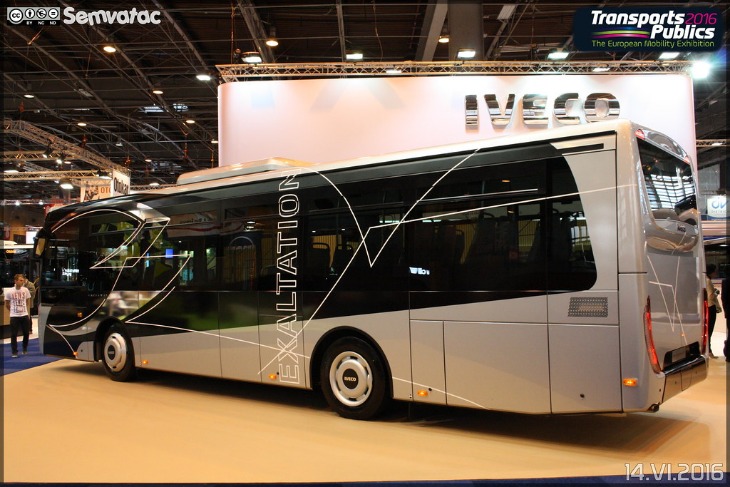

Overview of Iveco Bus South Africa
Iveco Bus South Africa represents the local arm of Iveco Bus, part of CNH Industrial, offering urban, intercity and school buses with a focus on reliability, low operating costs and strong after-sales support through a network of local dealers and service centers.
Brand History and Local Presence
Iveco Bus South Africa operates as the local arm of the global Iveco Bus brand, supplying buses and coaches for public transit, corporate fleets and private operators across South Africa. The entity focuses on sales, aftersales service, spare parts and technical support to help operators meet reliability, safety and efficiency targets in a challenging transport environment.
- Overview of Iveco Bus South Africa: The SA operation sources a range of Iveco Bus models including urban city buses, intercity coaches and minibuses, with a network of authorized dealers and service centers to support sales, maintenance and parts throughout the country. The focus is on delivering reliable, fuel-efficient transport solutions tailored to local market needs and regulatory requirements.
- Brand history: Iveco Bus is the bus division of Iveco, a European vehicle manufacturer formed in the 1970s to unify several brands under one umbrella. Iveco Bus has built a global reputation for urban, intercity and coach buses, with innovations in propulsion, safety and sustainability, aligning with local market needs in many regions including Africa.
- Local presence: Iveco Bus South Africa maintains an authorized dealer network, service workshops and parts supply across key metropolitan areas to support operators with routine maintenance, warranty and upgrades. The local presence emphasizes aftersales support, driver training, and a parts supply chain to minimize downtime for fleets.
Market Position and Product Range
Iveco Bus South Africa is the local arm of Iveco’s bus business, delivering a broad range of buses and coaches to public and private operators across the country. With a long-standing presence in South Africa’s transport sector, the company supports customers through an established dealer network, parts supply, and after-sales service.
In the South African market, Iveco Bus South Africa positions itself as a reliable and durable option within a competitive field that includes global brands. Its strength lies in straightforward maintenance, strong total cost of ownership, and a broad service footprint that helps ensure high uptime for municipal and private fleets alike. The company targets both new fleet deployments and replacement cycles, leveraging local knowledge of operating conditions such as urban traffic and long-haul routes.
Iveco Bus South Africa offers a product range that covers urban city buses, intercity coaches, and minibuses built on the Daily platform. The lineup includes low-floor urban models for easy passenger access, standard and high-amenity coaches for longer services, and versatile minibuses used by transport operators and shuttle services. Customers can typically choose from multiple seating configurations and interior layouts, with powertrain options that include diesel and alternative fuels where available.
The business emphasizes local support through a network of authorized dealers and service centers, ensuring spare parts availability, maintenance plans, and on-site training for operators and drivers. Through service contracts and fleet-management options, Iveco Bus South Africa aims to minimize downtime and maximize vehicle availability for operators.
As South Africa’s public-transport sector evolves with modernization and efficiency goals, Iveco Bus South Africa seeks to participate by offering robust vehicles, flexible configurations, and strong after-sales support tailored to local conditions. The company remains aligned with regional demand for reliable urban, intercity, and shuttle mobility solutions.
Product Portfolio in South Africa
Iveco Bus South Africa presents a diverse product portfolio designed to meet the country’s public transport, school shuttle, and commercial mobility needs. The line-up includes city buses optimized for urban routes, intercity coaches for long-distance travel, and vocational vehicles built for maintenance and logistics tasks, all backed by local service support and a focus on reliability, efficiency, and low operating costs across South Africa.
Urban and City Buses
Iveco Bus South Africa positions its urban and city bus portfolio as a core element of South Africa’s public transport ecosystem, delivering reliable, efficient and drivetrain options tailored to municipal and private operator needs. With a focus on durability, low operating costs and a widespread service network, the Iveco Bus offering is designed to cope with Africa’s busy urban routes and varying climate conditions.
The Urbanway and Crossway families form the core of the SA urban portfolio. Urbanway low‑floor city buses are designed for frequent-stop routes with easy passenger flow, typically offered in 9–12 metre configurations to fit tight streets and high-density corridors. Crossway models cover mid-size city and shuttle duties, offering robust performance, comfortable interiors and efficient fuel use for longer urban hops and feeder routes.
Key design features include low-floor access, wide entry doors, generous standing space, and accessible seating. The modular structure enables operator-specific configurations such as priority seating, integrated passenger information systems and luggage or equipment bays for special services, all while maintaining a compact footprint for urban streets.
Powertrains in the SA portfolio emphasize efficiency and reliability, with Euro VI engines paired to modular transmissions. The lineup supports diesel propulsion with options for natural gas where available, and Iveco Bus continues to align with cleaner propulsion and electrification pathways as market demand evolves, offering scalable solutions without compromising uptime.
Durability is a core consideration for South Africa’s bus operators. The vehicles are engineered for tough driving conditions, with robust cooling, reinforced axles and proven braking systems. A widespread local service and parts network helps maximize uptime, supported by training programs for drivers and maintenance staff to ensure optimal performance.
Fleet managers benefit from IVECO’s telematics and fleet-management capabilities, enabling real-time monitoring of fuel consumption, maintenance status and route performance. Local after-sales support, readily available spare parts and scheduled servicing help operators minimize downtime and extend the life of their urban bus investments.
As South African cities expand and public transport networks evolve, the Iveco Bus South Africa portfolio provides a flexible foundation for urban mobility. The mix of Urbanway and Crossway buses supports core city routes, feeder networks and contracted services, while the business continues to explore next-generation propulsion options to meet future emissions and sustainability goals.
Intercity and Coach Models
Iveco Bus South Africa offers a robust product portfolio designed to support both intercity transport and long distance coaching across the country, addressing the needs of operators who require reliability, efficiency and strong local support.
The intercity models in the Iveco Bus portfolio are built for regional routes with frequent stops, high door throughput and long service life. Configurations include two- and three-axle designs to match passenger capacity and road conditions, with emphasis on driver visibility, ease of maintenance and low operating costs.
The coach models provide comfort for longer trips, featuring spacious seating, climate control, generous luggage capacity and a safe, smooth ride. They come in several lengths, axle configurations and powertrain options to balance capacity with efficiency and to meet diverse touring and charter needs.
In South Africa, Iveco Bus emphasizes aftersales support, backed by a national service network, rapid parts availability and local training for operators and workshop staff to keep fleets on the road and maximize uptime.
The portfolio includes engines and drivetrains that meet current emissions and regulatory requirements in SA, with options designed to deliver optimized performance, fuel efficiency and advanced safety features, complemented by telematics and fleet management tools for better operational control.
Overall, Iveco Bus South Africa’s product portfolio for intercity and coach models is tailored to the market, balancing reliability, passenger comfort and total cost of ownership while providing strong local support and adaptable configurations for regional operators.
Hybrid and Electric Offerings
Iveco Bus South Africa offers a comprehensive product portfolio designed to support urban mobility, intercity travel and commuter services across the country, with local service and support to back every vehicle.
The portfolio covers city buses for high-frequency urban routes, versatile intercity coaches for longer journeys, and specialist bus configurations for school and shuttle services, all backed by Iveco’s global engineering standards and a local service network.
Hybrid offerings in South Africa are part of a strategy to reduce fuel consumption and emissions on routes with frequent stops and congested corridors. These include mild hybrid propulsion options that combine an internal combustion engine with an electric motor to improve efficiency without compromising reliability, supported by robust diagnostics and service through the local dealer network.
Electric offerings focus on zero emission urban transport, with fully electric buses designed for city duty cycles and low noise operation. Battery technology, energy management and charging strategies are tailored to the needs of South African operators, with options for overnight charging at depots and opportunity charging on selected routes.
The South African implementation plan includes collaboration with customers and partners to assess route profiles, charging infrastructure readiness and total cost of ownership to ensure reliable operation and predictable maintenance costs, supported by Iveco Bus SA’s parts and service network.
In addition to vehicle technology, Iveco Bus South Africa emphasizes training and aftersales service, spare parts availability, and a local supply chain to minimize downtime, helping operators transition to hybrid and electric fleets with confidence.
As South Africa’s public transport and private operator sectors evolve, Iveco Bus South Africa continues to expand its hybrid and electric offerings and to tailor the product portfolio to meet municipal requirements, procurement cycles and user expectations for safe, efficient and sustainable mobility.
Manufacturing, Assembly, and Local Content
Iveco Bus South Africa sits at the center of a manufacturing and assembly ecosystem that blends global technology with local content, creating jobs, transferring skills, and integrating local suppliers into a reliable bus supply chain. Through domestic assembly, the company helps operators meet urban and rural transit needs while enhancing local value creation and supplier development.
Domestic Assembly Operations
Iveco Bus South Africa plays a pivotal role in the regional transport sector by blending manufacturing expertise with local assembly operations to deliver reliable city and intercity buses for South Africa and neighboring markets. The approach centers on integrating global engineering with the realities of the South African supply chain, ensuring vehicles meet local regulations and operator needs while supporting national industry goals.
Manufacturing and assembly in South Africa typically rely on assembling CKD (completely knocked down) or SKD (semi-knocked down) kits sourced from Iveco’s global network. Local assembly lines convert these kits into finished buses, with sub-assemblies and components sourced from South African suppliers where feasible. This modular approach enables faster production cycles, easier maintenance of standards, and the ability to tailor configurations for urban routes, long-distance services, and specialized duty cycles common in the region.
Local content is a core pillar of Iveco Bus South Africa’s strategy. The company works with a growing base of South African suppliers to deliver seats, interiors, electrical harnesses, braking systems, tires, and other components, strengthening the regional supply chain and reducing import dependence. Through partnerships, training programs, and supplier development initiatives, the operation contributes to skills transfer and the development of a broader automotive ecosystem aligned with South Africa’s broader industrial policy goals.
Domestic assembly operations are designed to meet both market requirements and regulatory standards. The process typically includes chassis preparation, body integration, wiring and electrical systems, interior fit-out, painting and finishing, followed by comprehensive quality assurance checks. Trucks and buses undergo compliance testing to ensure performance, safety, and reliability on local roads, with attention to fitting hydraulic, braking, and suspension systems that suit the operating climates and route profiles found in the region.
Policy alignment, particularly with South Africa’s Automotive Production Development Programme (APDP), supports local content growth and ongoing investments in manufacturing capabilities. Local content credits, tax incentives, and export-friendly provisions provide a viable framework for Iveco Bus South Africa to scale production, improve efficiencies, and expand its supplier network, reinforcing the country’s standing as a hub for bus assembly in the region.
The manufacturing and domestic assembly footprint undertaken by Iveco Bus South Africa yields several benefits: job creation, upskilling of the workforce, and the cultivation of a resilient supply chain that can adapt to demand fluctuations. These activities also position the company to pursue export opportunities to neighboring markets, contributing to regional mobility solutions and strengthening South Africa’s automotive manufacturing portfolio.
Looking ahead, Iveco Bus South Africa is likely to pursue deeper localization of components, expanded collaboration with local engineering and technical education institutions, and continuous improvement in efficiency across the assembly line. By increasing local content, embracing new technologies, and maintaining high quality standards, the operation aims to meet evolving operator needs while supporting sustainable growth in South Africa’s public transport sector.
Supplier Network and Local Content
Iveco Bus South Africa operates a robust manufacturing and assembly footprint that serves the South African market and neighboring regions, delivering reliable buses for urban, intercity, and school transport while supporting local job creation and skills development.
The manufacturing and assembly processes in South Africa involve final assembly of complete buses from locally assembled and imported kit components. On the shop floor, activities include body fabrication, welding, painting, mechanical and electrical fit-out, interior installation, and rigorous testing to ensure performance, safety, and durability in demanding African operating environments.
Iveco Bus South Africa pursues a local content strategy that builds a diverse supplier network across multiple provinces. The program emphasizes sourcing core components, body panels, seating, electrical harnesses, braking and suspension parts, and aftermarket accessories from South African suppliers to strengthen domestic capability and reduce supply chain risk.
Supplier development is a cornerstone of the local content effort, with initiatives that include training, capacity-building, supplier audits, and collaborative design-to-value projects. These efforts aim to transfer skills, elevate quality standards, and create a resilient ecosystem capable of meeting the needs of both local operators and regional customers.
The supplier network for Iveco Bus South Africa spans key industrial hubs in Gauteng, KwaZulu-Natal, the Western Cape, and the Eastern Cape, among others. By integrating local manufacturers and service providers, Iveco supports regional economic growth while maintaining alignment with South Africa’s procurement policies and B-BBEE objectives.
Looking forward, Iveco Bus South Africa combines its local content program with ongoing investments in lean manufacturing, digital tooling, and training to deepen domestic capability. The regional hub strategy aims to strengthen local production capacity, expand the supplier base, and widen access to reliable, well-supported buses across Southern Africa.
Service, Parts, and Aftermarket Support
Iveco Bus South Africa delivers a comprehensive approach to service, parts, and aftermarket support, designed to keep urban and intercity fleets on the road. Through authorized service centers, readily available genuine parts, and tailored maintenance programs, operators can minimize downtime, extend vehicle life, and maximize uptime across South Africa’s diverse routes.
Maintenance, Warranty, and Service Plans
Iveco Bus South Africa delivers reliable service, parts and aftermarket support across the country, designed to keep urban and intercity fleets on the road and performing at peak efficiency.
Service and aftermarket support are organized through a nationwide network of authorized Iveco Bus service centers and mobile units. Factory-trained technicians use the latest diagnostic tools to perform preventive maintenance, repairs, and component replacements tailored to bus applications, with emergency breakdown assistance available to minimize downtime.
Parts and availability are a core focus, with genuine Iveco Bus parts stocked at regional depots and branches to ensure rapid delivery. A robust parts supply chain supports all current models and common legacy variants, backed by warranty on new components and timely availability of critical spares to keep fleets moving.
Maintenance programs are designed around duty cycles, mileage, and regional operating conditions. Scheduled maintenance intervals cover fluids, filtration, brake systems, tires, and electrical systems, while optional on-site maintenance and fleet-telematics enable proactive planning and reduced unscheduled downtime.
Warranty coverage for new Iveco Bus vehicles typically spans several years or a defined mileage cap, with terms that encourage regular servicing at authorized centers. Extended warranty options and service plan add-ons are available to suit fleet needs, with coverage extending to major assemblies, driveline components, and critical subsystems when maintained according to program guidelines.
Service plans provide predictable budgeting for operators, combining routine maintenance, genuine parts, labor, and sometimes software updates into fixed monthly or quarterly charges. Plans can be tailored to city bus and coach operations, municipal fleets, or private operators, with options for flexible terms, upgrades, and fleet-wide scheduling and reporting tools.
Customer support is reinforced by dedicated account teams and digital scheduling tools that simplify service booking, maintenance history tracking, and warranty management. Iveco Bus South Africa emphasizes training for operators and drivers, helping maximize uptime and lifecycle value for every bus in the fleet.
In South Africa, the combination of local service networks, parts supply and service plans is designed to support cities and operators across Gauteng, KwaZulu-Natal, the Western Cape and beyond, helping public transport providers meet reliability, safety and budget goals while maximizing uptime for Iveco buses.
Parts Availability and Logistics
Iveco Bus South Africa offers a comprehensive approach to service, parts, and aftermarket support designed to keep urban and intercity buses on the road with maximum uptime across the country.
- Network and service delivery: Authorized service centers, mobile service units, and factory-trained technicians supported by real-time diagnostics and remote assistance to minimize downtime.
- Parts availability and sourcing: Local warehousing in key logistics hubs, direct OEM supply for critical components, fast spare-parts procurement, and standardized cataloging to speed orders.
- Aftermarket support and maintenance planning: Preventive maintenance programs, scheduled service plans, warranty administration, and 24/7 support channels for operators.
- Logistics and distribution: Regional distribution centers, efficient cross-border shipping, simplified ordering processes, and optimized parts-to-workshop lead times to reduce vehicle standstill.
- Lifecycle and upgrade options: Access to retrofit programs, engine and ECU updates, fleet optimization consulting, and training for maintenance teams to extend vehicle life.
- Compliance and customer focus: Adherence to South African safety and environmental standards with tailored SLAs and performance metrics for municipal and private fleets.
By combining a local footprint with global OEM support, Iveco Bus South Africa aims to deliver reliable service, readily available parts, and responsive aftermarket solutions that keep buses moving in the competitive South African bus market.
Technology and Propulsion
Technology and propulsion are redefining urban transit in South Africa, and Iveco Bus South Africa stands at the forefront with advanced drivetrains, efficient Euro VI diesel engines, and expanding electric and hybrid solutions that enable safer, cleaner, and more reliable city buses.
Diesel, CNG, and Electric Propulsion
Iveco Bus South Africa is strengthening urban mobility with a technology-forward lineup that spans diesel, compressed natural gas (CNG) and electric propulsion, designed to meet the harsh operating conditions and demanding duty cycles of South African cities.
Diesel propulsion remains the backbone of most SA fleets, delivering proven reliability and the flexibility to cover long urban routes and intercity connections. Iveco Bus employs modern diesel engines with selective catalytic reduction (SCR) and particulate filters to meet stringent emissions standards while delivering strong torque for sustained urban performance. The combination of durable transmissions, robust cooling systems and simple maintenance make diesel models well suited to the varied terrain and high-heat climates found in many regions of the country.
Compressed natural gas offers a lower-emission alternative for city operations. Iveco Bus South Africa positions CNG powered buses for urban corridors where refueling infrastructure is feasible, offering quieter operation and reduced nitrogen oxide and particulate emissions compared with traditional diesel. The CNG approach uses factory-integrated fuel systems and robust gas storage solutions, with service support through the local network to ensure uptime on municipal routes. As cities expand fueling networks and biogas supply grows, CNG can be a practical bridge to cleaner fleets.
Electric propulsion represents the future of low-emission city transport, and Iveco Bus South Africa is preparing for a growing role in electrified fleets. Battery-electric models deliver zero tailpipe emissions, reduced noise, and predictable operating costs for busy inner-city routes. Iveco’s electric offerings are designed for depot charging or opportunity charging along major corridors, with scalable battery options and thermal management optimized for hot climates. In addition to full electric buses, hybrid concepts can provide a stepping stone for fleets making the transition while leveraging existing maintenance skills and dealer support.
In the South African market, Iveco Bus South Africa works with local operators, authorities and service partners to tailor vehicles to regional needs. The network provides training, parts supply and aftersales support to keep fleets on the road in demanding conditions, from dusty roads to corrugated surfaces and peak heat. Urban bus tenders often reward efficiency, reliability and total cost of ownership, and Iveco’s propulsion technology is presented as a unified solution across diesel, CNG and electric options to help operators optimize routes, reduce emissions and improve passenger experience.
Looking ahead, the combination of rugged diesel power, clean-burning CNG opportunities and growing electric propulsion capabilities positions Iveco Bus South Africa to support today’s operations and tomorrow’s cleaner urban mobility goals across the country.
Telematics, Fleet Management, and Diagnostics
Iveco Bus South Africa stands at the forefront of urban and intercity mobility in the region, delivering buses that balance robust propulsion with smart digital tools. Operators across major cities like Cape Town, Johannesburg and Durban benefit from technology that improves reliability, lowers emissions and reduces operating costs. This article looks at Technology and Propulsion, Telematics, Fleet Management and Diagnostics as they apply to Iveco Bus in South Africa.
-
Technology and Propulsion
Iveco Bus South Africa equips its buses with modern propulsion options that prioritize efficiency and low emissions. Euro VI-D or equivalent diesel engines, combined with selective catalytic reduction (SCR) and diesel particulate filters (DPF), deliver clean combustion and strong torque for urban routes. In addition, there are exploration and pilots of alternative propulsion such as natural gas (CNG/LNG) and hybrid-electric configurations for select city networks, aimed at reducing fuel use and noise in dense urban corridors. The SA market also benefits from lightweight platforms, optimized drivetrains and advanced transmission options designed for reliability in hot climates and heavy-stop cycles.
-
Telematics
Telematics platforms in Iveco Bus SA vehicles provide real-time location, speed, engine health and fuel usage data. Remote diagnostics alert operators to faults before they become breakdowns, enabling proactive maintenance and reducing downtime. Data connectivity over local networks supports remote software updates, driver behavior analytics, route adherence, and geo-fencing for city operations. All data can be integrated with existing SA fleet management systems to improve planning and control of urban bus services.
-
Fleet Management
Fleet management solutions consolidate telematics data into dashboards that track asset utilization, maintenance schedules, and cost per kilometer. In South Africa, Iveco Bus SA emphasizes route planning for peak hours, service level monitoring and inventory control for spare parts. The system supports compliance reporting, performance dashboards for municipal fleets, and seamless coordination with service partners across the country, enabling timely interventions and optimized capital expenditure on a growing public transport network.
-
Diagnostics
Diagnostics capabilities include remote fault code retrieval, predictive maintenance alerts and scheduled service reminders based on actual vehicle usage. Remote diagnostics reduce unscheduled downtimes by guiding technicians to the exact fault source and expected repair time. Software over-the-air updates, when available, help keep ECUs and control systems current without lengthy workshop visits, while local diagnostic tools support quick on-site troubleshooting in SA workshops.
Safety, Compliance, and Certification
Iveco Bus South Africa places safety at the forefront, combining robust vehicle design with strict regulatory compliance and formal certification to ensure passenger protection, reliable operation, and responsible environmental stewardship. The brand aligns with local transport regulations and international standards through independent testing and certification, confirming that every bus meets essential safety, emissions, and quality requirements for customers across South Africa.
South African Standards and Regulatory Compliance
Safety, compliance, and certification are central to Iveco Bus South Africa’s operations, ensuring that every bus meets South African standards from design through to service. This article highlights the regulatory framework, necessary certifications, and best practices that govern the import, assembly, and operation of Iveco buses in South Africa.
- Regulatory framework for buses in South Africa: National road transport legislation, licensing, roadworthiness testing, and requirements for passenger and school buses, including the role of the Department of Transport and the RTMC.
- Certification and conformity: Certificates of conformity, type approval processes, and the involvement of the NRCS and SABS marks to verify that Iveco bus models and critical components comply with national compulsory specifications and safety standards.
- Vehicle safety systems and passenger protection: Standards and testing related to braking, steering, stability, seat belts, emergency exits, fire safety equipment, accessibility, and occupant protection for SA operators.
- Emissions and environmental compliance: Alignment with South Africa’s environmental regulations and vehicle emissions standards applicable to heavy buses, and ongoing monitoring of environmental performance.
- Operational compliance: Requirements for vehicle registration, operator licensing, periodic roadworthiness inspections, maintenance regimes, and the management of recalls and service campaigns.
- Quality management and supply chain: The role of quality management systems (such as ISO-based practices), supplier quality assurance, and SABS-certification for components used on Iveco buses in SA.
- Import, distribution, and local assembly considerations: Compliance steps for imported vs locally assembled buses, local content rules, and the registration of service networks with regulatory authorities.
- Best practices for ongoing compliance: Regular training, audit readiness, traceability of parts, recall handling, and proactive collaboration with regulators to maintain safety and regulatory compliance.
By aligning with South African standards and regulatory requirements, Iveco Bus South Africa commits to safe, reliable, and compliant urban and intercity transport solutions that meet the needs of customers and the expectations of regulators.
Driver Training and Safety Programs
Iveco Bus South Africa prioritizes safety, compliance, and certification as the foundation for reliable passenger transport across the region. From engineering and manufacturing through to operator support, the company aligns its bus offerings with South Africa’s regulatory framework and international best practices to protect passengers, drivers, and communities.
Safety culture is embedded in risk assessment, design considerations, and proactive maintenance. The company implements a safety management approach that covers vehicle design features, operator procedures, and ongoing driver competence. Where applicable, a road traffic safety management system aligned with ISO 39001 is supported by internal policies, audits, and performance metrics to reduce incident rates and improve passenger safety.
Certification and regulatory compliance are integral to Iveco Bus South Africa. New models undergo type approval and homologation processes with local standards bodies and the Department of Transport, with oversight by bodies such as the South African Bureau of Standards and the Road Traffic Management Corporation. Regular roadworthiness verification, inspections, and Certificates of Fitness are maintained for all fleets in operation.
Vehicle safety features are standard across Iveco Bus South Africa’s offerings, including advanced braking systems, stability control, and safety-assisted driving technologies where available. Buses are equipped with emergency exits, clearly marked evacuation routes, CCTV and surveillance for passenger safety, and durable seat belts or passenger restraint provisions as required by local regulations. Operator safety is further supported by maintenance programs that emphasize brake performance, tire integrity, and structural integrity.
Driver training and safety programs form a core pillar of the company’s approach. Initial onboarding covers vehicle controls, passenger management, boarding and alighting safety, and emergency procedures. Ongoing programs emphasize defensive driving, speed management, fatigue awareness, incident reporting, and medical fitness. Training is delivered through a mix of in-house courses, simulator sessions where available, and accredited external partners, with documented assessments and refresher modules on a regular schedule.
Safety programs extend to operators and customers through continuous safety coaching, incident analysis, and corrective action plans. Iveco Bus South Africa supports safety audits, driver performance reviews, and reporting dashboards that help identify risk areas, track corrective actions, and monitor trends. Community outreach and school transport programs incorporate speed management, pupil safety, and safe passenger loading practices to raise awareness beyond the fleet.
In addition to compliance and certification, the company emphasizes environmental responsibility and sustainability as part of its safety agenda. Emissions monitoring, fuel efficiency programs, and adherence to applicable environmental standards complement the safety framework, helping to protect communities while delivering reliable public transport solutions.
Ultimately, safety, compliance, and certification are integrated into every facet of Iveco Bus South Africa’s operations—from design and manufacturing to driver training and fleet management—ensuring that passengers travel with confidence and operators can maintain high standards of safety and service.
Customers and Case Studies
Welcome to Iveco Bus South Africa’s Customers and Case Studies, where real-world deployments demonstrate how our buses power reliable, efficient transportation. From city fleets to tour operators, these case studies highlight measurable results in uptime, fuel efficiency, and passenger comfort, underscoring Iveco’s commitment to tailored solutions that meet South Africa’s transport needs.
Public Transit Authorities
This article highlights customers and case studies of Iveco Bus South Africa in the public transit sector, illustrating how transit authorities partner with Iveco to modernize fleets, improve reliability, and deliver better service to passengers.
- Illustrative Case Study: A major metropolitan public transit authority in the Western Cape receives a fleet of Iveco Urbanway buses to support high-frequency routes. The program emphasizes low-floor accessibility, proven reliability in local conditions, and the strength of Iveco South Africa’s local service and spare-parts network to maximize uptime.
- Illustrative Case Study: A Gauteng urban transit authority deploys a mix of 12 m city buses for trunk routes and feeder links. The deployment focuses on high uptime, ease of maintenance, driver comfort, and fleet management through on-board diagnostics and telematics supplied by Iveco Bus SA.
- Illustrative Case Study: A coastal province public transit agency pilots a mixed fleet of 9 m and 12 m buses for peri-urban corridors, prioritizing fuel efficiency, emissions performance, and remote monitoring to optimize deployment and reduce operating costs.
- Illustrative Case Study: A provincial express service uses Iveco coaches for longer suburban routes, highlighting passenger comfort, luggage handling, reliable performance in diverse weather, and strong local parts support to minimize downtime.
These illustrative cases demonstrate how Iveco Bus South Africa supports public transit authorities with flexible configurations, a robust service network, and lifecycle care tailored to South Africa’s operating environment.
Private Fleet Operators
Iveco Bus South Africa partners with private fleet operators to deliver reliable, safe, and efficient passenger transport across corporate campuses, schools, tourism and charter services. This article highlights customers and case studies that illustrate how Iveco buses help private fleets improve uptime, reduce operating costs, and elevate the passenger experience across South Africa.
Case study: Johannesburg corporate shuttle operator. A Johannesburg‑based private shuttle operator runs a fleet of 12 Iveco buses to shuttle employees between several campus locations. By standardizing on Iveco vehicles and leveraging the national service and parts network, the operator has achieved higher vehicle uptime, lower maintenance downtime, and improved driver comfort that translates into more reliable, on‑time connections for staff. The operator notes easy access to parts and rapid service interventions minimize disruption during peak periods.
Case study: Cape Town intercity charter operator. A Cape Town private charter company uses eight mid‑to‑high‑capacity Iveco intercity coaches for tourism and event transport along the Garden Route. With Iveco’s support, the fleet benefits from strong reliability on long distances, optimized maintenance planning, and a service presence along key routes. Reported outcomes include reduced downtime, better crew scheduling, and notable fuel efficiency gains on highway runs.
Case study: Private school transport provider. A private education group operates a fleet of 24‑seat school buses to shuttle learners between campuses and activity sites. Iveco Bus SA offers vehicles equipped with safety features, driver training programs, and a proactive maintenance plan. The result is improved pupil safety, higher on‑time performance, and greater fleet utilization for peak school days.
Why private fleet operators choose Iveco Bus South Africa. Operators value the combination of robust vehicles, nationwide service coverage, readily available spare parts, and the option to integrate telematics and fleet management tools. Iveco’s after‑sales support and flexible financing help private fleets scale, optimize routes, and lower total cost of ownership while keeping passengers safe and comfortable.
Market Strategy and Distribution
Iveco Bus South Africa is pursuing a market strategy built on targeted urban and regional public-transport segments, a strong local distribution network of authorized dealers and service centers, and robust aftersales support and spare-parts readiness to ensure high vehicle uptime and low operating costs across major South African corridors.
Sales Channels and Dealer Network
Iveco Bus South Africa positions itself in the market with a clear focus on reliability, uptime and total cost of ownership for urban passenger transport, schools, corporate shuttle services and tour operators. The strategy combines direct engagement with large fleet customers and a robust dealer network to ensure speed, local adaptation and strong after-sales support across the country.
The market strategy centers on understanding operator needs, safety standards and lifecycle costs. By emphasising fuel efficiency, low maintenance costs and easy serviceability, Iveco Bus South Africa aims to win conversions from diesel-heavy competitors and to align with public transport modernization plans. A differentiated offering for city buses, school buses and shuttle fleets helps address diverse procurement requirements and tender processes in both private and public segments.
Distribution is built on a balanced approach that leverages regional parts hubs, a nationwide service network and authorized dealers. Parts inventory is concentrated in key urban hubs to support rapid replenishment, while service centers across major cities provide scheduled maintenance, repairs and warranty work. This structure is designed to minimize vehicle downtime and ensure consistent service quality wherever a fleet operates in South Africa.
The dealer network is designed to deliver broad geographic coverage, high service standards and accelerated parts availability. Criteria for selection include regional reach, workshop capacity, technician training, facility standards and adherence to a common service playbook. Regular performance reviews, shared training programs and standardized warranty support help ensure a uniform customer experience across all touchpoints.
Sales channels are diversified to match customer types and procurement pathways. Direct sales teams focus on large fleet operators and government tenders, while channel partners—leasing and rental companies, transport operators and travel groups—extend reach into regional markets. Procurement through e-tender portals and centralized purchasing frameworks complements field sales, enabling faster response times to competitive bids.
Customer journeys are supported by digital tools, including online quotes, configuration capabilities for bus specifications and virtual demos, as well as clear after-sales service packages. After-sales offerings emphasize uptime guarantees, preventative maintenance plans and transparent spare-parts pricing, reinforced by a comprehensive service network and responsive field technicians.
Localisation and market adaptation remain central to the strategy. IVECO Bus South Africa engages with local suppliers, complies with B-BBEE requirements and seeks to develop supplier development initiatives. Where feasible, localized assembly or CKD (completely knocked down) components are explored to reduce lead times and strengthen the domestic supply chain, while ensuring adherence to safety and quality standards.
Looking ahead, the plan is to continue expanding the dealer network and service footprint, enhance spare-parts availability, and deepen relationships with fleet operators through value-added services. By aligning sales channels, distribution, and dealer capabilities with evolving mobility and public transport goals in South Africa, Iveco Bus South Africa aims to deliver reliable transport solutions with strong uptime, predictable costs and solid after-sales support for customers across the country.
Aftermarket and Support Network
Iveco Bus South Africa positions itself as a provider of reliable, cost-effective bus solutions for the South African market by combining its global bus platform with a strong local support network and a customer-centric approach to market access.
Market strategy focuses on key segments such as urban mass transit, intercity coaches, school and charter transport, and logistics shuttle services. The approach emphasizes low total cost of ownership, high uptime, exceptional driver comfort, and flexible configurations to meet municipal and operator requirements, while aligning with local regulatory standards and incentives for cleaner mobility.
Distribution is delivered through a network of authorised dealers and service centres across major urban areas, including Johannesburg and Pretoria, Cape Town, Durban and Port Elizabeth. A regional parts hub and an integrated logistics pipeline ensure rapid parts availability, while mobile workshop units extend coverage to remote sites and operate during non-peak hours to minimise downtime.
Aftermarket and support are built on comprehensive service offerings, including maintenance contracts, warranty programs, and fleet management services. Telematics-enabled remote diagnostics, proactive maintenance reminders, and access to trained technicians via a 24/7 support line improve uptime. Local training academies develop technician and driver expertise, ensuring sustained performance of Iveco buses in the field.
Customer engagement includes tailored tender support, financing options, and partnerships with bus operators, schools, and corporate fleets. Digital tools for parts ordering, service scheduling, and fleet analytics streamline operations and help operators plan capacity and uptime efficiently.
Through these initiatives, Iveco Bus South Africa seeks to strengthen market presence, drive reliable mobility for passengers, and support the growth of sustainable public transport in the region while maintaining a robust, responsive support network.
Sustainability and CSR Initiatives
Iveco Bus South Africa leads in sustainability and CSR by aligning its operations with environmental responsibility and community empowerment. The company emphasizes low-emission, fuel-efficient buses, advances in cleaner propulsion options, and responsible sourcing, while investing in skills development, local job creation, road-safety education, and access to reliable mobility for underserved communities—demonstrating how responsible transport can drive economic growth and social impact across South Africa.
Emission Reduction and Efficiency
Iveco Bus South Africa is committed to sustainability and responsible business practice, aligning its operations with South Africa’s transport goals and global CSR standards. The company emphasizes reducing environmental impact while supporting social and economic development in communities across the country.
Emission reduction is at the core of Iveco Bus South Africa’s product design and service models. Its diesel buses feature Euro VI-compliant engines with selective catalytic reduction and diesel particulate filters to cut NOx and particulates. Advanced transmissions and lightweight chassis improve fuel efficiency, while aerodynamic design reduces drag. The company also supports eco-driving training for drivers and uses telematics to optimize routes, speed, and maintenance scheduling to further lower emissions. In line with transitioning mobility, Iveco Bus South Africa is actively exploring electrification, hybrid, and alternative-fuel solutions on select projects to accelerate a cleaner public transport system.
Efficiency is pursued across the lifecycle of each bus, from manufacture to end-of-life. Lightweight components, high-efficiency engines, regenerative features in hybrid configurations, and optimized tires contribute to lower fuel consumption. Fleet management software and predictive maintenance help operators minimize downtime and maximize vehicle availability. By offering service plans, remote diagnostics, and standardized spare parts, Iveco Bus South Africa helps customers achieve lower total cost of ownership and longer service intervals.
CSR initiatives focus on people, communities, and responsible supply chains. Iveco Bus South Africa runs skills development programs, technician apprenticeships, and training partnerships with local colleges to grow engineering and manufacturing capabilities. The company emphasizes local procurement and supplier development to empower Black-owned and other qualifying businesses, consistent with South Africa’s B-BBEE objectives. It also supports road safety campaigns, community transport projects, environmental stewardship programs, and proper disposal and recycling of old buses and batteries.
Collaboration with municipalities, transport authorities, and suppliers strengthens the sustainable mobility ecosystem in South Africa. Iveco Bus South Africa shares knowledge on best practices, promotes local research, and drives training that aligns with regulatory standards and quality benchmarks. Through partnerships, the company aims to accelerate the adoption of cleaner transport options, create green jobs, and foster resilient urban mobility that can withstand rapid population growth and changing travel patterns.
Together, these sustainability and CSR initiatives position Iveco Bus South Africa as a leader in responsible public transport solutions, delivering emissions reductions, improved efficiency, and tangible social value for communities across the country.
Community and Skills Development
Iveco Bus South Africa is committed to sustainable mobility and responsible corporate citizenship. Through its products and services, the company aims to support cleaner, safer, and more inclusive transport across South Africa while investing in communities and people.
Environmental sustainability is embedded in the product lifecycle: designing for efficiency, advancing modern, lower-emission engines where appropriate, and promoting fuel economy and reliability in bus operations. The company also emphasizes responsible procurement, waste reduction, recycling, water stewardship, and energy efficiency in depots and workshops, including exploring solar energy to power facilities.
Community and skills development are central to Iveco Bus South Africa’s CSR. The company partners with technical colleges, polytechnics, and technical institutes to provide apprenticeships for technicians, mechanics, and engineers. Internships, mentorships, bursaries, and structured training programs help nurture local talent, with particular focus on opportunities for youth, women, and underserved communities.
Road safety and mobility initiatives are integral to its CSR portfolio. Campaigns to educate schoolchildren and the broader public, driver training programs, and accessible transport solutions help improve safety and mobility for people with disabilities and residents of underserved areas. Collaboration with schools, NGOs, and local authorities strengthens impact.
Support for the local economy is another pillar. Iveco Bus South Africa emphasizes local supplier relationships and procurement where feasible, investing in the capacity of SMEs, and expanding the service network to create good jobs in maintenance, parts supply, and after-sales support.
Governance and accountability underpin progress. The company tracks environmental, social, and governance metrics, reports progress to customers and stakeholders, and aligns with national standards and industry best practices. Ongoing stakeholder dialogue informs priorities and demonstrates transparency.
Looking ahead, Iveco Bus South Africa intends to deepen its sustainability agenda by piloting cleaner propulsion technologies, expanding training programs, and strengthening partnerships that empower communities and build transport-related skills for the future of mobility in South Africa.
Future Outlook and Roadmap
Iveco Bus South Africa outlines a forward-looking roadmap focused on sustainable mobility, electrification, and service excellence, charting new product introductions, expansion of charging infrastructure, and localized support to meet passenger transport needs across the country in the coming years.
Product Roadmap for SA
Iveco Bus South Africa outlines a bold future for public transport in the country, focusing on cleaner propulsion, smarter fleet management, and a resilient local ecosystem that supports municipalities, operators, and drivers.
The future outlook recognizes growing urbanization, aging fleets, and government targets to reduce emissions. Through long-term procurement strategies and partnerships, Iveco Bus SA aims to accelerate fleet renewal with modern urban, intercity, and school bus solutions that balance total cost of ownership with reliability and service.
Roadmap overview: The product roadmap centers on a staged electrification of core urban platforms, complemented by efficient diesel and natural gas options and a robust services network. Local content and skills development are embedded to enhance resilience.
Short-term focus (0-18 months): Launch pilot programs across major cities with 8-12 m urban electric buses and hybrid options, initiate depot charging projects, deploy telematics, and expand service coverage to key urban centers.
Mid-term focus (2-4 years): Introduce full-electric 12-18 m urban and intercity buses, scalable battery modules, and rapid charging capability; explore hydrogen fuel cell solutions for longer-range routes; reinforce local assembly or value-add operations to meet local content targets.
Product portfolio specifics: The SA roadmap leverages Iveco’s modular platforms, with 8-12 m city bus, 12-18 m intercity bus, and midibus variants. Electrified options include high-energy battery packs with ranges tuned for city operation; diesel and CNG variants for route flexibility.
Technology and connectivity: Fleet management, remote diagnostics, predictive maintenance, and two-way data integration with city ITS will be standard. ITS features will include real-time passenger information, remote immobilization, and driver coaching.
Commercial and financing: Iveco Bus SA will offer flexible procurement models, including user-friendly leasing and public-sector concession support, backed by government subsidies, grant programs, and incentives for low-emission fleets.
Local content and jobs: The roadmap includes plans for local assembly or final-stage integration, supplier development, and a training academy to upskill technicians, drivers, and fleet managers, reinforcing SA’s industrial strategy.
Timeline and milestones: 2025-2027 focus on launch of pilots, expansion of service network, and deployment of first electric buses; 2026-2028 expand battery-enabled platforms and charging infrastructure; ongoing partnerships with cities, operators, and financing partners to meet SA’s mobility goals.
Investment and Partnerships
Iveco Bus South Africa envisages a bold future for urban mobility, driven by the demand for cleaner transport and the country’s evolving emissions policies. The business aims to expand its footprint with reliable, fuel-efficient buses that reduce operating costs for operators while delivering a more sustainable experience for passengers across major cities and municipal networks.
Future outlook highlights a clear shift toward low-emission propulsion, including electric, hybrid and alternative-fuel solutions. Iveco Bus South Africa is aligning its product and service mix to meet urban route needs, depot logistics, and maintenance realities, while leveraging data and telematics to optimize uptime, route planning, and total cost of ownership for operators.
Roadmap in the near term focuses on strengthening customer support and local service capability. Key steps include expanding national service coverage, increasing spare parts availability, and enhancing driver and technician training. The aim is to deliver faster maintenance turnaround, higher vehicle availability, and improved after-sales experience to fleets across the country.
In the mid-term, the roadmap anticipates a broader rollout of low-emission buses with pilot projects in several metropolitan corridors. This involves deploying electric and hybrid buses, developing depot charging infrastructure, and partnering with energy providers to ensure reliable power supply and charging solutions. Growth of local content, where feasible, will support job creation and supplier development while boosting resilience in the supply chain.
Investments are planned across multiple levers: vehicle procurement of a diversified emissions portfolio, expansion of service and parts ecosystems, and targeted capital expenditure in charging, depot upgrades, and digital fleet-management platforms. Funding may come from a mix of internal resources, government incentives, and strategic partnerships with financial institutions and development programs to enable financing for operators transitioning to cleaner fleets.
Partnerships will be central to success, bringing together municipal transport authorities, public and private operators, energy and charging infrastructure providers, and financial partners. Collaboration with universities and technical institutes can accelerate skills development, while alliances with technology suppliers will enhance telematics, remote diagnostics, and fleet optimization. These alliances will help accelerate vehicle switch-outs, unlock favorable financing terms, and create a robust ecosystem for sustainable mobility in South Africa.
Overall, the future roadmap for Iveco Bus South Africa is built on a sustainable, customer-centric approach that combines product innovation, service excellence, and strategic collaborations. This positions Iveco Bus South Africa to lead in zero-emission and low-emission bus solutions while delivering reliable transport to communities across the country.