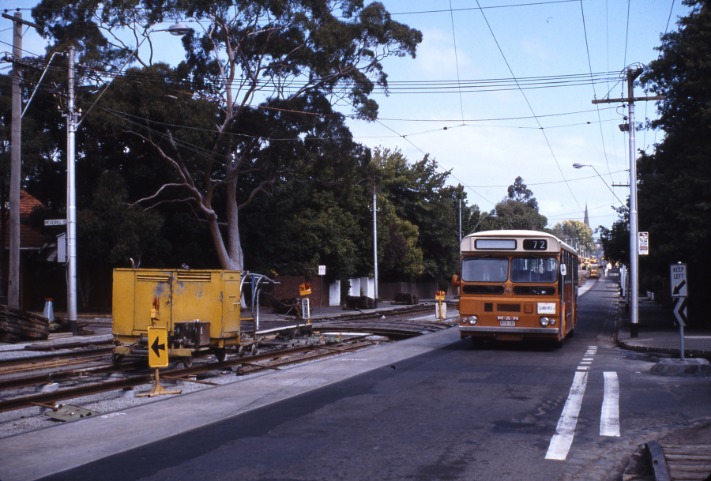

Overview of Likili Bus in South Africa
Likili Bus in South Africa is a regional transport service aimed at connecting cities, towns, and communities with affordable, reliable bus travel. It emphasizes easy ticketing, safety, and accessible routes to improve mobility for commuters, students, and travelers across the country.
Brand origins and identity
Likili Bus in South Africa represents a growing transport brand focused on dependable, affordable travel for daily commuters across key urban and peri-urban corridors.
Its service model blends on-time routes, comfortable seating, clean vehicles, and user-friendly ticketing options to improve the everyday commuting experience.
Brand origins: Likili Bus traces its origins to community-led transport initiatives that sought to formalize safe, reliable mobility in areas underserved by traditional public transport. Founders and partners aimed to create local jobs, upskill drivers, and build a service responsive to local needs, with the name Likili evoking energy and forward motion.
Brand identity: The visual identity uses bold, approachable colors and a simple, recognizable logo designed to resonate with a diverse rider base. Messaging centers on dignity, accessibility, and partnership with communities, while the brand emphasizes safety training, transparent pricing, and active rider feedback.
Market niche and outlook: In South Africa’s dynamic transport landscape, Likili Bus positions itself as a reliable feeder and intra-city option, complementing rail networks and other forms of urban transit. The company embraces technology—such as mobile ticketing, real-time route updates, and driver performance monitoring—to improve efficiency while keeping the focus on people.
Looking ahead, Likili Bus aims to expand its network thoughtfully, invest in sustainable practices, and strengthen collaborations with local authorities and communities to support mobility, jobs, and inclusive growth across South Africa.
Geographic footprint and coverage
Likili Bus is referenced in some local transport discussions as a bus service in South Africa, but publicly available information about its operations—such as exact routes, fleet size, ownership, and regulatory status—is limited. This article provides a cautious overview of what a typical South African bus operator with a name like Likili Bus might offer and how its geographic footprint would be described in national and provincial contexts.
Overview of services and operations: If active, Likili Bus would likely offer a combination of scheduled commuter routes, intercity links, and possibly charter or school services. In South Africa, such operators are typically regulated under provincial transport authorities and the National Land Transport Act, with permits or contracts governing where and when services run. A standard fleet might include urban 12-meter buses for city routes and larger coaches for longer trips, with safety and accessibility features. Fare structures and ticketing could vary by route, with some operators adopting digital or mobile ticketing alongside traditional cash payments.
Geographic footprint and coverage concept: Geographic footprint for a SA bus operator is described by the provinces and towns it serves, the network of routes it operates, and the locations of its depots or bases. A broad footprint would imply presence across multiple provinces and connections between major metropolitan hubs, while a focused footprint might concentrate on a single metro region or a few adjacent towns. Coverage can include urban core routes, suburban feeders, regional intercity links, and occasional rural or peri-urban services, depending on contracts and demand.
South Africa context and data sources: In South Africa, transport operators operate under the oversight of provincial departments of transport and, in some cases, municipal transport authorities. Route maps, timetables, and fleet information are often published by the relevant provincial agency or the operator’s own channels, with additional visibility through third-party transit apps and mapping services. The level of public detail can vary, so verification may require checking multiple sources such as official announcements, timetables, and on-the-ground schedules.
How to verify current information: To obtain accurate, up-to-date details on Likili Bus’s geographic footprint and coverage, check the operator’s official channels (website, social media, posted timetables), consult the provincial department of transport for approved routes and permits, review local transit or commuter guides, and compare with third-party maps or apps that list service providers in your area. If possible, contact the operator directly for route specifics, frequencies, and service notes.
Services and Routes
Likili Bus South Africa offers a coordinated network of services and routes designed to connect major cities, towns, and tourist destinations across the country. The services emphasize reliable daily departures, comfortable seating, safety, and value-for-money fares, with routes that span coastal and inland corridors, including major hubs such as Cape Town, Johannesburg, Durban, and Port Elizabeth. Passengers can plan trips via simple timetables, route maps, and flexible ticket options, with ongoing updates for seasonal services and school-term schedules, making it easy to explore South Africa by bus.
Intercity, commuter, and charter offerings
Likili Bus South Africa offers a comprehensive network of passenger transport designed for comfort, safety, and affordability. The company provides intercity, commuter, and charter services that connect urban centers, rural towns, and popular travel destinations across the country.
Intercity services link major South African cities, with routes pairing Johannesburg and Pretoria in the Gauteng region, Cape Town to Port Elizabeth and beyond, Durban to Pietermaritzburg, and routes across the Free State, the Eastern Cape, the Western Cape, and KwaZulu-Natal. Modern coaches feature air conditioning, comfortable seating, luggage compartments, and on-board connectivity. Timetables are published online, with options for reserved seating, flexible change policies, and online payment. Safety and reliability are prioritized with trained drivers, GPS monitoring, and regular fleet maintenance.
Commuter services are tailored for daily city travel, operating in metropolitan corridors to support work and study routines. Frequent departures during peak hours, affordable fares, and convenient stops make daily trips predictable for commuters in Johannesburg, Pretoria, Cape Town, and other urban centers. Payment is available through contactless cards, mobile wallets, and pre-paid transit passes, with options for season tickets and group discounts.
Charter offerings enable groups to travel on their own schedule. Schools, corporate teams, tour operators, and event organizers can book private coaches with flexible itineraries, multiple pick-up and drop-off points, and customized on-board services. Amenities may include extra luggage capacity, refreshments, on-board announcements, and dedicated drivers or guides, with transparent pricing and a dedicated bookings team to plan routes, stopovers, and safety requirements.

Onboard amenities balance comfort and practicality. Reclining seats with legroom, air conditioning, and clean restroom facilities on long journeys. Some coaches offer Wi-Fi and USB charging ports, allowing passengers to work or stay connected. Luggage policies accommodate suitcases, sports equipment, and bags, with clear guidelines to ensure a smooth embarkation and disembarkation process and accessible seating where needed.
Booking is simple via the Likili Bus South Africa website, mobile app, or call center. Passengers can view real-time schedules, compare routes, and secure seats in advance. Customer support is available for itinerary changes, refunds, and special arrangements, with a focus on respectful service and clear communication.
Safety and reliability are core commitments, with routine vehicle inspections, professional drivers, and compliance with South Africa’s transport regulations. The fleet prioritizes fuel efficiency and minimal environmental impact where possible, and passengers are encouraged to follow safety guidelines and report any concerns to the operator’s staff.
Whether planning a long-distance intercity trip, a daily commute, or a customized charter, Likili Bus South Africa offers dependable travel options that connect communities and landscapes across the country with comfort, value, and convenience.
Key routes and travel times
Likili Bus South Africa offers intercity bus services that connect major cities and towns across several provinces, with a focus on safe, affordable, and convenient travel for locals and visitors alike.
Services and Routes: Likili Bus operates a range of service types to suit different budgets and schedules. Economy services provide affordable daily departures with standard seating and reliable punctuality. Express services are faster, with fewer stops between key cities. Night services provide overnight travel with comfortable seating that often includes reclining or sleeper options on longer legs of the journey. The network covers Gauteng, KwaZulu-Natal, the Western and Eastern Cape, and the Free State, with routes connecting Johannesburg, Pretoria, Cape Town, Durban, Port Elizabeth, and coastal towns. Tickets can be booked online, via mobile apps, or at city depots, and most services offer onboard amenities such as air conditioning and power outlets where available.
Key routes: The most popular Likili Bus corridors include Johannesburg to Cape Town, Johannesburg to Durban, Pretoria to Cape Town, Durban to Port Elizabeth, and Cape Town to Port Elizabeth. There are also connections between Bloemfontein, Nelspruit (Mbombela), East London, and intermediate towns, making it possible to reach regional centres without changing carriers.
Travel times: Typical durations for common routes are as follows, noting that actual times depend on traffic, weather, and the number of stops. Johannesburg to Cape Town often takes about 22 to 26 hours by bus. Johannesburg to Durban typically runs around 6 to 10 hours. Pretoria to Cape Town is usually in the 23 to 25-hour range. Durban to Port Elizabeth commonly takes about 9 to 12 hours, and Cape Town to Port Elizabeth is roughly 8 to 11 hours.
Tips for travelers: Booking in advance is recommended, especially for weekend or holiday travel. Check the latest schedules on the official Likili Bus site or app, and confirm luggage allowances before travelling. Arrive at the departure point early to allow time for boarding, and pack essentials for overnight trips if you are on a night service. For long journeys, consider seat and comfort options, meals, and rest stop timing. Always keep personal belongings secure and follow onboard safety instructions.
Accessibility and support: Likili Bus aims to provide accessibility options where available, with customer service in multiple languages and help desks at major depots. If you have special mobility needs, contact the operator ahead of your trip to ensure suitable seating and boarding arrangements. This network is designed so travelers can move efficiently between South Africa’s urban hubs and coastal towns, whether for work, study, or leisure.
Ticketing models and pricing
Likili Bus South Africa offers a dependable passenger transport network designed to connect major cities and towns across the country. The service is built for reliability, affordability, and straightforward booking for locals and travelers alike.
Services include Express services with fast point-to-point runs between major urban centres, Regional services that stop at a handful of towns along the route, and dedicated Commuter shuttles for daily work travel. There are Night services for overnight journeys and Airport connections that link key hubs to metro areas. All services prioritise on-time performance and clear schedules, with options to reserve seats in advance.
Likili Bus South Africa operates across main corridors in Gauteng, the Western Cape and KwaZulu-Natal, as well as feeder routes to smaller towns. Common intercity routes include Johannesburg to Pretoria, Johannesburg to Durban, Cape Town to Johannesburg, Cape Town to Port Elizabeth, and Durban to Pietermaritzburg, with regional extensions to other centres in each province. The network is designed to serve both daily commuters and long-distance travelers, with frequent departures on busy routes and fewer stops on express services.
Ticketing models give travelers flexible choices. Tickets can be booked online or via a mobile app, and printed or mobile e-tickets are accepted for boarding. On-board purchases are available on some services, and many journeys support contactless payments using bank cards or mobile wallets such as Apple Pay or Google Pay. Frequent travelers can opt for subscription passes or weekly bundles, and businesses can open corporate accounts for employee travel needs.
Pricing is distance-based and tiered to reflect peak and off-peak demand, with typical intercity fares varying by route length. Short trips within metropolitan corridors are priced affordably, while longer journeys are priced higher to reflect time and fuel use. Discounts are offered for students, seniors, children, and groups, and occasional promotions or loyalty credits may apply. Baggage allowances and extra charges for oversized items may apply on certain routes.
To get the best value, travelers should compare schedules, consider off-peak departures, and book in advance where possible. Likely schedules, fare classes, and acceptance of tickets can be found on Likili Bus South Africa’s official site or app, which provides route maps, live status, and contact support. The service aims to provide inclusive access with accessible seating options on many coaches and clear information about safety measures.
Fleet and Technology
Fleet and technology are reshaping South Africa’s bus networks, where real-time telematics, route optimization, and cleaner drivetrains drive efficiency and reliability. In this evolving landscape, the Likili Bus initiative demonstrates how digitized fleet management, predictive maintenance, and passenger information systems can improve urban and intercity service across the country.
Bus types and capacity
Likili Bus South Africa operates with a forward-looking fleet and cutting-edge technology to serve urban and regional routes across major cities.
Fleet composition includes 12-meter city buses for frequent urban service, 14-meter midibuses for busy corridors with tighter turning radii, and 18-meter articulated buses for high-demand routes. A smaller fleet of 9- to 11-meter minibuses handles feeder services and lower-capacity trips, while a handful of coach-style vehicles support longer trips and charter work.
The technology backbone includes fleet management systems, GPS-based real-time tracking, and telematics that monitor fuel use, maintenance needs, and driver behavior. Onboard CCTV, passenger counters, and automated stop announcements improve safety and reliability, while electronic fare collection and mobile-ticketing integrate with the city’s transport apps.
Capacity varies by bus type: a typical 12-meter bus carries about 60 to 80 passengers, depending on seating layout and standees. A 14-meter midibus usually seats 70 to 90 passengers. An 18-meter articulated bus can accommodate roughly 120 to 150 people, while a 9 to 11-meter minibus serves about 20 to 30 passengers with room for wheelchairs and accessibility seating.
Electric and hybrid propulsion are central to Likili’s sustainability plan. Battery-electric buses are being introduced on city routes with charging infrastructure at garages and along busy corridors. Hybrid buses help reduce fuel use on routes with fluctuating demand. The operator also evaluates hydrogen-electric concepts as part of a long-term decarbonization strategy.
Accessibility is a priority: low-floor designs, kneeling suspension, priority seating for seniors and people with disabilities, and adequate space for wheelchairs and mobility devices ensure broad access across the network.
Integrated payment and information systems provide a seamless rider experience. Contactless bank cards, smartcards, and mobile apps give riders up-to-date service information, digital tickets, and real-time ETAs. Data analytics support route planning, maintenance scheduling, and performance reporting for continual improvement.
As South Africa’s transit market evolves, Likili Bus South Africa positions itself with a modern fleet, robust technology, and a clear focus on safety, efficiency, and sustainability to serve communities with reliable mobility.
Connectivity and onboard amenities
Likili Bus South Africa is redefining mobility with a modern fleet, smart technology, and passenger‑first services across urban routes and regional corridors.
The Likili fleet blends city buses, midibuses, and long‑haul coaches designed for durability and comfort. Each vehicle is equipped with telematics and GPS to enable real‑time tracking, diagnostic data, and predictive maintenance, reducing downtime and keeping buses on schedule. The company uses Euro VI compliant engines with cleaner emissions, and is piloting hybrid and all‑electric models on select routes as part of a gradual electrification plan.
Connectivity is a core pillar of the Likili experience. Free high‑speed Wi‑Fi is available on all routes, with robust cellular coverage across major corridors. Passengers can book and pay via a mobile app or contactless cards, receive real‑time arrival updates, and track buses in real time. Onboard screens display route information and safety messages, while drivers can relay live alerts through a public address system.
Inside the cabins, Likili prioritizes comfort and accessibility. Seats offer generous legroom with ergonomic upholstery, air conditioning, and ample luggage storage. USB charging ports and power outlets keep devices powered, and language‑friendly announcements ensure clear information for all travelers. Most vehicles include a designated wheelchair space, a retractable ramp, and clear wayfinding for easy boarding.
Safety and reliability underpin every journey. Buses carry CCTV, emergency intercoms, and speed and harsh‑braking alerts from the telematics system. Regular driver training, automated safety checks, and strict maintenance schedules help reduce incidents and ensure a smooth ride across diverse South African terrains.
Looking ahead, Likili Bus aims to expand its electric and hybrid fleet, partner with local suppliers, and invest in sustainable operations that reduce emissions and support regional growth. The combination of advanced fleet technology, strong connectivity, and thoughtful onboard amenities positions Likili as a forward‑looking transport partner for South Africa.
Telematics, maintenance, and safety tech
Likili Bus in South Africa is modernizing its fleet with technology that improves reliability, safety, and passenger experience. By integrating telematics, energy-efficient routing, and maintenance automation, the company aims to keep buses on the road longer and with fewer disruptions. The focus is on delivering consistent service on busy urban corridors and remote routes alike.
Telematics forms the backbone of this strategy, offering real-time visibility into location, speed, fuel use, and engine health. With GPS tracking and geofencing, dispatch can optimize routes, reduce idle time, and respond quickly to incidents or service disruptions. Driver behavior analytics from telematics help identify harsh braking, speeding, and rapid acceleration so targeted coaching can improve safety and fuel efficiency.
Maintenance is transformed through predictive maintenance and remote diagnostics. Onboard sensors monitor critical systems—engine, transmission, brakes, tires—and alert maintenance teams before failures occur. This reduces unplanned downtime and extends component life, while digital work orders and parts inventory integration streamline service scheduling.
Safety technology goes beyond compliance with cameras, collision avoidance, and lane-keeping features. Automated emergency braking, adaptive cruise control, and digital dash cameras support safer driving and easier incident investigation. Fatigue monitoring and driver coaching programs reinforce safer operations on long intercity routes, while digital SOS and emergency response features speed help when incidents occur.
In the South African context, these technologies help Likili Bus navigate congestion, road conditions, and regional service patterns. Real-time data supports efficient timetable adherence, better fuel economy, and safer operation for both urban commuters and rural travelers. Enhanced maintenance and safety features also improve passenger confidence and regulatory compliance.
Implementation considerations include data privacy and cybersecurity, ensuring data ownership is clear and secure. Interoperability between telematics platforms and existing maintenance systems is essential, as is training for drivers and maintenance staff. Costs are balanced against uptime gains and longer vehicle life, with scalable solutions that can grow as the fleet expands or moves toward alternative propulsion.
Looking ahead, Likili Bus can expand telematics to include more advanced analytics, integrated mobility services, and electrification pilots. As South Africa expands its bus networks, the combination of fleet technology, proactive maintenance, and robust safety features will be key to delivering reliable, safe, and affordable public transport.
Safety, Regulation, and Compliance
Safety, regulation, and compliance are central to Likili Bus South Africa, guiding vehicle maintenance, driver training, and passenger operations to meet national standards. Operators must comply with the National Road Traffic Act and the National Land Transport Act, pass regular vehicle inspections, hold valid licenses, and implement formal safety-management practices. This framework protects passengers and the public while delivering reliable, accountable bus services across South Africa.
Licensing, permits, and regulatory bodies
Likili Bus SA operates within South Africa’s public transport regulatory framework. This article outlines safety, regulation, and compliance considerations for Likili Bus operations, including licensing, permits, and the regulatory bodies involved.
Safety is foundational for Likili Bus SA. Vehicles must meet roadworthiness standards, drivers require accredited licenses and ongoing training, and maintenance programs should be rigorous to protect passengers and other road users.
The regulatory landscape combines national and provincial authorities. Key laws such as the National Land Transport Act and the National Road Traffic Act guide operator licensing, route planning, vehicle safety, and passenger rights. The Department of Transport, the National Public Transport Regulator, and provincial transport departments implement these policies. Road safety enforcement is coordinated by the Road Traffic Management Corporation, with oversight by the SA Police Service where necessary. Vehicle standards and parts compliance may be governed by SABS and NRCS.
Licensing and permits for a bus operator like Likili Bus SA involve several steps. Vehicle licensing and registration are handled through eNatis, while public transport operator permits and route approvals come from the relevant provincial transport authority under NLTA. Operators must ensure COF (Certificate of Fitness) or equivalent roadworthiness certification for buses and maintain adherence to operating licenses for specific routes and times.
- Licensing and permits: ensure Likili Bus SA holds a valid public transport operator permit, route approvals, and current vehicle licenses via eNatis or the relevant provincial authority.
- Vehicle safety and standards: maintain roadworthy buses, obtain Certificate of Fitness where required, comply with SABS/NRCS standards, and equip vehicles with safety features and accessibility where applicable.
- Regulatory bodies and roles: Department of Transport, National Public Transport Regulator, Road Traffic Management Corporation, provincial transport departments, eNatis, and enforcement agencies such as SAPS and traffic police.
- Driver and operator compliance: driver licensing, regular training, fatigue management, safety audits, incident reporting, and record-keeping to support regulatory reviews.
- Operational compliance: adherence to routes and timetables, passenger safety policies, accessibility commitments, and transparent fare and service information.
- Enforcement, penalties, and audits: potential fines, permit suspension or revocation, vehicle impoundment, and compliance audits by regulators.
Safety protocols and incident management
Likili Bus South Africa operates in a regulatory environment where safety, regulation, and compliance are essential to protect passengers and ensure reliable service. This article outlines the key elements of safety protocols and incident management for a South African bus operator like Likili Bus, aligned with national regulations and industry best practices.
- Regulatory Framework and Licensing
Compliance begins with understanding and adhering to South Africa’s transport laws. This includes the National Land Transport Act, the National Road Traffic Act, and provincial public transport regulations. Operators must secure and maintain valid vehicle licenses, operator permits, roadworthy certificates, and appropriate driving licenses for staff. Regular regulatory reporting to the Department of Transport and the Road Traffic Management Corporation (RTMC) helps ensure ongoing compliance and enables timely responses to policy changes.
- Safety Management System (SMS)
A formal Safety Management System should be documented, implemented, and reviewed regularly. Key components include a safety policy, risk assessments, hazard identification and log (risk register), incident reporting channels, and performance metrics. Senior leadership should conduct regular safety reviews, allocate resources for safety improvements, and foster a culture where safety is a core value across all levels of operation.
- Vehicle Standards, Maintenance and Safety Equipment
Maintain a robust maintenance program with scheduled inspections, preventive maintenance, and prompt defect remediation. Vehicles should meet roadworthy standards, feature functioning safety equipment (seat belts, fire extinguishers, first aid kits, emergency exits), and comply with load, tire, and braking standards. Documentation of maintenance logs and part traceability supports traceable safety practices.
- Driver Recruitment, Training and Fatigue Management
Implement rigorous driver selection, medical fitness assessments, and regular training in defensive driving, passenger safety, respectful conduct, and accessibility for persons with disabilities. Manage driving hours to prevent fatigue, enforce break schedules, and provide ongoing education on esafety, emergency procedures, and incident reporting obligations.
- Incident Management and Emergency Response
Establish clear incident reporting and response protocols for accidents, injuries, or security threats. Immediate actions should include scene safety, medical assistance if needed, and notification of authorities. Conduct formal incident investigations using root cause analysis, implement corrective actions, and track effectiveness. Communicate outcomes to stakeholders and regulators as required, while preserving evidence for potential inquiries.
- Compliance Assurance, Audit and Reporting
Conduct internal audits to verify adherence to licensing, maintenance, safety policies, and driver standards. Prepare for external audits by DoT/RTMC and other regulators. Maintain organized records, including licenses, maintenance logs, driver logs, incident reports, and training records. Regular dashboards help monitor compliance performance and trigger corrective actions when gaps appear.
- Public Confidence, Accessibility and Continuous Improvement
Promote safety culture through transparent communication with passengers and communities. Ensure accessibility features and assistance for elderly and disabled passengers. Gather feedback, monitor safety performance, and pursue continuous improvement through lessons learned from incidents, near-misses, and customer input. Engage with regulators and industry groups to stay ahead of evolving safety and regulatory requirements.
Accessibility and inclusive design
Likili Bus operates in South Africa with a commitment to safety, regulatory compliance, and inclusive design. This article explores how safety, regulation, and accessibility intersect to deliver reliable public transport for all riders, including people with disabilities.
- Safety governance and risk management: Likili Bus maintains a formal safety management system aligned with best practices, including risk assessments, safety performance metrics, audits, near-miss reporting, and an independent safety oversight group.
- Regulatory compliance framework: We comply with the National Road Traffic Act and Regulations, the National Land Transport Act, operator licensing and route permits, vehicle roadworthiness checks, and mandatory safety equipment requirements.
- Vehicle design and accessibility features: Our buses are designed for step-free boarding, with low floors, kneeling capability, wheelchair ramps, accessible seating and restraints, visible and audible information, and clear signage.
- Maintenance, inspections, and safety equipment: Regular preventive maintenance, pre-trip inspections, fault reporting, CCTV, fire extinguishers, first aid kits, and emergency lighting are standard across our fleet.
- Driver training and human factors: Comprehensive driver induction, defensive and eco-driving training, disability awareness, passenger safety management, and incident reporting processes are in place.
- Accessible information and station design: Route information, real-time updates, accessible fare machines, and passenger assistance services are provided with inclusive signage and high-contrast visuals.
- Procurement, supply chain, and product safety: We vet suppliers for safety-critical parts, maintain traceability, and implement purchase controls to ensure parts meet safety standards.
- Data privacy and cybersecurity: Passenger data is handled in line with privacy laws, with data minimization, secure storage, access controls, and transparent use policies.
- Incident response, reporting, and continuous improvement: All incidents are investigated for root causes, corrective actions are tracked, and safety performance informs ongoing service improvements.
- Community engagement and inclusive service planning: We collaborate with disability groups, communities, and stakeholders to design routes, facilities, and services that improve accessibility and overall rider experience.
Market Position and Competition
Likili Bus South Africa operates in a crowded transportation market where urban minibus taxis, rail services, and long-distance coaches compete for riders. Its market position is built on route coverage, reliability, pricing, and regulatory compliance, while competition is shaped by safety standards, service quality, and the entry of new mobility players. Understanding these dynamics helps explain how Likili navigates South Africa’s transit landscape and pursues growth.
Competitive landscape in South Africa
Likili Bus South Africa is positioning itself in the country’s bus market by offering affordable intercity travel with a focus on reliability, comfortable coaches, and a seamless digital booking experience.
South Africa’s transport market sits at the intersection of a dominant minibus taxi sector for daily urban mobility and a growing formal bus segment that serves long‑distance and intercity routes. In this environment, Likili Bus South Africa seeks a market position that combines price competitiveness with dependable schedules and safety standards, while navigating a regulatory landscape that aims to improve transport integration.
Competitive landscape: on long‑haul routes, established players like Intercape and Greyhound SA command significant share, while regional operators and cross‑border services compete for travelers on key corridors. At city level, rapid transit and bus rapid transit networks (MyCiTi in Cape Town, Rea Vaya in Johannesburg) shape consumer expectations, and informal minibus taxis remain a pervasive, price‑driven alternative. Against this backdrop, Likili Bus South Africa targets travelers who want predictable pricing and times without sacrificing convenience.
Positioning and strategy: Likili Bus South Africa prioritizes a curated set of high‑demand corridors, standardized fleet across routes, and a strong emphasis on on‑time performance. The business leverages online ticketing, real‑time trip tracking, and clear service guarantees to differentiate itself from cash‑based competition.
Differentiators and value proposition: competitive fare structures, consistent service quality, safety and maintenance discipline, and partnerships with payment platforms and travel apps. Customer experience—clean buses, courteous staff, and transparent schedules—is central to building loyalty in a market where price alone is often decisive.
Regulatory and market risks: the sector is subject to licensing, safety and vehicle standards, and regulatory oversight by national transport regulators. Competition from minibus taxis remains intense and pressure on pricing can be sensitive. External factors such as fuel costs, exchange rates, and cross‑border regulatory changes can affect profitability and expansion plans.
Outlook: the intercity bus market in South Africa offers growth opportunities as formal operators push for better service integration with rail and municipal networks. For Likili Bus South Africa, success will depend on balancing price, reliability, and safety, while scaling operations responsibly and pursuing strategic partnerships that widen reach on lucrative routes.
Strategic partnerships and alliances
Market position and competition in South Africa’s bus sector presents a mix of dense urban routes and longer intercity corridors where reliability, safety, and value drive rider choice. Likili Bus South Africa seeks to carve a distinct position by offering consistent on-time performance, modern fleet, transparent pricing, and a customer-centric experience tailored to both daily commuters and occasional travelers.
The intercity and commuter transport space in SA is highly fragmented, with established national operators, regional operators, and a large informal minibus taxi segment. Likili Bus positions itself as a dependable scheduled operator that complements or competes with these options by focusing on scheduled services, safety record, digital ticketing, and consistent service levels on core routes linking major metropolitan clusters. It faces competition based on price, service frequency, route coverage, and perceived safety, with regulatory standards and concession regimes shaping access to some corridors.
Competitive dynamics include price competition from low-cost or subsidized services, contract routes awarded by municipalities, and performance-based incentives that influence Likili Bus’s strategy. Barriers to entry exist in licensing, fleet procurement, and access to maintenance networks. Likili’s approach emphasizes route concentration, reliable scheduling, and a strong focus on safety and customer experience to compete against long-distance operators and the extensive minibus taxi sector. The company also leverages regulatory compliance and BBBEE credentials to win public-sector concessions and tender opportunities.
Strategic partnerships and alliances: To strengthen market position, Likili Bus pursues select partnerships across four pillars. Fleet and service partnerships with bus manufacturers and local maintenance networks to secure favorable procurement terms, parts supply, and uptime. Technology partnerships with fleet management, telematics, digital ticketing, and contactless payment providers to improve reliability and cash handling efficiency. Public-sector and community partnerships with transport authorities, municipalities, and commuter associations to secure route concessions and safety programs. Tourism, hospitality, and business travel alliances with hotels, tour operators, and corporate travel programs to create bundled offerings and increase demand on peak travel periods. Energy and sustainability partnerships with fuel providers and potential electric or alternative-fuel suppliers to support fleet modernization.
Operationally, these alliances enable shared risk, expanded network reach, and improved rider trust. By aligning with local repair shops and parts distributors, Likili Bus reduces downtime; by integrating digital payments, it offers frictionless booking; by coordinating with tourism and employers, it creates value-added services and loyalty. In the medium term, partnerships that support green fleet adoption and regional cross-border services could differentiate Likili Bus from competitors and help capture market share as SA moves toward more sustainable public transport options.
The South African transport market rewards operators who combine network density with reliable service, safety, and value. Likili Bus’s competitive edge will hinge on disciplined route planning, ongoing fleet modernization, and expanding strategic alliances that unlock new revenue streams and improve rider experience while staying agile to regulatory and macroeconomic shifts such as fuel prices, exchange rate volatility, and municipal budget constraints. A continued focus on BBBEE, local hiring, and skills development will also support access to tenders and community support.
By strengthening market position and deepening alliances with fleet, technology, public-sector, and tourism partners, Likili Bus South Africa can improve reliability, extend its network, and offer compelling value to riders in a competitive market.
Brand perception and customer loyalty
Likili Bus South Africa operates in a dense, price-sensitive transport market where reliability and safety matter most to daily commuters. The brand’s market position is built on dependable service across key urban corridors and peri-urban routes, aiming to complement or disrupt traditional minibus taxis and formal bus networks.
Market position and competition: In South Africa, public transport commuters face choices between formal bus operators, rail, ride-hailing, and vast minibus taxi networks. Likili Bus must compete on reliability, route coverage, frequency, pricing, and safety records. Differentiation may come from standardized fleet, digital scheduling, and transparent fare structures, while partnerships with employers and institutions can broaden ridership beyond casual travellers.
Brand perception and customer loyalty: Brand perception hinges on safety, punctuality, vehicle condition, driver professionalism, and courteous service. Positive experiences generate word-of-mouth advocacy, while negative incidents—delays, overcrowding, or safety concerns—erode trust quickly. Clear messaging about safety standards, driver training, and real-time service updates helps shape a favorable perception and fosters loyalty.
Customer loyalty mechanisms: A loyalty program tied to frequent routes, digital payments, and seamless rebooking can convert casual riders into repeat customers. Features such as fare caps, rewards for on-time travel, and proactive customer support via chat or SMS reinforce loyalty. Transparent communication about delays and compensation when service failures occur is also critical.
Market positioning strategies: To strengthen position, Likili Bus can invest in fleet reliability and safety, expand high-demand routes, and implement a user-friendly booking app with real-time tracking. Marketing should emphasize safety credentials, competitive pricing, and community-centric initiatives. Partnerships with employers, universities, and public sector programs can create stable demand and boost brand equity.
Competition dynamics and risk: The bus and minibus taxi market remains fragmented. Regulatory changes, fuel costs, and security incidents can impact margins and service levels. Staying compliant—vehicle standards, driver training, insurance, and licensing—while maintaining aggressive pricing requires disciplined operations and cost control.
Conclusion: In a competitive South African mobility landscape, Likili Bus South Africa’s success will hinge on delivering reliable, safe, and affordable journeys, building a trusted brand narrative, and nurturing loyalty through convenient, tech-enabled experiences and strong community partnerships.
Environmental Impact and Sustainability
Environmental impact and sustainability are central to the Likili Bus service in South Africa. The discussion highlights reducing emissions through efficient fleets, route optimization, and potential use of renewable energy, while ensuring affordable, accessible mobility for communities. It also examines governance, partnerships, and responsible planning that aim to improve air quality and build a greener transport future.
Emissions, fuel efficiency, and air quality
Environmental Impact and Sustainability are central to the future of public transport in South Africa. The Likili bus is used here as a case study to explore how modern buses can cut emissions, improve fuel efficiency, and uplift air quality in cities facing rapid urban growth and air pollution challenges.
- Emissions and air quality: Switching from conventional diesel to electric or hybrid Likili buses can reduce greenhouse gases, nitrogen oxides, and particulate matter in dense urban areas, contributing to cleaner air and better public health outcomes in cities like Johannesburg and Cape Town.
- Fuel efficiency and operating costs: Electric and hybrid configurations typically use energy more efficiently, benefit from regenerative braking, and can lower fuel costs per kilometer, especially on stop-and-go urban routes. Maintenance costs may also differ due to fewer moving parts in electric drivetrains.
- Lifecycle and sustainability: A sustainable Likili bus program considers battery production, use, and end-of-life recycling, as well as local assembly or manufacturing where feasible, to minimize environmental impact and support circular economy principles and local jobs.
- Infrastructure and grid readiness: Successful deployment requires charging infrastructure at depots, compatible grid capacity, and potential integration with solar or energy storage to manage demand and keep buses running during peak periods.
- Social equity and urban health: Cleaner buses can improve air quality in congested neighborhoods, contributing to reduced health disparities and expanding access to affordable, reliable transport for underserved communities.
- Policy, procurement, and standards: Clear procurement criteria, emissions targets, and maintenance standards help ensure the Likili bus delivers promised sustainability and performance benefits while supporting local suppliers and skills development.
- Challenges and risks in the SA context: While the environmental benefits are clear, challenges include upfront capital costs, reliability of electricity supply, battery supply chains, and the need for trained technicians to service electric drivetrains and charging systems.
- Best practices and next steps: Start with pilot fleets, collect data on energy use and emissions, partner with researchers and manufacturers, and plan a phased roll-out with robust total cost of ownership analysis and local content goals.
Green initiatives and waste management
Likili Bus South Africa is pursuing a bold strategy to balance mobility needs with environmental responsibility. By prioritizing sustainable fleet choices, cleaner energy, and smarter operations, the company aims to reduce emissions while expanding access to affordable, reliable transport across major urban centers in South Africa.
Green initiatives at Likili Bus include piloting electric and hybrid buses on high-traffic routes, investing in energy-efficient technologies, and exploring alternative fuels that lower the carbon footprint of daily commutes. The company is progressively electrifying its fleet, deploying charging infrastructure at key depots, and evaluating battery management systems to maximize range and reliability in South Africa’s varied climates.
Waste management is integrated into everyday operations, with a comprehensive plan for tires, used oil, batteries, and packaging waste. Depots feature segregated recycling stations, responsible disposal programs, and partnerships with local recyclers to close material loops. Staff receive training on waste reduction, safe handling of fluids, and the importance of minimizing single-use plastics in service centers and customer facilities.
Renewable energy and energy efficiency are central to Likili Bus’s infrastructure strategy. Solar panels power depot offices, lighting, and charging stations, reducing grid demand and lowering operating costs. Energy storage solutions help maintain service during peak demand or grid outages, while energy dashboards enable real-time monitoring of consumption and opportunities for further savings.
Operational efficiency supports sustainability by optimizing routes, schedules, and vehicle utilization. Telematics and fleet management systems enable better driver behavior, reduced idling times, and proactive maintenance. By planning shorter, more direct routes and smoothing start-stop cycles, Likili Bus lowers fuel use and emissions while improving on-time performance for passengers.
Community engagement and local procurement strengthen the social dimension of sustainability. Likili Bus partners with South African suppliers, supports workforce development, and offers training programs in safe driving, vehicle maintenance, and environmental stewardship. These efforts aim to create skilled jobs and foster a culture of responsibility across the company and its customers.
Compliance with national and local environmental standards is a priority. Likili Bus aligns with South Africa’s transport and emissions regulations, reporting emissions reductions, and pursuing certifications that demonstrate transparent, accountable sustainability practices. Public reporting helps passengers understand progress and motivates continued improvement.
Looking ahead, Likili Bus plans to expand electrification to additional routes, pilot hydrogen fuel cell technology for longer-distance intercity travel, and explore partnerships with energy providers to secure affordable, clean power for all buses. The roadmap emphasizes scalable solutions that fit South Africa’s energy landscape and urban growth pressures.
While challenges remain—such as funding large-scale fleet upgrades, ensuring reliable electricity access, and maintaining a robust local supply chain—Likili Bus remains committed to continuous improvement. Strategic investments, stakeholder collaboration, and a clear sustainability framework position the company to deliver greener mobility while supporting economic resilience in South Africa.
Electrification and future propulsion plans
Likili Bus South Africa is advancing a sustainable vision for urban mobility, aiming to reduce air pollution, lower emissions, and improve city livability through modern, efficient transportation solutions.
Environmental impact and sustainability are embedded in every stage of the bus program, from design and manufacturing to operation and end-of-life management. By prioritizing energy efficiency, materials stewardship, and community benefits, Likili Bus seeks to minimize its footprint while maximizing the value of public transit for South African cities.
- Lower lifetime emissions through electric drivetrains and optimized aerodynamics
- Commitment to circular economy principles, including battery recycling and component reuse
- Local manufacturing and supplier development to reduce transport miles and support jobs
- Noise reduction and improved urban air quality in dense city centers
- Energy efficiency measures such as regenerative braking and smart energy management
Electrification in South Africa offers significant benefits but also requires careful alignment with grid capacity, charging infrastructure, and renewable energy availability. Likili Bus collaborates with municipalities, energy providers, and industry partners to deploy charging solutions that minimize grid impact while maximizing uptime for passengers. The company emphasizes depot-based charging, rapid on-site options, and integration with renewable energy sources where feasible.
- Pilot electric bus deployments in major metros to collect real-world performance data
- Smart depot charging and vehicle-to-grid readiness to balance peak demand
- Advanced battery thermal management and regenerative braking to extend range
- Partnerships for battery recycling and second-life applications to close the loop
- Commitment to purchasing electricity from renewable sources for a greater environmental uplift
Future propulsion plans aim to expand options beyond conventional electric buses, aligning with evolving technology and city needs. The roadmap envisions a staged transition that maintains service reliability while reducing environmental impact.
- Fully electric bus fleet for new orders by 2030, with scalable charging infrastructure
- Hydrogen fuel cell trials for high-mileage routes and rapid refueling capabilities
- Hybrid and range-extended configurations to support critical corridors during transition
- Second-life battery programs and continued material recycling to close the loop
- On-site solar canopies and vehicle-to-grid readiness to maximize renewable energy use
Customer Experience and Service Design
Customer experience and service design shape every moment of a Likili Bus South Africa journey, from user-friendly ticketing and clear scheduling to comfortable rides and responsive support. By mapping rider needs, reducing friction at booking, and ensuring consistent service across routes, Likili can create seamless, memorable experiences that build trust, encourage repeat travel, and differentiate the brand in a competitive South African transport market.
Booking, payment, and user experience
Likili Bus South Africa aims to deliver a customer-first travel experience across the country, blending local knowledge with modern service design to make every journey feel simple and reliable.
Effective service design for Likili Bus begins with mapping the entire customer journey from first awareness to post-journey follow-up, ensuring consistent experiences across the mobile app, website, call center, and physical booking offices.
Booking experience: users should easily search routes, compare times, view real-time seat availability, and select seats; the process should be fast on mobile; saved profiles reduce friction; tickets are issued instantly as digital passes.
Payment experience: offer diverse methods (card, mobile wallet, EFT), ensure secure processing and visible pricing, show taxes and fees upfront, provide clear refund and cancellation terms, deliver digital receipts, and support seamless retries if a payment attempt fails.
User experience during the journey: app and website load quickly, navigation is intuitive, and users receive real-time status updates (delays, platform changes); digital tickets with QR codes simplify boarding; on-board services like Wi‑Fi and comfortable seating contribute to a calm, predictable ride.
On the ground, check-in processes are streamlined, staff are trained to assist with accessibility needs, clear signage guides passengers to platforms, and boarding is organized to minimize queues and confusion.

Support and feedback: 24/7 assistance via chat, phone, and email; a robust knowledge base helps self-serve common questions; ongoing customer feedback loops (surveys and Net Promoter Score) drive continuous improvements and transparent road maps for service updates.
Localization and accessibility: Likili Bus offers multilingual support to reflect the country’s diversity, accessible features for travelers with mobility needs, clear information for rural routes, and inclusive design that considers vision or hearing impairments and varying literacy levels.
Privacy and data protection: clear data collection practices, consent controls, data minimization, and secure storage reassure passengers that their personal information is handled responsibly.
In summary, by prioritizing customer experience and service design across booking, payment, and the on-road journey, Likili Bus South Africa can improve satisfaction, reduce friction, and build lasting loyalty among travelers.
Customer support and grievance handling
Likili Bus South Africa is redefining urban and regional travel by placing customer experience at the center of service design. From first contact to the final mile, every interaction shapes trust and loyalty, turning ordinary commutes into reliable, enjoyable journeys.
Service design starts with mapping the end-to-end journey: booking, timetable information, boarding, ride experience, and post-journey follow-up. A service blueprint ties together frontline staff, drivers, call-center agents, and digital systems, identifying backstage processes like vehicle maintenance, incident management, and data flows that influence every touchpoint.
Customer support channels for Likili Bus South Africa should be accessible and consistent: mobile app chat, USSD for low-end devices, phone helpline, social media, and in-station assistance. A unified ticketing and knowledge base ensures that agents and digital tools share accurate information about routes, fares, delays, and policy changes.
Grievance handling is a core component of trust. Likili Bus should offer clear mechanisms to register complaints, track progress, and receive timely updates. Every grievance should have a unique reference, a defined owner, and a target resolution timeframe. The process should be transparent, with escalation paths for urgent safety or accessibility concerns.
Key practices include proactive communications about delays or disruptions, proactive compensation or apologies when service levels fall short, and a post-resolution follow-up to confirm satisfaction. Self-service options, such as submitting complaints via app, SMS, or kiosk, reduce friction and speed resolution while preserving a human touch for complex issues.
To measure success, Likili Bus South Africa should monitor customer experience metrics like CSAT, NPS, and CES, plus operational indicators such as on-time performance, vehicle cleanliness, and incident response times. Regular training helps staff anticipate needs, handle conflicts calmly, and communicate policy changes clearly in multiple languages common in the region.
Designing for accessibility means ensuring information is available in multiple languages, providing assistance for disabled passengers, and offering reasonable accommodations. An inclusive culture reduces friction at every stage of the journey and invites feedback from a diverse rider base, turning grievances into opportunities for service improvement.
In summary, customer experience and service design for Likili Bus South Africa hinge on understanding journeys, aligning operations with customer needs, providing responsive support and grievance handling, and closing the loop with measurable improvements. When every employee sees themselves as part of the customer journey, buses become not just a transit option but a trusted partner in daily life.
Onboard experience and comfort
Likili Bus South Africa is redefining customer experience by weaving thoughtful service design into every touchpoint of the journey, from the moment a passenger purchases a ticket to the moment they reach their destination. By placing comfort, clarity, and accessibility at the center of operations, the brand creates not just a ride, but a reliable, reassuring experience that travelers can count on for daily commutes, intercity trips, and regional travel.
A well crafted customer journey map for Likili Bus covers pre-booking, boarding, in-ride experience, and post-ride feedback. Each phase is designed to minimize friction: intuitive ticketing and seat selection, seamless boarding processes, real-time trip updates, and easy channels for feedback. By aligning front-line staff, digital interfaces, and backend logistics around a consistent journey, Likili Bus builds trust and fosters repeat usage across diverse communities in South Africa.
Onboard comfort is a cornerstone of service design. Ergonomic seating with adequate legroom, adjustable climate control, adjustable lighting, and reduced noise levels create a calm environment for travelers. Thoughtful features such as luggage space, accessible seating, and clear sightlines to route information empower all passengers, including families, elderly travelers, and people with mobility needs, to travel with ease and dignity.
Beyond physical comfort, service design at Likili Bus emphasizes clarity and reliability. Real-time travel updates via a user-friendly app and in-vehicle announcements keep passengers informed about delays, gate changes, or stops. Simple, consistent signage inside buses and at stops reduces confusion, while trained drivers and on-board assistants provide courteous, multilingual support to accommodate South Africa’s linguistic diversity.
The onboarding experience for new customers is streamlined and welcoming. A simple online sign-up, transparent pricing, and a guided app tutorial help first-time users understand how to book, choose seats, and manage their journeys. Clear fare options, easy payment methods, and a frictionless boarding process ensure that starting a trip with Likili Bus feels effortless and reassuring from the first interaction.
Service design also focuses on safety, hygiene, and reliability to reinforce customer confidence. Regular sanitization, visible cleanliness practices, and well-maintained vehicles contribute to comfort and trust. Emergency procedures, clear safety briefings, and accessible customer support channels are embedded into every ride, while driver training emphasizes professional conduct, punctuality, and proactive communication with passengers.
In the South African context, Likili Bus prioritizes inclusivity and local relevance. Multilingual staff, signage and information in major languages, and culturally aware service practices ensure all passengers feel respected and understood. Special attention to safety for women and vulnerable travelers, plus partnerships with local communities, help cultivate a travel experience that is not only comfortable but also trusted and representative of the country’s rich diversity.
Ultimately, customer experience and service design for Likili Bus South Africa centers on comfort, clarity, and reliability across all touchpoints. By harmonizing pre-booking ease, boarding simplicity, onboard comfort, real-time communication, and responsive support, Likili Bus creates a consistent, customer-first travel experience that stands out in a competitive market and elevates how people move across South Africa.
Future Plans and Growth Strategy
Likili Bus South Africa outlines a forward‑looking growth strategy built on expanding our network, modernizing fleets with safer, greener buses, and investing in digital ticketing and data‑driven route planning. We will strengthen local partnerships, improve reliability, and prioritize safety and accessibility to serve more communities across South Africa. By focusing on sustainability, workforce development, and strategic expansion, Likili Bus aims to foster regional growth and become a trusted mobility partner for the nation.
Expansion to new provinces and cities
Likili Bus is positioning itself for strong growth by expanding mobility access across South Africa, delivering safe, reliable, and affordable intercity travel that connects communities and fuels local economies.
Our future plans center on a disciplined growth strategy that combines market-led route expansion, prudent fleet investment, and a modern digital ecosystem to enhance scheduling, ticketing, and customer service while maintaining rigorous safety and regulatory compliance.
Expansion to new provinces and cities will follow a phased approach, prioritizing high-demand corridors and underserved towns where reliable bus service can unlock opportunities for work, education, and tourism.
Initial expansion clusters include KwaZulu-Natal with Durban and Pietermaritzburg, the Western Cape with Cape Town and surrounding urban centers, and the Eastern Cape with Gqeberha and Port Elizabeth, followed by strategic entries into Free State, Limpopo, and North West in the next phase.
Further milestones will bring presence in Mpumalanga, Northern Cape, and additional localities, building a hub-and-spoke network that offers frequent departures, predictable timetables, and seamless transfers to reduce travel times for passengers across the country.
To deliver exceptional service, we will deploy a customer-centric model that includes a mobile app for real-time booking and tracking, cashless payments, multi-channel support, and transparent on-time performance dashboards for both riders and partners.
Fleet modernization and sustainability are core priorities, with plans to introduce newer, safer buses, explore alternative fuels and hybrid options where feasible, expand depot capacity, and strengthen maintenance operations to uphold high reliability and safety standards.
We will pursue partnerships with municipalities, transit authorities, and private investors to fund expansion through grants, subsidies, and public-private collaborations, while ensuring compliance with South Africa’s National Land Transport Act and related regulations.
Our growth will be measured by passenger volumes, route coverage, on-time performance, customer satisfaction, and the economic impact on local communities, with clear milestones over a three-to-five-year horizon and regular stakeholder updates to maintain accountability and momentum.
Investment, funding, and partnerships
Likili Bus South Africa is positioning itself as a key mover in the nation’s public transport transition, focusing on affordable, reliable, and sustainable mobility for both urban commuters and underserved rural communities. The plan centers on an electrified fleet, digital scheduling, and close collaboration with municipalities to deliver safer, cleaner transport and real reductions in congestion and emissions.
Growth strategy and market expansion focus on building a scalable model that can be deployed across multiple cities. The approach includes gradually electrifying the fleet, expanding routes to major metros such as Johannesburg, Cape Town, Durban, and Pretoria, and extending reach to high-demand secondary towns. Integration with existing bus rapid transit networks, timetable optimization, and real-time passenger information will underpin reliable service, while pilot programs will advance last-mile connections to schools, workplaces, and industrial zones.
Investment and funding combine equity capital from founders and strategic investors, debt facilities from commercial banks, and concessional financing from development finance institutions. The company will pursue government grants and subsidies aimed at green transport, energy efficiency, and rural connectivity. A phased capital program will fund fleet replacement, charging infrastructure, depot upgrades, and advanced fleet management systems, all linked to a clear ROI framework and risk-adjusted performance targets.
Partnerships with bus OEMs and EV technology providers will ensure access to reliable vehicles and ongoing service support. Collaboration with charging infrastructure operators, energy suppliers, and maintenance networks will secure high uptime and predictable operating costs. Strategic alliances with municipalities and tender authorities will secure routes and concessions, while training providers and local suppliers will support skills development and boost local content.
The plan emphasizes local job creation, skills development, and alignment with B-BBEE to promote inclusive growth. Governance will be transparent, with robust safety standards, data privacy practices, and a culture of compliance. Regular performance dashboards, independent audits, and stakeholder reporting will track progress against milestones and guide continuous improvement.
Over the next 3–5 years, Likili Bus aims to operate a larger, greener fleet, achieve measurable reductions in emissions per rider, and establish a replicable model for scaling to other provinces. The company invites investors, technology partners, and local authorities who share a commitment to affordable, dependable mobility to join in delivering enhanced transport for South Africa’s communities.
Innovation roadmap and digital platforms
Likili Bus South Africa is positioning itself as a leading mobility provider focused on safe, reliable, and affordable transportation across major corridors and underserved communities. Our mission is to connect people to opportunity by expanding dependable bus services that complement rail and other public transport. Through continuous service improvements, safety investments, and community engagement, we aim to raise standards for passenger experience and operational efficiency. Sustainability remains a core value, with plans to reduce emissions and optimize energy use across the fleet.
Looking ahead, Likili Bus will pursue measured growth through geographic expansion, route optimization, and modern fleet upgrades. We will prioritise high-density commuter routes across Gauteng, the Western Cape, and KwaZulu-Natal, with scalable models in other provinces to serve peri-urban communities and school corridors. Our growth plan combines capital investments in electric and hybrid buses, depot upgrades, and regional maintenance hubs with a talent development program to grow local engineering and operations expertise. We will work with municipalities, national agencies, and private partners to secure funding, ensure regulatory compliance, and deliver affordable fares that expand mobility for low-income households.
An innovation roadmap will guide continuous improvement over the next five to seven years. The phased deployment of electric buses will begin with pilot corridors, expanding as charging infrastructure and energy management mature. We will implement telematics, predictive maintenance, and fleet optimisation using real-time data to maximise uptime and fuel efficiency. Route planning will leverage AI and demand signals to improve reliability and reduce journey times. Safety, accessibility, and driver-support technologies—such as camera systems, automatic braking assistance, accessible boarding, and fatigue monitoring—will be standard across the fleet. We will also explore modular bus designs and local manufacturing partnerships to promote skills transfer and resilience in the supply chain.
Digital platforms will transform the rider experience and business operations. A mobile app and web portal will provide ticketing, live vehicle tracking, trip planning, multi-language support, and seamless contactless payments. An enterprise portal will simplify contract management for schools, employers, and government partners, with consolidated invoicing and analytics. API access will enable trusted partners to integrate timetables, fares, and occupancy data with other mobility services while maintaining privacy and security. Internal platforms for drivers and dispatchers will improve scheduling, payroll, and performance monitoring, while a centralized data lake will support analytics, reporting, and regulatory transparency.
Together with customers, communities, and regulators, Likili Bus South Africa will evolve into a more resilient, inclusive, and data-driven mobility provider. We will publish progress updates, safety metrics, and impact assessments, and invite feedback to continuously refine our plans. Through responsible innovation and collaborative partnerships, the company aims to deliver sustainable growth, job creation, and improved transport access across South Africa.