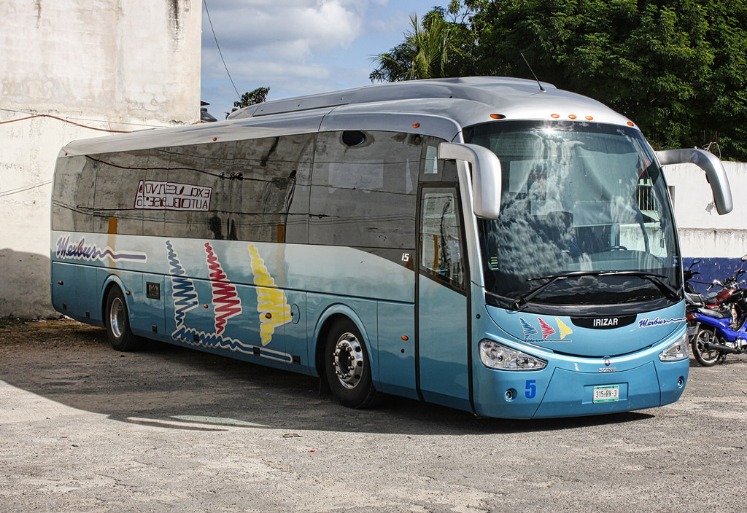

Overview of luxury bus travel in South Africa
Luxury bus travel in South Africa offers a comfortable and scenic way to explore the country, pairing premium coaches with attentive service, spacious seating, and modern amenities. From the Garden Route’s coastal vistas to bustling cities like Johannesburg and Cape Town, travelers can enjoy onboard Wi‑Fi, power outlets, gourmet refreshments, and smooth, safe transfers between iconic destinations. This overview introduces what to expect from a luxury bus experience in South Africa and how to choose among providers for a memorable journey.
Market landscape and consumer demographics
Luxury bus travel in South Africa offers a premium long‑distance option that prioritizes comfort, reliability, and convenience across the country’s major corridors. The segment markets itself on enhanced seating, climate control, cleaner interiors, and on-board services that elevate the traditional coach experience for business travelers, holidaymakers, and high‑end tourists alike.
The market landscape is led by established operators such as Intercape, Greyhound South Africa, and City to City, each offering premium fleets and a broader route network. These players compete on service quality, schedule frequency, and network reach between economic hubs such as Johannesburg, Cape Town, Durban, and Port Elizabeth. In addition, regional and smaller operators compete by focusing on specific routes, tourism links, and niche markets such as wine routes and coastal trips.
Fleet configurations in the luxury segment typically include ergonomic reclining seats with generous legroom, additional luggage allowances, climate control, and clean, well-maintained interiors. Many premium coaches feature onboard Wi‑Fi, USB charging, entertainment options, and refreshments or light catering. The emphasis is on a seamless travel experience that reduces the friction of long journeys while maintaining safety and punctuality.
Routes with high demand for luxury service center on the country’s major economic and tourist corridors. Johannesburg to Cape Town and Johannesburg to Durban are among the busiest, complemented by Cape Town to Port Elizabeth and Pretoria to the Garden Route towns. Pricing for premium services is higher than standard bus travel, reflecting longer distances, enhanced amenities, and a higher service level, while promotions and loyalty programs help secure repeat bookings from corporate accounts and frequent travelers.
Travel times on premium routes are multi-hour to multi-day experiences, with operators packaging comfort, reliability, and safety as part of the value proposition. Luxury bus options compete with domestic air travel on convenience and affordability when considering total travel time to city centers, luggage handling, and door-to-door experience. This makes them attractive for travelers who value a steady pace, scenic enjoyment, or group travel arrangements.
Consumer safety and regulatory compliance are central to the market. Operators emphasize regular fleet maintenance, trained drivers, adherence to road safety standards, and transparent fare structures. The sector often highlights high service standards as a differentiator, given past concerns about road safety and service consistency in some segments of the market.
Digital booking channels, mobile apps, and live customer support have become standard in the luxury bus segment. Online schedules, seat selection, and real-time status updates improve transparency, while loyalty programs and corporate accounts cater to business travelers and travel managers seeking predictable procurement processes.
Consumer demographics for luxury bus travel are skewed toward urban, higher‑income groups who value time efficiency and comfort. Primary origin markets are Gauteng and the Western Cape, with substantial contributions from KwaZulu-Natal and the Eastern Cape. The typical profile includes professionals and business travelers aged 25–54, families on holiday, and higher-spend leisure travelers who prefer a more relaxed, private travel environment. Women and men are represented across these segments, with group bookings common for corporate events, conferences, and tourism experiences.
Looking ahead, the luxury bus segment in South Africa faces opportunities from expanding tourist interest in domestic travel, cross‑regional wine and wildlife routes, and corporate travel programs that require reliable, premium transport. Challenges include maintaining safety standards across a dispersed network, upgrading aging fleets, and navigating regulatory dynamics. Operators that invest in comfort, reliability, and digital convenience are well positioned to capture growth as travelers seek a balanced mix of efficiency, experience, and value.
Advantages of luxury bus travel vs other transport
Luxury bus travel in South Africa offers a comfortable alternative to road and air journeys, linking major cities such as Johannesburg, Cape Town, Durban, Port Elizabeth, and Bloemfontein with reliable, premium services.
These services are provided by established operators like Intercape and Autopax’s premium brands, offering coaches with generous legroom, adjustable reclining seats, climate control, onboard Wi-Fi on select routes, USB charging, and on-train refreshments or meals at intervals.
Compared with private car travel, luxury intercity coaches reduce driving fatigue, simplify logistics for groups, and provide predictable schedules and luggage allowances, while removing worries about tolls, parking, and navigation.
Against air travel, luxury buses can be more economical for medium-distance trips, eliminate lengthy airport check-ins, and offer city-to-city connectivity that deposits passengers directly in urban centers. They also typically allow more luggage and present a lower carbon footprint per passenger on busy corridors.
To get the best experience, book with reputable operators, check reviews for on-time performance and safety, compare seat types and amenities, and consider travel times and comfort preferences. For night journeys, ensure secure sleeping arrangements and budget for potential rest breaks and meal stops.
Overall, luxury bus travel in South Africa continues to grow with improved fleets, better service standards, and expanded routes, making it an attractive option for locals and visitors seeking a balance of comfort, cost, and convenience on longer trips.
Regional coverage and routes
Luxury bus travel in South Africa offers premium long-distance options across major provinces, delivering comfort, safety and convenience for travelers who prefer road journeys to flying. Modern fleets, professional drivers and a focus on passenger experience characterize the sector, with regular services connecting key cities and regional hubs.
Premium coaches typically feature plush reclining seats, extra legroom, climate control, Wi-Fi and USB charging ports. On longer journeys, onboard entertainment, refreshing snacks or meals and attentive service are common, and coaches are equipped with security belts, air suspension and ample luggage capacity. Many operators also offer overnight services with comfortable seating designed for sleeping so travelers can maximize their time.
Regional coverage centers on the main economic hubs of Gauteng, the Western Cape and KwaZulu-Natal. Core routes include Johannesburg to Cape Town, Johannesburg to Durban, and Cape Town to Port Elizabeth, along with Pretoria or Cape Town connections to Bloemfontein, East London and Mbombela (Nelspruit). There are also popular cross-country corridors between Johannesburg and Bloemfontein or Port Elizabeth, and corridor variations that pass through central towns. Several operators run cross-border services to neighboring countries via major border towns, providing access to Windhoek in Namibia or Gaborone in Botswana and other destinations in Southern Africa. Timings vary by route, with some journeys completing within a day and longer trips spanning overnight.
The leading players in luxury long-distance coach travel in South Africa include Intercape and Greyhound South Africa, both offering premium long-haul services across multiple routes with modern fleets. A number of smaller operators also maintain luxury-grade coaches on popular corridors. Tickets can be booked online through operator websites or through travel agents, and fares typically vary by season, distance and service level.
To plan a smooth trip, book in advance, especially during peak holiday periods. Check baggage allowances and security measures, confirm border documentation for cross-border trips, and choose seats with the best view or extra legroom if available. Arrive at the depot early to collect tickets and avoid delays. Read reviews for reliability, and consider travel insurance for long journeys.
Overall, luxury bus travel in South Africa provides a comfortable, scenic and cost-effective alternative to air travel for inter-city and regional trips, with broad network coverage and a range of onboard amenities that cater to different budgets and preferences.
Fleet and amenities on luxury buses
Explore the luxurious fleet of South Africa’s premium buses, where comfort and technology meet on every journey. Plush seating, climate-controlled cabins, quiet interiors, on-board Wi‑Fi, USB charging, personal entertainment screens, and panoramic windows come together with gourmet catering and enhanced safety features to make long-haul travels feel effortless and exclusive.
Vehicle types and configurations
In South Africa, luxury buses blend premium comfort with regional travel needs, offering modern fleets for intercity, safari, and tour experiences.
Fleet and configurations vary by operator, route, and service level, but typical offerings include standard long-distance coaches, sleeper options for overnight trips, and VIP minibuses for corporate transfers.
- Luxury intercity coaches with 2-2 seating, generous legroom, and fixed tables
- Sleeper coaches with reclining berths or overnight berths for overnight trips
- VIP executive minibuses sized for 14–29 passengers with premium interiors
- Double-decker touring coaches for sightseeing along coastal and scenic routes
- Accessible coaches designed for wheelchairs and mobility-impaired travelers
Amenities and features common across top fleets ensure comfort and convenience during long journeys.
- Leather or premium fabric seating with ample pitch and ergonomic support
- Onboard Wi-Fi and power outlets at most seating positions
- Individual climate control, quiet cabins, and adjustable reading lights
- Fold-out tables, personal entertainment devices, and USB charging
- Refreshments, catering options, and fully equipped refreshment bars on select coaches
- Generous luggage compartments and overhead storage; secure baggage handling
- Accessibility features including wheelchair ramps and priority seating on eligible coaches
Vehicle types and configurations used by luxury operators in South Africa
- Intercity luxury coaches: high-comfort seating, air conditioning, and onboard service for long-distance routes
- Sleeper and overnight coaches: 1- to 2-person berths or recliner-beds for overnight travel
- VIP executive minibuses: smaller, flexible fleets with premium interiors for corporate groups or airport shuttles
- Double-decker touring buses: elevated sightlines for scenic trips, often with a dedicated tour guide setup
- Safari and game-drive shuttle coaches: ruggedized interiors, durable seating, and quick-access luggage compartments for regional tours
These configurations are chosen to balance comfort, capacity, and route requirements while meeting South Africa’s diverse travel landscape.
Seat comfort, legroom, and privacy features
Luxury bus travel in South Africa blends high-end fleets with attentive amenities to deliver comfortable journeys across the country’s varied landscapes.
Fleet and build quality are central to the experience. Premium coaches are typically maintained to rigorous safety and comfort standards, with models chosen for smooth rides, generous luggage space, and easy boarding. Operators often invest in newer, well-appointed vehicles with dependable suspension systems, climate control, and efficient service and maintenance programs to ensure reliability on long routes between major cities and popular tourist destinations.
Seat comfort and legroom are core features of luxury buses. Seats are designed for long-distance comfort, offering plush cushioning, ergonomic support, and wide armrests. A 2×2 seating arrangement commonly provides ample elbow room and a sense of openness, with adjustable backrests, headrests, and recline that allow travelers to find a relaxed position. Many coaches also offer integrated footrests and generous legroom to reduce fatigue on extended journeys.
Privacy features vary by service level but are a notable aspect of premium travel. Tinted or reflective windows with blackout shades help create a more private cabin, and some coaches include blinds for overnight comfort. In higher-tier configurations, there can be semi-private seating zones or partitions that offer a degree of personal space without isolating travelers fully, allowing for conversation or focused work while still sharing the same coach.
On-board amenities enhance convenience and enjoyment. Expect reliable Wi-Fi, power outlets and USB charging at seats, climate-controlled cabins, and discreet mood lighting. Complimentary bottled water and light refreshments are common, with more extensive catering on longer routes. Some luxury coaches feature entertainment screens, travelers’ information systems, and ergonomic work-friendly spaces for passengers who need to stay productive while on the move.
In South Africa, luxury bus networks connect major gateways such as Johannesburg, Pretoria, Cape Town, Durban, Port Elizabeth, and Bloemfontein, as well as popular tourist routes to the Garden Route and the Karoo. The combination of a modern fleet, comfortable seating, and thoughtful amenities makes long-distance bus travel a viable alternative to air or rail for many travelers seeking a balance of convenience, value, and relaxation.
When selecting a luxury bus service in South Africa, look for current fleet details, seating configurations, and the list of included amenities to ensure the journey matches your comfort preferences and travel needs.
In-bus entertainment and connectivity
Luxury buses in South Africa are redefining long-distance travel with premium fleets and service levels that rival airlines, making cross-country journeys comfortable, productive, and enjoyable.
Fleet and seating on these coaches typically features modern, high-capacity models with 2+2 seating, wide leather seats, generous legroom, and ergonomic headrests. Seats recline to near-flat positions, and individual climate control, mood lighting, and panoramic windows create a relaxed cabin environment. Baggage compartments are spacious, and accessibility options are available for travellers with reduced mobility.
On-board amenities extend beyond seating. Many luxury buses offer on-board catering with hot beverages, snacks, and light meals, plus well-stocked refreshment stations and refrigerated options. Freshen up in clean, well-lit lavatories, and enjoy additional conveniences such as extra storage for personal items and quiet zones for concentration or rest.
In-bus entertainment options are designed to keep passengers engaged during long legs of the journey. Depending on the operator, you may have access to personal or shared screens, streaming content, curated travel and documentary playlists, DJ-led music channels, and sometimes games. Noise-reduction headphones are often provided to enhance the experience.
Connectivity is a key feature of luxury coaches in South Africa. Free or premium in-seat Wi-Fi allows passengers to work, stream, or stay connected, while USB and other charging ports keep devices powered. Many coaches also offer mobile apps for booking, seat selection, live tracking, and real-time travel updates, so you can plan arrivals and tailwinds with confidence.
These services are popular on routes such as Johannesburg to Cape Town, Cape Town to Port Elizabeth, Durban corridors, and the Garden Route, where travellers seek comfort and productivity on the road. Operators prioritise punctual departures, well-maintained fleets, and courteous service to ensure a premium experience from departure to destination.
Choosing a luxury bus in South Africa gives a practical alternative to air travel for regional journeys, offering a blend of comfort, connectivity, and value, with a focus on a relaxed travel rhythm and scenic, stress-free journeys.
Catering and on-board services
Traveling by luxury bus in South Africa combines a refined fleet with thoughtful onboard services to turn long journeys into pleasurable experiences. From Cape Town to Johannesburg and along the coast and the Garden Route, premium coaches are designed for comfort and efficiency.
Fleet and models in the luxury category typically feature modern, purpose-built coaches designed for quiet, smooth travel. These buses usually house between mid- to large-sized capacities with seating layouts that maximize comfort, including two-by-two configurations, ample legroom, and ergonomic, adjustable seats with high-quality materials and memory foam cushions.
Interior design emphasizes ambient lighting, wood or soft-touch finishes, and panoramic windows to enhance the travel experience. HVAC systems provide individual climate control, ensuring a constant, comfortable temperature regardless of outside weather, while noise-reduction technologies create a serene cabin environment for rest or work.
Connectivity is a standard expectation on luxury routes in South Africa. Each seat typically features USB charging ports and universal power outlets, along with onboard Wi-Fi that prioritizes stability on long hauls. In-cabin entertainment options may include personal screens or shared displays, satellite channels, and streaming capabilities to help pass the time.
Catering and on-board services are a hallmark of premium travel. Depending on the operator, passengers can expect hot meals, fresh snacks, and a selection of beverages served by attentive crew members. Dietary accommodations, such as vegetarian, vegan, or halal options, are commonly available with prior notice, and some services offer a light bar or beverage station on select routes.
On-board service goes beyond food and tech. A dedicated steward or host may assist with luggage, seating preferences, and in-transit needs. Quiet zones or private compartments can be configured for business travelers who wish to work, while families and groups can enjoy flexible seating arrangements to suit their plans.
Safety and accessibility are integral to the luxury experience. Modern fleets come equipped with advanced braking and stability systems, CCTV monitoring, GPS tracking, and emergency communication tools. Coaches are designed for easy boarding with accessible seating and ample luggage space to ensure comfort for passengers with mobility considerations.
Operators in South Africa often emphasize sustainability alongside luxury. Many premium coaches employ efficient engines and adherent maintenance practices to reduce emissions while delivering reliable performance on long-city and cross-country routes.
For corporate travel, special charters, or private events, the luxury bus option in South Africa offers customizable itineraries, premium catering, and tailored onboard services. This combination of a well-maintained fleet, refined interiors, and comprehensive service makes luxury bus travel a compelling alternative to other long-distance transport options.
Top routes and destinations for luxury bus travelers in SA
South Africa’s luxury bus network connects coastal escapes with cosmopolitan hubs, offering stylish, comfortable journeys for discerning travelers. Top routes include Cape Town to Johannesburg and Cape Town to Port Elizabeth along the Garden Route, as well as links between Johannesburg and Durban and coastal hops through Knysna and Plettenberg Bay, with easy access to safari gateways in Mpumalanga and the Kruger region.
Johannesburg to coastal cities
Luxury bus travel in South Africa has transformed long journeys into comfortable experiences, especially for trips from Johannesburg to the coast. Here are the top routes and destinations that luxury travelers pursue.
Johannesburg to Cape Town is the iconic long-haul route. Modern coaches on this corridor often feature spacious seating, on-board Wi‑Fi, USB charging, climate control, and curated meal service. The journey runs along the western coastline, with the final destination Cape Town offering easy access to the city’s waterfront, mountains, and beaches. Passengers can opt for overnight services that allow sightseeing on arrival or a relaxed itinerary that can include the Garden Route through well-timed connections.
Johannesburg to Durban is a popular choice for those seeking a quick escape to the eastern coastline. Luxury coaches emphasize comfortable seating, generous legroom, on-board entertainment, and refreshments. The route offers a mix of highland views and coastal scenery as you descend into KwaZulu-Natal, ending in the tropical seaside city of Durban with its Golden Mile beachfront and vibrant dining and shopping scene.
Johannesburg to Port Elizabeth, or Gqeberha, and other parts of the Eastern Cape is another strong option for coastal travel. These services typically run overnight or during peak travel windows, combining long-range comfort with practical travel times. The Garden Route towns along the Eastern and Western Cape are accessible via connected itineraries that let travelers linger by the coast in style.
From the coastal hubs, luxury travelers can continue to popular Garden Route destinations such as Knysna, George, Plettenberg Bay, and Mossel Bay. Some operators offer direct coastal itineraries that incorporate seaside towns or seamless connections from Cape Town or Port Elizabeth, turning a long-haul into a curated coast-to-coast journey with premium seating, hotel-grade service, and thoughtful stops along the way.
Practical tips for luxury bus travelers include booking premium seating in advance, checking luggage policies, and taking advantage of lounge facilities at major terminals. Look for operators that publish clear schedules, real-time tracking, and guaranteed on-arrival connections to coastal destinations, so you can maximize time by the sea.
In summary, the top routes from Johannesburg to the coast are the Johannesburg–Cape Town corridor, the Johannesburg–Durban corridor, and the Johannesburg–Port Elizabeth corridor, with Garden Route extensions to Knysna, George, Plettenberg Bay, and Mossel Bay. These routes deliver comfort, convenience, and a taste of South Africa’s diverse coastline on premium buses designed for longer journeys.
Safari and tourism routes
Luxury bus travel in South Africa blends comfort, safety, and access to some of the country’s most iconic safari and tourism destinations. Premium coaches offer generous legroom, 2+1 seating, onboard Wi‑Fi, power outlets, delicious meals, and guides who can tailor experiences to wildlife, wine, and scenic highlights.
Garden Route: Cape Town to Port Elizabeth is a crown jewel for luxury travelers. The route threads along dramatic coastlines with stops in Knysna, Plettenberg Bay, Wilderness, Mossel Bay, and Oudtshoorn. Expect panoramic ocean views, forested gorges, elephant sightings in along the coast, and opportunities for whale watching in season. Luxury buses here emphasize comfort en route and curated excursions in key towns, turning the journey into part of the holiday experience.
Cape Town and the Winelands: A luxury bus transfer from Cape Town to Franschhoek and Stellenbosch pairs scenic coastal travel with the best of South Africa’s wine country. In the winelands, travelers can pair vineyard tours with chef‑level dining and boutique accommodation, while the bus service provides a seamless connection back to the city or onward coastal routes.
Panorama Route and Drakensberg: A premium overland option from Johannesburg or Pretoria can link travelers to the Highveld’s dramatic plateaus and the Drakensberg mountains. The Panorama Route offers viewpoints like God’s Window and the Blyde River Canyon, while the Drakensberg region presents hiking, seasonal alpine scenery, and cultural San rock art. The luxury bus experience focuses on legroom, scenic comfort, and transfer doors to lodges and gate entrances.
Pilanesberg and Sun City: For wildlife fans who want a safari feel without leaving the Gauteng region, a luxury bus to Pilanesberg National Park and the Sun City complex combines wildlife drives with resort leisure. This route suits travelers who crave a quick escape with premium seating, dependable schedules, and access to major international flight hubs on either end.
Kruger National Park gateways: The heart of South Africa’s safari experiences lies in the Kruger ecosystem. Luxury bus routes connect Johannesburg or Pretoria with gateway towns such as Hoedspruit, Nelspruit/Mbombela, and Phalaborwa. From these hubs, transfers can continue to private reserves or the southern camps along the Sabi Sand and Luvuvhu ecosystems, pairing comfortable long-distance travel with world‑class game viewing.
KwaZulu-Natal safari coastline: From Durban, premium coaches head toward Hluhluwe-Imfolozi and the iSimangaliso Wetland Park area. This coastal safari belt blends big‑five opportunities with pristine beaches, estuary sightings, and the St Lucia region’s wildlife cruises. Luxury buses emphasize smooth riding, on‑board enrichment, and easy transfers to lodges and coastal towns.
Wild Coast scenic route: The Eastern Cape’s Wild Coast offers a rugged coastline, secluded beaches, and Xhosa culture. Luxury bus itineraries along the coast connect East London with coastal towns such as Port St. Johns and Coffee Bay, delivering comfortable travel between remote lodges, interactive community visits, and coastal scenic stops that are otherwise difficult to reach by car.
Addo Elephant National Park and the Eastern Cape safari circuit: A dedicated leg from Port Elizabeth or Gqeberha to Addo offers a rewarding combination of malaria-free big‑game viewing and Malaria‑free plains beyond the park. Luxury buses provide relaxed travel to lodge gates and guided day trips, allowing visitors to focus on elephants, predators, and birdlife in a pristine reserve setting.
Tips for a premium experience: Book in advance to secure preferred seating and window views on coastal and safari routes. Look for coaches with 2+1 seating, ample cabin storage, reliable Wi‑Fi, and onboard meals or snack service. Consider seasonal wildlife patterns (dry winter months often offer better wildlife visibility) and align long journeys with in‑region activities such as game drives, boat safaris, wine tastings, and cultural encounters to maximize the luxury travel impact.
Coastal and scenic routes along Garden Route
Traveling by luxury bus in South Africa offers panoramic coastal scenery, plush seating, gourmet on-board service, and easy access to the Garden Route’s iconic towns. Here are the top routes and destinations for a premium coastal journey along South Africa’s southern shores.
- Cape Town to Port Elizabeth (Garden Route Grand Crossing) — A classic long-haul journey along the entire Garden Route, with panoramic ocean views and premium onboard service through Mossel Bay, George, Knysna, Plettenberg Bay and Tsitsikamma before ending in Port Elizabeth.
- Cape Town to Knysna — A western gateway leg into the Garden Route, featuring cliffside coastal vistas, forested passes, and access to Knysna’s iconic lagoon and waterfront dining.
- Mossel Bay to Knysna — Mid-route coastal stretch through Mossel Bay, George and Plettenberg Bay to Knysna, with expansive windows for ocean views and curated stopovers.
- George to Plettenberg Bay — Scenic coast and Tsitsikamma forest air between these towns, ideal for stage-by-stage luxury travel with comfortable lounges and nature-focused excursions.
- Knysna to Port Elizabeth — The full Garden Route leg linking lagoons, beaches and ancient forests, delivered in premium comfort with on-board dining and attentive service.
- Plettenberg Bay to Tsitsikamma National Park — A lush, forested coastal segment featuring dramatic cliffs and coastal trails, perfect for nature excursions from a luxury coach.
- Port Elizabeth to Addo Elephant National Park — Coastal drive with a wildlife-rich extension into one of South Africa’s premier safari destinations, paired with VIP service and private tours.
Travel experience: on-board services and comfort
Traveling by luxury bus in South Africa offers a refined travel experience, with plush ergonomic seats, generous legroom, and climate-controlled cabins that keep you comfortable from dawn to dusk. On-board services include gourmet meals or curated snacks, complimentary bottled water, and bar service, as well as Wi-Fi, power outlets, and USB charging for devices. Attentive crew attend to your needs, while panoramic windows and quiet cabins let you absorb the landscapes in comfort. From Cape Town to the Garden Route or Kruger routes, the journey becomes part of the adventure, blending convenience with grace on every mile.
Premium service levels and staff training
Accessibility and inclusivity in luxury bus travel
Travel experience in luxury bus travel across South Africa blends refined comfort with spectacular landscapes, pairing premium on-board environments with efficient, door-to-door service to connect major cities and scenic routes along the coast and interior.
On-board comforts include spacious, supportive seating with ample legroom, leather or premium fabric upholstery, and adjustable headrests. Seats may recline to near-flat positions on longer journeys, with memory foam cushions and individualized climate control to keep each passenger at their preferred temperature. Noise-reducing design and quiet cabins help travelers sleep or work in comfort.
Connectivity and amenities elevate the experience: Wi-Fi is widely offered, alongside USB and standard power outlets at most seats. Personal entertainment screens or curated content libraries provide movies, documentaries, and travel guides. Complimentary beverages, bottled water, hot drinks, light snacks, and sometimes freshly prepared meals keep passengers refreshed between stops.
Accessibility features are built into many luxury coaches: wheelchair-accessible layouts with ramps or lifts, widened aisles, and reserved seating with extra legroom near doors. Gentle slopes, grab rails, and clear floor markings support mobility needs, while braille safety cards and universal symbols aid navigation. Operators train staff to assist travelers with disabilities and special requirements, from boarding assistance to in-seat service requests.
Professional drivers and courteous cabin crew provide attentive service, safety briefings, and proactive check-ins. Clear communication, multilingual assistance, and discreet help with luggage or seating arrangements contribute to a stress-free journey. Clean, well-maintained restrooms and a tidy galley area reflect high service standards common in premium SA routes.
Safety remains a priority: secure seat belts for all passengers, clear emergency exits, routine vehicle checks, and adherence to road safety regulations. Real-time updates on routes and delays help travelers plan connections at endpoints or layovers, while insurers and operators offer flexible ticketing in case of changes.
On South Africa’s premium routes, trips connect major hubs such as Johannesburg, Cape Town, Durban, and Port Elizabeth, with scenic detours along the Garden Route and coastal highways. Large panoramic windows and well-timed breaks let travelers absorb the scenery, while well-planned itineraries provide opportunities for comfortable refreshments and rest stops without sacrificing pace or privacy.
Accessibility and inclusivity are central in luxury SA bus travel: multilingual announcements and information in English, Afrikaans, Zulu, Xhosa, and other widely spoken languages; clear signage with universal icons; flexible booking that accommodates wheelchair users, caregivers, and travelers with mobility aids; family-friendly seating and stroller space where available; and policies that welcome assistance animals on request where permitted.
Overall, luxury bus travel in South Africa prioritizes comfort, accessibility, and a seamless journey, turning long-distance road travel into a refined, inclusive, and memorable part of the African travel experience.
Luggage policies and storage
Travel experience on a luxury bus in South Africa blends refined comfort with attentive service to transform long journeys into a relaxing part of the trip. From Cape Town to Johannesburg and beyond, premium coaches emphasize plush seating, generous legroom, quiet cabins, panoramic windows, climate control, and a thoughtfully designed interior that reduces fatigue on the road.
On-board services and comfort include ergonomic seats with ample recline, adjustable headrests, and footrests, plus climate-controlled cabins and low-noise interiors. Many operators offer complimentary Wi-Fi, universal USB charging ports, large screens with route information, and ambient lighting that adapts to the time of day, creating a tranquil travel environment.
Refreshments and amenities are a hallmark of luxury buses in South Africa. Expect a courteous crew, bottled water, tea and coffee service, and light snacks or meals on longer journeys. Some coaches provide on-board entertainment options or curated music selections to enhance the experience, while rest stops are scheduled to stretch legs and refresh between legs of the trip.
Seat comfort also includes thoughtful extras such as memory-foam cushions, blankets, and pillows on overnight routes. Private restrooms on mid-to-long-haul coaches add a further layer of convenience, along with secure luggage compartments and staff assistance if you need help with storage or accessibility features.
Luggage policies and storage vary by operator, so always check your ticket for specifics. In general, luxury services allow for one or two large pieces of checked luggage along with a small carry-on, with weight and size limits that may differ between routes. Additional items like sports equipment or musical instruments may incur fees or require advance notice. Prohibited items include flammable or hazardous materials.
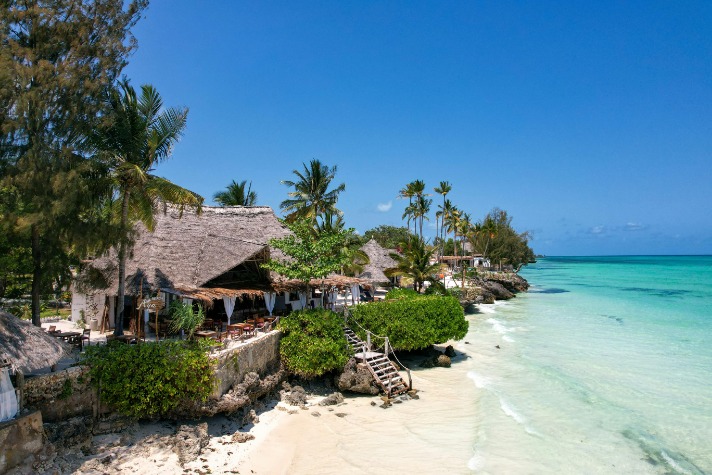
Storage options are typically generous: under-floor luggage bays for checked bags, overhead racks for small carry-ons, and easy-to-reach storage near the entry for backpacks or smaller items. Tag your bags clearly, use sturdy locks, and keep valuables with you in your carry-on to reduce risk. If you have bulky items or mobility needs, inform the crew in advance to arrange appropriate space or assistance.
Practical tips for a seamless experience include packing light but complete, labeling luggage with contact details, arriving early at departure points to drop bags and confirm seats, and keeping essential documents and electronics in your carry-on. By planning ahead and choosing a reputable operator, the luxury bus experience in South Africa can be a comfortable and scenic alternative to flying.
Booking, pricing, and service providers in South Africa
Luxury bus travel in South Africa combines premium comfort with transparent booking, competitive pricing, and a network of trusted service providers. From routes between major cities to scenic journeys along the Cape Winelands, Garden Route, and Kruger corridors, travelers can compare operators, view real-time quotes, and reserve seats on executive coaches that offer generous legroom, onboard amenities, and flexible terms. Reliable platforms streamline the process of choosing a provider, confirming pricing, and arranging a seamless, comfortable trip.
Major operators and networks
South Africa’s luxury bus travel offers comfortable intercity journeys with a choice of operators, online booking, and premium service levels. This guide covers booking, pricing, and the major operators and networks you’ll encounter when planning luxury coach trips around the country.
Booking is typically done through operator websites or mobile apps, with reservations also available via travel agents and some online travel platforms. Many operators provide phone reservations and email support, and you may find cross-listings on regional tourism portals and aggregator sites that compare schedules and prices.
Pricing for luxury bus travel depends on distance, peak seasons, and the service level. Domestic long-distance routes on premium coaches generally range from roughly R350 to around R1 100 per person one way, with longer or cross-border trips tending higher. Expect added costs for extra luggage, seat selection, and on-board amenities in some packages, and look for early-booking or group discounts where offered.
Major operators in South Africa include Intercape, Greyhound SA, City to City, and TransLux. Intercape runs a broad national network with a well-regarded premium fleet and services to destinations across SA and into neighboring countries. Greyhound SA operates a long-standing premium coach network with routes across the country and some cross-border services. City to City focuses on high-frequency services between key urban centers with modern, comfortable coaches. TransLux offers extended routes on premium coaches within the established intercity network.
Other networks connect the main cities such as Cape Town, Johannesburg, Pretoria, Durban, Port Elizabeth and East London, with connections to Bloemfontein and smaller urban centers. Cross-border services tie South African routes to nearby countries like Namibia, Botswana and Zimbabwe through partner networks in the region, enabling longer trips for business and leisure travelers.
On-board luxury features often include spacious, reclining seats, generous legroom, air conditioning, onboard attendants, Wi-Fi where available, USB charging, and complimentary or paid refreshments. Baggage allowances vary by operator and fare type, so check the policy when you book and plan for transfers at terminals where needed.
When choosing a provider, compare schedules for your preferred times, verify the inclusion of seat selection, and read the cancellation and change policies. Check for verified customer reviews on route reliability and fleet condition, and consider package deals that bundle meals, Wi-Fi, or extra baggage allowances with your fare.
For cross-border travel, verify passport or visa requirements and ensure the operator has appropriate cross-border licensing and border-handling procedures. Plan buffer time at border posts and use official border facilities where possible to avoid delays.
In summary, South Africa’s luxury bus scene offers reliable intercity and regional travel with multiple operators and networks. By booking ahead, comparing prices, and understanding the service features, travelers can enjoy comfortable, scenic journeys between SA’s major cities and into neighboring countries.
Pricing models and incentives
Luxury bus travel in South Africa offers premium transport options for corporate travel, events, and luxury tours. Booking, pricing, and service providers vary by region and operator, with multiple channels and flexible pricing models to suit groups of all sizes.
- Booking channels: Operators often sell direct via their websites or call centers, while agencies and inbound tour operators handle corporate and group charters. Online travel platforms, event planners, and destination management companies are also common for securing luxury coach services across major cities and tourist routes.
- Service providers and fleet options: You can choose private charters, corporate shuttles, airport transfers, wedding and special events transport, and long-distance luxury coaches with high-end seating, on-board Wi‑Fi, refreshments, and entertainment. Fleets typically range from 35 to 60 seats, with configurations for VIP lounges and luggage capacity.
- Pricing models: Pricing is often a mix of flat-rate charters, hourly rates, or distance-based pricing, with all-inclusive packages that cover driver fees, fuel, tolls, and VAT. Some operators quote base rates plus surcharges for peak season, public holidays, high-demand routes, driver overtime, or remote pickups.
- Incentives and promotions: Common incentives include early-booking discounts, off-peak pricing, loyalty programs for frequent corporate clients, volume discounts for agencies, and bundled packages with guide services, tickets to events, or hotel accommodations.
- Safety, licensing, and terms: Reputable providers hold operating licenses, vehicle inspections, and comprehensive insurance. Booking terms typically specify deposits, cancellation windows, refund policies, and what is included or excluded (meals, alcohol service, extra drivers, additional stops).
- Regional considerations: In South Africa, travel times and tolls vary by route; peak travel periods (seasonal holidays and festival periods) can affect pricing and availability. It’s important to confirm route specifics, rest stops, and waiting times in your agreement.
- How to compare and book: Request formal quotes, compare inclusions (fuel, tolls, driver costs, gratuities), verify safety records and driver credentials, check fleet photos and amenities, and confirm cancellation policies before depositing.
Online booking platforms and customer support
Luxury bus travel in South Africa offers comfortable long-distance journeys between major cities such as Johannesburg, Cape Town, Durban, and Port Elizabeth, with premium coaches designed for a relaxed and productive trip.
Booking platforms in South Africa range from the official websites of major operators to international and local online aggregators. You can book directly through operator portals like Intercape, Greyhound SA, and Translux, or use online platforms that compare routes, times, and prices. Aggregators and travel platforms may also bundle return trips or multi-city itineraries to simplify planning.
Pricing for luxury bus services in South Africa is influenced by distance, service level, season, and flexibility. On popular routes, expect higher prices during peak travel periods and lower fares when promotions are running. In general, premium or VIP seating tends to be more expensive than standard seats, and early booking can secure better rates. Group bookings and corporate rates may offer additional savings.
Major service providers offering luxury options include Intercape and Greyhound SA, both known for comfortable seating, ample legroom, air conditioning, and onboard amenities on longer routes. Translux and its premium offerings also serve select routes with enhanced comfort. Availability of extras such as wifi, USB charging, or onboard refreshments varies by operator and route, so checking the specific coach features at booking is important.
Online booking platforms provide convenient price comparisons, real-time seat availability, and secure payment options. Using an aggregator can help you see multiple operators and departure times side by side, but always verify the final terms on the operator’s website to avoid surprises. Watch for additional fees, policy details, and any restrictions on changes or refunds when booking through third parties.
Customer support for luxury bus bookings typically includes phone lines, email, and live chat on operator or booking-platform websites. In addition to pre-trip assistance, reliable support should cover ticket changes, cancellations, luggage queries, accessibility needs, and crisis assistance. For international or cross-border routes, ensure the platform provides clear guidance on border checks and required documents.
When choosing a provider, consider the total travel experience: seat comfort and spacing, luggage allowances, rest-stop frequency, onboard facilities, and the reputation for on-time performance. Check reviews for the specific route you plan to travel and confirm the exact luggage limits and any additional charges before finalizing your booking.
Finally, prepare for your journey by keeping your booking reference handy, confirming departure points, and arriving early to boarding zones. With the right platform, a premium coach, and clear support channels, luxury bus travel in South Africa can be a seamless and enjoyable way to move between the country’s premier destinations.
Safety, regulations, and accreditation for luxury bus operators
Luxury bus operators in South Africa build trust through rigorous safety, regulatory compliance, and credible accreditation. Vehicles and maintenance meet national standards, drivers are properly qualified, and operators hold the required operating licences under the National Road Traffic Act with oversight by the Department of Transport and the Road Traffic Management Corporation; additional accreditation from recognized tourism and transport bodies signals a commitment to passenger safety and premium service.
Safety standards and maintenance regimes
In South Africa, luxury bus operators must navigate a robust safety, regulatory and accreditation ecosystem that safeguards passengers, crews and the travelling public while supporting high standards of service.
The regulatory framework is anchored by primary transport legislation and enforcing authorities. The National Road Traffic Act and the accompanying Regulations set requirements for vehicle licensing, roadworthiness, driver licensing and road safety. The National Land Transport Act governs public road passenger transport planning, operator accreditation and safety management, while the Road Traffic Management Corporation coordinates enforcement and safety programs nationwide. In some cases, regulators also reference standards and specifications administered by bodies such as the National Regulator for Compulsory Specifications, which set benchmarks for certain vehicle components and systems. These frameworks together shape how luxury bus operators register vehicles, obtain operator permits, and demonstrate ongoing compliance.
Operator licensing and accreditation for luxury coaches typically involve obtaining an operator permit or license from the relevant provincial licensing authority, aligned with the NLTA requirements. Operators are expected to show they can meet safety, financial viability and service quality standards. Accreditation or certification programs offered by industry bodies and tourism authorities provide a voluntary signal of reliability and quality to customers and partners, and many operators pursue such credentials as part of their safety and service strategies.
Vehicle standards and safety equipment are central to responsible operation. Vehicles used for long-distance luxury service must pass periodic roadworthy tests and hold up-to-date roadworthy certificates issued by authorized test stations. Luxury coaches should be equipped with functional seat belts, clearly marked emergency exits, fire extinguishers, first aid kits, and appropriate load and occupancy signage. Regular maintenance and safe operation are reinforced by requiring adherence to manufacturer service schedules, proper tire management, functioning lighting and signaling, and compliant braking systems, all supported by routine inspections and repair history documentation.
Driver qualifications and training are critical components of safety. Commercial passenger-transport drivers typically must hold the correct driving licence category for the vehicle, and in passenger transport, a Professional Driving Permit (PrDP) or equivalent professional qualification is often required. Regular medical fitness checks, continuous driving-licence verification, and ongoing training in defensive driving, customer service, and emergency procedures help ensure drivers can manage complex itineraries and high-end service expectations while maintaining safety standards.
Maintenance regimes are built on proactive planning and meticulous recordkeeping. Operators should implement a maintenance program that combines daily pre-trip and post-trip inspections with scheduled servicing at OEM-recommended intervals or as specified by vehicle manufacturers. Comprehensive maintenance logs, service histories, defect registers, and timely part replacement are essential for traceability and compliance. When outsourcing maintenance to workshops or service centers, operators should verify the use of approved parts, calibrated tools, and competent technicians, and keep documentation for regulatory reviews or audits.
Safety management and risk mitigation extend beyond mechanical integrity. A formal safety management approach—including risk assessments, incident reporting, investigations, and corrective actions—helps operators address potential hazards before they result in harm. Emergency response planning, clear passenger briefing, evacuation procedures, real-time communications, and contingency arrangements for disruptions are all important components of a luxury coach operator’s safety regime. Regulators increasingly expect evidence of proactive safety governance, not just compliance at the point of inspection.
Accreditation and industry certification play a role in signaling quality and trust. In addition to mandatory regulatory compliance, luxury bus operators often seek accreditation through South African tourism and industry bodies, such as SATSA and related tourism quality programs. These programs assess service delivery, safety practices, and customer experience, and can enhance market access, insurer confidence, and client assurance. Private safety audits or third-party certifications—covering aspects such as SMS (safety management systems), maintenance discipline, driver training, and passenger comfort—are also common elements of a modern luxury operation.
Enforcement and ongoing compliance are active in South Africa’s transport landscape. Regulators conduct road checks, vehicle inspections, and operator audits, and operators can face penalties for non-compliance, including issues around licensing, roadworthiness, fatigue management, or unsafe vehicle conditions. Because the regulatory environment evolves, luxury bus operators should maintain up-to-date knowledge of the rules, maintain robust internal compliance processes, and engage with regulators and industry bodies to stay aligned with best practices.
For luxury bus operations in South Africa, the path to safety, regulatory compliance and accredited status rests on a disciplined combination of strong governance, rigorous maintenance, qualified personnel, and active engagement with the regulatory and industry ecosystem. By embedding safety as a core value and seeking appropriate accreditation, operators can deliver premium travel experiences with confidence for passengers and partners alike.
Driver qualification requirements
Safety, regulations, and accreditation for luxury bus operators in South Africa are designed to protect passengers while ensuring premium service standards across long-distance coach services.
In South Africa, luxury and long-distance coach services operate under the National Land Transport Act and are overseen by the National Public Transport Regulator. Operators must obtain accreditation or a Public Transport Operator Permit to legally operate passenger services, and these authorizations are subject to renewal and ongoing compliance checks.
Vehicle standards require regular maintenance, vehicle fitness certification, and compliance with heavy-vehicle safety requirements. Coaches must be roadworthy, carry required safety equipment, and meet standards for passenger safety, including functioning braking systems, seat belts, emergency exits, and appropriate insurance cover.
Operational safety is supported by a formal Safety Management System, risk assessments, driver fatigue management, incident reporting, and thorough record-keeping of maintenance, inspections, and service schedules. Operators are encouraged to deploy telematics, defensive driving principles, and transparent passenger safety policies.
Driver qualification requirements emphasize that drivers must hold the appropriate licence class for operating a passenger coach, typically a heavy-vehicle licence, and a Professional Driving Permit (PDP) where applicable for public-transport drivers. They must meet medical fitness criteria, complete driver training (including safety and customer service components), and undergo background and driving history checks; working hours and rest periods are regulated to prevent fatigue.
Accreditation and enforcement involve regular audits by the regulator and provincial authorities, with operators required to maintain training records, maintenance logs, and safety plans. Non-compliance can lead to penalties, permit suspension, or revocation, underscoring the importance of continuous adherence to safety and regulatory standards.
Best practices for luxury bus operators include investing in a robust maintenance program, ongoing driver development, emergency preparedness, and real-time monitoring of operations. A strong safety culture, transparent reporting, and proactive compliance help ensure both passenger safety and a premium travel experience in South Africa.
Insurance and risk management
Luxury bus operators in South Africa sit at the convergence of high service expectations and strict safety and regulatory requirements. To protect passengers, staff, and assets while delivering premium travel experiences, operators must integrate safety, regulatory compliance, and risk management into everyday operations.
Safety culture begins with people. Recruits should have valid professional driving permits (PrDP) for passenger transport, clean driving records, and medical clearance. Ongoing training should cover defensive driving, customer service, emergency procedures, and fatigue management. Clear driver hours rules and shift planning help reduce fatigue and incidents.
Vehicle safety and maintenance are foundational. Luxury buses must be licensed as commercial vehicles and have up-to-date vehicle licensing and fitness certificates in line with South African road rules. Regular maintenance and pre-drive checks should be logged, with service intervals, tire and brake programs, and periodic inspections by qualified technicians. Buses should be equipped with appropriate safety devices such as fire extinguishers and first aid kits, with clear emergency exits and passenger communication systems.
Regulatory framework. The National Land Transport Act and related regulations create a framework for how passenger services operate across South Africa. The National Public Transport Regulator (NPTR) and provincial Departments of Transport oversee operator accreditation, route approvals, vehicle standards, and safety compliance. Operators must align with licensing, route allocation, and safety reporting requirements, which can vary by province.
Accreditation process for luxury bus operators. Start with registration as an operator with the NPTR or the relevant provincial DOT, then develop and submit a safety management plan and a competitive business case. Demonstrate financial resources to sustain operations, supply proof of insurance, ensure vehicle and driver compliance, and pass any inspections or audits. Once approved, you receive operator accreditation and are subject to ongoing monitoring, audits, and renewal intervals.
Insurance and risk transfer. A comprehensive insurance program is essential. At minimum, operators should carry third-party and passenger liability cover, property damage, and employer’s liability. Additional hull or comprehensive vehicle insurance protects the fleet and premium interiors. Consider higher liability limits given high-value assets and the potential for complex claims, and review deductibles, fleet age, and risk sharing with suppliers and contractors.
Risk management framework. Implement a formal Safety Management System (SMS) or equivalent risk-management program covering incident reporting, near-miss tracking, driver performance metrics, and routine safety audits. Develop emergency response plans, incident investigation protocols, and coordination with local authorities. Conduct regular route risk assessments, security screenings at depots, and contingency planning for disruptions.
Operational best practices. Maintain a robust maintenance schedule, keep detailed vehicle logs, and invest in driver wellness programs. Use telematics for speed, idling, and route compliance to support safe driving. Train staff in passenger safety, emergency communication, and accessibility considerations for guests with special needs.
Regulatory changes and added risk. Stay updated on regulatory developments such as updates to PrDP rules, roadway safety campaigns, and climate and sustainability expectations. Prepare for potential increases in insurance premiums due to risk factors and ensure data privacy and cyber risk controls for booking and payment platforms.
Conclusion. In South Africa, luxury bus operators succeed when safety, regulation, and risk management are embedded in strategy and daily operations. By pursuing accreditation, maintaining robust insurance coverage, and implementing proactive risk controls, operators can deliver premium experiences while protecting passengers, staff, and assets.
Sustainability and eco-friendly practices in luxury bus transport
South Africa’s luxury bus sector is redefining opulent travel through sustainability and eco-friendly practices. Operators are deploying low-emission and hybrid or electric fleets, optimizing routes to reduce fuel use and idling, and implementing waste reduction, water conservation, and responsible sourcing to protect landscapes while delivering a premium passenger experience.
Emission reductions and fuel efficiency
In South Africa, luxury bus operators are increasingly integrating sustainability into premium travel, delivering eco-friendly journeys without compromising comfort. The shift combines high-end interiors, quiet cabins and meticulous service with cleaner propulsion, intelligent operations and responsible tourism practices.
Emission reductions are driven by modern engine technology, selective catalytic reduction systems and diesel particulate filters that meet stringent standards where available. Some operators are piloting electric or hybrid propulsion on select routes, complemented by depot solar installations and charging infrastructure, as well as carbon accounting and offset programs to capture the full environmental impact of premium journeys.
Fuel efficiency is a core focus through aerodynamic coach designs, lightweight materials, low-rolling-resistance tires and advanced transmissions. Telematics enable route optimization, eco-driving coaching, and speed management, while efficient heating, ventilation and air conditioning systems reduce energy draw on long intercity hops across South Africa’s varied climates.
Luxury bus fleets incorporate sustainability into operations and procurement—from interiors crafted with recycled or responsibly sourced materials to water conservation, waste sorting, and green cleaning regimes. Digital ticketing and touchless processes cut paper use, and proactive maintenance ensures exhaust aftertreatment systems stay effective, maximizing efficiency and reducing emissions.
Passenger experience remains paramount: premium seating, noise reduction, stable temperatures, and clean, well-ventilated cabins, all delivered with a clear commitment to environmental stewardship. Transparent reporting of carbon footprints and ESG credentials helps luxury travelers choose operators that align with their values.
In a South African context, luxury long-distance routes connect key destinations such as Cape Town, the Garden Route, the winelands, and major cities, where reliability and uptime are essential. Strong after-sales support, local training, and a robust parts network are critical to sustain green technologies and keep premium fleets operating at the highest standards.
Challenges include higher upfront costs for advanced engines and batteries, grid and charging infrastructure for electrified options, and the need for skilled maintenance. Seamless policy frameworks, incentives for green travel, and partnerships with OEMs and tourism bodies can accelerate adoption, unlocking the joint benefits of luxury, comfort and lower emissions for South Africa’s premium bus transport sector.
Alternative fuels and hybrid options
South Africa’s luxury bus sector is increasingly embracing sustainability, combining high-end comfort with responsible mobility across major routes such as Cape Town to Johannesburg and coastal corridors. Operators are balancing premium passenger experience with lower emissions and resource efficiency.
- Efficient vehicle and drivetrain design: aerodynamic coach shells, lightweight composites, low-rolling-resistance tires, and advanced regenerative braking to reduce energy use on long-distance trips.
- Alternative fuels and powertrains: adoption of biodiesel blends where engine compatibility allows, introduction of CNG/LNG where feasible, and growing interest in diesel-electric hybrids and fully electric or hydrogen-powered coaches for select routes.
- Hybrid and electric charging strategies: plug-in or on-route charging capabilities, depleted energy storage management, and solar or microgrid support at depots to lower carbon footprints.
- Route optimization and fleet telematics: real-time tracking, adaptive routing, and anti-idle policies to minimize fuel burn and avoid congestion.
- Premium sustainability in interiors and materials: recyclable and responsibly sourced upholstery, low-VOC cabin materials, and waste minimization including recycling and composting programs on board and in depots.
- Maintenance, lifecycle management and disposal: modular components designed for longer life, circular economy principles, and safe recycling of batteries and components at end-of-life.
- Regulatory alignment and performance benchmarks: adherence to local and international emission standards where possible, enhanced maintenance regimes, and transparent reporting of fuel consumption and emissions reductions.
By combining luxury, safety, and environmental stewardship, luxury bus transport in South Africa is transforming long-distance travel into a premium yet greener experience for travelers and operators alike.
Waste management and sustainability programs
Luxury bus travel in South Africa blends high-end comfort with a growing commitment to sustainability. Premium coaches offer spacious seating, climate control, and premium interiors while operators implement environmental programs to reduce emissions, conserve resources, and protect the landscapes travelers come to experience.
Sustainability in propulsion and operations is central to the premium coach sector. Many new luxury coaches are fitted with low-emission diesel engines that meet Euro 5 or Euro 6 standards and use technologies such as selective catalytic reduction and diesel particulate filtration. Routes and schedules are optimized with telematics to minimize idle times, fuel burn, and miles traveled, and some fleets are exploring hybrid or alternative-fuel options and idle-reduction systems to further cut emissions.
Waste management aboard luxury buses emphasizes reducing single use plastics and improving recycling. Vehicles provide clearly marked recycling bins, and operators encourage the use of refillable water stations or reusable cups. Catering, when offered, prioritizes local, minimally packaged options. Waste is sorted and collected for recycling and composting where feasible, with strict oversight to ensure disposal aligns with environmental standards.
Sustainability programs extend to depots and operations. Many facilities deploy solar panels, energy efficient lighting, and smart building controls; rainwater harvesting and water-saving fixtures reduce demand. Fleets employ low rolling resistance tires and aerodynamic enhancements, while maintenance and telematics monitor idling, speed, and engine load to maximize efficiency.
Customer experience and community impact are central to the sustainability story. Operators share information about carbon footprints and, where possible, offer offset options. Partnerships with conservation groups, eco tourism initiatives, and collaborations with local suppliers help strengthen a circular economy around major travel corridors and support communities along South Africa’s iconic routes.
South Africa presents unique opportunities and challenges for sustainable luxury travel. The country’s diverse routes pass through sensitive ecosystems, beaches, and game reserves, underscoring the need for responsible transport. Power reliability can influence operations, so many depots deploy solar microgrids and battery storage to maintain service during outages. Local sourcing, recycled materials for interiors, and supply chain transparency further reduce environmental impact.
Overall, sustainability and eco friendly practices in luxury bus transport in South Africa deliver a premium travel experience with a smaller footprint, helping preserve landscapes and support responsible tourism for future generations.
Customer experience and reviews
In South Africa’s luxury bus scene, customer experience is the deciding factor between a memorable journey and a missed connection. Passengers highlight plush seating, quiet cabins, courteous drivers, on-time departures, and smooth check-in in reviews, while operators use feedback to raise standards across routes—from Cape Town to the Garden Route and beyond.
Testimonials and case studies
Customers choosing a luxury bus experience in South Africa expect more than a ride; they seek a seamless, premium travel experience from pickup to drop-off. In this market, customer experience is defined by punctuality, immaculate vehicles, courteous chauffeurs, and attentive service that respects time and privacy.
From Cape Town to the Garden Route, travelers value well-appointed interiors, plush seating, climate control, and quiet cabins. Amenities such as USB ports, onboard Wi-Fi, bottled water, and chef-curated snacks elevate the journey, while discreet, professional crews ensure every guest feels like a VIP rather than just a passenger.
Reviews and ratings on Google, TripAdvisor, and industry platforms consistently highlight three strengths: reliability, safety, and hospitality. Customers praise punctual pickups, transparent communication, spotless interiors, and drivers who know the routes and local highlights without compromising comfort or privacy.
“The shuttle service for our corporate summit was flawless from the moment we landed. On-time pickups, discreet handling of luggage, and a driver who anticipated every need.”
“Our wedding guests traveled in comfort and style. The vehicle was spotless, the crew were professional, and the atmosphere was effortless and elegant.”
“Wine-tasting day trip with friends was perfect. Spacious seating, steady ride, and a helpful host who shared local insights without interrupting the view.”
Case study: Cape Town corporate conference shuttle. Challenge: move 40 executives between the conference venue, hotels, and airport with tight schedules. Outcome: 98% on-time arrivals over three days, zero lost luggage incidents, guest satisfaction score of 4.9 out of 5, and a 20% reduction in logistics coordination time for planners.
Case study: Garden Route luxury group transfer. Challenge: a multi-day itinerary for 60 guests with peak traffic. Outcome: premium coaches with route planning, average ride time reduced by 25%, high safety ratings, and a 75% repeat booking rate for future tours.
Customer experience and testimonials, together with real-world case studies, reinforce why luxury bus travel in South Africa remains a preferred option for corporate groups, weddings, and curated tours. When choosing a provider, look for consistency in cleanliness, punctuality, safety records, and staff professionalism as reflected by authentic reviews and measurable case outcomes.
Quality assurance programs
In South Africa’s luxury bus segment, delivering a flawless customer experience is as important as the journey itself. Operators blend premium interiors, attentive service, and rigorous quality assurance to turn reviews into a competitive advantage.
- Customer experience in luxury bus travel in South Africa focuses on comfort, privacy, onboard amenities (reclining leather seats, climate control, Wi-Fi, charging ports), and seamless check-in and boarding across major routes such as Cape Town, Johannesburg, Durban and regional corridors.
- Reviews and feedback are actively solicited and monitored via post-trip surveys, Google and Facebook reviews, and social listening. Operators respond promptly, acknowledge issues, and close the loop with service recovery.
- Quality assurance programs encompass a documented management system, preventive maintenance schedules, routine vehicle inspections, component lifecycle management, and compliance with road safety standards.
- Staff training includes hospitality, safety procedures, defensive driving, emergency protocols, first aid, and multilingual assistance to serve diverse travelers.
- Safety and reliability focus: pre-departure checks, tire and brake inspections, engine diagnostics, real-time telemetry, and contingency plans for weather or road closures.
- Operational transparency: clear fare structures, upfront information about seating, amenities, luggage allowances, and timely communication about delays or disruptions.
- Performance metrics and reviews: customer experience metrics, Net Promoter Score, customer effort score, on-time performance, baggage handling accuracy, and service-level reporting.
- Continuous improvement: data-driven actions from reviews feed into vehicle upgrades, route planning, maintenance windows, and partner services like onboard catering.
By aligning customer experience with robust QA programs, luxury bus operators in South Africa can convert high expectations into repeat business and positive word-of-mouth.
Future trends in luxury bus travel in South Africa
Luxury bus travel in South Africa is entering a new era of comfort, safety, and sustainability. Operators are upgrading fleets with ergonomic seating, premium onboard service, Wi‑Fi, and smart ticketing, while digital platforms enable seamless planning and personalized itineraries. Electric and hybrid buses, cleaner fuels, and route optimization will lower emissions and expand premium journeys—from scenic coastal trips along the Garden Route to overnight connections to game reserves—often bundled with luxury lodges and experiences through concierge‑style services.
Technology integration and digital tools
Luxury bus travel in South Africa is evolving from a high-end ride into a technology-driven, experiences‑oriented transport option that connects urban hubs with iconic destinations across the country.
Future trends point to a more electrified and environmentally conscious fleet, with hybrid and fully electric long‑distance coaches beginning to dominate premium routes. Operators are exploring advanced battery systems, efficient powertrain design, and strategically placed charging depots to ensure reliable long‑haul performance along routes like Cape Town to Johannesburg or coastal game‑drive circuits.
Technology integration will underpin fleet management, with IoT sensors providing real‑time diagnostics on engines, tires, and climate systems. Predictive maintenance reduces downtime and extends coach lifespans, while centralized telematics enable operators to optimize utilization, reduce fuel burn, and shorten turnaround times at depots.
Passengers will experience seamless digital tools from booking to arrival. Apps will offer intuitive seat selection, dynamic itineraries, mobile boarding passes, contactless payments, and loyalty rewards. Real‑time vehicle tracking, ETAs, and smart notifications will keep travellers informed as routes evolve with traffic, events, or weather.
Onboard comfort will be a key differentiator. Expect high‑speed Wi‑Fi, streaming‑quality entertainment, multilingual content, and abundant USB‑C/AC power outlets at each seat. Cabin ambience—including customizable lighting, climate control, and noise‑reduction design—will create a private‑jet‑style atmosphere for long journeys.
Data analytics will drive pricing, capacity planning, and route optimization. Dynamic pricing models, demand forecasting, and personalized offers will help operators balance premium seating with fill rates, while partnerships with hotels, airlines, and tourism operators will create end‑to‑end luxury travel experiences.
Sustainability will extend beyond propulsion. Some fleets will pilot solar-assisted amenities, energy‑recovery features, and regenerative braking where feasible, alongside more efficient HVAC systems and lightweight materials to improve overall efficiency without compromising comfort.
Health, safety, and hygiene will continue to be priorities, with enhanced air filtration, touchless sanitization stations, and hygiene certifications incorporated into service standards. UV‑C sanitization and advanced cabin disinfection protocols may become common in premium cabins to reassure leisure and business travellers alike.
Accessibility and inclusivity will shape future services. Luxury buses will offer accessible seating, wider aisles, intuitive digital interfaces in multiple languages, and assistive technologies to accommodate passengers with mobility or sensory needs, ensuring premium travel is available to a broader audience.
Security and privacy will be strengthened as digital tools proliferate. Operators will invest in robust cybersecurity measures, encrypted payments, and clear data governance policies to protect passenger information while delivering frictionless, personalized experiences.
As the luxury bus sector grows in South Africa, corridor development and cross‑promotional routes will expand beyond major capitals to premium tourist circuits—wine regions, wildlife reserves, coastline routes, and cultural centers. Collaboration with national tourism bodies, airports, and event organizers will position luxury road travel as an integrated part of a holistic South African travel experience.
Market expansion and challenges
Luxury bus travel in South Africa is entering a new era where premium comfort meets Africa’s diverse travel terrain. Operators are repositioning long-distance road journeys as experiences in themselves, combining exclusive interiors, personalized service, and curated itineraries along scenic routes from the Cape to the Highveld.
Market expansion is being propelled by rising domestic tourism, a recovering leisure market, and shifting preferences among corporate travelers who seek productive, comfortable travel without the stress of air travel. New routes are being explored to connect major business hubs with premier leisure destinations, as operators partner with hotels, wineries, and game reserves to create end-to-end premium travel packages.
Fleet and onboard experiences are evolving, with luxurious coaches offering spacious lie-flat seating, quiet cabins, galley-style catering, premium upholstery, and mood lighting. Modern luxury coaches come with high-speed Wi-Fi, multiple power outlets, and on-demand entertainment, while digital booking platforms enable seamless reservations, contactless payments, and real-time service updates.
Sustainability is a growing priority. Operators are piloting electric and hybrid powertrains, exploring hydrogen or biodiesel blends, and using route optimization and energy-efficient auxiliaries to reduce emissions. Charging infrastructure and maintenance networks are key enablers, along with lifecycle planning for batteries and modular coach designs that extend service life.
Safety and regulatory frameworks remain central. Compliance with national road safety standards, rigorous driver training, fatigue management, and secure luggage handling are emphasized, alongside real-time tracking and robust incident response protocols to reassure travelers in urban and rural corridors.
Customer experience and service models are diversifying. In addition to point-to-point transport, premium charters for corporate groups, private tours, and event transporte services are expanding. Partnerships with luxury lodges, wineries, and safari operators create cohesive packages, while concierge services, on-board chefs, and exclusive lounge-like interiors set premium travel apart.
Challenges persist. The high capital cost of premium fleets, maintenance, and the need for spare parts across remote routes can strain operators. The South African road network varies in condition, and security considerations in some corridors require robust risk management. Fuel price volatility, currency pressures, and competition from flexible flight options and ride-hailing add cost and price- pressure dynamics.
Opportunities are strongest where operators align with tourism campaigns and infrastructure investments. Public-private partnerships, incentives for green fleets, and supportive regulations can lower barriers to entry and scale. Strategic marketing that targets luxury travelers, corporate clients, and international visitors, combined with loyalty programs and cross-selling with hotels and experiences, can accelerate market growth.
In the near term, the luxury bus market in South Africa is likely to grow around curated routes, elevated service standards, and sustainable, tech-enabled fleets. Success will hinge on capital availability, practical charging and maintenance ecosystems, safety, and strong collaborative networks across tourism, hospitality, and government partners.