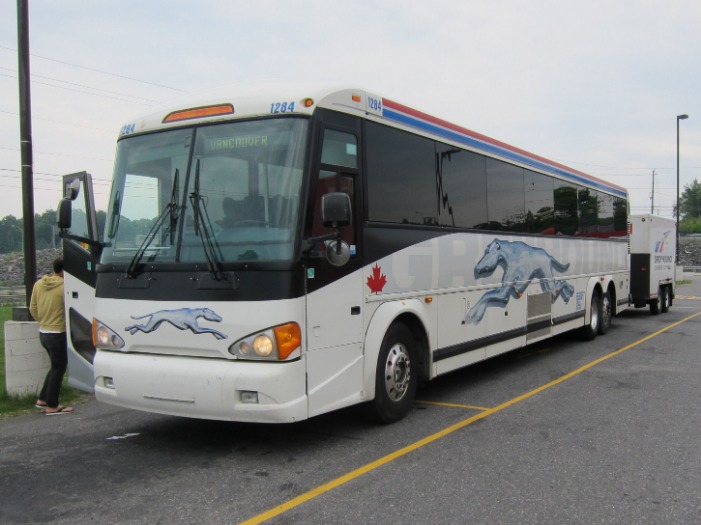

Overview of Bus Travel Ticket Booking
Booking a bus travel ticket is a straightforward process that connects travelers with a wide network of routes, schedules, and fare options. Whether you book online or at a station, you can compare operators, select departure times, choose seats, and pay securely. An electronic ticket is typically issued for easy boarding, and many services offer flexible cancellations, mobile wallets, and price alerts to help travelers plan efficiently and save time and money.
Definition and scope of bus ticketing
Bus travel ticket booking is the end-to-end process of reserving seats on a bus for a planned journey, from route search and seat selection to payment and ticket delivery.
Definition and scope: It covers intercity and intracity services, charter and tour bookings, and both individual and group reservations. Ticketing occurs through multiple channels, including operator counters, travel agents, and online platforms and mobile apps, with options for paper tickets or digital e-tickets.
Core components include schedules, fares, seat maps, passenger details, payment methods, and ticket formats such as QR-enabled e-tickets. The scope extends to refunds, changes, and fare rules, as well as ancillary services like baggage allowances and seat preferences.
Stakeholders and players: bus operators, ticket aggregators and travel platforms, agents, payment processors, and regulatory bodies, plus passengers who benefit from convenience, price comparison, and seat assurance.
Process flow: a traveler searches for routes and dates, compares options, selects seats, provides passenger information, completes payment, and receives a ticket. On the day of travel, the ticket is presented at boarding, or scanned via a mobile device.
Benefits and considerations: Ticketing improves planning, reduces wait times, and enables dynamic pricing and promotions. Key considerations include data privacy, security of payments, cancellation policies, and clear terms for changes or refunds.
Trends and scope for the future: integration with logistics and transit networks, cross-border and regional bus networks, enhanced mobile experiences, AI-powered pricing, real-time occupancy updates, and improved accessibility and multilingual support.
Common booking channels (online, mobile, at terminal)
Bus travel ticket booking is the process of reserving a seat on a bus for a specific date, route, and seat type. It typically involves selecting origin and destination, choosing travel time, and completing payment to confirm the reservation. Tickets may be issued as e-tickets, QR codes, or printed receipts, and many operators offer flexible fares, cancellations, and changes.
Online booking channels include official operator websites and third-party travel platforms. Travelers can search schedules, compare fares, view available seat options, and reserve a ticket. Payments are accepted by cards, digital wallets, or bank transfers, and the e-ticket is delivered by email or stored in a user account.
Mobile booking channels are apps or mobile-friendly sites designed for smartphones. They provide on-the-go search, saved passenger profiles, mobile boarding passes, and notifications about delays or gate changes. Many operators also support wallet-based payments and loyalty programs through mobile apps.
Booking at a terminal or counter involves visiting a bus station or a travel agency desk. Staff can assist with schedule options, seat selection, group bookings, and special requests. In-person purchases often offer immediate ticket pickup, cash payment options, and personal help for complex itineraries.
Comparison of channels shows that online and mobile bookings are fast and convenient, with broad access to schedules, while terminal bookings can provide in-person assistance and immediate ticketing. Availability, refunds, and changes may vary by channel and operator, so it helps to check rules for each ticket.
Tips for a smooth experience include verifying the travel date and time, checking baggage allowances, understanding cancellation and refund terms, keeping digital or printed tickets handy, and allowing extra time for check-in at the terminal.
Future trends in bus ticketing include dynamic pricing, contactless payments, real-time seat maps, integrated trip planning across operators, and enhanced mobile experiences with offline access and predictive delays.
Planning Your Bus Trip
Planning your bus trip begins with choosing where you’re going and when, then comparing ticket options, schedules, and seating preferences. By booking online in advance, you can lock in the best fares, secure a preferred seat, and have your trip details ready for a smooth journey from departure to arrival.
Determining travel dates and route options
Planning your bus trip begins with clarifying your destination, desired travel dates, and how flexible you can be. A thoughtful ticket booking approach helps you find the best routes, save money, and avoid delays.
Determining travel dates matters: check your work or school schedule and local holidays that affect service. Prices often shift by day of week and around holidays, so a little flexibility can pay off.
Use fare calendars and price alerts to compare options across a range of dates. If possible, consider departures in the morning or late evening, which can be cheaper and less crowded. Overnight buses can help you maximize daytime sightseeing while keeping costs down.
Route options: direct routes are fastest and simplest, but routes with one or two transfers can save money. When a transfer is required, check transfer times, station locations, and reliability to avoid long layovers or missed connections.
Think about geography and hubs: major bus hubs offer frequent service, while rural routes may require longer travel times. Compare total travel time and total cost, not just departure times.
Where to search and book: start with official operator sites and then compare with reputable aggregators. Look for fare calendars, bundled options, and baggage policies. Review change and refund rules so you know your options if plans shift.
Booking tips: book early for popular routes and peak seasons, but monitor prices for drops with alerts. If you travel with others, some providers offer group discounts or reserved seating. Check payment options and cancellation windows before finalizing.
Prepare a planning checklist: route and backup options, primary and backup travel dates, preferred departure and arrival times, total cost, luggage rules, seat preferences, and the cancellation policy. Having this ready speeds up the booking process.
After booking, save the confirmation email or ticket, note boarding details, and print or download a digital ticket. Arrive at the station early, verify the bus number and boarding stop, and have your ID and payment method handy in case of checks.
Understanding schedules and frequency
Planning your bus trip begins with a clear idea of your destination, travel dates, and how you will buy your ticket. Start by checking available routes, travel times, and any transfers you might need. Booking tickets in advance can secure a seat, locked price, and a smoother start to your journey.
Understanding schedules and frequency helps you minimize waiting and keep your day on track. Schedules show departure and arrival times, while frequency tells you how often a service runs during the day. A route with buses every 15 minutes in peak hours is more forgiving than one with only hourly departures.
Learn to read timetables by noting the days of operation, weekend versus weekday times, and any holiday or seasonal changes. Some services publish separate summer schedules or reduced Sunday timetables, so verify the correct version for your travel date.
Use online tools to plan and book. Visit the operator’s website, use official apps, or trusted transit apps to compare routes, check live updates, and buy e-tickets. Digital tickets are usually stored on your phone and can be scanned when boarding.
Know your ticket options. Most services offer single or return tickets, day passes, or multi-ride cards. Some discounts apply for students, seniors, or frequent riders. If seat reservations are possible on your bus service, decide whether you want reserved seating or a flexible ticket.
Choose departure times to fit your plan and budget. Midday departures may be cheaper, while early morning or late evening services can have more seats and less crowding. If you can, book early on busy routes or during holiday periods to avoid sold-out buses.
On the day of travel arrive early at the boarding point with your ticket ready. If you’re using a mobile ticket, have your phone charged. Check luggage limits, boarding procedures, and whether you need to validate your ticket before boarding.
If your trip involves connections, leave extra time for transfers and verify each leg’s timetable. Record transfer windows and know where to switch buses to avoid missing the next leg.
Understand cancellation, refund, and change policies before buying. Some tickets are fully refundable with a fee, others are nonrefundable. If plans change, contact the operator promptly or use the self-service portal to adjust your booking.
Booking Platforms and Channels
Booking platforms and channels for bus travel ticketing connect travelers with schedules, fares, and seat options across many operators. Through direct company sites, mobile apps, online travel agencies, and call centers, passengers can compare routes, book seats, and manage bookings in one place. These channels simplify planning for city hops and longer trips, offering real-time availability and convenient checkout across devices.
Direct from bus operators vs third-party portals
Booking platforms and channels for bus travel tickets shape how travelers find, compare, and buy trips. Direct from operators versus third-party portals each offer distinct advantages, costs, and risks. Understanding how these channels work helps travelers secure the best fares, seats, and terms.
Direct channels include an operator’s own website or mobile app, and often ticket offices or call centers. They typically show real-time seat availability, latest schedules, and exclusive promotions. Booking directly can simplify changes or refunds when plans shift and may offer better loyalty benefits or bundles (like combo passes or seat upgrades).
Third-party portals aggregate schedules from many operators, letting travelers search by route, price, or travel time in one place. This breadth saves time for multi-leg trips and helps compare options quickly. However, travellers should watch for potential fees, inconsistent inventory, or differences in fare rules across carriers. Some portals may push less flexible or higher-fee tickets to favor certain routes or partners.
Platforms can be web-based, mobile apps, or call-center assisted bookings. Aggregators often provide reviews and filters, while operator sites may give richer fare structures, seat maps, baggage rules, and direct customer support. Offline channels like street kiosks or station counters remain useful for last-minute purchases or to handle special requirements.
Pricing is dynamic in both direct and indirect channels. Operators may offer lower prices on their own sites, while portals might advertise promotional fares or bundled services. Always check the terms: change and cancellation rules, refund windows, and whether seats are refundable, plus baggage allowances and boarding terminal details. Beware of extra fees at checkout that differ from the displayed price.
For a typical trip, compare at least two sources: the operator’s site and at least one portal. Verify live inventory, seat availability, and any restrictions. Read the fare rules and baggage policies, confirm transfer points or connections, and ensure the booking method is supported in your country. If accessibility or assistance is needed, contact the channel in advance.
From the operator side, direct channels provide higher control over branding, pricing, and customer data, while portals expand reach to new markets. Many operators use APIs to feed live inventory to trusted portals, balancing price parity and maintaining service levels. Effective distribution requires clear terms, robust data sharing, and responsive support to avoid frustrated customers.
Ultimately, the best approach is to shop around, read the fine print, and choose the channel that offers reliable schedules, fair prices, and clear policies for your bus travel. Whether you book direct or through a portal, ensuring a smooth journey begins with good information and a simple checkout experience.
App vs web browser booking experiences
Booking platforms and channels for bus travel ticketing shape how travelers plan and buy seats, spanning official operator websites and apps, and third-party aggregators that compare routes, times, and prices across multiple operators.
Official operator websites and mobile apps often deliver the most direct fares, real‑time seat availability, and straightforward policy details on refunds, changes, and baggage allowances. They typically guide you through a linear booking flow with clear route options, stop locations, and timetable accuracy aligned with the operator’s network.
Mobile apps tend to optimize for speed and convenience. They commonly offer saved passenger data, one‑tap rebooking, push notifications about delays or gate changes, and integrated digital wallets for faster checkout. Apps can also provide offline features like saved itineraries or recently viewed routes, making booking on the go easier.
Web browsers on desktops or mobile devices enable broader screen real estate for side‑by‑side comparisons, more detailed fare breakdowns, and easier access to multiple tabs to compare schedules, operators, and prices simultaneously. Browser interfaces often highlight route maps and transfer options that help planning for complex trips.
Aggregator platforms and online travel agencies widen choice by pulling schedules from many operators into a single search. They offer filters for price, duration, transfers, seat types, and rider reviews, and may present bundled deals or loyalty incentives. However, service fees or booking terms can vary, so polishing the fine print is important.
Seat selection and fare types shape the experience across channels. Some platforms show interactive seat maps for buses with limited legroom, power outlets, or extra legroom options. Fare classes may include nonrefundable, partially refundable, or fully flexible tickets, each with different change, cancellation, and baggage policies that travelers should verify before purchase.
Payment experiences differ by channel and region. Accepted methods may include major credit cards, digital wallets, bank transfers, or local payment options. Payment security, data privacy, and clear renewal or cancellation terms are essential considerations when selecting a platform or app to complete a booking.
Localization and accessibility features matter for a global or regional audience. Multilingual interfaces, currency display, and local tax or fare rules improve clarity. Accessibility options such as screen‑reader compatibility, high‑contrast text, and keyboard navigation support can help all travelers complete bookings more easily.
Ticket delivery and boarding are typically managed via e‑tickets or mobile passes. QR codes or barcodes sent by email, text, or within an app are scanned at boarding. Many operators support offline storage of tickets within their app, enabling boarding even without an internet connection for a few hours after download.
After purchase, cross‑channel policy consistency is important. Changes and refunds should reflect the same terms whether the ticket was bought through an operator site, an app, or an aggregator. It’s wise to track the channel used for the booking in case of updates or disputes.
Tips for travelers: compare across channels to catch price differences or timing advantages, watch for hidden fees, and confirm baggage allowances and check‑in requirements. Use seat‑selection features to align with comfort needs, consider flexible fares for uncertain plans, and explore loyalty programs if you travel frequently on the same networks.
In practice, choose the channel that aligns with your priorities—speed and convenience (mobile app), thorough comparison and detail (web browser), or breadth of options (aggregator). Regardless of channel, aim for transparent terms, clear ticket delivery, and straightforward post‑purchase support to ensure a smooth bus travel experience.
Filters and search capabilities
Booking platforms for bus travel connect travelers with operators, agencies, and third-party distributors across multiple channels, offering schedules, fares, and seat availability in one place.
- Centralized inventory and real-time availability from operators and partner networks
- Channels and touchpoints across official operator sites, aggregator platforms, mobile apps, travel agencies, call centers, and on-site kiosks
- Smart booking experience with interactive seat maps, fare rules, baggage policies, and flexible ticket options
- Payments and security with diverse payment methods, secure checkout, and fraud protection
- Ticket delivery and changes, including e-tickets/QR codes, easy cancellations, refunds, and reminders
- Customer support and trust through multilingual help, 24/7 assistance, live chat, and emergency support
- Analytics and partnerships enabling data insights, commissions, and loyalty program integration
Filters and search capabilities enable efficient discovery: origin and destination, travel date and time window, direct services only, maximum transfers, and price range; operator and bus type preferences; amenities such as Wi-Fi, power outlets, and restrooms; accessibility options; luggage policies; fare rules and flexibility; calendar-based fare search and price alerts.
Ticket Types, Fares, and Discounts
When booking bus travel, understanding ticket types, fares, and discounts helps you choose the best option for your trip. From single-ride tickets and day passes to multi-journey cards, each option offers different value and flexibility. Fares depend on distance, zones, and service level, while discounts for students, seniors, military, and frequent riders can unlock meaningful savings.
Standard, advance, and flexible fares
Bus travel ticket booking offers several ticket types to fit different plans. The main fare structures you’ll encounter are Standard, Advance, and Flexible, and discounts can further reduce the price based on age, status, or loyalty programs.
Standard fares are the regular tickets available for purchase close to departure or at the counter. They tend to be widely available, may allow same-day travel, and often include options like seat selection. Refunds and changes under standard fares vary by operator and usually come with more restrictions than flexible fare options.
Advance fares are booked well before travel and are typically cheaper. They usually come with set dates and times and are often non-refundable and non-changeable. If your plans change, you may lose the ticket value or incur penalties. Advance fares are ideal when you have a fixed itinerary and want to lock in the lowest price.
Flexible fares provide the most freedom. They are generally more expensive but allow changes to date or time, and sometimes even to the route, with little or no penalty. Cancellations can result in a refund or travel credit. Always check the terms because flexibility can vary between operators and ticket types.
Discounts are available to many travelers, including students, youth, seniors, children, people with disabilities, and carers, as well as through loyalty programs or travel passes. Some discounts may require proof of eligibility and might not stack with all promotions. Always review what discounts apply to your route and how to claim them during booking.
To choose the right fare, consider how certain your plans are. If you know your exact travel date and time, an Advance fare can save money. If plans are uncertain, a Flexible fare protects you against changes. Standard fares offer a balance between price and flexibility, suitable for many travelers.
When booking, compare options across operators, pay attention to peak vs. off-peak times, and read the terms for changes, cancellations, and baggage allowances. Booking via official websites or apps is convenient, and many buses support mobile e-tickets that you can store on your phone or print if required.
Tips to save money include signing up for fare alerts, using loyalty programs, and checking for bundled passes or family/group tickets. Always verify eligibility for discounts and whether promotions can be combined with the fare you choose.
Discounts for students, seniors, groups
Bus travel ticket booking includes a variety of ticket types, fares, and discounts to suit different riders. Understanding these options helps you plan trips efficiently and save money.
-
Ticket Types: Choose from single ride tickets, round-trip tickets, day passes, and longer-term passes such as weekly or monthly passes. Some systems offer mobile QR tickets or printable e-tickets, and you may be able to bundle or load value for multiple trips.
-
Fares: Base fares are often distance or zone based, with peak and off-peak pricing, taxes, and service fees. Transfers between routes may be free or discounted, and some systems require a stored value card or mobile wallet for automatic fare calculation.
-
Discounts: Many transit systems provide discounts beyond standard fares, including student, senior, and group rates. Discounts may require registration, ID verification, or pre-purchase of a pass. Check eligibility and how to apply at checkout or in the app.
-
Discounts for students: Student discounts typically require a valid student ID or enrollment verification, such as a school-issued card or email verification. The discount may apply to single trips or be part of a student pass, with potential semester or program limits.
-
Discounts for seniors: Senior discounts are often available to riders above a certain age and may require proof of age at purchase or boarding. Some programs offer reduced-price monthly passes for seniors as well.
-
Discounts for groups: Group discounts reward travel for larger parties, with price reductions based on group size or total fare. Group bookings may require advance notice, a group leader, and separate tickets or a group pass. Verify whether the discount covers all trips in a day or only specific routes.
Concessions and child fares
When booking bus travel, choosing the right ticket type, understanding fares, and knowing which discounts or concessions apply can save you time and money. This guide explains common ticket types, how fares are calculated, and how concessions and child fares typically work.
- Ticket types
- Single or one-way tickets for a single journey
- Return or round-trip tickets for the same route on a later day
- Day passes or unlimited-day passes for multiple trips within a day
- Multi-ride books or carnet tickets for several rides
- Weekly or monthly passes for regular travel
- Season tickets or travelcards for longer-term use
- Online/e-ticket or mobile ticket vs. traditional paper tickets
- Fares
- How fares are calculated (zones, distance, or time-based pricing)
- Peak vs. off-peak pricing and its impact on cost
- Surcharges for express routes, onboard purchases, or special services
- How to view and compare prices when booking online or at a kiosk
- Discounts and concessions
- Online booking discounts and promotion codes
- Youth, student, senior, and disabled discounts
- Group or family discounts for multiple travelers
- Loyalty programs or partnerships with employers or schools
- Concessions and child fares
- Child fares: typical age ranges, and whether accompanying adults are required
- Free travel for very young children with a paying adult
- Caregiver or guardian concessions for travelers needing assistance
- Family tickets or bundled options for households with children
Pricing and Payment Methods
Pricing for bus travel tickets varies by route, travel time, and seat type, and our booking platform shows the total fare upfront along with any applicable discounts or change fees. In addition to standard prices, you can often find student, senior, or group rates and promotional codes. Payment methods include major credit and debit cards, digital wallets (Apple Pay, Google Pay), and sometimes bank transfers or online payment services, all processed securely to confirm your booking. After payment, you’ll receive a ticket by email or mobile wallet with a QR or booking reference for boarding.
Price display and currency considerations
Pricing and payment methods for bus travel ticket booking should be clear, flexible, and secure. When you shop for tickets, you typically see the total price before you confirm, including mandatory charges, so you know exactly what you will pay at checkout.
Price display and currency considerations: The displayed price usually includes the base fare, local taxes, booking or service fees, and any optional charges such as seat selection or luggage. Some routes may show dynamic pricing that changes with demand, time of day, or how far in advance you book. It is common to see a breakdown of these components so you can compare total costs across options.
Currency display choices: For international travelers, platforms may show prices in your local currency or in the operator’s base currency. Some sites offer a currency switcher, while others automatically use your payment method currency. Be aware that dynamic currency conversion offered at checkout can carry a markup and may not be the best rate, so compare both options before paying.

Payment methods: Most bus ticket platforms accept major credit and debit cards, digital wallets such as Apple Pay or Google Pay, and online payment services. Some operators also support bank transfers or paying at a bus station counter. Security is important, so choose platforms that encrypt data, use trusted payment processors, and comply with industry standards.
Fees and surcharges: Look for potential extra charges like processing fees, service fees, seat reservation fees, luggage handling fees, or peak-time surcharges. Also check the terms around changes or cancellations, as these can affect the total cost if you need to modify your trip.
Practical tips: Compare prices across operators and dates, watch for discounts for students or seniors, and consider travel passes or loyalty programs that offer future savings. Booking in advance often yields lower fares, and signing up for price alerts can help you snap up deals before they change.
Accepted payment methods and security
Pricing for bus travel tickets varies by route, time of day, demand, and seat type. In bus travel ticket booking, base fares are shown at checkout and may be adjusted for peak travel periods, advance purchase discounts, and add-ons like reserved seating or extra luggage. Some routes offer promotions, student or senior discounts, and group rates, while taxes and service fees are displayed before completing payment.
Accepted payment methods include major credit and debit cards such as Visa and MasterCard, as well as alternative methods like American Express or Discover depending on the country. Digital wallets such as Apple Pay and Google Pay are supported for quick one-click checkout. In some locations you may also be able to pay by bank transfer or at a ticket counter with cash or card, depending on the booking channel. The checkout page will clearly show the available options for your booking.
Security is a priority in bus ticket booking. Payment pages use SSL/TLS encryption to protect data in transit and PCI-DSS compliant processors to handle card information. Card details may be tokenized so the merchant does not store sensitive data. If supported, 3D Secure authentication provides an extra layer of protection during card payments. We monitor transactions for fraud and never store more financial data than required by law and policy.
Tips for a secure booking include ensuring the website URL starts with https, avoiding public Wi-Fi for payments, and using strong, unique passwords for your account. If a payment fails, you will typically be given the option to retry with the same price, choose a different payment method, or contact customer support for help with the booking or refunds according to the fare rules.
Fees, refunds, and penalties
Pricing for bus travel tickets can vary widely depending on route, demand, travel time, and the level of service you choose. When you book, you will see the total price upfront, including mandatory taxes and any applicable fees.
Pricing components typically include a base fare, road distance, and whether the trip is peak or off-peak. Some operators offer different service levels such as standard and premium, with higher prices for more comfortable seating or extra legroom. Discounts may be available for students, seniors, children, and loyalty program members, and some routes feature promotional or group rates.
Most bus ticket platforms accept a range of payment methods. Common options include credit and debit cards, digital wallets such as Apple Pay or Google Pay, and bank transfers for online purchases. Some operators also offer at-counter purchases or cash payment on boarding where allowed. Always use secure payment pages and keep your receipt.
Fees and surcharges can appear at checkout in addition to the base fare. Possible items include service or convenience fees charged by the booking platform, payment processing fees, and seat selection charges. Some bookings may also have luggage or extra baggage fees, particularly for larger items, as well as currency conversion fees when paying from a different country.
Refund policies depend on the fare type and the operator. Fully refundable fares allow cancellation with a full or partial refund, while non-refundable or promotional fares may not be canceled. Cancellations typically incur a penalty or loss of the fare value, and refunds, when allowed, are usually processed to the original payment method within several business days.
Penalties for changes or no-shows vary by provider. Common penalties include change fees or fare differences when altering the date or time, and a no-show charge if you do not board and do not cancel in advance. In some cases, penalties can be waived for emergencies or within a grace period described in the fare rules.
To avoid surprises, read the fare rules before purchase and review any restrictions on refunds, changes, or penalties. Keep your booking confirmation and payment receipt, and check the terms for your specific route and ticket type. Contact customer support if you need an exception or clarification.
Seat Selection, Boarding, and Tickets
When you book a bus trip, you can select your seat, review boarding details, and secure your ticket. Seat selection lets you choose near the front, by the window, or with extra legroom; boarding information covers the pickup time, location, and any ID requirements; and your ticket confirms the route, date, fare, and seat assignment, with operator policies on changes clearly stated.
Seat maps and selection options
Booking a bus journey includes choosing your seat, understanding the boarding process, and obtaining your ticket. Below are the core elements of seating and ticketing, with tips on using seat maps and selection options.
- Seat selection, seat maps, and options
- Interactive seat maps display every seat and your current selection status in real-time.
- Seat types include window, aisle, front-of-bus, rear seating, and accessible seats; some routes offer quiet or family zones.
- Group travelers can often reserve adjacent seats or blocks; individual buyers can typically select any available seat.
- Prices may vary by seat location or extra features such as extra legroom; holds may be available for a short time before checkout.
- After payment, the selected seat numbers appear on your ticket and in your account; you can usually review or change up to a cut-off time.
- Boarding process and tickets
- Arrive at the stop or terminal early; boarding usually begins 10-30 minutes before departure.
- Present your ticket or mobile ticket (QR code) at check-in; some operators require a photo ID for verification.
- Ticket formats include mobile tickets, printed tickets, or booking references accessed from your account.
- Keep the ticket accessible during the journey; if you need to change seats or travel plans, check the operator’s change or cancellation policy.
- Delivery, management, and tips
- Digital wallets, email confirmations, and printable PDFs are common delivery options; ensure you have a copy handy.
- For accessibility needs, contact support during booking or add notes in the ticket during checkout.
- Check baggage policies, boarding times, and transfer details if your trip involves connections.
Mobile tickets vs printed tickets
Booking a bus trip today usually involves choosing a seat, understanding how boarding works, and deciding how you will receive and present your ticket. This article covers seat selection, boarding procedures, and ticket options, with a focus on mobile tickets versus printed tickets for bus travel.
Seat selection: When available, you can view a seat map during checkout and pick your preferred seat. Options often include window or aisle, near the front for quicker boarding, or toward the back for more privacy. Some routes also reserve seats for seniors, people with accessibility needs, or offer extra-legroom seats for a small fee. If the route uses assigned seating, your ticket will show your seat number.
Boarding: Check the indicated boarding time and location on your ticket. Arrive early to allow time for security checks and finding your bus. At the stop or terminal, present your ticket to the conductor or scan the QR code on your phone if required. Find your seat and store carry-on bags safely before departure. On many buses, the driver or attendant will verify the ticket and ride details before departure and again at the stop if needed.
Ticket types and validity: Tickets can be delivered as mobile tickets (digital) or printed tickets. A booking reference or order number is usually provided. Tickets include travel date, route, and seat information. Keep your ticket until after the trip, as it may be required for re-boarding or for refunds in case of delays.
Mobile tickets: Mobile tickets are issued to your phone as a QR code or barcode. They can be saved in a wallet app or emailed to you. They are convenient because you don’t need a paper ticket and you can present the code at boarding. Make sure your phone is charged and the screen is readable. Some carriers allow offline access, but others require an internet connection to fetch the ticket at boarding. Passes may be transferable within the booking terms.
Printed tickets: Printed or “paper” tickets are printed at home or obtained from a counter or self-service kiosk. You must bring a legible printout to the bus stop. The conductor will scan the barcode or read the ticket details. If you can’t print, ask if a counter can reissue or if a mobile ticket can be sent to your device.
If you lose access to mobile tickets: Have a backup option such as a printed copy or the booking reference. Contact the operator’s support desk or visit the station counter to reissue your ticket or convert it to a printable version. Most operators will allow reissuing a mobile ticket if you can verify your identity and booking details.
Tips for a smooth experience: double-check the travel date, route, and seat; arrive at the stop early; keep your ticket handy; know the boarding door and whether your seat is near the front or back; confirm luggage limits; avoid bringing prohibited items; if traveling with others, coordinate seats to sit together.
In summary, seat selection, efficient boarding, and how you receive your ticket can greatly affect your bus travel experience. Whether you choose mobile tickets or printed tickets, understand the carrier’s rules on seat assignment, boarding procedures, and ticket validity to ensure a smooth trip.
Onboard boarding procedures
Booking a bus trip involves selecting seats, purchasing tickets, and following on-board procedures to ensure a smooth journey from departure to arrival.
- Seat selection and layout: Reserve a specific seat if the route allows it, or choose general seating when no seat numbers are shown.
- Ticket types and prices: Options include one-way, round-trip, or open tickets, with fares reflecting peak times or extra services.
- Online booking steps: Enter travel details, select seats, add passenger names, pay with a card or digital wallet, and receive an e-ticket by email or app.
- Printed vs digital tickets: Digital tickets can be scanned from your phone; printouts are accepted where required.
- Luggage rules: Check baggage limits and fees; pack within size limits and keep valuables with you.
- Boarding times: Arrive at the station early as boarding begins before departure; lines form at the platform or gate.
- Ticket validation: Keep your ticket ready for validation by staff or automatic scanners at the boarding area.
- Onboard boarding procedures: Show your ticket or QR code, store carry-on items in overhead racks or under seats, and follow crew directions.
- Seat etiquette: Sit in assigned seats when applicable, be mindful of wheelchair or family seating, and avoid saving seats for late arrivals.
- Door and safety rules: Boarding uses designated doors; follow announcements and cooperate with staff for safe boarding.
- Accessibility and assistance: If you need help boarding or seating, notify the operator in advance or ask staff at the station.
- Changes and refunds: If your plans change, check the operator’s policy for changes, credits, or refunds before departure.
Managing and Modifying Bookings
Managing and modifying a bus travel booking helps you adapt plans, change travel dates, update passenger details, and adjust seating or extras with ease. This introduction covers the essentials of viewing, updating, or canceling tickets online or via mobile apps, including how to request refunds, rebook, or transfer a seat when plans change. By understanding these steps, you can keep your itinerary flexible and your travel costs under control.
Changing dates, routes, or passenger details
Managing and modifying bus travel bookings helps you adjust plans without buying a new ticket, whether you need to change travel dates, switch routes, or update passenger details.
Before making any changes, check the ticket rules for your specific bus operator. Many operators publish change fees, fare difference requirements, and deadlines for edits. Some tickets allow free changes within a certain window, while others may impose a nonrefundable fee or require you to forfeit the fare difference. Knowing these policies upfront can save time and money.
Online modification is usually the quickest option. Log in to your account on the bus operator’s website or mobile app, or use the booking reference you received at purchase. Navigate to your bookings or My Trips, select the ticket you want to adjust, and choose Modify Booking. You can typically change the date, the route (origin or destination), and passenger details in this area. Any applicable fare difference and change fee will be displayed before you finalize the update, and you’ll receive a new e-ticket by email.
When changing travel dates, consider seat availability on the new day and the difference in fare. Peak travel periods or popular routes may have limited seats, and the price can go up or down. If the new date is significantly cheaper, some operators offer a credit or partial refund rather than a direct cash refund, depending on policy.
Changing routes may involve selecting a different origin or destination stop, or adding/removing intermediate stops. Keep in mind that a route change can alter your total travel time, transfer requirements, and boarding points. After selecting the new route, review the updated schedule and any additional charges, then confirm the change to receive the updated ticket.
Updating passenger details typically covers names and contact information. Some operators allow name corrections if the travel name must exactly match the passenger’s ID, while others permit passenger substitutions for a fee. Ensure you have the passenger’s full legal name, date of birth, and any required ID information ready. Certain changes may require supporting documents, especially for international or long-distance routes.
Transferring a ticket to another person or handling group bookings often involves additional steps or higher fees. Some operators permit a name transfer with a valid ID and the completion of a form, while others restrict transfers to the same person listed on the booking unless you contact customer support. Check the group booking terms for any special conditions or bulk-change options.
If you cannot complete modifications online, contact customer support. Have your booking reference, traveler names, and the changes you want ready. Support teams can sometimes perform changes that the online portal does not allow and can advise on any exceptions or special rules that apply to your ticket.
Refunds, credits, and the distinction between changes and cancellations vary by operator. A change may incur a fee or require paying the fare difference, whereas cancellations might be refunded as a credit for future travel or issued as cash, depending on the ticket type and timing. Read the fare rules carefully to understand eligibility for refunds or credits if plans change again.
Tips for smooth changes: keep your booking reference handy, confirm any updates by email or in-app notifications, review the new itinerary for accuracy, and verify baggage allowances and boarding times on the new schedule. Acting early reduces the risk of sold-out routes and helps you manage any price differences more effectively.
Cancellation policies and refunds
Managing and modifying bus travel bookings can be done online, via mobile apps, or at the bus terminal. The key is to understand that policies vary by operator and fare type. Always review the terms in your booking confirmation to know what changes are possible, what fees apply, and when refunds are available.
To modify a ticket, sign in to your account or enter your booking reference and surname. Go to My Bookings or Upcoming Trips, select the trip you want to adjust, and choose modify or change. You can typically update travel date or time, select a different seat, add luggage, or add passengers. Some changes are free, others incur a fee, and price differences may apply.
Changing dates or times: Availability and price differences may apply. Some operators allow free changes if done within a certain window before departure; others charge a change fee plus any difference in fare. If you need to cancel and rebook, the system may treat this as a cancellation followed by a new purchase.
Cancellation policies: Most bus operators set a cancellation window. Flexible fares may offer full refunds within 24-48 hours of booking or before the departure time. Non-refundable fares often do not qualify for refunds but may offer a credit or voucher. In some cases, cancellations due to operator delays or cancellations can be refunded in full or as an alternative journey.
Refunds: If eligible, refunds are usually issued to the original payment method and can take several business days depending on the payment provider and the operator. Some bookings may be refunded as a travel voucher or credit for future trips. If a cancellation happens close to departure, refunds may be partial, with service fees deducted.
No-show: If you miss the trip or fail to check in, most tickets become non-refundable, and you may lose the fare. Some operators offer a limited grace period or allow a change if you contact support before the bus departs.
Bookings made through third-party agents or travel portals may have different cancellation rules; always review the agent’s terms. If you need help, contact the operator’s customer service or the agent, with your booking reference and passenger details.
Practical tips: keep confirmation emails, note deadlines for changes, consider purchasing flexible fares, check if the ticket is transferable, and monitor travel advisories. By understanding the policy and acting quickly, you can minimize fees and maximize refunds.
Ticket transfers and name changes
Managing and modifying bookings for bus travel involves handling changes to your trip, transferring tickets to another person, and correcting passenger names. Understanding the rules before you book helps you adjust plans quickly and avoid extra fees when travel dates shift or plans change.
Modifying an existing booking online is usually straightforward. Log in to the bus operator’s website or mobile app, open your booking, and select Modify or Change Ticket. You can often change travel date or time, origin or destination that is served by the same route, and passenger details such as the name of the traveler. Be aware that not all fares are changeable; some tickets are “non‑refundable” or “non‑changeable” and may require a refund or rebooking at a higher fare plus a change fee.
Fare differences and change fees apply. If the new trip costs more, you’ll typically pay the difference plus any applicable service or admin fee. If it costs less, some operators issue a future travel credit rather than a cash refund. In some cases, you may not be able to modify a ticket online and must contact customer service or visit a ticket counter.
Ticket transfers to another person are common for group travel or last‑minute plan changes. The process and eligibility vary by operator. Usually you need the current booking reference, the current passenger name, and the name and contact information of the person taking the ticket, and you may also be asked for a copy of ID. There is often a transfer fee and a deadline (for example, transfers must be completed at least 24 hours before departure).
Name changes can be tricky. Some operators allow only corrections of spelling or capitalization, while others permit a full name change to match government ID, sometimes with documentation such as a marriage certificate or name‑change decree. Requests close to departure are more likely to be refused or require in‑person verification at the ticket counter. Always check the operator’s policy before attempting a name change.
Tips to manage changes smoothly: keep your booking reference handy, review the fare rules before making changes, and compare the cost of changing vs canceling and rebooking. If you must transfer, start the request early and confirm any required documents with the operator. When in doubt, contact customer support or visit a staffed counter for assistance.
Scenario: You booked a long‑distance bus trip but your plans changed two days before departure. If your fare allows modification, you can adjust the date with a possible fare difference and a small change fee. If not, you could cancel for a partial refund and book a new trip. If you need to travel but the name on the ticket is misspelled, request a name correction before departure.
By knowing the rules on bookings, transfers, and name changes, you can manage bus tickets confidently and avoid surprises at the station.
Travel Day Logistics
Travel day logistics for bus travel begin with smart ticket booking, then aligning departure and arrival windows, luggage rules, and on‑board comfort options. A well‑planned route, a reserved seat or e‑ticket, and timely station arrival help you move smoothly from pickup to drop‑off.
Arriving at the terminal and check-in times
Planning a bus trip begins long before you reach the terminal. Travel day logistics for bus travel focus on ticket booking, arrival timing, and check-in requirements to keep your journey smooth.
Ticket booking and trip selection: When you book online, choose your departure time, seat preference, and any add-ons like extra luggage or a return option. Consider flexible tickets if plans may change, and check the operator’s baggage rules and boarding policy.
Before you go to the terminal, save or print your e-ticket, ensure you have a valid photo ID, and note the terminal’s check-in policy and any required documents. If you plan to check bags, review the weight limits and fees in advance.
Arriving at the terminal: For most domestic bus trips, aim to arrive at least 30 to 60 minutes before departure. For busy hubs, long-distance routes, or if you need to drop off luggage, 60 to 90 minutes is safer. If you’re using ride share or parking, factor drop-off time as well.
Finding your platform and checking in: At many terminals you can use a self-service kiosk or visit the counter to print or collect your boarding pass. Have your booking reference and photo ID handy, and be prepared to attach any luggage tags. If you have mobile tickets, ensure your phone is charged and able to display the barcode clearly.
Boarding and timing: Listen for announcements and line up at the correct gate or bay as boarding begins. Allow extra time if you have heavy luggage or multiple bags. Most buses board within 10–15 minutes of departure; avoid last-minute rushing by staying near the gate until your group is called and the bus doors open.
Tips to streamline travel day: Pack smart, know your baggage allowances, bring a valid ID, and keep your ticket accessible on your phone or printed. If you miss a departure, contact the operator for rebooking options as soon as possible, since policies vary by company.
Luggage rules and restrictions
Booking a bus trip is just the start of a travel day journey. Understanding travel day logistics and luggage rules helps you move smoothly from home to the bus stop and on to your destination.
When you book a bus ticket, you usually pick a date, time, and seat. Online platforms often show fare types such as saver, standard, or flexible options. You may receive a mobile ticket or a printable pass, and some routes let you reserve a seat in advance for a small fee.
Before travel day, verify the departure point and terminal layout. Check the pickup point, arriving time, and available amenities. Prepare your travel documents, such as a valid ID or passport if required, and have your ticket ready on your phone or printed copy.
On the day of travel, plan to arrive early to account for queues, bag checks, and boarding. Most operators recommend arriving at least 15 to 30 minutes before departure, though busy routes may require more time. Follow the boarding instructions provided in your ticket and listen for announcements at the terminal.
Luggage rules for bus travel vary by operator, so always check your ticket details. In many cases you can bring one carry-on bag and one personal item, with additional bags possibly allowed for a fee. Baggage is usually stored in overhead racks or undercarriage compartments, depending on the coach model.
Allowed items typically include clothing, essentials, and nonhazardous items. Prohibited items commonly include weapons, flammables, and substances that pose a safety risk. Liquids may be restricted, especially in carry-on luggage, and there may be limits on the size and weight of each bag.
To avoid surprises, measure your bags and review the size and weight limits on your booking page. Label bags with your contact information, keep valuables with you in your carry-on, and pack fragile items carefully using padding. If a bag is oversized or extra, you may be charged a handling or excess baggage fee at the terminal.
In some cases you can ship luggage as checked baggage or request extra storage space on the bus, subject to fees and space availability. If you need to bring special items, such as sporting equipment or musical instruments, check the operator rules in advance; some items require advance notice or extra fees.
Travel day contingencies include delays due to traffic or weather. Always have a backup plan, including a way to reach the operator for schedule changes and a data connection for mobile ticket updates. If you miss the bus, contact the operator promptly to explore options for rebooking or refunds according to your fare type.
With careful planning of ticket booking, arrival timing, and luggage packing, your bus journey can be smooth and stress-free. Always review the specific luggage rules for your chosen route, arrive early, and keep your ID and ticket accessible. A little prep goes a long way toward a comfortable, on-time departure and a pleasant trip.
Boarding etiquette and safety guidelines
Booking a bus trip sets the stage for a smooth travel day. Understanding travel day logistics, proper boarding etiquette, and safety guidelines helps you arrive on time, ride comfortably, and handle contingencies with less stress.
When booking, compare routes, departure times, and luggage policies across providers. Choose seats if available, note boarding groups, and save your digital ticket or printout. Most agencies require a valid photo ID at check-in and may include a QR code or barcode that staff will scan before boarding.
On travel day, aim to arrive at the terminal well before departure—typically 15 to 30 minutes ahead for standard intercity buses. Check the departure time, gate or bay number, and any posted boarding notices. Have your ticket and ID ready, and verify luggage allowances to avoid delays at the check-in counter or curbside loading.
Boarding etiquette includes forming an orderly line, letting passengers with mobility devices or families with small children move first if indicated, and not cutting in line. Keep aisles clear, store carry-ons in overhead bins or under the seat in front, and sit in your assigned seat if your ticket specifies one. If seats aren’t assigned, choose a seat promptly and consider travelers who may need more space or assistance.
Onboard manners matter too. Keep voices low, silence ringer notifications, and use headphones for audio. Refrain from eating strong-smelling foods that may bother neighbors, and avoid placing bags on other passengers’ seats. Be mindful of elderly travelers, parents with children, and travelers who require support or accessibility services.
Safety guidelines on the bus include following crew instructions at all times, keeping seat belts fastened where available, and remaining seated during movement or when the driver instructs you to do so. Keep hands, arms, and head inside the vehicle, secure loose items, and store bags properly to prevent injuries in a sudden stop.
Remember luggage safety and contents. Keep valuables with you or in a secure locker, label bags, and avoid leaving belongings unattended at stops. If you have fragile or important items, carry them in your hand luggage rather than checked spaces, and report any damaged luggage immediately to staff.
After you arrive, collect all belongings and verify you have everything. If your plans change or you miss a connection, contact the ticketing provider promptly to explore refunds, rescheduling, or alternative routes. By aligning booking decisions with travel day logistics, etiquette, and safety guidelines, you can enjoy a calmer and safer bus journey.
Common Issues and Troubleshooting
Booking bus tickets can be smooth one moment and frustrating the next, with common issues ranging from payment errors and failed reservations to seat selection glitches and e-ticket delivery delays. This guide introduces typical problems you might encounter in bus travel ticketing and practical troubleshooting steps to help you complete purchases, confirm reservations, and travel with confidence.
Missed buses and rebooking paths
Common issues and troubleshooting for bus travel ticket booking often stem from payment hiccups, e-ticket delivery problems, and schedule mismatches. Understanding these typical causes helps you resolve problems quickly and minimize travel disruption.
Payment issues: If a payment fails, check your card or wallet balance, ensure the billing address matches, and try again with a different method. If the charge appears as pending or reversed, contact your bank. Wait a few minutes before retrying and confirm the transaction on the booking site. If there is a duplicate charge or the booking did not complete, contact customer support with your order number for assistance.
E-ticket delivery and passenger details: E-tickets may arrive by email or within the mobile app. If you don’t receive the ticket, check spam or junk folders, verify you used the correct email, and reload the app or website. Retrieve the booking by logging in, using the reference number, or requesting a resend. Always verify passenger names, contact numbers, and travel date before you travel, as incorrect details may require a correction fee.
Seat selection and boarding passes: Some routes require seat selection; if seats are unavailable or the app crashes, try reloading, clearing cache, updating the app, or booking on a desktop. Ensure you have the boarding pass on your device or printed if required, and carry a valid ID that matches the ticket details.
Schedule changes and time issues: Transit operators occasionally adjust departure times. If the shown time differs from the operator’s official timetable, verify on the operator’s site, cross-check the route, and recheck your itinerary in the app before travel. Account for local time zones and day-of-travel changes to avoid missing the bus.
Missed buses: If you miss your bus, don’t panic. Check the operator’s policy on missed departures; many offer rebooking or standby options within a grace window. Log in to the booking platform, look for a “change” or “rebook” option, and select the next available departure on the same route or an alternative date/time. Fees or fare differences may apply, and if no option is visible, contact support for guidance as soon as possible.
Rebooking paths: Platforms typically provide multiple paths to rebook—inside the app, the web portal, or via phone support. To rebook, choose a new date or time, select seats, review the fare difference, and confirm. Some tickets allow free changes within a grace period or for specific fare types; others require paying the fare difference. If a direct rebooking option isn’t available, you may need to cancel and book anew according to the policy.
Refunds and cancellations: Refund policies vary by operator and fare type. Non-refundable tickets generally cannot be refunded; partially refundable tickets may incur processing fees. Review terms before canceling. Initiate a refund request through the app or website, provide the booking reference, and allow several business days for processing; some platforms offer instant vouchers or credits for future travel.
Tips to avoid issues: Review your itinerary before checkout, keep your booking reference handy, enable notifications, and check live bus statuses on the day of travel. Plan buffer time for check-in and boarding, ensure your device is charged, and carry offline copies of your ticket. If traveling with others, confirm that passenger names match IDs exactly to prevent boarding problems.
Support and next steps: If problems persist, contact the operator’s help center via in-app chat, email, or phone support. Provide your booking reference, passenger name, and a concise description of the issue. Many platforms offer 24/7 assistance for missed buses or critical changes to ensure you get timely help.
Ticket verification problems
Common issues and troubleshooting tips for ticket verification problems in bus travel ticket booking.
- Ticket not found after purchase: double-check your booking reference, mobile number, and email for the order confirmation; confirm the travel date, route, and operator; verify the payment status in your bank/app; try searching by passenger name if the system supports it.
- QR code or barcode not scanning: ensure the ticket is legible (print clearly or display on a bright screen); avoid glare or folds; try a different device or a higher-resolution image; ensure the device has internet access if the scanner verifies in real time.
- Mobile ticket not loading in the app: update the app to the latest version; clear cache and data if needed; log out and back in; check device date/time settings; re-download or reissue the ticket from your account.
- Name on ticket does not match ID: verify that the passenger name was entered correctly during booking; if possible, request a correction via the operator’s support before travel; bring the ID that matches the ticket or a booking confirmation if allowed.
- Ticket shows paid but not issued or seat not assigned: contact customer support to reissue the ticket or assign a seat; check the payment receipt and reference number; consider a backup print or screenshot of the confirmation as proof.
- Wrong date or route on the ticket: review the itinerary carefully; do not attempt to board with an incorrect ticket; request an amendment or cancelation according to the operator’s policy and obtain a corrected ticket.
- Offline verification required at the gate: some gates need online checks; carry a printed copy or a saved screenshot of the ticket; ask staff about offline verification options or a manual check if the system is down.
- Gate staff unable to verify the ticket due to system outage: remain calm and present alternate proof (booking reference, payment receipt, ID); request on-site assistance or an alternative verification method; follow the operator’s guidance for rescheduling if needed.
- Printed ticket unreadable or damaged: ensure the barcode/QR is intact and not smeared; if damaged, request a reprint or provide the booking reference and ID to staff for manual lookup.
- Seat or coach changes after booking: verify the updated ticket or boarding pass; confirm the new seat/coach details with staff; if there’s a mismatch, contact support to reissue with the correct information.
- Cancellation or refund delays affecting verification: review the operator’s refund policy; keep the cancellation confirmation and reference number; if needed, escalate to customer care for urgent verification or reissue assistance.
- Language or regional locale issues on tickets: switch the ticket language in the app if available; request staff assistance for translations; ensure you understand the boarding information before travel.
Accessibility and special assistance
Booking bus tickets should be straightforward, but users sometimes run into issues. This guide covers common problems and troubleshooting, plus how to request accessibility support and special assistance when booking and traveling.
Common issues and troubleshooting: Payment declines are common. Ensure you enter the correct card number, expiry date, CVV, and name as shown on the card. If the transaction triggers a 3D Secure check or your bank flags it as suspicious, you may be asked for an additional verification code. If the payment still fails, try another method (another card, digital wallet) or switch browsers or devices, clear browser cache, disable VPN or firewall that might block the payment. If the issue persists, contact your card issuer to lift blocks and then retry, or reach out to the bus operator’s payment support with the error message and order details.
Ticket confirmation issues: If you don’t receive a confirmation email or SMS, check spam or junk folders and confirm you entered the correct contact details. In the booking app, check the order history or notifications. Sometimes processing takes a few minutes; in rare cases it may take longer. If the ticket hasn’t appeared after a reasonable wait, contact customer support with your approximate travel date, route, and any order or reference numbers to locate the booking.
Seat selection and changes: Seat maps may fail to load or seats may appear unavailable due to caching or concurrent bookings. Try refreshing, switching to a different device or browser, or logging out and back in. If your selected seat becomes unavailable after you place the booking, contact support to reassign seats or adjust the itinerary. Always review the final seating section before payment.
App and website performance: Ensure you are using the latest version of the app or a supported browser. Enable JavaScript and cookies, disable ad blockers, and ensure a stable internet connection. If pages freeze, try closing other apps, restarting the device, or trying again later during lower traffic periods. If the problem continues, use the bus operator’s mobile site or contact support.
Pricing and fare changes: Fares can change quickly due to demand, time, or promotions. If you notice a price discrepancy between steps, refresh and re-check, or clear cookies. In some cases, protective measures require reselecting travel details to show the correct price. Avoid leaving the checkout and returning later to ensure you keep the quoted fare.
Ticket retrieval and scanning: E-tickets can be shown on a mobile device or printed. Save a screenshot or print the PDF ticket. Bring a valid photo ID matching the booking name. At the station, the QR code or barcode will be scanned; if scanning fails, present the booking reference and passenger details at the counter for a manual lookup or reissue.
Refunds and cancellations: Refund policies vary by route and fare type. Review the fare terms before booking. If you need to cancel, use the account portal or contact support within the cancellation window. Some tickets may be partially refundable or incur a fee; some promotional fares are non-refundable. Keep confirmation numbers and receipts until the refund is processed, and monitor the payment method for the refund.
Accessibility and special assistance: Booking platforms should provide accessibility features such as screen-reader friendly layouts, keyboard navigation, high-contrast modes, and accessible seat maps. To request special assistance, look for an accessibility or assistance option in the booking flow, or contact support with details such as travel date, pickup location, and required services (wheelchair access, seating near driver, assistance with boarding, hearing or visual support, or service animal). Provide a preferred contact method and any times you can be reached. Operators may arrange staff assistance at the station, on the bus, or at the boarding point, and can update seating or provide alternative travel options if needed. If you rely on screen readers, ensure the site/app supports appropriate ARIA labels and descriptive alt text if any imagery is used.
On the day of travel and in transit: Bring your government-issued ID and the ticket confirmation. Arrive early to allow time for assistance and check-in at the station or stop. If you require assistance, contact the driver or station staff upon arrival and share your booking reference. If your accessibility needs change, call the support number in advance to update arrangements.
Tips and resources: Use the official booking channel, keep a copy of your booking, and check the operator’s accessibility policy. Save contact details for customer support and any regional accessibility services. For any persistent issue, record error messages or screenshots to help support diagnose the problem.
Future Trends in Bus Ticket Booking
Future trends in bus ticket booking are transforming how travelers plan and purchase journeys, with mobile apps, digital wallets, and contactless e-tickets making bookings faster and more convenient. Real-time seat availability, dynamic pricing, and personalized recommendations powered by AI and data analytics are improving choice and efficiency for passengers and operators alike. Integrated multimodal itineraries, enhanced sustainability options, and seamless cross-platform experiences are shaping a growth path for bus travel in a more connected, greener future.
Dynamic pricing and real-time updates
The future of bus ticket booking is increasingly digital and user‑centred. Mobile apps and web platforms will offer seamless search, comparison, and one‑click checkout, with digital IDs and stored preferences that simplify repeat bookings.
Dynamic pricing will rely on AI and demand analytics to adjust fares in real time based on route popularity, time of day, seat type, distance, and how far in advance a ticket is purchased. Operators will balance revenue optimization with fairness, featuring price floors and caps, transparent rules, and opportunities for advance buyers with limited-price guarantees.
Real-time updates will keep travelers informed with live seat maps, current occupancy, vehicle location, estimated arrival times, and disruption alerts delivered through push notifications and chat bots. Data from GPS, traffic feeds, and operator calendars will feed unified apps and partner platforms for reliable, timely information.
Personalization will be amplified by AI that learns traveller preferences, suggesting routes, seating options, and customised bundles. Loyalty programs, targeted promotions, and cross‑selling with other modes (rail, intercity shuttle, hotels) will create a cohesive travel ecosystem.
Payment experiences will become smoother with digital wallets, contactless cards, QR code check‑in, and secure stored payment methods. Buy‑now‑pay‑later and flexible instalment options may appear for longer trips, while strong fraud protection and biometric authentication enhance security.
Sustainability and efficiency will be supported by route optimization, energy management for electric buses, and clear carbon‑footprint information on tickets. Platforms may prioritise eco‑friendly options, highlight low-emission routes, and collaborate with operators to reduce empty miles.
Interoperability and a seamless multi‑operator journey will be a priority, with unified ticketing, standardised data formats, and APIs that let aggregators, travel planners, and retailers present consistent options. The result is a single checkout that can combine buses from multiple operators and even integrate with rail or ride‑hailing services.
Accessibility, privacy, and security will be essential pillars, with inclusive design for people with disabilities, multilingual interfaces, offline booking options in low‑connectivity regions, and clear privacy notices that explain data usage and consent under regulations such as GDPR.
In sum, future bus ticket booking will be a fast, transparent, and data‑driven experience that blends dynamic pricing, real‑time updates, and personalised journeys to make bus travel more convenient, affordable, and sustainable.
Seamless integration with travel ecosystems
The bus travel industry is entering a transformative era where booking experiences are becoming as seamless as the journeys themselves. Future trends focus on integrating bus ticketing with broader travel ecosystems to deliver end-to-end travel that feels effortless for riders and efficient for operators.
Mobile-first platforms will dominate as travelers expect instant access to schedules, seat selection, and tickets from their smartphones. Digital tickets, QR code boarding, and touchless payments will become standard, reducing friction at every step of the journey and enabling faster check-ins for buses and boarding points.
Artificial intelligence will drive smarter pricing, capacity management, and personalized recommendations. Dynamic fares based on demand, time of day, and traveler behavior will help operators optimize revenue while travelers receive timely options that fit their budgets and constraints.
Seamless integration with travel ecosystems means buses will be part of multi-modal itineraries. Real-time APIs will connect bus operators with rail, air, rideshare, hotels, and activity providers, enabling coherent plans, synchronized schedules, and consolidated payments across modes.
Dynamic packaging and bundling will allow travelers to book multi-leg trips in one place, with bundled tickets that simplify pricing and transparency. Consumers will appreciate clearer total costs, streamlined checkout, and predictable changes if plans shift due to delays or cancellations.
Real-time updates and proactive communications will keep passengers informed about delays, route changes, and boarding details. Shifts in gate or stop locations, contingency options, and automatic rebooking suggestions will reduce uncertainty and improve trust in bus networks.
Loyalty programs and cross-brand benefits will evolve beyond a single operator. Unified points ecosystems and partner rewards across buses, trains, flights, and hotel stays will incentivize continued travel within a preferred ecosystem while enabling personalized offers based on travel history and preferences.
Sustainability and transparency will influence booking choices. Carbon footprint displays for routes, emphasis on electric or low-emission fleets, and clear sustainability metrics will help travelers opt for greener options and encourage operators to invest in cleaner technologies and reporting.
Payment innovations will broaden accepted methods and flexibility. Wallet-based purchases, instant installment plans, and broad merchant support will make booking faster and more accessible, including for regional travelers with varying payment preferences.
Accessibility and inclusivity will be prioritized with multilingual interfaces, accessible design features, clear tone and typography, and support for diverse travel needs. Offline access, simple rebooking flows, and group booking capabilities will also broaden usability for all travelers.
Data privacy and security will be foundational as ecosystems expand. Strong encryption, privacy-by-design practices, and compliance with regulations such as GDPR and PCI DSS will protect rider information and build confidence in integrated travel platforms.
Overall, the future of bus ticket booking lies in frictionless, data-driven experiences that weave buses into broader travel narratives. By embracing seamless integration with travel ecosystems, operators and platforms can offer faster, smarter, and more personalized journeys that attract more travelers and unlock new business models.
Multi-city and cross-border ticketing
The future of bus ticket booking is being reshaped by digital platforms that connect travelers with expansive operator networks, making multi-city planning and even cross-border journeys easier and more reliable.
Mobile-first apps, progressive web experiences, and unified search engines will let travelers compare routes, schedules, and prices in real time, with digital wallets, contactless payments, and QR or e-ticket delivery simplifying check-in and boarding across operators.
Multi-city and cross-border ticketing will require interoperable systems that share standard data formats, common booking interfaces, and consolidated itineraries, enabling travelers to book a single ticket for a multi-leg trip that spans different countries and operators.
Dynamic pricing, bundle fares, and travel passes tailored to frequent travelers will become more common, supported by machine learning that analyzes demand, seasonality, and capacity to offer flexible options without sacrificing profitability for operators.
Payments will embrace multi-currency support, local payment methods, and secure settlement rails, reducing friction for international travelers while strengthening fraud protection and compliance with regional regulations.
Artificial intelligence will power personalized recommendations, proactive disruption alerts, seat-availability forecasts, and automated customer support, delivering a smoother booking experience and fewer surprises along the journey.
Sustainability will drive platform choices, with options to filter greener fleets, transparent carbon labeling, and integration with electric or low-emission buses, including information on charging times and battery ranges to improve trip planning.
The ecosystem around bus travel will deepen as platforms partner with rail, airlines, hotels, and local transit networks, enabling seamless end-to-end itineraries, integrated loyalty programs, and cross-border travel passes.
Data privacy and security will be paramount as cross-border ticketing expands, with strict adherence to regional laws, clear consent controls, and transparent data sharing practices to protect traveler information across jurisdictions.
As these trends mature, the bus travel experience will feel more like a connected mobility service—one platform, stable multi-city itineraries, flexible pricing, and reliable, sustainable travel across borders.