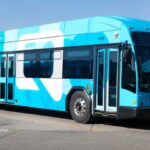

Overview of the Edinburgh bus network
Edinburgh’s bus network provides comprehensive coverage across the city and surrounding areas, primarily operated by Lothian Buses. The system offers frequent daytime services, a robust night network, and flexible ticketing with contactless payments and multi-journey passes. Buses connect central districts, residential neighborhoods, and outlying towns, making travel around the city convenient and reliable, whether or not you combine it with trams or trains. Plan trips with live timetables and apps, and take advantage of accessibility features that help passengers with reduced mobility.
Major operators and bus hubs
Edinburgh’s bus network is a dense system that keeps the city and surrounding areas moving. The backbone is the Lothian Buses network, which operates the majority of daytime city services and many suburban routes that extend into nearby councils. Buses serve the city centre, Leith, Portobello, Musselburgh, Dalkeith and other corridors, with high-frequency services on core routes. Evening and weekend services extend coverage with night buses on busy corridors.
Major operators include Lothian Buses as the primary operator for local travel. Citylink operates long-distance coaches that connect Edinburgh with Glasgow, Dundee, Aberdeen and beyond. Stagecoach and other national operators provide regional and cross-border services that connect Edinburgh with surrounding towns and airports, adding options for trips beyond the city boundaries.
Bus hubs: The principal interchange is Edinburgh Bus Station, a key terminus for local and regional services as well as long-distance coaches. Haymarket serves as a major western interchange and a rail and tram connection point. In the city centre, regular bus stops along Princes Street and Leith Walk provide frequent transfers to different parts of the city. Outlying hubs and interchange points exist at suburbs such as Leith and Portobello, connecting them efficiently with the centre.
Service patterns and future: The network emphasizes frequent city-centre corridors, reliable timetables, and strong connections to rail and tram services. Efforts are underway to move towards cleaner buses, improve accessibility, and upgrade real-time information and ticketing. Edinburgh’s transport planning also envisions closer integration between bus, rail, tram and park-and-ride facilities to enable smoother cross-boundary journeys across the region.
Travel tips: Check live timetable information before travel and consider day passes or contactless payment options for easy boarding. Night buses operate on weekends along major corridors, extending late into the evening. For longer trips or connections to other Scottish cities, Edinburgh Bus Station and Citylink services offer convenient options and central departure points.
Typical routes across the city
Edinburgh’s bus network provides widespread coverage across the city and into surrounding suburbs, making bus travel a convenient way to explore the capital. The system centers on the historic core around the Old Town and New Town, with frequent services radiating from major hubs such as Waverley Station, St Andrew Square, and Haymarket. The city is connected to the airport by the Airlink service, and a comprehensive night bus network keeps central routes moving after dark.
Lothian Buses is the main operator in Edinburgh, operating the majority of city services. The network is designed around core corridors that run from the city centre to the suburbs, with good interchange at central stops and with the tram system providing easy transfers near Sighthill, Haymarket, and the St Andrew Square area. Tickets are available as day passes and multi-journey options, and contactless payments are accepted on buses.
Typical routes across the city include the airport link to the city centre, busy services between Leith, Portobello and the Royal Mile, routes to the western suburbs such as Corstorphine, Sighthill and the Gyle area passing through the heart of the city, and east-west routes connecting Edinburgh Park, South Gyle and the city centre. There are also frequent services serving university campuses, hospitals, and shopping districts, with many routes sharing core streets like Princes Street and Lothian Road, ensuring reliable access to popular destinations across the city.
To plan a trip, check timetables online or via the local operator app, and consider a day ticket or multi-journey pass for longer stays. In the city centre, most frequent routes run along Princes Street, Lothian Road and around Waverley and Haymarket. The Airlink 100 provides a fast direct route between Edinburgh Airport and the city centre. Night buses operate on key corridors after the daytime timetable ends, offering late-night options for city centre bars, events and nightlife.
Planning a bus trip in Edinburgh
Planning a bus trip in Edinburgh is a practical way to see the city’s historic streets, scenic hills, and vibrant neighborhoods without the hassle of parking. This introductory guide covers choosing routes that connect the Royal Mile, Edinburgh Castle, and Arthur’s Seat with easy public transit, timing travel to avoid crowds, and saving on tickets with day passes and multi-journey fares.
Ticketing options and where to buy
Planning a bus trip in Edinburgh gives you a flexible way to explore the city. The main operator is Lothian Buses, with Edinburgh Trams providing a fast link between central areas and the airport. Buses cover the city center, Old Town, New Town, Leith, and surrounding suburbs, making it easy to reach attractions, universities, and neighborhoods without a car. Before you travel, check routes and live timetables on the official site or app, and consider a combined bus and tram journey for longer trips.
Ticketing options include single fares, day tickets, and longer-term passes. You can pay on board by cash or contactless payment (cards, Apple Pay, Google Pay) for a single journey. The Lothian Buses app offers m-tickets you can store on your phone and scan when boarding. A Day Ticket provides unlimited travel on Lothian Buses and Edinburgh Trams for a 24-hour period. For frequent travel, longer-term passes may be available through the app or at the Travel Shop, providing better value for regular commuters.
Where to buy tickets: on the bus from the driver, via the Lothian Buses app, or at the official Travel Shop in central Edinburgh. You can also purchase tickets online through the Lothian Buses website for e-tickets and up-to-date information. Some local outlets around the city may sell tickets or top up passes, so it’s worth checking locally when you arrive. Always check the latest options on the official site before you travel, as services and outlets can change.
Tips for planning your route include noting central hubs such as Princes Street, St Andrew Square, and Waverley Station, and using the Lothian Buses app or a map to check timetables. For travel to the airport or Leith, Edinburgh Trams can complement your bus plan. If you’re visiting for a few days, a Day Ticket or longer-term pass can offer good value. Allow extra time for connections during events or roadworks and check live service updates before you go.
Real-time information and journey planning
Planning a bus trip in Edinburgh is easier than you think thanks to real-time information and simple journey planning tools that cover the city and its surrounds.
Real-time information is available at many bus stops with LED departure boards and at digital signs, and it is also accessible on mobile devices through official apps and major mapping services.
To plan a journey start with the operator data from Lothian Buses and then check route options in apps such as Google Maps, Citymapper, or Apple Maps for the best times and connections.
Before you travel, identify your origin and destination, check the next departures for the stop you will use, and choose a route that minimizes walking, transfers, and potential delays.
When it comes to tickets, most buses in Edinburgh accept contactless payment from cards or mobile devices. You can also buy day tickets or multi-journey passes where available and use eligible concessions if you qualify.
Major corridors in Edinburgh include routes toward the city center along the Royal Mile and Princes Street, to Leith, and to the western suburbs, with a convenient express link to Edinburgh Airport known as Airlink 100.
If your plans change or you face delays, check live service alerts in your preferred app or on the official bus operator site, and consider an alternate route or a short walk to a different stop to catch the next bus.
Most buses are low‑floor and accessible, with reserved seating for priority access and audio-visual announcements to help with travel planning in Edinburgh’s busy streets.
Tips for a smoother trip include travelling outside peak times when possible, keeping an eye on live times just before departure, and caching a couple of backup routes in case of road works or weather disruptions.
By using real-time information and trusted journey planning tools, you can navigate Edinburgh by bus efficiently, reach every corner of the city with confidence, and enjoy the ride as part of your daily travel routine.
Ticketing and pricing in Edinburgh
Ticketing and pricing for bus travel in Edinburgh blends traditional cash fares with modern contactless payments and value tickets. Most city services are run by Lothian Buses, with pay-as-you-go options, day and multi-ride passes, and concessionary or student discounts for eligible riders. Visitors can often save with tourist passes or longer-term tickets, but fares change periodically, so it’s wise to check the latest prices and terms before travelling.
Contactless payments and smartcards
Edinburgh’s bus travel offers a straightforward ticketing system with several options designed for casual riders and daily commuters alike.
Ticketing and pricing in Edinburgh include single fares, day tickets, and longer-term passes. Prices vary for adults, children, and concessionary travellers, and some passes cover unlimited travel within a set period. Tickets can be bought online, at ticket offices, or directly on board where allowed.
Concessionary travel: Eligible residents can use the National Entitlement Card for free or discounted local bus travel across Scotland, including Edinburgh. Policies and times may vary, so it’s best to check current rules if you plan off-peak or peak travel.
Contactless payments: Most Edinburgh buses accept contactless payments from bank cards and mobile wallets such as Apple Pay and Google Pay. To pay, simply tap on the reader when you board. Fares are charged automatically with a daily cap where applicable.
Smartcards: Ridacard is a traditional smartcard that stores value or time-based passes for use on the Lothian Buses network. You can load weekly or monthly passes or value onto the card and tap it on the reader when boarding. Ridacards can be topped up online or at participating outlets.
National Entitlement Card and other concessions: In addition to Ridacard, eligible older and disabled travellers can use the National Entitlement Card for concessionary travel across local buses; some journeys may require you to present the card or register additional details.
Practical tips: Check if a day or weekly pass offers better value for your travel pattern, compare the pay-as-you-go with weekday caps, and consider an app or card management service for easy top-ups. For exact prices and where to buy, visit the official Lothian Buses site.
Day, short-term, and season tickets
Edinburgh’s bus travel is dominated by Lothian Buses and the Edinburgh Trams network, with ticketing designed for residents, visitors and commuters alike. You can pay on board with cash or contactless, or use a Ridacard smartcard or a mobile ticket for longer stays. Prices and passes vary by age, duration and whether you need access to buses and trams.
Day tickets offer unlimited travel for 24 hours across the Lothian network, including buses and trams. They are convenient for sightseeing or a busy day of errands. You can buy a day ticket on the bus, at ticket offices, or load a day pass onto a Ridacard or mobile wallet. Adult day tickets are usually positioned in the mid single-figure price range, with cheaper options for children and concessions.
Short-term passes cover longer periods than a day, such as a 7-day option, which can be useful for a week of travel or a short city break. These passes are often available on Ridacard or via mobile tickets, and they offer a cost saving compared with paying daily if you plan multiple trips. Prices for 7-day passes in the adult category are typically a few tens of pounds.
Season tickets provide unlimited travel for longer periods and are popular with residents and frequent visitors. Monthly and annual options are available, usually on Ridacard or as a monthly direct debit, and they may include discounts for students, seniors or disabled travellers. Prices vary by duration and eligibility but are designed to deliver the best value for frequent travel.
Concessions and children can benefit from reduced fares. UK and Scottish concessions apply to eligible users, such as under 16s, full-time students, and older or disabled travellers. You may need an approved concession card or ID to obtain these discounts.
Where to buy and how to use: you can buy most tickets on the bus using contactless payment, or at official outlets and online. The Ridacard smartcard handles pay-as-you-go as well as unlimited travel passes, and there is a companion app or web portal for managing cards and tickets. Always check the latest prices and terms on the official Lothian Buses site before you travel, as prices can change with seasons or promotions.
Accessibility and safety on Edinburgh buses
Bus travel in Edinburgh combines accessibility with safety to help everyone explore the city with confidence. The network includes many low‑floor buses with step‑free entry, ramps, and priority seating, plus onboard announcements and visual displays to assist people with hearing or sight impairments. Safety features such as CCTV, driver training, and clear passenger information aim to keep journeys smooth for wheelchair users, parents with prams, older residents, and visitors alike as you travel across Edinburgh.
Wheelchair and step-free access
Edinburgh’s bus network is designed to be accessible and safe for all passengers, including wheelchair users and people with mobility challenges. This article covers how accessibility and safety are addressed on Edinburgh buses, with a focus on wheelchair and step-free access as you travel around the city.
Wheelchair access and seating: Many Edinburgh buses are low-floor and have a ramp to provide level entry from the curb. Buses with wheelchair spaces carry a designated area and a secure method for securing a wheelchair, often with a strap or belt to help keep the chair in place during the journey. Drivers and staff are trained to assist passengers in boarding, moving to the designated space, and securing the chair safely before travel.
Step-free access: Where possible, boarding is level with the bus floor. Low-floor models allow step-free or minimal-step boarding, and some buses can kneel to bring the entrance closer to the kerb. Older buses with steps may still operate on certain routes, so checking service information or asking the driver can help you choose the most accessible option.
Safety features on board: Buses are equipped with handrails, grab handles, non-slip flooring, and clearly marked priority seating. Many buses include CCTV for security and driver assistance indicators. Clear audible and visual passenger information helps people with vision or hearing impairments. Passengers should use handrails when boarding and alighting, and keep aisles clear for safety.

Accessibility at stops and information: Accessible stops may feature tactile paving and seating where available, and real-time arrival information is provided in multiple formats, including audio announcements and visual displays. If you need help understanding the information, staff and the driver can offer guidance and support.
Planning and assistance: If you require extra assistance, you can seek help from the operator or plan your journey in advance. It may be possible to arrange assistance with boarding at specific stops, especially if you use a wheelchair or mobility device. When planning, allow extra time and be prepared for occasional service variations.
Travel tips for wheelchair users and others with accessibility needs: Ask the driver to deploy the ramp and secure your chair early, position you in the designated wheelchair space, and fasten the strap as required. If your wheelchair cannot be accommodated on a particular service, the operator can suggest alternatives or longer routes. Carry any necessary identification or documentation you might need for assistance, and let staff know if you have specific accessibility requirements.
Edinburgh’s bus travel continues to prioritize accessibility and safety, aiming to make city journeys easier and safer for everyone.
Audio-visual announcements and on-board assistance
Edinburgh’s bus network is built with accessibility and safety at the core, helping residents and visitors travel around the city with confidence.
Most buses in Edinburgh are low-floor models with ramps or kneeling capability to enable level boarding from the curb. Inside, there are wider aisles, priority seating near the doors, and designated spaces where wheelchair users or those with mobility aids can travel safely and comfortably.
Audio-visual announcements on Edinburgh buses provide audible stop announcements and visible route information on screens. This combination helps passengers who rely on audio cues as well as those who benefit from visual information to track progress and plan where to alight.
On-board assistance is available from trained drivers and customer service teams who can help with boarding, alighting, and securing mobility aids. If you need extra help, you can request assistance at the stop or contact the operator in advance to arrange accessible travel arrangements.
Safety features on the buses include handrails, non-slip floors, and designated spaces for wheelchairs and mobility equipment, along with emergency intercoms and CCTV as part of a focus on passenger security. Drivers are trained in safe boarding procedures and in supporting passengers with diverse needs during journeys.
Plan ahead for a smoother journey by checking real-time information and the accessibility details on the operator’s website or travel apps. Look for notes about low-floor entrances, seating arrangements, and the availability of audio-visual announcements on specific routes to tailor your trip.
For passengers using mobility aids or who require additional assistance, it’s advisable to confirm any size or space restrictions for mobility scooters or larger devices with the operator in advance. Edinburgh continues to improve accessibility and on-board support to make bus travel easier for everyone.
Overall, Edinburgh aims to provide accessible and safe bus travel through clear audio-visual announcements and reliable on-board assistance, supporting confident journeys across the city for all travelers.
Popular routes and itineraries
Edinburgh’s bus network offers popular routes and ready-made itineraries that help visitors and locals explore the city with ease. A central city loop covers the Royal Mile and Old/New Town sights, while extensions head out to Leith, Portobello, and the surrounding suburbs. For day trips, sensible combinations let you ride efficient routes into the countryside or to nearby towns, making it simple to combine historic landmarks, waterfront strolls, and scenic viewpoints into one affordable, relaxed journey.
City Centre highlights and landmarks
Explore Edinburgh by bus with practical routes and itineraries that cover the city centre and popular neighbourhoods. Below are popular routes and a suggested day plan, followed by city centre highlights and landmarks you can reach from central bus stops.
- Centre to Leith waterfront itinerary: Start at Princes Street, ride along York Place to Leith, with stops at Ocean Terminal and the Leith waterfront for a stroll and lunch by the harbour.
- Old Town to Calton Hill and New Town loop: Travel through the Royal Mile, stop by St Giles’ Cathedral, walk up Calton Hill for panoramic views, then return via Princes Street and George Street.
- Holyrood Palace and Arthur’s Seat day trip: Board near Holyrood, visit the Palace, walk to Arthur’s Seat for city views, and return via the Scottish Parliament and the National Museum of Scotland.
- Meadows and Bruntsfield café crawl: Explore the Meadows park and Bruntsfield Links, then head back to the City Centre for a bite to eat and a stroll along Victoria Street.
City Centre highlights and landmarks
- Edinburgh Castle on Castle Rock, offering dramatic views over the city and a glimpse into Scotland’s royal history.
- The Royal Mile, a historic path connecting the Castle to Holyrood Palace with closes, shops, and eateries.
- Palace of Holyroodhouse, the official residence of the monarch in Scotland, set at the foot of the Royal Mile.
- St Giles’ Cathedral, a landmark medieval church with striking architecture and a rich history.
- Calton Hill and the National Monument, providing elevated views of the city and notable monuments.
- Scott Monument on Princes Street, a Gothic tower near the gardens offering a glimpse into Victorian literature and city views.
- Princes Street Gardens, a peaceful green space between the Old Town and New Town with seasonal events and panoramic sights.
Suburban connections and scenic routes
Edinburgh’s bus network offers a convenient, affordable way to explore the city and its surrounding countryside. Operated primarily by Lothian Buses, the system connects the historic centre with suburbs, coastal towns, and hill country, making it easy to travel without a car.
Popular city-centre itineraries begin in the Royal Mile or at Waverley Station and fan out toward the West End, New Town, and beyond. A classic day might loop from the Old Town through Princes Street, the Scott Monument, and Calton Hill, then return along the main shopping streets for a mix of landmarks, architecture, and city views.
Leith and the waterfront routes offer a change of scene without leaving the heart of the city. A straightforward journey from Princes Street or St Andrew Square to Leith drops you at the Shore, giving easy access to the harbour, waterfront cafes, and the Royal Yacht Britannia, with a scenic ride back along the coast or through the port district.
Suburban connections keep Edinburgh connected to its residential areas. Regular services link Corstorphine, Sighthill, Granton, Liberton, and Musselburgh with the city centre, universities, and major transport hubs, supporting commuters, students, and visitors who want to explore beyond the centre.
The airport and regional links are a practical part of Edinburgh’s bus map. The direct Airlink service offers a fast connection between Edinburgh Airport and Waverley Station, while other routes extend toward Midlothian and surrounding towns for day trips or rails-and-buses connections to the countryside.
Scenic bus routes let you enjoy Edinburgh’s landscapes without a car. Coastal trips to Portobello and Cramond deliver sea air and views across the Firth of Forth, while routes climbing toward the Pentland Hills provide rolling countryside, reservoirs, and viewpoints just a short ride from the city streets.
Practical planning tips include checking live departure boards, using a transit app, and taking advantage of day passes or contactless payment where available. Buses run frequently, especially on weekdays, and service changes can occur—allow a little extra time if you’re visiting popular sights.
Tips for a smoother bus experience
Tips for a smoother bus experience in Edinburgh start with planning: check live bus times for routes around the Royal Mile or Edinburgh Waverley, have a valid ticket or use contactless payment, and know which operator runs your line. Try to travel off-peak to dodge crowds, arrive at stops a few minutes early, and use real-time updates from the Lothian Buses app or local travel apps to catch your bus as it approaches. Stick to clearly marked stops, be mindful of priority seating, and give yourself a little extra time for weather or road works so your journey across the city stays calm and straightforward.
Boarding and alighting etiquette
Traveling by bus in Edinburgh can be quick and straightforward with a few simple practices. By planning ahead, boarding and alighting politely, and keeping to a few shared guidelines, you can help keep services running smoothly for everyone.
Plan your journey using live times at bus stops or the Lothian Buses app, and consider off-peak travel to avoid the busiest times in the city centre. If you need to reach a specific venue or station, check whether a tram or bus option is faster and note the frequency of the service.
Have your fare ready before you reach the doors. In Edinburgh, most buses accept contactless payments with debit or credit cards and mobile wallets, so tapping on as you board is quick and convenient. If you hold a card or pass, ensure it is ready to show or scan if required.
When the bus arrives, let passengers alight first and then kindly form a short queue at the door. Stand back from the doors and give space to those getting off. If you are seated near the doors, you can offer your seat to someone who needs it more rather than blocking the aisle with bags or coats.
Alight in an orderly fashion by moving to the door in good time and stepping clear of the curb. Allow people with mobility aids or prams to leave first if you are at the back of the bus. Avoid stepping off into the road and watch for traffic as you cross from the bus stop.
Avoid loud conversations or playing music without headphones. Keep bags and belongings on the floor or tucked to one side to keep the aisle clear for others. Refrain from eating strong-smelling foods on busy services and use polite language with fellow passengers and the driver.
If you have accessibility needs, tell the driver when you board and use the priority seating if needed. Edinburgh’s buses and stops are designed to assist wheelchairs and mobility scooters, and many stops offer step-free access and level boarding where available.
During busy periods in the city centre, allow extra time and be patient. If a service is crowded, consider waiting for the next bus rather than forcing your way on, and be mindful not to block the doors or aisles while people board and alight.
Keep your ticket or digital pass handy as you may need to show it if asked. If you’re staying in Edinburgh for a few days, explore ticket options such as day tickets or season passes, and check if you can benefit from any savings by using a contactless payment approach across multiple journeys.
By keeping to these etiquette guidelines, you’ll help keep Edinburgh’s buses running smoothly for everyone—residents, visitors, students, and workers alike. A little courtesy goes a long way when navigating busy streets and busy buses.
Using apps and live updates
Traveling by bus in Edinburgh can be smoother with the right apps and live updates, helping you plan, time things well, and avoid delays.
Key apps to download include Google Maps, Citymapper, Moovit, and the official Lothian Buses app for live departures, route guidance, and service alerts.
Live updates show real-time arrivals, delays, and diversions, so you can adjust your plans on the fly and minimize waiting time at stops.
Before you travel, check your route, confirm the stop name and number, and set alerts for the bus you plan to catch. This helps you avoid last‑minute changes and confusion at the stop.
At the stop, verify the bus with the display board or your app, and make sure you’re boarding the correct direction and service number.
Boarding and riding smoothly comes down to preparation: have your fare ready, keep bags secure and out of the aisle, and let passengers alight before you board.
Payment options are widely available: most buses accept contactless cards and mobile wallets such as Apple Pay and Google Pay, and if you use a season ticket or pass, keep it handy in the app or card.
Timing tips help during busy periods: buses may be more frequent, but stops can be crowded, so arriving a few minutes early and using an app to monitor arrivals can reduce stress.

During festivals, events, or roadworks, live updates are especially useful for detours and changes to routes—allow extra travel time and check for alternate services when needed.
For a smoother Edinburgh bus experience, combine several apps, stay flexible, and plan around the forecast and events that can affect traffic and service reliability.
Handling delays and disruptions
Traveling by bus in Edinburgh can be smooth if you plan ahead and stay aware of live updates. Start with a route you know you’ll use, and keep a backup option in case of delays or roadworks.
Plan your journey using the Lothian Buses app or Google Maps, and check Real Time Information at stops to see when the next bus will arrive. If you’re new to the city, major hubs like Princes Street, St Andrew Square, and Waverley Station are good starting points for easy connections.
Consider buying a Ridacard or using contactless payment for quick boarding, and think about a day ticket if you’ll be hopping between multiple routes in one day. Carrying a small amount of change as backup can also help on occasions when a reader is busy.
On busy routes, arrive at the stop a few minutes early and have your payment ready to speed up boarding. If you’re sharing a ride, stand behind the doors and move away from the aisles when the bus fills up to keep everyone comfortable.
If a bus is delayed or cancelled, check updates on the official app, the operator’s Twitter feed, or RTI boards at the stop. Have a backup plan in mind, such as a different route, a short walk, or another mode of transport like the tram where it makes sense for your trip.
During roadworks or diversions around the city centre, pay attention to notices at stops and follow staff directions. Detours can affect routes through Princes Street, Lothian Road, and surrounding streets, so be prepared to adapt and ask drivers for the best alternative.
Plan for night travel by checking night bus services in advance, as some routes run less frequently after dark. If you’re out late, know the last buses and consider a safe, well-lit route back to your accommodation.
Finally, stay courteous and safe: keep the aisles clear, offer seats to those who need them, and store bags securely. A little preparation goes a long way to a smoother Edinburgh bus experience.
Multimodal travel and connections
Multimodal travel in Edinburgh weaves buses, trains, trams, cycling routes, and pedestrian paths into seamless journeys that connect neighborhoods, landmarks, and daily life. By coordinating timetables and accessible routes, bus travel in Edinburgh becomes a vital thread in the city’s mobility network, helping residents and visitors move efficiently while exploring historic streets and modern districts alike.
Tram, rail, and bus interchanges
Edinburgh’s travel network is built around seamless multimodal connections between tram, rail, and bus, enabling smooth journeys across the city and beyond. For anyone exploring bus travel Edinburgh, the system is designed to let you switch between modes with minimal walking and predictable transfer times, from the airport link to neighbourhood trips and scenic city centre routes.
The Edinburgh Trams form a key spine in the network, running from the city centre out to Edinburgh Airport and linking major shopping and business districts with the rail network. In the city centre, tram stops are positioned to align with bus corridors and rail stations, making it easy to hop off a tram and catch a bus or train to your destination. Frequent daytime services and straightforward ticketing support quick transfers at designated interchange points such as central stops near the main streets and at the airport junctions.
Rail interchanges are concentrated at the two principal hubs: Edinburgh Waverley and Haymarket. Waverley, in the heart of the old town, connects to extensive ScotRail services and provides straightforward bus connections to south and west suburbs. Haymarket, a major interchange in the west of the city, offers fast rail links to newer developments and key suburbs, with a nearby bus station and direct routes across the city. From both hubs, you can combine rail with the tram network to reach central neighborhoods or continue to outer districts.
Lothian Buses operate the majority of city and suburban routes, delivering high-frequency services along trams corridors and radial lines. Core bus corridors run along Princes Street, Leith Walk, and the city’s west and south approaches, with easy transfers to tram stops or rail stations at central interchanges. Real-time arrival boards, clear ticketing options, and easy fare structures help you plan a same-day trip or a longer circuit without hassle.
Key interchanges are designed to minimize walking distances and simplify transfers. For example, central interchange areas around St Andrew Square and near Princes Street allow quick handoffs between tram and bus services, while Haymarket and Waverley provide seamless rail-to-bus and rail-to-tram connections. Park-and-ride facilities at sites near the airport give you the option to drive part of your journey and complete it by tram or bus, reducing city centre congestion.
Planning tips for bus travel Edinburgh include using an official journey planner or maps app to check timetables, blocking times for peak traffic, and reliable transfer windows. Consider travel passes such as day tickets or Ridacard for cost-effective options if you plan multiple trips in a day. Contactless payments on buses and trams simplify fare payment, while weekend and late-evening services extend the reach of multimodal trips into the night.
Overall, Edinburgh’s multimodal system supports sustainable travel by reducing car dependence and offering convenient, accessible interchanges. Whether starting at the airport, catching a tram into the heart of the city, hopping on a Lothian Bus to Leith, or continuing by rail to outlying towns, the integrated network makes bus travel Edinburgh a practical and efficient choice for residents and visitors alike.
Park-and-ride and city accessibility
Edinburgh’s bus network sits at the heart of a multimodal travel system that links local neighborhoods with rail, tram lines, and park-and-ride sites. By weaving bus services with other modes of transport, the city aims to improve connections, reduce car use, and boost accessibility for residents and visitors alike.
- Multimodal travel and connections: The bus network integrates with Edinburgh Trams, ScotRail, and cycling or walking routes to enable easy transfers at key hubs such as Waverley and Haymarket, supported by real-time information and consistent ticketing across modes.
- Park-and-ride and city accessibility: Park-and-ride sites on the outskirts connect to frequent bus services into the city center, helping reduce inner-city congestion while offering convenient access to workplaces, universities, and amenities.
- City accessibility: Buses and stops are designed for accessibility, with low floors, level boarding, spaces for wheelchairs, audible and visual stop announcements, and clear signage to assist all travelers.
- Planning and tickets: Travelers can use contactless payments, smart cards, and mobile apps to plan routes, purchase tickets, and receive real-time updates across bus, tram, and rail networks for smoother connections.
- Practical travel tips: Check live service updates before trips, map transfers at major interchanges, consider park-and-ride for longer visits, and allow extra time during peak periods to ensure comfortable connections.
- Future developments: Ongoing improvements include bus priority measures, cleaner and more efficient buses, and enhanced information systems to support seamless multimodal journeys through Edinburgh.
Sustainability and future plans
Edinburgh’s bus network is steering sustainability forward by expanding a cleaner, electric and low-emission fleet, upgrading charging infrastructure, and implementing bus-priority measures that trim journey times. With future plans to broaden route coverage, improve reliability, and make public transport more affordable and accessible, the city aims to reduce traffic, lower emissions, and support a greener, healthier future for residents and visitors alike.
Electric buses and low-emission routes
Edinburgh is building a sustainable future for bus travel by placing clean transport at the core of city plans. The goal is to provide reliable, affordable, and low-emission journeys that help residents and visitors move around the capital with less impact on the climate and air quality.
Electric buses are at the heart of these plans. The city is expanding its battery-electric fleet, bringing quiet, zero-emission buses onto busy urban routes. Depot charging and on-street charging points are being rolled out to support regular service, reduce range anxiety for drivers, and cut tailpipe emissions across busy corridors.
Alongside electrification, low-emission routes are being prioritised with bus priority measures, improved street layouts, and schedules designed to replace car trips in key corridors. By steering services onto routes that connect housing estates with employment hubs and leisure districts, the city aims to breathe cleaner air and reduce congestion.
Future plans include expanding the zero-emission fleet further, experimenting with hydrogen and hybrid options where appropriate, and speeding up the introduction of rapid charging at major depots or along high-frequency routes. The strategy also emphasises robust maintenance, energy efficiency, and coordination with renewable power sources to maximise the environmental benefits.
For passengers, sustainability means a more comfortable ride: less noise, better air quality near schools and hospitals, and more predictable timetables thanks to electrified operations and real-time information. The transition is designed to be inclusive, with accessible vehicles and consistent service across the city.
Implementation relies on collaboration among the council, bus operators, and national funding streams, including grants for low-emission vehicles and charging infrastructure. Public input and transparent reporting are part of the process to ensure the plans meet local needs and deliver long-term value for Edinburgh’s communities and economy.
Riders can contribute by planning journeys with route maps and live updates, adopting off-peak travel when possible to support grid-friendly charging, and supporting services that connect neighbourhoods with workplaces, universities, and cultural sites. The shift to electric buses and low-emission routes will gradually redefine what a convenient, sustainable day trip or commute looks like in Edinburgh.
In the years ahead, Edinburgh’s bus travel will be cleaner, smarter, and more resilient as technology advances and investments continue. The city’s commitment to sustainability ensures that every mile travelled on a bus helps protect the environment while enhancing mobility for residents and visitors alike.
Plans for network expansion and service reliability
Edinburgh’s bus travel is focusing on sustainability and future plans that balance cleaner urban transport with reliable, affordable journeys for residents and visitors.
To cut emissions, the plan accelerates the rollout of electric and hydrogen buses, expands charging capacity at depots and on-street sites, and adopts energy-smart technologies such as regenerative braking and advanced telematics to reduce energy use.
Network expansion will extend coverage to underserved areas and improve night services, with better connections to rail and tram networks and targeted routes that support housing growth and key employment centres across the city and beyond.
Service reliability is at the core of the plan, with more frequent services, improved timetabling, real-time service information, and proactive maintenance. Investments in driver training and contingency plans will help keep buses running even during disruptions.
Infrastructure upgrades include bus priority corridors, smarter traffic signal coordination, park-and-ride integration, and a modernised ticketing system that supports contactless payments and real-time journey updates, making bus travel easier and faster.
Partnerships with City of Edinburgh Council, Lothian Buses, and regional transport bodies will guide governance, funding, and community engagement, ensuring that investments reflect passenger needs and environmental goals.
As the city grows, the focus remains on sustainability metrics, with milestones such as increasing the electric fleet share, expanding low-emission zones, and measuring air-quality improvements and rider satisfaction to guide ongoing improvements in network expansion and service reliability.
In sum, Edinburgh’s bus travel strategy envisions a cleaner, more reliable network that supports growth, reduces congestion, and makes sustainable transport the preferred choice for everyday trips and longer journeys alike.