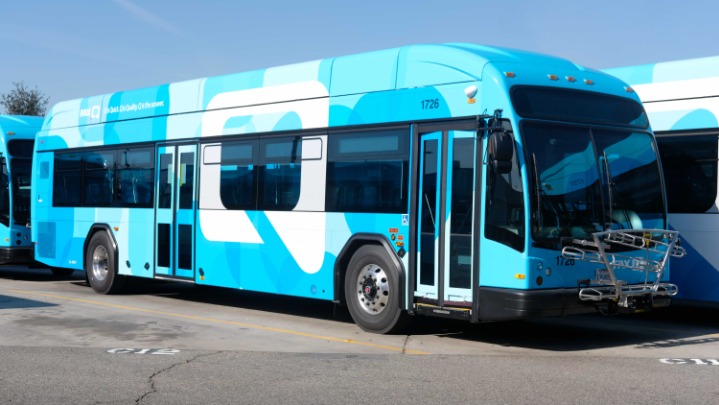

Overview of Bus Travel During Pregnancy
Bus travel during pregnancy can be a practical option for short- to mid-distance trips, but it benefits from thoughtful planning for comfort and safety. Choose seats with easy access and legroom, stay hydrated, and take gentle breaks to stretch when safe. If you have pregnancy complications or are in the later stages, consult your healthcare provider before travel and carry essential medical information in case of delays or emergencies.
Medical Clearance and Timing
Traveling by bus during pregnancy can be a practical option for short to medium trips, offering flexibility and lower costs than some other modes of transport. With careful planning, it can be safe and comfortable, but it also requires attention to comfort, safety, and medical considerations.
Safety basics include prioritizing regular movement, staying hydrated, avoiding overheating, and ensuring access to restrooms. Choose seats with enough legroom, preferably near an aisle to ease getting up for walks or bathroom breaks. Be mindful of the risk of sudden braking or traffic delays, which can jar the body.
Medical clearance and red flags: Before traveling, check with your healthcare provider, particularly if you have a high‑risk pregnancy, placenta previa, a history of premature labor, high blood pressure, diabetes, or other conditions. Seek medical clearance if you are approaching your due date, or if you have recently had complications. Stop travel and seek care promptly if you experience vaginal bleeding, regular contractions, water breaking, severe abdominal pain, dizziness, or persistent severe headache.
Timing: The second trimester (roughly weeks 14–28) is commonly the most comfortable window for travel, since morning sickness may lessen and energy levels often rebound. Travel in the early weeks is possible if you feel well, but not all programs restrict. In later pregnancy (after about 28 weeks), many carriers require documentation or restrict travel, and some may deny traveling beyond 32–36 weeks. Always verify policy with the bus operator and your clinician.
Planning tips: Check the bus schedule for regular rest stops; plan your stops around the bathroom needs. Pack healthy snacks, water, and any prescribed medications. Wear comfortable clothing and shoes, and consider compression stockings to help with swelling. Bring a small pillow or a seat cushion to improve back support. If your route is long, consider splitting into shorter legs or selecting a route with dependable stops. Keep a copy of your prenatal record and emergency contact information.
During the trip: Sit with your back supported; keep feet and legs moving gently; do calf raises and ankle circles every hour if allowed. Hydrate regularly but avoid overdrinking right before long stops. If possible, avoid crossing legs and keep knees uncrossed. If you have a belt, wear it low on the hips and not tightly across the belly; follow the bus seat belt instructions and the guidance of your clinician.
Emergency plan: Know where the nearest medical facilities are at your destination, carry a list of medications, doctor contact numbers, insurance information. In case of a medical emergency, alert the driver or staff immediately and seek local care. Carry a letter from your provider if needed and travel insurance that covers pregnancy complications.
Carrier policies and accessibility: Some bus companies may have specific policies for pregnant travelers or provide accommodations for medical needs. Call ahead to confirm seating options, rest stops, and whether you can bring extra pillows or medical equipment. If you require accessibility services or help with seating, arrange in advance.
With routine medical clearance, careful timing, and practical planning, bus travel during pregnancy can be a feasible option for many people. Listening to your body, staying informed, and having a contingency plan will help ensure a safer journey.
Choosing Routes and Bus Types
Bus travel during pregnancy is a practical option for many expectant travelers, especially for short to mid-length trips. For most healthy pregnancies, riding a bus is safe, but consider your medical history, the stage of pregnancy, and the planned travel time. Plan ahead, stay hydrated, wear comfortable clothing, and monitor how you feel during the journey.
Choosing routes
- Choose direct routes with minimal transfers to reduce travel time and the risk of delays.
- Check the transit schedule for reliability and typical wait times between connections.
- Prefer routes that include regular rest stops or longer intervals between legs so you can stretch and use the restroom.
- Plan travel during times of day when buses are less crowded, if possible, and consider your energy levels.
- Review terrain and driving conditions; smoother routes may be more comfortable during pregnancy.
Choosing bus types
- Prioritize low-floor or kneeling buses to ease boarding and alighting, especially in later pregnancy when mobility can be affected.
- Look for buses with roomy seating and adequate legroom to stretch comfortably; avoid cramped seating if possible.
- Favor buses with smooth suspension to minimize bouncing and jostling during the ride.
- Consider ventilation and climate control; ensure options are available to adjust temperature and, if preferred, allow for fresh air.
- If you need assistance or a caregiver, check accessibility features and policies for seating and boarding.
- Choose seats with stability, such as away from doors if possible, and use a seatbelt if available; otherwise hold onto rails and stay seated during rough motion.
Travel day tips
Pack essentials such as water, healthy snacks, comfortable layers, and any prenatal documents or emergency contacts. If you notice warning signs like severe pain, heavy bleeding, dizziness, or dehydration, seek medical help promptly and reconsider continuing the trip.
Safety Guidelines for Pregnant Travelers on Buses
Traveling by bus during pregnancy can be safe and comfortable with proper planning and precautions. This introduction highlights essential safety guidelines for pregnant travelers, including consulting your healthcare provider before travel, choosing comfortable seating and easy access to exits, using a properly fastened seat belt positioned below the belly, staying hydrated and rested, avoiding long periods of standing or rough roads, and knowing when to postpone travel due to medical concerns or pregnancy stage.
Seat Selection and Posture
Traveling by bus during pregnancy can be safe and comfortable with a few planning steps. Focus on seat selection and posture to minimize discomfort and improve safety.
- Seat selection
- Choose an aisle seat when possible to allow easy access to the restroom and the aisle for stretch breaks.
- Prefer seats toward the front or middle of the bus to reduce jostling from engine vibrations and to make exits quicker in an emergency.
- Avoid seats directly behind tall luggage racks or near the very back where movement may be greater during stops.
- Look for extra legroom and the ability to slightly recline or adjust the seat for comfort as pregnancy progresses.
- Posture and movement
- Sit with your back supported and your shoulders relaxed. Use a small pillow or rolled towel to support the lower back if needed.
- Keep feet flat on the floor and avoid crossing the legs. Move and gently stretch your legs every 1–2 hours if the journey allows it.
- When the bus is standing still or slowing, hold onto handrails when standing to reduce dizziness or imbalance.
- Comfort and health tips
- Stay hydrated with small sips of water; avoid very hot environments to prevent overheating.
- Wear loose, comfortable clothing and supportive footwear. Consider compression stockings if swelling is a concern and your clinician approves it.
- Bring a small travel pillow, a light blanket, or a scarf to adjust comfort and temperature as needed.
- Safety considerations
- Always wear a seat belt if the bus has one. Position the lap belt low across the hips and not across the abdomen, following the vehicle’s safety guidelines.
- Be aware of your surroundings and know the location of exits and restrooms.
- Inform the driver or staff if you feel unwell or need assistance with seating or routing.
- Medical and travel planning
- Consult your healthcare provider before traveling, especially for high‑risk pregnancies or if you are near your due date.
- Carry a copy of your pregnancy notes and emergency contact information, along with any medications you may need during the trip.
- Plan breaks if it’s a long journey and choose travel times that minimize fatigue and dehydration.
Seatbelt Use and Positioning
Traveling by bus during pregnancy can be safe with proper planning and awareness of comfort, safety, and medical guidance. Before you travel, consult your healthcare provider, especially if you have a high-risk pregnancy, recent bleeding, or a history of preterm labor, to get personalized instructions.
Seatbelt use is important when the bus has a belt. If your bus has a three-point seatbelt, wear it as designed: the shoulder belt across the chest and the lap belt low on the hips. Do not place the belt over the belly. Make the lap belt fit snugly on the upper thighs and below the belly, and ensure the shoulder belt lies comfortably over the shoulder, chest, and collarbone. If the belt presses on the abdomen or feels uncomfortable, ask staff for help or consider a different seat. If the bus has only a lap belt, position it low on the hips and across the upper thighs, avoiding pressure on the abdomen; if this is unsafe or uncomfortable, request a different seat if possible.
Positioning on the seat matters for comfort and circulation. Choose a seat in the middle of the bus with a stable back and extra legroom if possible, away from doors or areas with heavy vibration. Sit with your back supported and both feet flat on the floor. Use a small pillow or rolled towel for lumbar support if needed, and keep your knees gently bent without crossing them for long periods.
During the ride, move slowly and safely. If the journey is long, take breaks when offered to stretch and walk a little; otherwise, perform gentle ankle and foot movements while seated to promote circulation. Stand only when you can hold onto a handrail and sit down safely again. Avoid standing in crowded aisles when the bus is stopping or starting.
Comfort and clothing can affect how you feel on a bus. Wear loose, breathable clothing and comfortable shoes. Choose attire that allows easy belt positioning if you are required to wear a belt. Bring water and small, light snacks if approved by your healthcare provider, and consider items that support comfort such as a travel pillow or blanket. If you have swelling or fatigue, discuss compression socks or other measures with your provider.
Be aware of warning signs that require medical attention. If you experience heavy vaginal bleeding, severe abdominal pain or contractions, persistent dizziness, chest pain, or leakage of fluid, seek medical care promptly. Carry your prenatal records and emergency contact information, and inform the bus staff if you feel unwell so they can assist you safely.
Hydration, Snacks, and Medical Contacts
Traveling by bus during pregnancy can be safe and comfortable with a bit of planning. This guide covers safety basics, staying hydrated, choosing snacks wisely, and keeping medical contacts handy for peace of mind during bus trips.
- Check with your healthcare provider before travel: share your due date, any pregnancy complications, and the length of the trip; ask about travel suitability and signs to stop travel if you feel unwell.
- Plan seating and comfort: choose an aisle seat for easy access to the restroom, bring a small neck or back support, wear loose clothing, and keep your seat belt fastened low and snug across your hips, not across your abdomen.
- Hydration: drink water regularly throughout the trip, aiming for steady fluid intake; limit caffeinated beverages if advised by your provider; avoid dehydration, which can trigger dizziness or contractions in some pregnancies.
- Snacks: pack small, balanced snacks to maintain energy and blood sugar, such as whole-grain crackers, fruit, nuts, yogurt, or cheese; avoid heavy, spicy, or greasy meals during travel if they cause nausea; eat small portions frequently.
- Movement and comfort: try to stand up and move around every 1–2 hours if safe, or do gentle ankle circles and leg stretches while seated to reduce swelling; avoid long periods of immobility.
- Medical contacts and records: carry a card or note with emergency contacts, your obstetrician or midwife’s contact, and the nearest hospital at your destination; bring a list of current medications, allergies, prenatal appointment dates, and a copy of essential medical records if possible.
- Emergency plan and signs to seek care: know where to seek medical help along the route, and if you experience vaginal bleeding, severe abdominal pain, persistent dizziness, severe headaches, or contractions before your due date, seek medical attention immediately.
Comfort and Wellbeing on Bus Journeys
Traveling by bus during pregnancy can be comfortable and reassuring when you plan for support, space, and gentle pacing. This guide highlights how to protect comfort and wellbeing on bus journeys—from choosing the right seat and staying hydrated to taking regular breaks and recognizing your body’s signals. With practical tips on planning ahead, packing essentials, and communicating needs to staff or travel companions, you can enjoy safer, calmer trips during pregnancy.
Managing Nausea and Fatigue
Traveling by bus during pregnancy can be comfortable and safe when you plan for comfort and wellbeing. This guide offers practical tips to help you manage nausea and fatigue on bus journeys while caring for your health and safety.
Before you travel, check the timetable and route, choose a travel time that suits your energy level, and consider frequent breaks if the journey is long. Pack light but include essentials such as water, healthy snacks, any medications you need, a small pillow or blanket, and a card with emergency contact information.
Choosing a seat and adjusting your posture can make a big difference. A seat near the aisle or toward the front can make it easier to access the restroom and to stretch your legs at stops. Use a small back support or a rolled towel for lumbar comfort and keep your feet flat or lightly elevated when possible.
Dress in loose, breathable clothing and comfortable shoes. Layer so you can adjust to temperature changes on the bus, and bring a light scarf or wrap if the air feels drafty. A compact travel pillow or blanket can improve comfort for longer rides.
Hydration and gentle nourishment help sustain energy and reduce nausea. Sip water regularly rather than drinking large amounts at once, and choose light, easily digested snacks such as crackers, fruit, yogurt, or nuts. If your healthcare provider has approved it, a small amount of ginger in tea or candies may ease nausea for some pregnant travelers.
To manage nausea on the go, try fresh air by opening a window a little, breathing slowly and deeply, and focusing on a steady point in the distance. Avoid strong smells, and keep distractions like music, a podcast, or a light book within easy reach. If you start feeling unwell, move to a seat with better airflow and take it slowly.
Fatigue is common in pregnancy, so plan for rest where possible. Choose travel times when you typically have more energy, and use a cushion or neck pillow to support your head and neck during brief rests. Listening to your body and taking regular, gentle breaks at stops can help you stay comfortable.
During the journey, minimize motion discomfort by staying hydrated, avoiding caffeine or alcohol, and staying warm or cool enough. If you are prone to motion sickness, avoid reading for long periods and look toward the horizon when the bus is moving. Gentle ankle circles or foot flexing during stops can help with circulation.
Safety and wellbeing on a bus include wearing a seat belt when advised, with the lap belt positioned low on the hips and the shoulder strap resting comfortably. If a belt feels uncomfortable or is not suitable, ask the driver about alternatives or an alternative seating option. Stay seated when the bus is in motion and use handholds to steady yourself when moving to the restroom during stops.
Seek medical advice if you notice warning signs such as heavy vaginal bleeding, severe abdominal pain, dizziness that does not pass, signs of dehydration, or any signs you are at risk of preterm labor. If you feel unwell during travel, inform a staff member or the driver and have someone accompany you when possible.
Plan ahead, communicate your needs with travel companions, and listen to your body. With thoughtful preparation, bus journeys can remain comfortable and enjoyable during pregnancy, while supporting your wellbeing every mile of the way.
Clothing, Layering, and Comfort Aids
Traveling by bus during pregnancy can be comfortable and safer with mindful clothing choices, smart layering, and practical comfort aids. The following tips focus on clothing, layering, and comfort aids to support wellbeing on bus journeys.
- Clothing and layering: wear breathable, stretchy fabrics such as cotton or jersey; choose maternity or loose-fitting garments with comfortable waistbands; bring a light cardigan or scarf for temperature changes; opt easy slip-on shoes for comfort and swelling management.
- Layering strategy: dress in layers so you can add or remove heat as needed during the ride; a base layer, a mid-layer for warmth, and a small outer layer work well for temperature shifts on buses.
- Foot and leg comfort: select supportive footwear and consider compression stockings if advised by your healthcare provider; keep feet flat on the floor when seated and avoid crossing legs; use a small footrest or pillow to support elevation and circulation when possible.
- Seating and posture: choose seats with good back support and ample legroom; use a compact lumbar cushion or rolled towel for lower back support; avoid long periods of immobility by adjusting position gently and frequently if safe to do so.
- Safety and belts: always wear a seat belt; position the lap belt low over the hips and the diagonal strap across the chest, avoiding pressure on the belly; ask the driver for assistance if you need help adjusting the belt.
- Hydration and nutrition: carry water and light, easy-to-digest snacks; sip water regularly to stay hydrated and help prevent dizziness or fatigue; avoid large, heavy meals right before travel.
- Comfort aids to carry: a travel neck pillow or small lumbar cushion, a lightweight blanket, a compact fan or cooling cloth for hot buses, and a small bag with essentials like lip balm, tissues, and moisturizer; consider a maternity pillow if space allows for longer journeys.
- Movement and breaks: when possible, plan brief stops or gentle seated moves—ankle circles, foot pumps, and leg stretches—to promote circulation and reduce swelling; avoid standing for long periods if you can.
- Planning and support: if fatigue or risk factors are present, travel with a companion or caregiver and choose routes with shorter travel times; use priority seating where available and communicate your needs to the driver or transport staff.
Temperature, Lighting, and Noise Considerations
Traveling by bus during pregnancy can be comfortable and safe when you plan for comfort and wellbeing. Managing temperature, lighting, and noise helps reduce fatigue, nausea, and discomfort, while seating choices and regular rests support energy levels. If you have pregnancy-related concerns, talk with your healthcare provider before travelling and follow their guidance.
- Temperature: Buses can swing between warm and cool because of air conditioning and sunlight. Dress in layered, breathable clothing and bring a light cardigan or scarf for warmth or coverage. Hydration is important, so carry water and snacks; a small cooling towel or portable fan can help if you run warm. If the cabin feels too hot or too cold, politely ask the driver or staff if adjustments are possible or move to a different area if available. Being comfortable with the climate helps prevent fatigue and dizziness during pregnancy.
- Lighting: Bright or flickering light can cause eye strain or headaches and may worsen nausea. Wear sunglasses when outdoors and bring an eye mask for resting on the journey; if lighting is too bright at the time of travel, adjust your seating position away from direct light when possible. Choosing a window seat can provide natural light balance, but you may prefer a seat with less glare. If you are sensitive, plan rest stops or quiet times during the trip.
- Noise: Engine rumble, road noise, and announcements can be tiring. Earplugs or noise-cancelling headphones at a safe volume may help protect your ears and reduce stress. Keep conversations quiet if you can, and plan breaks at stops to stretch and relax. If noise becomes overwhelming, practice slow breathing or brief breaks to reset before continuing.
Practical tips include selecting seats with good support, wearing comfortable shoes, staying hydrated, and taking rests during longer journeys. Always consult your healthcare provider for advice specific to your pregnancy before travelling by bus, especially for high‑risk pregnancies or later stages.
Planning and Booking for Pregnancy Travel
Planning and booking for pregnancy travel by bus focuses on comfort, safety, and flexibility. Before you buy a ticket, consult your healthcare provider and choose direct routes with reasonable travel times, sit in an aisle seat for easy movement, and arrange extra time for rest stops and bathroom breaks. Pack essentials, stay hydrated, carry prenatal records and medications, and consider flexible fare and travel insurance in case plans change. Keep emergency contacts handy and inform the driver if you need assistance.
Advance Notice, Insurance, and Refunds
Planning a bus trip during pregnancy involves careful preparation to balance comfort, safety, and flexibility. Start by considering how far you plan to travel, the duration of the ride, and how your energy level may change with gestational age. Choosing routes with shorter legs, generous rest stops, and reliable service can reduce stress and make the journey smoother.
Planning and booking well in advance helps you secure seats with extra space and convenient access to restroom breaks. When you book, look for operators that offer comfortable seating with adequate legroom, predictable schedules, and clear policies on changes or refunds. Nonstop routes or those with fewer transfers can minimize fatigue and reduce the risk of delays.
Advance notice to the bus operator is important. At booking or before travel, inform them that you are traveling while pregnant and share any needs such as a preferred seating area, proximity to restrooms, or assistance with luggage. Providing your due date or gestational stage can help the staff prepare and accommodate you better, and you can confirm baggage allowances and accessibility options in advance.
Insurance is a key planning element. Consider travel insurance that covers trip cancellation or interruption, medical emergencies, and unexpected changes in plans related to pregnancy. Some policies have gestational age limits or require disclosure of pregnancy at purchase, and others exclude certain maternity-related events. Read the policy details carefully, declare pregnancy when asked, and keep policy numbers and contact information handy.
Refunds and changes vary by operator. Many bus tickets are nonrefundable or carry strict change fees, while some tickets offer flexibility or credits if you need to alter plans. If travel becomes medically inadvisable, a doctor’s note or medical certificate may help you request a refund, credit, or a rebooking option. Always review the fare rules and consider purchasing a flexible ticket or travel insurance that covers refunds for medical reasons.
On the day of travel, prioritize safety and comfort. Wear a seat belt correctly, with the lap belt low over the hips rather than across the belly, and keep the upper belt resting on the shoulder as needed. Stay hydrated, bring water and light snacks, wear comfortable clothing and supportive footwear, and consider compression socks if advised by your healthcare provider. Plan rest stops every couple of hours to stretch and move gently, and avoid heavy meals right before the journey.
Route planning and timing can improve your experience. Choose daytime departures if possible to align with your energy patterns and to avoid overnight strain. Check road conditions and weather forecasts, and be prepared for changes in schedule or route that might affect comfort or safety during pregnancy.
Emergency planning is essential. Carry a list of medical contacts, your prenatal provider’s information, and copies of important medical records or a letter from your clinician if available. Note the locations of hospitals or medical facilities along the route and keep your travel insurance information readily accessible in case you need urgent care.
Late-pregnancy travel often requires extra caution. Many carriers restrict travel close to the due date, or advise against long journeys after a certain gestational age. If your clinician advises limiting travel, consider postponing or choosing alternative transport, such as shorter trips, rail, or car travel with a trusted driver. When in doubt, consult your healthcare provider and the bus operator’s policies before booking.
Timing of Travel During Trimester
Planning a bus trip while pregnant starts with a healthcare check, choosing routes with reasonable travel times, and arranging breaks for rest and comfort along the way.
Timing of travel during the trimester varies by individual, but many people find the second trimester the most comfortable for longer trips. First trimester travel can be fine for some, though nausea and fatigue may make longer rides harder. Travel later in pregnancy is often discouraged for nonessential trips, and many providers recommend avoiding long bus journeys after about 32 to 36 weeks.
Booking and route choices matter. Look for routes with shorter durations, regular rest stops, and buses with accessible restrooms. Check carrier policies on changes, cancellations, and medical certificates if plans shift due to pregnancy.
Seating and comfort: choose an aisle seat for easy access to the aisle, restrooms, and legroom. Prefer seats toward the middle of the coach to reduce motion near the wheels, and dress in loose, comfortable clothing. Pack a travel pillow, a light blanket, water, and healthy snacks, and consider compression socks if you are prone to swelling.
Packing and documents: bring prenatal records or a doctor note if required, a current medication list, emergency contacts, and proof of travel insurance. Have copies of your insurance card and itinerary, and carry any medications in your carry-on, along with a small first-aid kit.
On travel day, arrive early to navigate boarding smoothly, and check luggage allowances. Stay hydrated, move your legs during breaks, and avoid sitting for long stretches without movement. If you start feeling unwell, notify the driver and seek a safe place for a break or a medical stop if needed.
Safety and comfort during the trip include using seat belts where available and adjusting seating position to reduce discomfort. If the bus offers adjustable climate controls, layer clothing to cope with temperature changes, and keep a small bag within reach with essentials like tissues and lip balm.
Booking tips: choose refundable or flexible tickets in case plans change, and verify whether the carrier can accommodate a medical stop or any special needs. Compare rest-stop frequency, restroom cleanliness, and overall comfort across operators before you buy.
With careful planning, the right route, and mindful packing, traveling by bus during pregnancy can be safer and more comfortable, giving you the flexibility you need while staying focused on health and well-being.
On-Board Safety and Emergency Procedures
Traveling by bus during pregnancy calls for awareness of on-board safety and emergency procedures. When seated, fasten your seat belt if available, keep the aisle clear, and position yourself in a comfortable, supported way. Know the location of emergency exits and how to summon help, and listen to the driver and crew for instructions. If you feel unwell, request assistance and move only as directed, evacuating calmly with any companions. Being prepared—hydration, restroom breaks, and having a plan for safety—helps protect you and your baby on every bus trip.
Emergency Alerts and Exits
Basic First Aid and Medical Supplies
Traveling by bus during pregnancy requires careful planning and awareness of on-board safety, emergency procedures, and the right supplies. This guide covers practical steps for staying safe, handling emergencies, and carrying basic first aid and essential medical items while you travel by bus.
On-board safety starts before you board. Check with the bus operator about their policies for pregnant travelers, seating options, and whether seat belts are available. If a seat belt is provided, fasten it low over the hip bones and across the pelvis, not tightly across the abdomen. Choose a seat in the middle of the bus where motion is usually smoother, near the aisle for easy access, and with back support. Avoid standing during the trip; request assistance to store luggage and keep the aisle clear of bags and cords. Hydrate regularly, wear comfortable clothing and shoes, and take breaks at rest stops when the journey is long.
During the ride, keep a few tips in mind: keep the seat belt fastened when seated, hold onto something secure when the bus stops or accelerates, and sit with feet flat on the floor to reduce swelling. If you feel faint, dizzy, or short of breath, alert the driver or a companion and sit down with legs supported. If the ride will be long, consider planning for a companion to accompany you and to assist in an emergency.
Emergency procedures on a bus include paying attention to the safety briefing, locating all emergency exits, and knowing how to evacuate if instructed. In an emergency, follow the driver’s directions, stay calm, and protect your abdomen and position yourself where you can receive help. If you are pregnant, carry important information such as your due date and any medical conditions, a list of medications, and emergency contacts so responders can assist quickly. If you must evacuate, move to a safe area away from traffic and stay with a trained staff member or fellow passenger until help arrives.
Basic first aid on the bus should cover common issues you might face during travel. A small, personal first-aid kit can include latex or nitrile gloves, antiseptic wipes, sterile gauze pads, adhesive bandages, adhesive tape, a small pair of scissors, a cold pack or water bottle for minor injuries, and a digital thermometer. For pregnancy, avoid giving any medications yourself unless clearly advised by your healthcare provider. For minor issues such as headaches or minor cramps, consult your doctor for safe alternatives before the trip and carry any recommended medications with proper dosing instructions. If you experience vaginal bleeding, severe abdominal pain, or signs of preterm labor, seek medical care immediately.
Medical supplies you may want to carry include copies of prenatal records, a current medication list and dosage, doctor’s contact information, health insurance card, and a note from your clinician approving travel if you have concerns or risk factors. Pack snacks, water, and electrolyte beverages to stay hydrated, and bring a small blanket or shawl for comfort. Consider a pregnancy-safe pillow or wedge for extra back support during longer rides.
Planning and comfort tips for bus travel during pregnancy include choosing non-peak travel times to reduce crowding, confirming accessibility options, and ensuring you have a contingency plan if a trip is delayed. If your pregnancy is considered high-risk or you are past the point of viability, discuss travel with your obstetrician and consider alternative arrangements. Always have a charged mobile phone, numbers for local emergency services at your destination, and a plan to contact a trusted person at home.
After travel, monitor for any warning signs such as increased vaginal bleeding, fluid leakage, contractions, severe or persistent abdominal pain, dehydration, or dizziness that does not improve with rest. If you notice anything concerning, contact your healthcare provider promptly. With careful planning, bus travel can be a safe and comfortable option for many pregnant travelers.
What to Do in a Sudden Stop or Emergency
Traveling by bus during pregnancy can be safe with careful planning and calm response to emergencies. This guide focuses on on-board safety and emergency procedures for pregnant travelers, including what to do in a sudden stop or other emergency.
Before you travel, check with your healthcare provider about travel plans and any activity restrictions. If you have a high‑risk pregnancy, special warnings or additional precautions may apply. Choose off‑peak times if possible and arrange a seat near the driver or the front of the bus for easier access to help. Pack light, wear comfortable clothing, and keep essentials like water, a phone, and prenatal records easily accessible.
On the bus: always wear your seatbelt when seated, positioned low over the hip and across the lap. If you need to stand, hold the handrail firmly and move slowly to a safer area or sit as soon as you can. Keep the aisle clear of large bags to avoid tripping, and request assistance if you have trouble boarding or exiting.
In a sudden stop: stay alert and protect your abdomen. If seated, keep the seatbelt fastened and press your back into the seat while using your forearms to shield your belly. Hold onto the seat in front with both hands if directed by the driver and brace your body as safely as possible. If you are standing, grip a handrail securely and try to sit down as quickly and safely as possible once the bus slows or stops. After the stop, check yourself for injuries and seek medical attention if you feel pain, dizziness, or abnormal bleeding.
In a broader emergency or collision: follow the driver’s instructions. Use a calm voice, alert others, and protect your abdomen by hugging it with one arm while keeping your other arm on a stable surface. If needed, move to a safer area away from impact and stay seated with a seatbelt if available and safe to do so. Once the bus has halted, request medical evaluation.
If you experience contractions, vaginal bleeding, severe abdominal pain, or feel faint: tell the driver immediately, press any emergency call button if available, and seek medical help as soon as possible. Do not ignore severe symptoms, and do not attempt to walk long distances if you feel faint or weak.
After the incident or travel: contact your healthcare provider to report the event and follow their guidance for rest and monitoring. Keep prenatal records handy and note the time and place of the stop, as this can help doctors assess potential injuries.
Practical tips: carry a small prenatal information card with emergency contacts, your obstetrician’s phone, and your due date; wear supportive shoes; consider compression stockings if advised by your provider; hydrate and avoid overheating; listen to your body and plan alternative travel if you feel unsafe.
Accessibility and Support Options
Accessibility and support options help pregnant travelers navigate bus journeys with confidence. Look for priority seating and accessible boarding, clear route information, and staff assistance at stops, along with space to rest on board. Many transit systems provide advance accessibility requests, help with luggage or medical equipment, and options for companions or flexible fares. Check your route, plan extra time, and arrange assistance in advance to ensure a comfortable trip.
Assistance at Stations and on Buses
Accessibility and support options make bus travel during pregnancy safer and more comfortable. By knowing what help is available at stations and on buses, expectant travelers can plan ahead and reduce stress during journeys.
At stations, you can usually find trained staff who can arrange pre-booked assistance to help you reach the platform, board the bus, and settle into a seat. Many stations offer step-free or lift-assisted access, ramps for low-floor buses, clear signage, tactile guidance for visually impaired travelers, and audible or visual announcements about departures and platform changes. If you need extra time or help, you can request priority assistance when you buy your ticket or at the information desk, and a staff member may accompany you to the bus.
On buses, drivers and onboard staff are often trained to support travelers who are pregnant. You can request to board at the front with priority seating near the doors, and there should be clear space for a passenger with mobility aids. Many buses are low-floor with a step-free entry and designated spaces for wheelchairs or strollers, and staff can help you sit, buckle a seat belt, and secure a stability-friendly position if required. If you prefer, you can arrange assistance in advance so a rider helper is ready when you arrive at the stop.
Safety and comfort during pregnancy are supported by practical tips: choose routes with fewer transfers when possible, avoid long periods of standing, and take breaks as needed. If you experience contractions, dizziness, or fatigue, ask the driver or station staff for a seat near the exit, and plan to travel with a companion or caregiver if possible. Always wear the seat belt when seated and follow the crew’s guidance on boarding and alighting.
Policies for strollers, luggage, and companions vary by transit agency. Some allow a seat for a stroller or space in the priority area, while others require folding the stroller or using storage racks. If you expect to travel with a caregiver or family member, check whether companions can accompany you for free or at a reduced fare, and whether they can assist with boarding and reaching your seat. Pre-booked assistance can help ensure space and support on busy services.
Planning helps: check accessibility information for your route in advance, use journey-planning tools that show lift-equipped stations and step-free routes, and contact the transit authority’s accessibility team if you have specific needs. Many agencies also offer accessibility hotlines, online chat, or email for arranging assistance and clarifying policies for pregnancy-related needs.
What to bring and how to prepare: carry a small bottle of water, snacks, comfortable clothing, and any medical documentation you may need. If you have any medical conditions or risk factors, it’s wise to discuss travel plans with your healthcare provider and carry a note from them if your agency requires it. If you ever feel unwell while traveling, speak with staff immediately so they can arrange a safe stop or medical assistance if needed.
Remember that accessibility and support options are determined by local transit agencies and can vary by city or country. Always check the latest information from your provider ahead of travel and don’t hesitate to ask for help from station staff or bus crews if you need it.
Priority Seating and Extra Legroom
Traveling by bus during pregnancy involves special attention to accessibility and support options to ensure comfort and safety on every trip.
Many buses offer accessible features such as low-floor entry, ramps or kneeling steps, and priority seating near the front of the bus. These elements make boarding easier and provide closer proximity to the driver for assistance if needed. Visual and audible route announcements can help you stay informed even if you are seated away from the driver.
Support options from transit providers often include curb-to-bus assistance, where staff or drivers help you board and find a seat safely. If you anticipate needing help, contact the transit agency in advance or use their accessibility request forms or customer service channels. Arranging assistance ahead of time can reduce wait times and improve your overall experience.
Onboard accommodations matter for comfort, especially in later stages of pregnancy. Look for buses with extra legroom or wider seat spacing near the priority seating area. Some buses offer fold-down arms and stable seating surfaces to help you sit down and stand up with less effort. If you use a mobility aid or have a support person, check whether there are dedicated spaces or seating arrangements available.
Priority seating is designated for pregnant riders, people with disabilities, and older passengers. These seats are typically located near the front and may be marked with signage. If you need to sit in one, politely request the seat from the driver or a fellow passenger if appropriate, and be prepared to offer your seat to someone else who may need it more urgently.
How to request seating assistance varies by agency. Some transit systems allow you to flag a request when you buy a ticket or tap a card, while others require a call or online form. If you anticipate needing space or seating accommodations, reach out to the transit provider ahead of your trip and confirm what options are available on your specific route and time of travel.
Extra legroom options are not universal but can be found on higher-capacity or express routes, or on buses designed with wider aisles and bulkhead seating. When planning, check the route details for seating configurations, and consider traveling during off-peak times when the seating is more spacious and crowding is reduced.
Safety and comfort tips for pregnancy travelers include staying hydrated, avoiding crowded standing areas, and choosing seats with solid back support. If the bus has seat belts, use them as directed; if not, keep your back supported and avoid sudden movements during acceleration or braking. Carry a small pillow or cushion for back comfort if it helps you maintain a comfortable posture during the ride.
Medical Considerations and Guidance
Medical considerations and guidance for bus travel during pregnancy focus on safety and comfort. Before you go, check with your healthcare provider, especially if you have a high‑risk pregnancy or conditions such as hypertension, diabetes, or a history of preterm labor. Choose a comfortable seat near the aisle, wear a properly positioned seat belt at all times (belt under the abdomen and across the hips, with the shoulder strap over the chest), and plan for short breaks to stretch. Stay hydrated, wear loose clothing, and carry essential medical information and emergency contacts. If you develop warning symptoms like vaginal bleeding, regular contractions, or fluid leakage, seek medical care promptly and consider delaying or avoiding travel if advised by your clinician.
Consulting Healthcare Providers
Medical considerations and guidance for bus travel during pregnancy focus on safety, comfort, and planning in collaboration with a healthcare provider.
Consult with your obstetrician, midwife, or primary care clinician before booking a bus trip to assess your specific risk factors, gestational age, medical history, and any pregnancy-related conditions that could affect travel.
Key medical considerations to discuss include the risk of preterm labor, placenta problems, high blood pressure, diabetes, and any symptoms such as vaginal bleeding, leakage of fluid, or severe abdominal pain. If you have a multiple pregnancy, a history of preeclampsia, placenta previa, cervical insufficiency, or restricted activity, you may need additional precautions or travel restrictions.
Before you travel, obtain and carry your current prenatal records or a provider note with your due date, medications, allergies, and emergency contacts. Know the locations of medical facilities along your route or at your destination and check whether your travel health insurance covers maternity care away from home.
On the bus, prioritize safety and comfort: choose an seating position that allows easy access to breaks, preferably near an aisle. If a seat belt is available, wear it as directed by guidelines—low on the hips with the lap belt under the belly and the shoulder belt crossing the chest. If belts are not available, consult your provider about safe alternatives and avoid long periods of immobility by standing and stretching when safe.
Hydration, small frequent snacks, and comfortable clothing can help reduce nausea and fatigue. Plan for rest stops to walk, flex your ankles, and change positions. If you have edema, elevate your legs when possible during breaks, and consider compression stockings if advised by your clinician.
Be aware of warning signs that require urgent medical attention during travel: vaginal bleeding, leakage of amniotic fluid, regular contractions, persistent abdominal or back pain, severe headaches, vision changes, swelling of hands or face with high blood pressure, or decreased fetal movement. If any of these occur, seek medical care promptly.
Late in pregnancy, many providers advise limiting travel or avoiding trips altogether once you reach the third trimester, depending on your individual risk factors and pregnancy course. Always follow your healthcare provider’s guidance about travel timing, duration, and what to do if symptoms arise while you are away from home.
Practical preparations for bus travel include packing a copy of your prenatal record, a list of medications and doses, emergency contact numbers, and travel insurance details. Plan your route with contingencies for medical care and rest breaks, and consider arranging a shorter local trip if you have concerns about comfort or safety during longer journeys.
Medications and Medical Supplies to Carry
Traveling by bus during pregnancy requires careful planning to support safety and comfort. This guide covers Medical Considerations and Guidance, along with a practical list of Medications and Medical Supplies to Carry to help you prepare for a safe trip.
Medical considerations and guidance for bus travel during pregnancy include seeking pre-travel clearance from your obstetrician or midwife, especially if you have a high risk pregnancy, a history of preterm labor, placenta previa, high blood pressure, diabetes, or other conditions. Long bus rides can increase fatigue, swelling, and the risk of deep vein thrombosis (DVT); plan for frequent breaks to move, wear comfortable clothing, and use compression stockings if recommended by your provider. Ensure you have access to restrooms, water, and seating that does not press on the abdomen. Always have a plan for what to do if you feel unwell, and know the nearest medical facilities along your route.
Guidance during the trip includes choosing an aisle seat for easier bathroom access, planning breaks every 2–3 hours to stretch, and staying hydrated with water or electrolyte drinks. Avoid dehydration and limit excessive caffeine. Wear loose clothing and comfortable footwear, and position the seat belt correctly with the lap belt low on the hips (under the belly) and the shoulder belt across the chest. Bring a small bag with essential items within reach, and consider a travel pillow for comfort. Take medications as prescribed and avoid taking nonessential medicines unless advised by your clinician; if nausea or heartburn occurs, use doctor‑approved remedies as directed.
Medications to carry should be kept in their original packaging with clear labels. Include prenatal vitamins and all prescribed medicines with the dosage and frequency, along with any acetaminophen (paracetamol) if approved by your clinician, and any antiemetic or antacid medications prescribed for pregnancy. If you have asthma or allergies, bring your inhaler or other necessary medications, and a small supply of electrolyte solution or oral rehydration salts. Avoid NSAIDs such as ibuprofen unless specifically advised by your healthcare provider. Keep all medications in a dedicated travel bag and carry copies of prescriptions and a list of dosages.
Medical supplies to carry include copies of prenatal records and emergency contact numbers, your health insurance card, and a list of all medications and dosages. Pack a thermometer, a basic first-aid kit (bandages, antiseptic wipes, antibiotic ointment), hand sanitizer, lip balm, and pregnancy‑safe sun protection. Include maternity pads, comfortable clothing, a light blanket, and a small snack such as crackers. Consider compression stockings or leg supports if advised by your clinician, and pack any other items your provider recommends for your specific situation. If traveling to remote areas, have a plan for urgent care along the route.
Documentation and planning can help reduce stress. Consider asking your provider for a travel letter stating your due date, any travel restrictions, and emergency contacts. Carry copies of prenatal records and your insurance information, and share your itinerary with a trusted person. Bring a charger for your phone and a list of local hospitals or clinics at destinations along your route.
What to do if symptoms occur: if you experience vaginal bleeding, severe abdominal pain, contractions, leakage of amniotic fluid, persistent severe headache, vision changes, swelling of hands or face, chest pain, or shortness of breath, seek urgent medical care immediately. If you notice decreased fetal movement or fainting, contact emergency services. Always err on the side of caution and follow your healthcare provider’s guidance.
This information is intended as general guidance only. Always consult your healthcare provider for advice tailored to your pregnancy and travel situation.
Post-Travel Care and Reflection
Traveling by bus during pregnancy can be a memorable experience, and the period after the journey is a crucial time for post-travel care and reflection. Focus on rest, hydration, comfortable positioning, and gentle movement to ease stiffness from hours on the road, and contact your healthcare provider if you notice unusual swelling, abdominal pain, or contractions. Use this time to evaluate what helped you stay comfortable, consider precautions for future trips, and record insights to support safer, more enjoyable journeys ahead.
Post-Travel Health Checks
Post-Travel Care and Reflection after bus travel during pregnancy can help protect your health and your baby’s well-being. After a long bus ride, gentle recovery steps, careful self-checks, and thoughtful reflection can make future trips safer and more comfortable.
Post-Travel Health Checks: After you reach home, take a few minutes to review how you felt during and after the journey. Look for signs such as swelling in the legs or ankles, new or worsening shortness of breath, chest pain, severe headaches, high fever, vaginal bleeding, or decreased fetal movement. Stay hydrated and note how many hours you were on the bus, how many breaks you had, and whether you were able to move around or do leg exercises during the trip. If you have any concerns, contact your prenatal care provider promptly.
Reflection and Planning: Reflect on what worked well during the trip and what could be improved. Consider seating location, opportunities to stretch, access to water and restrooms, dress comfort, and the intensity of the trip. Use this reflection to plan safer, more comfortable future travel, such as scheduling breaks every couple of hours, choosing seats that allow easier movement, and seeking driver or attendant help if needed.
Physical Recovery After Travel: Gentle movement can support circulation after a long ride. Do ankle pumps, calf raises, and short walks when you can. Hydration and a small, balanced snack help maintain energy and blood sugar. Rest in a comfortable position with your legs elevated if swelling occurs, and ensure you have time to sleep and relax. If you’re experiencing any unusual contractions, cramps, or changes in fetal movement, report these to your care provider.
When to Seek Medical Advice: You should contact your prenatal care team or seek urgent care if you have severe abdominal or back pain, heavy vaginal bleeding, fever, persistent vomiting, severe headaches with vision changes, chest pain, trouble breathing, sudden swelling in the hands or face, or a noticeable decrease in fetal movement for an extended period. If you have risk factors such as high blood pressure, diabetes, multiple gestation, or a history of preterm labor, discuss travel plans with your clinician before future trips.
Practical Tips for Safer Bus Travel During Pregnancy: Choose seats near the aisle for easier movement, wear comfortable clothing and shoes, and plan breaks every 2 to 3 hours. Consider compression stockings to reduce leg swelling, bring water and healthy snacks, and pack any medications or prenatal records you may need. Travel with a companion if possible, and inform the bus staff of your pregnancy so they can support you if necessary. Always wear the seat belt correctly, with the lap belt under the baby bump and across the hips, and the shoulder strap resting between the breasts.
Conclusion: By pairing mindful post-travel care with proactive reflection, you can protect yourself and your baby after bus travel during pregnancy and make informed decisions for future journeys. Always follow your healthcare provider’s guidance and seek help when something feels off.
Keeping Travel Records and Notes
Post-travel care after a bus trip during pregnancy focuses on recovery, safety, and reflection to support wellbeing and future planning.
- Post-travel care after a bus trip during pregnancy
- Rest and hydrate after arrival; elevate legs if swollen and use a comfortable resting position
- Take a warm shower, change into clean clothes, and set up a calm, comfortable recovery space
- Engage in light, doctor-approved movement or stretches to reduce stiffness
- Monitor for symptoms such as unusual pain, heavy bleeding, contractions, dizziness, or shortness of breath and seek medical advice if they occur
- Medical notes and symptom tracking
- Record travel details: date, route, duration, stops, seating changes, and breaks
- Note hydration, meals, medications, caffeine intake, and any symptomatic changes
- Track fetal activity as advised by your healthcare provider and share updates with your care team
- Reflection on the journey
- Identify factors that supported comfort and safety (seat selection, rest breaks, climate control)
- Consider challenges faced and how to plan differently for future trips
- Reflect on emotional responses, stress management, and coping strategies used during travel
- Keeping travel records and notes
- Maintain a simple travel log: date, route, travel time, stops, hydration, meals, and mood
- Store medical advice, appointment notes, and emergency contacts in an accessible place
- Use a digital journal or notebook for quick post-arrival entries and reflections
- Preserve important receipts or transportation details for future reference and care coordination
- Practical planning for future bus travel during pregnancy
- Schedule extra rest days after travel and opt for more predictable routes with frequent breaks
- Choose buses with comfortable seating, ample legroom, and options to move or stretch safely
- Pack a compact travel kit: water, healthy snacks, compression socks, a pillow, and any required medications