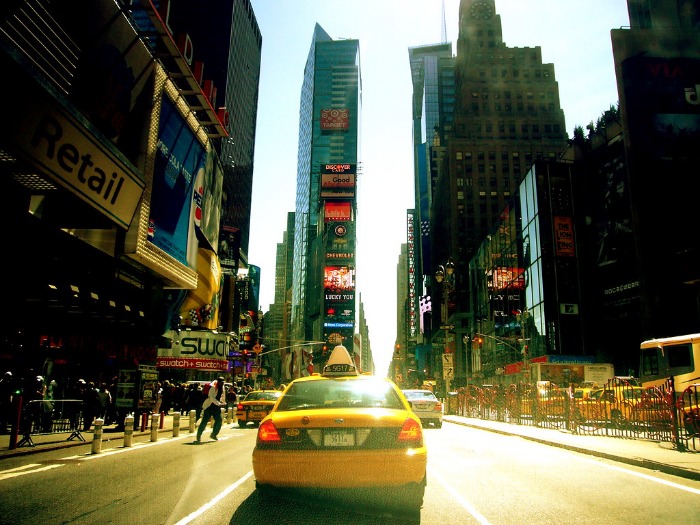

NYC Bus Travel Overview
NYC bus travel offers a vast, affordable network that spans all five boroughs, complementing the subway to keep the city moving from early mornings to late nights. With hundreds of routes, reliable frequent service on major corridors, and options like OMNY tap-to-pay or MetroCard, riders can reach neighborhoods, business districts, parks, and landmarks without a car. Buses provide essential accessibility, real-time updates, and connections to express routes and interchanges, making them a practical choice for everyday commutes and sightseeing across New York City.
System coverage and key routes
New York City bus travel provides essential connectivity across all five boroughs, complementing the subway network and serving neighborhoods that are not directly served by rail. The MTA New York City Bus network operates a dense system of local and limited-stop routes, with express buses serving major corridors to speed trips to work and other activities. Buses run throughout the day and into the night, offering an accessible option for first- and last-mile trips in dense urban areas.
The system covers every borough, with hundreds of routes that connect residential neighborhoods with subway stations, commercial districts, schools, hospitals, and recreational areas. Local routes provide frequent service in busy neighborhoods, while Select Bus Service lines offer faster travel on key corridors using dedicated lanes and off-board fare collection. Night service is available on many routes, ensuring mobility after dark, and most buses are designed to be accessible to riders with disabilities.
Real-time information is available through the MTA Bus Time service and the official app, making it easier to plan trips around bus arrivals, delays, and service changes. Fare options include contactless payments with OMNY and transit passes, with schedules posted at stops and online. Bus service includes both standard local buses and faster express and limited-stop options on high-demand corridors, helping travelers tailor trips to time constraints and destinations.
Key routes in the NYC Bus system typically revolve around major north-south arteries on Manhattan’s East and West Sides, as well as important crosstown corridors and cross-borough links. These routes connect neighborhoods to subway hubs like Times Square, Union Square, and Harlem, and they provide crucial connections to outer-borough destinations in Brooklyn, Queens, and the Bronx. Express and limited-stop services concentrate on longer trips between residential neighborhoods and business districts, offering faster travel during peak hours.
For planning a trip, start with a current route map and live arrivals on the MTA website or mobile app, check for service advisories during weather events, and consider using bus rapid transit options where available for faster trips. With its broad coverage, frequent schedules, and continuing improvements in reliability and accessibility, New York City bus travel remains a practical option for everyday commuting as well as sightseeing and city exploration.
Major bus operators and services
NYC bus travel provides a dense, city-wide network that complements the subway by covering neighborhoods the subway doesn’t reach and serving as vital feeders to transit hubs. Buses operate across all five boroughs, offering frequent service on major corridors and slower residential routes in the outer neighborhoods. Real-time trip planning and fare integration with the subway make buses a practical choice for many riders.
Major operators and services in New York City are led by MTA New York City Transit (NYCT), which runs the majority of local and limited-stop bus routes throughout the five boroughs. In addition, the MTA Bus Company operates a subset of routes that were previously run by private operators, helping unify schedules, branding, and the fare system across the boroughs.
Selective Bus Service (SBS) is the bus rapid transit arm of NYCT, designed to speed trips on high-demand corridors with features such as off-board fare payment, all-door boarding where possible, and dedicated bus lanes or queue jumps in key segments. SBS routes serve major corridors in Manhattan, the Bronx, and Queens and are intended to deliver faster, more reliable trips compared with standard local buses.
Beyond city-run services, commuter and intercity buses connect New York City with the surrounding suburbs and other regions. Port Authority Bus Terminal acts as a central hub for many of these services. NJ Transit operates numerous NYC-bound and NYC-originating commuter buses into Midtown and downtown Manhattan. In addition, the Nassau Inter-County Express (NICE) and Westchester’s Bee-Line provide suburban-to-Manhattan connections, while private carriers such as Greyhound, Megabus, and BoltBus offer intercity routes from NYC to destinations across the Northeast and beyond.
Fares and payment on NYC buses are integrated with the broader transit system. The city has rolled out OMNY, a contactless fare system that supports payment by card or mobile wallet, and many buses still accept the legacy MetroCard where available. Typical ride costs and unlimited ride options are described on the MTA’s official information pages, and riders can choose from pay-per-ride or time-based passes depending on their needs.
Travel planning and real-time information are well-supported by the MTA Bus Time service, 511NYC, and various map and navigation apps. Riders can track buses in real time, plan trips across bus and subway networks, and get alerts about service changes or delays on major corridors and SBS routes.
Accessibility and safety are priorities on NYC buses. All buses used in regular service are designed to be accessible to riders with mobility devices, with wheelchair ramps and priority seating. Stop announcements and audio-visual information help riders navigate, and the fleets include a mix of standard and articulated buses on high-volume routes.
Tips for riders include choosing SBS routes for faster trips on busy corridors, checking live status before departure, using OMNY or MetroCard where available, and planning connections to the subway to minimize transfers. With a broad network, NYC bus travel offers a versatile, cost-effective way to move around the city beyond the subway map.
Fares, passes, and payment methods
New York City bus travel provides extensive coverage across five boroughs, connecting neighborhoods to subway hubs and major destinations. Buses run 24/7 on many routes, with local and select express services, and are a crucial part of the MTA network for first- and last-mile trips.
-
Overview
NYC buses are operated by MTA Bus and NYC Transit. Buses cover nearly every neighborhood and offer frequent service in busy areas, with routes that supplement the subway system. Real-time arrival information is available via apps, MTA Bus Time displays, and digital boards at major stops.
-
Fares
Base fare for a single ride is generally $2.75. Free transfers are available between buses and subways when using OMNY or MetroCard within a set time window. Riders can pay-per-ride or load value onto a MetroCard, and some passes cover both buses and subways. Check the latest fares on the MTA website for any changes.
-
Passes
Unlimited ride passes are available with MetroCard, including 7-day and 30-day options that work on local buses and subways. Reduced-fare programs are available for seniors, people with qualifying disabilities, and enrolled students. Some transit passes enable easier access to multiple modes with a single fare value.
-
Payment methods
Payment on NYC buses is accepted via OMNY, including contactless credit/debit cards and mobile wallets, as well as MetroCard where still accepted. You can tap to pay at the farebox or on a reader at the front door when boarding. For the most current payment options and any ongoing changes, consult the MTA’s official site or OMNY app.
Planning and Navigating NYC Buses
Planning and navigating NYC buses can be easy with a little prep. Start by mapping your route with the MTA trip planner or a transit app, noting the bus number, direction, and stop locations. Check live arrival times, understand express versus local service, and know where to board. Bring or load fare (OMNY or MetroCard) and be prepared to tap when you board. With a bit of patience and the right tools, you can move efficiently around the five boroughs and enjoy a stress-free bus ride.
Finding routes and schedules
Planning a trip by NYC bus can be a smart way to move around all five boroughs, especially when the subway isn’t the quickest option. With careful planning and real-time checks, you can save time and avoid detours in a busy city environment.
In New York City, you’ll encounter different types of bus service. Local buses stop frequently and serve neighborhoods across the boroughs. Express buses carry commuters on longer routes with fewer stops, often charging a higher but faster ride. Select Bus Service, or SBS, operates on limited-stop routes and uses faster boarding and dedicated lanes to speed up trips. Knowing which type you’ll ride helps you pick the best route for your destination.
To find routes and schedules, start with the MTA website at mta.info, which lists every bus route, its general path, and service notes. You can also use mapping apps like Google Maps or the Transit app, which let you enter your starting point and destination, then show you multiple bus options with estimated arrival times. MTA Bus Time provides real-time predictions for many routes, so you can see exactly when the next bus is due to arrive at your stop.
Reading a bus schedule means understanding first and last buses, frequencies, and typical wait times. Schedule pages or stop displays show when a route begins and ends for the day, as well as the peak and off-peak frequencies. Real-time arrival data helps you avoid waiting too long, while notes about detours or weekend service changes tell you when a route won’t follow its usual path.
When planning payment and transfers, know that OMNY and MetroCard are accepted on most buses, with a two-hour window to transfer between buses and subways from your initial tap. Some routes permit card or mobile wallet payments at the curb or on the bus, while others may still accept cash. If you’re using multiple connections, a quick tap or fare purchase in advance can keep your travel smooth and help you avoid delays at the bus stop.
Boarding and riding tips can make a big difference. Have your fare ready before you reach the bus, pay with OMNY or a MetroCard, and listen for the announced route number and destination. Stand back from the curb as the bus approaches, and prepare to signal that you want to alight at your stop. If you miss your desired stop, you can usually tell the driver and they’ll assist with the next stop on request.
During weather events, traffic, or route changes, real-time updates are especially helpful. Check MTA Bus Time or your mapping app for detours, service advisories, and temporary changes. Weekend service adjustments are common in NYC, so it’s a good idea to verify your plan shortly before you depart.
Accessibility and safety are important on NYC buses. Buses provide wheelchair ramps and priority seating, with announcements and displays helping riders with travel plans. Stand clear of the doors when passengers are boarding and exiting, and give priority to people with mobility devices or strollers when you can do so safely.
Here’s a quick start you can use on your next trip: 1) Plan your route using the MTA site or a map app, 2) Check the real-time bus time predictions before heading out, 3) Have your fare ready and be prepared for possible delays or detours, 4) Note any transfer options if you’re connecting to the subway or another bus, and 5) Stay flexible and allow extra time for busy corridors or late-night service.
Understanding fare options and transfers
Exploring NYC by bus is a practical way to reach neighborhoods beyond the subway, see city streets, and avoid traffic when trains are crowded. Knowing how to plan routes, read stop signs, and navigate bus service can make riding the bus quick and comfortable across all five boroughs.
Plan ahead by identifying which routes you’ll use and where to board. Local buses run frequently and have blue or black route signs with numbers like M15 or Bx12; express buses (prefix X) run during peak hours with fewer stops. Signage at stops shows the route, direction, and the next arrival time.
Use real-time tools to time your trip. MTA Bus Time and third‑party apps provide live arrival estimates, detour notices, and best transfer options. Some routes feed into major hubs like Times Square, Grand Central, Barclay Center, or Jamaica Station, where many connections are easy to plan.
Fare options include OMNY, the contactless payment system, and the MetroCard still accepted on most buses. With OMNY you tap the card or phone on the reader when you board, and you’re charged per ride. MetroCard users can also pay per ride, or buy unlimited ride passes that cover local buses and subways (though unlimited passes are issued via MetroCard, not all- OMNY options yet).
Transfers let you continue traveling without paying again within a set time window. When you pay the fare with OMNY or MetroCard, you get a free transfer that is valid for up to two hours to another bus or a subway ride. Keep your transfer or receipt if needed and remember that it applies to transfers within the same transit system and across buses and subways.
Be aware of differences between local and express buses. Local buses stop at every stop and cost the standard fare, while express buses skip many stops and typically require extra fare or a different transfer arrangement. Some routes are part of the Select Bus Service, which uses dedicated lanes, heated shelters, and prepaid SBS fare boxes for faster trips.
Practical tips include boarding at the front of the bus and paying or tapping there, watching for the route sign on the front of the vehicle, and using the bus stop’s map and the sign to verify directions. If accessibility is needed, many buses are equipped with ramps and announcements, and you can request assistance from the driver.
With a little planning and the right payment method, NYC buses can be a reliable way to explore the city, connect to subway lines, and reach neighborhoods where trains don’t go. Check real-time arrivals, know your fare options, and take advantage of free transfers to navigate NYC with confidence.
Real-time information and mobile apps
Planning and navigating NYC buses can be a fast, affordable way to reach almost any neighborhood in New York City. The city operates hundreds of bus routes that run day and night, with select corridors offering frequent service and bus-only lanes in busy areas. Real-time updates and mobile apps make it easier to time your ride and avoid long waits.
To plan a trip, start with your origin and destination and choose a route that fits your timing. Look for routes that have direct service between your two points or that minimize transfers. Check first and last bus times for your chosen route, since late-night and weekend schedules can differ from weekday rush hours. If you’re planning around a subway transfer, pick a bus that connects to a station you’ll reach by train.
Real-time information helps you know exactly when the next bus arrives. MTA Bus Time shows live bus locations and estimated arrival times, and many stops have countdown clocks. You can also use the MyMTA or other transit apps to see live ETAs for several routes at once, along with service alerts for detours or delays.
Mobile apps are a big help. The official MyMTA app provides trip planning, live ETAs, service alerts, and the ability to save frequent routes. Google Maps and Transit App incorporate MTA data and let you plan door-to-door trips across buses and subways, with step-by-step directions and notifications when your bus is approaching. Enable location services and notifications to get the most accurate, up-to-date information.
When boarding, you can pay with OMNY contactless payments, such as a credit or debit card or mobile wallet, or with a MetroCard. Some routes still handle cash on board, but using OMNY or a transit card is faster and easier. Board at the front of the bus and tell the driver your destination if needed on a longer ride. If you require accessible service or assistance, look for low-floor buses with ramps or lifts and use the front doors where available.
Tips for smoother rides: carry exact change when paying by cash; allow extra time during rush hours; if a bus is crowded, consider a nearby alternate stop with a faster route; check for service changes on the MTA site or your app during storms or construction; keep an eye on real-time updates as buses can be rerouted or held for crowds or events.
Common scenarios include taking a local bus for shorter hops, or using Select Bus Service routes that have limited stops and faster travel. For long trips across boroughs, a combination of bus and subway can reduce travel time. If you’re new to NYC, start with buses in one neighborhood to learn the cadence, then expand to cross-borough trips as you gain confidence.
In short, planning with maps and schedules, leveraging real-time data, and using a mobile app for alerts will make NYC bus travel easier, faster, and more reliable—whether you’re commuting, exploring, or visiting the city.
Riding Experience in NYC
Riding the buses of New York City is a practical, observant way to experience the city’s energy up close. From predictable routes to spontaneous moments, NYC bus travel offers affordable access to all five boroughs and a front-row view of daily life on the streets.
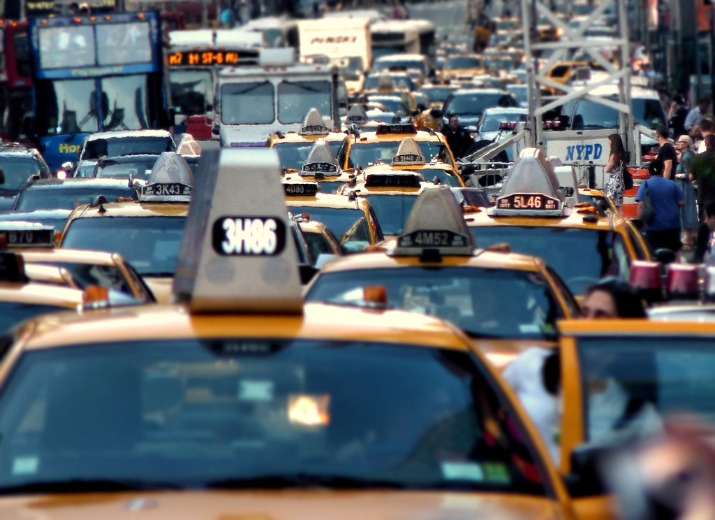
Boarding, payment, and door access
Riding the NYC bus system offers a practical, city-fueled view of daily life as you move between neighborhoods, work, and leisure. From crowded corridors of Manhattan to the quieter streets of the outer boroughs, buses provide a flexible complement to the subway with frequent routes and broad coverage where trains don’t reach.
Boarding is typically at the front door, where riders tap OMNY or swipe a MetroCard to pay before seating. On Select Bus Service routes, off-board fare payment and multiple doors help speed boarding and alighting, so you may enter or exit at front or middle doors depending on the bus.
Payment options center on OMNY, a contactless payment system you can use with a card or smartphone, and the legacy MetroCard for older riders. A single ride covers most local trips; unlimited options are available for a week or a month, making longer stays or frequent travel more cost-effective. Transfers between buses and subways can be available within a time window, depending on the fare type.
Door access and accessibility are built into the fleet. Most buses have a low-floor design with a ramp or lift for wheelchairs, and priority seating near the front. Front doors are the primary boarding point, while rear doors may be used for exiting on many routes. Select Bus Service buses are equipped to handle faster exits and convenient boarding on multiple doors.
Riding experience varies with traffic, weather, and route type. Local buses stop frequently, while SBS lines use dedicated lanes to skip congestion and offer faster service. Buses can be crowded during rush hours, and late-night service may be reduced on some routes, so it helps to check live schedules and plan ahead.
Tips for a smoother ride: plan ahead with a transit app or the MTA schedule, have a valid payment method ready, stand clear of doors as the bus stops, and give priority seating to riders who need it. If you need accessibility assistance, press the stop request strip or tell the driver, and you can request ramp access as needed.
Onboard features and comfort
Riding Experience in NYC offers a practical window into the city’s rhythm, where buses serve as a reliable artery that runs through neighborhoods, business districts, and residential blocks alike.
- Seating and space: newer buses offer low-floor layouts, wider seats, and clearly marked priority seating to help passengers with mobility needs.
- Ride quality: improved suspension on many routes reduces joltiness when crossing potholes and curbs, making longer trips more bearable.
- Climate control: reliable air conditioning in summer and heating in winter keep the cabin comfortable even in extreme weather.
- Onboard information: real-time countdown clocks, route displays, and audible stop announcements help riders anticipate stops.
- Connectivity and charging: some buses provide Wi‑Fi and USB charging ports for devices during the ride.
- Accessibility: dedicated seating, automatic ramps, and kneeling features on eligible buses help riders with mobility devices.
- Cleanliness and safety: regular cleaning schedules and visible safety features like cameras and handrails contribute to a secure feel.
- Noise and interior environment: the engine noise level varies by bus type, with newer electric or hybrid models offering quieter interiors.
- Safety and driver interaction: courteous drivers, clear fare rules, and adherence to traffic signals enhance overall safety, though traffic can still affect travel time.
- Fare and payment: contactless payments through OMNY simplify boarding and allow transfers between buses and subways.
For riders, planning ahead—checking the latest bus times, knowing where the stops are, and having a plan for transfers—can make the experience smoother and more comfortable.
Accessibility features and mobility options
Riding NYC buses puts you in the middle of the city’s rhythm, where street sounds, vendors, and the constant traffic hum along with you. Buses navigate crowded avenues and quieter side streets, making frequent stops to pick up and drop off riders. The riding experience can be lively and occasionally slow compared with the subway, but it offers true door‑to‑door access on many corridors and flexible routes along streets the subway doesn’t serve. Boarding is typically at the front with the driver facilitating entry, and fares are paid with OMNY or MetroCard, or exact change where accepted.
Accessibility features on most MTA buses are designed to be inclusive. Many buses use a low‑floor design and can kneel to reduce the step up when boarding. Ramps or lifts are available for wheelchair users, and there is usually a designated space for mobility devices with securement areas. Priority seating, audio announcements, and visual displays provide information about the route, next stops, and transfers. In addition, signage at stops and tactile cues help riders locate boarding points. Buses often feature front bike racks and multilingual signage to assist a broad range of riders. Real‑time information through MTA Bus Time and other apps helps plan trips, and staff are trained to assist riders who need help boarding or navigating the bus system. Paratransit options such as Access‑A‑Ride provide additional mobility support for riders whose disabilities prevent them from using regular bus service.
Mobility options on NYC’s bus network include Local and Select Bus Service, with the latter offering faster trips on key corridors. Select Bus Service uses features such as off‑board fare payment and improved boarding efficiency to reduce delays, along with dedicated bus lanes and traffic signal priority where available. Buses connect to subway stations and major transit hubs, making it easier to combine bus travel with other modes. The system also supports transfers between buses and subways within policy windows, enabling longer trips across the city. For riders who require extra assistance, Access‑A‑Ride provides paratransit service, and many routes offer clear connections to neighborhood amenities, schools, hospitals, and business districts, widening the reach of bus travel for people with diverse mobility needs.
Tips for a smoother ride include checking real‑time bus information before you go, planning for peak hours when buses can be crowded, and choosing SBS or local routes based on your destination and tolerance for stops. If you rely on accessibility features, arrive a bit earlier to account for potential boarding times, and don’t hesitate to ask the driver for assistance if needed. With an array of accessibility features and a network designed to connect neighborhoods with rapid transit, NYC buses offer a flexible option for exploring the city’s streets and neighborhoods without relying solely on the subway.
Transfers and connections to other transit modes
Riding the NYC bus network offers a ground‑level view of the city and a practical way to move across boroughs, often complementing the subway with routes that reach neighborhoods it misses. Buses run along major corridors, local streets, and waterfront lanes, letting riders see street life up close while staying connected to train stations, ferries, and other transit options.
Riding experience: on a typical weekday, buses can be roomy as they pull into stops, but rush hours bring crowded aisles and slipstream traffic that slows the ride. Most buses today are accessible with low floors and ramps, and you can hear announcements or see displays for the next stop. Fares are paid when you board: tap with OMNY on a contactless card or mobile wallet, or use a MetroCard; Select Bus Service routes offer off‑board payment to speed boarding and reduce waits at signals. Real‑time updates from MTA BusTime help you gauge arrival times and plan connections.
Transfers and connections to other transit modes: a central feature of NYC buses is their role as feeders to the subway and regional rail. You can transfer between buses and subways within a two‑hour window with a single fare, using OMNY or MetroCard. Major hubs like Grand Central Terminal, Penn Station, and Jamaica Center offer easy access to Long Island Rail Road, Metro‑North, and multiple subway lines, while bus routes along the East River provide connections to NYC Ferry terminals and waterfront piers. Many neighborhoods also put you within a short ride of Citi Bike stations, making it easy to switch to bike sharing for the last mile.
Practical tips: check live bus times before you go, use SBS routes for faster trips, and be ready for occasional delays caused by traffic. If you ride with a stroller, wheelchair, or mobility device, look for accessible buses and priority seating. Have a payment method ready, and remember the two‑hour transfer window for easy continuing trips. When possible, plan connections at major hubs to minimize walking and maximize reliability.
In short, riding buses in NYC is a flexible, city‑wide option that shines when you need direct access to neighborhoods, easy transfers to the subway and regional rail, and options that complement other modes of transportation on your route across the five boroughs.
Safety, Etiquette, and Accessibility
Safe, courteous, and accessible bus travel in New York City begins with a shared mindset: watch your step, hold the handrails, and yield to passengers exiting before boarding. Practice good etiquette by keeping aisles clear, speaking at a considerate volume, and offering seats to those who need them. NYC buses emphasize accessibility with low floors, priority seating, and clear announcements to help riders of all abilities navigate the system with confidence.
Safety tips for riding buses
Traveling by bus in New York City can be convenient and efficient when you know the basics of safety, etiquette, and accessibility. This guide covers practical safety tips, courteous behavior, and accessibility considerations for riding NYC buses.
- Safety tips for riding NYC buses
- Stand away from the doors as they open and close; hold onto a handrail when standing and secure loose items.
- Let passengers alight before boarding to keep the doorway clear and reduce crowding.
- Keep aisles clear; place bags and belongings in your seat or on the floor in front of you, not in the walking path.
- Watch your step when boarding or exiting; use the curb and cross at designated crosswalks after the bus stops.
- Be mindful of traffic around the bus and follow driver instructions for safe boarding and alighting.
- Have fare ready and accessible to speed up boarding without pushing or crowding other riders.
- If you need help, signal the driver calmly and wait for a safe moment to request assistance.
- For strollers or mobility devices, use designated areas or fold when necessary to keep the aisle clear.
- Etiquette on NYC buses
- Offer priority seating to seniors, pregnant riders, and people with disabilities when possible.
- Keep voices at a courteous level; use headphones for media and avoid loud conversations.
- Allow passengers to exit before you board; step aside to let others pass through the doorway.
- Carry and dispose of trash responsibly; take responsibility for your belongings and keep the space tidy.
- Avoid blocking the doorway or aisles with bags or seating arrangements.
- Do not bring strong-smelling foods onboard; be mindful of others with sensitivities.
- Accessibility considerations on NYC buses
- Many buses have low floors or ramps; if you need assistance, press the stop bell and wait for the driver to respond at a safe moment.
- Respect priority seating for riders with disabilities or mobility aids; reserve these seats for those who need them.
- Pay attention to audible and visual stop announcements to navigate stops, especially if you rely on non-visual cues.
- Keep the area around mobility devices clear; avoid placing objects in wheelchair spaces or in front of ramps.
- If you rely on accessibility features, plan ahead and allow extra time for boarding and alighting.
Rider etiquette and crowd management
Traveling by bus in New York City offers flexible access to neighborhoods across the five boroughs. To ride safely and respectfully, it helps to understand safety practices, etiquette for riders, accessibility options, and crowd management tips that keep service moving smoothly for everyone.
Safety on NYC buses starts before you even sit down. Stand back from the curb when the bus approaches, pay attention to the gap between the bus and the sidewalk, and let passengers exit before you begin to board. Once aboard, hold onto a rail or pole, keep the aisle clear, and watch your step as you move through the doorway. If you are using a mobility aid, request ramp assistance or kneeling service from the operator and board at the designated area. Keep personal belongings under control and away from the doors to prevent trips and falls, and follow any verbal or visual safety instructions from the driver.
New York City buses are designed to be accessible, with features such as low floors, ramps, and priority seating. Allow space for wheelchairs, walkers, and scooters; keep the path to priority seating clear and offer seats to people who need them most. Heed audible and visual stop announcements if you have a hearing or sight difference, and let the operator know if you have accessibility needs. Service animals are welcome; other pets should be kept in a carrier and out of the aisles unless explicitly allowed by policy.
Rider etiquette includes letting people exit before you board, moving to the back of the bus when space allows, and offering your seat to seniors, pregnant riders, and people with disabilities. Keep conversations at a reasonable volume and avoid playing loud music or videos without headphones. Keep your bags and belongings out of the aisle, and refrain from eating or drinking where prohibited. If you are with a group, coordinate boarding so you do not block doorways and hinder others. Use headphones when listening to audio content on public devices.
During peak hours, crowding can slow service. Practice patience, queue in a single file at stops, and board in an orderly fashion from the front door unless the operator directs otherwise. Allow passengers to alight first, then enter to minimize delays. If the bus is crowded, stand near the center poles and keep the front and rear seating areas accessible for those who need them. Exit through the designated doors to help maintain flow, and avoid pushing or rushing others. At transfers or busy corridors, follow posted signs and staff directions to keep crowds moving safely.
Plan ahead with real-time updates from the MTA, check service advisories, and consider traveling slightly outside rush hours when possible. Keep an eye on your belongings, especially at large stops, and report safety concerns to the driver or transit staff. By combining safety, courtesy, and accessibility, riders can contribute to a smoother, more inclusive bus experience across New York City.
Accessibility considerations and assistance
Traveling by bus in New York City offers a flexible, affordable way to navigate the five boroughs, from Harlem to the outer reaches of Queens. This guide focuses on Safety, Etiquette, and Accessibility, with accessibility considerations and language assistance in English to help riders of all backgrounds travel more smoothly.
Safety on NYC buses begins at the curb and continues on board. Stand behind the curbside safety line while waiting, board only when the doors are fully open, and hold onto rails as the bus moves. Pay your fare using OMNY or a valid ticket, and keep bags and belongings away from aisles and doors to avoid tripping hazards. If you use a mobility device, inform the driver before boarding and follow their instructions for safe ramp deployment and securement. During travel, stay seated or hold the handrails, and be mindful of other passengers when standing to exit at your stop.
Riders with mobility challenges can generally ride most local NYC buses, which are equipped with ramps or lifts and kneeling capabilities on many models. If you require boarding assistance, let the driver know in advance and follow their direction to the designated area. Remember to yield priority seating to people who need it most, and avoid blocking wheelchair spaces or audio-visual equipment. For longer trips or areas with limited access, you can use Access-A-Ride services.
Etiquette on NYC buses helps the experience stay safe and comfortable for everyone. Let passengers deboard before you board, and keep aisles clear so others can move safely. Speak in a courteous tone, keep calls and loud music to a minimum, and avoid placing bags or coats on seats meant for people with disabilities or elderly riders. Use the ride or transit app discreetly, and thank the driver when appropriate; following posted rules at all times shows respect for fellow riders and staff.
Accessibility features on NYC buses include audible and visible stop announcements, wheelchair ramps, kneeling buses, and priority seating. Signs and information are designed to be accessible to riders with vision or hearing differences, and crews receive ongoing training to assist passengers with various needs. If you have a temporary or permanent accessibility requirement, talk to the driver or a station staff member about the best way to travel and to arrange assistance if needed.
Language accessibility is an important part of NYC transit service. Multilingual signage and printed materials help riders who speak languages other than English, and staff or interpreters can assist with questions in several languages. If you need help in a language other than English or require communication support, ask the driver, contact MTA Customer Service, or use language-access resources available on the MTA website. For riders with hearing or vision impairments, there are visual announcements and other accommodations; some measures include TTY access and assistive technologies.
Planning ahead can make bus travel smoother. Use route maps and real-time tracking apps, and consider OMNY for contactless payments. If you have mobility needs or require specialized assistance, explore Access-A-Ride options and request accommodations in advance. By combining safety practices, good etiquette, and accessible services, traveling NYC by bus can be comfortable for riders of all abilities.
Neighborhood Focus: Routes by Borough
Neighborhood Focus: Routes by Borough examines New York City’s bus travel, spotlighting how routes serve each borough and connect neighborhoods across the five boroughs. From Manhattan’s busy avenues to the diverse lanes of Brooklyn, Queens, the Bronx, and Staten Island, the series offers practical tips on schedules, transfers, and planning efficient trips through NYC’s bus network.
Manhattan cross-town and north-south routes
Neighborhood Focus: Routes by Borough — Manhattan cross-town and north-south routes explore how bus travel stitches together the city’s most vibrant neighborhoods. In Manhattan, buses provide essential east-to-west links across the island and long north-south journeys along the great avenues, opening access to work, culture, and daily life.
Cross-town routes are the backbone of Manhattan’s east-west connectivity, carrying riders between the West and East Sides. These routes typically traverse major streets that run across the grid—such as 14th, 23rd, 34th, 42nd, and 57th Streets—pulling together neighborhoods from Morningside Heights and Harlem down through Chelsea, the Flatiron District, Midtown, and the Upper East and West Sides. Expect frequent stops near schools, parks, and commercial strips, with some segments offering limited-stop or express service during peak hours.
North-south routes travel along the island’s long avenues, stitching together neighborhoods from the far north to the Financial District. Buses along corridors like Broadway, Amsterdam and Columbus avenues in the West Side and Lexington, Third, and Fifth Avenues on the East Side keep residents connected to work centers, cultural institutions, and transit hubs. These routes often run with robust daytime service and extend into evenings, making it practical to reach neighborhoods such as Harlem, Midtown, the Village, and Battery Park City without transfers.
Neighborhood highlights in Manhattan show how routes shape local life. In Harlem and Washington Heights, north-south buses link historic streets to metro hubs, while Chelsea, the Flatiron District, and Midtown benefit from cross-town corridors that connect museums, offices, and restaurants. The Upper East and West Sides offer frequent north-south buses along major avenues, and the Lower Manhattan waterfront and Financial District are connected to the rest of the borough via thoughtful network design that includes both local and limited-stop services.
Tips for riders: consult the bus map and real-time information to choose the fastest option, decide between local and express or limited-stop services, and plan transfers to the subway when completing longer trips. Pay with OMNY or the MetroCard, have patience during peak hours, and consider off-peak trips to avoid crowding. Buses often provide a more scenic way to see neighborhoods and offer better access to curbside stops than subways in some areas.
Whether you’re commuting, sightseeing, or running errands, Manhattan’s cross-town and north-south bus routes help you move through the borough with flexibility. By focusing on neighborhood connectivity, riders can tailor trips to local amenities, reduce transfer headaches, and enjoy a slower, more intimate view of New York City’s urban tapestry.
Brooklyn and Queens corridor highlights
A Neighborhood Focus on Routes by Borough explores the Brooklyn and Queens bus corridors that stitch together communities, commerce, and daily life across New York City, highlighting how bus travel keeps neighborhoods connected even as the city grows busier.
In Brooklyn, the Flatbush Avenue corridor links Prospect Park and the heart of Flatbush with Downtown Brooklyn and beyond. Riders travel through tree-lined blocks into bustling commercial stretches, with frequent stops that serve schools, libraries, and local markets, and easy connections to subway hubs for longer trips across the city.
The Atlantic Avenue corridor threads through a mix of residential and cultural areas, passing Fort Greene, Boerum Hill, and parts of Downtown Brooklyn before feeding into broader transit options that reach into Manhattan. This route sustains late-night and weekend mobility, supporting residents who work, study, or enjoy the neighborhood amenities along the way.
Queens centers around the Queens Boulevard corridor, a vital artery for Elmhurst, Forest Hills, Rego Park, and Jackson Heights. Buses here connect dense apartment blocks with shopping corridors, parks, schools, and quick access to subway lines, making it a dependable option for daily commutes and weekend explorations.
The Roosevelt Avenue corridor serves Corona, Elmhurst, and Jackson Heights as a busy east–west link that complements the subway network. The corridor carries a steady cadence through densely populated blocks, linking communities to parks, eateries, and cultural destinations while offering reliable transfers to trains for longer journeys.
Broadway in Queens provides another cross-neighborhood spine, running from Astoria through Rego Park toward Flushing. This corridor supports a diverse mix of residents and businesses, with straightforward connections to multiple subway lines and local amenities, making it a practical route for both work trips and weekend outings.
These corridors are more than bus lines; they are essential neighborhood lifelines that bring reliable service, predictable schedules, and frequent connections to subways, allowing Brooklyn and Queens riders to navigate the city affordably and efficiently.
Practical tips for riders: consult the MTA schedule and real-time updates, plan transfers at major hubs like Downtown Brooklyn and Jackson Heights–Roosevelt Avenue, and consider off-peak travel to ease crowds while still maintaining good frequency. With thoughtful planning, Brooklyn and Queens bus corridors offer convenient access to neighborhoods, parks, schools, and employment across NYC.
Bronx routes and riverfront connections
Neighborhood Focus: Routes by Borough — Bronx routes and riverfront connections highlight how bus travel threads together the borough’s neighborhoods with the East and Harlem Rivers’ waterfront. From the heart of the South Bronx to northern riverfront districts, Bronx buses provide essential access to parks, promenades, and piers, and they often serve as a gateway to other transit modes for riverfront exploration.
- Riverfront corridors and neighborhoods: South Bronx areas such as Hunts Point, Mott Haven, and Port Morris connect riders to riverfront parks like Hunts Point Riverside Park, Barretto Point Park, and Soundview Park, with stops along commercial corridors and near schools and community centers.
- Access to waterfront parks and trails: Bus routes reach East River and Harlem River waterfronts, delivering riders to promenades, bike paths, and waterfront recreation areas that link to larger park systems and crossings to adjacent boroughs.
- Northern riverfront gateways: Riverdale and Kingsbridge offer river views and park spaces that buses serve, providing connections to riverfront paths and to other transit lines for broader travel across the city.
- Transfers and interchanges: Bronx bus riders often connect to subway lines and regional rail at major hubs, enabling efficient trips from neighborhoods to riverfront destinations and beyond.
- Weekend and events planning: Waterfront venues can influence bus patterns with detours or altered frequencies during festivals, markets, or concerts, so plan ahead and allow extra travel time for riverfront outings.
- Travel planning tips: Use local bus lines to reach waterfront parks, check live arrival data for nearby stops, and consider combining bus rides with a ferry or rail connection when exploring extended riverfront routes.
Cost Efficiency and Time Management
Cost efficiency and smart time management go hand in hand when navigating New York City by bus, where affordable fares and frequent routes help you stretch your budget while keeping your daily schedule on track in a fast-paced metropolis.
Choosing passes and fare-capping
In New York City, buses offer affordable travel across all five boroughs, and smart cost planning paired with good time management can make every ride smoother. By understanding fare options, how transfers work, and where to optimize your schedule, you can reduce costs while keeping your daily commute or adventures efficient.
Know your fare options and how fare-capping works. The city’s bus system uses a pay-per-ride model with contactless payment options and offers unlimited ride passes for those who ride frequently. With OMNY, you can pay as you go and still benefit from a 2-hour transfer window, which lets you switch between buses and/or subways without paying a new fare right away. Digital wallets and the OMNY system can also apply daily or weekly caps, so after a certain number of rides in a 24-hour or 7-day period, additional rides won’t add extra charges. Prices can change, so verify current rates before you travel.
Choose passes based on your routine. If you’re a daily commuter with multiple trips, a weekly or monthly unlimited pass can be more cost-effective than paying per ride. If your travel is mixed—some days heavy and others light—pay-per-ride with careful use of transfers might suit you better. For occasional riders, pay-per-ride is usually simplest and avoids paying for unused days. When considering passes, also factor in which routes you use most often and whether your routine fits within the transfer rules and caps offered by OMNY and MetroCard.
Fare-capping is a powerful tool for cost control. With OMNY, you’re not charged after reaching the cap for a given period, so your total for the day or week won’t balloon with extra rides. This is especially helpful if you encounter delays or need to hop on multiple buses to reach a destination. Track your spend using the OMNY app or the digital wallet you’ve linked, so you know when you’ve hit the cap and can plan future trips accordingly.
Time management on NYC buses combines planning and flexibility. Real-time arrival estimates, reliable bus lanes, and predictable traffic patterns influence how long a ride will take. Start by checking live bus time data for the routes you use most, and consider alternatives if a particular bus is frequently delayed. When possible, align trips with less congested times and route options that run along dedicated lanes or corridors with higher on-time performance. A little planning can save you both time and money over repeated trips.
Use transfers strategically to save both time and fare. The two-hour transfer window means you can chain trips on the same payment method without paying a second fare, which is ideal for routes that don’t neatly connect or for morning and evening commutes with multiple legs. Build itineraries that maximize transfers within the window, and avoid paying for unnecessary rides by structuring trips that stay within the cap and keep you moving efficiently.
Practical steps to optimize cost and time on NYC buses: 1) Decide whether a pass or pay-per-ride fits your pattern; 2) Use OMNY or a MetroCard with an understanding of your transfer options and caps; 3) Monitor real-time bus arrivals and plan backups in case of detours or delays; 4) Favor routes with frequent service and, when possible, bus lanes to improve reliability; 5) Keep a backup payment method in case of card issues or digital wallet hiccups; 6) Review your spend periodically to ensure you’re within caps and not overspending on unnecessary rides.
With thoughtful choices about passes, transfers, and daily planning, NYC bus travel can be both cost-efficient and time-conscious. By understanding fare-capping and aligning your trips with reliable routes, you’ll maximize value while keeping your schedule in check across the city’s vast bus network.
Strategies to avoid delays and crowded buses
Cost efficiency and time management are essential when navigating New York City’s bus network. With hundreds of routes and frequent service changes, smart planning can save you money and shave minutes from your commute. This article focuses on practical strategies for bus travel in NYC, emphasizing how to avoid delays and crowded buses while keeping costs under control.
Cost efficiency starts with understanding your travel pattern. If you ride the bus regularly, an unlimited-ride option can be more economical than paying per trip. Check the MTA’s current fare programs for 7-day or monthly unlimited passes and compare them to your typical weekly usage. For irregular trips, pay-per-ride with a contactless method like OMNY can still be cost-effective and gives you flexibility. Prepaying before boarding speeds the process and can reduce your chance of being delayed by ticket lines.
Plan smart routes to minimize the number of paid rides you take and to reduce transfers. In NYC, express services (XM) and Select Bus Service (SBS) routes offer faster trips with fewer stops or dedicated lanes, though fares remain the same. Whenever possible, choose routes that consolidate trips into a single ride or use a line that provides bus priority along congested corridors.
Time management starts with real-time information. Use MTA Bus Time, Google Maps, Citymapper, or other trip planners to see live arrivals, current service alerts, and bus bunching patterns. Look for routes with reliable headways during your travel window and be prepared to swap to an alternate route if buses are delayed. Scheduling some buffer time is a practical hedge against unpredictable traffic.
Boarding faster reduces delays and crowded buses. If your route supports it, prepay using OMNY or a MetroCard before you reach the bus, and aim to board through the appropriate doors so you don’t stall at the farebox. For SBS routes, be mindful of lanes and signals where the bus has priority; staying near stops with frequent service can also help you catch the next bus quickly in case of a delay.
Avoid crowds by timing and routing choices. Travel during off-peak hours when possible, or select routes that have higher frequency and less crowding. If you must ride during peak periods, consider alternate corridors that run parallel with better bus priority or less congestion. Splitting trips across multiple lines can sometimes keep you moving faster and with fewer crowds than squeezing onto a single busy bus.
Prepare for disruptions and have backups. Weather, traffic, or construction can throw a wrench into even the best plan. Save a couple of alternative routes on your phone, follow service alerts, and give yourself extra travel time on days with known congestion. Carry a backup payment option and a small amount of cash for unexpected transfers or fare changes.
Conclusion: Efficient NYC bus travel blends cost awareness with smart timing. By choosing the right routes, using real-time data, prepaying when possible, and traveling off-peak when you can, you can reduce both costs and delays while riding more comfortably on crowded city streets.
Future Developments in NYC Bus Travel
Future developments in NYC bus travel are likely to focus on faster, more reliable service through expanded bus lanes and signal priority, the rollout of all-electric and low-emission fleets, and smarter fleet management with real-time data and predictive maintenance. Riders can expect improved accessibility, modernized boarding, contactless fare systems, and better connections to subways and neighborhoods, forming a more efficient, resilient, and sustainable transit network for New York City’s dense urban landscape.
Bus Rapid Transit and dedicated lanes
New York City’s bus travel landscape is poised for a major upgrade as planners push for faster trips, more reliable service, and smarter infrastructure across the five boroughs. The focus is on making bus routes competitive with car travel while improving access for riders who depend on transit every day.
Bus Rapid Transit in NYC envisions corridors that function with dedicated lanes, traffic signal priority, and streamlined boarding. Key elements include off-board fare collection, all-door boarding on select routes, enhanced curbside stops, and predictable service that minimizes delays caused by mixed traffic. When implemented well, BRT-like corridors can offer travel-time savings comparable to light rail or subway improvements, but with more flexible deployment and lower capital costs.
Dedicated lanes are at the heart of future improvements, with the potential to appear on busy urban corridors in Manhattan, Brooklyn, Queens, and the Bronx. These lanes aim to shield buses from cutting through congested lanes, reduce idling, and shorten waiting times. The goal is to create continuous, clearly marked routes where buses can move even during peak traffic, while still accommodating pedestrian safety and essential curb uses.
Beyond lanes, ongoing design work includes queue jumps at intersections, bus bulbs that shorten walking distances to stops, and synchronized traffic signals that prioritize buses without compromising overall traffic flow. Real-time signage and predictive hold/wait controls could help buses maintain steady speeds, while integration with subway and commuter rail networks would improve transfers and overall trip reliability.
Technology and data will play a major role in future bus travel. Real-time arrival information, mobile apps for trip planning, and centralized fleet management can optimize schedules, monitor performance, and adjust service in near real time. Electrification is also advancing, with more battery-electric buses, more charging infrastructure, and energy-management systems to reduce emissions and operating costs across the fleet.
Funding and governance are essential pillars for these developments. Federal funding programs, state support, and local capital plans will align to finance lane upgrades, station improvements, and fleet modernization. Public participation and equity considerations will shape which neighborhoods see the first waves of improvements, ensuring access to jobs, education, and essential services for underserved communities.
For riders, the result should be a bus system that is faster, more predictable, and easier to use. Shorter travel times, better transfer options, and more consistent service could make buses a more appealing option for a broader range of trips, from daily commutes to last-mile connections in the city that never sleeps.
Technology upgrades and rider experience
Future Developments in NYC Bus Travel are poised to transform how millions move around the city, blending new technology with a more rider-centric service design. The aim is faster trips, better reliability, and a smoother experience that complements subway and commuter rail networks, while expanding access across all five boroughs.
Technology upgrades will be the catalyst for these changes. NYC’s bus fleet is increasingly electrified or fueled by clean alternatives, reducing emissions and noise. Onboard systems monitor performance in real time, enabling predictive maintenance that minimizes breakdowns. Charging infrastructure—both depot fast charging and occasional opportunity charging at busy termini—keeps buses on the road longer, and data from fleet sensors feeds scheduling and reliability models. Real-time tracking is integrated with rider apps so passengers see exact ETAs and service status, while dynamic signal priority helps buses slice through congestion where it matters most.
Rider experience is at the center of planning. Buses will offer improved accessibility: low-floor designs, accessible seating, kneeling capability, and priority seating for accessibility. Onboard amenities will include free or affordable Wi‑Fi, USB charging ports, climate control, and quiet cabins. Audio-visual wayfinding and multilingual announcements help riders stay informed, while intuitive apps deliver trip planning, live occupancy data, and step-by-step boarding guidance. Comfortable interiors and thoughtful design reduce travel stress, especially for seniors and people with mobility needs.
Service reliability hinges on smarter operations. AI-powered planning uses real-time data to adjust routes and frequencies, while bus lanes and signal priority reduce delays on crowded corridors. Route optimization will balance urban coverage with peak-hour demand, and on-board sensors will track occupancy to avoid overcrowding. Maintenance planning and remote diagnostics reduce downtime, keeping more buses in service during peak periods.
Safety and security will be enhanced through contactless payments and secure ticketing, integrated with mobile wallets. Cameras, live monitoring, and improved lighting contribute to safer operations and bus stops. Privacy protections will govern data collection, with clear rules on what data is used for service improvements and how riders can opt out of nonessential data sharing.
Data sharing and partnerships will open new opportunities. Open data portals will let researchers, developers, and community groups analyze bus performance and rider needs. Pilot programs in underserved neighborhoods test dedicated bus lanes, neighborhood circulator routes, and last-mile connections to subway stations. A digital twin of bus networks may be used to simulate changes before implementing them in the real world, ensuring improvements work for riders across diverse areas.
Equity remains a central consideration. Projects prioritize underserved communities, ensuring reliable service with affordable fares, accessible information, and language support. During major upgrades, detours and disruptions are managed with clear communication and alternative options to minimize impact on riders who rely on buses for daily travel.
As NYC edges toward a more connected, sustainable, and rider-friendly bus network, passengers can expect shorter wait times, clearer information, and a more comfortable ride. The combination of electrification, smart operations, and enhanced rider services will make bus travel a more attractive option for commuting, errands, and touring the city, while continuing to support a resilient and inclusive urban transportation system.