
Night Bus Travel: An Overview
Night bus travel has long been a practical option for budget-conscious travelers and city commuters alike. It blends cost savings with the chance to maximize daytime activities by riding overnight, often connecting distant destinations while reducing daytime transit time. This overview surveys why travelers choose night buses, what to expect in terms of comfort and safety, and tips for making a smooth overnight journey.
What defines a night bus journey
Night bus travel is a mode of transport that operates mainly during the late evening and overnight hours, connecting cities, towns, and neighborhoods when daytime services have ended.
A night bus journey is defined by its time window (roughly after dusk until before dawn), its focus on longer hops or cross-city routes, and its typically reduced number of stops compared with daytime services.
In practice, night buses often route to minimize travel time by skipping nonessential stops, align schedules with late arrivals and connections, and serve hubs such as airports, train stations, or major intercity points.
Amenities and comfort on night buses vary widely. Many services offer comfortable seating with extra legroom, dim cabin lighting to aid sleep, and on some lines reclining seats or sleeper-like configurations. Some routes provide basic onboard facilities, charging ports, and refreshment options, while others emphasize a straightforward transit experience.
Booking and tickets are commonly handled differently from daytime services. For longer overnight journeys, advance reservations are often required or strongly recommended, with fares sometimes higher than daytime equivalents. In contrast, city night routes may permit on-the-spot purchases or flexible, walk-up tickets.
Travelers choose night buses for reasons such as preserving daytime hours for activities, reducing accommodation costs, and arriving at a destination early in the morning with time to begin the day, or to align with specific connections and schedules.
Challenges of night bus travel include less cushion for comfort and sleep, variable ride quality, potential noise, and reliability concerns. Safety considerations, fatigue, and navigating late-night arrivals also factor into planning and experience.
Practical tips for night bus riders include selecting seats away from the engine and near exits if possible, bringing eye masks and earplugs to improve sleep, keeping valuables secure, having a light blanket or jacket, and planning ahead for last-mile transport upon arrival.
To plan a night bus trip effectively, check timetables and cancellation policies, confirm pickup points and last-mile transit options, consider luggage allowances, and read reviews about ride comfort and reliability on the specific route you intend to take.
Overall, night bus travel offers a practical, sometimes economical alternative for long-distance journeys, balancing the trade-offs between sleep, comfort, and efficient routing across late-night hours.
Reasons travelers choose overnight routes
Night Bus Travel: An Overview. Night buses provide a practical way to cover long distances while aligning travel with rest and cost efficiency. These journeys typically depart in the evening and arrive at dawn, allowing passengers to maximize daytime time at their destination or on arrival.
Why travelers choose overnight routes is influenced by time, money, and convenience. The following reasons are commonly cited by those who opt for night bus travel:
- Time efficiency: travel overnight to arrive at a destination early in the morning, freeing daytime hours.
- Cost savings: lower fares on many routes and no hotel costs for a night.
- Direct routes and fewer transfers: some overnight buses go directly between major hubs, reducing connection hassles.
- Comfort and sleep options: reclining seats, blankets, and onboard rest policies vary by operator, so travelers often seek routes with adequate seating and amenities.
- Safety and reliability: choosing reputable operators and well-lit stops can improve a night journey’s sense of security.
- Schedule flexibility: overnight options fit people who need to travel while keeping daytime commitments.
- Environmental and logistical benefits: consolidating travel into a single overnight trip can reduce overall energy use and simplify logistics.
Tips for a smooth night journey include selecting a reputable operator, checking seat type and legroom, bringing neck support and a light blanket, dressing in layers, securing valuables, and planning for the arrival time to match your plans at the destination.
Planning Your Night Bus Trip
Planning your night bus trip helps you navigate late hours with confidence, balancing cost, safety, and comfort. Start by checking late-night routes and schedules, mapping transfers, and estimating travel time so you’re not surprised by gaps in service. Pack essentials, stay aware of your surroundings, and pick well-lit stops and a comfortable seat to ride through the night.
Selecting routes and schedules
Planning your night bus trip can save time and reduce stress when city streets are quieter. With limited overnight options, careful route selection and schedule checks help you reach your destination safely and on time.
Start by defining your goal: where you are coming from, where you want to go, and what time you need to arrive. Note the latest acceptable arrival and the earliest you can leave, then work backward to identify viable options.
Night bus service varies widely by city. Some routes run all night, others only on weekends or during late hours. Check official timetables for the day you plan to travel and note any reduced service on holidays or special events.
Identify candidate routes. Find which night routes serve your origin and destination, and list their numbers, major stops, and typical travel times. Compare how direct each option is and what walking you might need to do to reach the stops.
Check schedules and frequencies. Look for first and last buses, typical frequency during your window, and any changes for weekends or holidays. If several options exist, map a preferred path with backup timing in case a bus is late.
Consider walking distances and stop locations. Night routes may require longer walks to quieter or less crowded stops. Choose routes that use well-lit, populated stops and major hubs when possible to improve safety and reliability.
Plan transfers carefully. If your trip requires a transfer, verify transfer times, stop locations, and whether you need to re-tap a fare or switch payment methods. Allow extra time for connections in case a bus runs late.
Use planning tools. Official transit websites, route planners, and map apps can show real-time updates, delays, and platform changes. Save the timetable to your phone and note any service advisories that might affect night operations.
Ticketing and payment. Check if you can use contactless payment or mobile wallets at night, and whether any night fares apply. Some cities offer night-specific passes or reduced fares for late travel, so verify options before boarding.
Safety and comfort at night. If possible, travel with a companion, sit in well-lit areas, and stay near other passengers or staff when boarding. Keep valuables secured, reduce distractions, and plan a mental route to your arrival point so you’re not searching for directions in unfamiliar areas after dark.
What to bring. A charged phone with emergency contacts, a portable charger, a lightweight jacket for cooler late hours, water, some cash for a backup fare, and a small bag that keeps your belongings close to you during the ride.
Contingency planning. If your bus is delayed or canceled, know nearby alternative routes, nearby stops, or rideshare options as a last resort. Having a backup plan reduces stress if the night schedule changes or limited services occur.
Checklist example. Before departure, confirm the route and times, verify the last bus, check safety at your stops, ensure you have valid payment, and confirm your expected arrival window. A quick rehearsal of your route can make a night trip smooth and predictable.
Booking tickets and seating options
What to pack for overnight comfort
Planning Your Night Bus Trip means more than choosing a route. To arrive rested, you need to align travel times with your sleep needs, understand the bus’s layout, and assemble a compact kit that makes the journey feel shorter. Start by checking the timetable for overnight departures, choosing a ride with reasonable travel time and predictable delays. Consider the type of bus, whether there are USB charging ports, free WiFi, or a quiet carriage, and how easily you can access restrooms during a long stretch.
Know what to expect once the doors close. Night buses vary widely in comfort, from simple foldaway seats to reclining captains chairs. Some routes offer dimmed lighting, others keep the cabin steady with a soft hum. If you want to sleep, look for options with lower noise, a window seat for a bit of privacy, and a smoother ride path away from the engine. Pack a small kit with sleep aids, but keep it discreet and within carry-on limits.
Seat selection and in-bus comfort: when possible choose a window or aisle based on your sleep plan. Window seats offer a wall for leaning and minimal disturbances from other passengers, while aisles give easier access to the lavatory. Bring a neck pillow, a lightweight blanket or shawl, and a compact travel blanket if you prefer extra warmth. Earplugs or noise canceling earbuds can help dampen engine and road noise.
What to pack for overnight comfort: a travel pillow, a compact blanket, an eye mask, and earplugs top the list. A light hoodie or cardigan can be layered for warmth without bulk. Consider a small, insulated bottle or a collapsible cup for staying hydrated. Pack a small pouch with essential items like tissues, lip balm, and hand sanitizer for quick access without disturbing other passengers.
Clothing and layering: dress in loose, breathable fabrics and layer up. Overnight temperatures inside buses can swing, so bring a warm layer you can add or remove. Comfy socks, slip-on shoes, and moisture-wicking underwear improve comfort on long rides. If you tend to feel chilly, a compact scarf or pashmina can act as a blanket substitute. Avoid heavy outfits that make you hot or restrict movement.
Personal care and hygiene: a travel-sized toothbrush and toothpaste, deodorant, wet wipes, and hand sanitizer help you feel fresh at the start and end of the trip. Pack a small plastic bag for used tissues or wrappers. If the bus stop is cold, a small deodorant keeps you feeling confident between nap breaks. Keep your hygiene kit in an accessible outer pocket.
Snacks and hydration: bring water in a collapsible bottle or a reusable bottle that you can refill easily at rest stops. Pack light, non-smelly snacks like nuts, granola bars, fruit, or pretzels to avoid strong odors in the cabin. Avoid heavy meals that can cause discomfort on bumpy roads. If you have dietary restrictions, bring a few substitutes in a compact container.
Electronics and entertainment: have a fully charged phone and a power bank; bring charging cables and adapters if needed. Download offline entertainment in advance, such as music, podcasts, or e-books, in case WiFi is slow or unavailable. A compact e-reader or a tablet can be easier on the eyes than a bright phone screen in the dark. Consider a small notepad and pen for jotting down thoughts or travel notes.
Security and organization: keep valuables close to you in a small crossbody or zipped pouch you can wear under a jacket. Use a packing cube to keep items organized and reduce rummaging. Don’t leave passports, tickets, or large amounts of cash in easily accessible pockets. If the bus allows, place a lightweight lock on checked luggage if available and secure your belongings during stops.
Arrival planning: map your onward journey in advance and know the nearest stops or stations at your destination. Schedule a buffer for delays and ride-share pickups or public transit connections. If you arrive late, have a plan for getting to your accommodation or meeting point safely, and keep a charged phone to coordinate last-minute changes. By planning ahead, a night bus can be a restful, affordable part of your trip.
Onboard Experience
Night bus travel reshapes the onboard experience as city lights slip by the windows, seating grows cozier, and the cabin settles into a calm rhythm. Subtle announcements, steady schedules, friendly staff, and the soft hum of the engine turn darkness into a traveling cocoon where passengers rest, type, chat, or plan their next stop—together moving through the night.
Seating, legroom, and sleeping arrangements
Traveling by night bus blends long-distance transport with the chance to sleep, but comfort hinges on the bus type and operator. Here is a concise guide to the onboard experience, seating, legroom, and sleeping arrangements you may encounter on a night journey.
- Onboard environment: noise levels, lighting, climate control, and announcements shape your rest. Some buses offer dimmable lights, quiet zones, or sleeping zones; others are standard coaches with softer interiors designed for reduced disturbance.
- Seating options: many night buses use a two-aisle layout with forward- or backward-facing seats; some coaches provide semi-reclining or fully reclining seats, and a few offer dedicated sleeper seats or bunks on longer routes.
- Legroom and space: legroom varies widely; look for seat pitch (the distance from knee to the seat in front). Wider seats and extra legroom improve comfort, while aisle seats offer easier access but less personal space.
- Sleeping arrangements: sleeper seats or bunks may include privacy curtains, fold-out pillows, and blankets; some buses convert seats into flat beds or offer diagonal reclining options. Expect limited headroom and space, so bring comfortable clothing and a neck pillow.
- Personal amenities: power outlets, USB charging ports, and even Wi‑Fi can help you stay connected or charge devices; storage pockets and under-seat spaces keep essentials close, and some services include complimentary water or headphones.
- Practical tips: choose seats toward the middle of the bus to minimize motion effects, bring earplugs and an eye mask, dress in layers, plan for rest stops, and store valuables securely while sleeping.
Lighting, climate control, and noise management
Night bus travel can be surprisingly comfortable when the onboard experience is designed for rest and efficiency. From seating and space to lighting, climate control, and noise management, the right setup helps passengers arrive refreshed rather than exhausted.
Onboard experience focuses on ergonomic seating, adjustable headrests, and ample recline to support restful hours on the road. Thoughtful storage for personal items, accessible charging points, and reliable Wi-Fi or entertainment options reduce travel stress. Clear information about stops, routes, and expected layovers adds reassurance, while courteous service and well-maintained interiors create a calm atmosphere for late-night journeys.
Lighting should guide the passenger journey without disturbing sleep. Warm, dimmable ambient lighting helps create a relaxing mood, with individual reading lamps for those who want to work or read. Avoid bright overhead glare and consider low-intensity, red-toned lighting later in the trip to support circadian rhythms, with smart controls that adjust as the bus moves through the night.
Climate control is essential for comfort on a nocturnal ride. Zone-based temperature settings or personal vents allow passengers to fine-tune airflow and heat. Quiet heating and cooling systems, breathable fabrics, and accessible blankets or pillows help maintain a stable, comfortable environment. Humidity management prevents stuffiness, while smooth climate transitions minimize disruption during speed changes or stops.
Noise management plays a crucial role in restful travel. Effective sound insulation, well-designed suspension, and engine isolation reduce road and mechanical noise. Quiet zones, minimal and clear announcements, and soft interior acoustics contribute to a peaceful cabin. Passengers can supplement comfort with earplugs, sleep masks, or white-noise apps if allowed, while operators strive to balance safety announcements with a low-noise environment.
To maximize night bus comfort, choose a seat away from the engine and doors, dress in layers, and bring a light travel pillow and blanket. Simple adjustments to lighting, climate, and personal comfort can transform a long nocturnal trip into a refreshing part of the journey.
Food, water, and personal care on the move
Traveling by night bus changes the way you experience a journey. As the city lights fade, you enter a dim, steady rhythm of movement and engine hum, with the promise of arriving refreshed at dawn rather than stuck in a transit hub all day. Onboard experiences vary by operator, but good night buses aim to blend comfort, safety, and a touch of rest for travelers crossing long distances after sunset.
Comfort starts with seating. Modern night buses offer seats that recline, with legroom enough for a relaxed sleeping posture and adjustable headrests. Quiet zones and dimmed lighting help create a restful atmosphere, while climate control keeps the cabin from getting stuffy or chilly. USB ports, accessible outlets, and a reliable Wi-Fi connection can help you recharge devices or catch up before sleep, but if you’re aiming for real rest, a simple headphones and eye mask go a long way.
Food on night buses is usually limited to snacks and packaged meals, so plan ahead. Pack a small stash of non-messy snacks like crackers, nuts, fruit, and energy bars, plus a refillable water bottle. If the operator offers meals or hot beverages, take note of the boarding time and any stopovers where you can grab something warm. Avoid heavy, spicy, or caffeinated foods close to bed time, which can disrupt sleep.
Hydration is important on the move. Keep a water bottle within easy reach and sip gradually to avoid dehydration during the night. A hydrating intake helps with dry air inside the cabin and reduces morning headaches. If you’re sensitive to dry air, a light scarf or blanket can help trap warmth and keep you comfortable while you rest.
Pack a compact personal care kit: travel toothbrush and toothpaste, a small bottle of mouthwash, hand sanitizer, tissues, and a damp wipe for quick freshening up. A travel-sized deodorant and a compact face wipe kit can make a big difference when you arrive. Bring a small towel or layers for warmth, plus a spare pair of socks to keep feet comfortable on chilly nights.
Keep valuables with you, not in overhead bins, and use a small travel pouch or zipped bag for easy access. Check your seat belt usage and be mindful of window privacy and personal space. Earplugs and an eye mask turn a noisy, moving vehicle into a calmer sleep environment, and a light jacket or blanket helps adapt to overnight temperature changes.
Before you board, set an alarm and note the last rest stop or refueling point to stretch and freshen up. Upon arrival, you can step into a new day with your belongings secured, a hydrated system, and a refreshed feel if you’ve managed a quick wash or wipe down before exiting. Night buses work best when you balance rest with practical care for food and hygiene.
With thoughtful preparation for onboard comfort, simple food planning, adequate water, and basic personal care, night bus travel becomes a smoother, more restorative way to cover long distances while you move through the night.
Safety and Security
Night bus travel can be convenient, but it also requires extra attention to safety and security. To stay protected, sit close to the driver or in a populated area of the bus, keep valuables out of sight, and be mindful of your surroundings at stops and in stations. Use well-lit routes, wait for buses in safe areas, and when boarding or alighting, have your ticket ready and move away from doors quickly. If something feels off, contact the driver or transit staff, or call local emergency services. Planning ahead and staying aware helps ensure a safer, smoother night journey.
Staying safe during night travels
Night bus travel can be convenient, but it also requires extra safety awareness. Plan your journey, stay alert, and know what to do if something feels off so you reach your destination safely.
Before you travel, confirm the bus operator is reputable and the schedule is current. Identify safe stops near your route, share your trip details with a trusted person, and keep a copy of the route and emergency numbers on your phone or written down in your bag.
At the bus stop, choose a busy, well-lit area and arrive a little early. Keep your belongings close and secure, and be aware of your surroundings. If you feel unsafe, move to a different stop or seek help from nearby staff or security.
On boarding, try to sit near the driver or in a carriage with good visibility and CCTV. Keep valuables secure and out of sight, hold your bag on your lap or between your feet, and avoid flashing expensive items. If you need to use headphones, keep the volume low enough to hear announcements.
During the ride, stay aware of who is around you and trust your instincts. Do not accept unsolicited help from strangers with your luggage, and avoid sharing personal information. If someone behaves aggressively or makes you uncomfortable, ask the driver to intervene or move to a different area of the bus if possible.
If you must sleep, keep a portion of your belongings within reach and be mindful of bag security. Sit in a seat where you can monitor your surroundings, and avoid leaving valuables unattended when you leave the seat for a moment.
When you reach your stop, alight slowly and stay in a well-lit, populated area. Do not rush for exits; wait for people to clear the doorway, then move to a safer space. If you feel unsure, call for assistance or use a trusted person to pick you up at the stop.
In case of a safety concern, use the bus emergency alarm if available, notify the driver or operator’s security line, and contact local authorities if needed. Keep your phone charged and have important numbers accessible, including the operator’s helpline and emergency services.
Protecting valuables and belongings
Traveling by bus at night can be practical and affordable, but it also calls for extra safety measures to protect your valuables and belongings. A little planning before you ride and a few careful habits during the journey can reduce risk and help you arrive with your things intact.
Before you board, carry only what you truly need for the trip. Keep your passport or ID, a small amount of cash, cards, and your phone in a secured pocket or a money belt worn under clothing. Use a small anti‑theft bag or a bag with lockable zippers, and avoid flashy or dangling items that draw attention. If possible, keep a digital copy of important documents in your phone or cloud storage as a backup.
Onboard, choose a seat where you can monitor your belongings—near the aisle or close to other passengers, and away from the back row if it feels isolated. Keep bags on your lap or between your feet, or secured in a personal locker if the bus offers one. Use zippered compartments and consider a luggage strap on larger bags. If you have a purse or backpack, keep it within reach and zipped, with valuables placed in inner pockets.
Be mindful of your station stops and the area around the bus. Stay in well lit, populated zones; wait for the bus inside marked areas if available. Do not leave items unattended at stops or in the seat while you stretch or use facilities. If you must sleep, keep headphones off to remain alert and keep a hand on your bag or use an anti‑theft carrier that keeps the bag in contact with your body.
During transfers or waits at terminals, minimize the number of bags you carry, and keep your bag where you can see it. Avoid displaying expensive electronics in public areas. Consider a lightweight, secure bag with hidden compartments or RFID protection for credit cards. Use your mobile device’s Find My or similar services to track it if possible, and have contact numbers ready for the bus operator in case of loss.
When you arrive at your destination, retrieve your belongings promptly and check that you have everything before leaving the bus or station. If you’ve used lockers or storage spaces, return promptly and confirm you have all your items. If something goes missing, report it to the bus company and the station staff right away with a clear description of the item and the time you last saw it.
Common sense and vigilance are your best defense. Trust your instincts: if a situation feels unsafe, move to a brighter area, ask staff for help, and consider temporary storage or alternative travel arrangements. By combining smart packing, careful handling of bags, and situational awareness, night bus travel can be safer for your valuables and belongings.
Nightscapes and Photography
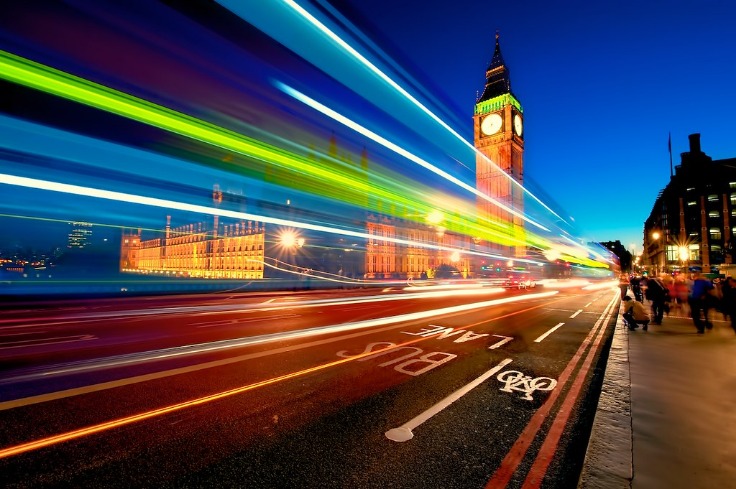
Nightscapes unfold along the routes of late-night buses, where city lights streak past windows and the hum of the road becomes a backdrop for photography. In this space, the camera catches moving silhouettes, neon reflections, and the soft glow of street lamps, turning ordinary bus journeys into a gallery of nocturnal travel.
Capturing cities and landscapes from a moving bus
Nightscapes and photography from a moving bus reveal a city and its landscapes in motion, turning windows into moving canvases of lights, reflections, and colors that slip past as you travel.
To make the most of bus travel at night, prepare a compact, capable setup and adopt a workflow that fits the rhythm of the ride. Choose a versatile lens or zoom (around 24-70mm on full frame, or equivalent on APS-C) with good low-light performance, and keep a spare battery and a microfiber cloth for the window. A camera with image stabilization helps when you’re braced against a seat, and a lightweight tripod is usually impractical on a moving bus, so view stabilization and careful handholding become essential.
In terms of settings, shoot in manual to control the balance between motion and light. Start with shutter speeds around 1/15 to 1/60 second, depending on how much you want to blur the passing city lights versus preserve sharper foreground silhouettes. Use an ISO in the range of 800 to 3200 to keep exposure reasonable without excessive noise, and set the lens to wide to mid-range: f/2.8 to f/4 is a good starting point for night scenes. Focus either on distant lights for a crisp horizon or pre-focus on a known distance and switch to manual focus to prevent hunting during the ride. Bracketing can help you capture a range of exposures for later blending.
Window reflections are the biggest hurdle when shooting from a bus. Press the camera as close to the window as possible to minimize gaps, turn off the cabin lights, and if needed gently wipe the inner pane with a soft cloth. Consider shooting with the window slightly tilted to reduce glare, and use a hood or your hand to shade the lens from direct reflections. If the glare is stubborn, switch to a darker exposure and blend it in post-processing rather than fighting the glare in-camera.
Composition from a moving vehicle invites rhythm and repetition. Look for lines formed by street lamps, building silhouettes, and the edges of highways that create a sense of motion. Place key elements along imaginary lines or near the intersections of the rule of thirds, and let the window frame act as a natural boundary that adds depth. Include a hint of foreground through the window frame or a nearby streetlight to anchor the scene, then let the city sweep by to tell a story of travel and nocturnal life.
Light trails are a signature of night bus photography, and you can coax them out with careful timing. If you want trails from passing cars, use a slower shutter (1/8 to 1/4 second) and pan slightly to follow the motion of the bus or the road. This requires gentle shifting of your body rather than abrupt movements, so your own frame remains coherent while the outside world blurs into color ribbons. For sharper architectural elements or cityscapes along the route, opt for shorter exposures and focus on keeping a clean horizon line with minimal vertical distortion.
From city centers to rural roads glimpsed through the window, each ride offers different opportunities. In urban environments, you’ll capture clusters of lights, signage, and reflections; in landscapes, you may glimpse silhouettes of hills, rivers, or distant mountains framed by street lamps. Adapt your approach to the scenery: street grids and tall towers often reward tighter compositions, while open horizons benefit from wider angles and more negative space to convey vastness.
Post-processing can elevate your night bus captures. Work with RAW files to preserve dynamic range, adjust white balance to a cooler or warmer mood depending on the city’s lighting, and reduce noise without sacrificing detail. Use sharpening sparingly and apply selective adjustments to bring out bright windows and neon signage while recovering shadow detail in the foreground. If reflections still distract, try a soft inversion of levels or mild dehazing to reclaim contrast, and consider blending multiple exposures to balance motion blur with sharp elements.
Night bus photography blends travel, light, and motion into a continuous journey. With thoughtful preparation, careful handling of reflections, and deliberate composition, you can create nightscapes that feel both cinematic and intimate, capturing cities and landscapes as they pass by in the glow of a late-night ride.
Gear, settings, and timing for night shots
Bus travel at night opens a special window on city lights: the routes flicker past black glass, neon signs smear into ribbons, and distant skylines glow like embers. In this setting, nightscape photography isn’t just about parks and bridges; it’s about catching motion, color, and atmosphere from a moving vehicle and through a bus window. With the right gear, settings, and timing, a night ride becomes a rolling tripod for cinematic cityscapes and candid scenes.
Gear for night shots on a bus should be compact, reliable, and adaptable to a shifting window frame. A mirrorless or DSLR body with good high-ISO performance is ideal. A fast wide-to-normal zoom such as 24-70mm or a wide-angle prime like 24mm helps frame cityscapes through the window, while a longer focal length can compress light trails into bold ribbons. A small, sturdy tripod or a lightweight window-friendly support—think a compact tripod, a flexible monopod, or a foam-bean bag you can rest on the tray table—can stabilize longer exposures without blocking aisles. Bring a reliable remote shutter or a camera with a solid interval or self-timer, a couple of spare batteries, and a microfiber cloth to wipe away condensation and reflections from the glass. A small headlamp with a red night setting preserves your night vision and avoids lighting fellow passengers. A filter like a soft graduated neutral density can help balance bright signs against dark skies, but use sparingly inside a moving vehicle to avoid glare.
Set your camera to manual control and shoot in RAW for maximum latitude in post. Start with an ISO around 400–800 in city light layers, then raise to 1600–3200 if you need brighter silhouettes or longer exposures. Aperture around f/2.8–f/5.6 gives enough light while keeping enough depth of field to capture both foreground interior and distant city lights. Shutter speeds will depend on motion: for stationary scenes with you inside the bus, try 1/60–1/125 s to keep the window sharp and minimize motion blur; for intentional light trails from moving traffic, use 1–4 s with a panning technique to keep the lights streaking while you blur the movement of the bus itself. Use manual focus or focus with live view magnified on bright windows and distant street lamps to prevent hunting in the dark. White balance can drift in mixed lighting, so shoot with a neutral setting or lock WB and adjust in post. Enable highlight tone priority or ensure you don’t clip the brightest signs, and bracket a few exposures for later blending.
Timing is about when the city reveals its color and texture. Blue hour—the window after sunset and before total darkness—provides balance between warm interior lights and cool exterior tones. Late-evening rides through business districts yield clean geometric lines, while late-night routes offer fewer cars and more reflections to compose. If your route crosses riverfronts or skylines, aim for the moments when the skyline pops against the fading light. Consider lining up a few stops where the bus will pause briefly so you can frame the scene without too much motion, or time shots to the cadence of traffic lights and streetlamp spacing to create rhythmic light trails in your shots.
Use window reflections to your advantage—slightly tilt the lens to minimize reflections or shoot at an angle that places the window as a framing element. Wipe the glass and shoot from a seat where you can rest the camera on a stable surface. Try panning with passing vehicles to create streaks while keeping foreground landmarks crisp. Try layering: interior bus scenes with passengers silhouettes against exterior lights, or exterior long exposures that reveal the bus’s path as a bright line through the frame. Include signs, bus numbers, or storefronts for a sense of place, but be mindful of privacy and personal space.
Respect fellow passengers and local rules. Do not disturb the driver or block exits. If you want to shoot interior scenes, ask permission when possible and avoid capturing identifiable faces for privacy. Use a quiet shutter mode if your camera offers it, and keep your gear stowed during movement or when boarding and alighting. A discreet approach helps maintain a comfortable ride for everyone while you build your night cityscapes.
In post, start with white balance to taste, reduce noise in shadows using luminance sliders, and sharpen the focal plane for the bus window to maintain crispness. Stack or blend multiple exposures to balance the bright lights and deep shadows if you bracketed; a light reductions of reflections can be achieved by masking adjustments to the window area. Export in a color space that preserves night tones, and save a black-and-white variant if you want to emphasize motion and silhouettes on a nocturnal bus route.
Cultural and Regional Variations
Cultural and regional variations in English surface vividly in the language of night-time bus travel. In the UK you’ll hear “night bus” or “late-night service,” sometimes with “coach” for longer trips, while in the US people often say “overnight bus” on a fixed route; elsewhere, signage and announcements blend English with local languages, shaping how travelers describe boarding, routes, and delays on nocturnal journeys.
European night bus networks
European night bus networks illustrate how culture, nightlife and regional planning shape after-hours mobility. Across the continent, buses fill the gaps when trains stop running, offering a flexible option for late-going commuters, students, and revelers alike.
In Western European capitals such as London, Paris, Madrid and Amsterdam, night buses form a substantial complement to the subway or metro, linking central hubs with residential districts and nightlife corridors. Signage and maps are often multilingual to help visitors navigate after dark.
In Northern Europe, night buses tend to emphasize reliability and safety. Cities like Stockholm, Oslo, Copenhagen and Helsinki extend late-night service to key districts, universities and major stations, frequently running at regular intervals through the late hours.
In Central Europe, night buses bridge gaps when rapid transit systems pause for the night. Berlin, Vienna and Prague use dedicated nocturnal routes or extended daytime lines to cover neighborhoods that remain active, with clear transfer points to rail services.
In Southern Europe, the late-night economy has shaped bus networks that accommodate late dinners, clubs and festivals. Madrid, Lisbon and Barcelona run night buses that serve tourist districts and residential areas after the metro closes, often with more frequent service on weekends.
Cultural and regional differences shape experience and etiquette. In some cities the buses are busy with nightlife crowds and require patience, while in others the atmosphere is calmer and more orderly. Accessibility varies, with some networks offering step-free vehicles and multilingual announcements to help visitors.
Practical tips for travelers: check official transit sites or apps for after-hours timetables, buy tickets ahead if possible, and be mindful of late-night fare differences or police presence. Night buses can be slower than trains, but they offer direct routes to nightlife centers and airports or train stations.
Overall, European night bus networks reflect a fusion of mobility needs and cultural rhythms, creating a transnational thread that keeps cities moving after dark.
North American long-haul night services
North American long-haul night bus travel reflects a blend of vast geography, border realities, and regional service philosophies. In the United States, Canada, and Mexico, overnight routes connect major metropolitan corridors with varying levels of comfort, security, and value, shaping a distinct night‑travel culture.
Across these regions, you can observe cultural and regional differences in schedules, onboard experiences, and passenger expectations. The following points summarize notable variations in night bus services within North America.
- Route design, timing, and border crossing: Overnight services prioritize long distances with fewer stops, typically running between major city pairs. Cross-border routes among the United States, Canada, and Mexico may coordinate with immigration checks, with border formalities sometimes handled at dedicated facilities or at the terminal, and departures often scheduled for late evening or night to arrive at dawn.
- Onboard comfort, seating, and service levels: Most long-haul coaches offer reclining seats with varying legroom and onboard restrooms on select models. Premium or cross-border services may provide more legroom, power outlets, Wi-Fi, and quiet zones, while overnight trips emphasize sleep-friendly features like dimmed lighting and limited announcements.
- Ticketing, pricing, and value perception: Pricing tends to be dynamic and price-sensitive, with cheaper fares for advance purchases and restrictive refund options. Multi-ride passes, student or senior discounts, and mobile ticketing are common, with baggage policies that differ by operator and route.
- Safety, security, and crew support: Night services prioritize safety through routine checks, secure luggage handling, and clear onboard conduct guidelines. Drivers and staff are trained for nighttime operation, and bilingual support is common on routes serving multilingual regions.
- Language, signage, and cultural norms: In bilingual or cross-border corridors, announcements and signage may appear in English and Spanish. Cultural expectations around sleep, noise, alcohol, and tipping can vary by region and operator, with tipping norms less standardized than in some other travel sectors.
- Terminal environments and transfer patterns: Major hubs often feature 24-hour or extended-stay facilities with waiting areas and food options. Transfers between buses or to other modes can affect sleep quality and total travel time, making terminal layout an important consideration.
- Passenger demographics and accessibility: Night routes serve students, workers, budget travelers, and tour groups, with services varying in accessibility features, family seating options, and pet or mobility accommodations depending on the carrier and country.
- Environmental and policy trends: There is growing emphasis on fleet modernization, fuel efficiency, and quieter operation, along with policies encouraging efficient scheduling to reduce idle time and emissions across North American networks.
Asia and emerging night routes
Night bus travel across Asia reveals how culture and geography shape long-distance journeys after dark. From cool highland corridors to tropical coastlines, overnight coaches provide practical travel, save daytime hours for exploration, and reflect regional preferences for comfort and safety.
Cultural norms influence every aspect of the ride, from seating and privacy to quiet hours and onboard service. In many places sleepers or semi-sleeper berths are preferred for rest, with curtains or screens offering separation between passengers. Language, bargaining style, and expectations around punctuality and meals also color the experience, as do gender norms and safety practices that lead some operators to offer women-only spaces or security-focused seating sections.
Southeast Asia relies heavily on budget night buses to connect capitals with popular tourist destinations and regional towns. Air-conditioned sleeper and semi-sleeper options populate routes between Bangkok and northern towns, between Hanoi or Ho Chi Minh City and coastal resorts, and between major Indonesian and Malaysian hubs. The emphasis is on affordable comfort, predictable schedules, and luggage-friendly storage, with night departures often timed to arrive at sunrise for smoother connections.
In South Asia, sleeper buses are a staple for long stretches across India and Nepal. Routes like Delhi to Dehradun, Mumbai to Pune, and Varanasi to Lucknow, for example, use multi-berth sleepers, with attendants, linen, and sometimes onboard meals. Nepal’s Kathmandu to Pokhara corridor is another common overnight choice. Safety, road quality, and regulatory oversight shape these services, alongside a thriving ecosystem of private operators and government-supported fleets.
East Asia balances a strong rail network with a growing night-bus option for destinations where trains are slower or less convenient. In China, Vietnam, Korea, and Japan, night buses fill gaps for rural trips or budget travelers, offering bunk-style seats, back-up storage, and basic amenities. The experience is often more modest than trains but can be a practical, economical choice for ambitious itineraries.
Emerging night routes and services across Asia are expanding beyond traditional corridors. Networks are widening to connect tier-2 and regional cities, aided by online booking platforms, real-time seat maps, and standardized safety measures. Cross-border night services in parts of Southeast Asia and the Himalayan belt are evolving, catering to backpackers and local commuters alike, while operators push toward greener, more comfortable coaches with USB charging, improved sanitation, and clearer passenger information.
Travelers planning night buses should verify operator credibility, read recent reviews, and choose well-lit, staffed departures when possible. Carry a small lock for luggage, keep valuables with you, and select seats near staff or front sections if safety is a concern. Arrive early for boarding, confirm border or immigration checkpoints if routes cross borders, and be prepared for occasional delays due to weather or road conditions.
Across Asia, night buses offer a distinct window into how culture, climate, and geography shape travel. By understanding regional variations and the new routes opening up, riders can choose journeys that balance cost, comfort, and cultural experience as they move between cities after dark.
Health, Comfort, and Sleep Hygiene
Night bus travel blends practicality with rest, making health, comfort, and sleep hygiene essential. This short introduction highlights simple habits that improve comfort: supporting your posture with a cushion or neck pillow, dressing in layers, and choosing seating wisely; and promoting sleep quality through gentle stretches, regular movement, mindful hydration, and light meals before boarding. With small preparations and mindful routines, you can ride through the night more comfortably and wake up ready to start your day.
Strategies for sleeping on a bus
Night bus travel often disrupts sleep, but focusing on health, comfort, and sleep hygiene can make the ride more restful and safer for your body.
- Dress in layers and bring a light blanket or wrap so you can adjust to changing temperatures without waking yourself. Soft, breathable fabrics and comfortable socks help your body relax.
- Choose a seat that minimizes disturbances when possible, such as a window seat for better head support and a little personal space. Use a neck pillow and a compact blanket to support your neck and shoulders during longer stretches.
- Block out light and reduce noise with an eye mask and earplugs or noise‑reducing headphones. If you can’t block all sounds, a white‑noise app at a low volume can help.
- Stay hydrated and avoid heavy meals, caffeine, and alcohol before and during the ride. Small sips of water keep you comfortable without frequent bathroom trips.
- Keep your feet and legs comfortable with gentle movement. Do ankle circles, toe taps, and light leg stretches during safe stops to boost circulation and reduce stiffness.
- Establish a simple sleep routine that signals your body it is time to rest. A quick face wash, brushing teeth, and dimming your screen can help cue sleep without overexertion.
- Keep personal items secure and within reach. Place valuables under the seat and use a small bag that stays loose on your lap or tucked under your feet when the ride is bumpy.
- Manage temperature with layering. A light jacket, scarf, or thermal layer lets you stay warm without overheating, and you can add or remove layers as the bus climate changes.
- Plan your sleep windows around your destination and alarms. If you can, align part of the ride with your normal bedtime and set an alarm so you don’t miss a crucial transfer or stop.
Hydration, meals, and electrolyte management
Night bus travel presents unique challenges for health and rest. With smart choices around sleep hygiene, hydration, meals, and electrolyte balance, you can ride more comfortably and wake refreshed at your destination.
To improve sleep on a night bus, create a simple routine that mirrors what you do at home. Bring a comfortable neck pillow, a lightweight blanket or sweater, an eye mask, and earplugs or noise‑reducing headphones. Dress in breathable layers so you can adjust to cabin temperature. If possible, pick a seat with less foot traffic and use a light, soothing routine before you settle in, such as brushing teeth or washing your face, to cue your body that it’s time to rest. Try to align your sleep to your destination time to reduce jet lag and keep caffeine out of the late afternoon and evening hours.
Comfort on a moving bus also depends on your clothing and posture. Wear loose, moisture‑wicking fabrics and bring socks to keep feet warm. Support your lower back with a small rolled towel or a lumbar cushion if your seat allows. Keep your feet uncrossed and use a small footrest if available. Pack a few essential items within reach, including a phone charger, a bottle of water, and a quick snack, so you don’t have to fumble in the dark and risk waking yourself up repeatedly.
Hydration is important on an overnight route because cabin air is often dry. Sip water regularly rather than drinking large amounts at once. Aiming for small, steady sips every 15–30 minutes can help you stay hydrated without needing frequent bathroom trips. Avoid or limit alcohol and caffeine late in the day, as these can disrupt sleep and contribute to dehydration. Monitor the color of your urine as a simple guide: light yellow signals good hydration, whereas very dark urine suggests you need more fluids.
Electrolyte management becomes relevant when you’re on a long or hot night route or when you anticipate sweating from heat or exertion inside the bus. If you tend to feel cramped or dizzy from dry air, consider a small electrolyte drink mix or tablets, but use them in moderation and avoid high‑sugar options. Natural sources such as a banana, a handful of salted nuts, or yogurt can help replenish potassium, sodium, and magnesium without excessive sugar. If you have medical conditions or are on medications that affect electrolytes, consult a clinician before using electrolyte products.
Meals and snacks should support sleep and comfort rather than weigh you down. Eat a light, balanced meal a few hours before boarding to prevent indigestion, choosing easily digestible proteins, complex carbohydrates, and vegetables. Bring portable snacks like nuts, fruit, whole‑grain crackers with cheese, or a small yogurt to maintain energy without causing discomfort during the night. Avoid heavy, spicy, or fatty foods right before sleep, and limit large portions late at night to reduce morning stomach upset.
Before you depart, prepare a practical packing list: a refillable water bottle, a small electrolyte option if you like, a light blanket or shawl, a sleep mask, earplugs or noise‑reducing headphones, a neck pillow, comfortable clothing, a compact snack, and any medications you may need. Arriving rested is not just about luck; it’s about planning for sleep quality, staying hydrated, choosing the right meals, and balancing electrolytes so your night on the road supports your health and well‑being.
Case Studies and Traveler Insights
Case studies of overnight bus travel illuminate how operators design nocturnal routes, seating, and safety measures, while traveler insights reveal what riders value when traveling by bus at night. These perspectives cover schedule reliability, comfort, amenities, and the trade-offs between privacy and social space, helping explain why some night services feel smooth and others are challenging. Together they offer a first look at what makes a successful nocturnal bus journey from both the operator’s approach and the rider’s experience.
Iconic night routes and what to expect
Night bus travel blends affordability with adventure, and case studies along iconic night routes reveal what travelers value and how operators respond. Here are distilled findings from traveler reports and transport planners.
- Case study: European overnight corridors—riders favor direct, single‑leg trips with clear luggage policies; insights show that early booking secures better seats and lower fares, while reclining or sleeper seating reduces fatigue.
- Case study: North American cross‑country services—travelers increasingly seek comfort features like extra legroom, Wi‑Fi, and quiet hours; insight: traveling in the late night often saves on accommodation and escapes daytime traffic.
- Case study: Asia‑Pacific urban‑night networks—dense networks with frequent departures help travelers connect to airports or events; insight: use real‑time apps for seat availability and plan for last boarding times near city centers.
- Traveler insight: price vs value — night routes are commonly cheaper than daytime options, but consider additional costs for meals or bedding on longer legs.
- Traveler insight: safety and comfort — prioritize operators with visible security, crew presence, good lighting, and amenities like charging ports; bring a neck pillow, eye mask, and a small flashlight for late stops.
Iconic night routes and what to expect
- Coastal night routes — travel along coastlines where you can glimpse towns at dawn, enjoy cooler air, and find scenic windows from the left or right side depending on the bus route.
- Mountain and desert corridors — long hauls through mountains or deserts; plan for periods of darkness, cooler temperatures, and longer stretches between stops.
- Urban-night corridors — direct runs between city centers or to airports, with late-evening departures that maximize overnight time for connections.
- Cross‑border express lanes — international routes with border check processes; keep passport handy and expect occasional delays but steady schedules.
What to expect on a night bus
- Comfort and seating — reclining seats, and in some services, dedicated sleeper seats or blankets; layer clothing for temperature changes.
- Amenities — Wi‑Fi, charging ports, and onboard restrooms vary by operator; confirm before booking if you rely on connectivity.
- Safety and security — choose reputable operators, check for CCTV and staffed depots, secure luggage compartments, and keep valuables in a small bag within reach.
- Food and rest stops — many routes include brief stops for drinks or snacks; pack water and snacks if possible.
- Sleep strategy — bring eye mask, earplugs or noise‑reducing headphones, and a travel neck pillow; choose window seats if you want a view or aisle seats if you need quick access.
- Planning tips — arrive early at the boarding point, verify the bus number and stop order, and have a contingency plan for delays or transfers.
Lessons from common travel mistakes
Night bus travel can be economical and convenient, but it also exposes travelers to unique mistakes. The following case studies and insights capture common missteps and the practical lessons that can help you ride more smoothly after dark.
Case study 1: The late arrival and the wrong platform. A traveler reaches a major terminal just before the scheduled departure, only to discover the boarding screen has shifted to a different platform and the desk is closed. The bus leaves without them, resulting in a disrupted night and a wasted ticket. Lesson: always verify the exact departure time, platform, and bus number the day before, keep a digital and printed copy of the ticket, and confirm boarding details with the carrier at least 24 hours prior to departure.
Case study 2: Uncomfortable seating and no sleep aids. A night bus with limited legroom and a row of loud passengers leads to a restless ride and morning fatigue. Lesson: if possible, choose a seat with extra legroom or near the front, bring a travel pillow, eye mask, and earplugs, and check seating charts or seat maps when booking to avoid the worst spots.
Case study 3: Luggage left unattended and valuables exposed. A passenger rushes to the restroom and returns to find a bag moved or rummaged through, exposing valuables such as passport and money. Lesson: keep essentials in a carry-on you control at all times, use bags with zippers or locks when available, and avoid leaving valuables in unattended compartments even briefly.
Case study 4: Food, water, and bathroom planning. A long overnight journey with few breaks leaves a traveler dehydrated and hungry, making the ride uncomfortable. Lesson: pack a small water bottle and nutritious snacks, map out the rest stops if possible, and bring a lightweight jacket or blanket to stay warm during the journey.
Case study 5: Time zone and transfer surprises. An overnight route with a scheduled transfer clashes with time changes or restrictive transfer rules, forcing an expensive delay or a hotel stay. Lesson: check time zones, transfer windows, and ticket conditions in advance; allow a buffer for connections and consider alternative routes with longer layovers to reduce risk.
Traveler insights: Practical takeaways distilled from these cases. Always verify ticket details online and keep both digital and printed copies accessible, plan for buffer time around departures, choose seats and luggage configurations that maximize comfort and security, pack essentials for sleep and safety, and stay informed about stops, routes, and time changes. With a little preparation, the challenges of night bus travel become manageable, turning potential mistakes into smooth, safer journeys after dark.
Future Trends in Night Bus Travel
Night bus travel is poised to transform as cities seek safer, cleaner, and more reliable overnight mobility. Key trends include electric or hybrid buses to cut emissions, quieter and more comfortable interiors, demand-responsive and autonomous routing, real-time passenger information, and stronger integration with trains and late-evening services to keep urban life moving after dark.
Electric buses, route optimization, and mobile apps
Night bus travel is increasingly designed around safety, efficiency, and sustainability as cities push for 24/7 mobility options. New electric buses, smarter route optimization, and accessible mobile apps are driving a more reliable late-night transit network.
- Electric buses on night routes reduce emissions and noise, enabling later service hours and improved rider comfort in dense urban cores.
- Advances in battery tech and charging infrastructure support longer night runs with shorter downtime, including depot fast charging and curbside opportunity charging.
- Route optimization uses AI, predictive analytics, and demand forecasting to adjust schedules and align night services with actual passenger patterns, improving coverage and reliability.
- Dynamic, demand-responsive night services supplement fixed routes, allowing flexible response to events, late-shift workers, and overnight travelers while controlling costs.
- Mobile apps provide real-time bus locations, ETA notifications, mobile ticketing, and safety features tailored to late-night riders, including discreet pickup points and escort information.
- Smart boarding and contactless payments speed up night trips, reduce dwell times, and enhance security for passengers and drivers after dark.
- Integrated mobility platforms connect night buses with trains, trams, and micro-mobility options, creating seamless 24/7 journeys and last-mile solutions.
- Policy support, public-private partnerships, and investment in charging and maintenance facilities are enabling broader adoption of night electric fleets and resilient operations.
Impact of policy changes on overnight travel
Night bus travel is poised to undergo meaningful changes as cities pursue safer, more sustainable and accessible overnight mobility. Advances in technology, policy, and passenger expectations are reshaping how riders move after dark and how operators plan routes and schedules.
Policy changes at city, regional, and national levels will influence which routes run, the hours of service, and how night networks are funded. The following trends capture how regulation and public policy are likely to affect overnight bus travel in the near future.
- Expanded funding and subsidies for night services to maintain coverage on low-demand routes while ensuring financial viability for operators.
- Uniform safety standards, including driver rest, vehicle maintenance, rate of fare enforcement, and on-board security features.
- Encouragement of integrated multimodal hubs that connect night buses with rail, ferry, and on-demand mobility to improve reliability and speed.
- Dynamic and distance-based pricing models supported by policy to balance demand, reduce deadhead miles, and improve affordability for late-night riders.
- Labor policy impacts on driver hours, scheduling flexibility, and workforce training that directly affect service frequency and reliability.
- Urban planning incentives that favor night routes near high-density residential areas and employment centers, expanding overnight accessibility.
- Environmental regulations pushing newer, cleaner buses, electrification incentives, and charging infrastructure for overnight deployments.
- Data governance and privacy requirements shaping how ridership data is collected, stored, and shared to improve services while protecting riders.
- Equity-focused mandates ensuring that underserved communities retain access to safe late-night transit and affordable fares.
- Public engagement requirements encouraging community input into night network maps, timing, and service levels.
As policy landscapes evolve, night bus travel can become a more reliable, sustainable, and inclusive option for city residents and visitors alike.