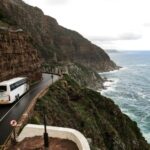

Overview of party buses in South Africa
South Africa’s party bus scene blends luxury travel with nightlife energy, offering chauffeur‑driven coaches equipped with high‑end sound systems, LED lighting, plush lounges, and on-board bars for birthdays, bachelor/bachelorette parties, corporate events, and weekend getaways across Johannesburg, Cape Town, Durban, and other major cities. These mobile venues provide flexible itineraries, scenic routes, and safety‑conscious service through professional drivers, giving groups a stylish, hassle‑free way to celebrate while exploring the country’s urban hotspots.
Definition and concept
In South Africa, a party bus is a customized passenger vehicle designed to transport groups while offering onboard entertainment and amenities for celebrations. These vehicles turn travel into a mobile party experience, combining transport with party features in a licensed, roadworthy vehicle.
- Definition and concept: A party bus is typically a minibus, coach, or SUV that has been retrofitted with a high‑quality sound system, mood lighting, space to mingle or dance, and seating for passengers. Some configurations include minibars, beverage service (where allowed by law), and disco or LED lighting to create a festive atmosphere during city hops, birthdays, weddings, or other celebrations.
- Common features and configurations: Key elements often include surround sound or DJ equipment, LED or neon lighting, dance space, comfortable seating, climate control, and safety features such as seat belts and GPS tracking. Vehicle size and layout vary by operator and event needs.
- Typical uses in South Africa: Party buses are popular for birthday parties, bachelor/bachelorette celebrations, night-out tours, wedding transportation, festival shuttles, and corporate events. They are especially common in major cities and popular tourist areas where nightlife and event venues cluster.
- Regional popularity and routes: Major cities like Cape Town, Johannesburg, Durban, and Pretoria host a range of operators offering city tours, coastal routes, and nightlife itineraries. Operators may tailor routes to winelands tours, casino nights, or coastal nightlife experiences.
- Safety, licensing and compliance: Reputable operators hold valid passenger transport licenses, insurance, and roadworthy certificates. Drivers are licensed, and passengers should observe seat belt use and occupancy limits. Alcohol policies vary by operator and route, with some services allowing onboard beverages within legal limits and local regulations.
- Booking tips and pricing considerations: Compare inclusions (route plans, duration, driver gratuity, fuel, and any additional services), check peak-time surcharges, deposits, cancellation policies, and minimum hours. Confirm the maximum passenger capacity and accessibility options before booking.
- Choosing an operator: Look for a well-maintained fleet, positive customer reviews, transparent pricing, clear safety practices, and flexible itineraries. Verify the operator’s licensing and insurance, and review itineraries to ensure they match your group’s plans and pace.
Market landscape
Party buses in South Africa combine entertainment and transport, offering a mobile venue for celebrations, corporate events, and VIP experiences. These vehicles typically come equipped with plush seating, lighting rigs, high-quality sound systems, mood lighting, and sometimes built-in bars or snack facilities to keep guests entertained on the move.
Demand is driven by weddings, matric farewells, nightlife tours, festival circuits, corporate events, film shoots, and destination celebrations. In major cities, groups seek turnkey solutions that cover transport, safety, and entertainment in a single package, reducing logistical hassle for hosts.
Key markets are concentrated in urban hubs. Gauteng (Johannesburg and Pretoria) accounts for a large share of party-bus activity due to dense populations and a busy events calendar, while the Western Cape (Cape Town and surrounding areas) and KwaZulu-Natal (Durban) are strong for tourism-linked rides. Other cities such as Port Elizabeth, East London and Bloemfontein also show steady demand around weddings and corporate events.
The market features a mix of small boutique operators and larger transport and events companies. Fleet sizes vary from 12-18 passenger minibuses to 30-40 seat coaches, with some operators offering premium, customised interiors and licensed drivers for added safety and service levels. Many operators work with event planners and venues to provide end-to-end packages.
Pricing tends to be transaction-based rather than fixed, with hourly rates and minimum hire periods. Packages may include décor, lighting themes, entertainment add-ons, and on-board hospitality. Rates vary by city and season, with peak periods around holidays and matric dances often commanding premium pricing.
Regulation focuses on road-worthiness, licensing, insurance, and driver qualifications. Operators are expected to comply with national road traffic rules, maintain service records, and ensure passenger safety. Some operators pursue additional certifications or affiliations to reassure clients about safety and reliability.
Market challenges include regulatory compliance complexity, safety concerns, and competition from ride-hailing apps and traditional nightlife transport options. Seasonal fluctuations, weather, and traffic conditions can affect availability and pricing. However, growth in tourism, corporate events, and experiential entertainment creates opportunities for differentiated services, themed experiences, and partnerships with venues and attractions.
Looking ahead, the South African party-bus market is likely to benefit from continued tourism growth, digital booking platforms, and demand for high-end, turnkey event transport. Trends point to more energy-efficient fleets, advanced sound and lighting systems, and safer, more transparent service standards as operators seek to attract discerning clients and corporate customers.
Vehicle options and features
Party bus South Africa offers a range of vehicle options designed to turn any event into a mobile celebration. From luxury party buses and stretched coaches to stylish executive vans, you can select a layout that fits your group while staying comfortable and compliant. Inside, expect premium sound systems, LED lighting, climate control, mood lighting, comfortable seating, beverage stations, and DJ-ready space to keep the party rolling between venues across major cities.
Common bus types
Party buses in South Africa blend travel and entertainment, turning a ride into a mobile venue for nightlife tours, weddings, corporate events and city experiences across Cape Town, Johannesburg, Durban and beyond.
Vehicle options range from luxury motor coaches and mid-size party buses to minibuses and shuttle vans. Many are factory stock that have been or can be customized into party-ready conversions with features designed for groups and celebrations.
Key features commonly found on party buses include spacious seating layouts, dance floor or open floor space, high‑quality sound systems with subwoofers, Bluetooth streaming and USB charging, and multi‑color LED or ambient lighting. Some buses offer built-in bars or chillers, glassware storage, and on-board refrigeration to keep drinks ready for guests, along with privacy options like tinted windows or partition controls for VIP sections.
Safety and comfort are essential. Look for seat belts for all passengers, non-slip flooring, secure handrails, clearly marked emergency exits, and a fire extinguisher and first aid kit. Professional drivers with relevant licenses, insurance and adherence to local regulations are critical, and many operators provide GPS tracking and route planning to optimize timing and safety during events.
Common bus types used for party services in South Africa include full-size motor coaches or executive coaches (typically 46 to 60 seats) for large groups needing generous space and long-range comfort; mid-size party buses (roughly 20 to 40 seats) that balance capacity with premium entertainment features; and minibuses or shuttle buses (12 to 24 seats) which are ideal for shorter hops or more intimate gatherings. Double-decker buses, while less common, are used in some city tours or large-scale events for added seating and a dramatic presence.
When choosing a party bus, consider group size, the planned route, and the event duration. Check that the operator can accommodate your schedule, provides compliant licensing and insurance, and has a solid safety record. Confirm what amenities are included, power options for audio-visual gear, and any policies around food and alcohol on board to ensure a smooth experience from start to finish.
Common party routes in South Africa showcase urban nightlife, coastal scenery and iconic landmarks. For example, city-center night tours in Cape Town or Johannesburg, beachfront hops in Durban, and winelands or coastal routes can all be paired with the right bus type to create memorable celebrations with friends and colleagues.
Interior amenities
A party bus in South Africa merges travel and celebration, offering a mobile venue for birthdays, bachelor or bachelorette parties, weddings, corporate events, and nightlife tours as you move between destinations.
Vehicle options vary by capacity and style, from compact 8-12 seat shuttles to mid-sized 20-30 seat party buses and larger 40 seat coaches designed for bigger groups.
Exterior features include branded wraps, sleek finishes, tinted windows for privacy, and lighting elements like LED light bars and underbody glow that set the mood before the night begins.
Interior amenities include plush leather seating, configurable layouts, a built in bar area with ice chests and glassware, and a compact refrigerator to keep drinks chilled.
Entertainment and connectivity cover premium sound systems with subwoofers, DJ consoles, LED ceilings or fiber optic lighting, multiple screens for videos or party visuals, karaoke options, Bluetooth and USB charging, and onboard Wi-Fi.

Comfort and safety features focus on multi-zone climate control, comfortable seating, a smooth ride with stable suspension, seat belts, professional drivers, GPS navigation, and optional dash cameras for monitoring.
South Africa has popular routes for party buses in Cape Town, Johannesburg, and Durban, with options for waterfront tours, city lights excursions, beachfront stretches, and event-driven itineraries near venues like the V&A Waterfront, Camps Bay, Maboneng Precinct, Sandton, and the Golden Mile.
Booking tips and legal notes include choosing a licensed operator with current insurance and operating licenses, confirming that drivers are properly licensed, understanding onboard alcohol policies, and clarifying route permissions and cancellation terms before the trip.
A party bus South Africa offers a memorable, convenient way to celebrate while touring the country in style.
Accessibility and safety features
Party buses in South Africa offer a range of vehicle options for events such as weddings, city tours, birthday celebrations, and corporate nights out. Fleet choices typically include luxury coaches, high-capacity minibuses, and even double-decker party buses, all designed to transport groups safely while delivering a club-like ambience.
Inside, vehicles are fitted with party-oriented features: configurable seating to maximize social interaction, LED mood lighting, high-end sound systems with subwoofers, DJ booths or console areas, disco light rigs, and sometimes projection screens. Additional conveniences include climate control, on-board bars or beverage stations, bottled water, USB charging, power outlets, and Wi-Fi in some fleets. Some operators provide portable dance floors, fog machines, and mirrored ceilings to enhance the atmosphere.
Accessibility and inclusive design: Some party buses are equipped for accessibility with ramp or lift access for wheelchair users, wide entry doors, level or lowered floors, and designated seating. It’s important to confirm vehicle accessibility in advance and to discuss any assistance needs with the operator. In South Africa, accessibility varies by operator and fleet, so choose providers who advertise accessible options and have trained staff.
Safety features include seat belts for all passengers, reinforced flooring and handrails, non-slip flooring, emergency exits that are clearly marked, fire extinguishers, first aid kits, and on-board CCTV or dash cameras for security. Vehicles are maintained to RSA road traffic standards, and licensed drivers with valid professional licenses, on-going safety training, and background checks are standard. Real-time GPS tracking and roadside assistance arrangements add an extra layer of safety for longer trips.
To ensure a smooth experience, book with reputable operators who provide valid operating licenses, comprehensive insurance, and passenger liability coverage. Confirm driver induction on your itinerary, check alcohol service policies, load limits, and safety briefing procedures, and review emergency plans. Local regulations in major cities like Cape Town, Johannesburg, and Durban may require permits for certain routes or events, especially in nightlife districts.
Legal, safety, and regulatory considerations
In South Africa, party bus operators must meet legal, safety, and regulatory requirements to protect passengers: vehicles must be roadworthy and maintained, drivers must be licensed and medically fit, and operators need the appropriate commercial transport permits and insurance; they must comply with road traffic rules, load and seating limits, safety equipment, and local liquor, advertising, and noise regulations, along with consumer protection and privacy laws in bookings and contracts.
Licensing and permits
Operating a party bus in South Africa involves navigating a complex legal, safety, and regulatory landscape to transport passengers for hire or reward.
Key frameworks include the National Land Transport Act (NLTA) and the National Road Traffic Act, which oversee public transport operations, vehicle standards, and driver conduct. The National Public Transport Regulator (NPRT) and provincial Departments of Transport administer route and operator approvals, licensing, and enforcement. Operators must ensure their services comply with these laws, even when routes are flexible or on demand.
Licensing and permits typically cover vehicle registration and licensing, roadworthiness or fitness certifications, and the operator’s authorization to provide passenger transport. A party bus used for hire and reward generally requires a valid roadworthy certificate (or Certificate of Fitness for heavier vehicles), a current vehicle license disc, and registration. Drivers of passenger vehicles for hire or reward must hold a Professional Driving Permit (PrDP), which demonstrates the driver’s competency for transporting passengers for compensation.
In addition to vehicle and driver requirements, operators may need an operator’s license or permit under the NLTA to run public transport services. This can include route endorsements or hire-and-reward permits issued by the NPRT or the relevant provincial regulator. The process typically requires documentation on business registration, vehicle details, safety records, and proof of financial and technical capacity to operate a passenger transport service.
From a safety perspective, compliance means strict adherence to vehicle safety standards, passenger capacity limits, seat belt use, proper maintenance logs, and timely inspections. Vehicles should be maintained in roadworthy condition, equipped with appropriate safety equipment (fire extinguishers, first aid kits, clear emergency exits), and configured to meet safety regulations for passenger transport. Companies should implement formal safety management practices, driver training, and incident reporting procedures.
Driver requirements are a critical area of licensing. In addition to a valid driver’s license, drivers of passenger transport vehicles must hold a PrDP, and may be subject to periodic medical and competency checks. Training on safe driving, passenger management, and intoxication policies is essential. Operators should enforce a zero-tolerance policy for alcohol and other impairing substances while on duty and adhere to any hours-of-service or fatigue management rules that apply to professional drivers.
Insurance and risk management are mandatory considerations. Operators should obtain comprehensive insurance coverage, including public liability, passenger liability, and motor vehicle insurance. It is also prudent to secure coverage for compliance costs, accident investigations, and potential reputational risk. Clear terms in customer contracts and on-board postings help set expectations and limit liability where appropriate.
Local permits and event-specific considerations may apply, such as municipal noise ordinances, event permits, or special parking and loading restrictions in venues or nightlife districts. Where alcohol is served on board, additional regulatory compliance around liquor licensing, age verification, and responsible supervision may be required.
Non-compliance can result in severe penalties, including fines, vehicle impoundment, suspension or revocation of operator licenses, and criminal liability for the operator or drivers. Regular audits, up-to-date documentation, and proactive safety and compliance programs help mitigate risks and keep operations lawful.
For best results, consult with a transport compliance specialist or legal adviser familiar with South Africa’s public transport regulations. Always verify current requirements with the NPRT and your provincial Department of Transport to ensure your party bus business operates legally and safely.
Alcohol policies on board
Party buses in South Africa operate under a layered set of laws covering road safety, alcohol, and transport licensing. When alcohol is served or consumed on board, operators face additional regulatory requirements designed to protect passengers and other road users.
Legal framework: The National Road Traffic Act 93 of 1996 and associated regulations govern driving under the influence, BAC limits (0.05 g/100 ml for most drivers; 0.02 g/100 ml for learners and professional drivers), licensing, and vehicle roadworthiness. Operators must ensure drivers and vehicles comply with these rules to legally operate a passenger service.
Licensing and vehicle standards: A party bus used for hire typically requires an operator license (license to operate for passenger transport) and, for larger vehicles, a Professional Driving Permit (PrDP or equivalent) for the driver. The vehicle must have a valid roadworthy certificate (COF if over a certain weight), current license disk, and meet safety standards such as seat belts, emergency exits, and fire safety equipment. In some jurisdictions, a separate passenger-taxi permit may be required.
Alcohol on board: Alcohol policies must align with the Liquor Act and provincial liquor licensing rules. Where alcohol is sold or supplied, operators may need a liquor license or a temporary/special event license from the provincial liquor authority. Even when passengers bring their own alcohol, age verification (minimum age 18) and responsible consumption policies apply. A robust policy should prohibit serving to minors, require ID checks, and enforce a zero-tolerance approach to the driver consuming alcohol or being intoxicated while on duty. Glassware use and secure storage should be considered to prevent breakage and injuries.
Passenger safety and behavior: The operator should set clear rules about open containers, the disposal of waste, and behavior on board. All passengers should wear seat belts where provided, no blocking of aisles, and no dangerous activities while the vehicle is moving. A qualified crew member should monitor compliance and respond to incidents, while the driver remains focused on driving. The plan should cover medical emergencies, intoxication, and route changes.
Local variations and enforcement: In South Africa, liquor licensing and transport safety are administered by provincial authorities and the National RTMC. Rules differ by province (for example Western Cape, Gauteng, Eastern Cape) and municipality. Operators should consult the relevant authorities for current licensing, permits, and compliance obligations before every trip to avoid penalties.
Compliance best practices: Develop a formal onboard alcohol policy and publish it in booking materials; verify ages and obtain consent for alcohol consumption; keep records of licenses, vehicle inspections, driver licenses, and permits; train staff on safety, escalation, and emergency procedures; conduct pre-trip vehicle checks, and maintain clear logs of routes and timelines. Consider seeking guidance from a legal or regulatory specialist to ensure ongoing compliance.
Insurance and liability
Party buses in South Africa operate under a complex framework of legal, safety, and regulatory requirements that affect how they can run, who can drive them, and what cover is needed for passengers and the business.
Legal and regulatory framework includes the National Road Traffic Act and its regulations, the National Land Transport Act, and local by-laws administered by provincial and municipal authorities. Operators must ensure vehicles used for passenger transport have proper registration, a current roadworthy certificate, and appropriate licensing. In many cases, particular permits or operator licenses are required for commercial passenger services, and this may differ by province or city. Rules also govern maintenance standards, vehicle specifications, seating capacity, and emergency accessibility on passenger-carrying vehicles.
Driver licensing and professional qualifications are essential. Drivers of party buses are typically subject to requirements beyond a standard driver’s licence, including a Professional Driving Permit (PDP or PrDP) for commercial passenger transport, depending on the vehicle size and category. Provinces may require additional chauffeur or operator certifications, and drivers must comply with fatigue rules, rest periods, and medical fitness standards. Ongoing training on safety, crowd management, and emergency procedures is highly recommended.
Vehicle safety and fit-for-purpose modifications are critical. Vehicles should be roadworthy and maintained according to the manufacturer’s specifications, with regular inspections, fire extinguishers, first aid kits, clear emergency exits, and unobstructed aisles. If the bus is modified for events (sound systems, lighting, standing areas), operators should obtain any necessary approvals and ensure modifications do not compromise safety features, seating, or occupant restraints. Seat belts should be used by all passengers where available, and operators should implement capacity limits to prevent overcrowding.
Alcohol and licensing considerations are particularly important for party buses. If alcohol is to be provided or sold on the vehicle, operators must comply with the national Liquor Act and the relevant provincial licensing regulations, which may require a specific mobile venue or on-premises license and adherence to age verification rules. There are often restrictions on serving alcohol on moving vehicles and on minors, and operators should have clear policies to prevent intoxicated passengers from boarding or traveling, and to manage disorderly conduct safely.
Insurance and liability are central to risk management. Operators should secure comprehensive motor vehicle insurance (or at minimum third-party liability where appropriate), public liability insurance to cover third-party damages, and passenger liability or personal accident cover for travellers. Employers’ liability insurance protects staff and contractors. Since South Africa uses the Road Accident Fund (RAF) to cover certain injuries from road incidents, operators should understand how RAF interacts with private insurance and what claims the RAF may handle. Documentation, clear terms of service, waivers (where lawful), and robust incident reporting procedures help manage liability and reduce exposure to claims.
Enforcement and compliance require regular audits and readiness for checks by traffic and licensing authorities. Non-compliance can result in fines, suspension of permits, or even criminal liability in serious cases. Operators should maintain up-to-date records of driver licences, PDP/PrDP where required, vehicle roadworthiness certificates, insurance policies, operator permits, and incident reports, and stay informed about changes in national and provincial regulations that affect mobile event transportation.
Practical steps to reduce risk include engaging qualified legal and risk advisers, conducting due diligence on licensing and vehicle compliance, implementing a clear code of conduct and security plan, training drivers in emergency response and crowd management, and maintaining rigorous maintenance schedules and incident reporting. By aligning operations with legal and safety requirements, party buses in South Africa can provide memorable experiences while protecting passengers, staff, and the business.
Roadworthiness and inspections
Operating a party bus in South Africa involves navigating a framework of laws and safety standards that govern vehicle use, passenger transport, and service quality. Operators should understand what licenses, permits, and inspections are required, as well as how roadworthiness and on‑board safety expectations affect day‑to‑day operations.
Legal and regulatory considerations hinge on the classification of the vehicle and how it is used. Passenger transport for hire and reward on public roads is regulated under the National Land Transport Act and related regulations, which can require a Public Transport Permit or operator license for the vehicle and route. A party bus may be treated as a Public Service Vehicle or a commercial passenger vehicle, depending on capacity and the service offered, and may therefore require specific permits, signage, and compliance with scheduled-route rules. If alcohol is served on board, licensing under the applicable Liquor Act must also be considered, along with any local council or municipal requirements.
For the driver and operator, there are additional regulatory aspects. Drivers of passenger vehicles used for hire may need a Professional Driving Permit (PrDP) if the vehicle falls under public transport or heavy passenger transport categories. Employers must comply with general employment and safety duties, including driver fatigue management, hours of work, and ensuring that staff have appropriate training and vetting for passenger safety, crowd management, and incident response.
Roadworthiness and inspections are a core safety and compliance area. All vehicles used on public roads in SA must be roadworthy and licensed, and a valid Roadworthy Certificate (RWC) is part of the process to obtain or renew vehicle licensing. Testing is carried out by approved testing stations, and the certificate must be current at the time of licensing and during operation. Operators should implement pre‑trip and periodic inspections, maintain records of services, and pursue timely repairs to address brake, tire, lighting, steering, and suspension issues that could affect passenger safety.
On‑board safety standards are essential for a party bus. Vehicles should be fitted with functioning seat belts for each passenger seat, clearly marked emergency exits, fire extinguishers, and a first‑aid kit. Capacity must not be exceeded, and seating arrangements should support safe movement while the vehicle is in motion. Operators should have documented safety policies, incident reporting procedures, and staff training on passenger conduct, emergency procedures, intoxication management, and security.
Practical compliance steps include confirming the correct permits and operator licenses for the service area, ensuring the vehicle has a current RWC and valid license, obtaining appropriate PrDPs for drivers where required, and securing suitable insurance (including public liability and passenger accident cover). If alcohol will be served, obtain the necessary liquor licenses and implement controls to comply with the law and ensure passenger safety. Regular maintenance schedules, driver training, and a clear risk assessment will help align operations with SA standards and reduce legal and safety risks for party bus services.
Popular destinations and routes
Popular destinations and routes for party buses in South Africa pair high-energy nightlife with iconic scenery. Cape Town’s Atlantic Seaboard and City Bowl routes roll from beach clubs to waterfront venues, Johannesburg’s corridors connect Sandton, Braamfontein, and Soweto for a late-night crawl, and Durban’s Golden Mile coastline links seaside stops with urban venues. Optional day-time legs along the Garden Route or wine regions add a scenic counterpoint to the party experience.
Cape Town and the Western Cape
Cape Town and the Western Cape are among the top destinations for party bus itineraries in South Africa, offering a blend of city sights, wine routes, and coastal drives.
A classic city and coast loop takes you from the Cape Town city bowl to the V&A Waterfront, along the Atlantic Seaboard through Sea Point and Bantry Bay to Camps Bay and Clifton, with Table Mountain always in view and sunset photo opportunities along the way.
The Stellenbosch and Franschhoek wine routes are a staple for party buses, starting with a pick‑up in central Cape Town and weaving through shaded vineyards, tastings at world‑class estates, and a relaxed lunch in Franschhoek before returning through the Helshoogte Pass.
The Constantia wine route adds leafy valleys and historic estates like Groot Constantia and Klein Constantia, pairing elegant tastings with gourmet dining and easy coastal detours to Kalk Bay or Muizenberg.
A scenic Cape Peninsula circuit covers Hout Bay, Chapman’s Peak Drive, the penguin colony at Boulders Beach in Simon’s Town, and Kalk Bay’s fishing harbour, with panoramic ocean views at every turn.
The West Coast coast offers a different vibe with stops at Blaauwberg Beach, Langebaan, and the charming village of Paternoster, where whitewashed cottages and fresh seafood create a laid‑back finish to a long day of cruising.
For travelers seeking a Garden Route experience, many party buses extend beyond Cape Town to Knysna, Plettenberg Bay, and Oudtshoorn, combining coastal forests, lagoon views, ostrich farms, and dramatic cliffs for unforgettable group moments.
Seasonality and pacing matter: day trips stay relaxed, while multi‑day itineraries let groups sample more stops, but all routes emphasize responsible drinking, licensed drivers, and pre‑arranged winery and venue bookings to keep groups safe and on schedule.
Whether you want a high‑energy coastal cruise, a wine‑tasting day with friends, or a scenic peninsula circuit, a party bus in the Western Cape offers flexible routes that showcase Cape Town’s urban energy with the region’s natural beauty.
Johannesburg and Gauteng
Party buses across Johannesburg and Gauteng offer a vibrant way to experience the province’s nightlife, culture, and scenery from the comfort of a moveable venue. From the city centre to the northern suburbs and the townships, routes are built around popular destinations, clubs, restaurants, and viewpoints. Here’s a guide to the most popular destinations and routes you can explore with a party bus in Gauteng.
Popular destinations include Soweto’s Vilakazi Street and Mandela House, the nightlife hubs of Braamfontein and Newtown, the creative precinct of Maboneng, and the upscale districts of Rosebank and Sandton’s Nelson Mandela Square. For day trips, the Cradle of Humankind and nearby wildlife parks offer a different kind of experience, while Pretoria features city sights like Church Square, Hatfield and Menlyn Maine for a broader Gauteng circuit. Each area has its own vibe, from historic streets and markets to modern malls and trendy eateries.
Common routes start with an upscale city-centre to Sandton circuit, taking in Nelson Mandela Square, Sandton City, and nearby nightlife hotspots in Rosebank and Melrose Arch. A Soweto loop is a popular option, linking central Johannesburg to Vilakazi Street and Orlando, with time built in for a museum stop or a traditional meal. For a combined urban culture and club-hopping night, many tours weave from Rosebank or Melrose into Braamfontein, Newtown, and Maboneng, before finishing in a late-night venue cluster in the city or Sandton.
Extended itineraries also cover Pretoria, accessible via the N1 for a long Gauteng night out that can include Hatfield, Church Square and Menlyn Maine before returning to Johannesburg. Shorter routes focus on the northern suburbs like Fourways and Montecasino, or the East Rand with a casino night and restaurant stops. When planning routes, consider traffic patterns, road works, and the time needed for each stop to ensure a smooth, safe experience.
Tips for planning a party bus route in Gauteng include booking with a licensed operator, confirming driver experience, and agreeing on a realistic schedule that allows for travel time and multiple stops. Choose routes that suit your group’s interests—culture and history, shopping and dining, or nonstop nightlife. Always pick safe, well-lit pick-up and drop-off points and have contingency plans for weather or late-night changes. With thoughtful planning, Johannesburg and Gauteng offer endless party-bus possibilities for memorable experiences.
Durban and KwaZulu-Natal
Durban and KwaZulu-Natal offer a wealth of party-friendly destinations and scenic routes that shine when explored from a party bus. From sun-kissed beaches and lively beachfront bars to lush inland towns and dramatic viewpoints, a guided ride lets groups mix nightlife with sightseeing across the province.
- Coastal Durban Beachfront to Umhlanga and Ballito — Start on the Golden Mile with beachside bars and uShaka Marine World, then cruise north to Umhlanga, Ballito and Zimbali for resort dining, dolphin sightings and sunset ocean views.
- KwaDukuza corridor and Dolphin Coast — Drive along the Dolphin Coast from Stanger (KwaDukuza) up to Ballito and Salt Rock, with stops at rocky viewpoints, golf estates and seafood spots before returning to the city lights.
- South Coast circuit — Amanzimtoti, Scottburgh, Pennington, Margate and Uvongo offer surfing beaches, family-friendly pubs and coastal restaurants for a beach-to-bar vibe after sunset.
- Inland Midlands loop — Pietermaritzburg, Howick Falls, Hilton, Nottingham Road and the Midlands Meander provide a countryside alternative with craft breweries, boutique eateries and scenic stops for a relaxed day trip.
- Scenic and wildlife add-ons — Valley of a Thousand Hills and optional safari extensions to Hluhluwe-Imfolozi or Drakensberg viewpoints combine dramatic scenery with memorable experiences for longer itineraries.
Garden Route and other scenic routes
A party bus in South Africa makes it easy to explore iconic coastlines, forests, and wine regions with friends. The Garden Route stands out as one of the most popular drives, threading along a rugged coastline from Cape Town to Port Elizabeth and offering a string of towns, viewpoints, and adventure activities.
Along the Garden Route, highlights include Mossel Bay with its coastal charm, Knysna and the famous Knysna Heads, Plettenberg Bay’s long beaches and Robberg Nature Reserve, and the Tsitsikamma coast where Storms River Mouth and the canopy of Tsitsikamma National Park invite hikers and thrill seekers. Nature’s Valley adds a quieter forested scene, while Bloukrans Bridge offers the world’s highest commercial bungee jump for a heart-pounding stop on the way.
Inland detours enrich the journey with Oudtshoorn and the Cango Caves, then George, Wilderness, and the surrounding forests adding a lush hinterland to the coastal scenery. A well-planned party bus route lets you swap ocean views for a cave tour, a forest walkway, or a cliff-top lookout, all in a single day or through a multi-day road trip.
For wine lovers and road-trippers, Route 62 is a celebrated inland alternative. This scenic corridor runs from around Montagu and Robertson through Barrydale and Ladismith to Oudtshoorn, weaving through Klein Karoo vineyards and fruit farms. It’s known for artisanal eateries, farm stalls, and dramatic mountain passes that make every break a photo-worthy moment on a party-bus itinerary.
The Panorama Route in Mpumalanga offers another dramatic spectacle, with the Blyde River Canyon, God’s Window, and Bourke’s Luck Potholes. It pairs well with add-ons to Kruger National Park or a scenic flight, giving your party bus trip a bold counterpoint to the coastal routes and a chance to witness one of Africa’s most awe-inspiring landscapes from a higher vantage point.
The Wild Coast route along the eastern seaboard presents rugged beaches, cliffy coves, and cultural towns like Coffee Bay, Port St. Johns, and the Kei Mouth area. This less-traveled coast delivers untouched scenery, traditional villages, and long stretches of sand that reward a relaxed, music-filled ride on a party bus with stops for surfing, hiking, and local cuisine.
When planning a party bus journey across these routes, build in time for scenic viewpoints, winery and brewery stops, and comfortable overnight stays. Ensure licensed drivers, safety restraints, and responsible consumption policies, and tailor the route to your group’s pace and interests. Whether you chase the Garden Route’s coastal drama or move through Route 62’s wine country, a party bus in South Africa turns a road trip into a moving, memorable experience.
Booking, planning, and budgeting
Booking a party bus in South Africa starts with clear planning: lock in your date, guest count, and itinerary, compare vehicle options and add-ons, and map out a realistic budget that covers the base rental, driver fees, fuel, tolls, and gratuities. With smart planning, you can secure the right ride—from Cape Town to Johannesburg—while balancing comfort, safety, and value to keep your celebration memorable and affordable.
How to hire a party bus
Booking a party bus in South Africa begins with clarity on your event, followed by careful planning and budgeting. This guide covers how to hire a party bus, plan an itinerary, and manage costs for a safe, enjoyable experience.
- Booking the party bus
- Determine your requirements: date, time, pickup and drop-off points, guest count, preferred route, and required amenities (sound system, lighting, bar policy).
- Research operators in South Africa: fleet options, safety records, licenses, insurance, and client reviews.
- Request quotes and compare terms: base rate, driver hours, mileage, fuel surcharges, tolls, gratuity, and cancellation policy.
- Review the contract: deposits, payment schedule, terms of service, and driver qualifications. Confirm insurance coverage and alcohol service rules.
- Planning your itinerary
- Sketch a practical route that minimises drive time and includes stops for photos, meals, or entertainment.
- Coordinate with venues for entry requirements, private spaces, and guest lists when needed.
- Set a realistic timetable with boarding, route stops, and venue arrival windows.
- Budgeting and cost control
- Estimate total costs: base rate, driver overtime, distance charges, fuel, tolls, gratuities, parking, and any venue fees.
- Look for value: off-peak times, longer-term packages, or bundled add-ons that reduce per-hour costs.
- Make costs transparent: get written quotes, confirm what is included, and set a ceiling for extra charges.
- Safety and compliance
- Verify operator licensing, vehicle maintenance records, and adherence to South African road rules and passenger safety standards.
- Discuss alcohol policies, responsible service, and emergency procedures with the provider and driver.
- Day-of coordination
- Share a contact list with the driver and host, including guest names and pickup times.
- Have a contingency plan for delays, weather, or route changes and keep line-of-sight with the driver during the trip.
Itinerary planning tips
Pricing structures and average costs
Booking, planning, and budgeting for a party bus in South Africa involves balancing fun with safety and cost. When you start planning a night out, a wedding shuttle, birthday celebration, or corporate event, you want clear pricing, reliable service, and a vehicle that suits your group size. This article covers booking basics, planning considerations, pricing structures, and typical costs you can expect across major cities in South Africa.
Booking basics: start early, especially during peak seasons. Check that the operator is licensed and insured, the vehicle is roadworthy, and the driver has a valid profile and background check. Obtain written quotes that itemize the base rate, any mileage charges, wait time, and potential surcharges such as peak pricing or cleaning fees. Ask about deposits, cancellation terms, and whether the quote includes VAT or excludes it.
Planning considerations: confirm your party size and seating capacity, pick-up and drop-off locations, and a relaxed timetable that allows time for stops if you want sightseeing or photos. Map out the route, allocate parking and loading areas, and estimate drive times to avoid overrun fees. Clarify the vehicle’s amenities (sound system, LED lighting, minibar policies) and the operator’s alcohol policy, since some buses allow limited beverages and others prohibit outside drinks.
Pricing structures: most party bus operators price you with an hourly rate, a day rate, or a package with a fixed number of hours. Some include the driver, fuel, and tolls, while others add a separate mileage or wait-time charge. Common extras to watch for are peak-season surcharges, gratuity for the driver, cleaning fees, and any service or booking fees. In some cases a security deposit is required in advance, refunded after the trip if there is no damage.
Average costs: in major South African cities like Johannesburg, Cape Town, and Durban, standard party buses typically charge roughly 1,500–4,500 ZAR per hour, while premium or larger vehicles with extra amenities can be 5,000–8,000 ZAR per hour. Using these ranges, a 4–6 hour booking might land around 6,000–22,000 ZAR for a standard bus or 12,000–35,000 ZAR for a premium bus (excluding VAT and any drinks). An 8–12 hour celebration could run roughly 12,000–40,000 ZAR for standard and 25,000–60,000 ZAR for premium, again excluding VAT. Always confirm what the quoted price includes and whether taxes are added.
Budgeting tips: determine the minimum number of hours you need, then add a small contingency (10–20%) for delays, detours, or extra stop requests. If alcohol is included, check policy and any limits; if not included, factor in beverage costs separately. Ask operators about any hidden fees before you sign a contract and compare at least three quotes to ensure you’re getting fair value. Consider a shorter, high-quality experience versus a longer, low-rated option to maximize safety and enjoyment.
Booking checklist: verify licensing and insurance, review the vehicle’s seating capacity and accessibility, get a written contract, confirm a dedicated and trained driver, and obtain contact details for day-of coordination. Read recent customer reviews, check the operator’s cancellation policy, and ensure you have a clear plan for pickups, drop-offs, and any planned stops. Keep digital copies of the contract and receipts.
Conclusion: with careful booking, planning, and budgeting you can secure a party bus experience in South Africa that fits your group size, itinerary, and budget while keeping safety and satisfaction in focus.
Event-specific uses and ideas
Event-specific uses for a party bus in South Africa blend celebration with convenience, turning group travel into part of the fun. From wedding entourages cruising the Cape Town waterfront to birthday bashes through Johannesburg’s nightlife or winery hops in Stellenbosch, a party bus keeps guests together, safe, and in the mood. Ideas include themed rides, sunset coastal tours, airport-to-event transfers, festival shuttles, and corporate team-building trips with on-board music and décor. Fresh routes, customizable stops, and flexible timelines make every occasion feel special while you travel as a party.
Nightlife tours
A party bus in South Africa blends transportation and entertainment, turning a simple night out into a moving venue that is ideal for event-focused nightlife tours and social celebrations.
For nightlife tours, a party bus serves as the rolling hub between venues, equipped with party-ready lighting, a robust sound system, and a party atmosphere that keeps the energy high as you move from club to club or lounge to lounge.
In Cape Town, popular routes can weave from the V&A Waterfront to Long Street and the City Bowl, with scenic coastal viewpoints along the way. Nighttime hops to Camps Bay or the Atlantic Seaboard can culminate in late-night dancing and ambiant rooftop vibes, while the flexibility of a party bus means you can tailor the pace to your group.
Johannesburg and Pretoria offer vibrant nightlife corridors in areas like Maboneng, Braamfontein, and Sandton, where a chauffeured party bus can shuttle guests between stylish lounges, rooftop bars, and after-hours hotspots, all while keeping the group together and safe.
Durban’s beachfront clubs and downtown venues provide another exciting backdrop for a mobile nightlife experience, with the party bus serving as a private party space that can adapt to weather, crowd flow, and preferred club timelines.
Event-specific uses range from birthday bashes and surprise celebrations to bachelor or bachelorette parties, wedding graceful transfers, and anniversaries where a dedicated party bus adds a sense of occasion and privacy. It’s easy to stage on-board toasts, light shows, or a discreet entrance to a favorite venue, all without the hassle of coordinating multiple rides.
Corporate and premium occasions benefit as well, with the party bus offering a stylish transport option for client entertainment, product launches, team-building nights, or VIP experiences that require a controlled, high-energy environment with a dedicated host, music, and mood lighting.
On-board features often include customizable lighting, high-quality audio, climate control, and optional refreshment stations with non-alcoholic options, which keeps the experience inclusive and safe for all guests. Some setups offer discreet branding, photo moments, and privacy zones so groups can mingle or relax between venue hops.
Planning tips ensure a smooth night: confirm licenses and driver permits, map a flexible route with contingency stops, align departure times with venue reservations, and confirm guest counts to match the bus capacity. Prioritize safety with professional drivers, seat belts, and a non-drinking driver if necessary, and communicate clear pickup and drop-off points to avoid delays.
A party bus South Africa turns nightlife into a curated, controlled experience, allowing groups to explore multiple venues with ease while maintaining a cohesive, celebratory vibe from start to finish.
Weddings and corporate events
A party bus in South Africa offers a flexible, venue-spanning transport option for events, turning travel between sites into part of the experience. From coastal cities to wine routes and high-rise business hubs, a well‑stocked, professionally driven party bus can be tailored for event-specific uses. In particular, weddings and corporate events leverage on-board ambience, route planning, and seamless transfers to elevate guest experiences and create memorable moments.
Weddings benefit from a stylish, private space that moves with the couple throughout the day. The party bus can greet the bridal party at the home or hotel, transport them to the ceremony with time for pre-ceremony photos, and then shuttle guests to the reception venue while keeping the wedding party close for coordinated timing. On board options like décor, soft lighting, a curated playlist, ambient sound, and toast-friendly moments with champagne or juice can add romance without interrupting the schedule.
Plan wedding day routes that minimize backtracking and maximize photo opportunities. For a Cape Town or Winelands wedding, a short coastal drive along the Atlantic Seaboard can provide sunset backdrops, while a Stellenbosch or Franschhoek loop pairs with vineyard photo stops and a seamless transfer to a vineyard or manor house reception. A dedicated driver handles guest management, wireless charging, and discreet toasts, so the couple can focus on the moment rather than shuttle logistics.
Corporate events use the same core strengths—timing, privacy, and branded presence—to deliver professional experiences. Corporate shuttles reduce airport and hotel congestion, offer a consistent VIP transfer protocol, and keep teams cohesive during multi-venue gatherings. For product launches or client entertaining, a branded party bus with a quiet VIP compartment, a mobile showroom, and on-board presentations can create a controlled, impressive stage for demonstrations and networking.
On-board experiences can be tailored to the event theme. City‑center tours with live local guides, winery and brewery routes, or wildlife-adjacent itineraries can be crafted as incentive trips. Interior options such as mood lighting, sound systems, wifi, and power outlets, plus refreshment configurations and snack stations, help guests stay comfortable and engaged while moving between venues. For weddings, consider a post‑ceremony “first look” moment on the bus or a grand bridal party reveal en route to reception.
Practical planning considerations ensure safety and compliance. Use licensed operators with insured vehicles and professional chauffeurs who maintain sober driving policies and conflict-free guest handling. Confirm seat-belt use, capacity limits, accessibility options, and restroom arrangements if provided. Align transit timing with ceremony schedules, traffic patterns, and weather forecasts, and build buffer time for detours or wardrobe changes. Check local permit requirements for bus parking and pickup at certain venues.
Popular South African routes for weddings and corporate events include the Cape Town winelands—Stellenbosch, Franschhoek, and Constantia—along with the coastal city corridor of the Atlantic Seaboard. Johannesburg’s Sandton and Pretoria’s business districts pair well with premium city tours or conference shuttles, while Durban and the KwaZulu‑Natal coast offer beachside ceremonies and resort transfers. A well‑connected operator can tailor itineraries to a single day or a multi-day program across these regions.
Partnering with a reputable party bus company in South Africa means more than transport; it’s a core element of the event experience. By aligning the vehicle’s branding, onboard service, and scheduling with the event’s timeline, planners can deliver a cohesive, high‑end impression for guests, clients, and couples while keeping everyone comfortable and on schedule.
Bachelor/bachelorette parties
Event-specific uses for party buses in South Africa offer a flexible and festive way to celebrate bachelor and bachelorette parties while showcasing the country’s diverse scenery, safe transport, and social vibe. Whether you want urban nightlife, wine-country charm, or coastal cruising, a party bus can tailor the experience around a single theme or a multi-stop itinerary.
Cape Town and the Western Cape provide iconic backdrops for a party bus experience. Start with a sunset drive along the Atlantic Seaboard to Camps Bay, then hop to the V&A Waterfront for late-evening dining and live music. A route through the Constantia Valley or Stellenbosch wine routes adds sophisticated wine tastings, scenic views, and photo-worthy moments before returning to the city for club nights or rooftop lounges.
Johannesburg and Gauteng aren’t left out. A party bus can map a route through Sandton and Morningside for high-energy bars, then swing by Maboneng or Braamfontein for street art and live music. For a day trip, pair a rooftop brunch with a sunset drive to lookouts over the city, followed by late-night hotspots, all in a single, private vehicle.
Durban and KwaZulu-Natal offer beach-forward celebrations. A coastal loop along the Golden Mile with beach photo stops, followed by seafood lunches and a nighttime riverfront route, blends sunshine with vibrant nightlife. For a more relaxed vibe, combine a coastal cruise with a hillside winery stop or a forested picnic near Umhlanga.
Themed ideas help tailor the ride. A 90s nostalgia night with retro playlists and disco lighting, a casino-night feel with on-board games and mocktails, or a tropical beach party complete with neon decor and champagne towers can transform a party bus into a floating venue. Theme decor, custom playlists, and on-board lighting elevate the experience without sacrificing comfort or safety.
Onboard experiences can differentiate a party bus. Some operators offer licensed mixologists for craft cocktails, curated beer tastings, or champagne toasts. A mobile photo booth, LED dance floor lighting, and a DJ or curated playlist ensure guests stay entertained while the bus moves between stops. Consider packages that include a dedicated host or guide to coordinate activities and timing throughout the night.
Sample bachelor-party itineraries might include a city-bar crawl with a private transfer between venues, a wine-and-dine afternoon followed by clubbing, or a scenic coastal drive with stopovers for photos, tastings, and dining. For a 6-hour window, plan two to three stops with ample travel time between locations to minimize fatigue and maximize fun, and always build in a buffer for traffic and delays.
Sample bachelorette-party itineraries can emphasize pampering and style. A spa-and-brunch morning, a chic vineyard lunch, and a sunset coastal cruise fed by light bites and bubbles create a relaxed celebration that leads into a stylish nightlife finale. Alternatively, a city-sightseeing layer with boutique shopping, a private dinner, and a rooftop party can deliver a glamorous send-off without rushing between venues.
Practical planning tips help ensure safety and enjoyment. Choose a licensed operator with fully insured vehicles and experienced, sober drivers. Confirm passenger capacity, seat-belt compliance, and on-board amenities (air conditioning, music systems, catering options). Discuss alcohol policies with the operator, including whether alcohol may be carried on board, served by staff, and any restrictions at stops or venues. Clarify inclusions, total cost, overtime charges, and cancellation policies before booking.
Booking tips: ask for a clear itinerary with stop points, confirm route flexibility, and request a dedicated host or coordinator for the night. Check reviews for reliability, punctuality, and how the operator handles party safety and guest comfort. Finally, coordinate with the group on dress codes, theme ideas, and timing to ensure the party bus becomes the centerpiece of a memorable South African bachelor or bachelorette celebration.
Safety, drivers, and operations
Safety, skilled drivers, and reliable operations are the foundation of party bus services in South Africa. Trained drivers, well‑maintained vehicles, and strict operating protocols ensure passengers celebrate responsibly, stay within legal limits, and reach their destinations smoothly and safely.
Driver standards and training
Safety, drivers, and operations are fundamental to party bus services in South Africa. A strong safety culture starts with clear policies, reliable vehicles, and well-trained drivers who understand their responsibilities on public roads and in passenger environments.
Vehicle safety and maintenance are essential. Fleet operators should implement regular, documented pre-trip and post-trip inspections, scheduled maintenance, and timely repairs. Vehicles must carry functioning seatbelts, visible emergency exits, fire extinguishers, first aid kits, and adequate lighting. Night-time operations should include working safety equipment such as reflectors and conspicuous signage, and vehicles should meet roadworthiness standards applicable to passenger transport.
Driver standards are the backbone of safe party bus operations. Minimum requirements typically include a valid professional driving permit, appropriate vehicle category endorsement, and a clean driving record. Operators should conduct background checks and verify medical fitness, ensuring drivers are capable of long hours, high passenger loads, and complex driving environments.
Driver training should be comprehensive and ongoing. An initial program should cover vehicle handling, defensive driving, hazard recognition, and emergency procedures. Training should also include passenger management, crowd control, alcohol and drug policies, conflict resolution, accessibility considerations, and recognizing signs of fatigue. Refresher courses and periodic assessments help maintain high standards and adapt to new regulations or equipment.
Operational protocols support safety in every phase of service. This includes clear route planning, defined pickup and drop-off procedures, and capacity limits aligned with vehicle specifications. Scheduling should minimize driver fatigue, with enforced breaks and shift limits. Speed management, adherence to road traffic laws, and a documented incident reporting process are mandatory, as is a policy prohibiting driving under the influence of alcohol or other impairing substances by both staff and passengers when relevant to the service model.
Safety during operations extends to the passenger environment. Clear boarding and alighting procedures reduce slip and fall risks, and trained staff should supervise boarding to prevent overcrowding. Seating arrangements should ensure even weight distribution and respect for seat belts. The operator should communicate clearly with passengers about behavior expectations, emergency procedures, and the location of emergency exits and safety equipment.
Compliance and governance are critical. Operators should hold all necessary licenses and permits for passenger transport, maintain appropriate insurance, and conduct periodic safety audits. Regular reviews of routes, maintenance records, driver performance, and incident histories help identify risk areas and drive improvements. A whistleblower or anonymous reporting mechanism can support safety by encouraging employees to report concerns without fear of retaliation.
Continuous improvement is achieved through data-driven review. Gather feedback from drivers, passengers, and enforcement agencies; track safety metrics such as incident rates, near-misses, and maintenance downtime; and implement corrective actions promptly. Transparent reporting and accountability reinforce trust with customers and regulators alike.
Vehicle maintenance and incident response
A party bus operation in South Africa places passenger safety at the forefront of every journey. From driver qualification to vehicle maintenance, safety planning and incident response are core responsibilities that protect guests, staff, and the public on busy event routes.
Safety planning should begin with clear passenger capacity limits, seat belts where fitted, properly functioning emergency exits, and visible safety briefings. Vehicles should be equipped with a first aid kit, fire extinguisher, and a working communication device. Lighting, signage, and reflectors should be maintained to aid safe boarding and egress, especially at night or in crowds.
Drivers should hold a valid professional driver’s license appropriate for passenger transport, undergo medical checks, background screening, and regular training in defensive driving, safety procedures, and crowd management. They should keep a documented duty roster to avoid fatigue, adhere to a strict alcohol and drug policy, be familiar with the planned route, and coordinate with the operations team for real-time changes.
Operations should include comprehensive risk assessments for each trip, including route selection, traffic conditions, weather, and venue access. Implement clear SOPs for boarding, loading, and vehicle movement in crowds, enforce no-disruption zones for passengers with mobility issues, and maintain a reliable communications channel between the driver, escorts, and the dispatch center. Adhere to local regulations on alcohol service, noise, and curfews to protect guests and the public.
Maintenance should follow a preventive program with regular inspections of brakes, tires, steering, lights, signaling equipment, HVAC, and electrical systems. Keep a detailed maintenance log, schedule routine servicing, and address any fault codes promptly. Ensure fire safety equipment is inspected, and emergency exits are clearly marked and unobstructed. A reliable GPS and CCTV can support safety and incident review.
Incident response should be predefined and practiced. In the event of an accident or medical emergency, secure the scene, provide first aid, call emergency services, and notify the operations center. Preserve evidence, document the sequence of events, obtain witness statements if safe to do so, and conduct a post-incident debrief to identify improvements. Support passengers and staff, manage media and customer communications, and review policies to prevent recurrence.
South Africa’s transport environment requires compliance with national road traffic regulations, operator licensing for passenger transport, insurance requirements, and adherence to venue and event-specific rules. A culture of safety, ongoing training, and third-party audits help ensure consistent performance and reduce risk during peak travel times.
Ongoing training, safety audits, and feedback loops with drivers, coordinators, and venues strengthen safety. Regular drills for evacuation, medical response, and incident reporting, along with periodic reviews of routes and incident data, keep party bus operations aligned with best practices and evolving regulations.
Security considerations
Party bus safety in South Africa hinges on a clear focus on safe vehicles, responsible driving, and well planned operations to protect passengers and staff while delivering a memorable experience.
Safety starts with meticulous vehicle maintenance and pre trip inspections. Each bus should be checked for brakes, tires, lights, steering, fluids, and safety equipment such as seat belts, fire extinguishers, first aid kits, and emergency exits. Passenger safety rules should be communicated clearly: use of seat belts at all times, limits on standing while the vehicle is in motion, reachable emergency exits, and unobstructed aisles. Operators should implement clean on-board environments, control alcohol service responsibly if offered, and maintain clear incident reporting and evacuation procedures.
Drivers play a central role in safety and operations. They must hold a valid driving license for the vehicle category and a professional driving permit if the operation is commercial, plus a current permit to transport passengers. Ongoing training should cover defensive driving, collision avoidance, safe handling of beverages on board, customer service, conflict de-escalation, route familiarity, and emergency procedures. Background checks, drug and alcohol policies, and fatigue management with regulated shift patterns help ensure reliable, sober, and focused driving.
Operational procedures should include detailed itineraries, approved routes, stop points, and coordination with venues or nightlife districts. Regular maintenance logs, cleaning and sanitization protocols, and a robust incident response plan are essential. Clear boarding and disembarkation procedures, effective communication with passengers during the journey, and contingency plans for delays or emergencies help keep operations smooth and predictable.
Security considerations are crucial given the local risk environment. Conduct a risk assessment for each trip that identifies potential crime hotspots, crowd pressures, and vulnerable moments such as boarding and alighting. Equip vehicles with monitoring and safety features such as GPS tracking, cameras, and a discreet panic or distress button, while respecting privacy. Coordinate with venue security and local police when needed, control access to the vehicle, and implement non-intrusive screening practices. Secure storage for valuables, restrictions on valuables on trips, and a well-communicated policy on alcohol, drug use, and prohibited items contribute to safer journeys.
Compliance and continuous improvement should underpin all activities. Stay informed about South Africa’s road traffic regulations, vehicle fitness and licensing requirements, and any passenger transport permits applicable to the service. Regular internal audits, staff training refreshers, and partnerships with reputable maintenance providers, medical responders, and licensed security professionals help sustain high safety and security standards across every party bus operation.
Vendor selection and quality assurance
Vendor selection for a party bus in South Africa hinges on balancing safety, reliability, and value. Prospective operators should define clear criteria—fleet age and maintenance records, driver qualifications and compliance with local regulations, insurance coverage, and service levels—and evaluate candidates against these standards using audits, references, and transparent pricing. A strong quality assurance program combines pre-ride checks, vehicle cleanliness, on-board safety briefings, and post-event feedback to ensure a consistent, high-quality experience across all trips.
Evaluating providers
Selecting a party bus provider in South Africa requires careful vendor selection and ongoing quality assurance to ensure safety, reliability, and a memorable experience.
Start with a clear needs assessment: estimate party size, preferred vehicle type (standard party bus, luxury limo coach, or mini-bus), travel distance, pickup and drop-off times, destination venues, and any accessibility requirements. Consider event date windows, music and lighting needs, alcohol policies, and contingency plans for delays.
Ask for RFI or RFP responses that cover safety policies, fleet details, maintenance schedules, driver qualifications, insurance coverage, and service level commitments. Require mandatory documents such as roadworthy certificates, operator’s licenses, PDPs for drivers, and proof of insurance. Check references from similar events and verify ratings with regulatory bodies or trade associations where available.
Regulatory and safety checks: ensure vehicles have current roadworthy certificates, the operator has appropriate licenses, and drivers hold valid PDPs where applicable. Verify insurance (liability and passenger accident cover), seat belts, emergency exits, fire extinguishers, first aid kits, GPS tracking, and security measures. Confirm compliance with national road traffic laws and any provincial regulations in Gauteng, Western Cape, or other provinces you plan to operate in.
Fleet quality and reliability: review each provider’s fleet mix, age, mileage, maintenance logs, and recent servicing. Look for well-maintained interiors, functioning entertainment systems, climate control, lighting, and amenities. Ask about backup vehicles to handle breakdowns and about the provider’s track record for on-time pickups and smooth handovers.
Experience and routing: assess party bus operators’ event experience, ability to plan routes, permit requirements for road closures, coordination with venues, and on-site hosts or escorts. Inquire about driver training, safety briefings, handling of alcohol responsibly, and policies for unruly guests.
Evaluation framework: develop a scoring rubric with weights (for example, safety 40%, fleet quality 25%, service performance 15%, cost 10%, availability 10%). Score each provider against mandatory criteria and compute total scores. Shortlist 2–4 providers for site visits and possible trial runs.
Quality assurance practices: require pre-event vehicle checks and driver briefings, set service level agreements with response times for breakdowns or delays, and implement an incident reporting process. Conduct post-event debriefs to capture lessons learned, and schedule periodic audits of maintenance records and compliance.
Contracting and risk management: include SLAs, clearly defined penalties for late arrivals, no-shows, or equipment failures, and clauses for substitutions or refunds. Define cancellation windows, weather-related contingencies, data privacy, and escalation procedures. Ensure the contract aligns with your event’s risk management plan.
Conclusion: thorough vendor selection and ongoing quality assurance help ensure safety, reliability, and a memorable party bus experience across South Africa’s major cities such as Johannesburg, Cape Town, Durban, and Pretoria.
Contracts and cancellation policies
Choosing a party bus vendor in South Africa requires balancing fun with safety and reliability. This guide focuses on vendor selection, quality assurance, contracts, and cancellation policies to help event planners secure a smooth and enjoyable experience.
Vendor selection criteria should include licensing and compliance with South African road transport laws, verified operating permits, and current vehicle registrations. Evaluate the fleet age and maintenance records, preventive maintenance schedules, and evidence of regular inspections. Prioritize drivers with professional PSV licenses, defensive driving training, and clean driving records, along with clear background checks and language capabilities for your guest group. Consider service coverage, availability during your event window, on-board amenities, and the ability to scale for guest numbers or special requests.
Quality assurance processes are essential for reliability. Require pre-event vehicle inspections and standardized safety checklists, up-to-date maintenance logs, and continuous fleet monitoring. A robust incident reporting process, real-time communication channels during the event, and a defined escalation path for delays or breakdowns help minimize disruptions. Request explanations of contingency plans for route changes, weather-related issues, or driver unavailability, as well as post-event reviews to drive continuous improvement.
Contracts should clearly spell out the scope of service, including vehicle type and capacity, pickup and drop-off times, routes, and the number of vehicles if multiple units are used. Include staffing levels, on-board inclusions (music, lighting, beverages where allowed, accessibility needs), and any additional services. The pricing structure, taxes, payment milestones, deposits, and cancellation terms must be stated, along with liability allocations, insurance coverage, and proof of insurance certificates and operator licenses. Specify governing law and dispute resolution, and address data privacy if guest information is collected.
Cancellation policies should be explicit and fair, with defined notice windows and fee structures. A typical framework might offer no penalty for cancellations more than 14 days before the event, a partial refund or retained deposit between 7 and 14 days, and a higher or full non-refundable fee within 7 days. Include provisions for force majeure, weather-related cancellations, and the possibility of rescheduling or transferring to another date or vendor. Clarify how refunds are processed and the expected timeline, and identify who bears cancellation risk in different scenarios.
Practical steps to enforce solid arrangements include requesting references or case studies from similar events, arranging a site visit to review the actual vehicles, and obtaining a sample service level agreement and contract template for review. Verify the vendor’s safety audit history, confirm insurance details, and check for third-party safety certifications if available. Ensure there is a primary point of contact for the event day, and confirm a clear handoff process between vendors and venue coordinators.
By prioritizing licensed operators, transparent quality assurance, precise contractual terms, and clear cancellation policies, planners can select a party bus vendor in South Africa that delivers both safety and celebration for a memorable event.
Reviews and references
Choosing a party bus in South Africa hinges on careful vendor selection and robust quality assurance to ensure safety, reliability, and a memorable experience.
Vendor selection should start with licensing and regulatory compliance: verify that the operator holds a valid business license and any transport-specific permits, confirm roadworthy certificates for each vehicle, and ensure adequate commercial vehicle insurance. Check that drivers hold valid licenses, clean driving records, and that the company complies with South African road transport regulations.
Evaluate the fleet and equipment: assess the size and variety of vehicles, seating capacity, and the availability of the exact bus type you need. Review each vehicle’s maintenance history, current condition, tires, brakes, and safety equipment. Ensure there is a clear process for pre-trip inspections and ongoing maintenance, and confirm that vehicles are regularly serviced by qualified technicians.
Quality assurance should cover safety protocols and operations: request written standard operating procedures for pickup, routing, on-board conduct, sanitization (if relevant), and incident reporting. Look for documented safety training for drivers, adherence to alcohol and event policies, and climate and crowd management training. A solid QA plan also includes contingency options for breakdowns and clear escalation paths for customer concerns.
Driver standards and operations matter: assess how drivers are selected, background-checked, and trained, including customer service skills and route planning accuracy. Confirm that the operator provides clear communication channels, real-time updates, and a reliable plan for handling delays, route changes, or emergencies during events.
Reviews and references are a trustworthy lens on performance: seek multiple references from similar events and check recent feedback online (Google Business, Facebook, local travel or event forums, and reputable SA review sites). Contact references directly to verify punctuality, vehicle condition, driver professionalism, and how the vendor handled issues. Look for consistent patterns rather than isolated praise or complaints, and check how the vendor responds to negative feedback.
Use a due diligence checklist to compare candidates: request sample contracts or service-level agreements, confirm pricing transparency, understand cancellation policies, and identify any additional fees. Ask for a site visit or ride-along, request a pilot route for a short test run, and ensure backup options are in place if your primary bus is unavailable. In South Africa, emphasize regulatory compliance, safety records, and clear communication as the anchors of a dependable party bus partner.
Environmental and community considerations
Environmental stewardship and community considerations should guide South Africa’s party bus scene. Operators can reduce emissions and fuel use through efficient routing and well-maintained buses, minimize noise and disruption in neighborhoods, and manage waste responsibly. Engaging with local communities and authorities helps ensure routes respect residential areas while supporting local economies. Safety, accessibility, and transparent compliance with licensing and environmental rules are essential to balancing festive transport with air quality, road safety, and the well-being of people and places hosting events.
Noise, curfews, and route planning
A party bus operation in South Africa must balance vibrant celebrations with respect for the environment and local communities. Environmental and community considerations, along with noise control, curfews, and thoughtful route planning, help ensure safe, sustainable, and enjoyable experiences for guests and neighbors alike.
- Environmental considerations: Choose fuel-efficient, well-maintained buses and practice efficient driving to minimize fuel consumption and emissions. Maintain clean waste handling and recycling practices on board, reduce idling, and support responsible disposal of any waste. Consider alternative propulsion where feasible and schedule regular maintenance to keep engines running cleanly.
- Community engagement and local impact: Plan operations to minimize disruption to neighborhoods and businesses. Coordinate with property owners, parking authorities, and local residents; share event details in advance; use designated loading zones and stagger pickups to reduce congestion and protect pedestrian safety.
- Noise management and curfews: Adhere to local noise ordinances and any curfew restrictions. Limit amplified sound to acceptable levels and times, deploy sound-dampening practices, and route the vehicle away from quiet residential areas whenever possible. Communicate expectations to clients to keep celebrations respectful of neighbors.
- Curfews and legal compliance: Work within municipal bylaws and obtain necessary permits or approvals for late-night operations. Maintain records of routes and schedules, have contact details for local authorities, and train drivers on compliance and safe driving during restricted hours.
- Route planning and safety: Design routes that minimize environmental impact and avoid congested core areas during peak times. Use real-time traffic data and road-work advisories to adjust plans, choose safe pickup and drop-off locations, and provide contingency routes in case of incidents. Include consideration for accessibility and emergency vehicle access.
Environmental impact
Environmental and community considerations for party buses in South Africa involve balancing fun with responsibility. As nightlife and special events rely on mobile venues, operators are increasingly adopting sustainable practices to minimize environmental impact and reduce disruption to local communities.
Environmental impact starts with the vehicle itself. Older buses can burn more fuel and emit higher levels of pollutants, including carbon dioxide, nitrogen oxides and particulate matter. Using newer, fuel‑efficient models or electrified options, where available, helps lower emissions per passenger. Fleet maintenance, proper tire pressure, and regular engine tuning also reduce fuel consumption and air pollution.
To further reduce environmental footprint, operators can optimize routes and scheduling to cut unnecessary miles and idling time. Coordinating pickups and drop-offs with venues and organizers helps avoid congested corridors and minimizes energy wasted while waiting. Encouraging responsible driving practices and limiting idle time when the vehicle is stationary can also make a meaningful difference.
Noise and local air quality are key community concerns, especially in residential areas or near venues with late-night events. Compliance with local noise bylaws, using well-maintained exhaust and muffling systems, and designating quiet zones for loading and unloading help limit disturbances. Where possible, operators can shut engines off when safe and appropriate rather than idling at venues or on holding points.
Waste management is another priority. Party buses should provide clearly marked trash and recycling containers, secure onboard waste, and a plan for disposing of bottles, cups and leftover liquids responsibly. Staff should be trained to prevent spills, clean up promptly, and cooperate with venues on post-event cleanup to keep streets and sidewalks litter-free.
Lifecycle considerations cover more than fuel. Choosing buses with durable components, high-quality upholstery, and low‑VOC interiors reduces environmental impact over time. Proper maintenance, tire recycling, and end‑of‑life vehicle recycling programs help minimize waste and conserve resources.
Community safety and traffic flow are central to responsible operation. Operators should plan routes that minimize disruption to residential neighborhoods, schools, and busy pedestrian areas. Clear driver training on road sharing, pedestrian awareness, and adherence to traffic laws, licensing requirements, and event permitting support safer outcomes for everyone.
Engagement with local stakeholders—venue management, community associations, and municipal authorities—can improve acceptance and reduce friction. Adopting transparent practices, sharing schedules in advance, and addressing concerns about noise, excess litter, or route “pinch points” fosters trust and cooperation.
In South Africa, the environmental and community footprint of party buses can be mitigated through cleaner fleets, smarter routing, robust waste and noise management, and ongoing dialogue with communities. When these measures are in place, party buses can offer festive transport while respecting people and the planet.
Trends and future outlook
In South Africa, the party bus sector is evolving as demand from tourists, event organizers, and corporate outings grows, driving more themed, mobile experiences between venues. The outlook envisions specialized fleets, safer operations, and greener options, including hybrid and electric buses, paired with digital booking, live tracking, and data-driven routing. Partnerships with venues, compliance with safety standards, and innovative service models are likely to unlock sustained growth while ensuring responsible partying and resilient capacity in peak seasons.
Technology integrations
South Africa’s party bus industry is expanding from nightlife into premium transport experiences for weddings, corporate events, festivals, and sightseeing tours in cities like Johannesburg, Cape Town, and Durban.
Trends include luxury mobile venues, themed interiors, flexible itineraries, and safety-first operations, with operators offering turnkey packages that combine transport, entertainment, and hospitality.
Technology integrations already common include GPS-enabled fleet management and telematics for real-time tracking, preventive maintenance alerts, allowed routes, and fuel efficiency monitoring. Inside, advanced sound systems, LED lighting, video screens, and onboard Wi‑Fi create immersive experiences.
Customer-facing tech is rising: online booking platforms, instant quotes, digital contracts, contactless payments, QR code check-ins, loyalty programs, and social-media integration help operators attract new clients and streamline service.
Safety and compliance are central, with CCTV, emergency communication systems, driver monitoring, geofenced zones, and insurance requirements shaping how party bus services operate.
Sustainability and regulation: operators are exploring electric and hybrid powertrains and energy-efficient features to appeal to environmentally conscious clients, while adhering to South Africa’s road-transport rules and night-transport regulations.
Future outlook: expect AI-powered demand forecasting, dynamic pricing, and predictive maintenance, plus incremental automation such as advanced driver-assistance systems. Modular interiors, portable stages, and venue partnerships could turn party buses into portable event hubs.
Overall, the South African party bus market is likely to grow as tech-enabled experiences differentiate operators, improve safety, and open up new revenue streams.
Sustainability and market growth
Party bus South Africa is evolving into a distinct niche at the intersection of transport, entertainment, and tourism. The market is expanding beyond traditional limousines toward premium, chauffeur-driven group experiences for nightlife, weddings, corporate events, and festival crowds. In major cities like Johannesburg, Cape Town and Durban, operators are leveraging upscale interiors, branding, and partnerships with venues and hotels to offer turnkey transport and entertainment packages.
Trends shaping the future include a shift to flexible booking models (hourly, multi-hour, or full-day charters), integration with event calendars, and the use of digital platforms for discovery, quotation, and real-time tracking. Demand is boosted by rising urban affluence, a rebound in tourism, and a robust events calendar that includes concerts, sports, conferences, and destination weddings. Operators are expanding fleets with larger buses and luxury coaches, while improving safety with trained drivers, GPS tracking, and better insurance coverage. Regulatory compliance and road safety remain critical, influencing fleet choice and maintenance cycles.
Sustainability and market growth go hand in hand as clients and organisers increasingly seek lower-impact transport options. Electric party buses, hybrids, and more efficient diesel models are being piloted, with charging infrastructure and total cost of ownership improving to support fleet renewal. Operators can reduce emissions, noise, and fuel costs while offering greener narratives to clients who want sustainable event experiences. Complementary practices, such as route optimization, use of renewable energy at partner venues, and vehicle refurbishments, help extend fleet life and support circular economy goals.
Challenges include capital costs for new fleets, the need for skilled drivers and maintenance technicians, insurance premiums, and navigating South Africa’s safety and licensing regimes. Market growth will be influenced by macroeconomic conditions, fuel prices, and the elasticity of demand for premium transport. Nevertheless, competition remains healthy as more operators enter the space, and collaborations with venues, travel agencies, and tourism boards can unlock scale. The next wave is likely to see more regional expansion beyond the major cities into speedier routes between coastal cities, with cross-border charters to neighboring countries for multi-day festival circuits.
Overall, the party bus sector in South Africa is positioned for steady growth driven by experiential travel, corporate events, and a shift toward sustainable transport options. The combination of premium service, digital booking, and greener fleet choices will define the market’s trajectory over the next five to ten years, while regulatory clarity and investment in charging and maintenance infrastructure will support long-term scalability.