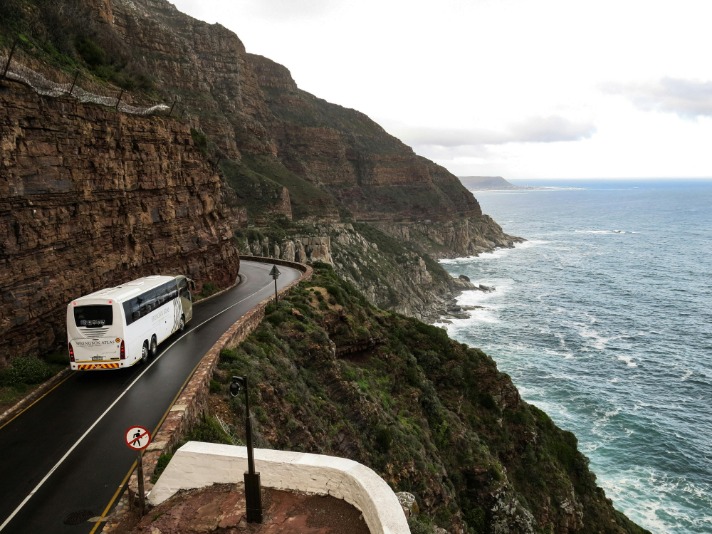

Overview of Pullman Bus South Africa
Pullman Bus South Africa is a contemporary intercity coach service that connects major cities across the country, offering comfortable seating, reliable schedules, and a focus on safety and traveler convenience. With a modern fleet, easy online booking, and a commitment to quality passenger experience, Pullman Bus aims to provide efficient, comfortable journeys for both business and leisure travelers touring South Africa.
Brand identity and market positioning
Pullman Bus South Africa is positioned as a premium intercity and charter coach operator serving major routes across the country, delivering comfort, safety, and reliable travel experiences for business travelers, tourists, and everyday commuters. The brand emphasizes modern fleets, onboard amenities, and easy digital booking to meet the needs of travellers seeking convenience and quality.
-
Overview
Pullman Bus South Africa operates a network of intercity routes connecting key urban centers and popular tourist destinations. The fleet focuses on comfort and safety, with features such as comfortable seating, on-board power, Wi‑Fi on select services, and professional drivers. The company emphasizes punctuality, safety standards, and transparent pricing, with online booking and mobile payments to facilitate a seamless customer journey.
-
Brand identity
The Pullman Bus brand identity centers on premium travel experiences. The name evokes luxury and reliability, while the design language communicates modernity, clarity, and trust. Visual identity typically emphasizes clean lines, a subdued color palette, and a focus on service excellence, safety, and guest comfort. The brand messages highlight comfort, convenience, and a commitment to secure, dignified travel.
-
Market positioning
In the South African intercity transport market, Pullman Bus South Africa positions itself as a premium, value-driven option for long-distance travel. Its positioning targets business travelers, tourists, and mid-to-high income segments seeking predictable schedules, comfort, and reliable service. Competitive differentiators include a modern fleet, strong safety record, convenient online booking, loyalty incentives, and a network that covers high-demand routes, offering a balance of comfort and price compared with lower-cost rivals.
Key services and routes
Pullman Bus South Africa is a premium intercity coach operator offering comfortable, reliable travel across key routes in South Africa. The service emphasizes passenger comfort, safety, and convenient booking options to connect major cities and regions.
- Key services
- Premium long-distance travel with reserved seating and comfortable cabins
- Online booking, mobile tickets, and real-time schedule updates
- Luggage handling and generous baggage allowances
- On-board amenities such as climate control, power outlets, and Wi-Fi where available
- On-board refreshments or meals (where offered) and entertainment options
- Safety features including seat belts, trained drivers, and professional conduct
- Charter and group transport options for events and corporate travel
- Key routes
- Johannesburg to Cape Town corridor
- Johannesburg to Durban corridor
- Cape Town to Port Elizabeth and other Eastern Cape destinations
- Pretoria to Bloemfontein corridor
- Regional connections linking major cities with surrounding towns
History and Background
Pullman buses in South Africa trace their history to the luxury coach concept popularized by early 20th-century Pullman cars, adapted for road travel as rail networks expanded and long-distance journeys grew. Local coach builders and operators embraced the Pullman-style emphasis on comfort, spacing, and service, shaping intercity travel from the mid-20th century onward. The period saw regulatory, economic, and technological changes—from postwar manufacturing to modern safety standards—that transformed how South Africans moved between cities, boosting tourism and regional connectivity. Today, the history and background of Pullman bus service in South Africa reflect a blend of heritage and evolving mobility needs that continue to influence contemporary coach travel.
Founding and milestones
Pullman Bus South Africa refers to the premium long-distance coach experience associated with the broader Pullman transport tradition, drawing on the historic notion of luxury travel that originated with Pullman railcar services and later influenced road-based bus travel around the world.
History and background: The Pullman concept became synonymous with comfort, extra space, attentive service, and a focus on passenger experience. In South Africa, this ethos was adopted by intercity coach operators seeking to differentiate long journeys from standard services. Over time, the road version of the Pullman idea translated into modern, comfortable coaches, enhanced interiors, and service standards designed to appeal to travellers on long-distance routes.
Founding and presence in South Africa: There is no single, widely recognized founding date for a national “Pullman Bus South Africa” company. Instead, the Pullman branding has appeared across various operators as part of South Africa’s evolving bus sector. The essence of the brand has often been marketed through premium seating, better amenities, and a focus on reliability and passenger comfort on key intercity corridors.
Milestones: Across the industry, notable milestones associated with Pullman-style service in South Africa include the introduction of purpose-built, high-comfort coaches for longer routes, the modernization of fleets with safer braking and suspension systems, and the adoption of computerised ticketing and online bookings. As the market matured, operators increasingly invested in real-time tracking, improved on-board amenities, and compliance with evolving safety and vehicle standards to meet passenger expectations and regulatory requirements.
Today: The pullman-inspired approach in South Africa continues to influence long-distance travel through contemporary fleets that emphasize comfort, safety, and efficiency. Ongoing trends include digitization of bookings, greener powertrains, and efforts to balance premium passenger experiences with sustainability and affordability on popular intercity routes.
Expansion and milestones in the South African transport sector
History and Background: South Africa’s passenger transport history sits at the crossroads of rail, road and air travel. As early motorized buses and coaches began to traverse the country, long-distance road travel evolved from basic service into a more structured, passenger‑oriented experience. The Pullman concept—associated with elevated comfort, larger seating, and refined service—came to symbolize premium intercity travel on South African roads, influencing how operators designed fleets, scheduled services and customer expectations. Over decades, road coaches complemented existing rail networks, expanding reach to towns and regions where rail service was limited or less frequent.
The Pullman bus concept in South Africa has been linked to premium intercity travel, offering enhanced comfort, generous legroom, and on-board amenities that set it apart from standard intercity services. Operators adopting a Pullman-style approach focused on consistent reliability, safety and courteous customer service, helping to drive consumer preference for longer journeys that bridged major cities and tourist destinations. This premium segment pushed industry standards upward, encouraging fleet modernization and professionalization across the coach sector.
Expansion and milestones in the South African transport sector have included the growth of intercity bus networks, improvements in fleet technology, and policy reforms aimed at better coordinating road, rail and urban transport. The late 20th and early 21st centuries saw shifts toward deregulation in parts of the public transport market and the introduction of planning frameworks that emphasized integrated transport solutions. Milestones such as the modernization of coach fleets, investment in highway infrastructure, and the adoption of more customer‑friendly ticketing and scheduling systems helped expand reach and reliability for travelers, including those on premium coach services inspired by the Pullman model.
In practice, premium coach services and the broader bus sector have benefited from fleet modernization, enhanced safety standards, and digital innovations in ticketing and service information. The development of toll roads and improved high‑speed corridors shortened travel times between key urban centers, supporting both tourism and business travel. Premium segments, often associated with the Pullman brand or its-inspired offerings, contributed to higher service expectations and helped diversify the transport landscape across Gauteng, the Western Cape, KwaZulu-Natal and other regions.
Looking forward, the South African transport sector aims to strengthen multimodal integration, expand digital ticketing, and embrace cleaner propulsion and smarter scheduling. For premium coach services, continued emphasis on comfort, safety, reliability and responsive customer service will remain central, while investment in technology and green fleets will shape how Pullman-style travel evolves within a dynamic, policy‑driven transport environment that connects cities, towns and tourist attractions nationwide.
Fleet and Technology
In South Africa, Pullman Bus combines a modern fleet with advanced technology to deliver reliable, comfortable travel. Pullman Bus South Africa’s coaches use telematics, GPS tracking, and real-time diagnostics to optimize routes, monitor vehicle health, and enhance safety. Integrated driver-assistance features, proactive maintenance, and fuel-efficient engines reduce downtime and operating costs, while comfortable interiors and climate control improve passenger experience. As demand for safe, efficient intercity travel grows, the Pullman approach shows how fleet management and technology are reshaping South Africa’s bus industry.
Bus models and capacity
Pullman bus operators in South Africa are redefining passenger travel by integrating fleet management technology and modern bus models to deliver safer, more comfortable journeys.
Their fleet spans intercity luxury coaches, regional shuttles, and tourist coaches. Typical intercity models seat 40 to 60 passengers, while smaller shuttles handle 20 to 40, and some luxury tour configurations can approach 60 to 70 seats to maximize capacity on high-demand routes.
Model configurations commonly include 12 to 13 meter two-axle coaches for shorter routes and 13.5 to 14 meter three-axle models with enhanced luggage capacity for longer journeys. The choice of wheelbase and axle setup influences ride quality, clearance, and total payload, aligning with SA road networks and route profiles.
Technology across the Pullman fleet emphasizes telematics, GPS tracking, and on-board diagnostic systems that support real-time monitoring of fuel use, speed, and maintenance needs. On-board connectivity, passenger information displays, USB charging, and CCTV contribute to security and comfort, while digital ticketing and contactless payments streamline boarding.
Safety and efficiency are reinforced through driver training, regular maintenance, and compliance with fitness and safety inspections. Vehicles typically undergo routine COF-like checks and preventive maintenance cycles to minimize downtime and extend vehicle life, aligning with South Africa’s regulatory framework for passenger transport.
Looking ahead, the South Africa market sees continued emphasis on cleaner propulsion, with diesel engines meeting modern emission standards and potential exploration of hybrid or alternative-fuel options. The Pullman fleet is positioned to balance capacity, reliability, and passenger experience while adapting to evolving demand and regulatory requirements.
Maintenance, safety technology, and monitoring
Pullman Bus South Africa operates a modern and expanding fleet designed for intercity and corporate transport, combining passenger comfort with safety, efficiency, and reliability.
Fleet and technology: The fleet uses modern coaches with efficient diesel engines meeting latest emission standards, aerodynamic designs, and reinforced safety frames for durability on diverse South African routes. Each bus is equipped with telematics and onboard diagnostics that feed real-time data into a central fleet management system, enabling GPS tracking, route optimization, and remote monitoring of performance and emissions. Passenger experience is enhanced with onboard Wi-Fi, USB charging, and real-time trip information displays for departures and arrivals.
Maintenance: Maintenance programs rely on preventive schedules aligned with OEM guidelines, with digital maintenance logs, certified service partners, and stocked spare parts across key depots. Predictive maintenance uses sensor data to monitor engine oil level, coolant temperature, brake wear, tire condition, and air-systems, enabling pre-planned interventions to minimize downtime and prevent failures on long routes.
Safety technology: Safety technology focuses on active and passive systems: ABS and electronic stability control, hill start assist on inclines, adaptive cruise control where available, and lane-keeping or collision avoidance features on newer models. Tire pressure monitoring, onboard fire suppression, and CCTV coverage for driver and passenger safety further reduce risk. Driver fatigue monitoring, automatic emergency call features, and clear exterior lighting improve visibility and response options in emergencies.
Monitoring: Monitoring and analytics provide real-time visibility for operations: vehicle location, speed, idle time, fuel consumption, and temperature monitoring of cargo or cooling units if used. Route adherence, ETA accuracy, and driver performance metrics are tracked to optimize schedules and coaching. Remote diagnostics alert maintenance teams to faults, enabling swift scheduling and reducing unscheduled outages.
Together, Fleet and Technology, Maintenance, safety tech, and monitoring create a resilient Pullman Bus South Africa operation that elevates safety, reliability, and passenger trust across the country’s routes.
Routes and Network
Pullman Bus South Africa offers a concise, extensive route network that connects major cities, popular destinations, and regional towns across the country. The network is designed for reliability and convenience, with regular intercity departures, coordinated hubs, and routes that support business travel, tourism, and everyday commuting.
Major corridors and city pairs
Pullman Bus South Africa operates a nationwide long-distance coach network that links the country’s major cities and regional hubs. The service focuses on comfort, reliability and value for travelers moving between business centers, tourist destinations and provincial capitals.
The routes span Gauteng, the Western Cape, the Eastern Cape, KwaZulu-Natal, the Free State and Limpopo, with key hubs in Johannesburg, Pretoria, Cape Town and Durban. On these corridors Pullman Bus connects capital cities with regional towns, offering a mix of daytime and overnight services. The network is designed to serve both business travelers and holidaymakers, with comfortable seating, climate control and on-board essentials.
Major corridors include the Johannesburg to Cape Town route along the N1 corridor via Bloemfontein, enabling a direct link between Gauteng and the Western Cape. The Johannesburg to Durban corridor runs along the N3 and connects Gauteng’s economic heartland with KwaZulu-Natal coast cities. A cross-country option runs from Cape Town through the Eastern Cape to KwaZulu-Natal, linking coastal and inland centers. There are also strong Pretoria to Port Elizabeth connections via the N4 and supporting routes to other coastal towns, and Bloemfontein to Johannesburg and Bloemfontein to Cape Town as important regional links.
Key city pairs typically promoted by Pullman Bus South Africa include Johannesburg–Cape Town, Johannesburg–Durban, Johannesburg–Port Elizabeth, Cape Town–Port Elizabeth, Pretoria–Durban, Bloemfontein–Johannesburg, and Cape Town–Bloemfontein. These corridors are complemented by feeder services to smaller towns along the main routes, expanding access across provinces.
Travelers planning a trip can check schedules and book in advance, with options for day trips and overnight journeys. The network is periodically updated to reflect demand, road conditions and seasonal travel patterns, ensuring broad coverage across South Africa’s key urban centers.
Intercity vs. commuter services
Pullman Bus South Africa operates a nationwide network that links major cities with a mix of long-distance intercity journeys and shorter commuter services. The dual approach helps travelers move efficiently between urban centers as well as within metropolitan areas.
Routes and network design are built around core corridors that connect Gauteng, the Western Cape and KwaZulu-Natal, with feeder routes reaching smaller towns along the way. Long-distance routes focus on speed and reliability with fewer stops, while regional and feeder services connect suburbs and regional towns to the main corridors.
Intercity services are the backbone of Pullman Bus, offering direct and semi-direct routes between major cities. These trips cover long distances, often overnight, and are designed for travelers seeking convenient cross-country connections. Baggage allowances and seating options vary by service level, and on-time departures are typically emphasized to maximize journey efficiency.
Commuter services operate within metropolitan areas or between close-by towns to support daily work and school travel. They run with higher frequency, more stops, and reliability during peak hours. These services may offer shorter trip durations, flexible ticketing, and easier pickup and drop-off at community hubs.
Planning a route involves checking timetables, noting transfer points, and choosing between direct intercity hops or convenient commuter connections. Pullman Bus networks usually publish multi-route itineraries that show transfer options at major terminals and convenient interchange points with other public transport.
Ticketing and pricing typically allow advance booking online or at the terminals, with different fare classes to match comfort preferences. Seasonal promotions, loyalty programs, and group discounts can influence the overall cost, and some routes offer express options with limited stops for faster travel.
Travel comfort is a feature across Pullman Bus fleets, with comfortable seating, climate control, and available onboard amenities. Accessibility for elderly travelers and families with children is often supported through priority seating, storage for mobility aids, and child-friendly facilities on certain trips.
In choosing between intercity and commuter services, travelers should consider trip length, desired speed, and how often they need to travel. Intercity is best for longer journeys between cities, while commuter services excel for daily work runs and regional connections. Always check the latest schedule and book in advance to secure preferred times and seats.
Booking, Tickets, and Customer Experience
Booking a journey with Pullman Bus South Africa combines simple online reservations, clear ticketing options, and a customer experience focused on convenience and reliability. From intuitive search and real-time seat availability to easy e-tickets and on-trip support, travelers can plan, book, and travel with confidence while enjoying punctual departures, comfortable seats, and friendly service across major routes.
Online booking platform and mobile app
Pullman Bus South Africa has emerged as a trusted option for intercity travel, backed by a modern online booking platform and a mobile app designed to streamline the process of booking, issuing tickets, and enhancing the overall customer experience.
Booking on the online platform for Pullman Bus South Africa starts with choosing your route, date, and passenger count. The interface typically shows real-time seat availability and transparent fare options, including standard and flexible tickets. Users can select seats, review terms, and proceed to secure payment using cards, bank transfers, or popular mobile wallets, with instant confirmation sent to email or the app.
Tickets are issued as e-tickets or mobile tickets within the platform. Each ticket includes the journey details, passenger name, barcode or QR code, and booking reference. On arrival at the departure lounge, staff can scan the ticket from your device or a printed copy. Change and refund policies are usually outlined clearly in the booking flow, with options to modify a ticket before a cut-off time online.
Customer experience is central to Pullman Bus South Africa’s value proposition. The platform aims to provide quick, intuitive self-service and reliable support. Features like order history, saved passenger profiles, and easy rebooking help frequent travelers save time. Real-time service updates and proactive notifications keep passengers informed about delays, gate changes, or special instructions for their journey.
The Pullman Bus South Africa mobile app brings the booking journey to the palm of your hand. Key benefits include one-tap bookings from saved routes, mobile boarding passes, push notifications for schedule changes, and offline access to previously issued tickets. The app also serves as a customer support touchpoint with in-app chat or helpline access, ensuring help is available at every step of the journey.
Security and accessibility are important for online travel platforms. The booking system uses encrypted payments, secure storage of personal data, and visible privacy options. The app is built with accessible UI patterns, supporting screen readers and clean navigation so that a broad range of travelers can book and manage their trips with ease.
By combining a robust online booking platform with a responsive mobile app, Pullman Bus South Africa aims to deliver a seamless booking, ticketing, and travel experience that keeps passengers confident and connected from search to arrival.
Pricing, discounts, and loyalty programs
Pullman Bus South Africa focuses on a seamless journey from online search to the road, with booking, tickets, and customer experience shaping how travelers choose and use its long-distance coach services. The approach combines clear pricing, accessible discounts, and a rewards mindset designed to reward repeat travelers.
Booking channels and process: The official channels typically include an online booking platform and a mobile app, complemented by in-person ticket counters at major terminals. When you book, you can view routes, compare departure times, and select your seat where options exist. Payments are usually accepted via major credit and debit cards, electronic transfers, and cash at counters.
Ticket options and seating: Tickets may be offered as single journeys or returns, with various fare classes such as standard and express where available. Some tickets may be flexible, while others are non-refundable or carry change fees. Seat selection, where offered, allows customers to choose rows or seat numbers for comfort.
Customer experience: Pullman Bus aims for clean, comfortable coaches, professional drivers, and courteous staff. On-time performance, clear pre-boarding instructions, and helpful support at check-in contribute to a positive experience. Luggage policies are typically defined to balance space and security.
Pricing and value: Ticket prices reflect distance, time of travel, seat type, and demand. Early bookings often unlock lower fares, while peak season or weekend travel may be priced higher. Hidden costs such as baggage charges or service fees are sometimes applied, so reviewing the fare breakdown is wise.
Discounts: Pullman Bus often offers discounts to certain groups and promotions, such as student or pensioner rates, group bookings, or return-trip incentives. Promotional codes or limited-time sales can lower prices further. Availability varies by route and date, so checking the terms on the official site is best.
Loyalty programs: If a loyalty program exists, it typically rewards repeat travelers with points earned per trip, which can be redeemed for discounts on future journeys or free travel. Tiered levels might offer additional benefits like priority seating, free checked baggage, or faster support. For current details, customers should review the Pullman Bus loyalty program page or contact customer service.
Changes and refunds: Ticket changes and cancellations policies vary by fare type. Flexible tickets may be refundable with a fee, while non-flexible tickets might be non-refundable. Rebooking or credit options are commonly available, subject to terms and processing times.
Customer support and accessibility: Assistance is typically available via phone, email, and social media, with terminal staff on-site for day-of-travel queries. Accessibility options, including assistance for passengers with mobility needs, are an important consideration in the service offering.
Travel tips and best practices: To get the best value, compare routes and times, book in advance, and consider off-peak travel. Check luggage allowances before packing, pack essential items in carry-on, and verify the fare terms to avoid surprises at the station.
Conclusion: Pullman Bus South Africa provides a structured experience around booking, tickets, pricing, discounts, and loyalty, with emphasis on customer satisfaction and value.
Onboard amenities and comfort
Pullman Bus South Africa aims to redefine long-distance travel with a focus on easy booking, transparent ticketing, and a strong customer experience across major routes such as Johannesburg, Cape Town, Durban, and Pretoria.
Booking is streamlined through multiple channels, including a user-friendly website, a mobile app, and a network of booking offices. When booking, travelers select routes, dates, and seats, and choose from fare options that balance price and flexibility. Tickets are issued as e-tickets delivered by email or SMS, with the option to present a mobile ticket on boarding. Changes and cancellations follow the operator’s policy, and customers can manage bookings from their account or via a support center.
Customer experience centers on clear communication, friendly staff, and efficient handling at check-in. Boarding is organized to minimize delays, with team members available to assist elderly passengers and families. On-time departures, route transparency, and responsive service contribute to trust and satisfaction, while feedback channels help Pullman Bus South Africa continually improve from booking to arrival.
Onboard comfort varies by bus type but commonly includes roomy seating with ample legroom, adjustable recline, and ergonomic design. Climate control maintains a comfortable cabin, while overhead storage and accessible luggage compartments help keep items secure. Some buses offer Wi-Fi and USB charging ports, a clean restroom, and beverage or snack service to keep passengers refreshed. Quiet zones or power-saving modes may be available on longer trips to support a relaxed journey.
For the best experience, travelers should confirm seat selection and baggage allowances during booking, arrive early for check-in, and keep their ticket handy. Planning rest stops on longer routes helps comfort and punctuality. If special assistance is needed, contacting customer service in advance ensures arrangements are ready at boarding.
Safety, Compliance, and Security
Safety, compliance, and security are the cornerstones of Pullman Bus South Africa, guiding every journey from fleet maintenance to on-board protocols across the country. By meeting stringent regulatory requirements, implementing robust safety systems, and deploying proactive security measures, the service protects passengers, drivers, and operations while delivering reliable, comfortable travel experiences.
Regulatory compliance
Safety, compliance, and security form the backbone of Pullman Bus South Africa’s operations, aligning service quality with the country’s regulatory expectations while protecting passengers, staff, and equipment.
Regulatory framework and licensing for passenger coaches in South Africa include route permits, operator licenses, and vehicle roadworthiness requirements. Pullman Bus SA works within the National Road Traffic Act and related regulations, maintaining regular COF (Certificate of Fitness) inspections, vehicle maintenance records, and route compliance under oversight bodies such as the Department of Transport and the National Public Transport Regulator.
Vehicle safety and maintenance are prioritized through preventative servicing, safe loading and unloading procedures, functional safety features on each coach (seat belts, emergency exits, fire extinguishers, first aid kits), and robust maintenance logs that document repairs, tyre conditions, and safety system checks.
Driver standards and fatigue management are central to safety. Pullman Bus SA requires accredited driver training, periodic refreshers on passenger safety, defensive driving, and adherence to hours-of-service rules to minimize fatigue and maximize reaction times on long-distance routes.
Security measures protect passengers and assets. This includes secure boarding and alighting protocols, onboard CCTV and GPS tracking where permitted, tamper-resistant ticketing and baggage handling, and coordination with security services to prevent theft or assault along routes and hubs.
Passenger safety and accessibility are addressed through clear signage, accessible boarding for wheelchair users where feasible, and staff assistance to vulnerable travellers, ensuring that safety information is communicated in multiple languages common in South Africa.
Regulatory compliance extends to data protection. Pullman Bus SA observes the Protection of Personal Information Act (POPIA) in the collection and handling of passenger data for bookings, loyalty programs, and service improvements, with secure data storage and access controls.
Incident reporting and emergency response are formalized. Accidents, security incidents, or near-misses are documented, investigated, and reported to the appropriate authorities (for example, traffic police, the RTMC, or other regulators), with corrective actions tracked and verified.
Governance and continuous improvement underpin safety, with internal audits, third-party safety assessments, staff training metrics, and a safety management system that encourages near-miss reporting and ongoing risk mitigation across routes and terminals.
By integrating safety, compliance, and security into every journey, Pullman Bus South Africa aims to deliver reliable, law-abiding, and secure transport that riders can trust across the country.
Safety protocols and incident response
Pullman Bus operations in South Africa place safety, compliance, and security at the core of the passenger experience. This overview outlines the safety protocols, incident response, and governance framework that support reliable service across routes.
Safety protocols for Pullman Bus include rigorous vehicle maintenance, daily pre-trip inspections, and clear procedures for handling emergencies. Checks cover brakes, tyres, lights, steering, suspension, fluid levels, and secure luggage compartments. Buses are equipped with working fire extinguishers, first aid kits, and clearly marked emergency exits. Passenger safety briefings are provided at boarding, with emphasis on seatbelt use, proper boarding and alighting, accessibility for travellers with mobility needs, and adherence to weight and balance limits. Maintenance records, defect reporting, and service schedules are kept to ensure vehicles meet safety standards before they enter service.
Driver and staff training is a cornerstone of safety. Pullman Bus invests in ongoing defensive driving programs, hazard awareness, night and adverse-weather operation, and route-specific risk management. Fatigue management, hours-of-service compliance, licensing verification, and background checks for staff help reduce risk. Regular performance monitoring, incident reviews, and refresher courses reinforce safe driving habits and high quality customer service on every journey.
Security measures address the risk landscape common to road travel. Route risk assessments guide where enhanced security measures may be needed, and buses may operate with onboard CCTV, panic alarms, and real-time GPS tracking. Security protocols include secure depots, controlled access to vehicles, and coordination with local authorities and security partners. Onboard staff receive training to recognize suspicious activity and respond calmly to potential threats, while communication channels with the control room enable rapid escalation when required.
Incident response is a structured, multi-step process designed to protect passengers and preserve evidence. In the event of an incident, the first priority is to ensure passenger safety and call for medical or police assistance as needed. The incident response team activates, a formal incident plan is implemented, and information is shared with authorities, the dispatcher, and affected passengers. A thorough record is kept of times, actions, and witnesses, and the scene is preserved for investigation. After action reviews identify root causes and corrective actions to prevent recurrence, and relevant stakeholders are informed of outcomes and any passenger support arrangements.
Compliance and governance are built on a framework of statutory obligations and internal standards. Pullman Bus adheres to South African regulations governing road transportation, including licensing, operator permits, and route conditions under the National Land Transport Act and the National Road Traffic Act. Vehicles and operators meet applicable safety standards, with routine audits, maintenance verifications, driver licensing checks, and record-keeping to demonstrate compliance. An internal Safety Management System supports risk identification, control implementation, periodic reviews, and continuous improvement across the fleet.
Data handling and privacy accompany safety and security processes. Incident data, maintenance records, and passenger information are collected and stored securely, with access limited to authorized personnel. Data retention aligns with regulatory requirements, and information sharing with authorities follows approved protocols to protect privacy while enabling effective response and accountability.
Communication with passengers and the public reinforces safety and confidence. Clear signage, pre-trip safety information, and accessible emergency contact channels help travellers understand what to do in an emergency. Staff receive training in calm, respectful communication during incidents, and post-event updates are provided to affected customers and stakeholders as appropriate.
Ultimately, Pullman Bus maintains a culture of safety, compliance, and security grounded in proactive planning, disciplined execution, and continuous learning. Regular reviews, stakeholder collaboration, and investment in people, processes, and technology ensure safer travel for South Africans on every Pullman Bus journey.
Operations and Logistics
Operations and logistics drive Pullman Bus South Africa, coordinating routes, scheduling, fleet maintenance, and customer service to deliver reliable, safe, and affordable intercity travel. Through data‑driven planning, efficient dispatch, and proactive maintenance, the company connects major cities and regional towns while ensuring a smooth passenger experience.
Scheduling and reliability metrics
Pullman Bus South Africa runs an integrated intercity and charter network where operations and logistics underpin service reliability and cost efficiency. The company coordinates timetable design, vehicle routing, driver rosters, and depot maintenance to deliver predictable travel times across major routes.
Scheduling and network design focus on demand-driven frequency, peak-period provisioning, and buffer times to absorb delays. Timetables account for standard turnaround, turnaround time at each terminal, and constraints such as curfews, highway tolls, and traffic corridors.
Reliability metrics are used to monitor performance: on-time departure and arrival (OTP), schedule adherence, average delays, cancellations, and no-shows. A common target is OTP within a defined window (for example, within 15 minutes of scheduled times) and minimizing unplanned downtime.
Logistics and fleet management rely on preventive maintenance, depot scheduling, and inventory control. Metrics include MTBF, MTTR, mean time to repair, parts availability, fuel consumption per kilometer, and vehicle utilization rates to maximize asset productivity.
Dispatch and driver management integrate rostering with real-time status. Driver assignments consider driver hours, fatigue management, route knowledge, and customer service standards. Dynamic re-routing and contingency plans help maintain reliability during incidents.
Technology supports visibility and decision-making. GPS tracking, telematics, and an operations control center provide live ETA updates, lane-level position data, and alerting. Data platforms collect KPIs on OTP, dwell times, turnover of vehicles, and customer satisfaction, with dashboards for executives and operations staff.
Operating in South Africa adds complexity: fluctuating traffic conditions, road works, weather events, security concerns, and regulatory requirements shape scheduling and maintenance strategies. Strong supplier relationships, accurate forecasting, and flexible contingencies are essential to keep services resilient.
Ultimately, Pullman Bus South Africa aims for a tightly integrated operating model where scheduling, maintenance, and dispatch align with customer demand, budget targets, and safety standards. Continuous improvement, data-driven decision making, and collaboration with transport authorities underpin reliable performance.
Partnerships with transport authorities and agencies
Pullman Bus South Africa operates a nationwide intercity and airport-connected coach network, and its Operations and Logistics strategy centers on reliability, efficiency, and safety through strong partnerships with transport authorities and agencies.
Fleet management hinges on a modern, well-maintained fleet, with depot networks in key cities, telematics for real-time tracking, and a proactive maintenance regime. Vehicles are scheduled for routine servicing, wheel and brake checks, and on-time performance is monitored against manufacturer recommendations and South Africa’s regulatory requirements to minimize breakdowns and maximize uptime.
Scheduling and network design prioritize demand forecasting, route optimization, and balanced headways. Timetables are aligned with peak travel periods, airport demand, and school holidays, while capacity planning ensures adequate seating, luggage space, and comfort across long and short-haul services, supported by data-driven adjustments.
Safety and regulatory compliance are embedded in daily operations. Pullman Bus South Africa holds the necessary operator licenses under the National Land Transport Act, adheres to the National Road Traffic Act, and maintains driver training programs, fatigue management, and regular vehicle inspections to meet statutory and manufacturer standards.
Partnerships with transport authorities and agencies underpin permitted routes, licensing, and service quality. Collaborations with the Department of Transport, provincial road authorities, and municipal transport departments ensure adherence to Integrated Public Transport Networks, route concessions where applicable, and alignment with national transport plans and funding mechanisms.
Ongoing collaboration with agencies such as the Road Traffic Management Corporation and traffic policing supports enforcement of safety, bus lane usage, and incident management. Joint exercises, audits, and information sharing help maintain standards for passenger safety, crowd management, and incident response during disruptions.
Data sharing and planning with statutory bodies and planning authorities enable informed decision-making. Pullman Bus South Africa contributes performance metrics, passenger demand data, and service reliability reports to transport planning processes, while leveraging real-time information feeds for public dashboards and operator briefs.
Environmental and sustainability initiatives are pursued in coordination with authorities. Projects include emissions reduction through cleaner fleets, alternative-fuel options where feasible, retirement of older vehicles, and adherence to national environmental regulations and incentive programs for public transport operators.
Accessibility and passenger experience are central to partnerships with agencies overseeing universal access. This includes equipment for boarding assistance, priority seating, clear signage, and inclusive service design that integrates with broader public transport information systems and fare integration efforts.
In summary, Pullman Bus South Africa integrates Operations and Logistics with formal partnerships across transport authorities and agencies to deliver reliable, safe, and sustainable intercity coach services that support national mobility and economic activity.
Fleet Sustainability and Innovation
Pullman Bus South Africa is advancing fleet sustainability and innovation through cleaner propulsion, data-driven operations, and responsible mobility. By piloting electric and hybrid buses, adopting telematics for real-time maintenance, and optimizing routes for efficiency, the company reduces emissions while improving reliability for commuters. This approach positions Pullman Bus as a leader in sustainable transport, aligning with South Africa’s climate and economic goals.
Emission standards and eco-friendly initiatives
Pullman Bus South Africa is prioritizing fleet sustainability and innovation to reduce emissions and improve the passenger experience across major urban and regional routes.
The company adheres to South Africa’s emission standards for buses and continually upgrades its engines and exhaust after-treatment systems to lower pollutants such as NOx and particulates. By prioritizing modern, cleaner powertrains, rigorous maintenance, and on-board diagnostics, Pullman Bus aims to meet and exceed current national requirements while aligning with international best practices.
Eco-friendly initiatives are at the core of its strategy, including pilot programs for electric and hybrid buses on congested city corridors and the exploration of natural gas (CNG) and biodiesel blends where appropriate. Investments in depot charging infrastructure, rapid-response maintenance for electrified fleets, and partnerships with energy providers help scale up zero-emission operations where feasible.
Innovation in operations supports sustainability as well. Telematics and data analytics optimize routes and schedules to minimize distance traveled and idle time, while eco-driving training programs empower drivers to operate vehicles in a fuel-efficient manner. Predictive maintenance reduces breakdowns and ensures engines run at optimal efficiency, further trimming the environmental footprint.
Fleet design and efficiency efforts focus on reducing weight, improving aerodynamics, and enhancing propulsion and energy management systems. Lightweight materials, low-rolling-resistance tires, and advanced HVAC systems contribute to lower energy consumption, while regenerative braking and efficient auxiliaries help recover and reuse energy where possible.
Depot-level sustainability includes installing solar photovoltaic systems to offset electricity use, energy storage solutions to balance supply and demand, and water recycling and waste-reduction programs. Green procurement practices and responsible end-of-life recycling for buses and components further reinforce the company’s commitment to a circular economy.
Community impact and collaboration with government, OEMs, and utility partners are central to Pullman Bus South Africa’s approach. Improved air quality, reduced noise, and quieter, smoother rides contribute to healthier urban environments, while public-private partnerships support funding and policy alignment with climate goals.
Looking ahead, Pullman Bus South Africa plans to accelerate electrification along high-demand routes, expand alternative-fuel fleets where viable, and continuously refine operational practices through data-driven insights. The goal is a cleaner, more efficient, and resilient bus network that serves passengers and cities alike.
Alternative fuels and future propulsion plans
Pullman Bus South Africa is positioning its fleet at the forefront of sustainability and innovation, recognizing that reliable public transport must be cleaner, quieter, and more efficient while meeting rising passenger demand across urban and intercity networks.
Today’s fleet faces the realities of diesel exhaust, fuel cost volatility, and aging assets. In major cities, emissions from buses contribute to air quality concerns, and fleets face tightening regulatory standards and funding pressures. Pullman Bus South Africa is exploring a staged transition that can cut emissions, reduce operating costs, and improve rider experience.
Alternative fuels and energy sources offer a practical pathway in the near term. In the coming years, hybrid configurations, renewable diesel and HVO, biodiesel blends, and renewable natural gas can lower tailpipe emissions and deliver incremental fuel savings. Trials of CNG or LNG for regional routes could further diversify energy supply, while ensuring compatibility with existing garages and maintenance workflows.
In parallel, long‑term propulsion plans are likely to include electric technologies. Battery electric buses (BEBs) can serve dense urban corridors with rapid charging at depots or strategic charging hubs, supported by energy management systems and solar generation. With continuous improvements in battery density and charging power, BEBs can extend service ranges and reduce total cost of ownership when matched to suitable routes.
Hydrogen fuel cell propulsion presents another option for high‑duty or longer‑distance routes where payload and range are critical. Fuel cell buses, combined with on-site or green hydrogen production, can provide rapid fueling and long range with low local emissions, complementing electric fleets on mixed networks.
Infrastructure and grid readiness are essential. Pullman Bus South Africa can leverage depot solar, energy storage, and microgrid solutions to stabilize charging while mitigating grid constraints. Partnerships with energy providers, municipal authorities, and financing partners can accelerate the rollout and ensure resilience during load shedding or peak demand periods.
Beyond propulsion, innovations in fleet management drive sustainability. Telemetry, route optimization, and predictive maintenance reduce fuel use, downtime, and wear. Smart regenerative braking, tire management, and lightweight materials can shave energy consumption, while lifecycle analysis guides procurement toward durable, repairable components and easier end‑of‑life recycling.
People and safety remain central. Training for drivers and technicians on new propulsion systems, safety protocols for charging and hydrogen handling, and robust maintenance standards are essential to a successful transition. Transparent reporting on emissions, energy use, and customer benefits builds trust with riders and regulators alike.
Policy alignment and funding will shape the pace of change. South Africa’s National Transport Master Plan and local procurement policies, along with incentives for low‑emission fleets and public‑private partnerships, can provide the framework and capital for scaling. Collaborations with manufacturers, energy suppliers, and research institutions can accelerate testing, data sharing, and the adoption of best practices.
Looking ahead, Pullman Bus South Africa can pursue a phased, route‑specific approach that blends proven cleaner diesel options with pilot programs for BEBs and hydrogen on appropriate corridors. A clear roadmap—anchored in emissions targets, passenger comfort, reliability, and total cost of ownership—can deliver immediate benefits in air quality and service while paving the way for a cleaner, more innovative public transport system.
Customer Service and Accessibility
Customer service at Pullman Bus South Africa centers on accessibility, ensuring every traveler can plan, book, and board with confidence. From accessible booking paths and clear information to staff trained in assistive services and multilingual support, the goal is to make journeys smooth for people with mobility needs, sensory impairments, and families alike.
Accessibility features and services for passengers with disabilities
Pullman Bus South Africa is committed to customer service and accessibility, aiming to make travel comfortable and inclusive for passengers with disabilities. The company prioritizes respectful assistance, clear communication, and a seamless travel experience from booking to arrival.
Booking and planning are designed to accommodate accessibility needs. Passengers can book online or via customer service channels, and they are encouraged to flag accessibility requirements at the time of booking or in advance of travel so staff can arrange suitable seating, boarding assistance, and any necessary support at pickup points or depots.
On board, Pullman Bus South Africa offers features that support passengers with disabilities, including wheelchair spaces and boarding ramps or accessible entry where available, as well as priority seating near the doors. Stowage and aisle space are managed to accommodate mobility aids, and where applicable, accessible lavatories and space for service animals are provided on longer journeys.
Terminal and station accessibility are also addressed, with step-free access, accessible ticket counters where possible, and clear wayfinding within depots and terminals. Tactile indicators and braille signage may be available to assist passengers with visual impairments, helping them navigate to boarding areas and entrances with confidence.
Staff training underpins customer service and accessibility, with personnel trained in disability awareness, assistance techniques, and effective communication with passengers who have hearing or vision impairments. Bus attendants are prepared to support safe boarding, securement of mobility aids, and provide guidance throughout the journey, including in emergency situations.
Safety and emergency procedures are designed to be inclusive, combining audible and visual announcements and clearly explained instructions to ensure all passengers understand what to do in an emergency. Regular reviews of accessibility features and procedures help Pullman Bus South Africa improve the travel experience for passengers with disabilities.
Travelers are encouraged to ask questions, provide feedback, and share experiences to help the company refine its services. By engaging with customers and updating accessibility policies, Pullman Bus South Africa aims to uphold a high standard of inclusive customer service across its network.
Customer support channels and complaint resolution
Pullman Bus South Africa places customer service and accessibility at the heart of its operation, striving to make intercity travel reliable, comfortable, and inclusive for all passengers.
Accessibility features and information should be available from the moment a booking is made. From booking to onboard, accessibility is built into every step: clear schedules and fare information, assistance for travelers with disabilities, alternative formats such as large print or screen reader friendly digital content, and staff trained to accommodate mobility, vision, or hearing needs.
Customer support channels provide multiple ways to reach the company. Customers can contact Pullman Bus South Africa through phone support, email, a website contact form, and in-person help at major terminals or ticket offices. Onboard staff and crew are available to assist during journeys, and responses may also be provided via official social media channels where appropriate.
When a complaint is raised, it should be acknowledged promptly, assigned to a dedicated agent, and investigated with the relevant evidence. The customer should receive a clear explanation of findings and any remedies offered, such as refunds, credits, or service improvements. There should be defined response times, an escalation path to supervisors or a customer care manager, and the option to appeal if the outcome is unsatisfactory. Privacy and data protection considerations apply throughout the process.
Pullman Bus South Africa can demonstrate commitment to continuous improvement by tracking key metrics such as response times, resolution rates, and customer satisfaction, conducting accessibility audits, and providing ongoing staff training on disability awareness and inclusive service.
Passengers are encouraged to share feedback, report accessibility barriers, and suggest improvements via any available channel, reinforcing a cooperative approach to delivering better service for all travelers.
Market Position and Competitive Landscape
Pullman Bus South Africa positions itself in a crowded long-distance and intercity coach market, competing on service quality, route coverage, and modern amenities. The competitive landscape is shaped by a mix of legacy operators with extensive networks and newer, price-focused brands; differentiation hinges on safety records, punctuality, fleet modernization, and digital booking experiences. As demand patterns shift toward online sales and seamless travel, Pullman Bus South Africa seeks to capture share through targeted routes, reliable performance, and customer-centric service.
Key competitors in South Africa
Pullman Bus South Africa operates in the country’s intercity long-distance coach market, where customers expect safety, comfort, and reliable scheduling. The market is competitive and fragmented, with a mix of national operators and regional players, and price sensitivity varying by route and season.
Market Position: Pullman Bus positions itself as a mid-to-premium option focused on passenger experience. Core differentiators typically include a comfortable cabin with ample legroom, reliable on-time performance, well-maintained fleets, and attentive customer service. The pricing strategy tends to align with value-added features, loyalty programs, and corporate contracts, aiming to attract business travellers, frequent commuters, and tourism segments who are willing to pay a little more for reliability and comfort.
Key competitors in South Africa’s long-distance bus market include established operators such as Intercape, which offers broad national coverage and frequent schedules; Greyhound SA, which leverages a global brand and cross-border awareness; Translux (Autopax) with a network that historically served major routes; and City-to-City, along with various regional operators serving specific corridors. These players compete on route breadth, frequency, pricing, safety records, and partnerships with tourism and corporate clients.
Competitive dynamics are driven by network reach, schedule reliability, fleet age and maintenance, safety standards, and the quality of the booking experience (online ticketing, customer support, flexible fare options). Price competition often hinges on off-peak travel, advance purchase discounts, and bundled services, while service quality drives repeat business and word-of-mouth referrals.
For Pullman Bus to strengthen its position, it should optimize route planning for core demand corridors, continue fleet modernization, invest in safety and driver training, and enhance the end-to-end booking experience with digital channels and loyalty incentives. Building alliances with tourism boards, travel agents, and corporate clients can expand occupancy and average trip value, while maintaining competitive pricing and transparent service levels to win market share from larger operators.
Overall, the market is competitive and benefits operators that combine reliability, comfort, and clear value propositions. Pullman Bus’s success will depend on executing these differentiators consistently and expanding a network that aligns with traveler demand in South Africa.
Competitive advantages and differentiators
Pullman Bus South Africa positions itself as a premium long-distance coach operator that prioritizes comfort, safety, and reliability. The brand targets business travelers, discerning tourists, and value-conscious passengers who seek a higher standard of service on intercity and tourism routes, aiming to distinguish itself through a refined onboard experience, modern fleet, and consistent performance.
The competitive landscape of South Africa’s long-distance bus market is shaped by a mix of established players and emerging operators. Key competitors include large, networked operators with extensive route maps, strong ticketing systems, and aggressive yield management. The market is price-sensitive on many core routes, while demand for comfortable, predictable travel options persists among corporate clients and tourism operators. Regulatory oversight, safety standards, and speed-to-market through digital booking platforms are essential elements that define how players compete and scale across provinces and cross-border corridors.
Pullman Bus South Africa leverages several competitive advantages to stand out. A modern, well-maintained fleet supports high reliability and safety, while trained drivers and stringent maintenance protocols help ensure punctual departures and solid on-time performance. A strong focus on customer experience—such as comfortable seating, climate control, onboard connectivity, and responsive customer service—enhances loyalty among repeat travelers. Robust route planning, dynamic pricing, and strategic partnerships with hotels, tourism operators, and corporate clients further strengthen its market position.
Differentiators for Pullman Bus South Africa center on the premium, service-led value proposition. Distinctive features may include high-end coaches with generous legroom and quiet zones, enhanced in-journey amenities, and flexible booking options for corporate travel. The brand can differentiate through curated tourism experiences, tailored corporate travel solutions, and seamless integration with loyalty programs. Sustainability practices, such as newer fuel-efficient vehicles and responsible maintenance, also serve as differentiators in a market increasingly attentive to environmental impact.
In summary, Pullman Bus South Africa competes by combining a premium customer experience with reliable operations and strategic partnerships. Its market position relies on delivering comfort and safety on a trusted network, while differentiating itself through fleet quality, service excellence, and value-added travel solutions that appeal to both corporate clients and leisure travelers seeking a superior long-distance bus experience in South Africa.
Travel Tips and FAQs
Whether you’re traveling by Pullman bus in South Africa or planning intercity trips, this quick guide covers essential travel tips and FAQs to help you ride with ease. Book early to secure the best fares and seats, check routes between major cities such as Johannesburg, Cape Town, Durban, and Port Elizabeth, and confirm intercity or sleeper options. Pack light but include important documents, arrive ahead of time for boarding, and be aware of luggage allowances and prohibited items. Onboard amenities vary by service, so verify Wi‑Fi, power outlets, and meal options. Common questions include ticket validity, cancellation and changes, child and student fares, accessibility, refunds, and safety measures.
Baggage policy and travel essentials
Travel tips for Pullman Bus South Africa: Pullman Bus operates long‑distance coaches between major cities across South Africa, offering a comfortable alternative to driving or flying. To ensure a smooth trip, book in advance, choose a preferred seat if available, and arrive early at the departure point. Check the latest timetable on the official site or via your booking confirmation, and be aware that schedules may change during holidays or peak travel periods.
Booking and check‑in: Tickets are typically available online or at designated terminals. Always carry a valid photo ID and ensure the passenger name on the ticket matches it. For most routes, mobile tickets are accepted, but carry a printed copy as a backup. Aim to arrive 15 to 30 minutes before departure to locate your platform and board without rushing. If you need changes to your booking, contact customer service as soon as possible to minimize fees.
On‑board experience and seating: Pullman Bus coaches offer comfortable seating, climate control, and often USB charging ports. Bring a lightweight jacket as temperatures can vary inside the bus. For longer trips, a travel pillow and headphones or earbuds can improve comfort. Some routes offer refreshments or breaks at stops; check your itinerary for stops and accessibility options.
Baggage policy: Baggage allowances vary by route, so verify the policy when you book. Typically passengers may bring one checked bag in the hold and one small carry‑on, with total weight limits around 15–20 kg per bag and up to 5–7 kg for a carry‑on. Luggage should be clearly labeled with your contact details and placed in the designated hold area or overhead compartments. Do not leave valuables in checked bags; keep important items with you in your carry‑on. Prohibited items include flammable materials, weapons, and other dangerous goods; always confirm current restrictions with the operator.
Travel essentials: Bring a valid ID, a payment card for on‑board purchases, and a mobile phone with charger. Pack water, snacks, a reusable bottle, a small first‑aid kit, medications, and a basic toiletry kit. For overnight journeys, consider a sleep mask, a compact blanket, and a neck pillow. If you have dietary needs, plan snacks accordingly. If traveling with children or dependents, pack extra wipes, toys, and activities to stay entertained during the ride.
Safety and accessibility: Keep valuables with you and use luggage locks that do not hinder inspection. Store bags securely in the hold or overhead racks and stay aware of your surroundings at boarding points and during stops. If you require special seating or assistance, contact Pullman Bus in advance to arrange accessibility services or a suitable seating option.
FAQ: Do I need to print my ticket? Most Pullman Bus services accept mobile tickets, but some routes may require a printed copy. How much baggage can I bring? Baggage allowances vary by route; check at booking. Are children allowed? Are there reserved seats? Is there Wi‑Fi or charging ports on board? Answers vary by service and route, so consult the booking confirmation or customer support for the precise details for your trip. What happens if I miss my bus? Contact customer service promptly for options; there may be fees or rebooking windows depending on fare type.
Cancellation, refunds, and changes
Pullman Bus operates intercity routes across South Africa, offering comfortable long-distance travel with on‑board services. To make the most of your trip, plan ahead, confirm your route and terminal locations, and review the current timetable before you travel.
Booking and planning: book early to secure the best fares and preferred seating, compare fare types, and use the official site or app for your purchase. Note your booking reference, travel date, and departure time, and arrive at the station with enough time to board.
Luggage and comfort: check luggage allowances for your Pullman Bus route, pack light where possible, and label bags. Bring essentials for the journey such as water, snacks, a charger, and a phone holder. Plan your seating near amenities if you value quick access to restrooms or the front of the bus.
Safety and terminals: travel with valid ID and the same name as on the ticket, keep belongings secure, and be mindful of pickpockets in busy terminals. Follow staff instructions at the terminal and on board, and verify your pickup point to avoid missing your bus.
FAQs: How do I book a Pullman Bus ticket in South Africa? You can book online via the official Pullman Bus site or app, or at select terminals. What payment methods are accepted? Online payments typically include major credit/debit cards and, where available, mobile payments. Are there discounts? Some fares or promotions may apply to students, seniors, or groups; always check current offers during checkout. Do children or infants require tickets? Children usually require a ticket or a child fare; confirm policy at booking. Are pets allowed? Check policy; many long-distance services restrict pets. Where can I board? Confirm the correct pickup point on your ticket and the terminal signage. Is ID required? Bring a valid photo ID; some routes may require passenger details to match the booking.
Cancellation, refunds, and changes: cancellation terms depend on your fare type. Some tickets are non‑refundable, while others allow refunds or changes with a fee. To cancel or request a refund, contact Pullman Bus customer service or use the booking platform where you made the ticket, and provide your booking reference and ID. Refunds are usually issued to the original payment method, and processing times vary. Changes to a booking, such as date, time, or passenger name, are often allowed up to a cutoff before departure, subject to a change fee and seat availability. If your trip is impacted by a schedule change or cancellation from the operator, you may be offered alternative routes, rebooking, or a full refund. Always verify the exact terms on your ticket or the official site, as policies can differ by route and fare type.
For the most accurate and up-to-date information, visit the official Pullman Bus South Africa website or contact customer support before you travel.
Special considerations and safety reminders
Travel tips for taking a Pullman bus in South Africa can help you plan a smoother journey, stay safe, and enjoy the ride from departure to arrival.
Booking and planning: Book directly through the official Pullman Bus South Africa site or app to secure your seat. Check the route, departure time, and terminal location, and confirm whether seats are assigned or first-come, first-served. Have your ID and the booking reference handy at check-in, and arrive at the terminal at least 30 to 60 minutes before departure to allow time for security checks and boarding.
Luggage and packing: Pack light and smart. Most intercity coaches allow a larger suitcase in the hold plus a small carry-on; keep valuables, travel documents, and electronics in your carry-on with you. Label your bags, and never leave luggage unattended at the terminal or on the bus. If you’re carrying fragile items, pack them securely and inform the crew if you need assistance with handling.
Onboard experience and comfort: Bring a neck pillow and a light blanket for longer trips; charging ports or USB sockets may be available on newer Pullman coaches. Rest stops are typically scheduled every few hours for meals, bathroom breaks, and to stretch your legs. Respect fellow passengers and keep noise to a manageable level; follow the conductor’s instructions if there is a change of plan due to traffic or delays.
Safety reminders: Keep your valuables with you or in a secure bag, and avoid displaying expensive items. Use the bus terminal as well as the pickup zone and avoid walking alone at night in unfamiliar areas. If you notice anything suspicious or feel unsafe, inform the crew or terminal security immediately. In the event of an emergency, dial local emergency services and the bus operator’s help line. If your route crosses borders, have your passport and any necessary visas ready at immigration checks.
Special considerations and accessibility: If you need mobility assistance or seating for medical devices, contact the operator in advance to arrange accessible seating or wheelchair help. Children and unaccompanied minors require guardian consent and may have specific check-in requirements; check age restrictions and required documentation. Dietary needs and medical needs should be communicated to the crew ahead of time where possible.
Cross-border and currency: For routes that cross into neighboring countries, ensure your passport, visa (if required), and any required health or vaccination documents are valid. Carry local currency or a card accepted at border checkpoints and in the destination country, and be aware of customs procedures and allowed goods. Always allow extra time for border processing and remember that schedules may vary by season or weather.
Frequently asked questions: Do I need an ID to travel? Yes, bring a valid ID or passport, especially when collecting tickets or crossing borders. How do I get a refund or reschedule? Check the Pullman Bus policy; most changes incur a fee if made close to departure. What if the bus is late or cancelled? The operator will provide updates and offer alternative arrangements or refunds according to policy. Can I bring luggage on board? Luggage allowances vary; confirm with the operator and label bags clearly. Are seats reserved? Some routes offer assigned seating while others are open seating. Can I bring food or drinks onboard? Most buses allow non-alcoholic drinks and snacks, but alcohol is not permitted and hot meals are usually served at rest stops. How do I contact help during travel? Use the operator’s hotline and the terminal’s customer service desk or security staff.
By keeping these tips in mind, you can enjoy safer and more comfortable trips with Pullman Bus South Africa, whether you are commuting between major cities or exploring the country by road.