
Overview of Bus Travel Services
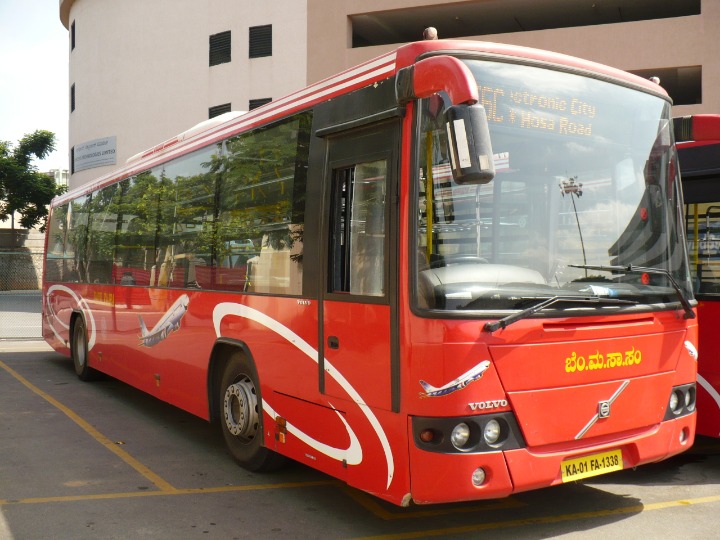
Bus travel services encompass a range of options from urban buses and suburban feeders to intercity coaches and chartered trips, providing scheduled routes, comfortable accommodations, and affordable fares. Modern services feature online booking, real-time tracking, and reliable customer support to help travelers plan, compare routes, and reach destinations efficiently and safely.
Types of Bus Services
Bus travel services encompass a broad range of public and private transportation options that move people within cities and across regions, offering practical, affordable mobility for daily commuting, tourism, and long-distance trips.
Organizations involved include public transit agencies that plan and operate urban networks and private operators that run intercity routes and charter services. Ticketing is increasingly digital, with options to buy online, via mobile apps, at stations, or on board in some cases, and many networks are integrated to allow smooth transfers between modes.
Local or urban bus services include frequent city routes, curbside stops, and accessibility features such as low-floor designs and priority seating. These services focus on short trips, high frequency, and broad coverage in towns and metropolitan areas, often subsidized to keep fares affordable.
Intercity and express bus services connect towns and regions with longer distances and fewer stops. They emphasize comfort and reliability, offering reserved seating, luggage allowances, on-board amenities, and longer travel times that compete with rail or air on certain corridors.
Overnight and sleeper bus services provide long-haul travel with overnight journeys. These buses have reclining seats or beds, dim lighting, and practical amenities to make long trips more comfortable, reducing the need for daytime travel.
Charter and tour bus services are customized for group travel, schools, corporate events, or sightseeing tours. Clients can specify routes, departure times, and on-board services, giving flexibility and control over the itinerary.
Airport and hotel shuttles are dedicated services designed to move travelers between airports, hotels, and transit hubs. They run on specific schedules and routes, offering convenient connections for travelers with luggage.
Premium and luxury coach services are geared toward higher comfort, with features such as larger seating, extra legroom, charging outlets, Wi-Fi, onboard entertainment, and sometimes refreshments, appealing to business travelers and long-distance riders seeking more comfort.
Paratransit and accessibility-focused services provide door-to-door or curb-to-curb transportation for people with mobility impairments or other special needs. These services require advance booking and are designed to meet accessibility standards.
Ticketing and pricing can vary by service type. Options include single-ride fares, day passes, monthly or annual passes, and discounted student or senior rates. Booking channels now include websites, mobile apps, ticket counters, and on-board sales in some cases.
Choosing the right bus service depends on factors such as travel distance and time, budget, comfort preferences, accessibility needs, and the importance of schedules or transfers. Comparing routes, reading reviews, and checking real-time updates can help travelers pick the best option.
Bus travel remains a sustainable and inclusive mode of transport, often offering lower emissions per passenger and reducing road congestion compared with individual car travel. It supports regional connectivity and equitable access to mobility.
Ticketing and Booking Platforms
Bus travel services provide a vital network that links cities, towns, and rural areas through scheduled intercity, commuter, charter, and tour services. Operators maintain fleets of standard, semi‑luxury, and accessible buses equipped with seating, luggage storage, Wi‑Fi, and onboard information systems to meet diverse passenger needs.
Ticketing and booking platforms consolidate these services by offering operator websites, regional aggregators, third party platforms, and mobile apps. These systems connect inventory from multiple operators, making it easier for travelers to plan, compare, and book trips in one place rather than visiting individual operator sites.
Key features of ticketing platforms include real‑time timetable search, seat maps, fare comparison, filters by price, duration, or number of transfers, and the ability to hold a reservation or purchase a ticket. Many platforms offer flexible and refundable fares, multi‑city itineraries, and bundled options with luggage or seat selection.
Tickets are typically issued digitally as e‑tickets or mobile tickets with QR codes. Payment methods span credit and debit cards, digital wallets, bank transfers, and sometimes cash on pickup. Receipts, itinerary updates, and boarding information are delivered through email, SMS, or app notifications.
Platform architecture integrates inventory management for each operator, dynamic pricing engines, and booking engines that connect to payment gateways, loyalty programs, and back‑office systems such as accounting and fleet management. Modern platforms use APIs to enable seamless data exchange with partner apps, travel agencies, and transport authorities.
The user experience emphasizes intuitive search, clear timetables, price transparency, and accessibility. Users can filter by departure times, service type (direct vs. connecting), seating options, accessibility features, and language preferences. The mobile experience often includes offline maps, offline ticket storage, and in‑app support.
For travelers, these platforms offer convenience, price comparisons, time savings, real‑time updates on delays or cancellations, and the ability to manage itineraries across multiple operators in one place.
For operators, booking platforms improve load factors through wider distribution, enable demand forecasting and dynamic pricing, support route and schedule optimization, and integrate with fleet maintenance and safety compliance systems. They also provide analytics, digital marketing capabilities, and loyalty program integration to build customer relationships.
Challenges in bus ticketing and booking include regulatory differences across regions, safety and data privacy compliance, fare fraud prevention, refund and cancellation policies, and ensuring reliability of real‑time information across disparate operators and languages.
Future trends emphasize broader electrification and sustainable buses, with platforms adapting to green certifications and carbon tracking. Other developments include contactless payments, AI chatbots for support, predictive maintenance data shared through telematics, and enhanced multimodal chaining that integrates rail, ride‑hailing, and bus services for seamless end‑to‑end travel.
Routes and Network Coverage
Routes and network coverage are the backbone of bus travel, shaping how reliably riders can reach work, school, appointments, and leisure. A well-planned route network connects neighborhoods to major hubs with frequent services, while broad coverage minimizes gaps and makes evening and weekend trips practical. By balancing density, transfers, and geographic reach, transit providers create predictable journeys that encourage more people to choose buses over driving.
Domestic vs. International Routes
Routes and network coverage are the backbone of bus travel services. A clear route map helps passengers plan journeys, while a well-balanced network connects urban centers, towns, and rural areas with consistent reliability.
A successful bus network combines trunk lines with feeder services, using hub-and-spoke designs where appropriate and expanding point-to-point options in dense corridors. Coverage considers population density, tourism demand, and seasonal fluctuations, while schedules aim for predictable transfer times, adequate frequency, and minimal layovers.
Domestic routes focus on connecting cities, towns, airports, and regional hubs within a single country. They support daily commuting, shopping trips, school travel, and tourism. In domestic networks, operators build frequent services on high-demand corridors, offer night buses for long distances, and create easy transfer points to reduce travel time.
International routes cross national borders and bring travelers between neighboring countries. They require coordination across regulatory regimes, border controls, and cross-border timetable alignment. Key considerations include visa and customs procedures, currency and fare compatibility, bilingual or multilingual information, and safety and vehicle standards that meet multiple jurisdictions. Operators often coordinate with partner carriers to provide through-tickets and seamless connections at shared terminals.
Operational tools help manage routes and coverage. Modern route planning uses demand data, geographic information systems, and passenger analytics to adjust frequency, add or withdraw services, and optimize vehicle deployment. Ticketing platforms should support cross-border payments where relevant, real-time updates, and mobile ticketing to improve reliability and transparency for passengers.
Challenges and opportunities include funding for infrastructure, competition from rail and air, and the need for sustainable fleets. Emerging practices include electric or hybrid buses on key corridors, real-time passenger information, and integrated transport apps that display both domestic and international options where applicable.
Effective route design and network coverage deliver accessible, reliable, and affordable bus travel, helping people reach work, education, services, and leisure across both domestic and international landscapes.
Network Density and Frequencies
Routes and Network Coverage shape how easily riders can reach work, school, and everyday services by bus. A well-designed network links neighborhoods to transit hubs, supports reliable transfers, and adapts to changing demand across days and seasons.
Network Density and Frequencies determine how accessible the system is in practice. Higher route density and shorter headways usually translate to shorter overall travel times and more convenient options, while lower density can save costs but may require longer wait times and more transfers.
- Route structure and network coverage: a mix of trunk lines, feeder routes, and cross-town connections ensures that most origin-destination pairs have a reasonable path via the bus network.
- Stop spacing and catchment: commonly used standards aim for stops within 300 to 500 meters of most residents, with faster journeys on core corridors.
- Urban vs rural density: dense cities benefit from high-density grids and frequent buses, while rural areas may rely on longer, but well-timed, routes or demand-responsive services.
- Frequencies and headways: peak-period headways might be 2–5 minutes on core corridors, with longer wait times at off-peak times, holidays, or in low-demand areas.
- Transfers and integration: seamless transfers at major hubs and alignment with other modes (rail, bike, walk) improve overall network usefulness.
- Reliability and on-time performance: punctual services, predictable travel times, and effective recovery time reduce the negative impact of delays.
- Accessibility and inclusivity: low-floor buses, clear information, audio-visual announcements, and accessible shelters support all riders.
- Data-driven planning: ridership data, origin-destination surveys, and simulation models guide route adjustments, stop locations, and schedule changes.
Continual monitoring, community feedback, and flexible financing are essential to maintaining a robust bus travel service that meets user needs while controlling costs.
Onboard Experience
The onboard experience in bus travel services blends comfort, connectivity, and reliability to make every journey pleasant. Thoughtful seating with generous legroom, clean facilities, climate control, quiet cabins, reliable Wi‑Fi and charging ports, and attentive staff delivering clear, timely updates all contribute to a smoother, more enjoyable ride from origin to destination.
Seating and Comfort
Onboard experience, seating and comfort are important considerations for riders when choosing a bus travel service. Operators aim to deliver a relaxing, productive, and fatigue-free journey from departure to arrival.
Seating design focuses on support, space, and ease of use. Modern buses combine ergonomic upholstery, adjustable headrests, and thoughtful seat pitch to accommodate travelers of different heights and leg lengths.
- Ergonomic seating: contoured cushions, lumbar support, and soft fabrics that stay comfortable over long trips
- Seat pitch and width: generous legroom and clear aisles to reduce crowding and promote easy movement
- Adjustability: reclining backs, occasional footrests, and intuitive controls at arm’s reach
- Climate and comfort controls: responsive air conditioning, heating, and quiet cabins to maintain a stable cabin life
- Cleanliness and materials: durable, stain-resistant upholstery and easy-to-clean surfaces
- In-seat amenities: USB charging ports, power outlets, and personal reading lights for convenience
- Entertainment and information: onboard screens or Wi-Fi options with route updates and content choices
- Accessibility and comfort: priority seating, space for mobility devices, and accessible restrooms where available
Overall, a well-designed onboard experience with comfortable seating and thoughtful amenities can turn a bus ride into a productive and pleasant travel experience.
Wi-Fi and Power Amenities
On modern bus travel, the onboard experience is defined by comfort, connectivity, and thoughtful amenities. Carriers invest in comfortable seating with adequate legroom, adjustable headrests, and climate control to keep passengers at ease during journeys of various lengths. Quiet cabins, clean interiors, and smooth handling also contribute to a more pleasant ride.
Wi-Fi is a core element of the onboard experience for many intercity and cross‑region services. Passengers can usually connect to a bus-provided network shortly after boarding, with speeds that support web browsing, emails, and light video streaming on shorter trips. Availability and performance can vary by route and vehicle type, and some areas may experience slower speeds or occasional interruptions. Most operators outline access terms and safety guidelines through the travel app or seat screen, if available.
Power amenities have become standard on many buses, offering USB ports and sometimes 120-volt outlets per seat or per row. This makes it easier to charge smartphones, tablets, and small laptops during the ride. Availability and outlet type can differ by model and operator, so it’s wise to check before booking or bring a portable charger for longer journeys.
Beyond Wi-Fi and power, additional onboard amenities enhance convenience and comfort. Modern buses often feature clean restrooms, onboard entertainment options or screens for route information, fold-out tray tables, and generous luggage storage at the overhead racks. Regular cleaning and sanitization, along with well-maintained suspension and vibration control, contribute to a smoother, more hygienic travel experience.
Tips to maximize your onboard experience include selecting seats with extra legroom when possible, using the operator app to confirm Wi-Fi reliability for your route, and bringing a charger or power bank for longer trips. Noise‑reducing headphones and offline entertainment can also help if streaming quality fluctuates, while packing a small snack and water can improve comfort between rest stops.
Overall, the bus travel experience is increasingly focused on comfort, reliable connectivity, and convenient power amenities, making short hops and longer journeys both productive and relaxing for passengers.
Accessibility and Safety Features
Bus travel services today prioritize a comfortable onboard experience, inclusive accessibility, and robust safety features to make every trip smooth and reliable.
Onboard experience focuses on comfort and convenience: ergonomic seating with adequate legroom, climate control, quiet cars or zones, and clean interiors. Many services provide amenities such as complimentary Wi-Fi, mobile device charging ports, power outlets, and in-seat USB ports. Real-time journey updates via digital screens or mobile apps help passengers track progress and expected arrival times. Baggage storage is designed to be secure and easy to access, with clearly marked luggage racks and policies that balance space with passenger needs. Clean facilities, regular cleaning schedules, and courteous staff contribute to a pleasant ride.
Accessibility features ensure every passenger can travel with dignity and ease. Bus fleets may include low-floor entry, steps with ramps or built-in lifts for wheelchairs, and designated priority seating. Interior layouts provide ample space for mobility devices and clear pathways to doors and exits. Announcements—both audible and visual—help passengers when stops are approaching. Braille or tactile signage, adjustable seating, and staff assistance further support travelers with disabilities or mobility challenges. Travel companions and dedicated customer support lines help plan accessible journeys.
Safety features are integrated into vehicle design and operations. Where installed, seat belts should be worn according to local regulations. Modern coaches include reinforced structures, anti-lock braking systems, stability control, and collision avoidance technologies to help prevent incidents. Interior safety elements include clearly marked emergency exits, fire extinguishers, first aid kits, and CCTV coverage in public areas. Trained drivers follow strict safety protocols, enforce passenger guidelines, and perform routine pre-trip inspections to identify issues before departure.
Additional safety practices cover boarding and alighting, such as stable boarding bridges, secure luggage handling, child safety seats where permitted, and clear communication about risk factors. Regular maintenance, tire pressure monitoring, and GPS-based tracking help ensure vehicles are roadworthy and predictable. Service teams monitor routes in real time to respond to incidents and provide timely updates to passengers and operators alike.
Across onboard experience, accessibility, and safety, bus travel services aim to deliver dependable, inclusive, and comfortable journeys for all passengers.
Ticketing and Pricing
Ticketing and pricing in bus travel services shape how people plan and pay for journeys, balancing affordability, convenience, and capacity. Operators use advance purchase, flexible fares, bundled passes, and discounts for students and seniors to attract riders while optimizing occupancy and revenue across routes and times.
Fare Structures
Ticketing and pricing for bus travel services influence rider access, operator revenue, and the overall efficiency of the network. A clear pricing framework helps customers understand costs, encourages use during off-peak times, and supports equitable mobility.
Fare structures range from a simple flat fare to more complex models that charge by distance or by travel zones. Flat fares offer predictability for riders but may overcharge short trips while undercharging longer journeys.
Distance or zone-based pricing charges riders according to how far they travel or the number of zones crossed. This aligns price with use, but requires clear maps and fare calculators to avoid confusion.
Time-based options include day passes, weekly passes, and monthly passes that give unlimited rides within a period. Cap systems limit how much a passenger pays in a single day or over a set period, protecting frequent riders from high costs.
Concessions and exemptions are common to improve affordability. Children, students, seniors, and people with disabilities often receive discounted fares or free travel. Eligibility rules, documentation, and partner discounts should be transparent and widely publicized.
Ticketing channels include traditional paper tickets, contactless smart cards, mobile apps, and QR codes. Integrated ticketing across operators and modes enables seamless transfers and often supports automatic top-ups and real-time balance checks.
Multi-operator and regional tickets let riders use buses from different operators with a single fare, while transfer policies specify how long a free transfer remains valid after boarding the first vehicle.
Pricing governance involves subsidies, revenue protection, and affordability goals. Urban networks may rely on government subsidies to keep essential services affordable, while pricing strategies seek to balance fairness, simplicity, and cost recovery.
Fair signage, clear terms, and customer support help riders understand options and reduce confusion. Regular reviews and data-driven adjustments allow pricing to respond to changes in demand, operating costs, and policy priorities.
Discounts, Passes, and Loyalty Programs
Ticketing and pricing for bus travel services are designed to be clear, flexible, and accessible to a wide range of riders. A well-structured system helps passengers plan trips with confidence, understand what they’ll pay, and access value through discounts and passes.
Ticketing options typically include online booking via a website or mobile app, e-tickets delivered by email or stored in a digital wallet, and in-person purchases at ticket counters or self-service kiosks. Modern systems often support contactless payments, QR codes for boarding, and mobile wallet integrations to speed up the boarding process and reduce physical contact.
Pricing structures commonly combine base fares with additional factors such as distance or zones, time of day, and service type. Many operators use distance-based or zone-based pricing, while others employ flat fares for certain routes. Peak and off-peak pricing can help manage demand, and some services offer fare caps or day passes to provide predictable costs for riders who travel frequently in a single day.
Discounts are a key element of affordability. Eligible riders may include students, seniors, youth, the disabled, military personnel, and sometimes veterans. Other discounts cover groups, families, or large organizations, with special rates for corporate travelers or community programs. Some operators also run promotional discounts, off-peak incentives, or pass-through savings for those who connect to other transit networks.
Passes and multi-ride options provide extended value for regular travelers. Common formats include single-day, multi-day, weekly, and monthly passes, regional or network-wide passes, and ride bundles that offer a fixed number of trips. Passes often come with transfer allowances between buses and sometimes other transit modes, helping riders maximize value when their plans include several legs or modes of travel.
Loyalty programs reward repeat riders with points, credits, or tiered status. Earning typically occurs with every ride, top-ups, or partner purchases, and rewards may include free or discounted trips, priority boarding, exclusive deals, or special event access. Tiered programs encourage increased use by offering escalating benefits such as higher transfer limits, reduced wait times, or early access to sales and promotions.
Integrating loyalty with ticketing streamlines the rider experience. Digital accounts, QR codes, and mobile wallet passes allow quick check-in and easy ticket retrieval. Some programs offer automatic top-ups, reminders before passes expire, and personalized offers based on travel history, while ensuring privacy and data protection.
Refunds and cancellations policies vary by operator but are an important part of customer trust. Many basic tickets are non-refundable, while higher-value or multi-ride passes may be partly refundable or exchangeable within a grace period. Delays, service disruptions, or route changes may qualify for credits or free transfers, and replacement tickets are typically available if a ticket is lost or damaged.
Riders can maximize value by planning ahead, comparing pricing across fare types, and considering passes or loyalty benefits that fit their travel patterns. It’s often advantageous to combine discounts with passes for frequent travelers and to stay informed about limited-time offers or regional promotions.
Refunds and Cancellations
Ticketing and pricing for bus travel services are designed to be straightforward and flexible, with options to suit casual day trips or regular commutes. Many operators offer online booking, mobile apps, and physical ticket counters, along with e-tickets that can be scanned on entry. Prices are typically clearly displayed at the time of purchase and may change based on demand, distance, and travel time.
Ticketing options commonly include online reservations, mobile tickets that you can store on your phone, and printed or digital “print at home” tickets. Seat reservations are often available on longer routes or premium services, while shorter urban routes may be open seating. Passengers should verify whether their ticket is tied to a specific seat, a time window, or a flexible travel period.
Pricing structures vary by operator and route. Base fares are usually distance- or zone-based, with peak and off-peak rates for some services. Discounts may apply for children, students, seniors, and people with disabilities. Bundles such as daily, weekly, or monthly passes, multi-ride cards, and group discounts can offer savings for frequent travelers. Some services also feature price caps or promotional fares for certain routes or times of day, so it pays to check the latest offers before booking.
Ticket validity and usage rules differ between operators. Most bus tickets specify a travel date and sometimes a departure window or a specific service number. Some tickets are transferable within a limited period, while others are non-transferable and require the passenger’s name or a valid ID. It’s important to understand whether the ticket is refundable or changeable, and if a printed ticket versus a mobile ticket has any particular requirements for validation or boarding.
Refunds and cancellations policies govern how and when you can adjust or recover your fare. Tickets bought with flexible or refundable terms can be canceled with little or no penalty, while most standard advance-purchase tickets carry a cancellation fee or are non-refundable. Cancellations made well before the departure time are more likely to receive a full or partial refund, whereas cancellations closer to departure may incur higher penalties. In the event of service disruption, many operators offer refunds, free rescheduling, or alternative travel options, though policies vary.
When requesting a refund, passengers should follow the operator’s process, which usually requires the original ticket, proof of purchase, and a cancellation request within the specified window. Refunds are typically issued to the original payment method and may take several business days to appear on a statement. Some operators may credit the value to an account or provide a travel voucher valid for future trips if allowed by policy. Delays, timetable changes, or missed connections caused by the operator can strengthen eligibility for refunds or compensation under applicable consumer protection rules.
Cross-border or international bus services may have additional rules, including passport or ID requirements, customs checks, and different refund policies across carriers or border authorities. When planning an international trip, review transfer options, visa considerations, and the implications of changing or cancelling tickets with multiple carriers.
Tips for a smooth experience include reading the terms and conditions before purchase, keeping your ticket (digital or physical) accessible, checking the validity period, and knowing the deadline for refunds or changes. If in doubt, contact customer service promptly to understand eligibility, applicable fees, and the fastest way to process a modification or refund.
Booking Platforms
Booking platforms have transformed bus travel by aggregating schedules, prices, and seat availability from multiple operators into a single, easy-to-use interface. They help travelers compare routes, find the best fares, and book tickets securely for intercity trips, regional hops, and charter services. With user reviews, route maps, and mobile ticketing, these platforms make planning and managing bus journeys quicker and more convenient.
Website and Mobile Apps
Booking platforms, websites, and mobile apps have transformed how travelers plan and purchase bus travel services, turning scattered schedules into a searchable, price-driven marketplace.
On company websites and third-party platforms, users can search routes, compare operators, filter by price, duration, transfers, and departure times, and view seat availability and fare rules before booking.
Mobile apps bring travel planning to phones with push alerts, digital tickets, and contactless boarding. Features like saved trips, offline access to tickets, and location services help riders find nearby stations.
Behind the scenes, platforms integrate operator APIs, fare engines, and payment gateways to synchronize inventory and process transactions securely.
User experience and accessibility matter: clear user interfaces, transparent pricing, mobile-friendly layouts, accessibility features, and multilingual support make booking easier for a diverse audience.
Operators benefit from broader distribution, centralized inventory management, dynamic pricing insights, and analytics provided by these platforms, helping them optimize capacity and revenue.
Payments and security are essential, with support for cards and digital wallets, clear refund and change policies, and robust fraud protection and data handling practices.
Data privacy and compliance are critical, as platforms must adhere to regional laws, obtain informed consent, and protect passenger information across devices and channels.
Trends in bus travel platforms include real-time tracking, digital boarding passes, contactless payments, AI-driven recommendations, and personalized itineraries that streamline the journey from search to boarding.
Travelers should compare multiple platforms, read operator and platform reviews, verify station details and boarding requirements, check fare rules and hidden fees, and stay aware of service disruptions for smoother journeys.
Challenges remain, such as fragmentation across regions, varying service quality, language differences, and regulatory constraints, but well-designed booking platforms continue to simplify planning and improve reliability for bus travel.
In summary, booking platforms, websites, and mobile apps are shaping a more transparent, convenient, and connected bus travel experience for both riders and operators.
Third-Party Platforms
Booking platforms play a central role in modern bus travel services, connecting passengers with routes, schedules, and fares across dozens of operators and regions.
Booking Platforms typically operate by partnering directly with bus operators to publish timetables and sell tickets, while Third-Party Platforms aggregate inventory from multiple sources to present a single search and checkout experience.
Through APIs, real-time seat maps, and mobile apps, these platforms deliver instant availability, price comparisons, and digital tickets that riders can store on their phones.
For travelers, the main advantages are convenience, broad coverage, and the ability to compare times, durations, and prices side by side, often with reviews and star ratings.
Operators gain access to a wider audience, data insights, and simplified distribution, though commissions and policy parity can affect fares and brand control.
Risks include hidden fees, cancellation and change penalties, inconsistent customer service, and data privacy concerns when multiple platforms handle personal and payment information.
To choose a platform, travelers should check coverage of the routes they need, compare direct operator booking options, read terms of refunds and changes, and test the quality of support and e-ticketing.
Industry trends include mobile-first booking, dynamic pricing, integration of multimodal options such as rail or rideshare, and transparent sustainability data that lets passengers estimate carbon footprints.
After booking, keep your e-ticket handy, review baggage allowances, and know the boarding point and any check-in requirements, as well as how to contact support in case of delays.
Overall, Booking Platforms and Third-Party Platforms have transformed bus travel by making information and tickets more accessible while presenting challenges that riders and operators can navigate with clear terms and modern tools.
Payment Methods and Security
Booking platforms for bus travel services have transformed how travelers plan trips, compare routes, and secure seats on demand. Whether you are heading between cities, touring regions, or catching a long-distance service, online portals and mobile apps simplify search, pricing, and itinerary management in one place.
Booking platforms aggregate schedules from multiple bus operators, display real-time seat availability, and filter results by date, price, duration, and comfort level. They offer route maps, operator reviews, flexible fare options, and transparent terms for cancellations or changes. Many platforms support multi‑city itineraries, group bookings, and loyalty programs, and provide reminders, e‑tickets, and mobile boarding passes to speed up check-in at terminals.
Payment methods on bus booking platforms are diverse to accommodate travelers worldwide. Common options include credit and debit cards, digital wallets (Apple Pay, Google Pay), and bank transfers. Some platforms allow cash on delivery or at the terminal, and others offer pay-later or instalment plans. Payment gateways typically use encryption, tokenization, and PCI‑DSS standards to protect card data, and many brands support 3‑D Secure authentication for extra protection.
Security goes beyond payment protection. Secure platforms use HTTPS, data encryption, and robust access controls to guard personal information. They deploy fraud screening, monitoring for unusual activity, secure ticket delivery, and clear refund policies. Users should protect accounts with strong, unique passwords, enable two‑factor authentication where available, and verify the operator and ticket details before purchasing. Always check for official URLs, ensure the platform provides legitimate contact channels, and review refund timelines.
Together, booking platforms, flexible payment options, and strong security practices help travelers enjoy hassle‑free bus journeys with confidence, whether they are commuting, touring, or making last‑minute connections.
Travel Experience and Customer Support
Bus travel offers an accessible way to explore new places, and the travel experience hinges on reliable schedules, comfortable onboard amenities, and clear, proactive customer support that helps you book, adjust plans, track delays, and resolve issues with ease.
Real-Time Tracking
Travel experience in bus travel services is shaped by reliability, comfort, and clear information from the moment you book to the moment you reach your destination. Passengers value smooth bookings, transparent pricing, and predictable departures that let them plan ahead without stress.
Real-time tracking transforms the journey by giving passengers live visibility into the bus location, ETA, and progress along the route. Through mobile apps and web dashboards, travelers can watch the bus approach the pickup point, receive automatic updates if there are delays, and know exactly when to head to the stop. This transparency reduces anxiety and helps with timing and coordination, especially for airport connections or meeting schedules.
Inside the bus, amenities like comfortable seating, climate control, Wi-Fi, charging ports, and clean restrooms contribute to a positive travel experience. Real-time tracking also supports proactive communication from the operator if something changes mid-journey, such as a detour or a congestion-driven delay.
Customer support plays a critical role in needle-moving moments. 24/7 multilingual help desks, live chat, and phone support provide rapid assistance for a missed connection, ticket changes, or baggage questions. Ticketing systems that connect with drivers and dispatchers enable agents to offer accurate solutions that reflect real-time conditions.
When a hiccup occurs, real-time data empowers agents to give precise timelines, alternative routes, or rebooking options, reducing frustration and increasing trust. Passengers appreciate being informed rather than left guessing, with proactive notifications about delays, cancellations, or gate changes when relevant for transfers between buses or trains.
Real-time tracking enhances safety by enabling rapid incident response. If a breakdown or safety issue arises, operators can locate the vehicle instantly, dispatch authorities if needed, and share location updates with passengers as appropriate. This adds a layer of accountability and reassurance for travelers.
After the trip, feedback channels capture customer impressions and help refine service quality. Surveys, ratings, and follow-up support options allow operators to close the loop, apologize for shortcomings, and offer compensation or credits when service levels fall short of promises.
For a seamless travel experience, many bus services integrate with rail, air, or local transit data, enabling real-time tracking to be part of a larger journey plan. Passengers can compare routes, estimate total travel time, and adjust plans on the go based on live information.
In essence, the combination of a reliable journey, attentive customer support, and real-time tracking builds trust and satisfaction in bus travel services, turning short trips into smooth, predictable experiences that travelers will remember and recommend.
Customer Support Channels
Travel experience in bus travel services hinges on how well the journey is planned, managed, and supported from booking to arrival. Smart customer support acts as a backbone, turning potential travel hiccups into smooth recoveries and maintaining trust with riders.
From the moment a passenger begins planning a trip, the booking experience matters. Clear seat maps, transparent pricing, flexible fare options, and effortless changes are part of the overall travel experience. When support is needed, friendly, knowledgeable agents who can interpret schedules, baggage rules, and accessibility options reduce friction and boost satisfaction.
Customer support channels in bus travel should be multi-channel and integrated. Phone lines remain essential for complex questions; websites and mobile apps provide self-serve features; email and chat support handle inquiries that benefit from written records. Social media channels enable quick visibility and public accountability. In-bus announcements, on-board help desks, and ticket counters extend support into the physical travel environment.
Effective channel design means matching purpose with channel. Routine inquiries about schedules or fare rules are best handled via self-service tools and chatbots. Complex requests, complaints, or refunds require real human agents who can review options, verify eligibility, and communicate clearly about timelines and next steps. Cross-channel handoffs should be seamless so passengers don’t repeat information.
Proactive customer support dramatically improves travel experience. Real-time delay alerts, alternative routing suggestions, and compensation options should be communicated promptly through SMS, app push notifications, or email. When a bus is late or canceled, providing rebooking options, hotel accommodations where appropriate, and clear instructions reduces stress and preserves loyalty.
Feedback collection is a core part of travel experience enhancement. Post-journey surveys, quick rating prompts, and follow-ups on unresolved issues show that the operator values passenger input. An accessible feedback loop helps identify recurring pain points—such as long call wait times, confusing baggage policies, or inconsistent on-board service—and drive systematic improvements.
Accessibility and inclusion are essential. Support channels must be usable by passengers with disabilities, language preferences, or hearing/vision impairments. This includes multilingual agents, text-based chat, captioned video support, and easy access to assistance on or near buses and terminals. Equally, privacy and data security should be clearly communicated so riders trust how their information is used in support interactions.
When well-designed, bus travel support feels almost invisible—effortless, timely, and human. Passengers feel heard before, during, and after the journey, which encourages repeat travel and positive word-of-mouth. A strong support ecosystem is not just about solving problems; it’s about shaping a reliable travel experience where every touchpoint reinforces confidence that the bus operator will be there when needed.
Complaint Resolution
The travel experience with bus services hinges on reliable schedules, comfortable seating, clean vehicles, and the way issues are handled when they occur. Strong customer support and effective complaint resolution turn occasional disruptions into manageable moments and build long-term trust with travelers.
A positive journey starts long before boarding. Clear route information, accurate timetables, real-time updates, and a straightforward ticketing process set expectations. Inside the bus, travelers appreciate comfortable seating, climate control, adequate legroom, clean restrooms where available, reliable Wi-Fi, charging outlets, and careful driver conduct. Accessibility features for passengers with mobility needs also shape the overall travel experience.
Effective customer support channels are essential. Travelers expect multiple ways to reach assistance, including phone lines, mobile apps, live chat, email, social media, and in-person help desks at terminals or on-site counters. Quick response times, clear language options, and a willingness to escalate to supervisors when needed make a real difference in resolving concerns promptly.
Complaint resolution should be transparent and fair. A clear process includes filing a complaint, an immediate acknowledgment, a timely investigation, and a communicated outcome. Remedies may include refunds, travel vouchers, free upgrades, or replacements for missed connections, depending on the impact and policy. Keeping travelers informed about progress and protecting their privacy throughout the process are essential.
Best practices in the industry emphasize proactive communication and service recovery. Operators that monitor delays, provide alternative arrangements, offer apologies, and compensate appropriately tend to retain customer loyalty. Gathering and acting on feedback, performing root-cause analysis, and sharing concrete improvements with travelers creates a cycle of continuous enhancement.
Consider a typical scenario: a passenger experiences a delayed bus that makes a connection impossible. A strong support system would acknowledge the issue, arrange an alternative route or standby options, provide meal or transit vouchers if appropriate, and issue a refund or credit for the affected portion. The operator would also review dispatch and information systems to prevent similar delays in the future.
In the end, an excellent travel experience with bus services blends dependable transportation with responsive, fair, and transparent customer support. Effective complaint resolution turns problems into opportunities to demonstrate care, earn trust, and encourage travelers to choose the service again and again.
Safety and Compliance
Safety and compliance are the backbone of bus travel services, ensuring every trip is safe, reliable, and accessible. Operators maintain vehicles rigorously, train drivers, and follow applicable regulations, while clear safety procedures, incident reporting, and continuous improvement build rider confidence and support responsible mobility for communities.
Driver Training and Vehicle Standards
Bus travel services operate within a framework of safety and compliance designed to protect passengers, drivers, and the public. This article outlines the core elements of safety and compliance, driver training, and vehicle standards that underpin reliable, accessible, and high-quality bus transport.
Safety and compliance in bus travel cover regulatory requirements, safety management, risk assessment, maintenance scheduling, and incident reporting. Operators must hold appropriate licenses and operate under a transport authority’s framework, implement a safety management system, conduct regular risk assessments for routes, ensure compliant fare and accessibility policies, and maintain robust incident and near-miss reporting to drive continuous improvement.
Driver training is central to passenger safety and service quality. Initial training includes road safety, local geography, route knowledge, passenger assistance, accessibility procedures, and legal obligations. Ongoing refresher training covers defensive driving, fatigue management, hazard recognition, emergency procedures, first aid, and customer service, with assessments to verify competence. Training should be updated as vehicles, technologies, and regulations evolve, and be designed to equip drivers to respond to diverse passenger needs, including mobility impairments and language barriers.
Vehicle standards ensure safety, reliability, and comfort. Buses should meet modern safety standards such as reinforced chassis, seat belts, anti-lock braking systems, electronic stability control, collision mitigation systems where applicable, and robust maintenance regimes. Fleet standards include accessibility (low-floor designs, priority seating, wheelchair ramps or lifts), clear passenger information systems, CCTV for safety, lighting, clean air filtration, and emissions compliance (e.g., Euro 6 engines). Regular maintenance checks, inspections, and a lifecycle replacement policy keep the fleet fit for service, with documentation and traceability for regulatory audits.
Linking safety, training, and vehicle standards to daily operations ensures consistent service quality. Operators should implement route risk assessments, fatigue management programs, real-time monitoring, and incident response plans. Regular audits, customer feedback channels, and transparent reporting reinforce accountability and continuous improvement in bus travel services.
By prioritizing safety and compliance, investing in comprehensive driver training, and enforcing rigorous vehicle standards, bus travel services can deliver safe, reliable, and accessible journeys for all passengers.
Regulatory Compliance
Safety and compliance are central to bus travel services, guiding how operators design routes, maintain fleets, train staff, and protect passengers. Regulatory frameworks establish minimum standards for vehicle safety, driver qualifications, operational practices, and passenger protections that help ensure reliable, safe journeys for all travelers.
Regulatory compliance begins with licensing and operating permits. Bus operators must hold valid company licenses, vehicle registrations, and route rights, while buses undergo regular safety inspections and stringent maintenance schedules. Clear record-keeping and audit trails support accountability and enable authorities to verify adherence to requirements.
Vehicle safety is a core component of compliance. Buses are equipped with essential safety features such as seat belts, clearly marked emergency exits, fire extinguishers, and robust passenger injury prevention measures. Regular maintenance checks cover brakes, steering, tires, suspension, lighting, and signaling systems, with documented maintenance logs and defect reporting protocols.
Driver standards and practices are tightly regulated to minimize risk. This includes commercial driver licensing, mandatory training in safe driving, defensive driving, passenger assistance, and conflict de-escalation. Rules on hours of service and mandatory rest periods help prevent fatigue, while drug and alcohol testing ensures operators maintain a safe driving culture.
Operational safety management requires proactive planning and ongoing oversight. Safety Management Systems, route risk assessments, incident reporting, root cause analyses, and corrective action plans support continuous improvement. Regular safety audits, on-site inspections, and drills for emergencies or service disruptions strengthen preparedness for real-world events.
Passenger rights, accessibility, and information are integral to compliance. Clear, transparent ticketing and pricing, accessible facilities for people with disabilities, onboard assistance, and reliable accessibility at stops ensure inclusive service. Providing audible and visual travel information, clear seating policies, and robust complaint handling mechanisms protects travelers and builds trust.
Data privacy and cybersecurity considerations are increasingly important in bus travel services. Operators collect passenger data for ticketing, reservations, and communications, so they must comply with data protection laws, minimize data collection, enforce access controls, and implement breach notification procedures. Privacy by design and regular security assessments help safeguard traveler information.
Environmental and sustainability standards influence fleet decisions and operations. Emission controls, adherence to regional or national clean vehicle standards, and plans for fleet modernization reduce environmental impact. Fuel efficiency, proper waste management, and responsible handling of fluids and waste from maintenance activities support a greener, compliant service.
Third-party operators, contractors, and procurement processes require stringent oversight. Contracts should include explicit safety and compliance clauses, supplier vetting, training expectations, and performance monitoring. The compliance program extends through the supply chain to ensure subcontractors meet safety and regulatory obligations.
Ultimately, effective safety and compliance in bus travel services rests on a culture of continuous improvement, transparent reporting, and active collaboration with regulators, operators, drivers, and passengers. Regular training, data-informed decision making, and rigorous oversight help deliver safe, reliable, and accessible bus journeys for all communities.
Emergency Procedures
Safety and compliance are foundational to bus travel services. By embedding robust safety practices in operations, operators protect passengers, drivers and staff, reduce risk, and ensure adherence to local transport regulations. This overview covers key areas of safety and compliance and emergency procedures for passenger coaches and intercity buses.
A safety management framework combines regular vehicle maintenance, operator training, and rigorous procedural controls. Vehicles undergo pre-trip and post-trip inspections to identify defects, and maintenance teams address issues promptly. Operators keep up-to-date records of inspections, repairs, and compliance with licensing, weights, and service standards. Trip planning includes route risk assessment, weather checks, and contingency plans for delays or detours.
Driver qualification and training are critical. Drivers hold valid commercial licenses appropriate for their vehicle type and receive ongoing training in defensive driving, passenger safety, first aid, emergency procedures, and conflict de-escalation. Rest and duty-cycle rules are observed to minimize fatigue, and random checks or monitoring may be used to maintain standards.
Passenger safety features and onboard operations are designed to minimize risk. Buses include clearly marked emergency exits, exit routes illuminated and unobstructed, and accessible seating for passengers with mobility needs. Seat belts may be provided where regulation and vehicle design permit, with clear instructions on use. Securement of luggage and cargo is enforced to prevent shifting during motion.
Emergency procedures are a core element of readiness. In an emergency, drivers initiate the safety protocol, communicate the situation to passengers, and guide orderly evacuation if required. Instructions are provided in the passenger information system and by staff on board. Evacuation plans identify primary and secondary exits, assembly points, and accountability procedures to determine whether all passengers are accounted for. Routine drills and post-incident reviews help ensure effectiveness.
Communication and coordination with authorities are essential during emergencies. Key contacts, incident reporting channels, and passenger information lines are tested and available. In a medical or security incident, staff follow established protocols for summoning medical help, preserving evidence when needed, and distributing information to families or guardians as appropriate. After an incident, a formal debrief leads to improvements in procedures and training.
Accessibility and inclusivity are integral to safe bus travel. Staff assist passengers with disabilities, provide hearing or visual support where needed, and accommodate mobility devices. Clear safety announcements are available in multiple languages or through accessible formats, and wayfinding signage remains legible and unobstructed.
Continuous improvement and compliance verification ensure lasting safety. Internal audits, safety performance indicators, and supplier oversight help identify gaps. Corrective actions are tracked, verified, and communicated to staff, with follow-up training where necessary. External audits and regulator interactions reinforce adherence to national or regional rules governing passenger transport.
In summary, safety and compliance in bus travel services rests on person-centered training, reliable vehicle maintenance, clear procedures, and proactive emergency planning. By fostering a safety culture, operators protect lives, maintain trust with passengers, and deliver dependable and compliant transportation experiences.
Environmental Impact and Sustainability
Bus travel services offer a practical path to environmental sustainability by transporting many people with lower per-passenger emissions than single-occupancy cars. Through efficient routing, electrification, and the use of renewable fuels, buses cut greenhouse gases, reduce air pollution, and support urban mobility that is accessible, affordable, and resilient.
Fuel Efficiency and Emissions
Bus travel services play a pivotal role in reducing urban transport emissions while delivering affordable mobility. Evaluating Environmental Impact and Sustainability, Fuel Efficiency and Emissions helps operators and riders understand trade-offs and improvements.
Key environmental aspects include per-passenger emissions, energy mix, and lifecycle impacts of buses and infrastructure. Modern bus fleets with efficient engines, low-rolling-resistance tires, and aerodynamic design reduce fuel consumption. Transitioning to electric or hydrogen fuel cell buses can dramatically cut tailpipe emissions, especially in dense urban areas where exposure to NOx and particulates is high.
- Fuel efficiency strategies: engine calibration, regenerative braking, weight reduction, aero improvements.
- Emissions and air quality: adopting Euro 6/VI standards, particulate filters, and clean charging sources for electric fleets.
- Energy sources: renewable electricity for charging, solar canopies at depots, on-site energy storage.
- Operational practices: bus priority lanes, efficient route planning, minimizing empty runs, hub-and-spoke networks, higher occupancy through demand-responsive services.
- Lifecycle and sustainability: bus manufacturing and end-of-life recycling, depot energy efficiency, and sustainable procurement.
To maximize impact, transit agencies can set clear targets and measure progress using metrics such as:
- CO2e emissions per passenger-kilometer
- Share of low- or zero-emission buses in the fleet
- Average fuel consumption per 100 passenger-kilometers
- Fleet age and maintenance intervals
- Energy use intensity at depots and charging efficiency
Driver training, public awareness, and integration with other modes (rail, cycling) also contribute to sustainability. For riders, choosing bus services with high occupancy and electric fleets can improve air quality and reduce personal carbon footprints.
Electrification and Alternative Fuels
Bus travel services are a cornerstone of urban mobility, delivering high passenger capacity with relatively low emissions per person-kilometer compared with private cars when ridership is strong. Achieving sustainability requires cleaner fleets, smarter operations, and strategies that encourage more people to choose bus travel over driving.
Environmental impact and sustainability in bus services focus on reducing greenhouse gas emissions, improving urban air quality, and minimizing noise. This involves fleet modernization, efficient route planning, energy-aware maintenance, and sustainable procurement practices that favor low-emission technologies and durable, repairable components.
Electrification and electric buses are central to decarbonizing bus networks. Battery-electric buses eliminate tailpipe emissions at the point of operation and can be charged at depots or during trips through opportunity charging. Key considerations include battery capacity, range requirements, charging infrastructure, grid capacity, and the use of renewable energy to power charging stations.
Alternative fuels complement electrification where route profiles or infrastructure constraints make pure electric solutions less practical. Hydrogen fuel cell buses offer long range and quick refueling, while compressed natural gas or biomethane buses can yield lower well-to-wheel emissions when renewable gas is used. Biodiesel or renewable diesel blends can also reduce particulate matter and greenhouse gas emissions in existing diesel fleets.
Lifecycle and sustainability analysis ensures environmental benefits are real beyond operation. This includes evaluating manufacturing impacts, battery production, vehicle durability, recycling or repurposing of batteries, and end-of-life disposal. A total cost of ownership approach helps transit authorities balance upfront investment with long-term savings and reliability.
Operational strategies amplify environmental gains. Real-time data, telematics, and route optimization reduce idling and accelerate service reliability. Regenerative braking captures energy, and energy management in depots, including solar or other on-site generation, can offset charging demand. Coordinated timetables and priority signaling support smoother, faster trips with lower energy use.
Public health, equity, and quality of service ride alongside environmental goals. Cleaner buses reduce exposure to pollutants for riders and bystanders, and quieter electric buses improve urban livability. Affordable, frequent service on reliable routes helps low-income communities access jobs, education, and healthcare without relying on private vehicles.
Policy, funding, and partnerships drive progress. Procurement policies that specify low-emission or zero-emission buses, funding for charging and fueling infrastructure, and clear standards for safety and interoperability enable scalable deployment. Collaboration among transit agencies, utilities, manufacturers, and communities ensures that technology choices align with local needs and climate targets.
The future of bus travel services lies in a pragmatic mix of electrification and alternative fuels tailored to each route, supported by data-driven operations, robust infrastructure, and long-term planning. By prioritizing environmental impact and sustainability, bus networks can deliver both strong service performance and reduced climate and health impacts for cities.
Sustainable Practices
Bus travel services have a central role in shaping sustainable urban mobility by offering a low‑emission alternative to private cars and reducing road congestion.
Transport emissions from buses depend on fuel type, vehicle efficiency, and how services are run. Diesel buses contribute pollutants and greenhouse gases, while poorly planned routes can waste energy and time. A focus on environmental impact seeks to minimize emissions, improve air quality, and reduce noise in communities served.
Sustainable practices start with fleet modernisation: transitioning to electric, hybrid, or hydrogen fuel cell buses; using low‑emission engines; and selecting coaches with efficient engines and regenerative braking. In addition, adopting alternative fuels such as biodiesel or renewable diesel can reduce lifecycle emissions where full electrification is not immediately feasible.
Operational strategies amplify environmental benefits: route optimization powered by data analytics, dynamic scheduling to improve load factors, and high‑frequency services on core corridors reduce total vehicle kilometres driven per passenger. Implementing bus rapid transit lanes and eco‑driving training also lowers energy use and improves reliability.
Infrastructure plays a critical part: depots with energy‑efficient facilities, solar generation, energy storage, and smart charging for electric buses help lower electricity costs and ensure charging does not strain local grids. Regenerative braking captures energy during braking, feeding it back to the system where possible.
Lifecycle considerations ensure sustainability beyond operation. This includes durable vehicle design, modular parts for easier maintenance, refurbishment rather than disposal, and recycling of batteries and other components at end of life. Choosing suppliers with strong environmental management reduces embedded emissions in the supply chain.
Environmental sustainability intersects with social and economic goals. Accessible design, affordable fares, and reliable service improve mobility equity. Local job creation in maintenance, operations, and charging infrastructure supports communities while ensuring that environmental gains translate into social benefits.
Measuring progress matters. Public operators can track metrics such as fleet emissions per kilometer, energy intensity, modal share, and service reliability, and report these through sustainability reports aligned with recognized standards. Third‑party audits and certifications help build trust and accountability.
Collaborations with cities, energy providers, and technology firms accelerate transition. Shared investments in charging infrastructure, green grids, and data platforms enable smarter planning and integration of bus services with other sustainable modes like cycling and walking.
In sum, sustainable bus travel services combine clean technology, smart operations, responsible procurement, and inclusive service design to deliver environmental benefits, improve urban livability, and support resilient communities for the long term.