

Market Overview of Bus Sales in South Africa
The market for bus sales in South Africa is characterized by steady demand driven by fleet renewal, urban transport upgrades, and public‑sector procurement tied to BRT and regional commuter services. OEMs such as Volvo, Scania, Mercedes‑Benz, Iveco, and Isuzu compete for city, intercity, and school buses, while financing and total cost of ownership influence buyer choices. Growth is shaped by fuel costs, emission standards, and maintenance efficiency, with both new and used buses in play. Supply dynamics are affected by import rules and currency trends, but municipalities and private operators continue to invest in safer, more reliable fleets to expand service coverage in urban and peri-urban areas.
Market Size and Growth
South Africa’s bus sales market serves urban mass transit, school transport, commuter services, and long‑distance coaches. The market is shaped by municipal contracts, private fleet operators, and national/regional passenger-transport strategies. The product mix spans conventional diesel city buses, CNG alternatives, and an accelerating wave of electric buses as cities replace aging fleets and pursue lower emissions. Leading OEMs include established manufacturers such as Volvo/Mack, Scania, Mercedes-Benz, MAN and Isuzu, along with value‑focused players from China and other regions that offer lower upfront cost for peri-urban and school routes. After-sales and service networks are critical given the operating environment and the high uptime requirements.
Market size and growth—In terms of volume, annual new bus sales in South Africa typically fall in the few hundred units range, with the market value running in the low‑ to mid‑single‑digit billions of rand (roughly ZAR 2–4 billion) depending on fleet renewal cycles and government procurement. The share of new bus purchases from higher-end long-haul and premium city buses remains smaller than the overall market, while mid‑range and value‑based models drive volume. The public sector’s fleet renewal programs and school-transport modernization are the primary demand drivers, supported by private operators upgrading municipal contracts and intercity services.
Growth is supported by several factors: ongoing urbanization and the expansion of formal public transit networks in major metros, aging bus fleets that require replacement, and public policy measures aimed at safer, more sustainable transport. Financing options, including fleet leasing, municipal guarantees, and OEM‑led turnkey solutions, help municipalities and operators overcome upfront cost. The rise of cleaner propulsion, particularly electric and hybrid buses, is opening new procurement channels as cities pursue lower operating costs and emissions targets.
Trends shaping the market include a rising share of electric and hybrid buses, with pilots and pilots‑scale deployments in several metros. The supply chain is adapting to increased demand for spare parts, maintenance services, and local assembly capabilities, while OEMs are expanding service networks and training to support uptime. The second-hand market remains sizable, providing more affordable options for smaller operators and rural fleets while new-bus volumes drive the overall market dynamic.
Regional dynamics show Gauteng and the Western Cape as the largest markets due to dense urban networks and higher volumes of municipal contracts, with KwaZulu-Natal and the Eastern Cape showing steady growth as towns expand and upgrade school and commuter services. Rural routes and feeder networks add incremental demand for mid-size and compact buses. Cross-border and tourism-related coach services contribute selectively, particularly in peak travel seasons.
Competitive landscape and procurement tend to be shaped by a mix of global OEMs and regional brands, with a growing emphasis on total-cost-of-ownership solutions, service support, and local partnerships. Procurement often favors turnkey packages that include financing, maintenance, and driver training, with municipal tender processes and PPP arrangements influencing supplier selection. Brand preference varies by market segment and price point, with demand for reliable parts availability and a robust after-sales network driving competitive dynamics.
Key challenges include high initial capital costs, currency volatility affecting imported components, and the need for skilled technicians and parts supply to maintain uptime. Import duties, local content requirements, and the pace of electrification add complexity to procurement decisions. Policy changes and funding cycles can introduce timing risk for fleet renewal plans, and reliability of energy supply can impact electric bus deployments.
Looking ahead, the South African bus market is expected to grow modestly as urban mobility projects advance and fleet renewal accelerates. The share of electric buses is likely to increase gradually, supported by municipal sustainability targets, financing schemes, and OEM investments in local assembly and charging infrastructure. Overall, market growth will depend on stable funding flows, favorable financing terms, and sustained demand from both public and private operators for reliable, cost‑effective mobility solutions.
Key Market Segments
South Africa’s bus sales market remains a dynamic segment of the country’s public transport economy, shaped by urban growth, policy reforms, and a move toward cleaner, more efficient fleets. After the disruptions of the pandemic, demand is gradually recovering, with operators updating aging fleets and municipalities upgrading their public transport networks.
Market drivers include urbanization, government procurement programs to improve public transport under national transport policy, and the expansion of integrated transport networks in major cities such as Johannesburg, Cape Town, and Durban. Private operators and schools also purchase buses to support commuter and school routes.
Challanges include financing constraints for fleet renewal, currency and import costs, spare parts availability, and the need to meet emissions standards. The size of the taxi/minibus taxi sector remains a factor, as many operators either convert to buses or operate mixed fleets.
Adoption of electric and hybrid buses is accelerating in some municipal corridors, supported by pilot projects and grant programs, although charging infrastructure and total cost of ownership considerations influence uptake.
Key market segments include: urban and peri-urban public transport fleets, school transport fleets, intercity and long‑distance coaches, corporate shuttle fleets, and rental and contract maintenance providers.
Urban and peri-urban segments are the largest in bus sales, driven by city bus contracts, bus rapid transit pilots, and fleet modernization programs funded by municipalities and national programs.
School transport represents a steady demand, with schools contracting bus services for daily routes and extra-curricular trips, often via private operators who supply medium to large coaches.
Intercity and long-distance travel remains a niche but growing segment, with operators investing in coaches with higher comfort and safety standards, while cross-border routes to neighboring countries also influence procurement.
Financial models in the market include outright purchases, vehicle leasing, and maintenance contracts that bundle parts and service, allowing operators to manage cash flow and reduce downtime.
Outlook: The market is likely to see gradual growth supported by fleet modernization, a shift toward cleaner fuels, and continued public sector investment, though structure and competition from the well-established minibus taxi sector will continue to shape choices.
Market Structure and Channels
South Africa’s bus market sits at the intersection of manufacturers, distributors, and operators, with market structure shaped by OEM offerings, local assembly versus imports, and regulatory procurement. Distribution channels include authorized dealer networks, regional distributors, and fleet-management partners that connect manufacturers with municipal and private operators. Buyers range from public transport authorities to private operators and long‑haul fleets, while financing, leasing, and after‑sales service networks define the value chain and influence pricing, availability, and uptime.
Dealers and Distributor Networks
Market structure in South Africa’s bus sales is shaped by a three-level channel system: OEMs, authorized distributors and multi-brand dealers, and fleet buyers including government, municipalities, and private operators.
OEMs typically supply directly to large fleet customers for government and major operators, especially for public transit contracts and school bus programs. For the broader market, OEMs rely on regional distributors and franchise-style dealers to cover provinces and metropolitan areas. These channel partners provide new buses, as well as aftersales support, maintenance contracts, spare parts, and training.
Dealer networks in SA are crucial for service reach and total cost of ownership. Authorized distributors maintain service centers with trained technicians, ensure parts availability, and offer warranty programs. Multi-brand dealers improve choice for operators with mixed fleets and facilitate finance options. The network often includes on-site service for fleet operators and mobile workshops for rural routes.
Public sector procurement drives a large portion of the bus market in SA. Tender processes under the Preferential Procurement Policy Framework Act (PPPFA) and B-BBEE considerations influence channel selection, ensuring new buses meet local content and empowerment requirements. Provincial and metropolitan transport authorities source through formal tenders, with preferred bidder status often linked to uptime guarantees, telematics, and maintenance packages.
Private operators, coach and shuttle services, school transport, and paratransit providers typically procure through a mix of OEM direct sales and dealer channels. These buyers emphasize total cost of ownership, fuel efficiency, reliability, and aftersales support. Financing is commonly arranged through bank finance, asset-backed lenders, or manufacturer-backed lease programs.
Electrification and alternative propulsion are shaping channel strategies. As operators seek lower emissions and fuel costs, OEMs and distributors are expanding electric bus lineups, establishing charging infrastructure partnerships, and offering battery warranties and depot-based maintenance. This requires specialized service networks and parts supply chains aligned with targeted routes, depots, and municipal programs.
Digital and data-driven channels are growing. Online configurators, e-tenders, fleet-management platforms, and telematics-enabled aftersales help operators optimize uptime. Dealers increasingly offer remote diagnostics, predictive maintenance, and parts-on-demand, aligning with fleet renewal cycles and longer service agreements.
Regional dynamics in South Africa matter. Gauteng, Western Cape, and KwaZulu-Natal host the densest bus fleets and most extensive dealer footprints, while rural and peri-urban markets rely on logistics-smart distributors and mobile service teams to support dispersed routes. Channel strategies must balance stock availability, lead times, and training to keep depreciation and downtime low.
Summary: Market structure in SA bus sales revolves around OEMs, authorized distributors, and dealer networks serving public and private fleets. Success hinges on reliable aftersales, competitive financing, compliance with procurement rules, and the ability to support electrification and digital fleet management across diverse geographies.
Direct Fleet Sales and Tender-Based Procurement
In South Africa, the market for bus sales is shaped by a mix of state-led and private transport operators, with growth in urban public transport networks and private coach services. The market structure includes OEMs, local body builders, and aftersales networks; channels include direct fleet sales, authorized dealers, and tender-based procurement.
Market structure details: Original Equipment Manufacturers (OEMs) such as global players supply complete buses or components; local assembly or body building houses complete the chassis to meet SA standards; distribution networks through authorized dealers and field sales teams; fleet operators including metros like City of Cape Town, Johannesburg, Ekurhuleni, and other municipalities, as well as private operators in the urban and intercity segments.
Direct fleet sales: large fleet operators and government departments may buy directly from OEMs or through their own fleet-divisions; advantages include tailored specifications, bulk discounts, predictable delivery, integrated maintenance packages, and easier warranty and service agreements; risks include longer lead times and higher upfront purchase prices.
Tender-based procurement: procurement is via official tender processes governed by National Treasury and local SCM regulations; steps include prequalification, bid submission, technical and financial evaluation, due diligence, and award; successful bidders enter into contracts with performance guarantees, penalties for non-delivery, and service level agreements.
Tender specifics in SA: eTender portals for government procurement; CIDB registration for contractors; BBBEE compliance to access tenders; local content requirements and enterprise development; scoring systems that often mix price with preference points; typical durations and extension options.
Financing and after-sales: fleet buyers may use finance options such as operating leases or finance leases; OEMs or banks provide financing; service agreements, maintenance, spare parts supply, remote diagnostics, telematics, and driver training are common; these elements are critical to minimizing downtime in urban networks.
Channel strategy considerations: if a city authority is planning a large renewal program, tender-based procurement is common; for ongoing capacity additions or route replacements, direct fleet sales with long-term service packages may be preferred; a mixed approach often combines both to optimize delivery, reliability, and total cost of ownership.
Market dynamics and trends: electrification and alternative fuels are accelerating; tender programs increasingly include e-buses with charging infrastructure; interoperability of fleet management systems is important; regulatory and currency factors influence pricing; local content requirements encourage domestic manufacturing and job creation, while ensuring qualified maintenance capacity.
Local market context: the SA bus market relies on robust aftersales networks; some operators rely on imported components while others engage local assembly and parts supply; regulatory aims focus on improved service levels, emissions reductions, and safer urban transport; procurement integrity remains a focus for public sector buyers.
Practical guidance for buyers and sellers: buyers should define clear technical specs, performance requirements, total cost of ownership, maintenance plans, and warranty expectations; sellers should present compelling value with after-sales service levels, lifecycle cost transparency, and flexible financing options; adherence to procurement regulations, prequalification, and documentation is essential for successful bids.
Fleet Segments and Demand Drivers
South Africa’s bus market is organized into fleet segments such as municipal and contracted public-transport fleets, private operators serving urban routes, school-bus fleets, corporate shuttles, and long-distance coaches. Demand is driven by urbanization and the need for affordable, reliable mass transit, regulatory requirements around safety and emissions, fuel-price trends, and government funding programs that support fleet renewal with more efficient, lower-maintenance buses. Across segments, total cost of ownership, maintenance networks, and spare-parts availability guide purchasing decisions.
Public Transport Operators
In South Africa, fleet decisions by public transport operators are a core driver of bus sales, with procurement aligned to urban demand, regulatory requirements, and funding programs that shape what gets bought, when, and in what quantity.
Fleet segments commonly segment into feeder/urban buses, trunk or mainline city buses, high-capacity articulated units, and intercity or coach vehicles. Feeder and mid-sized urban buses typically range from about 8 to 12 meters, designed to operate on shorter routes with frequent stops. Standard city buses in the 12 to 14 meter range handle higher passenger volumes on busy corridors, while 15 to 18 meter articulated buses are reserved for peak capacity on major routes or BRT-like services. Intercity and commuter coaches, often 12 to 14 meters, focus on comfort and longer life cycles for longer-distance travel between urban centers.
Demand drivers include rapid urbanization, growing metropolitan populations, and the need to improve reliability and passenger comfort on crowded routes. Policy frameworks such as national transport legislation and public transport strategies encourage fleet renewal, emissions reductions, and more formalized operations, creating steady demand for newer, cleaner, and more efficient buses. Expanding BRT networks and integrated transport plans in cities like Johannesburg, Cape Town, and others push operators toward standardised, safe, and accessible vehicles with compatible maintenance and spare parts ecosystems.
Financing structures and subsidies are critical in determining purchase timing and fleet composition. Multi-year procurement cycles, grant schemes, and operator financing arrangements influence tipping points between used versus new buses, diesel versus alternative propulsion, and the mix of fleet segments. Public sector funding often prioritizes lower operating costs, higher reliability, and reduced emissions, which in turn drives demand for newer, more efficient powertrains, improved driver ergonomics, and modern telematics for fleet optimisation.
Propulsion technology and after-sales support are important differentiators in the South African market. Diesel-driven Euro V/VI designs remain common, while electric, hybrid, and alternative-fuel buses are gradually expanding through pilots and larger deployments in urban corridors. The choice of propulsion interacts with total cost of ownership, including fuel efficiency, maintenance intervals, spare parts availability, and local service networks. A strong local service footprint and robust aftermarket support are essential to ensure uptime across dispersed urban and peri-urban routes.
Looking ahead, the market for bus sales in South Africa is likely to remain driven by fleet renewal cycles, policy incentives, and growing demand for clean, reliable urban mobility. Operators will increasingly seek buses that balance lower operating costs with high reliability, accessibility features, and capable after-sales support, while manufacturers and distributors focus on versatile products that fit the varied needs of metropolitan, suburban, and intercity routes.
Private and Corporate Fleets
In South Africa, fleet segments and demand drivers shape the bus market, with sales oriented toward private and corporate fleets that rely on reliable mass transport for work, education, and enterprise mobility. The mix includes urban commuters, school transport, corporate shuttles, and charter services, all influencing which bus types and configurations are most in demand.
Private fleets in this market are typically owned by mid to large organizations, universities, hospitals, and private hire operators that need consistent, predictable transport for employees, students, or clients. Common configurations range from 14- to 26-seat minibuses for flexible urban routes to 40- to 60-seat coaches for campus or commuter shuttles. Private fleets prize durability, uptime, and total cost of ownership, often preferring vehicles with good fuel efficiency, robust aftersales support, and favorable financing terms.
Corporate fleets focus on employee mobility, campus shuttles, and contract transport for airports, mining sites, and large industrial campuses. These buyers seek modern, reliable buses with telematics, route optimization capabilities, and service packages that minimize downtime. A typical corporate procurement favors standardized fleets, long-term warranties, and predictable maintenance costs to align with HR policies, health and safety requirements, and sustainability goals.
Demand drivers for bus sales in South Africa include urbanization and population growth that intensify commuting needs, as well as expansion of school transport and private sector shuttle services. Government tenders and public-private partnerships for school and municipal transport influence fleet renewal cycles, while fuel price volatility and economic conditions shape buyers’ preference for fuel-efficient and durable models with strong resale value.
Financing options play a crucial role in fleet expansion. Leasing, fleet management contracts, and OEM-backed financing help private and corporate buyers manage cash flow and maintenance costs. A developed service network across major hubs—Gauteng, Western Cape, and KwaZulu-Natal—supports predictable maintenance schedules and rapid parts supply, making larger, more complex buses viable choices for fleets.
Electric and alternative-fuel buses are increasingly part of the South African dialog on fleet modernisation. Pilot programs and city-led initiatives explore electric buses on busy urban corridors, with funding from government grants and private investments. Infrastructure challenges, such as charging availability and route planning, influence the pace of adoption, but corporations and public operators are beginning to include electric options in long-term procurement plans to reduce emissions and operating costs.
Procurement dynamics differ between private and corporate fleets. Private fleets often prioritize flexibility and lower upfront costs, while corporate fleets emphasize standardisation, telematics, and integrated service packages. Tender processes, direct buys, and long-term maintenance contracts shape the supplier landscape, with OEMs and local dealers competing on reliability, uptime guarantees, and total lifecycle costs.
In summary, bus sales in South Africa are driven by the needs of private and corporate fleets to provide safe, efficient, and reliable transport for employees, students, and customers. Understanding these fleet segments and their demand drivers helps manufacturers and finance partners tailor offerings—ranging from compact school and shuttle buses to larger commuter coaches and emerging electric models—to meet South Africa’s mobility and sustainability objectives.
Municipal and Provincial Tenders
South Africa’s bus market for fleet sales is shaped by distinct fleet segments and the demand drivers that feed municipal and provincial tenders. Understanding how these pieces fit helps manufacturers and suppliers align their offers with public transport planning and procurement cycles.
-
Fleet segments in South Africa
SA fleets commonly break down into urban transit buses (12m low-floor, accessible, with diesel-hybrid or diesel-electric options); intercity coaches (12–15m, higher seating and luggage capacity); school and shuttle buses (14–36 seats for school runs and corporate shuttle services); and the growing role of full-size buses to supplement minibuses in metropolitan networks. In addition, some operators upgrade from older minibuses to modern full-size buses to improve safety, emissions and total cost of ownership.
-
Demand drivers shaping bus sales
Key factors include urbanization and population growth driving demand for reliable, high-capacity public transport; policy and regulatory pushes toward accessible, low-emission fleets; lifecycle cost considerations that favor fuel efficiency and maintenance networks; and funding support through municipal and provincial budgets, grants and financing programs. Local content rules and BBBEE requirements influence supplier selection, while electrification and alternative-fuel options (hybrid, CNG, fully electric) shape tender specs and fleet planning.
-
Municipal and provincial tenders
Tender processes typically involve RFQ/RFP tender documents published on government portals, with CIDB classification and local content/SMME participation requirements. Tenders assess total cost of ownership, after-sales support, spare-parts availability, and warranty terms, alongside price. Successful bids often demonstrate a robust service network, parts supply, and ability to meet delivery schedules within budget. Local assembly or production can support BBBEE and local employment goals, while long-term maintenance contracts help ensure fleet reliability over the vehicle lifecycle.
Product Segments and Bus Configurations
In South Africa’s bus sales market, product segments help buyers distinguish compact minibuses, midibuses, school buses, urban shuttle fleets, and full-size coaches, while bus configurations outline the layout and engineering choices—engine position, drivetrain, door count, seating arrangements, and whether the bus is suited for urban routes, long-haul charters, or school transportation. This clarity supports informed decisions for operators navigating reliability, total cost of ownership, and regulatory requirements across diverse South African routes.
Urban Buses
South Africa’s urban bus market is actively modernizing to support fast-growing cities, with procurement driven by city contracts and parastatal programs. In this environment, success hinges on aligning product segments and bus configurations with route patterns, passenger demand, and funding models across major metros and smaller municipalities.
Product segments commonly seen in South Africa’s urban fleets include compact 8–9m buses for feeder routes and peri-urban towns, 9–12m standard buses for inner-city corridors, 12m low-floor city buses focused on accessibility, and 18m articulated buses for high‑demand trunk routes. There are also niche double-decker options in tourist or premium urban services in select cities. Increasingly, manufacturers bundle electric, hybrid, and CNG variants within these segments to meet emissions targets and fuel strategy requirements.
Bus configurations within these segments cover floor height, door arrangement, seating layout, and mobility features. Low-floor and low-entry designs dominate urban fleets to improve passenger flow and accessibility, with multiple wide entry doors and kneeling or ramp systems for wheelchairs. Interior layouts balance standing capacity, seat density, and USB/comfort amenities. Engine and drive configurations—typically rear‑engine or mid‑mounted layouts with right‑hand drive—are chosen to optimize maintenance access and driver visibility in South Africa’s road network.
Propulsion choices are expanding beyond traditional diesel. Hybrid and fully electric powertrains, along with CNG variants, are finding a foothold as operators pursue lower emissions and energy costs. Deployment depends on route characteristics, charging or refueling infrastructure, and TCO expectations, with many fleets adopting staged upgrades aligned to funding cycles and pilot programs.
Urban route planning in South Africa often requires buses that cope with mixed road conditions, climate variations, and peak passenger loads. HVAC performance for heat management, durable interiors, and reliable door systems are essential. Vehicle dwell time, route density, and timetable accuracy drive decisions on door count, seating density, and standee zones to maximize throughput without compromising safety.
The procurement landscape includes municipal transport authorities, metropolitan bus operations, and private operators, frequently supported by government funding and public-private partnerships. Local service and spare-parts networks, aftersales support, and training are critical for ensuring uptime and lifecycle value across fleets that may operate far from primary assembly hubs.
For buyers in South Africa, aligning product segment choice with the intended route mix, expected ridership, and total cost of ownership is key. Matching the right configuration with maintenance capabilities, driver training, and infrastructure readiness will help maximize fleet productivity and passenger experience in urban environments.
Intercity and Coach Buses
Bus sales in South Africa are driven by clear product segments and a range of configurations designed for intercity travel and long-distance coaching, with operators choosing based on route length, passenger volumes, and luggage needs.
Key product segments include urban and suburban city buses for inner-city routes, intercity coaches for regional travel, long-distance luxury coaches for tourism and airport shuttles, and school or corporate shuttle buses. In addition, many operators still rely on minibuses or microbuses for high-frequency feeder routes, while fleets increasingly explore modern low-floor designs for accessibility and faster passenger boarding.
Intercity coaches in South Africa typically offer 40 to 60 seats, two-axle or three-axle configurations, and a floor plan that favours a central aisle and generous luggage compartments. Seating is commonly arranged in a 2-2 layout with a higher standard of comfort and climate control for longer trips, along with ample overhead luggage and underfloor storage for longer journeys.
Coach buses are built for durability and comfort on longer rides, with features such as larger luggage compartments, enhanced suspension, improved seating comfort, and optional entertainment and WiFi. Configurations often include high-back reclining seats, larger windows, and improved sound insulation to deliver a premium travel experience for long-distance travellers.
Bus configurations also vary by entry and loading requirements. Front-entry, single-door or dual-door layouts affect boarding times, while floor height (low-floor urban designs versus standard or high-floor intercity coaches) influences accessibility and luggage loading. Underfloor luggage compartments are common on intercity and coach buses, complementing overhead racks for carry-on items.
In the South African market, intercity services emphasize quick passenger turnover between stops and robust reliability, while coaches focus on comfort, quieter interiors, and long-range performance. Seat pitches typically range from about 800 to 860 millimetres, with luggage capacity and safety features calibrated for longer journeys across the country’s highways and scenic byways.
Propulsion options are evolving in South Africa, with diesel remaining dominant but increasing interest in alternative powertrains such as natural gas, hybrids, and battery-electric configurations where routes, charging infrastructure, and total cost of ownership support them. Local service networks, spare parts availability, and regional maintenance facilities influence the viability of each propulsion choice.
When selecting a bus for a South African fleet, operators should assess total cost of ownership, including fuel efficiency, reliability, maintenance costs, and after-sales support. Fleet buyers often work with manufacturers or distributors who provide extended warranties, SIM-based telematics, and service packages tailored to intercity or long-distance operation.
Ultimately the right product segment and configuration depend on route patterns, passenger demand, and the operator’s service model. For intercity routes with frequent stops and medium passenger loads, a 40–50 seat intercity coach with solid luggage capacity may be ideal; for longer tourist journeys, a larger 50–60 seat luxury coach with enhanced comfort and amenities can drive customer satisfaction and profitability.
School Transport Buses
In South Africa, bus sales for school transport are shaped by distinct product segments and configurations designed for safety, reliability and cost efficiency on diverse routes.
Product segments include micro/midi buses for urban school shuttles with around 15-30 seats, compact coaches for inter-town trips, mid-size commuter buses for daily routes, and full-size school buses and coaches for longer trips and extra capacity. In recent years, there is growing interest in alternative powertrains such as hybrid and electric buses, as well as wheelchair-accessible models to meet inclusive transport goals. Local fleets also prefer robust, easy-to-service platforms with strong dealer networks and parts availability.
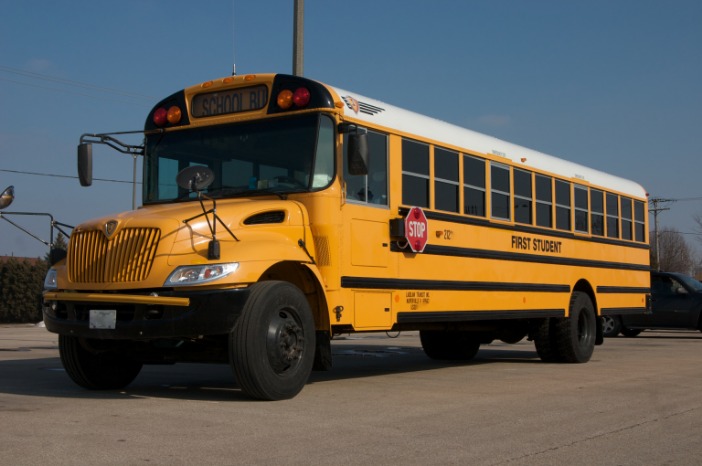
School transport buses in South Africa are typically configured for pupil safety and access. Common layouts feature forward-facing seats in a 2+2 arrangement, with seat belts, sturdy interior finishes, and wide aisles for quick boarding and alighting. Configurations may include a dedicated wheelchair area or a foldable ramp, emergency exits on both sides, and clear signage for school routes. Interiors prioritise durable materials, effective climate control, and easy cleaning for daily school-use cycles.
For urban school routes, low-floor designs and up to 30-35 seats improve accessibility and rapid passenger flow at schools and transfer points. Rural or longer routes may employ higher-capacity buses with reinforced suspensions and larger fuel tanks, balancing range with payload. Configurability also covers ceiling height, luggage spaces, and optional features such as air conditioning, CCTV, and driver aids that support safer and more predictable operations on South African roads.
Buyers in South Africa typically evaluate product segments and configurations against local regulatory standards, school transport policies and tender requirements. OEMs offer buses with right-hand drive configuration to suit local traffic rules, meet driver visibility standards, and integrate with government procurement programs. Fleet operators should verify warranty terms, service networks, and availability of spare parts across major towns and cities to minimise downtime.
The market is gradually shifting toward safer, compliant, and lower-emission options, with more manufacturers offering electric and hybrid variants, modular seating, and easy-to-clean interiors. Local assembly or CKD partnerships can reduce lead times and support faster deployment on school routes. Financing and rental models also help schools and operators upgrade to modern, compliant buses without heavy upfront costs.
Choosing the right product segment and bus configuration for school transport in South Africa involves assessing route length, pupil numbers, accessibility needs, and total cost of ownership, while ensuring compliance with local standards and a reliable after-sales network. With the right combination, schools can improve safety, reliability and efficiency across their transport operations.
Powertrains and Fuel Trends
South Africa’s bus market is increasingly driven by changes in powertrains and fuel trends as operators balance reliability, cost, and regulatory requirements. While diesel remains prevalent, high fuel prices and emissions targets are pushing interest in more efficient diesels, hybrids, and a growing consideration of electric buses. The choice of powertrain now shapes sales decisions across urban routes and intercity services, with infrastructure and total cost of ownership guiding adoption in city fleets and state-supported projects.
Diesel and Common Rail Technologies
South Africa’s bus sales are shaped by powertrain choices, fuel trends, and the shift toward cleaner diesel technology and alternative drivetrains. Operators across municipal fleets, commuter services, and private operators require powertrains that deliver reliability, durability, and cost efficiency on routes that include urban corridors and longer suburban legs. Today, diesel-powered buses remain dominant, but buyers are increasingly factoring emissions reductions, fuel economy, and the potential of hybrids and electric buses into procurement decisions.
Powertrains for most urban and intercity buses in South Africa are still diesel-based, typically paired with manual, automated manual, or fully automatic transmissions. Modern configurations combine turbocharged engines with electronic engine management, aftertreatment systems, and robust cooling to handle hot climates. The choice of powertrain is driven by fuel availability and cost, workshop capability, and the total cost of ownership, including maintenance and depreciation in tender-driven fleets.
Diesel and common rail technologies are central to current SA bus fleets. High‑pressure common‑rail fuel systems enable precise, multiple injections per cycle, improving combustion stability, starting performance, and emissions. Coupled with electronic control, variable geometry turbochargers, exhaust gas recirculation, and aftertreatment packages, common rail designs help meet stricter NOx and particulate standards while preserving low-end torque essential for stop‑start urban operation.
Aftertreatment and fuel trends are shaping diesel powertrains. Most new buses operate on low‑sulfur diesel and use selective catalytic reduction with diesel exhaust fluid (AdBlue/DEF) to reduce NOx, often in combination with diesel particulate filters. Biodiesel blends (such as B5 to B20) have seen testing in some fleets, but widespread adoption hinges on fuel supply, cold-weather performance, and guaranteed component compatibility. In the medium term, a portion of the market is watching hybrids and plug‑in solutions for inner‑city routes as a stepping stone to electrification.
Fuel pricing, energy security, and maintenance costs influence bus procurement in South Africa. Operators favor powertrains that deliver predictable fuel consumption, reliable service networks, and accessible spare parts. The dominance of diesel with common rail and SCR remains because it aligns with existing workshop ecosystems and aftersales support while delivering improved efficiency and emissions performance for commuter and municipal routes.
OEMs are responding with integrated powertrain packages that combine engine, transmission, and traction solutions with telematics and remote diagnostics. Automated manual transmissions, engine-embedded control units, and advanced aftertreatment management help bodies optimize performance and uptime. Some manufacturers are also offering mild-hybrid configurations to boost urban fuel economy and reduce idle emissions, particularly on dense city networks.
Looking ahead, the South African bus market will continue to rely on robust diesel technology for the near term, while pilot programs and tender programmes push for cleaner, quieter operation. Electrified buses and alternative fuels will mature gradually, with success in select city corridors and depots that can support charging infrastructure and fleet integration. In the meantime, powertrain and fuel trends in common-rail diesel engines will remain the backbone of SA bus sales.
Hybrid and Electric Buses
South Africa’s bus market is undergoing a shift in powertrains and fuel trends as operators seek lower operating costs and better urban air quality. Hybrid and electric technologies are moving from pilot projects to wider deployment in major cities, supported by government policy and international suppliers. This article reviews how the South African context shapes bus sales and the adoption of hybrid and electric buses.
- Powertrains and fuel trends: Diesel remains the backbone for most new buses due to established refueling networks and initial affordability, while interest in alternative fuels such as compressed natural gas (CNG) and liquefied natural gas (LNG) is growing for urban routes. Battery-electric and plug-in hybrid platforms are gaining attention as city fleets test performance, reliability, and lifecycle costs.
- Hybrid buses: Hybrid propulsion combines diesel engines with electric drives and energy recovery, offering fuel savings and reduced emissions on city corridors. They are often chosen as transitional solutions where charging infrastructure or grid capacity is uneven, but higher upfront costs and maintenance requirements can temper rapid adoption.
- Electric buses: Pure battery-electric buses reduce tailpipe emissions to zero and offer quiet operation, with advantages for urban routes and idle-time savings. Challenges include up-front price premiums, charging strategy at depots, ride-and-drive range on longer or hills, and ensuring a robust after-sales and parts network.
- Charging and infrastructure: Depot charging and opportunistic charging during layovers support BEV operations, while fast charging corridors and grid upgrades are essential for longer urban networks. In South Africa, grid reliability and access to affordable electricity influence fleet deployment decisions and scheduling.
- Financing and total cost of ownership: Despite higher upfront costs for hybrids and BEVs, favorable total cost of ownership can be achieved through lower fuel costs, maintenance, and potential government support. Fleet operators rely on financing models, grant programs, and long-term service agreements to manage risk.
- Procurement and policy context: City and provincial authorities increasingly prioritize low-emission buses in procurement rounds, aligning with air quality goals and climate commitments. Local assembly, parts supply, and technician training are important to develop a sustainable ecosystem around new powertrains.
- Market dynamics and local ecosystem: The mix of OEMs, integrators, and service networks influences the pace of electrification. Pilot projects in major metros help build knowledge on charging, thermal management, and battery lifecycle in South African operating climates.
- Outlook and regional role: Expect a progressive increase in electrified bus shares over the next decade, with hybrids serving as a bridge while charging and grid capacity expand. South Africa could emerge as a regional hub for bus electrification in Southern Africa, supported by investment in infrastructure, financing, and skills development.
In summary, the South African bus market is aligning powertrains and fuels with urban demand, energy costs, and policy aims. While diesel remains dominant today, the growth of hybrids and electric buses is accelerating as infrastructure and financing improve, enabling longer routes and larger city fleets to transition to cleaner propulsion.
Alternative Fuels and Hydrogen Initiatives
The South Africa bus market is at a crossroads, with fleet modernization and urban air quality goals driving interest in cleaner powertrains while demand for reliable, affordable public transport remains high across major cities.
- Powertrains across SA buses are expanding beyond traditional diesel to include hybrid, battery electric, and hydrogen fuel cell options, supported by city-led modernization programs and environmental targets.
- Diesel engines remain the backbone for many operators due to established maintenance networks and upfront cost, but total cost of ownership comparisons increasingly favor electrified and alternative-fuel solutions in new orders.
- Battery electric buses are being piloted in major metros with depot charging and upgraded charging infrastructure, aiming to lower operating costs, reduce noise, and improve urban air quality.
- Hydrogen initiatives are emerging through pilots and partnerships with energy firms and OEMs to support long-range routes and rapid refueling, addressing uptime requirements for high-demand corridors.
- Alternative fuels such as CNG or LNG and biodiesel blends are considered for mid-life fleets to diversify energy sources and reduce local emissions where electrification is challenged by charging or storage needs.
- Cost, range limitations, fueling or refueling infrastructure gaps, maintenance capability, and access to financing are the primary barriers to rapid scaling of new powertrains in South Africa.
- Policy support, public-private partnerships, and local manufacturing or assembly of buses and components can strengthen the market, create jobs, and improve after-sales service networks.
Looking ahead, the pace of adoption will hinge on coordinated efforts among municipalities, transport operators, OEMs, and energy providers to build reliable charging and refueling ecosystems, optimize route planning, and ensure affordability for metro and peri-urban deployments.
Electric Bus Adoption in South Africa
Electric bus adoption in South Africa is gathering pace as cities push cleaner, quieter, and more efficient public transport. The growing demand is reshaping bus sales in South Africa, with municipal fleets upgrading to zero-emission models through national incentives, grant programs, and favorable procurement processes. While charging infrastructure and total cost of ownership remain important considerations, manufacturers, local assemblers, and service networks are expanding to support fleet rollouts and maintenance. This introductory overview highlights the drivers, market dynamics, and early challenges shaping the transition toward electric buses in South Africa’s urban mobility landscape.
Charging Infrastructure and Range Considerations
Electric bus adoption in South Africa is reshaping the bus sales landscape as cities seek to modernize fleets, reduce emissions, and improve urban mobility. Across major urban areas, procurement programs and pilot projects are testing how electric buses perform under real operating conditions and what this means for maintenance, charging, and total cost of ownership.
The National Public Transport Master Plan and city-led procurement initiatives are accelerating electrification by setting policy direction, funding streams, and performance targets for bus fleets. Local authorities are exploring turnkey solutions, leasing models, and performance contracts to replace aging diesel buses with electric alternatives, while suppliers adjust product offerings to meet South African route realities and service expectations.
Charging infrastructure is central to the transition. Depot charging at bus depots remains the most common approach, complemented by on-route or opportunity charging on high-demand corridors to extend daily operations. A reliable grid, civil works for charging bays, and energy management systems are essential, with increasing emphasis on solar generation and storage to mitigate Eskom-related constraints and to reduce peak demand on the grid. Standards and interoperability for charging, including CCS2 DC fast charging and pantograph solutions, are key considerations for long-term planning.
Range considerations for electric buses in South Africa depend on route characteristics, climate, and operating schedules. Real-world ranges typically cited by manufacturers fall in the 200 to 350 kilometer per-day window, with larger battery packs offering better headroom for peak loads, frequent stops, and air conditioning use in hot conditions. Route planning, regenerative braking, and efficient fleet management can maximize utilization, but engineers must account for seasonal temperatures, hills, and passenger loads when projecting daily service without charging gaps.
In the South African market, bus sales are increasingly led by global OEMs with established service networks and local aftersales support. Players such as BYD and Volvo Buses have begun to establish footprints, backed by local service centers, spare parts supply, and technician training. The push toward electrification is accompanied by considerations of local content, job creation, and the development of maintenance capabilities to sustain performance over the bus’s life cycle.
Financing models and total cost of ownership considerations are shaping procurement decisions. While upfront capital costs for electric buses are higher than diesel equivalents, operators can realize savings through lower fuel costs, reduced maintenance, and potential incentives from government programs or climate-focused financing. Development Finance Institutions and government grants are increasingly used to bridge the cost gap and to support depot upgrades, charging infrastructure, and driver/technician training.
Case studies from major South African cities show a cautious but steady progression toward electrification. Pilot programs in metropolitan areas are testing performance on busy urban routes, evaluating charging patterns, downtime, and reliability, and feeding lessons into larger scale rollouts. These pilots also emphasize the importance of data collection, route optimization, and collaboration between city authorities, operators, and suppliers to build a resilient ecosystem for bus electrification.
Looking ahead, the growth of electric bus sales in South Africa will hinge on policy clarity, accessible financing, robust charging infrastructure, and proven reliability and cost savings. By aligning procurement, grid readiness, and workforce development, South Africa can accelerate the transition to clean, efficient urban transport while expanding local capabilities in a growing market.
Policy Incentives and Tender Programs
Electric bus adoption is accelerating in South Africa as cities seek to modernize public transport while cutting emissions. The bus market in South Africa has traditionally been dominated by diesel models, but recent tenders and policy signals are pushing a shift toward zero-emission solutions, supported by collaborations among city authorities, national government, and private suppliers. This article reviews policy incentives and tender programs that shape electric bus sales in South Africa, and what it means for operators and manufacturers.
The National Transport Master Plan (NTMP) issued by the Department of Transport provides the overarching direction for electrification of public transport, including buses. It emphasizes transition to cleaner buses, investment in charging infrastructure, and integrated urban mobility. In parallel, the Preferential Procurement framework (PPPFA) and B-BBEE policy provide procurement advantage to projects that include local content, black ownership, and environmental sustainability; this encourages local assembly and service networks for electric buses and charging equipment. Government funding channels, such as city-level transport grants and national infrastructure budgets, are often used to subsidize capital costs and charging infrastructure.
Tender programs for electric buses are typically run by city transport authorities (e.g., major metros) and aligned with the broader public transport networks (like BRT). Tenders specify vehicle performance requirements, range, charging standard, and maintenance service packages. They usually bundle buses with charging infrastructure and after-sales support, and may require local content in components or assembly. Winners often include foreign manufacturers with local assembly partners and South African service networks; examples include BYD and other global OEMs supplying buses and energy storage, with local body-building and after-sales support arranged through partnerships.
The shift to electric buses is driving growth in bus sales and related services, including maintenance, battery recycling, and charging infrastructure installation. Local manufacturing and assembly opportunities exist if policy supports local content, with possible job creation in design, assembly, and service. Financing models such as concessional loans, grants for charging infrastructure, and public-private partnerships help manage higher upfront costs. Fleet operators weigh total cost of ownership, factoring in energy savings, lower maintenance, and potential grid contributions.
Challenges include high upfront capex, limited charging hubs, grid capacity constraints in some urban areas, reliability of batteries, spare parts supply chains, and the need for trained technicians. Policy certainty, stable procurement rules, and clear funding streams are essential to attract fleet operators and OEMs. The success of tender programs depends on predictable demand signals, timely payment terms, and robust after-sales service networks.
Looking ahead, continued alignment between national transport strategy and city-level tender programs can accelerate electric bus adoption and boost bus sales in South Africa. As charging infrastructure expands and local manufacturing workshops scale, SA could become a regional hub for electric bus assembly, batteries, and maintenance, unlocking value for operators and the broader green economy.
Regulatory Environment and Standards
South Africa’s bus market operates within a tightly supervised regulatory framework that ensures safety, environmental performance, and roadworthiness for passenger transport. Buyers and dealers must confirm compliance with national standards set by the South African Bureau of Standards (SABS) and the National Regulator for Compulsory Specifications (NRCS), along with adherence to the National Road Traffic Act and related regulations governing vehicle certification, emissions, and fitness tests. Licensing and operator requirements under the National Land Transport Act also shape how buses are registered, tested, and deployed on public routes, making regulatory due diligence essential in bus sales across South Africa.
Emissions Standards and Testing
South Africa’s bus market operates within a multi-layer regulatory framework that affects how buses are designed, manufactured, imported, tested and sold. For buyers and sellers in bus sales in South Africa, understanding these regulations helps ensure market access, road safety, and environmental compliance.
- Regulatory bodies and roles: The Department of Transport issues licensing, roadworthiness and registration requirements; the National Regulator for Compulsory Specifications (NRCS) enforces compulsory specifications for vehicles and components; the South African Bureau of Standards (SABS) develops and publishes standards for safety, performance and interoperability; environmental regulation is administered under national environmental laws (with the Department responsible for environment-related policies and emissions standards). Together, these bodies shape the approvals, testing, and conformity processes for buses sold in the country.
- Standards and compliance requirements: Buses must meet safety, structural, electrical and accessibility standards set or referenced by SABS and NRCS. Type approval or conformity checks may be required for new models, and conformity of production procedures are typically expected for ongoing manufacture. Dealers and importers must maintain documentation proving compliance with applicable standards to support registration and sale.
- Emissions standards and testing: Emissions performance is governed by national environmental regulations that set limits for vehicle exhaust and require testing during certification. Emissions tests are performed in accredited laboratories and, in some cases, on-vehicle testing methods may be used. Buses offered for sale must demonstrate compliance with the relevant emissions requirements before registration, and operators may face periodic testing or inspections to verify ongoing compliance.
- Compliance processes for sellers and importers: Suppliers must obtain the necessary compliance certificates, complete the required testing, and submit documentation to the appropriate authorities (such as NRCS and the DoT) for approval or type certification. Once approved, buses can be registered, insured, and entered into service, subject to ongoing roadworthiness checks and potential post-market surveillance.
- Impact on bus sales and procurement: The regulatory environment can affect lead times, pricing and model availability because certification, testing and approval steps add to the time and cost of bringing a bus model to market. However, clear standards also create assurance for buyers, support local maintenance ecosystems, and align procurement with public transit strategies like bus rapid transit (BRT).
For buyers in the South African bus market, it is important to plan for certification, testing, and ongoing compliance as part of the lifecycle of a bus purchase. Aligning procurement with regulatory requirements helps ensure smoother registrations, reliable performance, and long-term operability across fleets.
Vehicle Safety and Accessibility Regulations
In South Africa, bus sales operate within a multi-layered regulatory framework designed to ensure safety, accessibility, and environmental performance across the public transport fleet. Dealers and buyers must understand the roles of the Department of Transport, the National Regulator for Compulsory Specifications, and standardisation bodies such as the South African Bureau of Standards in shaping requirements for vehicles and components used in passenger service.
Key regulatory players and statutes include the National Road Traffic Act and the National Land Transport Act, which govern vehicle operation, licensing, and route permits for public transport. The Road Traffic Management Corporation enforces road rules and manages licensing and inspections, while the NRCS administers compulsory specifications for transport equipment and components. The SABS develops and publishes standards that inform what is technically acceptable for buses in areas like safety, performance, and accessibility.
Vehicle safety and performance requirements cover structural integrity, braking systems (including braking performance and anti-lock systems where mandated), steering and suspension adequacy, tires appropriate to service loads, crashworthiness of seating and interior fittings, emergency exits clearly marked and accessible, and fire safety measures such as interior fire retardant materials and extinguishers. Buses used for public transport may also be subject to speed limiting and data recording requirements in line with national guidelines and operator safety policies.
Accessibility regulations require new buses to accommodate passengers with disabilities, including features such as low-floor entry, ramps or lifts, designated wheelchair spaces with securement points, appropriate door widths, and accessible passenger information systems. Compliance is aligned with national transport policy on inclusive mobility and reflects international best practices for accessible public transport.
From a sales perspective, compliance involves obtaining appropriate type approval or conformity evidence, maintaining up-to-date roadworthiness certificates, and ensuring that vehicles used for public transport hold the required operator licenses or route permits. Emissions compliance under national environmental regulations may also apply, depending on the vehicle type and age. Dealers should supply complete documentation to demonstrate compliance throughout ownership.
Buyers should assess the supplier’s ability to support ongoing compliance, including parts availability, service networks, training for drivers and maintenance staff, and guidance on regulatory changes. When selecting a bus model, consider the intended service (urban, intercity, or school transport), the vehicle’s accessibility features, and the regulatory costs of licensing, roadworthy re-certification, and route permits over the vehicle lifetime.
Overall, the regulatory environment for bus sales in South Africa seeks to balance safety, accessibility, and efficiency in public transport. Understanding the roles of DoT, RTMC, NRCS, SABS, and NLTA helps buyers and dealers navigate requirements effectively and build fleets that meet both regulatory obligations and user needs.
Financing, Leasing, and Total Cost of Ownership
In South Africa’s growing bus market, buyers balance financing options, vehicle leasing, and a clear view of total cost of ownership to choose fleets that meet service needs while controlling long‑term expenses. Financing can preserve cash flow with fixed payments and tax benefits, leasing offers predictable budgeting and maintenance packages, and evaluating total cost of ownership accounts for purchase price, financing costs, depreciation, fuel efficiency, maintenance, insurance, tires, downtime, and disposal value. For transport operators, especially in urban and rural routes, understanding these elements helps optimize profitability, reliability, and service levels while complying with local regulations and fleet renewal cycles.
Funding Sources and Incentives
The South African bus market is actively modernizing to support safer, cleaner, and more reliable urban and intercity transport. Fleet renewal, efficient operation, and good financing options are key to delivering high-quality service while controlling costs over the life of a bus. Operators, municipalities, and transport authorities increasingly weigh total cost of ownership alongside upfront price when sourcing new buses for South Africa’s diverse routes.
Financing options in South Africa for bus purchases range from traditional cash purchases to structured financing that aligns with a operator’s cash flow. Bank term loans and facilities from commercial lenders remain common, with tenor choices that fit typical bus lifespans and residual values. Finance leases can allow operators to use a bus while fixing long-term payments and often providing some ownership flexibility at the end of term. Operating leases offer off-balance-sheet arrangements with lower monthly payments and potential maintenance support included. Vendor or manufacturer financing can simplify the procurement process and provide tailored terms, while hire purchase arrangements enable ownership after a final payment. For larger fleets or specialised projects, development finance institutions and project-finance approaches may offer concessional terms or facilities designed for public transport upgrades.
Total Cost of Ownership (TCO) is a critical framework for evaluating bus investments in South Africa. TCO includes the purchase price or capital outlay, financing costs (interest and fees), and all operating costs over the vehicle’s life. Key components are fuel or energy costs, routine and unscheduled maintenance, tyres, insurance, licensing, and driver training. Downtime due to repairs, parts availability, and service network reliability also influence TCO. Depreciation or amortisation, residual value at the end of the contract or life, and potential government incentives or tax allowances further shape the total picture. When comparing diesel, CNG, hybrid, or electric buses, energy efficiency, maintenance frequency, spare parts availability, and the robustness of the local service and charging infrastructure can tilt the balance significantly in favor of one option.
In South Africa, fuel price volatility, the reliability of maintenance networks, and the maturity of electric- and alternative-fuel technology all affect TCO. Diesel buses may offer lower upfront complexity but higher fuel and maintenance costs over time, while electric and hybrid buses can reduce energy expenses and emissions but require investment in charging infrastructure, grid readiness, and battery lifecycle planning. Operators should model scenarios that include different fuel prices, duty cycles, route types, and downtime costs to identify the most economical choice for each fleet and route.
Funding sources and incentives for bus fleets in South Africa come from a mix of commercial finance, development finance, and public-sector programs. Development finance institutions such as the Industrial Development Corporation (IDC) and the Development Bank of Southern Africa (DBSA) often provide facilities or co-financing for public transport upgrades, including clean-energy buses and associated infrastructure. Commercial banks and specialized lease providers offer asset finance and fleet-management solutions with terms tailored to bus lifecycles. OEMs and equipment financiers sometimes provide vendor-backed programs that bundle buses with service, maintenance, and financing. Municipal and national programs may also provide grants, subsidies, or favorable lending terms to accelerate fleet renewal and the adoption of cleaner technologies.
Incentives and subsidies for bus operators in South Africa tend to vary by province and by program year, and operators should engage early with lenders, government agencies, and OEMs to understand current offerings. Potential incentives may include grants or subsidized loans for fleet modernization, preferential procurement for green or low-emission buses, tax allowances or accelerated depreciation for qualifying assets, and support for charging or fueling infrastructure. Because policies and incentives can change, it is important to work with a tax adviser, financial adviser, and trusted fleet consultant to identify eligible programs and to structure transactions that maximize overall savings over the vehicle’s life.
To make the most of financing, leasing, and incentives in bus sales in South Africa, operators should start with a clear fleet requirement, build a robust TCO model for different powertrains, and compare multiple funding options. Involve lenders early to understand term, security, and maintenance commitments, and explore DFIs or public programs for favorable terms on cleaner technology. Plan for charging or fueling infrastructure, training, and parts availability, and validate residual values with the local used-bus market. A well-structured combination of financing, operating efficiency, and eligible incentives can significantly lower the long-run cost per kilometer and improve service reliability across South Africa’s bus networks.
Total Cost of Ownership Considerations
In South Africa, bus sales are driven by municipal fleets, private operators, and long-distance carriers, with financing options and leasing models shaping buyer decisions. Understanding total cost of ownership (TCO) is essential to compare offers and ensure sustainable operations.
Financing options in the South African market include traditional bank loans, vendor or OEM financing, finance leases, operating leases, and hire purchase arrangements. Terms vary by lender and operator credit profile, and many packages can include maintenance and service support to improve cash flow predictability.
Leasing plays a central role for bus operators who want to preserve capital and manage risk. A lease can include maintenance, warranties, scheduled servicing, and even replacement buses during high-demand periods. Tax considerations and resale values influence the overall economics of lease vs ownership.
Total Cost of Ownership integrates initial price with ongoing costs over the vehicle life. Key components include purchase price, financing costs, maintenance and repairs, tires, parts, fuel consumption, insurance, licensing and permits, taxes, driver training, downtime, and depreciation.
Maintenance strategy and parts availability are critical in South Africa. Operators should assess OEM service network coverage, local support partners, parts availability, lead times, and the availability of qualified technicians. Comprehensive maintenance plans can stabilize TCO by reducing unexpected breakdowns.
Fuel and propulsion choices affect TCO. Diesel remains common, but volatility in fuel prices in SA, opportunities with compressed natural gas, and emerging electric or hybrid buses are changing the economics. Fuel efficiency, maintenance costs for alternative powertrains, and incentives or subsidies should be part of the TCO model.
Total cost of ownership considerations in South Africa also include currency risk on imported buses, VAT treatment, import duties, and warranty coverage. Road conditions, spare parts logistics, and skilled labor availability influence uptime and maintenance costs. Residual values depend on local demand for used buses and the availability of replacement fleets.
Practical approach: build a TCO model tailored to your routes and duty cycles, run scenarios for different financing options, maintenance contracts, and fuel prices, and involve fleet, finance, and risk teams. Prioritize after-sales support and service level agreements from the supplier to ensure predictable costs and uptime.
After-Sales, Service, and Parts Network
In bus sales in South Africa, the After-Sales, Service, and Parts Network is the backbone that keeps fleets on the road, offering nationwide service centers, rapid parts availability, certified technicians, and comprehensive warranty and roadside support to maximize uptime for operators across the country.
Warranty and Service Packages
In bus sales in South Africa, after-sales, service, and parts networks are essential to fleet reliability and total cost of ownership. Operators rely on predictable maintenance schedules, rapid access to spare parts, and responsive support to keep buses on the road and compliant with local regulations.
The after-sales network typically includes authorized service centers with trained technicians, nationwide dealer coverage, and mobile service units that can reach regional routes quickly. Many manufacturers offer remote diagnostic capabilities and dedicated fleet coordinators to manage maintenance calendars, recalls, and service reminders, ensuring uptime even on long-haul or high-mileage operations.
Spare parts availability is a critical element of the network. Original equipment manufacturer (OEM) parts are stocked or rapidly sourced through regional warehouses in major cities, enabling short lead times for common components such as filters, brake systems, belts, and engine consumables. Operators may also access approved aftermarket parts through structured programs that meet OEM standards, balancing cost with performance and warranty considerations.
Warranty terms for new buses in South Africa commonly include a period of coverage for major components and powertrain, with typical durations ranging from two to five years or a set mileage cap, whichever comes first. Many manufacturers also offer extended warranty programs, service packages, and roadside assistance add-ons to provide ongoing protection beyond the standard period. Warranty is usually transferable to new ownership, which can support resale value for fleet operators.
Service packages, often offered as prepaid maintenance plans, help operators lock in predictable operating costs. Packages may cover scheduled maintenance, parts and labor for routine services, brake and tire inspections, fluid changes, and component replacements at predefined intervals. Tiered plans (for example Bronze, Silver, Gold) can include different levels of coverage, towing, on-site service, and eligibility for loan or replacement vehicles during major service periods.
In practice, these packages deliver uptime guarantees and simplified budgeting. Fleet managers benefit from transparent pricing, guaranteed labor rates, and access to telematics-enabled diagnostics that flag potential issues before they become breakdowns. Many programs also include driver training, safety inspections, and compliance checks to help fleets meet South African roadworthiness and operator standards.
Choosing a partner for bus sales in South Africa should consider the density of the service network, spare parts availability, and the ability to provide rapid support across provinces. Operators should evaluate response times, the depth of technician training, availability of loaner buses, and the clarity of warranty and service terms. A strong after-sales ecosystem reduces downtime, protects asset value, and optimizes the total cost of ownership for city, school, shuttle, and long-distance bus fleets.
Parts Availability and Supply Chains
In the bus sales landscape of South Africa, after-sales service and a robust parts network are as critical as the initial vehicle purchase, influencing uptime, operator reliability, and overall total cost of ownership.
A strong after-sales and service network starts with authorized dealers and factory-trained technicians who understand local operating conditions, including long-distance routes and urban congestion. OEMs often provide diagnostic tools, software updates, and preventive maintenance guidelines that are tailored to South African use, plus fleet service contracts, 24/7 roadside assistance, and mobile service units that can reach depots and remote routes quickly.
Parts availability and supply chains hinge on well-distributed regional stock, efficient logistics, and clear warranty or return procedures. Regional distribution centers in major hubs such as Johannesburg, Durban, and Cape Town keep a broad range of genuine parts on hand for quick dispatch, while consolidated parts catalogs streamline cross-model compatibility where possible to reduce stocking needs.
South Africa’s supply chains face unique challenges, including import logistics, currency volatility, and occasional port congestion. To mitigate downtime, operators look for OEMs and distributors with local warehousing, multiple supplier avenues, and clear lead times for both common consumables and critical components like engines, transmissions, and electronic control units.
Buyers should evaluate service coverage, parts availability, and uptime guarantees when selecting a bus supplier. Important considerations include the length and scope of warranties, the availability of service-level agreements, response times for on-site versus depot repairs, and the option of telematics-enabled remote diagnostics that can pre-empt failures before they disrupt service.
Best-practice strategies in bus sales South Africa include choosing brands with established local service networks and flexible maintenance plans, investing in operator training for on-site minor repairs, maintaining a reasonable stock of commonly required parts at regional depots, and leveraging digital tools for proactive maintenance scheduling and parts forecasting to minimize downtime and maximize route reliability.
Ultimately, a reliable after-sales and parts ecosystem translates into higher vehicle uptime, lower lifecycle costs, better resale value, and confidence for operators serving urban routes, long-haul services, and paratransit fleets across South Africa.
Market Players and Case Studies
In South Africa’s bus sales market, key players range from global manufacturers and national distributors to large fleet operators and public transport authorities. This introductory overview highlights the principal market players and selects case studies that illustrate how operators source, finance, integrate, and maintain buses across urban and rural routes.
Major Manufacturers and Distributors in South Africa
The South African bus market is characterized by robust urban transit needs, intercity links, and a growing emphasis on cleaner and more fuel-efficient fleets. Public sector funding, fleet modernization programs, and private operator demand drive ongoing procurement cycles, while the mix of diesel and electric solutions reflects a shift toward lower emissions and improved total cost of ownership.
Major manufacturers with a presence in South Africa include Volvo Buses South Africa, which supplies city and coach buses through a regional network that supports sales, servicing, and parts across key metropolitan areas. Scania South Africa offers complete bus solutions, including chassis and complete buses, supported by a local service and parts network. Mercedes-Benz South Africa (MBSA) provides a broad range of urban and intercity buses, with manufacturing and assembly operations in South Africa and a wide after-sales footprint. MAN Truck & Bus South Africa and Iveco Bus South Africa contribute with their own lines of city and intercity buses, backed by regional dealer networks. Hino Motors South Africa serves the market with medium to large buses and a growing emphasis on after-sales support. In the electric and alternative-fuel space, BYD and Yutong have established strong distribution and support networks, enabling municipalities and operators to access electric buses and related charging infrastructure alongside traditional diesel models. Local distributors and importers often collaborate with these OEMs to tailor specifications for South African routes, climate, and duty cycles.
Distributors and networks in South Africa operate through authorized dealer structures, regional hubs, and national service and parts centers that span Gauteng, the Western Cape, KwaZulu-Natal, and other provinces. These networks provide not only vehicle sales but also maintenance contracts, telematics, driver training, spare parts supply, and financing options through partnerships with banks and specialist funders. Operators frequently rely on bundled fleet services that combine vehicle supply with lifecycle support, enabling more predictable budgeting and reduced downtime across urban and intercity routes.
Case Study: Electric bus pilots in major cities often involve BYD and Yutong as key suppliers, with municipalities or transport authorities financing and coordinating charging infrastructure, depots, and maintenance. In a typical SA pilot, a city partners with the OEM and local service network to deploy a limited fleet of electric buses, install charging infrastructure, and monitor performance across popular corridors. Results commonly include reductions in tailpipe emissions and noise, improved passenger experience, and favorable operating cost comparisons once charging and maintenance ecosystems are optimized. Lessons from these pilots highlight the importance of depot charging capacity, spare parts readiness, driver and technician training, and robust telematics data to optimize routes and energy use.
Case Study: A regional intercity operator modernizes its fleet with Euro 5/6 diesel buses supplied through MBSA or Scania with integrated telematics and a long-term maintenance contract. The project demonstrates improved reliability, lower downtime, and clearer lifecycle cost reporting for fleet managers. The case also showcases the value of local after-sales support, staged rollouts to minimize service disruption, and performance dashboards that help operators track fuel consumption, maintenance intervals, and vehicle uptime. This type of engagement underscores how formal service level agreements and manufacturer-backed warranties can stabilize budgeting while accelerating fleet renewal cycles.
Market trends point to continued electrification, alternative fuels, and hybrid solutions as operators seek to meet emissions targets and reduce fuel costs. Public-private partnerships and national procurement frameworks are expanding access to financing and subsidies for fleet upgrades, including charging infrastructure and training programs. For manufacturers and distributors, success in South Africa increasingly depends on a strong local presence, reliable after-sales service, and flexible options that align with the diverse operating conditions found in major metros and regional routes. The market is likely to see a mix of diesel, hybrid, and electric offerings, with growing demand for data-driven maintenance and telematics to maximize uptime and optimize total cost of ownership.
Notable Public Fleet Case Studies
South Africa’s bus market for public fleets sits at the intersection of urban mobility goals, municipal budgets, and a growing push toward cleaner transport. Public fleet procurements drive demand for standard urban buses, coaches for longer routes, and increasingly, electric buses as cities seek to reduce emissions and fuel costs.
Market Players: The landscape includes a mix of global OEMs with established local networks and a growing cadre of electric bus suppliers. Major traditional players such as Volvo Buses South Africa, Mercedes-Benz South Africa, Scania South Africa, Iveco Bus South Africa, and MAN Truck & Bus South Africa maintain active sales, service, and parts networks to support city contracts and private operators. In recent years, electrification has brought new entrants and partnerships, with brands like BYD and other electrified offerings pursuing pilot programs and longer term fleet replacement. Local body builders and integrators also play a key role, adapting chassis and bodies to meet South African road conditions, climates, and regulations while supporting aftersales and spare parts access across municipalities.
Public fleets in South Africa are typically procured through city-led tenders, provincial initiatives, and sometimes public–private partnerships. The procurement approach often emphasizes reliability, maintenance support, total cost of ownership, and the ability to source spare parts locally. Fleet leasing, longer-term contracts, and warranty arrangements are common to manage the high upfront cost of modern urban buses and to ensure service continuity for busy corridors.
Case Study: Cape Town MyCiTi BRT. Cape Town’s bus rapid transit system, branded as MyCiTi, represents a landmark in public mobility in South Africa. The program focused on dedicated bus lanes, a unified fare system, and standardised, accessible buses to connect key suburbs with the central business district. The MyCiTi experience highlights successful scale-up of an urban bus network, the importance of integrated fare and schedule systems, and the governance and funding considerations that come with large city-led transit programs. It also underscores challenges such as coordinating with legacy transport modes, ensuring reliable maintenance, and securing ongoing capital and operating subsidies while expanding coverage.
Case Study: Johannesburg Rea Vaya. Johannesburg’s Rea Vaya BRT program demonstrates another major city-led effort to reorganise urban transport around high-capacity buses and exclusive running corridors. The project emphasizes standardised vehicle fleets, contract management with private operators, and efforts to integrate BRT with rail and local bus services. Key takeaways from Rea Vaya include the importance of corridor planning, affordability of operations, passenger information systems, and the ongoing need to align funding with service levels as the network grows and evolves.
Electrification pilots and fleet modernization across SA cities illustrate a broader trend in public fleets. Cities have piloted electric buses from multiple manufacturers as part of climate action plans and to reduce operating costs over the life of the vehicles. These pilots highlight the need for reliable charging infrastructure, technician training, aftersales support, and a robust supply chain for spare parts as electrification scales up. While early results show potential for lower emissions and quieter operation, programs emphasize careful planning around energy management, grid capacity, and lifecycle costs.
Market dynamics and takeaways. The South African market for public bus sales is shaped by urban mobility goals, policy support for cleaner fleets, and the practicalities of financing, maintenance, and spare parts availability. Successful public fleets tend to share lessons on stakeholder alignment, clear procurement specifications, reliable aftersales support, and phased rollouts that balance capital expenditure with operating savings. For vendors, success often hinges on local presence, accessible service networks, and the ability to tailor offerings to SA road and climate conditions while meeting evolving environmental requirements.
Future Outlook and Opportunities
South Africa’s bus sales outlook is buoyant as cities advance public transport modernization, fleet renewal, and commuter safety initiatives. Growing demand from municipal, school, and private operators, plus government procurement programs and expanding BRT corridors, create opportunities for new, retrofit, and mid-life buses. The shift toward cleaner propulsion—electric, hybrid, and alternative fuels—alongside flexible financing and local assembly and after-sales support, positions the market for sustained growth as urban mobility and sustainable transport priorities rise.
Growth Projections and Market Drivers
South Africa’s bus sales market is at a pivotal juncture as municipalities and private operators pursue fleet renewal, safer operations, and lower operating costs in a country with a growing urban footprint and episodic electricity challenges.
Future outlook highlights a shift toward electrified and hybrid buses, supported by government green procurement programs, city-level transport plans, and the appeal of lower fuel and maintenance costs over the life of a modern bus.
Growth projections indicate continued expansion in bus sales driven by fleet renewal cycles, new operator entrants, and international OEM competition, with electric buses expected to gain a larger share in urban routes and school and shuttle services.
Key market drivers include public transport reform initiatives, tender pipelines from metropolitan municipalities, and concessional financing and grants that ease upfront capital outlays; rising fuel prices and currency dynamics also make electric and efficient diesel options more attractive.
Opportunities abound in EV infrastructure development, local assembly and component manufacturing, robust aftersales networks, driver and technician training, and innovative service models such as remote diagnostics and predictive maintenance.
Other catalysts include the rebound in tourism and intercity travel, growth in contracted school transport, and partnerships between cities, operators, and OEMs to accelerate standardization of specs and interoperability.
Challenges to scale include the high capital cost of new buses, financing risk, variable electricity supply and charging capacity, and the need for skilled technicians; careful risk sharing and public-private partnerships can mitigate these issues.
Overall, the South African bus market shows resilient growth potential as public transport modernization accelerates, with electrification and service innovations forming the backbone of the future market.
Strategic Recommendations for Stakeholders
The future outlook for bus sales in South Africa is shaped by rapid urbanization, government policy aimed at modernizing urban mobility, and a growing push toward cleaner fleets. As cities invest in public transit networks and operators seek lower total cost of ownership, the market for new and refurbished buses is likely to expand alongside allied services such as maintenance, parts, and fleet-management solutions.
Key demand drivers include municipal fleet renewal programs, expansion of bus rapid transit corridors, and private operator fleets that serve commuter routes, schools, and tourism. Public sector funding cycles, favorable procurement terms for green technologies, and the emergence of public–private partnerships will influence the pace and mix of bus purchases, with a gradual tilt toward electric and hybrid propulsion.
Technology and product trends are reshaping the market. Battery electric buses (BEBs) and plug-in hybrids are gaining traction in major cities where charging and depot infrastructure can be established. Fuel efficiency improvements, advanced telematics, and integrated maintenance plans can lower lifetime costs. Local content and after-sales service capabilities are critical to ensure reliability across dispersed municipal depots.
Competitive dynamics blend local assembly with imports, influenced by policy on local content and currency movements. A robust local supply chain for chassis, batteries, tires, and service parts will support faster delivery times and lower downtime. Training and certification programs are essential to build skilled technicians and ensure high uptime across fleets.
Opportunities exist across segments, including government tenders for electrified urban fleets, school transport contracts, and captive-private networks for mining or industrial campuses. Refurbished or remanufactured buses can extend service life at lower upfront cost, while turnkey fleet solutions—covering financing, procurement, charging, and maintenance—offer differentiating value.
Strategic recommendations for manufacturers: establish local assembly or CKD (completely knocked down) programs to meet local content requirements and shorten lead times; invest in battery and charging equipment capabilities; develop modular bus platforms to serve electric, hybrid, and diesel variants from a common base; forge financing partnerships to bundle vehicles with fleet-management and maintenance contracts; build a distributed service network across major metros and regional hubs.
Strategic recommendations for fleet operators and service providers: conduct TCO analyses to compare diesel, hybrid, and electric options over lifecycle, plan depot upgrades for charging, and adopt telematics for route optimization and maintenance scheduling; pursue long-term service agreements with manufacturers and independent service providers to ensure predictable maintenance costs; leverage government incentives and finance products tailored to green fleets.
Strategic recommendations for government and regulators: streamline tender processes, standardize technical specs to reduce bidder risk, and provide clear incentives for zero-emission buses, including subsidies, tax breaks, and low-interest financing; invest in charging and depot infrastructure in key corridors and urban hubs; promote local content while ensuring value-for-money and procurement integrity; monitor performance metrics and publish transparent fleet data to encourage competition and accountability.
Strategic recommendations for financial institutions and investors: design green finance products with favorable terms for BEBs and hybrids, incorporate risk-sharing mechanisms and performance-based incentives, and align with crowding-in of private capital; require and reward robust lifecycle cost data, reliability metrics, and supplier warranties; support training and local supplier development to reduce risk and improve project bankability.
Looking ahead, a balanced mix of diesel, hybrid, and electric buses will likely prevail in South Africa as municipalities expand fleets and adopt cleaner transport. The most successful stakeholders will be those who invest early in local expertise, charging and depot infrastructure, integrated service models, and transparent procurement practices that improve speed to market and asset uptime.