
Overview of the Bus Simulator Indonesia South Africa Mod
The Bus Simulator Indonesia South Africa Mod expands BSI with South Africa-inspired routes, cities, landmarks, and liveries, letting players explore new roads and traffic styles in a cross-cultural driving experience that blends Indonesian gameplay with South African scenery and vehicles.
Purpose and Target Audience
The Bus Simulator Indonesia South Africa Mod blends the popular game with South Africa-specific routes, landscapes, and bus models to deliver a localized driving experience for fans of the franchise.
-
Overview: This mod expands the base game by introducing South Africa-inspired environments, road networks, and signage. Players encounter routes that mirror major cities and hubs, along with local buses and traffic patterns that reflect regional driving styles. The mod may also include regionally themed sound packs and UI tweaks to enhance immersion.
-
Purpose: The mod aims to diversify gameplay, add cultural authenticity, and provide new challenges and exploration opportunities. It serves as a platform for community-created content, enabling players to discover fresh routes, service patterns, and bus configurations within a South African context.
-
Target Audience: Fans of Bus Simulator Indonesia who want a South African flavor, transport enthusiasts interested in African bus models and routes, modding communities, and content creators seeking new material for videos and streams.
Scope and Limitations
The Bus Simulator Indonesia South Africa Mod is a fan-created expansion that brings the feel of South Africa into Bus Simulator Indonesia. It reimagines the game’s world with a South African-inspired map, scenery, liveries, and traffic behavior while preserving the core driving physics and gameplay that players expect from BSI.
Scope — map and environment: The mod introduces a South Africa-themed map or regional sections that simulate key landscapes, cities, and road networks common to the country. Players can expect new road signs, landmarks, vegetation, weather lighting, and texture work designed to evoke SA’s road environment while staying compatible with BSI’s street layout and driving on the left side of the road.
Scope — assets and gameplay features: The mod includes authentic-looking bus liveries inspired by South African operators, new or adapted vehicle models, interior and exterior textures, AI traffic patterns, and possibly audio prompts and announcements. It may also include region-specific service routes, timetables, and callouts that reflect SA’s public transport vibe while integrating with BSI’s mission and job systems.
Limitations — scope and official status: The South Africa Mod is a fan-made project and not an official product from the game developers. It may not cover every city or route in South Africa, and some features may be simplified or experimental. Updates to BSI or the mod could lead to compatibility issues or require reinstalling or adjusting files.
Limitations — technical and compatibility considerations: The mod can impact performance, memory usage, and stability, especially on lower-end systems. It may only support certain game versions or require additional packs or tools to install (such as a mod manager). Users should back up files before installation and watch for conflicts with other mods. Documentation varies, so users should follow the provided install guide and check for updates from the community.
Mod Content and Features
This Bus Simulator Indonesia South Africa mod blends two dynamic transit worlds, delivering authentic buses, liveries, and routes from Indonesia and South Africa. It features enhanced sounds, realistic interiors, improved AI traffic, updated textures, and new weather and lighting to boost immersion. Ideal for players seeking varied scenery, challenging drives, and more operator-style content within a single mod package.
South Africa Environment and Map Integration
The Bus Simulator Indonesia South Africa mod brings a dedicated South African environment into the Bus Simulator Indonesia experience, expanding beyond the original Indonesian map with a distinct SA flavor.
Mod Content and Features: A curated selection of South Africa–themed buses and liveries is included, with models inspired by popular South African operators and coach lines. The mod adds redesigned interiors and exteriors to reflect local aesthetics, realistic engine sounds, and authentic horn and announcements. You’ll find radio stations and audio tracks reminiscent of local broadcasts, along with a dynamic timetable system that mirrors SA intercity and urban service patterns. Visual details such as billboards, signage, and branding showcase SA culture, while handling tweaks and road textures aim to reproduce the feel of SA roads, traffic, and road etiquette.
South Africa Environment: The environment recreates varied South African biomes, from dense urban cores to coastal highways and inland plains. City centers resemble major urban layouts with realistic traffic flow and bus stops, while suburban and rural roads provide scenic backdrops. Signage, language options, and markings reflect English and Afrikaans usage common in South Africa, with weather and lighting tuned to SA daylight cycles and seasonal patterns. The terrain includes rolling hills, coastal cliffs, and open horizons that give players a true sense of place as they navigate SA routes.
Map Integration: The South Africa map is designed as a standalone add-on that slots into the BUSSID map ecosystem, allowing seamless integration with other maps and mods. It connects major hubs via realistic corridors that mirror well-known SA routes, including urban arterials, highway stretches, and coastal transitions. Depots, bus stops, and service yards are positioned to resemble real-world SA operations, with compatibility considerations to prevent conflicts with other map assets and mods. The module emphasizes smooth loading, consistent scaling, and coherent elevation data to ensure a believable driving experience.
Gameplay and Immersion: Traffic density, driver behavior, and road rules are calibrated to SA conditions, offering challenge and variety in both urban routes and rural stretches. Players can run express intercity services, school shuttle routes, or sightseeing tours along iconic SA landscapes. Localized announcements, radio segments, and ambient soundscapes enhance immersion, while dynamic weather and varying daylight intensities create different driving challenges. Optional route planning features encourage timetable adherence and efficient fleet management within an SA context.
Compatibility and Customization: The mod is designed to work with the current BUSSID version and requires the base game files, along with the South Africa map add-on. It includes guidance for compatible patches and warns about potential conflicts with other map mods. Users are advised to back up original files before installation and to adjust settings for optimal performance on their hardware. The mod supports customization through skin packs, operator branding, and optional traffic density sliders to tailor the SA driving experience.
Conclusion: This mod offers a vivid South African flavor for Bus Simulator Indonesia players, delivering authentic environments, themed vehicles, and route networks that expand gameplay beyond the Indonesian map. It invites players to explore SA-inspired routes, enjoy culturally resonant visuals and audio, and experience new intercity and urban challenges within a richly recreated South African setting.
Vehicles and Bus Models
The bus simulator Indonesia South Africa mod blends Indonesian bus culture with South African landscapes, offering a cross-continental driving experience that mixes routes, buses, and environments in a single package.
Mod Content and Features include a curated roster of vehicles, enhanced visuals, new routes, and deep customization. Expect high-resolution liveries, realistic signage, dynamic weather and day-night cycles, improved traffic AI, exhaust and suspension sounds from both regions, and cockpit animations that bring the buses to life. The mod adds bilingual signage and operator branding to reflect Indonesian and South African operators, along with mission-style tasks and career progression to motivate long play sessions.
Vehicles and Bus Models in the mod cover Indonesian-inspired city buses, intercity coaches, and South African urban and BRT-style models. Each vehicle features authentic interiors, accurate control layouts, and country-specific decals and liveries. The roster balances performance and accessibility, giving players options from dense urban routes to long-haul coastal highways.
Indonesian vehicles emphasize compact city buses, high-immersion interiors, and colorful operator branding that echo the country’s bustling transit scenes. South African models emphasize durable urban coaches, compliant with hilly roads and busy central corridors, with generous turning radii and robust braking. The mix aims to create a believable network that mirrors real-world fleets in both regions.
Map content includes Jakarta-inspired corridors with urban centers and coastal expressways, plus South African-inspired routes around Cape Town and Johannesburg-style suburbs, linking port areas, business districts, and rural hinterlands. The mod encourages route variety, with timetables, passenger demand, and dynamic incidents to test driving skills.
Gameplay enhancements focus on realism: traffic density that adapts to time of day, realistic fuel usage and maintenance scheduling, accurate bus lengths and turning radii, interactions with pedestrians, and passenger flow that reflects peak hours. Optional settings let players tune difficulty, AI unpredictability, and road weather conditions for longer campaigns.
Compatibility notes advise using the latest Bus Simulator Indonesia version and a standard mod loader. The mod is designed to work with current map packs and DLCs, but may require conflicts resolution for overlapping textures or liveries. Always back up profiles before installing and follow the included installation guide for proper file placement.
Community-driven updates are planned, with user-submitted liveries, additional models from both regions, and occasional seasonal events that reflect Indonesian and South African holidays. Feedback and requests help shape future releases, ensuring the mod stays fresh and immersive for both Indonesian and South African players.
Bus Liveries, Branding, and Interior Design
The Bus Simulator Indonesia South Africa mod blends Indonesian bus simulation with South African streets, offering a focused package that covers Mod Content and Features, Bus Liveries, Branding, and Interior Design for a distinct gameplay experience.
Mod Content and Features: This mod introduces a curated set of bus models with high‑fidelity 3D meshes, detailed cockpits, and tuned handling for urban and long‑haul routes. It expands route networks to reflect South African corridors while reimagining familiar Indonesian routes with SA infrastructure. Realistic AI traffic, pedestrians, weather presets, day‑night cycles, and dynamic soundscapes (engine, horn, brakes) boost immersion. A comprehensive livery editor and texture packs enable rapid skin creation, and compatibility with existing map addons ensures smooth integration. Optional add‑ons like digital road signs, bus stops, and timetable data further deepen realism.
Bus Liveries: South Africa‑inspired liveries reinterpret operator color schemes on familiar Indonesian models, using bold two‑tone palettes, contrasting stripes, and reflective trims. Each livery uses high‑resolution textures with careful UV mapping and wear details to mimic real‑world use. The package ships with starter skins and a user‑friendly skin editor for creating operator identities, promotional campaigns, or event branding. You can add sponsor logos, route numbers, and destination boards with consistency across sides and entry doors to maintain a cohesive fleet look.
Branding: Branding goes beyond colors and logos to encompass external emblems, destination boards, and street signage aligned with South African conventions. Expect bilingual or multilingual text (English, Afrikaans, and local variants) on signs, safety notices, and operator branding. The mod emphasizes visual consistency—fonts, color palettes, and crest-like marks—to ensure different liveries feel like part of a single fleet. Ambient branding elements such as station banners, bus stop signage, and promotional decals enhance the sense of a lived transport network.
Interior Design: Interiors reflect South African practice with right‑hand drive cockpits and authentic control layouts. The passenger cabins showcase two‑tone seat upholstery, grab rails, non‑slip flooring, and accessible features, all with wear maps to suggest long‑term use. Instrument panels, steering wheels, and switches mirror SA styling, while bilingual passenger information displays provide route guidance and next‑stop notices. Materials like moquette fabrics, plastic dash trim, and metal railings are textured to convey realism, and cabin lighting adapts to time of day for a convincing visual experience.
Together, Mod Content and Features, Bus Liveries, Branding, and Interior Design create a cohesive South Africa‑flavored extension of Bus Simulator Indonesia, offering fresh routes, authentic visuals, and an immersive transport culture that respects both Indonesian gaming heritage and South African urban mobility.
Sound, UI, and Accessibility Features
The Bus Simulator Indonesia South Africa mod blends Indonesian and South African bus culture into a cohesive driving experience, bringing together regional design cues, routes, and atmosphere for a unique cross‑regional journey.
Mod Content and Features: The mod adds new high‑detail bus models inspired by iconic Indonesian and South African coaches, complete with authentic liveries, decals, and interior layouts. It includes a route pack featuring major hubs and scenic corridors that evoke both regions, new traffic patterns, weather effects, and day‑night cycles. Players can enjoy enhanced cockpit simulations with functional dashboards, improved physics for braking and suspension, and multiple camera angles for immersive driving. There are expanded customization options, performance tuning, and compatibility with existing BUSSID mods to ensure a seamless integration with the base game.
Sound: Engine and transmission audio have been reworked to reflect a mix of Indonesian and South African bus sounds, including authentic engine roars, gear shifts, horn variants, brake squeals, and ambient street noise. The mod also introduces region‑specific vocal announcements, passenger chatter, and route cues that adapt to time of day and weather, delivering a richer sense of place and realism.
UI: The user interface receives a refreshed look and feel with new route and bus selection screens, streamlined customization menus, and clearer performance readouts. HUD improvements include dynamic fuel and speed indicators, a more legible font, and optional quick‑access panels. Map and navigation overlays are tuned for easier route planning, with scalable UI elements and accessibility‑friendly contrast between text and backgrounds.
Accessibility Features: The mod emphasizes inclusive play by offering high‑contrast color schemes, scalable UI elements, and adjustable font sizes. Subtitles or on‑screen captions accompany announcements, and audio cues help with navigation and stops. Control remapping, keyboard and gamepad compatibility, and an optional tutorial mode assist players of varying experience levels, while documentation explains how to customize accessibility settings for individual needs.
Gameplay Mechanics and AI Behavior
The Bus Simulator Indonesia South Africa Mod blends Indonesian transport culture with South African road networks to offer a unique cross-continental driving experience within Bus Simulator Indonesia. It introduces a curated mix of routes, buses, and scenery that reflect both regions’ aesthetics, driving styles, and operational challenges.
Mod Content and Features: The mod adds expanded maps that include major Indonesian hubs such as Jakarta and Surabaya alongside South African cities like Johannesburg, Cape Town, and Durban. It ships with a diverse fleet of buses, including Indonesian-derived coaches, urban minibuses, and South African-inspired dual-cab minibuses, each with functional dashboards, accurate interiors, and customizable liveries. New textures cover exterior paints, advertisements, and detailed signage, while audio upgrades deliver engine notes and horn patterns unique to the region. Visual enhancements include revised weather, lighting, and terrain textures to reflect tropical coastlines and savanna roads. The mod also brings mission-style tasks, timetable-based routes, and a paint shop that allows players to tailor buses to their preferred operator identities.
Gameplay Mechanics: Players undertake passenger- and route-based duties across both regions, balancing on-time performance, passenger satisfaction, and vehicle maintenance. Timetable-driven routes require efficient planning around traffic density, road conditions, and fuel management. The mod introduces regional traffic rules, speed limits, and road signs to mirror Indonesian urban arteries and South African rural highways, creating varied challenges from congested city centers to open highways. Weather cycles and day-night transitions influence visibility and driving behavior, adding realism to time-sensitive deliveries and peak-hour operations.
AI Behavior: Traffic and NPC drivers are tuned for more lifelike interactions. AI buses and cars respect lane discipline, react to road hazards, and follow route instructions with occasional human-like variability. In urban areas, passengers exit and enter at designated stops, while in rural corridors, on-demand pickups may occur at flagged bus stops. The mod also simulates cooperative AI signaling, queueing at toll booths, and dynamic overtaking patterns that reflect South Africa’s aggressive driving culture and Indonesia’s dense urban improvisations, creating authentic moments of tension and relief on long hauls and city runs.
Installation and compatibility notes: This mod is designed to be loaded alongside the base game and other compatible content packs. Check that you are using a matching game version and compatible mod manager, back up your files, and verify that any required dependencies are installed. Some maps and buses may require direct file placement or activation within the mod manager, and performance will depend on hardware capabilities. Start with a small subset to verify stability before expanding to the full route and fleet collection.
Technical Implementation
The technical implementation of the Bus Simulator Indonesia South Africa mod explains how new vehicles, textures, and routes are integrated into the base game. It covers the asset workflow—from 3D modeling and UV mapping to texture optimization and LOD fallbacks—the scripting that swaps or adds content without breaking existing systems, and data alignment with the game’s navigation, signage, and localization to deliver an authentic South African experience while preserving performance and compatibility across game updates.
Base Game Compatibility and Versioning
The Bus Simulator Indonesia South Africa mod is designed with three core considerations in mind: technical implementation, base game compatibility, and versioning. The goal is to deliver a cohesive experience that blends Indonesian road networks with South African scenery, vehicles, and signage while remaining stable across the game’s updates.
Technical implementation starts with a clean mod architecture that separates assets, maps, and configuration data. Asset packs include high‑fidelity 3D models for buses and garage assets, textures with proper compression, audio assets, and LODs to maintain performance across hardware. Maps define road networks, spawn points for AI traffic, tolls, bus stops, and route paths that emulate real-world corridors across Indonesia and South Africa. A data-driven approach uses configuration files to describe routes, schedules, and color schemes, enabling rapid iteration without modifying core game files.
Engine integration relies on the game’s mod loader and asset registry to register new vehicles, textures, materials, and audio without overwriting base content. Scripts or config-driven logic control AI traffic behavior, weather effects, time‑of‑day lighting, and dynamic signage to reflect local regulations. Performance considerations include texture Atlases, optimized collision meshes, and LOD transitions to keep frame rates steady on mid‑range hardware, while ensuring visual fidelity in key locales like Cape Town or Jakarta by using context‑aware level of detail.
Base game compatibility is managed by avoiding direct overrides of core assets and by using namespacing or separate asset packs so the mod remains isolated from updates to the base game. A compatibility check validates the installed game version before enabling the mod and maps to the corresponding data structures in that build. If the game introduces breaking changes, the mod should provide a compatibility branch or feature flags to gracefully degrade rather than crash, and it should never assume a fixed internal API that may change between versions.
Map and signage compatibility requires alignment with existing road data and signage catalogs. Route definitions should reference official or widely adopted road sign sets, with fallbacks for missing signs and localized text. Localization support for Indonesian and South African languages helps reduce text rendering issues, while licensing and asset provenance checks ensure that textures, sounds, and models used in the mod do not infringe on third‑party rights. When updating maps, the mod should preserve player progress and ensure transitions are smooth to avoid corruption or unintended teleports.
Versioning follows a clear system to communicate changes and compatibility. Semantic versioning (major.minor.patch) helps players understand the impact of an update: major releases may alter data formats or break compatibility, minor releases add features or assets, and patches fix bugs. A manifest file accompanying the mod lists its version, compatible base game versions, required dependencies, and a changelog. Public releases should include a migration guide for users upgrading from prior versions and an easy uninstall path that leaves no stray files behind.
To maximize reliability, maintain separate build pipelines for each supported base game version, test on representative hardware, and solicit community feedback for edge cases such as multilingual signs or route plausibility. Clear documentation on installation, conflict resolution, and known issues reduces user friction and helps ensure the Bus Simulator Indonesia South Africa mod remains a stable, expandable addition to the game.
Modding Tools, File Structures, and API
The Technical Implementation of a Indonesia-South Africa bus mod centers on mapping two distinct regional contexts into a single, cohesive package while preserving core gameplay. This includes creating high‑fidelity bus models and liveries that reflect Indonesian and South African themes, adapting traffic rules (left-hand driving), AI behavior, signage, and audio to match both environments, and ensuring smooth transitions between maps or routes. A data-driven approach uses configuration files to toggle regional assets, route networks, currency and time formats, and weather or lighting presets. The integration layer bridges the base simulator’s physics, collision, and rendering with the custom content, handling asset loading order, LODs, material conversions, and error reporting to prevent instability during mod use. Where possible, the mod also supports hot-reloading of assets to streamline testing during development.
Modding Tools: You typically rely on 3D modeling and texturing software to create and refine vehicles, buses, and environment assets. Blender or Maya handles modeling, UV unwrapping and LOD generation, while Substance Painter or Quixel Suite produces PBR textures. For audio, editors like Audacity or FMOD can produce and implement engine-accurate engine and horn sounds. Map and route editing might use GIS tools or the game’s own map editor, supplemented by external editors for signage or billboard art. Version control with Git helps manage asset changes across teams, and a packer or mod manager simplifies packaging content into a distributable mod file.
File Structures: A clean, documented folder layout helps maintain compatibility and ease of distribution. A typical mod could use a root ModName folder with subfolders such as vehicles for each bus, maps for city layouts, assets for textures and sounds, and config for JSON/YAML files that describe vehicles, routes, and UI strings. Within vehicles, you’ll find model files (FBX/OBJ), textures, material definitions, and metadata files unique to the game version. Maps contain terrain tiles, traffic assets, waypoint networks, and lighting presets. A central manifest file references all included assets, version numbers, and required base game patches. This structure supports incremental updates and clear separation of concerns between game content and presentation.
API: A robust mod API, whether exposed through Lua, JSON, or Unity C# scripting, enables developers to register new vehicles, map segments, and behavior hooks without altering the base game code. Typical API features include registering vehicle definitions (with chassis, engine, gear ratios, capacity, and physics), mapping new routes with waypoints and AI traffic rules, and subscribing to events like vehicle spawn, lane change, or bus stop arrival to trigger sounds or UI updates. The API also governs UI localization keys, sign rendering, and signage data, ensuring bus stop signs, fare cards, and route names display correctly across regions. Clear API versioning and compatibility notes help mod authors maintain cross-version support.
Performance, Optimization, and Memory Management
The bus simulator Indonesia South Africa mod represents a fusion of two distinct transit ecosystems, combining Indonesian urban routes with South African bus fleets. This article outlines the Technical Implementation, Performance, Optimization, and Memory Management considerations essential to delivering a cohesive, stable mod across supported game versions.
- Technical Implementation: Covers the mod architecture, including resource packing (assets, textures, sounds), script-driven route generation, AI traffic integration, and localization pipelines for Bahasa Indonesia and English. Discuss map integration, cross-region connectivity, compatibility with the base game, and the mod loader workflow. Mention data sources, licensing considerations, and version control practices.
- Performance: Focuses on maintaining stable frame rates while delivering detailed environments, efficient AI behavior, and realistic vehicle dynamics. Topics include streaming map data, level-of-detail management for vehicles and scenery, physics and collision calculations, multi-threading where supported, and profiling practices to identify bottlenecks in Indonesia and South Africa traffic scenarios.
- Optimization: Addresses reducing asset memory, texture atlases, mesh simplification, batching, and efficient scene culling. Emphasizes asynchronous asset loading, modular asset design, and the ability to enable or disable regional content to balance performance and visual fidelity across different hardware profiles and game builds.
- Memory Management: Covers memory budgeting for buses, pedestrians, and road assets, object pooling strategies, streaming lifecycles, and preventing leaks during map transitions. Includes guidance on memory fragmentation mitigation, in-game profiling, and external tooling to diagnose and address long-term memory usage.
Dependencies, DLCs, and Conflicts
This article examines the technical implementation, dependencies, DLCs, and conflicts of a Bus Simulator Indonesia South Africa mod. It focuses on how a cross-regional mod blends Indonesian bus assets with South African environments, while outlining practical considerations for developers and mod users alike.
Technical Implementation: The mod typically expands the game by adding a South Africa themed map layer and Indonesian bus assets, integrating them through a modular structure that includes base assets, map data, vehicle replacements, liveries, signage, and traffic rules. Implementation relies on a clear file packaging scheme, a manifest that defines file paths and load order, and hooks into the game’s asset loader. Best practices include optimizing models with appropriate level of detail (LOD), reducing polygon count where possible, using texture atlases, compressing textures, and ensuring collision and navigation meshes are compatible with the game’s physics and AI systems. The mod should be designed to enable toggling on/off without destabilizing the core installation, with robust error handling for missing assets and fallback textures.
Dependencies: Core dependencies start with the base game installation and any official or community-supported tools required to load the mod. Additional dependencies may include DLCs that supply vehicles, maps, or traffic packs referenced by the mod, as well as a mod loader or compatibility framework if the game supports one. Development typically requires 3D modeling software (for example Blender or Maya), texture editors (such as GIMP or Photoshop), and asset conversion pipelines to match the game’s accepted formats. It is important to bundle or clearly document license-compliant assets, fonts, signage textures, and any regional assets to avoid missing resources in the user’s environment.
DLCs: When the mod relies on or complements official DLC content, document these relationships in the installation notes. If a bus model, texture pack, or map extension is drawn from a DLC, mark it as a required dependency or provide a graceful fallback if the DLC is not installed. Optional DLCs should be supported with alternative textures or content that activates when the DLC is present. Keep compatibility notes up to date with game patches and DLC releases, and consider providing separate builds for users with and without certain DLCs to reduce incompatibilities.
Conflicts: Common conflicts include asset name collisions, overlapping file paths, and version mismatches between the mod and the base game or other mods. Map and AI traffic mods can interfere with each other, causing navigation issues, traffic behavior changes, or visual glitches. Load-order problems may result in textures or models not appearing correctly, or in critical assets being overwritten. To mitigate conflicts, use unique asset namespaces, isolate changes to specific directories, provide clear uninstall instructions, and test on a clean installation. A well-maintained changelog, versioning scheme, and compatibility matrix help users manage conflicts, and offering optional components or patches can reduce user friction when multiple mods are installed together.
In summary, a Bus Simulator Indonesia South Africa mod benefits from a modular, well-documented approach that clearly separates assets, map data, and behavior scripts, aligns dependencies with the game’s DLC ecosystem, and anticipates conflicts through careful load-order management and user-facing compatibility guidance.
Installation and Configuration
Installation and configuration for the Bus Simulator Indonesia South Africa mod guides you through preparing your game, unpacking the mod files, and selecting the compatible content to blend Indonesian routes with South African buses. Start by ensuring you have the base game, then download the mod from a trusted source, extract the files, and place them into the game’s Mod or Content folder. Use the in‑game Mod Manager or Content Manager to activate the new buses, maps, and liveries, adjust settings for performance and controls, and test a quick drive to confirm everything loads correctly.
Installation Steps and Backup
Installing and configuring the Bus Simulator Indonesia South Africa Mod lets you drive a selection of South African buses, explore routes modeled after South African cities, and enjoy liveries based on real operators within Bus Simulator Indonesia. This guide covers installation and configuration, the installation steps, and how to back up files before applying the mod.
Installation and configuration overview: verify your game version compatibility, back up existing files, and decide whether to use the mod with a separate mods folder or by directly copying files into the game directory. After installation, you may need to adjust graphics settings, input controls, and language if the mod adds new options. If the mod includes a configuration file, you can tailor settings such as vehicle spawn frequency, weather, and traffic density.
Installation Steps: Step 1: download the mod from a trusted source and confirm it matches your game version. Step 2: check for a checksum or archive integrity and scan for malware. Step 3: if the mod comes as a zip or 7z, extract it to a temporary folder. Step 4: locate your Bus Simulator Indonesia game folder, and copy the mod contents into the appropriate subfolder (for example data or mods). Step 5: if the mod requires replacement of existing files, make backup copies first and only overwrite when sure. Step 6: start the game and open the mod manager or launcher, and enable the South Africa mod. Step 7: load a test mission or quick drive to verify the mod works and watch for errors.
Backup: Before applying the mod, create a full backup of your game files, especially the data, vehicles, and maps folders. Keep a separate copy of your saved games if the mod changes saved states. If possible, use a dedicated backup folder or an external drive to preserve clean copies. After testing, rotate backups and document the version of the mod you used for future updates.
Tips and troubleshooting: ensure you do not overwrite core game files with incompatible mods; if you experience crashes, revert to the backup and try a different mod version. When using multiple mods, check for conflicts and load order. If the mod provides an uninstall option, follow it to avoid leftover files. Always scan downloaded files with antivirus before installing.
Config Files, Tuning, and Profiles
Bus Simulator Indonesia South Africa mod blends Indonesian and South African bus assets, routes, and sounds to create a unique driving experience. This guide covers Installation and Configuration, Config Files, Tuning, and Profiles to help you get started and customize your setup.
Installation and Configuration: Before you start, verify that your game version matches the mod’s requirements and back up your original game files. Download the mod package from a trusted source, then extract it to a temporary folder. Copy the mod files into your game’s Mods or Addons directory, following any included readme. Launch the game and enable the mod from the in-game Mods menu, then start a new or existing save to ensure the mod content loads correctly. If the mod provides a launcher, use it to select the South Africa add-ons and Indonesian assets.
Config Files: The mod typically places configuration files in a Mod or Config subdirectory. Common files include config.ini or settings.cfg for general options, vehicles.cfg or buses.xml for vehicle definitions, and audio or environment files for sounds and weather. Use a plain text editor to adjust values, such as map coverage, traffic density, wheel camber, or audio volume. Always back up before editing, and preserve the original encoding to avoid parsing errors. After changes, restart the game to apply them.
Tuning: Use in-game tuning panels if provided, adjusting engine power, torque, gear ratios, suspension stiffness, and braking balance to suit the Indonesian-South African routes. For better performance, balance texture quality and draw distance with your GPU, enable V-Sync, and set a suitable frame rate cap. If the mod adds separate tuning files, edit them with care and test one change at a time to avoid instability. Consider adjusting lane rules and sign density for more realistic traffic flow on SA routes while maintaining the feel of Indonesian streets.
Profiles: Create distinct driver profiles to save preferences such as keyboard vs wheel controls, camera angles, and cockpit layouts. Within the mod or game launcher, go to Profiles and add a new entry, naming it after your route or testing session. Profiles typically store a separate set of config values and control bindings, allowing you to switch quickly between scenarios like a long-haul on a South African highway or a city run in Jakarta-style streets. Regularly back up the Profiles folder if you make large changes.
Launcher Settings and Mod Managers
This guide covers the installation and configuration of the Bus Simulator Indonesia South Africa mod, how to adjust launcher settings, and how to use mod managers to keep your add-ons organized and working together.
Prerequisites and initial setup: ensure you are running a compatible version of Bus Simulator Indonesia, back up your game files, and download the South Africa mod from a reputable source. Typical mod packages are distributed as zip archives containing a mod folder with assets, textures, and sometimes map data. Create or locate your Mods directory inside the game installation (for example, C:\Program Files\Bus Simulator Indonesia\Mods). If there is no Mods folder, create one. Then extract the archive and move or copy the mod folder into that Mods directory. Do not place mod files directly in the game root unless the mod documentation specifies otherwise. After placing the files, launch the game or launcher and verify that the mod appears in the Mod Manager or Mods list.
Launcher settings: Open the Bus Simulator Indonesia launcher, go to the Mods or Settings area. Enable mod loading and, if available, set the mod load order so that the South Africa mod loads in the correct sequence relative to other mods. Turn on scan-on-startup or a similar option to automatically detect new mods added to the Mods folder. If there is a field for a custom mod path, point it to your Mods directory. Save the settings and restart the launcher to apply changes. If the mod has dependencies, ensure those dependencies are present and enabled.
Mod managers: A mod manager helps organize archives and resolve conflicts. A typical workflow is to install a mod manager, point it to your game and your Mods folder, and add the downloaded South Africa mod. The manager can automate extraction, place files in the correct subfolders, and let you adjust the load order. Use the manager to disable conflicting mods, keep track of mod versions, and apply updates safely. Always create a backup before adding or updating mods, and avoid mixing beta or experimental mods with stable ones unless you know they are compatible.
South Africa mod specifics: This mod may add new routes, buses, textures, or liveries inspired by South Africa. Some mods require additional assets or a base Indonesia map, so check the mod description for exact requirements. After installation, start with a small route to verify stability before exploring more features. If the mod changes map data, you might need to enable a specific map option in the launcher or select the South Africa content as active in-game.
Troubleshooting and best practices: If the mod does not appear in the launcher, verify that the folder name and file structure match the mod’s instructions and that the files are not nested too deeply. If the game crashes on load, consult the mod manager or game logs for errors and check for conflicting assets. Ensure you have adequate disk space and that your antivirus or firewall is not blocking mod files. Maintain clear backups, document your load order, and update mods carefully to prevent compatibility issues.
Routes, Cities, and Realism
Routes, Cities, and Realism form the backbone of the Bus Simulator Indonesia South Africa mod, where carefully mapped corridors link Indonesian and South African landscapes, city grids challenge navigation, and authentic traffic, signage, and vehicle physics strive to deliver a believable driving experience.
Major Cities and Transport Hubs
This article surveys Routes, Cities, and Realism in the Bus Simulator Indonesia South Africa Mod, focusing on Major Cities and Transport Hubs and how the mod balances two distinct transport cultures into a cohesive simulation experience.
- Routes
- Route design emphasizes realism with varied terrain, traffic patterns, and timetable gaps to reflect real-world travel times.
- Indonesia map routes cover urban corridors, suburban feeders, and long-distance intercity links across major islands, including congested city centers and scenic rural roads.
- South Africa map routes feature coastal highways, high-traffic metro corridors, and inland regional lines with diverse scenery and elevation changes.
- Timetable logic mirrors peak and off-peak flows, with dynamic bus frequency, dwell times at terminals, and strategic layovers to simulate typical commuter behavior.
- Cities
- Indonesia
- Jakarta — a dense metropolitan core with multiple terminal hubs and a network of trunk and feeder routes.
- Surabaya — a major urban hub with intercity connections and high-volume urban routes.
- Bandung — hilly city routes with mountain scenery and central terminals.
- Yogyakarta — culturally rich corridors and central termini supporting university and tourist traffic.
- South Africa
- Cape Town — coastal city routes, intercity links, and prominent interchanges in the central business district.
- Johannesburg — large metro network with dense city routes and strategic interchanges for cross-urban travel.
- Durban — seaside corridors, urban feeders, and regional links along the eastern coast.
- Pretoria — government and industrial routes with centralized hubs and reliable timetable connectivity.
- Indonesia
- Realism
- Vehicle models reflect a blend of Indonesian and South African brands, with authentic cabin layouts, dash indicators, and passenger capacity.
- AI traffic and pedestrian behavior reproduce typical city rhythms, including lane discipline, yielding patterns, and occasional road hazards.
- Weather, road textures, and lighting adapt to time of day and season, affecting visibility, braking, and fuel consumption.
- Signage, announcements, and route naming follow regional conventions to enhance immersion in both maps.
- Major Cities and Transport Hubs
- Jakarta, Indonesia
- Kalideres Bus Terminal
- Pulo Gadung Interchange
- Kampung Rambutan Terminal
- Surabaya, Indonesia
- Bungurasih Terminal
- Gubeng Interchange
- Bandung, Indonesia
- Leuwipanjang Terminal
- Cicaheum Terminal
- Cape Town, South Africa
- Adderley Street Bus Terminus
- Woodstock Interchange
- Johannesburg, South Africa
- Park Station
- Intermodal bus interchanges in the city core
- Durban, South Africa
- Warwick Junction
- Central urban bus interchanges
- Jakarta, Indonesia
Route Realism and Map Scale
The bus simulator Indonesia South Africa mod offers a hybrid map that ties together routes, cities, and realism to deliver a unique driving experience. Focusing on Routes, Cities, and Realism, with emphasis on Route Realism and Map Scale, players explore how a crossover map can balance authenticity with playability.
Routes and Cities: In this mod, routes are built around major Indonesian corridors such as Jakarta–Bandung, Jakarta–Surabaya, and Surabaya–Semarang, and major South African corridors like Johannesburg–Pretoria, Durban–Pietermaritzburg, and Cape Town–Port Elizabeth. The map places these hubs with realistic depots, bus stops, and interchange nodes, allowing players to drive intercity and urban routes with accurate stop sequences.
Realism and Route Realism: Route Realism means more than driving from A to B; it includes realistic stop spacing, dwell times, frequency, and timetables. The mod models typical Indonesian urban routes with frequent stops and rapid passenger turnover, while South African routes emphasize longer legs and higher probability of road hazards like pedestrians and changing road conditions. To improve authenticity, assign route numbers, color-coded lines, and operator logos that reflect real operators in each region.
Map Scale and design: Map Scale affects perception and travel times. A merged Indonesia–South Africa map must choose a scale that keeps distances believable while avoiding excessive travel times in a sandbox session. Use a consistent metric scale (1 unit equals 1 meter in game terms) or similar, and calibrate average speeds to mirror local conditions: urban roads at 40–60 km/h, rural at 60–80, highways at 80–110. Include real-world chokepoints and tolls to adjust pacing. For cross-region routes, implement logical sea legs or ferry segments if the game supports ferries, or provide a “fast travel” pause for cross-ocean trips that maintain route realism without breaking immersion.
Implementation tips for mod creators include using authentic city layouts, bus stop spacing, and the local language signage. Use real-world data where possible: road networks, street names, and landmarks. For Indonesia, incorporate features like toll roads and extensive urban bus networks; for South Africa, include national roads, metered cab taxi interchanges, and taxi ranks to reflect local transport culture.
Conclusion: With careful attention to routes, cities, realism, route realism, and map scale, the Indonesia–South Africa bus mod can deliver an immersive experience, balancing cross-cultural urban design with plausible long-haul intercity operations that challenge drivers and reward realistic patience and planning.
Road Rules, Signage, and Traffic
The Indonesia South Africa mod for Bus Simulator blends authentic routes, city layouts, and traffic behavior from two diverse regions to create a fresh driving experience. This article surveys how Routes and Cities contribute to Realism, how Road Rules and Signage shape gameplay, and how Traffic patterns feel in this cross‑regional mod.
Routes in the mod span major Indonesian corridors such as Jakarta to Bandung, Surabaya to Mojokerto, and Makassar to Balikpapan, alongside well‑established South African corridors like Johannesburg to Pretoria, Cape Town to Stellenbosch, and Durban to Pietermaritzburg. Each route is designed to showcase distinct geography: coastal highways, urban canyons, and rolling highland roads in Indonesia, contrasted with wide open highways, mountain passes, and coastal routes in South Africa. The game maps include city hubs, rural feeder roads, and intercity stretches that encourage long hauls and tight urban runs alike.
Cities in the mod mirror iconic layouts from both regions. Indonesian cities emphasize dense traffic cores, bus lanes, floating markets of activity, and hilly approaches into older districts. South African cities present wide avenues, distinct suburbs, and scenic coastal drives with panoramic viewpoints. The fusion of these environments creates varied scenery—skylines with tropical tones in Indonesia and sunlit coastal panoramas in South Africa—along with practical elements like bus stops, depot yards, and maintenance rings that keep schedules believable.
Realism in this mod extends beyond visuals. Bus models feature accurate cockpits, authentic sound design, and characteristic handling across different road surfaces. The day‑night cycle, weather systems, and road wear mimic real life, influencing braking distances and acceleration. Timetable logic mirrors peak and off‑peak rhythms, with boarding times tied to city densities and route length. The AI traffic is tuned to create believable traffic density, with buses sharing lanes, overtaking on appropriate segments, and reacting to incidents in both urban and rural settings.
Road Rules in the Indonesia South Africa mod align with left‑hand traffic norms common to both regions, emphasizing safe lane discipline, proper signaling, and careful overtaking. City limits are strict, and drivers must observe school zones, pedestrian zones, and bus‑only lanes where present. Highway sections enforce higher speed limits with clearer distance keeping, while tight street sections demand slow speeds, smooth steering, and precise cornering. The mod also introduces region‑specific rules, such as docking procedures at depots and regulated stopping at major terminals to emulate real operator practice.
Signage combines familiar shapes with bilingual and regional text to enhance immersion. You will see standard circular prohibition and mandatory signs, triangular warning signs, and information boards rendered with both Indonesian and South African language cues. Directional signs use clear arrows and distance markers, while route markers help players stay oriented across complex networks. In urban centers, dynamic signage reflects real‑time conditions like road works or temporary closures, challenging players to adapt their routes on the fly.
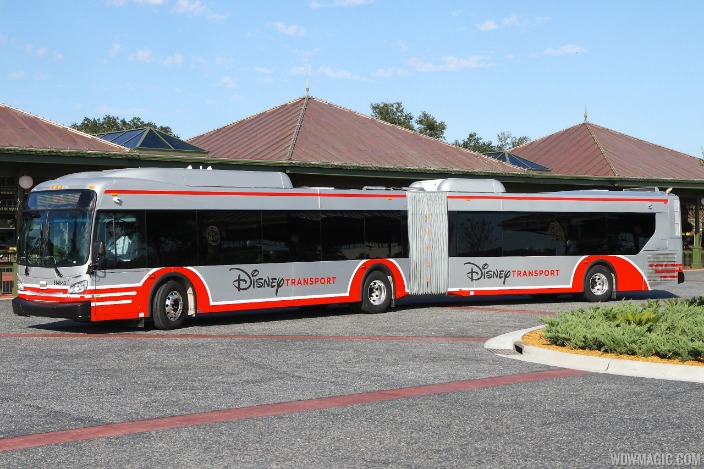
Traffic behavior in the mod presents a balanced mix of realism and playability. Dense urban corridors feature frequent pedestrians and bicycles, delivery vans, and ride‑hailing vehicles mixing with buses. Rural routes show slower traffic, winding stretches, and occasional wildlife or livestock on the road. Weather impacts—heavy rain, mist, or bright sun—alter visibility and braking, encouraging prudent driving. Dynamic events such as road maintenance, accidents, and detours create opportunities for route planning and timing strategies that reward patient, punctual operation.
Players exploring the Indonesia South Africa mod will find a cohesive blend of environments, rules, and visuals that reward careful route planning, faithful adherence to signage and road rules, and thoughtful management of traffic. With attention to city densities, road surfaces, and cultural flavor in signage, the mod offers a distinct, immersive experience for bus enthusiasts seeking new challenges and scenic driving between two richly diverse regions.
Graphics, Audio, and Immersion
The Bus Simulator Indonesia South Africa mod blends sharp graphics, authentic audio, and a strong sense of immersion to fuse Indonesian routes with South African scenery. Expect enhanced lighting, textures, and weather effects, plus realistic engine sounds, traffic, and ambient city life that draw you into two distinct driving worlds.
Textures, Lighting, and Weather
The Bus Simulator Indonesia South Africa mod merges diverse environments from both regions to enhance graphics, audio, and immersion, while refining textures, lighting, and weather for a cohesive driving experience.
- Graphics: Enhanced post-processing, HDR lighting, and dynamic shading improve the look of tropical Indonesian streets alongside South African highways, with optimized textures and level-of-detail to maintain smooth performance across systems.
- Audio: Region-specific engine notes, ambient city and rural sounds, and authentic passenger chatter create a richer atmosphere, with multilingual announcements and radio chatter that reflect both Indonesian and South African contexts.
- Immersion: Consistent left-hand driving, smarter AI traffic, and realistic cab interior details boost immersion, while passenger reactions, boarding routines, and route-specific scenery contribute to a believable togetherness of the two regions.
- Textures: High-resolution exterior and interior textures, wear and tear on buses, and varied road surface textures (asphalt, dirt, coastal roads) across Indonesian and South African locales enhance tactile realism and visual variety.
- Lighting: Dynamic day-night cycles, realistic shadows, cockpit illumination, and proper headlight and taillight models, with weather-driven lighting effects that adapt to different regional environments.
- Weather: A diverse weather system captures tropical rain and thunder in Indonesian segments and drier, sun-drenched conditions in South African areas, including rain, fog, wind, and occasional dust impacts that influence visibility and driving feel.
Sound Design, Engine Notes, and Voice Prompts
The Bus Simulator Indonesia South Africa mod blends two rich driving cultures into a single cohesive package, delivering expanded routes, revamped environments, and a polished audio-visual experience that invites players to navigate bustling Indonesian city streets and rugged South African highways alike.
Graphics: The mod raises the visual bar with higher-resolution textures for buses, roads, signage, and terrain. It adds realistic lighting, dynamic weather, day-night cycles, and signboards that reflect both Indonesian and South African road networks, including multilingual route markers and culturally inspired liveries for a more immersive drive.
Audio and Immersion: Ambient city sounds and traffic patterns are tailored to resemble both Jakarta’s dense urban centers and South Africa’s diverse roadways. You’ll hear street-level chatter, distant train rhythms, helicopter wind in coastal routes, and spatialized sound that moves with your vehicle, heightening immersion as you switch between environments.
Sound Design: Engine roars, transmission clanks, brake squeals, and door chimes are reworked for each bus model, creating distinct auditory identities. The soundscape blends engine tonalities with environmental factors like rain on the windshield, tire textures on different surfaces, and the rumble of city streets to deliver a cohesive, authentic ride.
Engine Notes: Each engine option presents its own character, from turbocharged power to deep, lopey diesel tones. The mod models throttle response, RPM behavior, and weight effects across climbs and flats, simulating how altitude and grade influence performance on South African hills and Indonesian freeway segments alike.
Voice Prompts: Route guidance, stop announcements, and safety prompts are provided in multiple languages to reflect the fusion of regions. Players can select Indonesian or English prompts, with optional South African language packs for station notices, passenger announcements, and driver cues, along with configurable door and hazard callouts to suit individual preferences and routes.
Localization and Accessibility Options
The bus simulator Indonesia South Africa mod expands the world of bus simulation by weaving Indonesian routes with South African urban and rural landscapes, bringing together diverse buses, signage, and road rules to create a cross‑continental driving experience.
Graphics in this mod focus on high‑fidelity textures for tropical cities, savannahs, and coastlines, with improved lighting for dawn and dusk, dynamic weather effects, and realistic shadows and reflections. It includes detailed bus models and signage designed for both Indonesian and South African environments, while maintaining performance optimizations for a wide range of PC specs.
Audio and immersion are enhanced through authentic engine sounds and horns from multiple bus types, localized station announcements, and ambient city noises that shift with location and time of day. The mod also features smarter traffic AI, accurate road sounds, wind and weather effects on microphones, and tactile cues like seat creaks and door chimes to deepen the sense of being on a real route.
Localization options let you choose from English, Indonesian, and Afrikaans interfaces with fully translated menus and subtitles. Map and signage can display bilingual overlays, measurements can switch to metric units, and cultural elements such as local timetables and route names reflect both Indonesia and South Africa contexts.
Accessibility features include color‑blind friendly palettes, high contrast UI, scalable text, and adjustable fonts to reduce strain during long drives. Subtitles and captions are available for all announcements, with optional simplified controls, remappable keys, reduced motion settings, and a screen‑reader friendly navigation path for players who rely on assistive technologies.
Together, these graphics, audio, immersion, localization, and accessibility options give players a cohesive, inclusive, and richly regionalized bus simulation experience that bridges Indonesian and South African driving cultures.
Performance and Troubleshooting
The Bus Simulator Indonesia South Africa mod introduces new routes, buses, and scenery, and this guide focuses on performance and troubleshooting to help you enjoy smooth, stable gameplay. Learn quick optimization tips for frame rate, graphics settings, and memory usage, plus practical steps to diagnose crashes, texture glitches, and mod conflicts and to ensure a clean installation and compatibility with other mods.
Common Issues and Fixes
Performance and Troubleshooting for the Bus Simulator Indonesia South Africa mod focuses on achieving smooth gameplay, identifying issues early, and applying reliable fixes when adding South Africa content to the base game.
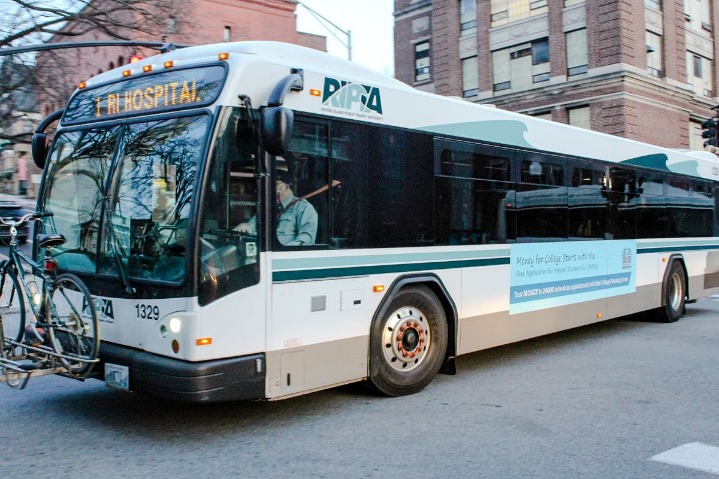
Performance tips start with your system and game settings. Update your GPU drivers and Windows, and ensure the South Africa mod version matches your Bus Simulator Indonesia build. Lower in game settings by reducing resolution, texture quality, shadow distance, anti aliasing, post processing, and reflections. Disable or reduce dynamic weather and traffic density if your hardware struggles. Enabling VSync can prevent screen tearing and provide more stable frame pacing. If you run many mods, try a lighter load order and test with only the necessary mods enabled to gauge impact.
Mod compatibility is essential. The South Africa mod may depend on specific game versions, DLCs, or patches. Use the official Mod Manager, verify the mod files, and confirm the mod is installed in the correct directory. Keep a clean profile when testing new loads, and avoid mixing mods that modify the same assets. If textures or models appear missing, double check that the mod’s assets are not overwritten by another pack and that you’re using compatible texture packs.
Installation and conflict resolution are common causes of problems. Always back up your game and mod folders before changes. Install the mod after confirming base game updates, then restart the game launcher to generate fresh manifests. If you experience crashes, remove all nonessential mods and test the South Africa mod alone to confirm stability. Ensure any required add-ons or patches are installed in the correct order and that the mod isn’t using conflicting file names with other assets.
Startup and crash troubleshooting addresses many issues. If the game won’t launch or crashes to desktop, verify game files through the launcher or platform, re-download the mod from a trusted source, and check for error codes in crash logs stored in your user documents or AppData folder. Temporarily disable antivirus or firewall blocks that may interfere with mod loading, and run the game as an administrator if permissions are causing failures. A clean reinstall of the mod and a cleared shader cache can fix stubborn startup problems.
In-game performance and asset issues can often be fixed without reinstalling. If you see FPS drops in specific areas, try lowering post processing and shadow quality, or disable high-cost effects like reflective surfaces. If map textures pop in late, clear the shader cache or reload the mod assets. If sounds are missing or misaligned, ensure the mod includes its own audio packs or that you haven’t overwritten them with another mod. Calibrating your controller or steering wheel in both Windows and the game settings can resolve input or steering instability.
Common issues specific to the South Africa mod include misaligned liveries, texture gaps, or road signs not displaying correctly. Reinstall the mod, verify asset integrity, and ensure the version matches your game build. If conflicts arise between the South Africa mod and other map or city mods, temporarily disable other mods to isolate the problem, then reintroduce them one by one to identify the culprit. Clearing the mod cache and removing outdated files helps when updating to a newer mod version.
Diagnostics and support help you get faster help. Collect your system specs (CPU, GPU, RAM, storage), game version, mod version, list of installed mods, and steps to reproduce the issue. Include crash logs, screenshots, and details about when the problem occurs (startup, in-ride, or during loading). With this data, mod authors and communities can reproduce and fix issues more quickly. Regular backups and a structured test plan (start clean, add one mod at a time) keep your experience stable as you explore the Bus Simulator Indonesia South Africa mod.
Crash Reports, Logs, and Debugging
This article focuses on performance and troubleshooting for the Bus Simulator Indonesia South Africa mod, covering how to optimize play, handle crashes, read logs, and approach debugging to keep your experience smooth and reliable.
Performance optimization begins with understanding your hardware and how the mod can impact resource usage. BIS is graphics intensive, and the South Africa mod may add new assets, textures, and routes that increase memory and draw calls. Start with ensuring your graphics drivers are up to date, and keep your operating system patched. In-game, cap the frame rate, lower texture quality, reduce shadow and reflection quality, disable motion blur, and consider lowering resolution scale or anti-aliasing. If you experience stuttering, enable VSync or a fixed FPS cap to reduce frame tearing. Close unnecessary background apps to free RAM, and consider a clean install of both the base game and the mod to eliminate stale files or conflicting leftovers.
Troubleshooting steps should verify compatibility and stability. First, confirm that the mod version is intended for your current BIS version and that you installed any required dependencies or compatibility packs. Disable other mods to isolate conflicts and test with a vanilla BIS setup if possible. If you use Steam, you can verify the integrity of game files to ensure there are no corrupted assets. For Android or other platforms, ensure the mod is compatible with your device and OS version, and clear cache or reinstall if there are install-time issues. Maintain clean mod folders and back up your mod data before making changes.
Crash reports are the primary source of diagnosing hard failures. When BIS crashes, note the exact steps that led to the crash, the mod version, game version, and your system information. Take screenshots of any error dialogs and look for a crash or exception code. If the game produces a crash dump or a log file, collect it and include it in your report. A concise report helps developers reproduce the issue more quickly: include the sequence of actions, any mods enabled, graphics settings, and whether the crash occurs at startup, during loading, or in gameplay.
Logs are your best reference for understanding what happened before a crash or slowdown. Locate the game logs directory, often under your documents folder or the BIS installation path, and open the most recent log file. Look for lines containing ERROR, WARN, or EXCEPTION, and note any asset load failures, missing textures, shader errors, or memory warnings. If you cannot find useful information in a single log, paste recent blocks of log entries around the time of the incident. When sharing logs with mod authors or support forums, redact personal information but keep timestamps, mod names, asset names, and error codes intact.
Debugging is an iterative process that helps you pinpoint the cause. If available, enable verbose or debug logging through your settings or config files, then reproduce the issue with a minimal setup (base game plus the South Africa mod). Disable or remove other mods to determine if the problem is mod-specific. Use a vanilla BIS session to confirm whether the issue persists without modifications. Monitor memory usage and GPU load during reproduction, and check logs for repeating error patterns such as missing assets, texture or shader failures, or out-of-memory messages. If the problem appears during a particular route, vehicle, or weather condition, test those variables separately to narrow down the culprit.
Common mod-specific issues for the Indonesia South Africa mod include missing assets, texture or geometry load failures, or mismatches between map data and AI behavior. These often arise from version mismatches, incomplete installations, or conflicts with other mods that alter the same game areas. To mitigate these, ensure you have the latest mod build compatible with your BIS version, reinstall the mod cleanly, and verify that assets are correctly placed in the expected directories. If signs or prompts indicate missing files, consult the mod’s documentation for required patches or update sequences and follow any recommended installation order.
When you need help, provide a clear set of information to the community or developers: your BIS version, the South Africa mod version, a concise description of the issue, steps to reproduce, and the relevant log or crash report snippets. Sharing a short reproducible scenario along with the corresponding log excerpt dramatically improves the chances of a quick resolution. You can often find useful guidance on the mod’s official page, forums, or GitHub issues, and you may receive direct troubleshooting steps from the mod author or community contributors.
Mod Conflicts and Compatibility Tips
Performance and troubleshooting for the Bus Simulator Indonesia South Africa mod focuses on keeping the game smooth while enjoying South African scenery and buses. This guide covers optimizing performance, resolving common issues, and avoiding mod conflicts that can arise when mixing South Africa map mods with Bus Simulator Indonesia mods.
General performance improvements include updating your graphics drivers, ensuring your PC meets the game’s requirements, and tuning in-game graphics. Lower texture quality, reduce render distance, turn off post-processing effects, shadows, anti-aliasing, reflections, and brightness. If the mod increases asset load, enable VRAM-friendly settings, use a smaller resolution or a frame limiter to stabilize frame rates. On laptops with integrated graphics, switch to dedicated GPU if possible. Ensure background apps are minimized while playing.
When you encounter crashes, black screens, or missing mod content, start by verifying you have the right game version and the mod version matches. Check for error messages, review log files if available, and temporarily disable all mods except the base South Africa mod to isolate issues. Reinstall the mod from a trusted source and confirm the files’ integrity by re-downloading. Ensure you have enough disk space and that the mod files are not corrupted or partially extracted.
Mod conflicts often happen when two or more mods modify the same vehicle, skin, texture, or map element, or when two maps try to alter the same area. Conflicts can cause missing textures, crash-to-desktop, or players to spawn in incorrect locations. Keep a clean mod lineup by avoiding duplicates, renaming conflicting files, or using modular activations to load only what you want.
Resolve conflicts by removing duplicates, verifying mod order, and testing in a clean session. Create a separate mod folder or profile for testing. Load one mod at a time to identify the culprit, then seek updated versions or alternatives from the author. Always follow the mod’s installation instructions and dependencies, such as required base packs or other mods.
Ensure compatibility by checking the mod’s target game version and platform. The Bus Simulator Indonesia South Africa map mod may require a specific BUSSID version, DLCs, or other package mods. Do not mix mods built for different game versions. Read the mod description for dependencies and compatible versions, and update both the game and mods before testing. If you use map mods, confirm that the terrain and traffic systems align with the base game to avoid glitches.
Best practices include maintaining backups, keeping a separate mod folder for testing, and documenting installed mods. After making changes, launch the game to verify stability before adding more content. Use community forums and mod author notes for troubleshooting and to check for known conflicts with the South Africa content.
Community, Updates, and Support
Welcome to the Bus Simulator Indonesia South Africa mod community, where players connect to share liveries, routes, and driving stories. The Community thrives on collaboration, Updates keep the mod evolving with new content and fixes, and Support helps both newcomers and veterans through forums, guides, and direct assistance.
Community Contributions and Prototyping
The Bus Simulator Indonesia South Africa mod thrives on community participation, timely updates, and robust support channels to blend Indonesian and South African driving culture, routes, buses, and liveries into a cohesive fan project.
- Community, Updates, and Support
Overview: The mod depends on a welcoming community where players share feedback, report issues, and propose new content. Updates are released on a regular cadence with detailed notes and backward-compatibility guidance. Support channels include forums, Discord, and issue trackers where moderators help troubleshoot and guide new players.
Accessibility: Clear documentation, localization options, and beginner guides help newcomers get started quickly. The community emphasizes respectful collaboration and attribution for contributions.
- Community Contributions and Prototyping
Contributing: Artists, mappers, and scripters can submit assets, textures, buses, routes, and sound packs. All contributions are credited, licensed appropriately, and tested for compatibility with core gameplay.
Prototyping: Early builds allow testers to explore new buses modeled after Indonesian and South African fleets, test revised traffic behavior, or try experimental route networks. Feedback from prototypes informs feature priorities and bug fixes.
Governance: A lightweight contributor guide outlines how to propose ideas, how to review PRs or patches, and how to avoid conflicts during collaboration.
Updates, Patches, and Version History
The Bus Simulator Indonesia South Africa mod has grown into a vibrant community of players, route builders, and testers who share routes, liveries, and feedback to create a richer driving experience across the region.
Community: A strong network forms the backbone of the mod, with discussions on forums, a dedicated Discord server, and social channels where users exchange screenshots, tutorials, and modding tips. Members collaborate on map tweaks, bus liveries, and AI behavior to reflect South African road culture while staying respectful and constructive in their feedback.
Updates and Support: Official update notices outline new features, fixes, and compatibility notes. Support comes from developers and trusted volunteers who help diagnose installation problems, answer questions, and guide new players through setup steps. Regular engagement helps keep the mod accessible to newcomers and returning players alike.
Updates and Patches: Regular patches address bugs, balance traffic flow, fix texture issues, and ensure compatibility with the latest Bus Simulator Indonesia base game. Patch notes explain what changed, why it was changed, and any actions players should take to apply the patch correctly.
Version History: A public version history tracks major releases and minor patches so players can review changes and plan updates. For example, v1.0 introduced South Africa routes and initial liveries, v1.1 fixed critical crashes and improved AI, and v2.0 added new provinces and refreshed textures. Each entry lists release date, key changes, and any prerequisites or compatibility notes.
Get involved: To stay updated, follow official channels, check the version history before updating, and back up save files. If you encounter issues, report them with your game version, mod version, and steps to reproduce so the team can help quickly.
Support Channels, Documentation, and Tutorials
The Bus Simulator Indonesia South Africa Mod community brings players, modders, and route builders together to recreate South Africa’s roads, buses, and scenery inside BUSI. By joining the community you can share routes, report issues, contribute assets, and help others enjoy a more authentic South Africa experience.
Updates and Support are provided through versioned patches aligned with the base game, accompanied by patch notes that explain changes and compatibility tips. Before upgrading, back up your saves and any personal content, and verify that your game version matches the mod requirements. Install the new package into your mods folder or use the mod loader to apply the update, then launch the game to confirm everything runs smoothly. For ongoing support, consult the official channels listed below and follow the guidance in the documentation.
Support Channels include real-time help via a dedicated Discord server, bug reports and feature requests through a GitHub Issues page, a dedicated forum thread for discussions and announcements, and email for more complex or account-related issues.
Documentation covers installation steps, requirements, compatibility notes, and troubleshooting. The primary source is the README in the GitHub repository, which includes a detailed installation guide and a changelog. There is also an online Wiki with frequently asked questions, guides, and best practices to ensure your setup works across different Windows configurations and mod loader environments.
Tutorials, including videos and written guides, help you get started and master advanced customization. Topics include a quick-start guide for installing the mod, configuring South Africa routes, adding liveries, adjusting settings for performance, and troubleshooting common issues. Community-created tutorials and walkthroughs are available through the official channels and the documentation site.
Impact on Gameplay and Realism
Introducing the Bus Simulator Indonesia South Africa mod transforms the game into a more authentic African driving world by adding South African routes, buses, and traffic patterns to the Indonesian sandbox. The mod enhances realism with left‑hand driving conventions and right‑hand drive cockpits, familiar signage, road networks, tolls, and local landmarks that require players to adapt their speed, overtaking, and navigation. Realistic schedules, passenger behavior, and weather and road texture updates deepen immersion and challenge players to plan longer, more precise trips. Gameplay impact includes expanded route planning, delivery and passenger missions, and multiplayer alignment that rewards adherence to realism over shortcuts. In short, the mod broadens the game’s scope and offers a culturally grounded, harder, and more immersive driving experience.
Immersion, Realism, and Educational Value
The Bus Simulator Indonesia South Africa mod merges two dynamic transit landscapes to reshape how players experience driving, scheduling, and route planning within a single game world. By combining region-specific buses, signs, and traffic patterns, it invites a fresh look at cross-continental bus operations and the skill required to manage diverse networks.
- Gameplay and Realism: The mod introduces region-specific bus models, timetables, and route layouts, enhancing realism but requiring players to adapt to different driving conventions and traffic rules.
- Immersion: Authentic cockpit details, sounds (announcements, passenger chatter), and ambient city environments from both Indonesia and South Africa deepen immersion, while weather and lighting variations add mood and variety.
- Visual Realism and Asset Cohesion: Livery designs, signage, and vehicle interiors reflect regional aesthetic cues; ensuring consistent art direction across assets is essential to avoid breaks in immersion.
- Educational Value: Players gain insights into public transport planning, route efficiency, and the differences between Indonesian and South African transport systems, fostering curiosity about geography and urban design.
- Accessibility and Cultural Literacy: Multilingual announcements and subtitled cues help educational value; careful localization helps players understand context without being overwhelmed by unfamiliar language or symbols.
- Performance and Compatibility: The mod relies on base game updates and compatible mods; conflicts or frame-rate issues may arise on lower-end hardware, requiring tweaks or optional settings.
- Community and Modding Practice: Such a mod encourages collaboration among creators and players, with feedback channels driving updates, bug fixes, and feature requests, benefiting the broader Bus Simulator community.
Balancing, Difficulty, and Progression
The Bus Simulator Indonesia South Africa mod blends routes, fleets, and road rules from both regions to deliver a unique cross-continental driving experience that challenges your timetables and driving discipline.
Impact on Gameplay and Realism: The mod introduces authentic bus models, interiors, and service patterns from Indonesia and South Africa, along with regional signage, language cues, and fare structures. You’ll encounter urban congestion, rural highways, toll roads, and varied road quality that reflect each country’s landscape, creating a more immersive sense of place. Realistic traffic behavior, lane discipline, and pass-through etiquette in different cities add to the challenge, while bilingual or multilingual announcements and passenger interactions heighten immersion without sacrificing clarity for players who primarily speak English.
Balancing: To keep the experience engaging, the mod balances supply and demand across both markets. Fares, load factors, and maintenance costs reflect a wider range of operating environments, from high-volume city routes to long-haul intercity trips. Vehicle availability and upgrade paths are tuned so early career players aren’t overwhelmed, while late-game players gain access to premium models and higher-margin routes. The economy tracks fuel usage, spare parts, and depot upkeep, encouraging players to choose routes and schedules that maximize profitability without sacrificing reliability.
Difficulty: The difficulty curve is influenced by AI traffic density, route complexity, and weather conditions that vary by region. Urban areas may demand tight timetables and precise adherence to traffic signals, while rural routes introduce hazards like potholes or sudden weather shifts. Optional difficulty sliders can intensify traffic, limit service frequency, or increase penalties for late arrivals, offering a tailored challenge for new players and veterans alike.
Progression: Progression is earned through reputation, route mastery, and vehicle unlocks. Completing a mix of Indonesian and South African routes strengthens your operator profile, unlocks higher-tier buses, and expands your depot network across both regions. Career milestones might include licensing exams, compliance checks, and contract bids that require you to manage cross-border logistics, crew shifts, and maintenance scheduling, providing a sense of growth and achievement as you scale your fleet.
Implementation notes: For best results, ensure compatibility with your current mod setup and game version, and be aware of potential conflicts with other city or country mods. If translations are incomplete, you may want to rely on in-game English prompts or adjust localization settings. Performance can vary with route density and bus count, so tuning graphics and traffic options can help maintain smooth gameplay while preserving realism.
Overall, the Indonesia–South Africa mod expands the Bus Simulator experience by weaving diverse regional realities into one cohesive driving career, delivering richer realism, thoughtful balancing, scalable difficulty, and meaningful progression for players who crave variety and challenge across two distinct transport cultures.
Comparison with Other Regional Mods
Compared with other regional mods for Bus Simulator Indonesia, the Bus Simulator Indonesia South Africa mod offers a unique fusion of local routes, vehicle kits, and driving styles that reflect both Indonesian and South African flavors. It distinguishes itself through route accuracy, detailed textures, and regular community updates, while aiming for smooth performance and broad compatibility with popular add-ons.
Strengths and Trade-offs
The Indonesia South Africa mod for Bus Simulator Indonesia blends regional road networks, bus models, and landmarks to offer a cross-continental driving experience. This article compares it with other regional mods, focusing on strengths and trade-offs that influence gameplay and compatibility.
- Scope and regional fidelity: The mod blends Indonesian road networks and bus models with South Africa inspired cues on select routes. Strength: a unique cross regional vibe that stands out among single-region mods. Trade-off: some cues may feel inconsistent or out of place in certain areas.
- Bus models and liveries: It sources Indonesian fleet visuals alongside South Africa inspired skins. Strength: broad visual variety and flavor. Trade-off: licensing considerations and update constraints can affect future compatibility.
- Map integration and route variety: Adds cross-regional routes by leveraging base maps and introducing new landmarks. Strength: longer play sessions and fresh sightseeing. Trade-off: potential seams between maps and occasional texture loading challenges.
- Traffic rules and AI behavior: May mix driving conventions from different regions. Strength: greater immersion for players who enjoy diverse norms. Trade-off: AI anomalies or unrealistic flows when conventions clash.
- Performance and compatibility: Increased asset load can impact performance on lower-end systems. Strength: richer visuals and more content. Trade-off: higher risk of mod conflicts with other addons or game updates.
- Localization and user interface: Multilingual hints and menus intended for Bahasa Indonesia and English, with broader regional flavor. Strength: wider accessibility. Trade-off: translations or fonts may be inconsistent across the mod’s regions.
- Community support and updates: Active modding community with patches and user feedback. Strength: ongoing improvements and quick fixes. Trade-off: update cadence can be irregular, requiring periodic reconfigurations.
Community Reception and Popularity
The Bus Simulator Indonesia South Africa mod stands out as a regional spin that blends the core gameplay of Bus Simulator Indonesia with South African road networks, signage, and scenery. When compared to other regional mods, it emphasizes local flavor and cultural cues to create a distinct driving experience that feels more like navigating Cape Town’s coastal routes or Johannesburg’s urban corridors than a generic international map.
Compared with mods focused on Europe, the Americas, or other regions, the South Africa mod tends to prioritize authenticity of local signage, road texture variety, and landscape cues that evoke the South African environment. It may place less emphasis on licensing-heavy vehicle models or highly detailed metropolitan landmarks and more on representative towns, rural passes, and recognizable traffic patterns. This approach often results in a mid-range performance profile that runs well on a broad set of PCs while delivering a uniquely immersive sense of place.
Community reception has generally been positive within regional modding circles. Players praise the mod for giving a new cultural context to a familiar game, the effort to replicate South African road behavior, and the opportunity to explore routes that aren’t commonly covered by other mods. As with many community mods, feedback highlights opportunities for improvement in texture fidelity and bug fixes, along with requests for expanded routes or additional signage variants. The community often responds with tutorials, compatibility patches, and user-made add-ons that flesh out routes and scenery further.
In terms of popularity, the South Africa mod tends to attract a dedicated, though niche, audience. It benefits from ongoing chatter on modding forums, YouTube showcases, and streaming channels that focus on region-specific content. While it may not reach the same broad download totals as some globally focused mods, its appeal endures among South African players and enthusiasts seeking regional authenticity, which helps sustain long-tail interest and community-led updates. Overall, its distinct regional flavor keeps it a relevant and enduring option for players seeking a new cultural lens within Bus Simulator Indonesia.