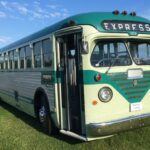
Bus South Africa Game: Overview
Bus South Africa Game offers a concise introduction to a bus-driving simulation set across South Africa, combining realistic routes, timetable management, and passenger dynamics. Players navigate busy city streets and scenic highways, pick up and drop off on time, handle schedules, and learn about South African geography, traffic patterns, and public transport culture in an accessible guiding experience.
Concept and Setting in South Africa
Bus South Africa Game is a simulation title that lets players design, operate, and optimize a bus network across the country’s diverse landscapes. The game blends route planning, timetabling, fleet management, and passenger dynamics to reflect the realities of public transport in South Africa.
Concept: The game combines realistic vehicle operation, strategic planning, and economic management to create a living transit system that serves cities, towns, and rural corridors.
- Realistic timetable and headway management across urban and rural routes
- Fleet management including buses of different sizes, maintenance, and fuel efficiency
- Route planning with dynamic demand, passenger flows, and service reliability
- Economic systems with fare revenue, subsidies, and city budgets
- Traffic, road conditions, and weather affecting travel times
- Driver behavior, safety compliance, and regulatory requirements
- Customizable routes, depots, and branding for a personal or municipal fleet
Setting in South Africa: The game recreates iconic urban centers and varied rural routes across South Africa, offering a sense of place through authentic locations, climates, and cultures.
- Geography and cities: Johannesburg, Cape Town, Durban, Pretoria, Port Elizabeth, Bloemfontein, and smaller towns
- Landscapes: coastal plains, savanna, highveld, Karoo, with landmarks such as Table Mountain and the Drakensberg
- Transportation context: mix of city bus networks, Bus Rapid Transit systems, and the presence of minibus taxis shaping routes
- Climate and seasons: coastal fog, summer rain, winter dryness, and variable traffic patterns
- Culture and language: multilingual environment with English, Afrikaans, Zulu, Xhosa, and others; passenger interactions reflect diversity
- Time period: present-day with potential expansions to historical or near-future scenarios
Target Audience and Platform Availability
Bus South Africa Game invites players to step into the cab of a modern city bus and navigate the vibrant and diverse streets of South Africa. With realistic routes, detailed cityscapes, and dynamic day-night cycles, the game aims to recreate the challenges and rewards of urban bus driving in a way that blends simulation depth with accessible gameplay.
In this simulation, players manage daily routes across major cities such as Cape Town, Johannesburg, and Durban. The game features authentic bus models, accurate route maps, timetable-driven dispatch, traffic AI, and passenger interactions that require timely stops, safe driving, and efficient boarding. Career mode lets players progress from a trainee driver to a trusted fleet operator, while free-drive and sightseeing modes offer relaxed exploration. A robust route editor and community-created routes extend replayability, and the game emphasizes South African road conditions, signage, and cultural landmarks to create a sense of place.
The game is designed for bus enthusiasts, driving sim fans, and players who enjoy city-building and transport management. It appeals to those who want a realistic driving feel, challenging routes, and the opportunity to learn more about South Africa’s urban geography. Suitable for teens and adults, the title includes scalable difficulty, accessibility options, and adjustable controls to accommodate different skill levels and learning styles.
Platform availability includes PC, PlayStation, Xbox, and Nintendo Switch. The PC version is distributed on major storefronts such as Steam, while console editions are available for PlayStation and Xbox platforms, along with a Switch release that targets portable play and finger-friendly controls for on-the-go sessions.
Gameplay Mechanics
Gameplay mechanics in the Bus South Africa game blend realistic driving with city logistics. Players plan routes, adhere to timetables, manage passenger pickups, and navigate busy South African streets under dynamic traffic, weather, and day-night cycles. Vehicle maintenance and fuel matter, while AI traffic and bus stops shape pacing and rewards as players earn fares and complete routes to unlock new buses and routes.
Driving, Route Management, and Realistic Bus Handling
A South Africa–set bus simulation game blends city and rural routes to recreate the daily rhythm of public transport, from the crowded inner-city corridors of Cape Town and Johannesburg to the scenic routes along the Garden Route. Players manage a bus company, interact with diverse passengers, and negotiate infrastructure constraints that shape the experience of every trip.
Gameplay Mechanics: The game uses a career ladder where earning revenue, completing contracts, and earning licenses unlocks larger fleets and longer routes. Players balance schedules, passenger demand, fuel and maintenance costs, and vehicle wear. Realistic ticketing, passenger moods, and occasional incidents add depth, while a day‑night cycle and dynamic weather alter visibility and road conditions.
Driving: Vehicles range from compact city buses to full‑size coaches and minibus taxis, each with distinct handling. Realistic acceleration, braking, gear changes, and steering respond to road grade, wind, and payload. Traffic rules, road works, potholes, and variable lighting force careful driving, especially at busy intersections and in congested city centers.
Route Management: Players design and edit timetables, assign depots, and allocate drivers and vehicles to routes. Route density, peak hour demand, and maintenance windows require strategic planning. Real-time traffic, road closures, and incidents can force reroutes and alter service frequency, making reliability and punctuality key performance indicators.
Realistic Bus Handling: The game emphasizes authentic suspension behavior, door systems, and passenger comfort. Doors open and close at stops; boarding time depends on crowd size and fare enforcement. Payload influences acceleration, braking, and tire grip, while engine sounds and vibration reflect fuel type and maintenance status. Weather and heat load influence AC performance and cooling needs.
South Africa context: The setting reflects local routes, signage, and multilingual passenger interactions, with stations and depots modeled after real hubs such as the MyCiTi and Rea Vaya networks. Players navigate common SA realities like peak-hour congestion on urban arterials, long rural stretches with wildlife hazards, and roadworks on major routes such as the N1 and N2. Language options, fare structures, and local vehicle types contribute to authenticity.
Wrap‑up: A well‑designed bus South Africa game offers a balanced blend of strategy and skill, where careful route management and realistic driving dynamics create an immersive, authentic transport experience on African roads.
Passenger Interactions and Onboard Systems
Experience a bus simulation set in South Africa that blends authentic routes across major cities and rural corridors, realistic passenger dynamics, and authentic onboard systems to create an engaging driving and management experience.
- Gameplay Mechanics
- Route planning and scheduling: players pick routes, balance distance, time windows, peak hours, and seasonal events across city centers, suburbs, and rural roads; dynamic traffic and weather alter travel times.
- Vehicle handling and performance: realistic steering, braking, gear choices, fuel management, tire wear, and maintenance cycles affect reliability and passenger comfort.
- Economy and progression: manage fare revenue, fuel costs, maintenance budgets, and penalties; complete trips to unlock longer routes and new buses with better efficiency or capacity.
- Operation management: manage dispatch, driver assignments, rest breaks, and adherence to schedules to maximize on-time performance and passenger satisfaction.
- Passenger Interactions
- Boarding, fares, and validation: tickets scanned or sold, queues managed at each stop, and short-distance passes applied fairly.
- Passenger needs and behavior: adjust seating, climate control, announcements, and multilingual communications to accommodate diverse riders.
- Demand and crowd management: handle peak periods, delays, and overcrowding by deploying additional buses or rerouting strategies.
- Accessibility and inclusivity: ensure accessible seating, wheelchair ramps, and clear announcements for those with visual or hearing impairments; support local languages like English and isiZulu/isiXhosa as options.
- Onboard Systems
- Doors, lighting, and climate: control door operation, interior lighting levels, air conditioning, and heating to keep passengers comfortable and safe.
- Navigation and information: route boards, GPS navigation, stop announcements, and real-time updates for detours or delays.
- Passenger information: digital timetables, next-stop displays, fare breakdowns, and accessibility indicators visible from seats.
- Diagnostics and safety: engine and brake monitoring, fault codes, vehicle health checks, and incident reporting tools for quick maintenance response.
Timetable Optimization and Punctuality
The Bus South Africa Game places you in the driver’s seat of a growing bus company, operating across cities and townships where timetables and passenger demand shape every decision.
Gameplay mechanics center on managing a diverse fleet, selecting routes, setting stop patterns, and balancing speed with safety. You command buses with different capacities, fuel efficiency, and maintenance needs, assign drivers, and coordinate depots while considering real-world factors such as traffic, road conditions, weather, and daily events that slow or speed up journeys. Revenue comes from fares and subsidies, while costs include fuel, maintenance, driver salaries, and penalties for delays, so every choice affects profitability and service quality.
Timetable optimization is the core challenge. You forecast demand by route and time of day, then design headways that keep riders moving without overcrowding. The game encourages adjusting frequencies for peak hours, smoothing out gaps for reliability, and building buffers to absorb delays. Dynamic events like congestion on arterial routes, roadworks, or special events in major cities force re-planning, so your timetable must be robust yet flexible, using simple optimization rules or more advanced heuristics as you progress.
Punctuality is a defining metric of success. On-time performance boosts rider satisfaction, increases fare revenue, and earns reputational bonuses, while chronic lateness triggers penalties and rider defections. You must account for urban realities in South Africa—from traffic bottlenecks in Johannesburg and Cape Town to informal minibus taxi competition and safety checks—by engineering reliable schedules, enabling quick reroutes, and providing buffer times where necessary. Real-time tracking and proactive maintenance help you keep buses in service and punctual.
Strategies to improve punctuality and timetable adherence include adopting dedicated bus lanes or priority signals where available, implementing staggered driver shifts to reduce fatigue, and investing in maintenance planning to prevent breakdown-induced delays. You can also optimize by grouping routes with compatible timetables, applying demand-responsive adjustments, and using simulated scenarios to test how your network behaves under peak periods and disruption. The result is a deeper understanding of how city geography, traffic patterns, and policy constraints shape everyday travel.
Ultimately the game blends gameplay mechanics with realistic South African transit dynamics to teach timetable optimization, fleet management, and the value of punctual service for both riders and operators.
Game Modes
Game modes in the Bus South Africa game offer a blend of realism and variety, letting you choose how you want to drive through South Africa’s cities. In career or sandbox modes you can plan routes, manage timetables, and upgrade buses, while quick-play or challenge modes test your driving, navigation, and passenger service skills under different conditions. Whether you want a relaxed simulation or a competitive scoring experience, these modes introduce different goals and pacing to suit every player.
Career and Urban Transit Missions
Bus South Africa offers several game modes that let players experience the country’s urban transport scene from different angles. You can tailor the experience to your style, whether you want a strategic career path or a relaxed exploration of iconic routes.
Career mode puts you in charge of a bus company, starting as a rookie driver with a single, basic route. You earn credits by keeping to timetables, picking up and dropping off passengers, and maintaining a clean safety record. With each successful run you unlock more routes, better buses, upgrades to depots, and expanded service areas across major South African cities.
Urban Transit Missions are bite-sized challenges that mirror real city operations. Expect time-restricted express runs, feeder services feeding into busy core routes, airport shuttles, and night services. Missions test your ability to manage schedules, passenger satisfaction, fuel efficiency, and vehicle upkeep while navigating traffic, roadworks, and occasional events like parades or protests that affect lanes and detours.
Realism is reinforced by setting options and traffic patterns drawn from South African cities. Cape Town, Johannesburg, and Durban often appear as map settings, with urban core zones, hills, and coastal roads. The game references local transit priorities such as bus rapid transit corridors, dedicated bus lanes, and interactions with light rail or taxi services that operate in the same cities.
In addition to Career and Urban Transit Missions, a Free Play or Sandbox mode lets you customize routes, vehicles, and service frequencies without penalties. This mode is ideal for testing new bus models, experimenting with timetables, or simply driving scenic corridors along the Southern African coastline.
Progression rewards include better buses, upgraded depots, more garage capacity, and access to premium liveries and interior configurations. Completing urban missions boosts reputation with the fictitious transit authority and local commuters, opening endorsements and sponsorships that reflect South Africa’s busy bus culture.
Sandbox, Free Run, and Scenario Challenges
Explore the bus South Africa game across its diverse modes that reflect real-world transit operations, from structured career play to creative sandbox and challenging scenarios.
- Game Modes
Game Modes offer a structured career path alongside flexible play options. You can manage routes, timetables, and fleet maintenance in Career mode, tinker with settings in Sandbox, or jump into quick driving tasks with minimal setup.
- Sandbox
Sandbox gives unrestricted access to buses, routes, weather, and traffic. Build and test your own networks, fine-tune bus configurations, and experiment with passenger demand without progression limits or penalties.
- Free Run
Free Run lets you explore cities at your own pace. Pick any bus and route, practice driving, passenger pickups, and on-board systems while enjoying complete freedom from schedules or earnings pressure.
- Scenario Challenges
Scenario Challenges place you in timed missions with specific goals such as meeting punctual departures, handling peak demand, managing road closures, or navigating realistic urban hazards. They test planning, safety, and efficiency under pressure.
Multiplayer and Community Challenges
Bus South Africa is a detailed transit simulation that invites players to operate a bus company across vibrant South African cities and scenic routes. The game emphasizes realistic driving, route planning, and passenger management, offering several game modes that test different skills from precision driving to strategic scheduling.
Game modes include Career Mode, where you build your fleet, hire drivers, and upgrade depots; Free Drive for relaxed exploration and route sign-off; Time Attack or Timed Trials to complete routes within tight schedules; and Route Creator or Challenge Runs that let you craft and share your own itineraries. Seasonal events push players to adapt to changing traffic patterns and weather, adding variety to long-haul shifts.
Multiplayer brings the city to life with online co-op and competitive modes. You can join up with friends to run shuttle services on busy corridors, coordinate multiple buses on the same route, or race to complete a timetable with synchronized departures. A matchmaking system groups players by region and skill level, and fleet co‑ops let you manage depots and maintenance together, making community operation a key part of the experience.
Community Challenges unlock ongoing engagement beyond standard play. Players can design routes, service patterns, and constraint sets (for example a limited fuel run or high-traffic rush hour) and publish them to the in-game challenge hub. Global leaderboards, rewards, and seasonal prestige let you compete for top spots, earn cosmetic or performance upgrades, and showcase top drivers to the community. Participating in challenges also helps reveal efficient routing strategies, passenger flow management, and eco-friendly driving techniques that benefit all players.
Vehicle Fleet and Routes
Welcome to the Bus South Africa game, where players steward a dynamic fleet of buses and craft routes that weave across South Africa’s cities and landscapes. Managing vehicle types, maintenance, and timetables, you optimize coverage and reliability while balancing costs, demand, and travel times to build a thriving transport network.
City Buses, Intercity Coaches, and Minibuses
In the bus simulation game focused on South Africa, Vehicle Fleet and Routes form the backbone of every successful operator. Players build and manage a diverse fleet to cover urban corridors, regional links, and rural feeders, balancing purchase costs, maintenance, and depreciation while mapping timetables that fit passenger demand across different times of day and seasons.
City Buses drive the urban core, with high-frequency routes, depots, and accessible low-floor designs. In the game, you deploy city buses to populate dense inner-city networks, manage dwell times at busy stops, and coordinate with pedestrian flows, CCTV and safety protocols. The fleet mixes electric, hybrid, and diesel models to reduce emissions while meeting peak-hour demand in cities such as Johannesburg, Cape Town, and Durban.
Intercity Coaches connect major hubs for longer travel with comfort, luggage handling, and predictable schedules. The simulation rewards you for efficient highway operations, appropriate rest stops, and pricing that matches demand elasticity. You’ll manage long-haul routes linking Pretoria to Cape Town, Durban to Port Elizabeth, and other regional corridors, while ensuring on-time performance and driver fatigue management.
Minibuses, often the most flexible part of the network, fill the gaps between formal routes and provide last-mile service. In South Africa, minibus taxis operate at scale and influence route design. In the game, minibuses enable dynamic pickups, shared rides, and micro-competition with licensed operators. Players tune fare structures, compliance, and route permits to capture the busiest feeder corridors while maintaining safety and service reliability.
Strategic challenges include aligning fleet age, maintenance schedules, and fuel costs with revenue from fares and subsidies. You’ll analyze load factors, adjust headways to win passenger time, and deploy reserve vehicles for breakdowns. Realistic factors such as traffic congestion, tolls, weather, and roadworks test your route planning and maintenance discipline, while data dashboards help you optimize routes and profitability.
Ultimately, the interplay between Vehicle Fleet and Routes, City Buses, Intercity Coaches, and Minibuses creates a dynamic, scalable transport network that mirrors South Africa’s diverse mobility needs. A well-balanced operation improves accessibility, reduces travel times, and supports sustainable urban growth in the game world.
Designing Routes with Real-World Maps
In the bus south africa game, designing a strong vehicle fleet and efficient routes hinges on combining realistic fleet options with real-world map data to create believable, playable transit networks.
Fleet design starts with selecting the right mix of buses to match city density, distance, and passenger demand. Players may choose standard 60-seat urban buses for busy inner-city corridors, smaller midi buses for short feeder routes to high-density neighborhoods, and high-capacity articulated or double-decker buses for major trunk lines. Electric and hybrid options can reduce operating costs and emissions in the game, while diesel and alternative-fuel vehicles may offer cheaper upfront costs. Maintenance schedules, spare ratios, and depot locations influence reliability and turnaround times, so a balanced fleet that covers peak demand, spares for breakdowns, and charging or fueling needs is essential.
Route design with real-world maps means importing accurate road networks, bus lanes, and important landmarks into the game. Players should use geospatial data to identify primary corridors, choke points, and potential transfer hubs. Real-world maps help reveal which roads allow bus priority, where traffic signals can be synchronized, and where tolls or restricted roads might affect routing. The quality of map data matters; start with major arterials and well-mapped neighborhoods, then layer in smaller feeder routes as the city grows in the game. Visualize travel times under typical conditions and adjust for peak-hour congestion to avoid overly optimistic timetables.
Demand modeling is crucial for realistic routes. Use population density, employment centers, schools, and shopping districts to estimate origin-destination pairs. In the game, you can simulate different demand scenarios such as weekdays with work commuters, weekends with leisure travel, or special events in stadiums and convention centers. Create corridors linked by reliable transfer hubs, then assign frequencies and headways that reflect demand. By validating routes against demand feedback, you can gradually refine service levels and avoid over-serving low-demand areas.
Service patterns balance coverage and efficiency. Implement trunk routes that carry high passenger volumes across the city core, with feeder routes feeding into major hubs. Design circular or linear routes that minimize deadhead miles, and use timed transfers to reduce waiting times at busy interchanges. Schedule dwell times at stops to reflect boarding speed and fare scanning, and ensure reliability by planning buffers for delays. In a South Africa context, consider routes that connect townships to city centers, business districts to rail stations, and major shopping districts with residential areas, while respecting safety and accessibility needs.
Timetabling and synchronization with other transit modes enhance realism. Align frequency with demand peaks, reduce headway variability, and plan around known traffic patterns. If the game includes bus priority systems, route planning should exploit reserved lanes, bus-only intersections, or signal priority to improve on-time performance. Maintain consistent service across weekdays and provide lighter service on weekends to mirror real-world patterns. Integrate depots, fueling or charging schedules, and driver shifts to keep operations feasible within the game’s time frame.
Operational considerations shape day-to-day practicality. Reserve enough vehicles to cover maintenance, breakdowns, and driver absences. Place depots strategically near dense routes and near charging infrastructure if electrified fleets are used. For electric buses, plan charging windows during off-peak periods or at mid-day breaks to minimize downtime. Track fuel or electricity costs and incorporate fatigue and safety protocols for drivers, ensuring routes are not only efficient but also safe and comfortable for passengers.
Using real-world maps to design routes involves a methodical workflow. Start with a few core trunk routes that form the backbone of the network, then iteratively add feeders to improve coverage. Create heatmaps of demand to visualize underserved zones and test how adding or rerouting lines affects overall accessibility. Evaluate catchment areas for each stop, ensuring critical neighborhoods have reasonable access within a 400 to 600-meter walk. Continuously compare planned timetables to simulated travel times, making adjustments to speeds, dwell times, and transfer points to maximize reliability and user satisfaction.
Example scenarios help illustrate practical choices. In a Cape Town-like setup, a trunk corridor could run from the central business district toward Sea Point and the Atlantic Seaboard, with feeders feeding into main hubs near the waterfront and Table Mountain vicinity. In Johannesburg-style gameplay, a north-south corridor along a major arterial might connect Soweto with Sandton, supported by east-west feeders to residential suburbs and midtown business pockets. Each route is designed to balance high-priority demand with broad geographic coverage, while allowing upgrades to faster buses or new lanes as the city’s map evolves in the game.
Tips for success include starting with a small, high-demand core network and expanding gradually as demand data accumulates. Use real-world maps to create believable route geometries and then test with simulated passenger flows. Regularly review performance metrics such as on-time performance, passenger wait times, route coverage, and fleet utilization. Keep accessibility in mind by including stops that are reachable for people with mobility challenges, and incorporate safety considerations by avoiding isolated stops at night or ensuring good lighting and visibility. With thoughtful fleet choices, map-informed routing, and data-driven demand planning, the bus south africa game offers a rich, strategic experience that mirrors the complexities of real transit planning.
South Africa Realism and Context
South Africa Realism and Context in the Bus South Africa Game centers on authentic routes, time schedules, and passenger dynamics that reflect the country’s urban mobility. Players navigate city streets across diverse neighborhoods, encountering real-world constraints such as traffic, fare systems, and service reliability that shape daily life for commuters. By embedding language, culture, and geography into the gameplay, the title offers a grounded experience that mirrors South Africa’s social and infrastructural landscape rather than a generic simulator.
Urban Infrastructure, Traffic Dynamics, and Penalties
The Bus South Africa Game places players into real-world urban transit networks across South Africa, blending realism with engaging gameplay. It explores how operators must balance schedules, fleet management, and passenger needs within the country’s unique urban context.
Urban Infrastructure
Cities such as Johannesburg, Cape Town, and Durban feature a mix of freeways, arterials, and dense inner-city streets. The game models depots, maintenance bays, fueling, and the availability of bus stops with shelters, real-time signage, and feeder networks. Road quality, construction zones, and the emergence of electric or alternative-fuel buses influence performance and route viability, while municipal policies shape where and how services can run.
Traffic Dynamics
Traffic is highly dynamic, with peak hours creating bottlenecks and inconsistent lane discipline influenced by minibus taxis and informal traffic patterns. The game incorporates incidents, roadworks, weather events, and large public gatherings that disrupt schedules. Pedestrian flows at busy hubs and intersections affect dwell times and safety considerations, requiring adaptive routing and timing decisions.
Penalties
Penalties reflect regulatory, safety, and community expectations. Late arrivals, missed connections, safety violations, overloading, or fare evasion can trigger fines, reduced passenger satisfaction, or penalties that impact a player’s operating licenses and route approvals. Positive rewards come from strong on-time performance, safe driving, and high passenger satisfaction ratings.
- Realistic city network spanning multiple SA metro areas with authentic routes and timetables.
- Dynamic demand shaped by time of day, events, and seasonal patterns.
- Interplay with minibus taxis and pedestrian traffic at busy hubs and intersections.
- Maintenance, refueling, and depot logistics affecting fleet availability.
- Penalty and reward mechanics reflecting regulatory and community feedback.
Cultural and Environmental Considerations
Creating a bus-centric game set in South Africa invites players into a landscape where realism and context matter as much as mechanics. The design should reflect how people move, live, and interact across cities, towns, and townships, blending authentic transit networks with culturally informed storytelling.
Realism and context in South African bus transport means mapping diverse networks: formal bus rapid transit systems like MyCiTi or Rea Vaya, municipal and private buses, and the pervasive minibus taxi culture that fills gaps in the grid. Routes should span dense urban cores, growing peri-urban corridors, and rural roads, with rush-hour timing, variable service reliability, and the influence of road conditions, weather, and infrastructure on travel times.
Cultural considerations shape who uses the buses and how they experience travel. Multilingual signage, flavor of local bus stops, and passenger interactions reflect South Africa’s linguistic and cultural diversity. The game should acknowledge taxi aesthetics, community dynamics, gender norms, and music and street-level commerce that accompany daily commutes, while avoiding stereotypes and portraying a respectful, inclusive cityscape.
Environmental considerations are integral to realism. South African cities face air quality challenges and a push toward cleaner fleets, including diesel reduction, electricity-powered buses, and better route planning to cut emissions. Players can manage energy use, choose bus types, and see how climate, heat, and urban heat islands affect comfort, fuel efficiency, and passenger demand.
Accessibility and inclusivity are essential. Buses should be accessible to people with mobility devices, prams, and the elderly; fare systems may mix cash and smart cards; and safe, well-lit stops, clear information, and supportive staff are part of a comfortable journey. The game can simulate safety concerns, crowding, and the need for adaptive services during outages or disruptions.
The social and economic context of mobility matters. Transportation links access to jobs, education, and healthcare, and disparities in service can reinforce or blunt inequality. Capturing informal settlements, commuter flows, and investment in transit corridors helps players understand how decisions about routes, speed, and reliability affect everyday life and opportunity.
Game design ideas to support realism include authentic timetables, real-world route geometry, weather and traffic models, and events such as strikes, roadworks, or load shedding that alter service. Data partnerships with local transit authorities and communities can guide route lists, bus types, multilingual signage, and safety protocols, while player choices should balance efficiency, equity, and sustainability.
In short, a bus south Africa game that honors realism, context, and cultural and environmental considerations offers more than entertainment: it becomes a lens on how mobility shapes daily life, identity, and opportunity across a dynamic, diverse nation.
Economics, Progression, and Customization
In the Bus South Africa game, players weave together economics, progression, and customization as they build a thriving bus network across iconic South African cities. Manage fares, fuel, maintenance, and staff to turn revenue into reliable service while unlocking new routes and licenses as you progress. Personalize your fleet with liveries, interiors, and performance upgrades to improve comfort, efficiency, and branding on every trip.
Fare Systems, Revenue, and Bus Operation Economics
In the bus South Africa game, players design and manage a city-to-city bus network, balancing service quality with financial viability while navigating South Africa’s diverse urban cores, traffic patterns, and regulatory regimes.
Economics in the game revolve around capital expenditure (CAPEX) for buses, depots, and maintenance facilities, and operating expenditure (OPEX) for fuel, driver wages, maintenance, insurance, and overheads. The fleet mix matters: modern, fuel-efficient buses reduce running costs but require higher upfront investment, while older models lower CAPEX but raise maintenance and fuel costs. Financing—through loans or public-private partnerships—introduces interest, depreciation, and repayment schedules that affect long-term profitability and decisions about route expansion or vehicle retirement. External factors such as fuel price volatility, currency dynamics for parts, and regulatory fees add layers of risk to cost forecasting.
Progression and customization let players unlock bigger networks, better service levels, and new vehicle technologies as performance targets are met. Customization options include choosing bus types (standard, articulated, or electric), interior layouts for passenger comfort and accessibility, and branding or sponsorship on liveries. Depot placement, route design, and schedule flexibility are also customizable, enabling players to optimize headways, route density, and transfer opportunities to improve rider satisfaction and network efficiency.
Fare systems in the game can be configured in several ways to balance affordability with revenue stability. Options include flat fares, distance-based tariffs, zonal pricing, time-based passes, and concessions for students or seniors. The game supports cashless payments with prepaid cards or mobile wallets, as well as potential integration with broader transit cards. Dynamic pricing and fare capping can help smooth demand during peak hours while protecting low-income riders with affordable access to essential routes.
Revenue in the game comes from multiple streams: passenger fares, government subsidies or performance-based grants, advertising on vehicles and shelters, and special charters or event services. Ridership responds to service reliability, speed, and comfort, so keeping buses clean, timely, and well-maintained boosts income. Subsidies may be tied to coverage targets, social equity goals, or environmental upgrades, while fare evasion and ticketing overhead present ongoing challenges that require efficient fare collection and enforcement.
Bus operation economics focus on how to run a profitable network. Key costs include driver wages, fuel, maintenance, tires, insurance, and depreciation of assets; key revenues come from fares and subsidies. Efficient operations hinge on accurate timetables, optimal headways, vehicle utilization, and proactive maintenance scheduling to minimize unscheduled downtime. Reliability and on-time performance increase ridership and fare revenue, while congestion, roadworks, weather, and security concerns can erode efficiency. A careful balance between service levels and capacity helps avoid oversupply and ensures sustainable margins over the long term.
In a South Africa-specific context, players contend with a mix of formal bus services and informal transport, varied urban densities, and regional regulatory environments. City corridors with high demand may justify investment in higher-capacity buses and priority lanes, while rural routes might rely on cost-efficient options and subsidies. Safety, crime risk, and accessibility considerations influence route planning and vehicle design. As players grow, adopting energy-efficient fleets—such as electric or hybrid buses—can offer long-term savings and align with national goals for cleaner transit.
Strategic tips for success include starting with a focused network to learn cost dynamics, keeping fares affordable to sustain ridership, investing in reliable maintenance to reduce downtime, and using subsidies to support under-served corridors. Gradually pilot electric or low-emission buses where fuel costs or environmental goals justify the investment, and continuously optimize routes and schedules based on demand data to improve both profitability and service equity.
Upgrades, Customization, and Branding
In the South Africa bus game, players build a transit empire across cities from Cape Town to Johannesburg, balancing economics, progression, and branding to serve riders while growing the company.
- Economics and pricing: fares, demand, operating costs (fuel, payroll, maintenance), and cash flow management shape profitability and service levels.
- Progression and access: a tiered progression system unlocks new cities, routes, and vehicle classes as revenue and reliability improve.
- Customization of buses and routes: choose models, liveries, interiors, accessibility features, and route networks to match rider needs and regulatory requirements.
- Upgrades and efficiency: engine options, transmission, aerodynamics, and technology upgrades reduce costs and increase reliability, trip speed, and headways.
- Branding and rider perception: visual branding, sponsorships, color schemes, and signage influence rider trust, attendance, and willingness to pay premium fares.
- Risk management and competition: manage debt, fleet depreciation, maintenance schedules, and competition from other operators in a changing regulatory environment.
These elements create a dynamic loop where decisions on price, service quality, and branding drive growth and social impact within South Africa’s urban and intercity transport landscape.
Graphics, Sound, and Accessibility
Bus South Africa brings players into the country’s vibrant urban routes through crisp graphics that capture sunlit streets, colorful stations, and detailed buses. The soundscape blends engine hums, midday chatter, and station announcements to create immersion, while keeping important cues accessible. To ensure inclusivity, the game offers accessibility options such as high-contrast visuals, scalable text, descriptive subtitles, and input flexibility for keyboards and controllers. Together, graphics, sound, and accessibility design invite players of all abilities to explore South Africa’s transit networks in a responsive, engaging way.
Visual Fidelity and UI
A bus-themed game set in South Africa challenges developers to bring graphics, sound, accessibility, visual fidelity and UI together into an authentic, engaging experience that mirrors the country’s diverse streets, routes and communities.
Graphics should capture a wide spectrum of environments—from busy urban boulevards with high-rise silhouettes to rolling townships, coastal suburbs, and rural routes. Detailed bus models with authentic liveries, wear on seats, and interior fixtures help players feel immersed. Dynamic lighting, weather, signage in multiple languages, and pedestrians wearing characteristic attire all contribute to the sense of place. A practical approach is to design scalable assets that look sharp on both mid-range devices and high-end systems.
Visual fidelity must balance realism with performance. Provide scalable settings for texture quality, draw distance and post-processing effects. Support high-resolution displays and HDR where possible, while offering a low-end mode with simplified lighting and fewer lights. Use physically based rendering for buses and environments, and ensure consistency across interior and exterior viewpoints so that reflections, shadows and weather look believable on all routes.
Sound is central to the experience. Engine tones across different bus types, horn patterns, and gearbox noises should feel authentic. Layer ambient city sounds—traffic, market chatter, street musicians, sirens—with seasonal and weather cues. Include passenger chatter in multiple languages common in South Africa and clear announcements for stops, transfers, and safety messages. Implement spatial audio and interior acoustics that reflect window position, seats, and movement.
Accessibility should be baked in from the start. Offer colorblind-friendly palettes and high-contrast UI options, scalable text, and a UI that can be navigated with keyboard, mouse, controller, or touch. Subtitles and transcripts for all announcements, and audio cues for important actions. Allow remapping controls, adjustable font sizes, and simplified modes for players with limited mobility. Consider descriptive audio for key bus-siting events or route changes for players who rely on audio feedback.
UI design should convey essential information at a glance without clutter. A clean HUD can display current route, next stop, speed, and fuel or battery status. A compact mini-map with zoom and pan controls and a route progress indicator helps planning. Use clear icons and consistent typography, with localization to multiple languages common in South Africa. Provide accessible menus, tutorials, and contextual tips that adapt to the player’s skill level.
Localization and language options can greatly enhance immersion. Include isiZulu, isiXhosa, Afrikaans, English, and other prevalent languages for announcements, signs, and helper text. Allow players to switch languages mid-session and save preferred language settings. Voiceovers and subtitling should align with the chosen language to avoid cognitive load.
Performance and accessibility testing should be an ongoing process. Use analytics, player feedback, and accessibility audits to refine graphics settings, sound mix, and UI layouts. Ensure that color palettes, fonts, and contrast remain legible across lighting scenarios and different screen sizes. Provide a robust test suite for devices ranging from low-end mobiles to high-end PCs and consoles.
Together, well-crafted graphics, atmospheric sound, inclusive accessibility, faithful visual fidelity, and intuitive UI can make a bus in South Africa feel believable, educational, and fun—whether players are navigating Cape Town’s MyCiTi corridors or looser rural routes, while feeling the rhythm of the country’s streets.
Soundscapes and Immersive Cues
A bus simulation game set in South Africa blends vibrant cityscapes with practical transit realities, creating an engaging canvas where graphics, sound, and accessibility work together to tell everyday journeys.
Graphics in this setting prioritize a balance between realism and readability. The visual style uses warm, sunlit tones for urban centers like Johannesburg and Cape Town, with signage in multiple languages to reflect the country’s diversity. Vehicle models range from modern commuter buses to aging fleets, each with worn textures, decals, and graffiti that hint at local character. Performance considerations are key, so the game employs level-of-detail systems and adaptive lighting to stay smooth on a wide range of devices while preserving the sense of place.
Environmental details enhance immersion: realistic street clutter, market stalls, bus stops, and landmarks that players recognize from real urban layouts. Day-night cycles and weather effects—rain on tin roofs, heat mirage on highways, fog over coastal routes—alter visibility and mood. The sound of spinning tires, air rushing through windows, and the distant call of vendors helps ground players in a lived-in South African urban environment.
Sound design layers ambience with purpose. Inside crowds, you hear muffled conversations, the rhythm of door chimes, ticket beeps, and the steady hum of the engine. Outside, traffic, pedestrians, street musicians, and public announcements create a dynamic soundscape that evolves with route, time of day, and weather. Local radio snippets and route-specific audio cues add authenticity and help players navigate familiar corridors through auditory cues as well as visuals.
Soundscapes and immersive cues are crafted to guide without overpowering. Spatial audio conveys where sounds originate—sirens from a distant avenue, a bus neighbor’s clack of windows, or the hiss of brakes as you approach a station. Cues such as station announcements, platform indicators, and door chimes become navigational anchors, while environmental changes signal mood shifts along a route, from a bustling city center to a quiet suburb.
Accessibility considerations ensure the game is usable by a broad audience. Scalable UI and readable type help players of varying vision levels, with high-contrast modes and colorblind-friendly palettes to keep map panels and route indicators clear. Keyboard and controller remapping, plus simple, predictable controls, assist players who rely on non-standard input devices. Subtitles and transcripted announcements, along with text-to-speech options, support players who are deaf or hard of hearing, and on-screen prompts provide non-visual navigation cues for those with limited vision.
Localization and inclusive design extend beyond text. Multi-language support mirrors South Africa’s linguistic diversity, offering subtitles and UI in English plus popular local languages, with clear icons that convey meaning even when language is a barrier. Audio cues are complemented by optional haptic feedback and descriptive audio tracks for players who need non-visual information to stay oriented on their routes.
Development Milestones and Roadmap
Development milestones and a thoughtful roadmap guide the Bus South Africa game from concept to launch and ongoing growth. Key phases include concept validation, prototype iterations, asset production, route and bus physics systems, testing, localization, and compliance checks, with milestones tied to feature releases and performance goals. The roadmap also plans post-launch updates such as new routes, buses, and challenges to keep players engaged and ensure a sustainable development cycle.
Early Prototypes and Player Feedback
This article outlines the development milestones and roadmap for a bus-themed game set in South Africa, focusing on the day-to-day life of drivers, passengers, and the vibrant urban and rural routes that define the country’s public transport landscape.
Development milestones and roadmap: The project begins with a clear vision and scope, followed by key milestones such as concept validation, core loop implementation, map and route data integration, vehicle and passenger systems, AI traffic behavior, and accessibility features. A phased roadmap groups work into discovery, vertical slice, early access, and polished launch, with quarterly goals and milestone reviews to stay aligned with player expectations and technical constraints.
Early prototypes: The team starts with low-fidelity prototypes to test driving feel, route planning, and timetable logic. Paper or digital sketches test the logic of bus routes through a simplified map of major South African corridors (Cape Town, Johannesburg, Durban), followed by a vertical slice that demonstrates key systems: bus models, ticketing, routing, and passenger interactions.
Technical prototypes focus on simulation and performance: lightweight AI for pedestrians and traffic, route generation under different traffic conditions, day-night cycle, weather effects, and data pipelines for map data. This phase validates feasibility before committing to full art and content.
Player feedback: Early access sessions, closed betas, and playtests gather qualitative and quantitative input. Feedback channels include surveys, in-game feedback widgets, and live streams. Metrics track retention, route completion rates, time spent in transit, and satisfaction with controls and readability of UI. The team uses this feedback to iterate on pacing, difficulty curves, and realism vs playability.
From feedback to roadmap updates: Changes proposed from players inform adjustments to the roadmap. For example, improvements to bus AI to reduce jitter, more authentic timetables reflecting South African peak hours, expansion of route options beyond urban cores, multilingual UI, and accessibility options for color-blind players.
Roadmap highlights: Alpha focuses on core mechanics and a handful of routes; Beta expands routes and content, adds DLCs such as mini-campaigns around specific cities or events; Release version features a robust city network, tutorials, and a solid bus fleet. Post-launch plans include free updates, live events, and community-driven route packs.
Community and collaboration: The project maintains an open dialogue with players, releasing dev diaries, sharing progress, and inviting ideas while respecting copyright and data privacy. The ultimate goal is a bus South Africa game that feels authentic, engaging, and accessible to players who want to explore the country’s transit culture.
Upcoming Features and Expansions
Bus South Africa is a city-to-city bus simulation that is growing through a clear development milestones path and a transparent roadmap to deliver new content, improvements, and expansions for players who love long hauls across South Africa’s diverse landscapes.
Current milestones include the core gameplay loop, first vehicle physics pass, and a functional route network across major cities. We reached a closed alpha to test core bus handling and passenger flow, opened a broader beta to gather live feedback, released Early Access content with route planning, schedules, and basic depot management, and completed the initial public launch with core features and performance optimizations across supported platforms.
The roadmap is structured in near-term, mid-term, and long-term goals. Near-term focuses on stability, refined AI traffic, improved timetable logic, and map polish for major urban centers. Mid-term plans introduce more cities, expanded bus fleets, weather effects and day-night cycles, enhanced passenger interactions, and a more robust career mode. Long-term aims include multiplayer and co-op experiences, live ops events, deeper depot and fleet management, and cross-region expansions that connect diverse South African routes and tourism experiences.
Upcoming features include a broader fleet lineup with intercity coaches, electric buses, and premium tourist coaches; expanded routes that connect key hubs like Johannesburg, Cape Town, Durban, and Pretoria, plus coastal and rural corridors. Players can expect enhanced timetable scheduling, dynamic traffic patterns, and roadwork that affects travel times. Other additions cover improved passenger boarding and alighting interactions, accessibility options, and quality-of-life improvements such as better route planning tools and improved UI for mission and event tracking.
Expansions focus on geographic scale and real-world flavor. The South Africa City Pack will introduce multiple metro areas with authentic signage, landmarks, and traffic rules. The Garden Route Expansion broadens scenic coastal routes with tourist stops and service intervals. Highway corridor expansions along the N1 and N2 will link major cities with realistic timetables and agency-driven bus frequencies. Rural and township routes will provide authentic, lower-traffic experiences to diversify gameplay and job opportunities for drivers and operators.
We invite players to participate in ongoing development through the official forums, Discord server, and surveys, where feedback directly influences upcoming milestones. The roadmap is a living document, updated alongside builds, so your input helps shape future features, expansions, and balancing across the Bus South Africa experience.
Community and Cultural Impact
Bus South Africa is more than a game about routes and schedules; it is a lens on how everyday mobility intertwines with community life, culture, and memory. Through its portrayal of diverse riders, languages, music, and street scenes from South African cities, players encounter stories of resilience, collaboration, and belonging, while supporting local artists and transit communities. The game invites dialogue on urban identity, accessibility, and heritage, turning familiar routes into shared cultural experiences that connect players with real places and people.
Player Communities, Mods, and Custom Routes
The Bus South Africa game has become more than a simulation; it’s a living platform where players gather to explore the country’s diverse routes, landscapes, and urban rhythms through the eyes of a bus driver. From the dusty highways of the Karoo to the busy coastal corridors of the Western Cape, the game invites immersion in a familiar yet stylized SA road network, inviting players to map, drive, and reflect on public transport culture.
Community and Cultural Impact: The game mirrors South Africa’s cultural tapestry, featuring multilingual environments, local landmarks, and regionally inspired scenery. Players increasingly create liveries and assets that celebrate cities, teams, schools, and community organizations, turning buses into moving canvases of identity. By highlighting public transport as a shared civic space, the title fosters conversations about accessibility, safety, and urban planning, while allowing newcomers to learn about South African geography and everyday life through gameplay.
Player Communities: Fan hubs—on Discord servers, Reddit threads, and regional forums—organize route nights, convoy runs, and scenic drives that showcase both skill and camaraderie. Community-created challenges encourage efficiency, realism, and generosity, such as helping new players with routes or sharing tips on handling peak-hour traffic. Moderation and collaboration help keep spaces welcoming, ensuring that voices from different towns and languages feel represented in the evolving narrative of the game.
Mods: The modding scene expands the game far beyond its base content. Mods range from new bus models and sound packs to enhanced weather, traffic realism, and expanded city textures that better reflect South Africa’s varied environments. Route packs and AI improvements extend the game’s longevity, while local modders experiment with historically accurate liveries and signage. While licensing and compatibility are considerations, a healthy mod ecosystem often brings fresh energy and technical learning to the community.
Custom Routes: Players design and share custom routes that traverse SA’s iconic corridors and hidden byways. Imagine Cape Town to Stellenbosch along the coast, Johannesburg to Pretoria through urban canyons, Durban to Pietermaritzburg across fertile valleys, or the scenic Garden Route from Mossel Bay to Port Elizabeth. Route editors enable precise timetable pacing, fuel stops, and passenger patterns, turning a virtual drive into a study of logistics and regional character. Community-rated routes help newcomers discover beloved drives and allow veterans to test new driving strategies across varied terrain.
Ultimately, the Bus South Africa game acts as a cultural crossroads where players build connections, celebrate local flavor, and collectively shape a living map of the country. Its communities, mods, and custom routes invite ongoing participation and shared storytelling that extend beyond mere simulation.
Lessons from South African Public Transport Culture
Bus culture in South Africa is a spectrum of daily rituals, shared stories, and resilience that travels from township ranks to city corridors. A bus south africa game can translate this living culture into playable experiences that reveal how communities navigate space, time, and uncertainty together.
Public transport acts as a moving community hub where people negotiate routes, share information, and support one another. In the real world, bus ranks and minibus taxi corridors become places where language, music, and humor travel just as far as passengers do, shaping identity and social ties.
Key cultural dynamics include improvisation under constraints, collective problem-solving when schedules shift, and respect for drivers and fellow riders that sustains safety and order in dense urban environments.
For the bus south africa game, these dynamics translate into design: emergent routes, crowds that respond to events, and NPCs with backstories connected to real communities. The game can simulate fare systems, queue behavior, and informal information networks so players feel the texture of everyday mobility.
Lessons from transport culture include prioritizing accessibility, fairness, and dignity for all riders, recognizing the informal economy that sustains daily travel, and illustrating how policy choices ripple through communities. Players can surface trade-offs between speed, reliability, and safety, gaining empathy for commuters and operators alike.
Beyond entertainment, a well-crafted bus south africa game can be a didactic tool for urban planners, educators, and gamers to explore inclusive design, equitable fares, and accountable services, encouraging dialogue about real-world improvements.
Ultimately, the community and cultural impact of South Africa’s public transport culture offers a rich canvas for gameplay that teaches empathy, resilience, and collaborative problem-solving, while honoring the voices of riders, drivers, and communities that shape the journey.