
Key Criteria for the Best Bus in South Africa
Choosing the best bus in South Africa means weighing reliability, fuel efficiency, and total operating costs alongside passenger comfort, safety features, and accessibility. Operators also consider route suitability, road conditions, spare-parts availability, after-sales support, and regulatory compliance to ensure strong performance across urban and rural networks.
Reliability, Uptime, and Network of Service Centers
When choosing the best bus for South Africa, three criteria matter most: reliability, uptime, and a wide network of service centers. These factors determine how consistently a bus performs on long intercity routes, how it handles varied road conditions, and how quickly it can recover from any issue.
Reliability encompasses the bus’s design, components, and build quality. This includes robust engines and drivetrains, durable suspensions, corrosion resistance, and proven electronics. It also reflects the manufacturer’s warranty, the availability of genuine parts, and the support offered to operators for preventive maintenance. In the South African context, reliability is strengthened by appropriate cooling systems, climate-ready interiors, and components designed to endure heat, dust, and diverse road surfaces.
Uptime is the practical measure of how much time a bus spends in service. Key indicators include mean time between failures (MTBF), adherence to maintenance schedules, and the speed of fault resolution. A high-uptime bus is backed by readily available spare parts, efficient diagnostics, and service teams that can reach routes quickly. Telematics and remote diagnostics that flag problems before they become breakdowns further boost uptime.
A strong network of service centers is the backbone of uptime. An extensive, well-distributed network ensures that breakdowns or routine maintenance can be addressed with minimal travel and waiting time. Look for OEM-authorized centers and technicians trained to support the specific bus model, with spare parts stocked along major corridors. A robust network may also include mobile service units and rapid-response teams to reduce downtime.
How to compare buses against these criteria includes requesting reliability and uptime data from manufacturers or operators, reviewing a map of service centers with their locations and average response times, and considering parts lead times. Total cost of ownership matters too: lower upfront price can be offset by higher maintenance and parts costs if reliability and network coverage are weak. Telematics capabilities that enable proactive maintenance should also factor into the decision.
Practical steps for buyers and operators include asking for maintenance histories from current fleets on similar routes, arranging pilot evaluations or short-term trials, testing performance under maximum loads and heat, and verifying the availability of parts and trained technicians near the operating areas. By prioritizing reliability, uptime, and a robust service network, the best bus for South Africa becomes the one that keeps passengers moving with minimal disruption across diverse conditions.
Passenger Comfort, Accessibility, and Aesthetics
Choosing the best bus in South Africa hinges on evaluating key criteria that affect rider comfort, accessibility, and aesthetics, while also considering reliability, safety, and value.
- Passenger Comfort
- Seating comfort: ergonomic seat design, ample legroom, and appropriate seat density for different routes.
- Climate control and interior environment: effective air conditioning, heating, and humidity control for passenger well-being.
- Ride quality and noise: smooth suspension, minimal road vibration, and low engine and wind noise.
- Space for riders and luggage: adequate standing space, handrails, and secure storage for bags and school supplies.
- Interior amenities: accessible power outlets or USB ports, reliable Wi‑Fi where offered, clear information displays, and clean, durable surfaces.
- Accessibility
- Low-floor entry and wide doors: easy boarding for elderly, disabled, and families with children.
- Ramps or kneeling capability and designated wheelchair spaces with secure restraints.
- Clear floor layouts and intuitive seating to aid wayfinding for all passengers.
- Audible and visual stop announcements, inclusive signage, and multilingual information where needed.
- Safety features for accessibility: accessible emergency procedures and easy-to-reach controls.
- Aesthetics
- Exterior design: modern, well-maintained appearance that conveys quality and reliability.
- Interior design: clean, bright, durable finishes with thoughtful color schemes and clear signage.
- Branding and perceived quality: cohesive branding, neat cab design, and visible maintenance indicators.
- Lighting and ambiance: ample, glare-free lighting that enhances comfort and wayfinding.
- Safety-focused aesthetics: clearly marked exits, passenger safety features, and unobtrusive security elements.
Operational Costs, Fuel Efficiency, and Emissions
Choosing the best bus in South Africa hinges on balancing cost, reliability, and suitability to local routes and conditions. Key criteria include total cost of ownership, service and parts availability, passenger comfort, safety features, and the ability to operate efficiently in urban and rural environments.
Operational costs in South Africa are driven by upfront price, financing, maintenance, parts supply, tires, and downtime. A bus with a low purchase price but high maintenance or scarce spare parts can end up costing more over the life of a route. Operators should evaluate service network coverage, warranty terms, uptime guarantees, fuel and tire costs, and the impact of driver training on efficiency and safety when determining the best value.
Fuel efficiency is a major driver of lifecycle costs and emissions. Best-in-class buses combine efficient diesel engines, aerodynamics, light-weight materials, and smart drivetrain technology. Look for lower liters per 100 kilometers or higher kilometers per liter under representative load and route profiles, plus features such as idle shutdown, regenerative braking (in hybrids), and low rolling resistance tires. Real-world tests in South Africa can differ from factory numbers, so operators should seek independent performance data from similar operating regimes.
Emissions matter for urban air quality and compliance with evolving standards. The top choice should meet or exceed local emission regulations (Euro IV/Euro V/Euro VI equivalents) and include modern exhaust after-treatment like diesel particulate filters, selective catalytic reduction, and closed crankcase ventilation. Lower NOx and particulate matter reduce health risks in densely populated cities and comply with future climate and urban transport policies.
Ultimately, the best bus in South Africa is the model that delivers consistent reliability, lowest lifecycle costs, strong fuel efficiency, and clean emissions within the operator’s network. The decision should weigh maintenance reach, spare part availability in South Africa, after-sales support, and alignment with route needs, passenger expectations, and safety standards rather than focusing solely on upfront price or brand prestige.
Safety, Driver Assist Technologies, and After-Sales Support
The best bus for South Africa is defined by three core criteria: safety, driver assist technologies, and after-sales support, evaluated alongside reliability, comfort, and operating costs for local conditions.
Safety: Look for a robust, crash‑worthy body structure with reinforced passenger zones, secure seat mounting, and clearly marked emergency exits. Essential systems include reliable braking with ABS and electronic stability control, effective fire suppression where applicable, and compliance with local standards. Features such as pedestrian protection for urban routes and clear interior safety messaging can make a meaningful difference in real-world conditions.

Driver assist technologies: Modern driver aids can reduce fatigue and improve reaction times on busy South African roads. Priorities include adaptive cruise control, automatic emergency braking, lane-keeping assist, blind-spot monitoring, and tyre pressure monitoring. Telematics and remote diagnostics that monitor performance, maintenance needs, and driver behavior add value for fleet management and uptime.
After-sales support: A strong local service network matters as much as the bus itself. Priorities are readily available spare parts, trained technicians, standardized service intervals, warranties or maintenance contracts, and responsive on‑the‑ground support across urban and rural routes. Telematics-enabled service planning and remote diagnostics can further boost uptime and total cost of ownership.
How to choose: Compare total cost of ownership, uptime guarantees, and the operator’s duty cycle (urban shuttles, intercity coaches, school routes). Request demonstrations and trial‑drives, verify parts availability across the country, and assess training programs for drivers and maintenance staff. Consider the level of local dealer support and the manufacturer’s commitment to it in South Africa when weighing options from leading global suppliers.
In practice, there is no single universal “best” bus for South Africa. The top choice depends on your specific route, passenger capacity needs, duty cycle, and budget, with the ideal option delivering strong safety credentials, effective driver aids, and dependable after-sales support tailored to local conditions.
Common Bus Types Across South Africa
Across South Africa, the bus scene blends informal minibuses with formal urban fleets and regional coaches. You’ll encounter minibus taxis ferrying daily commuters, city buses and Bus Rapid Transit (BRT) networks like Rea Vaya and MyCiTi, and long-distance coaches serving cross-country trips. This article weighs which bus is the best in South Africa by comparing safety, comfort, cost and reliability across these common types.
Urban Buses for Metro Routes
Across South Africa, urban bus fleets serving metro routes are varied to cope with high passenger volumes, urban topography, and climate. This article surveys common bus types found in major cities and explains how each type fits different parts of a metro network, addressing the question: which bus is best in South Africa for urban routes?
12-metre low-floor city buses form the backbone of many networks. They offer easy entry for all passengers, accessible boarding for wheels and strollers, and a balance of seating and standing room. They are typically diesel powered, with variants built by manufacturers such as Volvo, Scania, Mercedes-Benz, Iveco, and Yutong, and are deployed on main corridors as well as feeder routes.
18-metre articulated buses provide very high capacity for busy corridors. By combining two or more sections, they can move large numbers of passengers with relatively frequent service. They require compatible depots, dedicated lanes or smooth traffic, and robust maintenance capability, but on busy metro routes they reduce vehicle kilometres per passenger and improve headways.
Midibuses in the 8–10 metre range serve feeder networks and shorter urban routes where route lengths are shorter or streets narrower. They offer lower operating costs and better maneuverability in congested areas, making them useful for transition corridors or areas with lower average trip lengths.
Cities are increasingly exploring alternative fuels and powertrains. Hybrid, electric, and CNG buses are being piloted on select routes to cut emissions and reduce fuel costs. Successful adoption hinges on reliable charging or fueling infrastructure, spare parts availability, and local maintenance capacity.
Which bus is best for a South African metro route depends on the specific corridor. For high-ridership trunk routes, an articulated bus can deliver the needed capacity and reduce crowding. For dense inner-city segments and accessibility requirements, a 12-metre low-floor bus offers a practical balance of capacity and ease of access. For feeder or secondary routes, midibuses can lower operating costs while maintaining adequate service. To prepare for the future, a mix that includes zero-emission or hybrid buses alongside conventional diesel units is often the most resilient approach.
Ultimately, there is no single best bus for all South African metro networks. The strongest choice is a carefully planned fleet composition that matches route demand, urban density, road conditions, and local maintenance capabilities, with ongoing evaluation and replacement of aging vehicles to keep performance high and costs predictable.
Intercity and Long-Distance Coaches
Choosing the best bus in South Africa depends on your priorities, but South Africa offers a robust network of intercity and long-distance coaches that connect major cities and scenic routes.
Common bus types across the country can be grouped into three broad categories: budget intercity coaches that cover shorter hops with basic comfort, long‑distance luxury coaches that travel longer routes with more space and amenities, and premium or express services that emphasize speed and convenience on popular corridors.
Budget intercity coaches are the workhorses of the network. They typically run frequent departures between major towns, have 40 to 50 seats, and emphasize affordability and reliability. Expect standard seating, air conditioning, and a simple onboard service or none. Luggage space is adequate but may be limited on peak days.
Long‑distance luxury coaches are designed for longer trips and overnight journeys. They offer larger, more comfortable seats, generous legroom, onboard toilets, Wi‑Fi where available, power outlets, and sometimes refreshments. These coaches are favored by travelers who value comfort when crossing provincial borders or travelling on routes like Cape Town to Johannesburg or Durban to Johannesburg.
Premium or express services focus on speed and convenience, with fewer stops, reliable schedules, and premium seating options. They are ideal for time‑sensitive travelers and business trips, though they may come at a higher price.
Which bus is the best in South Africa? There is no single answer. The best option depends on the route, your budget, and your comfort preferences. For value, a reliable budget coach from a well‑established operator can be the best balance of price and service. For comfort on longer trips, a long‑distance luxury coach typically offers the best experience. For punctuality and premium service, choose a reputed express service with a track record of on‑time performance.
Popular operators in the intercity and long‑distance market include established names such as Intercape and Greyhound SA, along with regional operators that run between major hubs. Always check recent traveler reviews, confirm the bus type, seat layout, and baggage allowances before booking to ensure your needs are met.
Tips for choosing the best bus for your trip include comparing schedules, reading recent passenger reviews, checking the fleet age and maintenance record, and verifying security and accessibility. If you are travelling with children or with a lot of luggage, choose a service that offers generous baggage allowances and a comfortable seating arrangement.
In summary, the best bus in South Africa is not one specific model but the service that fits your route, budget, and comfort expectations. By selecting an operator with a solid safety record, modern fleets, and reliable service, you’ll enjoy safer, smoother intercity and long‑distance travel across the country.
Rural and Suburban Transport Options
South Africa’s bus landscape combines formal municipal services, private minibus taxis, and long-distance coaches. The “best” bus depends on context—urban commuting, rural travel, or intercity journeys—and on safety, reliability, and affordability.
Minibus taxis are the most widespread form of rural and suburban transport. These small buses or vans, typically seating 8 to 15 passengers, fill gaps where formal routes don’t reach. They offer flexible schedules and frequent pickups, but road safety standards vary and regulation and driver training can be uneven.
In cities, BRT systems and municipal buses provide more predictable service. Cape Town’s MyCiTi, Johannesburg’s Rea Vaya, and Durban’s Go Durban are examples of buses operating on dedicated lanes or priority corridors, designed to improve reliability, safety, and comfort.
Long-distance intercity coaches connect major cities and towns. Operators such as Intercape and other established brands provide longer trips with more comfortable seating, luggage allowances, and higher service levels than urban routes. These services are useful for provincial travel but may require advance planning.
Rural transport options often rely on community shuttles, dial-a-ride services, and school-run buses. These solutions can be crucial in remote areas but may have limited schedules, smaller fleets, and varying maintenance standards.
What makes a bus “the best” depends on priorities: safety standards, driver training, vehicle condition, fare affordability, accessibility for disabled travelers, and the reliability of schedules.
For urban and suburban daily commuting, a well-supported BRT or municipal bus service tends to be the best overall choice due to safer environments, predictable routes, and better patient on-time performance when properly operating.
For rural areas, adequately regulated minibus taxis are essential to reach every community, but ongoing improvements in regulation, road safety, and vehicle maintenance are needed to raise the overall experience and safety for passengers.
Ultimately, there isn’t a single best bus type in South Africa. The best option depends on travel needs, route coverage, and the operator’s safety and service record. A well-integrated system that combines safe minibus services, reliable BRT or municipal buses, and comfortable long-distance coaches offers the strongest overall solution for the country’s diverse transport needs.
Leading Manufacturers and Representative Models
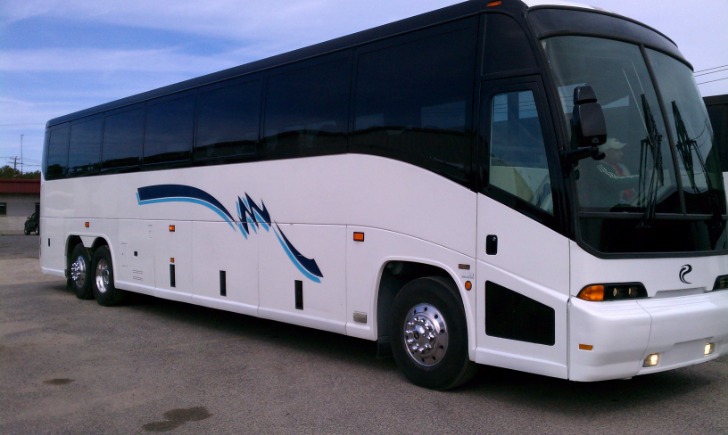
Leading manufacturers shape South Africa’s bus market, with Mercedes-Benz, Volvo, Scania, Isuzu, and Hino offering representative models that span urban transit, intercity coaches, and school fleets. Popular city-bus options include the Mercedes-Benz Citaro family and Volvo’s city-series, while intercity and regional services are supported by Scania and Isuzu/Hino chassis that operators customize for local routes. These offerings set the stage for evaluating which bus is best for South Africa’s diverse transit needs.
European Manufacturers: Mercedes-Benz, Volvo, Scania, MAN
South Africa’s bus market asks a simple question with a complex answer: which bus is the best? The answer depends on route type, duty cycle, and the strength of after-sales support. Among European manufacturers, Mercedes-Benz, Volvo, Scania, and MAN are leaders, each offering representative models that dominate urban and intercity fleets across the country.
M ercedes-Benz is widely represented in South Africa with the Citaro city bus family, known for its modular design, fuel efficiency, and durable parts supply through Mercedes-Benz South Africa. The Citaro G (low-floor, high-capacity version) and the standard Citaro cover most urban routes, while the intercity Intouro provides longer-range service with comfortable interiors and efficient drivetrains.
Volvo’s offerings emphasize reliability and comfort for South African operators. The Volvo B8RLE is a common 12-meter/13-meter city bus that balances fuel efficiency with a spacious, driver-friendly cabin and Volvo’s strong service network. For longer intercity duties, Volvo’s coach lines such as the 9700 family have historically been used, offering high comfort and long service intervals that suit longer routes.
Scania brings Citywide models and the robust K-series chassis to urban operations. The Scania Citywide lineup includes low-floor variants appropriate for city duty and high-capacity configurations, while the K-series chassis supports heavier payloads for demanding routes. Scania’s emphasis on driver comfort and fuel economy appeals to operators managing large fleets.
MAN offers the Lion’s City family, with diesel and electric variants designed for city centers and suburban networks. The Lion’s City models are known for their modular design, ergonomic driver areas, and strong after-sales support from MAN South Africa, making them a credible choice for new fleet purchases or replacements.
Choosing the best bus for South Africa requires weighing factors such as route length, terrain, passenger load, spare-parts availability, and service speed. In practice, fleets often prefer a single-supplier approach to simplify maintenance, or a two-supplier mix to leverage the strengths of different platforms. For dense urban corridors, low-floor city buses like the Citaro or B8RLE are favorites due to easy boarding and quick fuel use. For intercity lines, Scania Citywide or MAN Lion’s City with capacious seating and resilient build can be optimal, while Volvo options can excel on comfort and long-term reliability.
Bottom line: there is no universal ‘best’ bus in South Africa. The optimal choice is the model that matches operating needs, local service networks, and total cost of ownership. Mercedes-Benz Citaro and Volvo B8RLE are strong all-round options for many city routes, while Scania Citywide and MAN Lion’s City provide compelling alternatives for high-capacity urban or intercity duties. The best bus for a given operator is the one that combines performance, parts availability, and a robust local support ecosystem.
Japanese and Chinese Brands and Local Assembly Options
South Africa’s bus market is diverse, and the best choice depends on how the fleet will be used, the route profile, and the availability of service and parts. When evaluating options, many fleets look at leading manufacturers and representative models from Japanese and Chinese brands, as well as the potential for local assembly to tailor solutions to South African conditions.
Leading Japanese brands bring proven reliability and strong dealer networks. Isuzu and Hino are well established in the urban and intercity bus segments, offering mid-size to full-size configurations that are popular with municipalities, transport operators, and private fleets. Toyota’s Coaster line is a common option for smaller shuttle services and school runs, valued for its compact size, ease of maintenance, and widespread parts availability. These brands tend to emphasize uptime, predictable maintenance costs, and a broad service footprint across major cities and regions.
Chinese brands have expanded rapidly in South Africa, delivering cost-effective options with modern features and growing after-sales support. Yutong and King Long are two of the most visible names in city and intercity buses, often chosen for their competitive purchase price, strong payload options, and ample spare parts supply. More recently, BYD has pushed into electric bus fleets, offering full-electric models alongside conventional diesel options, which aligns with municipal and fleet goals to reduce emissions and fuel costs where charging infrastructure supports it.
Local assembly options are an important part of the equation for South African operators. Many brands offer CKD or semi-knockdown kits and partner with local bodybuilders and assembly facilities to tailor buses to SA road conditions, climate, and duty requirements. Local assembly can help shorten spare-parts lead times, simplify servicing, and meet local procurement rules, with common activity concentrated in major economic hubs where service networks and skilled workshops are available. This approach also allows fleets to adapt models for school transport, commuter services, or municipal contracts.
In deciding which bus is the best in South Africa, there is no single answer. For urban routes and high-frequency shuttles, Chinese brands like Yutong and King Long, with local assembly where available, can offer attractive total cost of ownership and strong support networks. For long-term durability, ease of maintenance, and a mature service footprint, Japanese brands such as Isuzu and Hino remain solid choices, while Toyota Coasters continue to serve smaller fleet needs. For agencies looking to reduce emissions, BYD’s electric buses present compelling options where charging infrastructure and route profiles support electrification. The best choice balances upfront costs, parts availability, after-sales service, and the specific operational needs of the route network.
South African Operators’ Frequently Chosen Models
Which bus is the best in South Africa depends on the route, operating conditions, maintenance access and total cost of ownership. This article outlines leading manufacturers and the models most commonly chosen by South African operators, helping readers compare options for intercity, regional and urban services.
Leading manufacturers in the South African bus market include Volvo, Mercedes-Benz, Scania, Iveco, MAN, Setra, Yutong and Higer. These brands offer a mix of intercity coaches, urban buses and midibuses designed to handle the country’s diverse climates and road conditions, with strong after-sales support networks across major cities and rural areas.
Volvo is widely represented in South Africa by its intercity and long-distance coaches. Representative models include the Volvo B11R and B13R for comfortable long-haul operations, plus the B7RLE for urban and regional services. Volvo’s configurable chassis and Volvo B-based coach bodies are common sights on many long-distance fleets and excursion routes.
Mercedes-Benz has a strong presence in both urban and intercity markets. Representative models include the intercity Tourismo family, which is favored for long-distance passenger comfort, and the O500R/O530 Citaro series for urban networks and feeder routes. Mercedes-Benz also supports a robust parts and service footprint across major centers.
Scania and Iveco contribute alternative cost-efficient and high-availability options. Representative Scania choices often feature K-series coaches paired with ergonomic interiors for long-distance travel, while Iveco offers EuroTech and Eurorider lines that appeal to operators prioritizing total cost of ownership and maintenance simplicity in mixed-route fleets.
MAN, Setra, Yutong and Higer round out diversity in the market. MAN Lion’s Coach and Lion’s City provide versatile intercity and urban solutions; Setra’s S series is used by operators seeking premium comfort, while Yutong and Higer are increasingly selected for lower upfront costs and strong reliability in high-mileage fleets. These brands add breadth to fleet possibilities where budget or procurement constraints are a factor.
South African Operators’ Frequently Chosen Models include a mix of long-haul coaches and feeder/bus routes. In intercity and long-distance fleets, Volvo B11R and B13R-based coaches and Mercedes-Benz Tourismo iterations are commonly seen, valued for passenger comfort and reliability on longer trips. For urban networks, Mercedes-Benz O530 Citaro-derived urban models and Volvo B7RLE midibuses are frequently chosen for their reliability and serviceability in city environments. The growing presence of lower-cost, high-capacity models from Yutong and Higer also reflects a demand for scale and affordability on busy regional routes.
Ultimately, the best bus for a South African operator depends on route length, terrain, climate, spare-parts accessibility, service network and total cost of ownership. Operators weigh reliability, driver comfort, passenger experience and after-sales support when selecting a model, ensuring the chosen bus aligns with both current needs and future expansion plans.
Performance Metrics Across Route Types
Performance metrics across route types examine how a bus performs on urban core routes, suburban feeders, intercity links, and rural services. By evaluating reliability, on-time performance, passenger capacity, fuel efficiency, emissions, maintenance costs, and rider comfort for each route category, we can assess which bus models deliver the strongest overall results in South Africa’s diverse transit network. This article explores the question of which bus is the best in South Africa by applying route-specific metrics to compare different buses, operators, and configurations across major cities and regions.
Urban Route Performance: Capacity, Acceleration, Ride Quality
Performance metrics across route types help transit operators assess which bus configurations perform best in South Africa’s urban networks. In urban routes, capacity, acceleration, and ride quality are especially critical for reliability, passenger comfort, and total cost of ownership. This article outlines how these metrics are defined and what they imply for selecting the best bus in South Africa.
- Route types and performance implications
- Urban trunk routes require high peak capacity and quick acceleration to maintain headways and reduce dwell times.
- Feeder and fringe routes benefit from good maneuverability, low-floor access, and efficient acceleration at low speeds.
- Express services have fewer stops but longer distances; ride quality and stable acceleration matter for passenger comfort on longer trips.
- Key urban performance metrics
- Capacity: seated and total capacity, passenger density, dwell time at stops, door arrangement, and boarding/alighting efficiency.
- Acceleration and power: power-to-weight, drivetrain type, gearbox, and transition from stationary to moving to minimize schedule deviations.
- Ride quality: suspension type (air vs coil), wheelbase, vibration isolation, interior noise, and seat comfort.
- Trade-offs and practical considerations
- Higher capacity vehicles are heavier and may have slower acceleration; smaller buses accelerate faster but offer less capacity per trip.
- Low-floor designs improve accessibility and boarding times but may limit interior layout options.
- Maintenance, spare parts availability, and local support networks influence actual performance over time.
- What is “the best” bus for South Africa?
- The best choice depends on route type, headways, passenger demand, and operating budget. A mixed fleet often yields the best overall performance—articulated or midibus high-capacity units for trunk routes, and nimble low-floor buses for feeder routes.
- Considerations for procurement include energy efficiency, emissions compliance, reliability, driver comfort, accessibility, and service support in South Africa.
- Case-specific evaluation, including on-route trials and total cost of ownership analysis, is essential to identify the best fit for a city or corridor.
In summary, there is no single “best” bus; the optimal choice aligns with route profiles and operational goals across South Africa’s urban networks.
Long-Distance Performance: Range, Comfort, Refueling/Maintenance
The question of which bus is the best in South Africa depends on route type and operator needs. This article outlines performance metrics across route types and examines long-distance performance in terms of range, comfort, and refueling/maintenance to help compare brands and models used in South Africa.
- Performance Metrics Across Route Types
- Fuel efficiency and energy use per kilometer to control operating costs on busy city corridors and long intercity runs.
- Reliability and uptime, including engine and transmission durability, cooling systems, and electrical reliability, which reduce unscheduled maintenance.
- Passenger capacity and load factor, with considerations for boarding speed, seating layout, accessibility for mobility devices, and luggage space.
- Driver comfort and ergonomics, providing better long shifts and safer operation, including noise, vibration, and seat quality.
- Maintenance network and availability of parts, authorized service centers, and technician training across major South African routes.
- Ride quality and suspension performance on mixed road quality, from urban roads to rural highways.
- Long-Distance Performance: Range, Comfort, Refueling/Maintenance
- Range and fuel capacity: larger tanks or modular refueling options to maximize hours on the road between stops without compromising safety.
- Comfort on long legs: seating comfort, legroom, climate control, noise levels, and amenities such as onboard facilities or Wi-Fi where applicable.
- Refueling and maintenance logistics: diesel availability at major depots, fuel efficiency during idle, ease of refueling, and maintenance cycles with downtime minimized.
- Maintenance accessibility: common-rail diagnostics, remote fault reporting, and the density of trained technicians along key long-distance corridors like Gauteng to the coast or the Free State.
- Total cost of ownership considerations: purchase price, depreciation, insurance, and maintenance costs over time, weighed against reliability.
Ultimately, there is no single universal “best” bus for South Africa. The optimal choice depends on the specific route, operating budget, service network, and passenger needs. In practice, many South African operators favor proven models from manufacturers such as Volvo, Scania, Mercedes-Benz, and MAN due to established support networks, durable components, and good fuel efficiency, with the final selection tailored to the operator’s route mix and service expectations.
Rural Route Performance: Durability, Ground Clearance, Parts Availability
Performance metrics across route types shape the choice of the best bus in South Africa, since urban, intercity, and rural services each demand different strengths from a vehicle.
Across urban routes, reliability, quick boarding and alighting, passenger comfort in stop-and-go traffic, and efficient fuel use drive selection, along with strong aftersales support to minimize downtime.
Intercity routes prioritize long-haul comfort, stable cruise performance, powerful but efficient engines for highway grades, good tire wear characteristics, and maintenance windows that keep fleets on the road, often favoring coaches designed for higher durability and quiet operation.
Rural route performance emphasizes durability, with rugged chassis construction, protection against corrosion and dust, and robust suspensions that handle rough roads and heavy loads without excessive downtime.
Ground clearance is a critical rural metric, helping the bus negotiate potholes, unsealed stretches, and uneven surfaces while protecting underbody components and fuel tanks, so models with higher clearance and protective underrun bars are preferred for challenging rural corridors.
Parts availability matters as much as the vehicle itself; in South Africa, a strong nationwide dealer and parts network reduces downtime, with brands that maintain local stock and rapid delivery for common components enabling quicker maintenance and repairs on-site or nearby workshops.
Which bus is the best in South Africa depends on the route profile: for rural networks, brands with proven durability, higher ground clearance, and robust parts networks—such as Volvo Buses, Mercedes-Benz, and Scania—tend to perform well; for urban fleets, compact, reliable city buses with efficient maintenance programs are favored, and for intercity coaches, long-haul comfort and fuel efficiency take priority. A thorough total cost of ownership analysis and real-world operator feedback are essential to determine the best fit for a specific route.
Cost Considerations: Total Cost of Ownership
Cost Considerations: Total Cost of Ownership frames the choice when determining which bus is best in South Africa. Rather than focusing solely on upfront price, buyers should weigh long-term expenses such as fuel efficiency, maintenance and parts availability, downtime costs, financing terms, depreciation, and after-sales support across the regional service network. In the South African context, factors like road conditions, harsh climates, and local operating hours can significantly influence TCO, making reliability and local serviceability as important as sticker price in choosing the best bus for a fleet.
Purchase Price, Financing Terms, and Resale Value
Choosing the best bus in South Africa is not just about the upfront price. The winner is the model that delivers the lowest long-term cost and highest reliability for your specific route and operation. Key cost considerations include total cost of ownership, purchase price, financing terms, and resale value.
-
Total Cost of Ownership (TCO)
- Definition: TCO covers depreciation, financing costs, insurance, maintenance, parts, fuel, tires, licensing, and downtime.
- Depreciation: different fleets lose value at different rates; age and usage patterns affect how much you can recover at resale.
- Maintenance and parts: South Africa has varied service networks—evaluate spare-part availability, technician skill, and lead times for your preferred brands.
- Fuel efficiency and reliability: fuel is a major operating expense; choose engines and configurations with good fuel economy and strong uptime.
- Downtime and reliability: account for unplanned repairs and the cost of unavailable buses; consider warranties and service agreements.
- Insurance and licensing: include annual premiums and regulatory fees in your TCO calculations.
- Practical tip: run a TCO model over your expected fleet life to compare options side by side.
-
Purchase Price
- Upfront cost varies with bus size, configuration, and whether the unit is new or used.
- Additional upfront costs: delivery, customization, VAT, import duties, registration, and any extended warranties or maintenance plans.
- New vs used: used buses can be cheaper initially but may incur higher maintenance; verify full service history and current condition.
- Local considerations: explore fleet discounts, dealer incentives, and any government or operator programs that affect sticker price.
-
Financing Terms
- Interest rate, loan tenor, and down payment shape monthly payments and total interest paid.
- Balloon payments or residuals: assess cash-flow impact and resale risk at the end of the term.
- Maintenance contracts bundled with financing can reduce unexpected costs and simplify budgeting.
- Credit terms may hinge on fleet utilization, maintenance history, and insurer requirements; compare multiple financiers for best rates.
-
Resale Value
- Resale value depends on age, mileage, condition, service history, and brand reputation.
- Strong after-sales support and easy access to parts in SA help preserve value.
- Regulatory compliance and emissions standards can affect marketability at resale.
- Maintaining thorough service records and keeping buses well-presented can boost trade-in or private-sale value.
Fuel Consumption, Maintenance, and Spare Parts Availability
Choosing the best bus in South Africa requires evaluating cost over the vehicle’s life, focusing on total cost of ownership, as well as fuel efficiency, maintenance needs, and spare parts availability.
Total Cost of Ownership covers the purchase price, financing costs, insurance, registration, depreciation, and resale value. In South Africa, buy value varies with engine type, body configuration, and whether the bus is new or used. Consider the expected service life, often around 5–7 years for commercial fleets, and how resale value differs between powertrains and configurations.
Fuel consumption remains a critical factor, with diesel still common for larger passenger buses due to range and fuel availability, while electric and CNG options are emerging in some corridors. Estimate fuel or energy costs by calculating litres per 100 kilometres (or kWh per 100 kilometres), multiplied by expected annual kilometres and the number of seats to derive per-passenger fuel costs. Weight, aerodynamics, stop-start urban routes, climate control, and driver behavior all impact consumption.
Maintenance considerations include reliability and downtime. Assess the breadth of the service network, access to trained technicians, and the availability of genuine parts. Higher maintenance intervals and robust warranty terms can reduce risk, but labour rates and parts costs vary. Request maintenance plans, service-level agreements, and projected total maintenance costs over the fleet’s lifetime.
Spare parts availability across the country influences downtime and overall expense. Access to parts through local distributors, lead times from manufacturers, and the presence of authorized service centers determine repair speed. In regions with limited access, prefer models with widely stocked parts or strong national support networks.
Practical framework: to decide the best bus for South Africa, build a TCO model that includes purchase price, financing, insurance, maintenance, fuel or energy costs, tyre costs, and potential downtime. Run sensitivity analyses for annual kilometres, load factors, route types (urban versus intercity), and fuel prices. Also weigh non-financial factors like reliability, driver comfort, and after-sales support.
Conclusion: there is no universal best bus. The best option is the one with the lowest expected TCO for your specific operation, route profiles, and local support. Operators should compare total costs over the typical life of the vehicle rather than focusing solely on upfront price.
Depreciation, Warranty, and Lifecycle Planning
When evaluating which bus is best in South Africa, the choice is rarely determined by upfront price alone; cost considerations like Total Cost of Ownership (TCO), depreciation, warranty, and lifecycle planning drive the long-term value.
Total Cost of Ownership in a South African context includes purchase price, financing costs, fuel efficiency, maintenance and repair, spare parts availability, downtime, insurance, licensing, and driver training. The local duty and clearance processes, road conditions, and fuel price volatility can all affect ongoing expenses, so a bus with strong local service networks and readily available parts often yields a lower TCO even if its sticker price is higher.
Depreciation and tax treatment can significantly impact net costs over the bus’s life. In many cases the depreciation allowances for commercial vehicles, as well as resale value at end of life, influence the effective cost of ownership. Buses with durable drivetrains, standardised parts, and a robust after-sales ecosystem typically hold higher resale value and incur lower annualized depreciation, improving long‑term fiscal performance for a fleet.
Warranty and extended service options are another critical lever in South Africa. Assess not only the length of the manufacturer’s warranty but also what is covered, the quality and reach of the service network, response times, and whether maintenance contracts or roadside assistance are included or available at additional cost. A comprehensive warranty and strong local support can reduce unexpected repair expenses and minimize downtime, which matters a great deal in passenger or commuter operations.
Lifecycle planning asks fleets to forecast replacement timelines, spare parts strategy, and the interplay between maintenance intervals and vehicle utilization. Planning for a defined horizon (for example, 5–10 years) helps align procurement with expected parts availability, technician training, and the agility to adapt to changing regulatory or market conditions. A well‑designed lifecycle plan minimizes downtime, optimizes resale value, and prevents over‑investing in tech that becomes costly to maintain or becomes obsolete.
To determine the best bus in South Africa, build side‑by‑side TCO scenarios for several models using local data: purchase price and financing terms, projected fuel consumption, maintenance and parts costs, expected downtime, insurance, and tax treatment. Include warranty terms and potential savings from service contracts, then apply a realistic replacement timeline. The winner is the bus that delivers the lowest full‑lidelity TCO while meeting safety, reliability, and service‑network requirements for your specific routes and demand.
Guidance for Selecting the Best Bus in South Africa
Choosing the best bus in South Africa requires weighing reliability, safety, fuel efficiency, capacity, and service networks. This guide offers practical guidance to compare intercity, commuter, and school buses, helping you evaluate routes, maintenance support, and total cost of ownership so you can pick the right model for your needs.
Industry Trends and Government Standards
Choosing the best bus in South Africa requires balancing operating conditions, costs, and compliance with national standards. This guide outlines guidance, industry trends, and government standards to help buyers decide.
Industry trends shaping the choice include rapid adoption of electric buses, emphasis on accessibility, increased emphasis on total cost of ownership, and expansion of Bus Rapid Transit (BRT) networks across major cities.
- Define your use-case and capacity: urban routes, intercity shuttles, school transport, or passenger mix; determine seating, standing space, and luggage capacity.
- Assess total cost of ownership: upfront price, energy or fuel costs, routine maintenance, warranty, spare parts availability, and resale value; consider life-cycle cost over 8–12 years.
- Choose a powertrain and energy strategy: diesel, CNG/LNG, or electric; evaluate range, charging infrastructure, reliability, and performance in SA climate and altitude.
- Evaluate infrastructure and maintenance support: local dealer networks, on-site maintenance capabilities, service intervals, and access to trained technicians and spare parts.
- Ensure compliance with government standards and procurement rules: safety, emissions, accessibility, passenger information, and local content or supplier diversity requirements.
- Pilot testing and fleet integration: run controlled trials, gather operator feedback, compare with existing fleet metrics, and plan integration with BRT or mass transit corridors.
Best-in-class options in South Africa typically include robust urban low-floor designs from global manufacturers and electrics from leading brands, chosen for reliability, after-sales support, and suitability for SA routes. The “best” bus is the one that meets your specific needs while aligning with government standards and future-proofing plans.
Choosing Based on Your Route and Fleet Needs
Choosing the best bus in South Africa hinges on tailoring the vehicle to your specific route and fleet needs rather than chasing a single model.
Start by defining your route profile. Consider the distance you serve, the terrain and climate you encounter, peak passenger volumes, luggage capacity, and whether the service is urban, intercity, or a shuttle. A route with frequent stops and diverse passenger types will demand different features than a nonstop long-haul service with baggage requirements.
Understand the bus types available and which fit your route. Urban buses with low-floor designs and wide entry doors are ideal for city corridors and accessibility needs. Intercity or coach models offer higher seating capacity and luggage accommodation for longer journeys. Midibuses are suitable for routes with moderate demand and tighter road networks, while school or shuttle buses can fill dedicated routes with predictable passenger loads.
When comparing specifications, look at seating capacity and comfort, suspension and ride quality, door configuration, and accessibility features such as ramps or lifts for wheelchairs. Evaluate engine type and fuel efficiency (diesel, natural gas, or electric/hybrid), range, and maintenance intervals. Ensure the chosen bus can operate reliably in SA conditions, including heat, dust, and varying road quality.
Performance and maintenance considerations matter as much as price. Verify the local service network, availability of spare parts, and response times for repairs. A bus with strong dealer support and trained technicians in major centers reduces downtime and keeps your fleet productive.
Think about total cost of ownership, not just the sticker price. Factor in financing terms, depreciation, insurance, tyres, regular maintenance, and potential driver training. Fuel costs can swing your budget significantly, especially on long routes or frequent urban services, so a bus with good fuel economy or low-emission options can yield long-term savings.
Regulatory compliance and safety are essential. Ensure the bus meets South African safety standards, seating anchorages, passenger protection features, and any local requirements for accessibility or CCTV and data logging. Consider the reliability of after-sales support and how upgrades or warranties will be handled over the vehicle’s life cycle.
To future-proof your decision, explore fleet-management capabilities such as telematics, route analytics, and vehicle diagnostics that help optimize scheduling, maintenance, and driver performance. A bus that integrates smoothly with your existing fleet software will deliver the best long-term value.
Practical procurement steps include issuing a structured RFP, running pilots or short trials on representative routes, and speaking with operators who run similar routes. Check references and assess how providers handle turnkey services, maintenance packages, and spare-part availability. Remember, the best bus is the one that reliably meets your route’s demands at an acceptable total cost and with solid local support.