

Overview of Yutong bus pricing in South Africa
Yutong bus pricing in South Africa varies by model, capacity, and powertrain, with city buses, coaches, and electric variants offering different value propositions for fleet operators. This overview highlights current price ranges, main cost drivers such as specification levels, localization, financing, and after-sales support, and how regional factors and incentives shape buying decisions for South African customers.
Key price drivers for Yutong buses in SA
Yutong supplies a broad range of buses for urban, intercity and shuttle operations in South Africa, including diesel-powered city buses, high-capacity coaches and electric buses. Pricing for Yutong buses in SA depends on configuration, powertrain, and spec level, and buyers commonly compare models by total cost of ownership rather than just the upfront price. Local distributors typically provide the price in South African rand and can tailor packages for fleet needs.
Base price is driven by model and seating capacity. Additional cost components include freight and insurance to port of entry, import duties and VAT at the standard rate in SA, compliance testing and homologation, local assembly or assembly-related charges if any, and optional equipment such as air conditioning, USB power outlets, CCTV, seating layout, and safety features. Local content, compliance with South African standards, and warranty terms also affect the final quote. After-sales support, spare parts availability and staff training are usually bundled as service packages or optional add-ons, affecting overall affordability.
Key price drivers in SA include model type (urban city buses tend to be priced differently from intercity coaches), powertrain (diesel versus electric), and the corresponding battery size for electric models. Electric buses carry higher upfront costs due to battery packs and charging infrastructure, but offer potential savings through lower energy costs, reduced maintenance, and incentives. Other drivers are exchange rate movements, freight costs, and import duties; high local taxes and VAT levels influence the landed cost. Volume discounts for fleet purchases, financing terms, and lead times from plants in China or elsewhere also shape prices. Availability of aftersales support and readily stocked spares in the SA network reduces lifecycle costs and can influence the perceived price value.
Diesel buses generally have lower upfront pricing compared with electric buses, but total cost of ownership can differ over the vehicle lifespan due to fuel efficiency, maintenance, and resale value. Electric Yutong buses require charging infrastructure investments— depot chargers, maintenance of battery warranties, and potential government or operator subsidies. Battery price volatility and technology improvements can also impact pricing and residual value, while warranties on batteries and propulsion systems provide risk mitigation for buyers.
South African fleets often procure through public tenders or direct purchases with fleet operators, and tender terms can affect price by requiring certain specifications, local content, or servicing commitments. Dealer networks across major cities offer configurable packages, including finance, maintenance plans, and driver training. Lead times depend on stock availability and production schedules, with longer waits possible for high-spec or electric configurations. Aftercare networks and availability of spare parts across the country influence ongoing operating costs and the attractiveness of the quoted price.
When evaluating Yutong quotes in SA, operators should consider total cost of ownership: upfront price, financing costs, insurance, maintenance and parts, energy consumption, downtime, and resale value. It helps to compare similar spec levels (air conditioning, CCTV, accessibility features), assess warranty terms, and verify included service packages and driver training. A bid that looks cheaper upfront may incur higher maintenance or spare parts costs later, whereas a higher upfront price with strong service support can lower lifecycle costs.
Overall, Yutong bus pricing in South Africa reflects global cost structures, local taxes, import economics, and the critical choice between diesel and electric powertrains. Buyers should work with authorized SA distributors to obtain detailed quotations, confirm inclusions, and assess the total cost of ownership to determine the best-fit option for their fleet requirements.
Common price ranges by model and configuration
Overview of Yutong bus pricing in South Africa: Yutong has a strong presence in South Africa through authorized distributors and fleet operators. Prices vary widely by model, configuration, and whether the bus is new or pre-owned. Import duties, VAT, exchange rates, local assembly, and optional service agreements all affect the ticket price. Buyers typically negotiate the list price with dealers and may obtain bundled maintenance or warranty packages.
New city buses (8–12 meters): In general, new diesel-powered city buses from Yutong in South Africa are commonly priced around R2.0 million to R2.9 million for standard configurations with basic interiors; higher-specifications with advanced information systems, enhanced HVAC, and higher seating density can push to roughly R3.0 million to R3.5 million.
Intercity/coach models (12–14 meters): New long-distance or intercity coaches typically range from about R3.0 million to R4.5 million in standard configurations; premium interiors, extra luggage bays, and safety features can lift prices toward R4.5–R5.5 million.
Electric buses: Battery-electric Yutong models generally carry a premium. 12–14 meter electric buses may range roughly from R4.5 million to R7.0 million depending on battery capacity, range, charging options, and on-board amenities. Smaller urban electric buses may sit lower in the range but still higher than equivalent diesel variants.
Used and ex-fleet market: For those seeking value, 5–8 year old Yutong buses in SA typically trade in the approximate range of R1.0 million to R2.5 million for 8–12 meter configurations, with longer or higher-service-life units priced toward the upper end. Condition, mileage, and maintenance history majorly affect pricing.
Notes on pricing and buying tips: Always request formal quotations from authorized SA dealers, compare warranty and service contracts, consider total cost of ownership including maintenance, spare parts, and fuel or electricity costs, and factor in potential incentives or fleet financing options.
Impact of features and body types on price
Overview of Yutong bus pricing in South Africa shows a market where price is driven by model type, powertrain, body configuration and the level of features chosen. Yutong has established a strong presence in South Africa’s public transport and private fleet segments, with pricing influenced by import duties, exchange rates, local taxes and available financing options alongside dealer promotions and aftersales packages.
Pricing is commonly separated by vehicle type. Standard 12-meter city buses typically fall into a mid-range bracket, while longer intercity coaches command higher prices. Midibuses and small coaches are priced lower, reflecting their size and capacity. In broad terms, diesel-powered city buses in the 12-meter class can range from around 2.0 million to 3.0 million South African rand, with variations depending on equipment and dealer terms. Longer or higher-spec models, as well as certain configurations, can push prices beyond this band.
Body type and seating arrangement have a direct impact on price. Low-floor designs that maximize accessibility, multiple entry doors and integrated passenger amenities add to manufacturing complexity and cost, while high-floor or basic configurations tend to be less expensive. Seats, standing room, aisle width, and the inclusion of premium interior finishes all influence the final number, as do modifications for specific contracts such as school transport or commuter services.
Powertrain and propulsion choice are major price determinants. Diesel engines remain the standard for many fleets, but electric and hybrid options are increasingly deployed where zero-emission targets or reduced operating costs are priorities. Electric 12-meter buses generally carry a premium, with typical ranges from about 6.0 million to 9.0 million rand, depending on battery capacity, range, charging infrastructure compatibility and warranty terms. Hybrid and alternative fuel variants sit between diesel and full electric in price, reflecting their unique components and service needs.
Features and equipment can significantly affect price. Basic models may include standard climate control and essential safety systems, while higher-spec buses add advanced onboard electronics, telematics, passenger information displays, cameras, automated stop announcements, enhanced HVAC, and enhanced safety packages such as ABS or stability control. Accessibility enhancements like wheelchair ramps or lifts, priority seating, and clear floor plan layouts also add value and cost, particularly for contracts that require compliant design for accessibility.
Financing, warranties and local support arrangements further shape the published price. Some buyers secure pricing through financing that includes maintenance packages, extended warranties, or service contracts, which can make the total cost of ownership more favorable over the vehicle’s life. Local assembly or partial assembly, as well as regional distribution networks, can influence final price by reducing import duties or providing quicker service access. In South Africa, buyers should factor in VAT, registration, licensing, and potential fleet incentives offered by dealers or financing partners.
In summary, Yutong bus pricing in South Africa reflects a combination of vehicle class, body type, propulsion, features and aftersales support. For organizations evaluating purchases, it is important to request detailed quotes that specify model, configuration, powertrain, equipment level, warranty terms and available service packages. Consulting the official Yutong South Africa distributors will yield the most accurate, current pricing and options tailored to specific fleet needs.
Yutong bus model lineup available in South Africa
In South Africa, Yutong offers a varied lineup of buses for urban, intercity, and school transport, including compact 10‑metre city buses, 12‑metre low‑floor models, and longer coaches designed for high‑capacity routes. The range supports reliable performance, comfort, and strong local after‑sales service through authorized distributors. When evaluating yutong bus price south africa, prices vary by model and configuration, influenced by drivetrain options, seating layouts, and equipment levels, with multiple packages available to suit fleet needs.
City buses (electric and diesel) options
Yutong’s bus lineup available in South Africa spans city diesel and electric options, with pricing shaped by length, drivetrain, features, and tender terms.
Diesel city buses: In South Africa, the diesel city bus lineup covers 10- to 12-meter models built for urban routes. They offer low-floor access, multiple doors for quick boarding, air conditioning, modern driver aids, and seating typically around 30–40 passengers. Engines are Euro 5/6 compliant and designed for reliability in busy city networks.
Electric city buses: Electric city buses in the Yutong SA lineup range from 8 to 12 meters and use battery-electric propulsion. They deliver zero tailpipe emissions, quiet operation, and features such as regenerative braking. Range per charge depends on battery size, duty cycle, and climate, but typical figures sit roughly in the 150–350 km per charge bracket. Charging options include depot charging and opportunity charging at busy stops or termini.
Pricing overview: New diesel city buses in South Africa typically start in the low-to-mid millions of Rand, with 12-meter models commonly quoted around 2.5 to 3.5 million Rand before VAT and options. Electric 12-meter models are significantly higher, often in the 6 to 9 million Rand range before VAT and options, reflecting battery costs and charging infrastructure requirements. Final quotes depend on configuration, warranties, maintenance packages, and any local incentives or tender terms.
Tender and ownership considerations: Municipal fleets often evaluate total cost of ownership, including maintenance contracts, spare parts availability, and expected energy savings from electrification, when comparing Yutong’s diesel and electric options.
To obtain current, precise prices and available configurations for South Africa, contact Yutong South Africa or an authorized dealer for a formal quote and a detailed specification sheet.
Intercity and commuter buses
Yutong buses are a common sight on South Africa’s roads, serving intercity, commuter and school transport roles with a focus on reliability and fuel efficiency.
In South Africa the Yutong lineup covers a range of 9 to 14 metre configurations designed for urban routes, intercity service and longer-distance coach work. Operators typically find 9–12 metre city and intercity models for daily shuttle and commuter duties, along with 12–14 metre coaches for longer hops and express services. Availability and exact model names can vary by local distributor and fleet requirements.
Typical specifications in the SA market include low- and mid-floor designs for easy boarding, automatic transmissions, air conditioning, CCTV and PA systems, as well as seating options that maximise passenger comfort while keeping operating costs manageable. Many configurations are tailored for high passenger throughput, with durable drivetrains and robust service networks to support commercial fleets.
As a rough guide to pricing, new Yutong city and intercity buses in South Africa generally fall in the range of approximately R1.8 million to R4.7 million, depending on length, drivetrain, features and trim. Longer 12–14 metre coaches can sit higher in the R4.0 million to R6.0 million bracket. In the used market, older 9–12 metre units commonly start around R1.0 million and can rise toward R2.5 million when well maintained and fully serviced with recent histories. Prices are influenced by accessories, transmission type, seating layouts and any local VAT or import duties.
To get an accurate quote for a specific Yutong model in South Africa, contact an authorised Yutong distributor or local fleet dealer. They can provide current stock, configuration options, service plans and total cost of ownership, including maintenance, parts availability and after-sales support.
Minibus and shuttle configurations
Yutong in South Africa offers a diverse lineup of buses suitable for municipal transit, corporate shuttle services and school transport. This article explains the model lineup and focuses on minibus and shuttle configurations, along with typical price ranges you can expect in the South African market.
Minibus configurations in South Africa are designed for efficiency on urban routes and group transfers. These compact units are commonly available in lengths around 8.5 to 9.6 metres and can be configured for 12 to 30 passenger seating, with single or dual entry doors and varying luggage or luggage‑free layouts to suit airport shuttles, hotel transfers or small‑group services.
Shuttle configurations cover larger, more comfortable options built on longer platforms. These models often range from about 9.6 to 12 metres and are used as executive shuttles, hotel and airport transfers, or school and corporate transport. Interiors typically emphasize passenger comfort, with options for VIP seating, improved legroom and flexible luggage space to handle commuter or group travel needs.
Price ranges in South Africa for new Yutong minibuses generally fall roughly between a few hundred thousand rand and about R1.6 million, depending on seating, finish, and features. Mid‑size city buses and shuttle variants commonly range from around R2.5 million to R4.8 million, while larger intercity coaches or premium shuttle configurations can exceed R4 million and approach or surpass R6 million with advanced options. These figures are indicative and exclude VAT, freight, duties, and local taxes; actual quotes vary by dealer, specification and exchange rates.
When shopping for a Yutong bus in South Africa, contact an authorized Yutong distributor to confirm current model availability, warranty terms and aftersales support. Check service network coverage, spare parts availability, driver training options and maintenance packages to ensure total ownership costs are predictable over the life of the vehicle.
Electric bus variants and pricing
Yutong maintains a robust bus presence in South Africa, offering a lineup that covers diesel city buses as well as electric urban buses for municipal and operator fleets. The standard diesel city-bus range centers on 12-metre models built on Yutong platforms such as ZK6129H and ZK6128H, which are commonly deployed for high-capacity urban routes. South Africa’s market also uses shorter midibus options for feeder services and shuttle operations, with configurations adapted to local road and passenger requirements.
Diesel models in the South African lineup are typically available in right-hand-drive versions suitable for local networks. The 12-metre city buses emphasize passenger comfort, reliability, and servicing efficiency, often featuring modern amenities such as robust climate control, passenger information systems, and accessible entry options to suit municipal specifications. In addition to the 12-metre offerings, Yutong’s SA portfolio commonly includes several mid-sized options in the 8–10 metre range for smaller towns or shuttle services, giving operators flexibility across route profiles.
Electric bus variants are also part of Yutong’s South African offering, with 12-metre electric city buses and smaller electric models designed for urban duty. These electric options come with battery configurations intended to meet typical daily urban duty cycles, and they support conventional charging methods (plug-in while stationary, with on-board charging capabilities). Operators can select battery capacity and range configurations aligned to their daily kilometers and charging infrastructure.
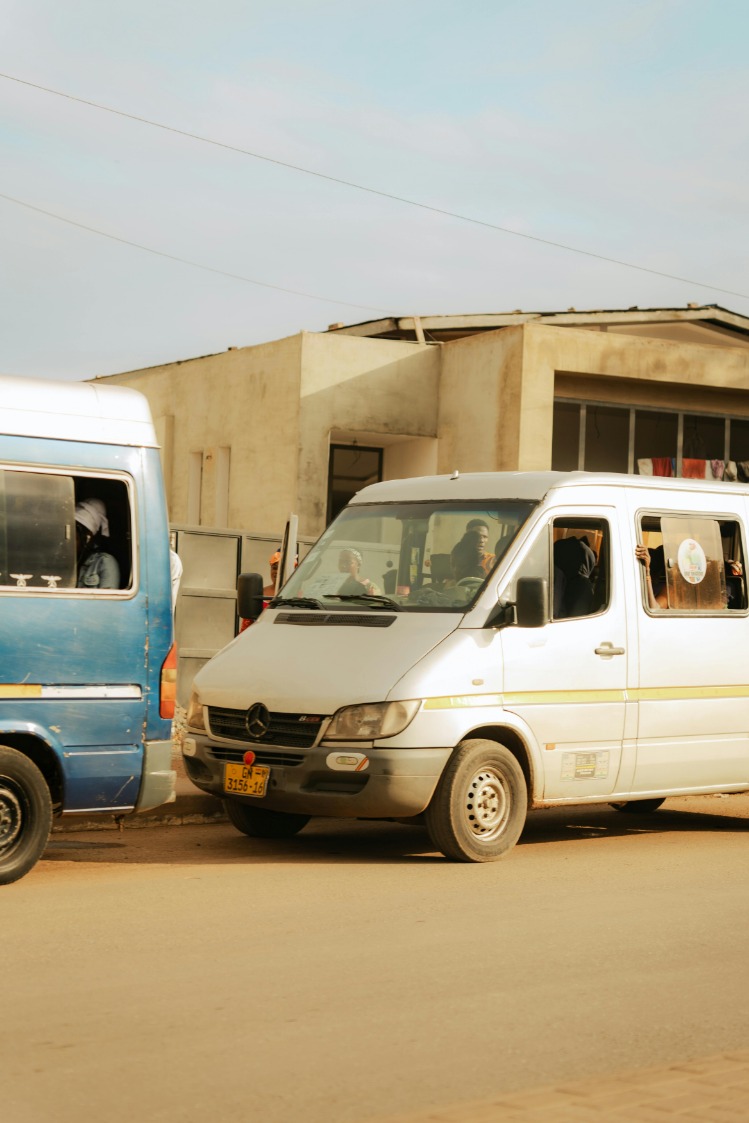
Pricing in South Africa varies by model, specification, and dealer, but typical ranges can be summarized as follows. New diesel 12-metre Yutong city buses generally price in the low-to-mid couple of million rand before VAT, with exact figures depending on seating layout, equipment, and aftersales packages. Electric 12-metre variants are significantly higher in upfront cost, often quoted in the multi-million rand range, reflecting battery capacity, range, and charging options. Final quotes usually include VAT, warranty terms, service plans, and any optional extras or installation requirements for charging infrastructure.
For the most accurate and up-to-date pricing, lead times, and available specifications, contact an official Yutong South Africa distributor or authorised dealer. They can provide customised quotes based on fleet needs, financing options, and preferred aftersales support to match total cost of ownership expectations.
Pricing factors and pricing methods
Pricing a Yutong bus in South Africa hinges on several factors, including the base manufacturing cost, import duties, VAT, currency exchange rates, logistics, after-sales service, and the total cost of ownership for fleet operators. In this market, pricing methods range from cost-plus and value-based approaches to market-based and negotiated tender pricing, often bundled with maintenance plans, extended warranties, and financing options. The goal is to balance competitive price with reliable service and long-term savings for fleets in a price-sensitive but performance-focused environment.
Ex-works vs delivered pricing
For buyers in South Africa evaluating Yutong bus prices, understanding the pricing factors and the pricing methods helps you compare offers and budget effectively.
Pricing factors for a Yutong bus in South Africa include the base price of the model, the length and configuration (such as standard city bus versus midibus, seating capacity, and low-floor design), and the chosen powertrain (diesel, hybrid, or electric). Additional features like air conditioning, passenger information systems, safety equipment, accessibility options, and driver aids add to the cost. Local factors such as exchange rates, import duties, value-added tax, and any regulatory compliance costs, plus dealer margins, delivery to the end destination, and after-sales service packages, also shape the final price. Fleet buyers should consider ongoing costs like maintenance, spare parts availability, warranty terms, and potential financing or leasing arrangements when assessing value over the vehicle’s lifecycle.
In South Africa, logistics and regulatory considerations can significantly influence price. Some models may be imported fully assembled, while others are CKD or assembled locally, affecting labor costs and local content credits. Right-hand drive compliance, roadworthiness certification, and adherence to local bus specifications can also impact pricing and delivery timelines. Currency volatility and regional incentives or subsidies for public transport fleets can further alter the total cost of ownership over the contract period.
Pricing methods describe how manufacturers and distributors determine the ticket price and structure discounts. Common approaches include cost-plus pricing (adding a margin to the production and logistics cost), market-based pricing (positioning against competing brands and models in the SA market), and value-based pricing (linking price to the perceived value of features and service levels for the buyer). Some sellers use tiered pricing with volume discounts for larger fleets, bundling maintenance and spare-parts packages, or offering longer warranties to improve perceived value. Negotiation may also involve currency hedges, financing terms, and service contract options that alter the buyer’s total expenditure over time.
Ex-works and delivered pricing are two fundamental incoterms that affect risk, responsibilities, and cost. Ex-works means the seller makes the bus available at their premises; the buyer bears almost all costs and risks from that point forward, including transport, insurance, export clearance, customs duties, and delivery to the fleet depot. This generally yields the lowest upfront price but higher logistics complexity for the buyer. Delivered pricing places more responsibility on the seller, moving freight, insurance, and often customs clearance closer to the destination; depending on the specific term (such as DAP or DDP), the price can be higher but offers greater predictability and reduced administrative work for the buyer. When comparing quotes for South Africa, ensure the same incoterm is used and clarify which costs are included and which are excluded, such as import duties, VAT, port handling, inland transport, and after-sales support.
To compare Yutong bus offers effectively in South Africa, request quotes in equivalent incoterms, verify what is included (financing options, warranty, maintenance packages, spare-parts supply, and training), and calculate the total cost of ownership over the expected service life. Look beyond the sticker price: assess reliability of service networks, lead times for delivery, availability of spare parts, and the value of bundled services. A well-structured comparison helps you choose the pricing approach that aligns with your fleet goals and budget stability.
Taxes, duties, and import VAT considerations
Pricing for Yutong buses in South Africa is shaped by multiple factors and pricing methods, along with tax and import costs. Understanding these elements helps buyers compare quotes and plan total cost of ownership.
Pricing factors include the base manufacturing cost and model or configuration (engine options, seating, emissions compliance, and safety features), regional demand, and the size of the order. Additional elements are freight and insurance from the factory to South Africa, port handling and clearance charges, inland transportation to the destination, dealer margins, currency exchange rates, and any local compliance costs such as certification or warranty programs. Optional packages like maintenance plans, spare parts bundles, and aftersales support can also shift the quoted price.
Pricing methods commonly used in the market include cost-plus pricing (costs plus a margin), market-based pricing (based on comparable bids and competitor pricing), and value-based pricing (reflecting the value to fleet operators). Incoterms (international commercial terms) such as Ex-Works, Free on Board, Cost, Insurance and Freight, Delivered at Place, and Delivered Duty Paid influence how costs are allocated. Fleet buyers may receive volume discounts or tailored pricing for long-term service agreements, while individual buyers might see different terms and financing options.
Taxes, duties, and import VAT considerations are a crucial part of the landed cost. In South Africa, import duties vary by vehicle type and HS code, and are calculated on the dutiable value (typically the CIF value plus insurance and freight). Import VAT is charged at the standard rate of 15% on the value that includes the CIF value plus duty and any additional charges. The combination of duties and import VAT determines the landed cost of the bus before any local taxes or dealership fees. SARS handles customs clearance, and the applicable rates can change based on changes to tariff schedules or trade policy.
To illustrate, a simplified calculation might use: dutiable value = CIF; duty = duty rate × dutiable value; import VAT = 15% × (dutiable value + duty); total landed cost = CIF + duty + import VAT + any handling or clearance charges. Note that some buyers, such as certain government entities or VAT-registered organizations, may have different eligibility or exemption rules, so it is important to verify current regulations with SARS and the selling dealer.
Practical steps for buyers include asking for a breakdown of all charges in the quote (CIF, duties, import VAT, broker fees, port charges, inland transport, and dealer margin), clarifying the chosen incoterm, and requesting Delivered Duty Paid pricing if you want the supplier to handle duties and VAT up to delivery. Consider the total cost of ownership, including maintenance, parts availability, fuel efficiency, and service network, not just the upfront price. Good due diligence helps ensure the quoted price remains competitive once all taxes and import costs are accounted for.
Financing and leasing options
Pricing for Yutong buses in South Africa depends on multiple factors, including vehicle type, configuration, and local taxes. This guide covers pricing factors, pricing methods, and financing and leasing options relevant to the South African market.
- Pricing factors that influence Yutong bus price in South Africa
- Vehicle type and seating capacity: city buses, intercity coaches, school buses, and specialty models.
- Engine and drivetrain: diesel, hybrid, electric, or alternative fuels; compliance with local emission standards.
- New versus used or refurbished units; warranty length and additional aftersales support.
- Localization and compliance: SA homologation, safety features, accessibility options, and local content requirements.
- Taxes and duties: value-added tax (VAT), import duties, and any applicable levies or subsidies.
- Exchange rates and logistics: shipping costs, port handling, and insurance for cross-border delivery.
- Equipment and interior configuration: HVAC, seating, CCTV, accessibility features, and onboard technology.
- Warranty and service packages: maintenance plans, parts availability, and response times.
- Pricing methods used for Yutong buses in South Africa
- Ex-works or factory price: base price before freight, insurance, and local charges; suitable when buyers arrange transport.
- Delivered price (DDP/FOB/CIF): price including shipping, duties, VAT, and destination handling.
- Negotiated pricing and volume discounts: applicable for fleets, tenders, or long-term service agreements.
- Promotions and bundled packages: maintenance plans, extended warranties, or spare parts inclusions.
- Tender-based pricing: for municipal or educational contracts with specification-driven bids and compliance requirements.
- Financing and leasing options for South African buyers
- Bank loans and finance leases: traditional financing through banks with down payments, collateral, and fixed interest rates for terms typically ranging several years.
- Vendor or manufacturer financing: finance solutions provided by Yutong or authorized distributors aligned with fleet deployment goals.
- Operating leases: use of the bus with maintenance and support, typically resulting in lower monthly payments and a predefined end-of-lease option.
- Finance leases: similar to a loan with the asset as collateral; ownership may transfer at the end of term depending on the contract.
- Hire purchase or instalment sale: gradual ownership transfer after all payments are made, often bundled with service terms.
- Maintenance and service packages: integrated with financing or leasing to stabilize lifecycle costs.
- End-of-lease options and residual value: buyout, upgrade, or renewal decisions at lease end, with mileage and wear terms specified.
- Credit considerations: approval depends on fleet cash flow, revenue streams, business credit history, and reliability of contract allocations.
For specific pricing in South Africa, contact Yutong distributors or authorized dealers to obtain a tailored quote based on your fleet needs and financing options.
Volume discounts and government tenders
Pricing factors and pricing methods for Yutong buses in South Africa are shaped by a mix of supply costs, market dynamics, and policy considerations, with volume discounts and government tenders playing important roles for fleet buyers.
Key pricing factors include the base manufacturing cost or import cost, whether the model is fully imported or locally assembled, exchange rate movements, import duties or VAT, shipping and insurance, and any local taxes. Maintenance and service expectations, warranty coverage, parts availability, and financing costs also affect the price a buyer sees. Lifecycle costs such as fuel efficiency, uptime, and residual value are increasingly important as operators compare total cost of ownership rather than just the upfront sticker price.
Pricing methods used in the market typically include cost-plus pricing, where the seller adds a margin to the production or procurement cost; value-based pricing, which reflects total cost of ownership and reliability over the bus’s life; and market-based or competition-driven pricing, which aligns with what other brands offer for similar capacities and features. Fleet buyers may see tiered or bundled pricing, where larger orders receive per-unit discounts, and pricing may be linked to long-term service packages and preferred spare parts pricing.
Dynamic or negotiated pricing is common in the South African market, especially for large orders or long-term contracts. Negotiations can adjust for lead times, customization (door configurations, accessibility features), warranty extensions, and after-sales support, as well as the inclusion of training for drivers and maintenance staff.
Volume discounts are a central aspect for government and corporate fleets. For municipal or provincial transport authorities and large operators, discounts often scale with fleet size, the length of the procurement contract, and the inclusion of bundled maintenance, spare parts, and training. Early payment terms, longer-term financing, and commitments to service level agreements can further enhance the overall discount offered on a per-unit basis.
Volume discount structures may include slabs (e.g., discounts at 20, 50, or 100 units), multi-year contracts for maintenance and parts supply, and incentives for replacing aging fleets within a defined timeline. In addition to the unit price, buyers should assess the cost savings from reduced downtime, predictable maintenance costs, and favorable financing arrangements when evaluating volume discounts.
Government tenders in South Africa require careful navigation of procurement rules, supplier registrations, and compliance with policy objectives. Tender evaluations typically consider both price and preference factors such as BBBEE (Broad-Based Black Economic Empowerment) status, local content, and enterprise development. Tender documents often specify minimum technical specifications (range, seating capacity, accessibility features, emission standards), service level commitments, spare parts protection, and a robust after-sales network.
For Yutong bids, the government tender process may involve pre-qualification steps, registration on supplier databases, and formal RFP or RFQ submissions. Evaluation committees balance price with preference points and compliance with local content and supplier development criteria. Successful bids commonly include a detailed maintenance plan, a parts supply guarantee, training programs, and a clear service network to ensure uptime across the fleet.
In practice, buyers should compare the total cost of ownership when evaluating Yutong bus prices in South Africa. This includes not only the upfront price but also maintenance costs, parts availability, downtime, fuel efficiency, financing terms, and the quality of after-sales support. A strong local service network and timely parts supply can significantly influence the actual cost and reliability of a bus fleet over its life, particularly in government and large corporate deployments.
Cost of ownership: total cost of ownership
Cost of ownership, or total cost of ownership (TCO), for a Yutong bus in South Africa goes beyond the initial price. It combines purchase cost, financing, insurance, maintenance, fuel, parts availability, depreciation, and resale value, plus downtime and taxes. A clear TCO view helps fleet managers compare Yutong bus options and budget for long‑term operation in South Africa.
Fuel and energy costs by model
This article examines the total cost of ownership for Yutong buses in South Africa, focusing on the overall cost picture and the fuel or energy expenses that vary by model.
The total cost of ownership (TCO) comprises the purchase price, financing charges, insurance, taxes, maintenance, tyres, and depreciation over the bus’s useful life, plus downtime costs from unscheduled servicing or repairs. In the South African market, local factors such as service network reach, spare parts availability, driver training, and resale value all influence TCO as much as the upfront price.
When comparing Yutong models, look beyond sticker price to route duty cycles, passenger volumes, climate, and charging or fueling infrastructure. Electric and hybrid models can offer lower operating costs on suitable routes with reliable charging access or fuel efficiency gains, while diesel models may perform better on long-range routes with sparse refueling options. Incorporating local diesel or electricity price trajectories, maintenance costs, and expected downtime helps build a realistic TCO model for South Africa.
Fuel and energy costs by model: Diesel Yutong models typically consume around 40 to 60 litres of diesel per 100 kilometres under common urban operating conditions. To estimate annual diesel costs, use: annual_fuel_cost = (consumption_L_per_100km / 100) × annual_km × price_per_litre. Replace consumption, annual_km, and price_per_litre with your route data and current fuel prices to get a tailored figure.
Electric Yutong models generally use about 100–180 kWh per 100 kilometres in urban service. Annual energy costs can be estimated with: annual_energy_cost = (kWh_per_100km / 100) × annual_km × price_per_kWh. Use your local electricity tariff and expected annual distance to determine the exact figure for a given electric configuration.
Hybrid and other alternative-fuel models sit between diesel and full electric in energy use. They often deliver meaningful fuel savings on congested city routes, but higher upfront costs may affect the TCO balance. A practical approach is to compare hybrid fuel consumption against diesel for the same route and apply current price assumptions for both diesel and electricity.
To estimate TCO for a specific South African operation, gather: purchase price and financing terms, expected maintenance and tyre costs, insurance, taxes, downtime or lost service, and anticipated resale value; then combine these with model-specific fuel or energy costs using your local prices and annual distance. This framework helps identify which Yutong model offers the best balance of upfront cost and ongoing operating expenses for a given SA route.
In summary, the true cost of ownership for Yutong buses in South Africa hinges on model choice, fuel or energy type, route characteristics, and market prices. Electric and hybrid options can reduce energy costs on appropriate routes, while diesel models may remain attractive where charging infrastructure is limited or range is a critical factor. A disciplined TCO calculation tailored to your routes provides the most reliable basis for purchasing decisions.
Maintenance and warranty expenses
Cost of ownership for a Yutong bus in South Africa goes beyond the sticker price. It includes the total cost of ownership (TCO) and the balance of maintenance and warranty expenses to understand how much the bus will cost to operate over its service life in the local context.
Purchase price and financing are the starting point for TCO. The listed price for Yutong models can vary by configuration, seating capacity, engine options, and any local incentives or fleet discounts. Financing terms, down payments, interest rates, and depreciation assumptions all influence the annualized cost. In South Africa, operators should also consider value-added tax, import duties, and any regulatory fees that can affect upfront costs and financing terms.
Fuel consumption and efficiency directly affect operating costs. Diesel prices in South Africa fluctuate, and the efficiency of the chosen Yutong model (engine type, gearing, and weight) will determine annual fuel spend. Operators should estimate average daily kilometres, idle time, and load factor to project fuel usage accurately. Route conditions, maintenance of fuel systems, and adherence to efficient driving practices also play a role in shaping the TCO.
Maintenance and service costs are a major component of long-term expenses. This includes scheduled servicing, brake and suspension work, tires, and replacement components. Yutong’s warranty coverage and the availability of local service centers in major cities influence both reliability and out-of-pocket costs. Regular servicing, correct lubrication, and timely part replacements help minimize expensive repairs and downtime.
Warranty and after-sales support matter for budgeting. Typical warranties may cover critical components for a defined period or mileage, with options to extend. In South Africa, the value of warranty often depends on the dealer network, availability of genuine parts, and the ability to perform work promptly without long downtime. Extended warranty or maintenance plans can stabilize annual costs but require careful evaluation against expected mileage and operating conditions.
Spare parts availability and the local service network are key to controlling downtime and costs. A robust Yutong dealer network in major urban areas reduces lead times for parts, service appointments, and technician response. Where parts are scarce or delayed, buses can incur costly downtime and productivity losses. Operators should verify parts stock, warranty terms on components, and the average turnaround time for common repairs with their chosen service partner.
Depreciation and resale value influence TCO by determining how much value is retained at the end of a bus’s primary service life. In South Africa, factors such as fleet utilization, branding, maintenance history, and mileage at trade-in affect resale value. A higher residual value lowers the effective cost of ownership over the life of the vehicle and can improve financing terms for newer units.
Example approach to calculating TCO: estimate the purchase price, add annual operating costs (fuel, maintenance, tires, insurance, licensing), multiply by the expected years of service, add financing costs, and subtract the estimated resale value at the end of that period. Then compare TCO across different Yutong configurations, as well as against competing brands, while accounting for differences in warranty coverage and service package offerings.
When evaluating Yutong bus price in South Africa, operators should request a detailed TCO calculation from the dealer that includes maintenance plans, warranty options, spare parts availability, and expected downtime. This helps ensure a transparent comparison with other brands and models, and supports smarter budgeting for long-term fleet operations.
Depreciation and resale value expectations
In South Africa, Yutong buses are widely used by passenger operators, schools and tour services because of their competitive price point and growing local service network.
Cost of ownership for a Yutong bus goes beyond the sticker price. A full view includes the purchase price, financing costs, insurance, registration and taxes, as well as ongoing operating expenses such as fuel, maintenance, spare parts, tires, batteries and eventual downtime for repairs. Considering these factors helps operators choose a bus that fits both their upfront budget and long-term cash flow.
Depreciation and resale value are important parts of the cost picture. Buses typically depreciate over a multi‑year horizon, with the largest value drop often occurring in the first one to two years as the vehicle moves from new to used status. In South Africa, depreciation rates depend on age, mileage, condition, service history and compliance with local regulations. A well-maintained Yutong bus with complete service records tends to retain stronger resale value than a higher‑mileage unit with patchy maintenance.
Resale value expectations for Yutong buses in South Africa are influenced by overall market demand, model type (minibus versus full coach), hours on the clock, and the availability of genuine parts and skilled service. Buses with documented maintenance, up-to-date compliance, and a clean body and interior generally command better offers from buyers in the used market, especially when supported by dealer or operator warranties and service packages.
Fuel and running costs form a large portion of TCO. Diesel prices in South Africa can be volatile, which affects per‑kilometer cost. Yutong’s newer models are designed to maximize fuel efficiency, and some variants offer driver assistance and idle-reduction features that help lower daily operating costs. Where electric or alternative‑fuel options are available, they bring different long-term cost dynamics, including higher upfront prices but potential savings on fuel and maintenance over time.
The availability of maintenance, after‑sales support and genuine parts locally is a key driver of TCO in SA. Official Yutong service centers and authorized parts supply reduce the risk of costly downtime and counterfeit components. Warranties and maintenance contracts offered on new buses can also shift some risk away from the operator, providing predictable service costs and protecting resale value.
Financing and warranties play a role in shaping TCO as well. Many operators choose bundled finance and service packages that bundle loan payments with a maintenance plan and a warranty period. These packages can improve cash flow predictability and help protect resale value by ensuring the bus stays in good mechanical condition throughout the contract term.
To calculate the total cost of ownership for a Yutong bus, start with the purchase price and the expected financing terms (interest rate and loan period). Add annual operating costs such as insurance, registration, taxes, maintenance, spare parts, tires, and estimated downtime. Subtract the estimated resale value after your planned ownership horizon. Consider adding a maintenance plan or warranty cost if you intend to reduce risk and downtime. The result is the net TCO over the chosen period, which you can compare against other brands or configurations.
Practical advice for South African buyers: obtain detailed quotes from multiple Yutong dealers, including after-sales packages; review the local service network and parts availability; request a maintenance plan with clear per‑km costs; check historical resale trends for similar models and configurations; ensure the vehicle meets local regulations and customization needs (branding, accessibility, comfort features) to preserve value over time.
In short, when evaluating a Yutong bus price in South Africa, consider the full cost of ownership rather than the upfront price alone. A well‑planned TCO approach can reveal the real value and help set realistic expectations for depreciation, resale, and ongoing running costs in the local market.
Procurement process in South Africa
In South Africa, procurement for buses and fleet purchases follows public sector supply chain management frameworks under the PFMA and MFMA, featuring competitive bidding, compliant tenders, and B-BBEE considerations to secure value for money and transparency. When evaluating the Yutong bus price in South Africa, buyers consider not only upfront cost but total cost of ownership, including maintenance, parts availability, financing, and after-sales support within the established procurement process.
How to request quotes from Yutong dealers
Procurement in South Africa for Yutong buses involves aligning fleet needs with local regulations, dealer capabilities, and the total cost of ownership. When evaluating yutong bus price in South Africa, you must consider model options, configurations, and after‑sales arrangements that influence the final price.
In the public sector, procurement follows South Africa’s supply chain management framework, including guidance under the Preferential Procurement Policy Framework Act and BBBEE considerations. Private sector buyers usually follow their organization’s procurement policies, which may emphasize value for money, reliability, and long‑term service agreements. Understanding these requirements helps you structure a compliant and efficient sourcing process.
Start by clearly defining your transport needs: the intended routes, passenger capacity, accessibility features, drivetrain (diesel or electric), expected daily mileage, and any special requirements such as low‑floor design or air conditioning. A precise brief helps Yutong dealers quote accurate prices and delivery times.
Identify authorized Yutong dealers in South Africa and establish contact with them. Use the official Yutong South Africa website, regional distributors, or your organization’s procurement directory to compile a shortlist. Ensure you engage only authorized dealers to guarantee genuine parts, valid warranties, and reliable service networks.
Prepare a formal request for quotes (RFQ) or request for information (RFI). Your document should include: the model and configuration you require, quantity, delivery timeline, location for delivery, and any customization; your evaluation criteria and deadline; requested documentation (company profile, BBBEE certificate where applicable, current tax and company registrations); and contact details for questions.
In your RFQ, request a clear price breakdown: base price per unit, value‑added tax, delivery or freight charges, any installation costs, optional equipment, extended warranty or maintenance plans, spare parts packages, and training for staff. Also ask for payment terms, currency, price validity period, and after‑sales commitments such as service levels and response times.
When evaluating quotes, look beyond the upfront price. Consider total cost of ownership over the vehicle’s life: fuel efficiency or energy costs (for electric models), maintenance and parts availability, dealer warranty terms, service network reach, lead times, and the reputation of the dealer for support and reliability. A lower price may not deliver best value if it lacks after‑sales support.
Use a transparent comparison framework to score quotes against your criteria and ensure fairness. Verify the supplier’s credentials, BBBEE status where required, and the dealer’s ability to meet delivery timelines and installation needs. If needed, request clarification or a best and final offer before making a decision.
Regarding yutong bus price in South Africa, prices vary by model, configuration, and optional packages, as well as exchange rates and delivery terms. Request a full price quote with a detailed breakdown and confirm what is included under warranty and service arrangements. It is common to seat the negotiations around a bundled package that covers maintenance, spare parts, and technician training to improve long‑term predictability of costs.
Once you select a dealer, proceed with issuing a purchase order and finalizing the contract. Include all agreed terms, delivery schedules, acceptance testing criteria, and any performance bonuses or penalties for delays. Ensure compliance with your organization’s procurement approvals and record‑keeping requirements.
Practical tips for a smooth process: maintain open communication with the dealers, document all requirements and amendments, and conduct a site visit if possible to verify service capabilities and installation readiness. Keep records of all quotes, evaluations, and approvals to support audit trails and future procurement cycles.
Export/import documentation and compliance
Yutong bus price South Africa is shaped by the country’s procurement landscape, the required export and import documentation, and adherence to regulatory compliance throughout the purchasing and delivery process.
- Procurement process in South Africa
- Public sector procurement follows the Preferential Procurement Policy Framework Act (PPPFA), National Treasury SCM policies, and tender regulations; private sector procurement is guided by company policies and supplier diversity considerations.
- Typical steps include needs analysis, market research, issuing RFQs or RFPs, supplier prequalification, technical and commercial evaluation, contract award, delivery, and performance monitoring.
- Evaluation criteria for Yutong buses often cover price, total cost of ownership, warranties, aftersales support, supplier BBBEE status, delivery timelines, and service levels.
- Pricing factors for Yutong buses in South Africa
- Model choice and configuration (city buses, intercity buses, seating capacity, propulsion type) directly affect price.
- Taxation, VAT, import duties, and any applicable duties if sourced overseas.
- Freight, insurance, port charges, and dealer margins influence landed cost.
- Local content, parts availability, service packages, and the quality of aftersales support impact total cost of ownership.
- Currency fluctuations and ongoing maintenance costs should be considered when comparing quotes across suppliers.
- Export and import documentation for Yutong buses
- Export documentation from the supplier’s country typically includes a commercial invoice, packing list, certificate of origin, and bill of lading; additional permits may be required.
- Import documentation in South Africa includes an import declaration, commercial invoice, packing list, bill of entry, VAT and duties calculation, and the importer’s VAT registration and code; compliance certificates for vehicle components may be requested.
- Logistics and customs processes frequently involve a licensed customs broker, SARS e-filing, and port inspections before release for delivery.
- Compliance and regulatory considerations
- Vehicle standards and compulsory specifications enforced by NRCS/SABS, including roadworthiness and conformity for buses imported or assembled locally.
- Registration, licensing, and adherence to road traffic regulations for operating buses in South Africa.
- Preferential procurement requirements and BBBEE considerations under PPPFA for public sector bids and supplier diversity goals.
- Environmental and emissions standards may affect model availability and ongoing compliance costs.
- Steps to obtain current pricing and quotes
- Contact authorized Yutong dealers or distributors in South Africa to request quotes for specific models and configurations.
- Ask for a detailed price breakdown, including warranty terms, service packages, spare parts, and delivery timelines.
- Evaluate quotes using total cost of ownership, covering maintenance, parts availability, fuel efficiency, and aftersales support.
- Clarify import requirements and lead times if sourcing from overseas, and ensure all regulatory documentation is aligned before commitment.
Lead times, delivery, and installation
This article covers the procurement process in South Africa, with a focus on Yutong bus price in South Africa, and explains how lead times, delivery and installation are managed from inquiry to commissioning.
In South Africa, public sector procurement follows established policies designed to ensure fairness, transparency and value for money, while private sector buyers follow standard procurement cycles with supplier evaluation and contract management. This context shapes how bus projects, including Yutong buses, are advertised, evaluated and awarded.
Common procurement steps for buses include needs assessment, budgeting, developing technical specifications, supplier prequalification, inviting bids or proposals, evaluating offers, selecting a preferred supplier, award and contract signing, followed by performance management and after-sales support. Clear specifications and robust evaluation criteria help ensure the chosen solution meets operational and safety requirements.
Lead times depend on model and configuration. Standard 12‑metre diesel or CNG models sourced through Yutong or local distributors typically have shorter lead times, while electric or hybrid variants, special specifications, or orders requiring factory customization can extend the timeline. Typical ranges you may encounter are 8–12 weeks for standard configurations and longer—from 12–20 weeks or more—for customized or advanced propulsion options.
Delivery usually involves shipping to a South African port (such as Durban or Cape Town) followed by inland transport to the final site. Sea freight times commonly range from 4–8 weeks, depending on origin and routing, with additional time for port handling. Inland delivery to the buyer’s site can add 1–3 weeks, influenced by distance, logistics arrangements and road access.
Installation and commissioning cover destination-specific equipment and fit-out, including fare collection systems, CCTV, air conditioning, seating configurations, branding and accessibility features. After delivery, a period of testing, driver training and acceptance testing is typically conducted. The complete installation and commissioning phase can take from 2–6 weeks, influenced by scope and whether vehicles are dispatched in batches.
Yutong bus price in South Africa depends on model, length, drive system (diesel, hybrid, or electric), seating capacity, configuration and optional features. Local taxes, import duties, VAT (15%), freight, insurance and dealer margins affect the final landed cost. In general, new 12‑metre city buses fall within a multi‑million rand range per unit, with electric and longer variants priced higher due to propulsion systems and battery packages. Exact pricing is best obtained through an authorized Yutong dealer or distributor for a formal quote that includes delivery and installation.
To obtain quotes, contact an authorized Yutong dealer or distributor in South Africa with your detailed specifications, required delivery schedule and after-sales expectations. Request a comprehensive price quote that covers delivery, installation, warranty, maintenance packages and service support. Compare total cost of ownership across options, not just upfront price, and verify compliance with safety and roadworthiness standards.
In summary, successful procurement of Yutong buses in South Africa hinges on aligning procurement planning with project timelines, understanding the impact of lead times and customization on delivery, and securing clear installation and after-sales arrangements to ensure reliable operation and value over the bus fleet’s lifecycle.
Where to buy Yutong buses in South Africa
Looking to buy Yutong buses in South Africa? This introductory guide points you to the official Yutong dealers and authorized distributors across the country, outlines the models commonly available, and discusses typical price ranges you can expect in the South African market.
Authorized distributors and service centers
If you’re sourcing a Yutong bus in South Africa, buy through the official regional network to ensure genuine vehicles and reliable after-sales support.
To find authorized distributors and service centers, use Yutong’s official South Africa network page, or contact the regional office. Select your province to see the current dealers and service centers and obtain direct contact details for quotes and servicing.
Authorized distributors typically handle new bus sales, spare parts, warranty support, and after-sales service, while service centers perform routine maintenance, diagnostics, and repairs. Some locations may offer on-site servicing or mobile maintenance options.
When choosing a service center, look for factory-trained technicians, access to genuine Yutong parts, documented service histories, clear pricing, and a transparent warranty policy.
Price in South Africa varies by model, configuration, and optional features. Electric or hybrid variants and different body types can affect the total cost, and delivery or after-sales packages may change the final price.
To obtain a current price, request a formal quote from an authorized distributor. Provide details such as model, seating capacity, drivetrain, body type, and any special configurations, and ask about warranties, maintenance plans, and parts packages.
When comparing quotes, check included service intervals, parts pricing, freight, driver and operator training, and the scope of warranties. Verify which service centers are in your region and capable of supporting your chosen configuration.
For the latest list of authorized distributors and service centers, visit the official Yutong South Africa site, which provides contact phone numbers, email addresses, and physical locations for accurate pricing and after-sales information.
Dealer comparison: pricing, service, and after-sales
In South Africa, you can buy Yutong buses through the official Yutong South Africa network and authorized fleet dealers. Prices vary by model, configuration, and financing, so comparison is important to get the best value for your fleet. This dealer comparison covers pricing, service, and after-sales to help you choose the right partner for your Yutong bus purchase in South Africa.
- Official Yutong South Africa Dealer Network
- Pricing: Official price lists for new models; discounts may apply for fleet purchases or financing arrangements.
- Service: OEM-trained technicians, factory service guidelines, and a nationwide service network.
- After-sales: Standard warranty options, access to genuine parts, and maintenance programs; eligibility for extended warranty packages.
- Authorized Fleet Dealers (multi-brand groups that stock Yutong)
- Pricing: Competitive quotes with potential fleet discounts and leasing options; model choice and customization affect price.
- Service: Established service centers and on-site maintenance support in metropolitan areas.
- After-sales: Access to official parts through the dealer network and fleet support services; clear parts supply timelines.
- Used and Importers Specializing in Yutong Buses
- Pricing: Typically lower upfront cost than new units; consider vehicle age, mileage, and prior maintenance history.
- Service: Local service capability varies; verify nearby workshop support and familiarity with Yutong diagnostics.
- After-sales: Warranties on used units may be limited; confirm terms and available parts support.
- Direct-from-Asia or Local Importers
- Pricing: Competitive base pricing for bulk imports; add shipping, duties, and compliance costs to the total.
- Service: Relies on local partners for service and diagnostics; check compatibility with SA regulations.
- After-sales: Warranty and parts support depend on the importer and local distribution partners; verify coverage before purchase.
Warranty, service, and after-sales support
When purchasing a Yutong bus in South Africa, warranty, service, and after-sales support are essential pillars that protect your investment, ensure reliable performance, and keep operating costs predictable alongside the price. A solid warranty, a wide service network, genuine parts, and responsive support help minimize downtime and maximize the value of your Yutong bus in the South African market.
Warranty terms for SA market
Maintenance packages and service networks
When evaluating Yutong bus price in South Africa, buyers should consider not only the upfront cost but also the value of warranty, service, and after-sales support that come with the purchase. A strong post-sale ecosystem can significantly reduce total ownership costs and downtime, making the initial price more predictable and safer over the life of the bus.
Warranty coverage for Yutong buses in South Africa typically includes protection for major components such as the engine, transmission, and essential electrical systems. Terms vary by model and contract, but common arrangements offer a couple of years of coverage or mileage-based terms with options to extend. It is important to understand what is included, what is excluded, and how to file a claim through authorized channels to maximize the benefit of the warranty.
Authorized service and after-sales support are a key part of the value proposition. Yutong maintains a network of official service centers and trained technicians across major cities in South Africa. These centers are equipped to perform routine maintenance, diagnostics, and complex repairs, often with access to genuine spare parts, service bulletins, and technical assistance from the manufacturer.
Maintenance packages are offered to complement the warranty and provide predictable maintenance costs. Packages typically cover scheduled preventive maintenance, routine inspections, labor, and consumables, with options for on-site service or depot service. Flexible terms allow operators to align maintenance frequency with routes, duty cycles, and uptime requirements, helping to reduce unplanned downtime and extend vehicle life.
Spare parts availability and supply chain reliability are crucial for keeping fleets on the road. A robust service network in South Africa usually includes regional parts distribution and rapid access to genuine Yutong parts. This minimizes repair turnaround times and helps maintain consistent performance across the fleet, even when buses are operating in remote areas.
Beyond parts and servicing, some programs offer telematics and remote diagnostics. These tools enable proactive maintenance scheduling, fault code monitoring, and performance tracking, allowing service teams to anticipate issues before they lead to failures. Operators can schedule service visits more efficiently and keep vehicles in service longer between major interventions.
Incorporating warranty and after-sales support into the total cost of ownership can influence the perceived value of the Yutong bus price in South Africa. A well-structured service network and comprehensive maintenance options can reduce downtime, extend bus life, and stabilize operating costs, making the initial purchase more attractive for fleet managers and operators.
When selecting a Yutong bus and negotiating price, it is wise to inquire about the specific warranty terms for your model, the scope of maintenance packages, the breadth of the service network in your operating regions, and the availability of spare parts. Clear service agreements and documented maintenance schedules help ensure predictable performance and a lower total cost of ownership.
Spare parts availability and costs
Yutong bus price in South Africa is influenced not only by the sticker price but also by the level of warranty, service and after-sales support offered by the local distributor. Buyers should consider what is included in the standard warranty, what maintenance is covered, and how easy it is to access service when the bus is in operation.
Warranty terms typically cover the vehicle and major powertrain components for a limited period or distance driven, with many South Africa programs offering 1 to 2 years or up to several hundred thousand kilometers, and optional extensions available through authorized dealers. The exact terms depend on the model, year of manufacture and the specific dealer package, so it is essential to confirm the current warranty with the official Yutong distributor before purchase.
Service and after-sales support in South Africa usually centers on an authorized network with scheduled maintenance intervals, factory-trained technicians, and the option of maintenance plans or service contracts. A strong after-sales program often includes on-site service for fleets, access to diagnostic support, and training for operators and maintenance staff to maximize uptime and minimize unexpected workshop visits.
Spare parts availability is crucial to keeping a Yutong bus on the road. In South Africa, genuine parts are typically stocked at authorized service centers and distributors, with faster access through regional hubs. Where needed, parts are imported and can be sourced quickly through official channels, but lead times may vary for less common items. Operators should check the standard delivery times for critical components and whether express options exist.
Costs for spare parts and maintenance can vary by model, market conditions and the terms of any service contract. Genuine parts tend to be priced higher than aftermarket alternatives but offer better warranty alignment and longer service life. Labor rates, routine maintenance items (oil, filters, brake components) and major component replacement costs should be considered when calculating total ownership costs, alongside the base price of the bus.
To optimize total cost of ownership when considering Yutong bus price in South Africa, request a clear warranty summary, compare service package options, verify the spare parts supply chain, and review response times for critical faults. A transparent after-sales program can significantly reduce downtime and protect the value of your investment over the bus’s service life.
Market context and trends
South Africa’s bus market, including Yutong, is undergoing steady change driven by urbanization, public-transport modernization, and municipal fleet revamps. Prices for Yutong buses are influenced by currency volatility, import duties, and local distribution arrangements, while buyers weigh upfront cost against total cost of ownership, maintenance, and after-sales support. The shift toward cleaner transport, including electric and hybrid models, plus financing options and government incentives, is shaping demand and pricing, with competition from other manufacturers affecting price competitiveness. In this evolving landscape, Yutong’s price positioning reflects model specs and range, service networks, spare-parts availability, and the growing emphasis on lifecycle costs for South African operators.
Government policies affecting bus procurement
Market context and trends shape how Yutong buses are priced in South Africa, where urban mobility needs, aging fleets, and a push for cleaner transport intersect with a competitive supplier landscape. Yutong has built a presence in municipal and private fleets by offering a range of diesel, hybrid, and electric bus configurations, aiming to balance upfront price with long-term operating costs in a market that values reliability and service networks as much as initial sticker price.
Current market trends show a growing interest in electrification of urban fleets, with pilots and tenders for battery-electric buses alongside traditional diesel options. Buyers weigh total cost of ownership, including energy consumption, maintenance, and downtime, against purchase price. As battery prices decline and charging infrastructure improves, the relative price gap between electric and conventional buses narrows, influencing Yutong’s pricing strategy and model mix offered to South African buyers.
Government policies significantly affect bus procurement by shaping tender rules, funding availability, and supplier requirements. Procurement is typically conducted under national and municipal frameworks that emphasize transparency, competitiveness, and social value, including BBBEE and local supplier development. Preference points for local content and enterprise development can affect price competitiveness and the selection process, while safety and emissions standards determine which Yutong models are eligible for certain tenders.
Trade conditions, import duties, and currency fluctuations are practical drivers of price in South Africa. Many Yutong models arrive as fully built units or kits, making landed cost sensitive to exchange rates, freight, insurance, and import duties. VAT and handling charges at the port of entry further influence the final price to the buyer. Buyers should consider not only the quoted price but also after-sales support, spare parts availability, and long-term maintenance costs tied to local distribution networks.
Local content and servicing infrastructure continue to influence price competitiveness. Where possible, local assembly or service partnerships can reduce downtime and improve parts availability, impacting total cost of ownership. A robust South African service network and accessible spare parts can offset higher upfront quotes by delivering greater uptime and predictable maintenance expenses over the bus’s lifecycle.
For purchasers evaluating a Yutong bus in South Africa, the price narrative is intertwined with market demand, policy settings, and the value placed on after-sales capability. Buyers should analyze upfront price alongside financing terms, guaranteed maintenance, telematics, and the breadth of local support to determine the true cost of ownership in the context of government procurement priorities and market dynamics.
Public transport funding programs and tenders
Market context and trends in South Africa’s public transport sector are shaped by urban growth, policy reforms, and a push for cleaner, more reliable fleets. City authorities are upgrading commuter networks and expanding bus rapid transit corridors, while national and municipal procurement channels increasingly favor standardized fleet modernization and operating efficiency. Against this backdrop, Yutong and other mass-market bus brands have gained traction by offering reliable, serviceable buses suitable for dense urban routes and feeder networks. Price competitiveness, maintenance support, and the ability to scale with city budgets are key differentiators for buyers evaluating Yutong against European and other Asian manufacturers.
Pricing dynamics in the local market reflect currency volatility, import costs, and localization plans. Yutong bus price in South Africa tends to be aligned with other mass-market Chinese manufacturers and is typically more competitive on upfront cost than premium European makes, especially for standard 12-meter diesel and 8-9-meter minibuses used on municipal routes. Electric variants from Yutong carry a higher upfront price but promise lower operating costs, discounted maintenance through the vendor and potential subsidies. Buyers often compare total cost of ownership, including fuel, maintenance, and resale value, rather than purchase price alone.
Public transport funding programs and tenders in South Africa are delivered through national and local government procurement processes. Tenders for bus fleets are commonly published on the national eProcurement platform and municipal portals, with evaluation criteria that include life-cycle costs, reliability, safety, and after-sales support. Funding streams may cover capital subsidies for fleet renewal, grants for low-emission or electric buses, and financing arrangements supported by development finance institutions. Local content and B-BBEE preferences can influence bid scoring and supplier selection, encouraging domestic service networks and parts supply.
When assessing bids, authorities emphasize total cost of ownership, not just the sticker price. Factors such as fuel consumption, expected downtime, warranty terms, parts availability, and the length of the parts supply chain matter. For Yutong in particular, buyers weigh the consistency of spare parts supply, the reach of the service network across major cities, and training for drivers and engineers as part of the procurement package. Vehicle calibration for local routes, climate tolerance, and reliability under urban stop-start conditions are also important considerations in tender evaluations.
The topic of yutong bus price south africa is central to fleet renewal decisions. In practice, pricing for Yutong buses can vary by model, powertrain (diesel, hybrid, or electric), length (for example 8-12- or 18-meter configurations), and included service commitments. For a typical 12-meter diesel Yutong bus, the quoted price is generally below many premium European alternatives, while electric models command a premium that is often offset over time by lower operating and maintenance costs and by grant support. It is common to receive quotes that include maintenance packages and parts supply, which can influence the apparent price delta versus competitors.
Market signals point toward accelerated electrification in South Africa’s public transport fleets, driven by environmental goals, rising fuel costs, and support from funding programs for low-emission buses. The pace of adoption will depend on the balance of upfront price, available subsidies, charging infrastructure, and the stability of currency and financing terms. Yutong’s price positioning, combined with its ongoing service footprint and potential local partnerships, makes it a recurring option in tender ballots for city and provincial fleets seeking cost-effective, scalable solutions.
Looking ahead, buyers should evaluate not only the initial price but also the full value proposition—fleet reliability, maintenance costs, battery life cycle if applicable, and the strength of the local supply chain. As South Africa continues to urbanize and modernize its public transport, the interplay of funding programs, tender rules, and competitive pricing from manufacturers like Yutong will shape which buses enter service in the coming years.
Comparison with competitors in SA
When evaluating Yutong bus prices in South Africa, buyers typically compare with competing brands to assess overall value—balancing upfront cost, fuel efficiency, maintenance, and after-sales support in the local market.
Pricing comparison with other bus brands
Yutong buses have established a solid foothold in South Africa’s transport landscape, serving operators across public transit, school routes, and private coach services. With a focus on affordability and reliability, Yutong products are commonly considered a practical option for fleets seeking lower upfront costs while maintaining reasonable aftersales support through a growing local network.
Pricing for new Yutong buses in South Africa generally falls into a broad range that reflects model size, configuration, and equipment. Small to mid size buses and shuttles often sit in roughly the R1.5 million to R2.5 million bracket, while larger intercity models and coaches typically land around R3 million to R4.5 million, depending on seating capacity, engine specifications, and comfort features. These figures are indicative and can shift with currency movements, import duties, and custom body configurations.
When comparing with competitors in South Africa, Yutong tends to offer a lower upfront price compared with European brands. Premium manufacturers such as Volvo Buses, Mercedes-Benz, Scania, and MAN usually start higher, particularly for city buses and coaches with advanced drivetrains, electronics, and chassis engineering. Entry-level city buses from these brands often begin in the mid-to-high R4 million range and can climb well into the double-digit million rand spectrum for high-capacity, feature-rich coaches or models tailored to long-haul routes.
Other Chinese and regional brands, including Higer, King Long, and Isuzu, provide mid-range options that sit between Yutong and the premium European offerings. These brands can be competitive on price while delivering solid reliability for fleets that prioritize cost efficiency. Typical new bus prices from these players commonly fall in roughly the R2 million to R4 million range for mid-sized to larger models, with variations based on seating, wheelbase, and optional equipment.
Beyond the headline price, total cost of ownership is a critical factor in the South African market. Yutong’s lower purchase price often translates into shorter payback periods for fleets, provided maintenance and parts supply are well-managed locally. Availability of spare parts and a responsive service network influence downtime, which in turn affects the true cost per kilometer. European brands may command higher repair and refurbishment costs but can offer strong resale value and robust aftersales support, while Chinese brands including Yutong may provide broader dealer networks and faster parts replenishment in some regions.
Fuel efficiency and driver comfort also influence long-term costs. Many Yutong models emphasize modern Euro-5/Euro-6 engines and features aimed at reducing fuel consumption and driver fatigue, which can lower operating costs over the life of a fleet. Comparatively, premium brands may feature more advanced electronics and safety systems, which can raise the upfront price but potentially improve reliability and uptime. Operators should weigh initial price against expected mileage, maintenance intervals, and the availability of trained technicians locally.
When evaluating bids, operators in South Africa should consider not only the sticker price but also the specifics of warranty, service intervals, and the scope of aftersales support. Key questions include: What is included in the standard warranty, and what does extended coverage cost? Are spare parts readily available through local distributors, and what is the typical lead time for service and repairs? Does the dealer offer on-site maintenance plans, loaner buses, or driver training? These factors can tip the overall value in favor of one brand over another, even if the initial price appears higher.
For buyers focusing on budget-conscious procurement, Yutong’s price advantage can be a strong differentiator, especially for fleets that require moderate to long service life with predictable maintenance. For operators prioritizing premium features, resale value, and potentially higher uptime guarantees, European brands might offer compelling value despite higher upfront costs. In all cases, a side-by-side price and specification comparison tailored to the intended use case—urban shuttle, long-haul coach, or mixed fleets—produces the most meaningful decision guidance.
To obtain meaningful price comparisons in South Africa, fleet buyers should request formal quotations that specify model, seating configuration, engine type, transmission, body options, safety features, and aftersales terms. It is also helpful to obtain case studies or references from similar operators, as real-world performance and parts availability can differ from spec sheets. With a clear set of requirements and a thorough price-to-performance analysis, operators can determine how Yutong’s price position aligns with competing brands for their specific routes and fleet life cycle goals.
Value proposition of Yutong in SA
In South Africa, Yutong competes in the urban and intercity bus segments by offering buses with competitive upfront prices and favorable total cost of ownership, tailored to local procurement processes and service needs. The pricing strategy aligns with fleet operators looking for durable, fuel-efficient transport solutions with accessible parts and maintenance support across the country.
- Competitive upfront pricing: Yutong often provides lower sticker prices compared to premium European brands, helping operators meet budgetary constraints in public transport tenders and private fleets.
- Lower total cost of ownership: improved fuel efficiency, longer service intervals, and robust warranty terms reduce lifecycle costs relative to higher-priced competitors.
- Strong local service and parts network: dedicated service centers and a broad spare-parts supply chain reduce downtime and keep fleets on the road.
- Comprehensive model range: city buses, intercity coaches, and school buses allow operators to match capacity and route requirements without paying for unused capability.
- Financing and after-sales support: local partnerships with banks and fleet service providers offer flexible financing, maintenance packages, and driver training to optimize operations.
- Electric and alternative-fuel options: growing demand for clean public transport is supported by Yutong’s electric bus offerings and SA pilots, enabling operators to transition with relatively predictable lifecycle costs.
- Value proposition for SA buyers: reliable performance, accessible parts, and a cost-effective total solution designed for the African operating environment.
Case studies and examples
Case studies and examples illuminate how Yutong bus prices vary in South Africa, showing how model type, configuration, and procurement context shape the total cost of ownership. By looking at real-world purchases—city fleet contracts, school transport, and private operators—this introduction highlights price ranges, financing options, local duties, and after-sales support that influence what buyers pay for Yutong buses in the South African market.
Municipal fleets case study
Case studies and examples illuminate how municipal fleets price and compare Yutong buses in South Africa. The Yutong bus price in South Africa varies by model, propulsion and bundled services, with diesel 12m buses typically in the range of about R2.8–3.5 million and electric 12m models commonly quoted around R5–8 million depending on battery capacity, expected range and charging package. Procurement decisions usually focus on total cost of ownership, aftersales support and payback periods, not just the upfront sticker price.
Case study: City of Cape Town launched a pilot in 2022 with a small fleet of Yutong electric buses on busy commuter routes. The project included depot charging infrastructure upgrades, driver training and a service agreement covering maintenance and parts. The municipal team tracked energy costs, reliability and passenger experience to compare with existing diesel buses, and measured benefits such as lower emissions and reduced noise on urban corridors. Preliminary results showed meaningful fuel cost savings and a smoother ride, while battery and charging reliability needed careful planning for peak service days.
Case study: City of Johannesburg tested a mixed fleet incorporating Yutong diesel buses alongside electric and hybrid options for high-demand routes. The evaluation emphasized TCO, including purchase price, maintenance, spare parts availability and spare parts logistics across multiple depots. Findings highlighted that while electric buses carried a higher upfront price, operational savings from lower fuel use and reduced maintenance could improve the overall budget picture within a typical 6–8 year lifecycle, particularly when backed by reliable local service support and favorable procurement terms.
Case study: eThekwini Municipality (Durban) assessed Yutong buses for feeder services feeding larger trunk routes. The study addressed integration with existing depots, charging infrastructure, and driver retraining. Results emphasized the importance of a staged rollout, robust aftersales support, and a clear plan for battery life management and end-of-life disposal. Price considerations included not only the per-bus cost but the value of bundled infrastructure, training and service commitments over the fleet’s lifespan.
Price considerations in South Africa for Yutong buses are commonly tied to configuration options, warranty packages and service plans. Buyers weigh base price against inclusions such as maintenance contracts, spares supply, driver training and telematics. For electric buses, battery warranties, charging hardware, energy management software and depot installation are significant components of the total price. Volume incentives, local content requirements and currency factors can also influence final quotations.
Procurement models and financing are important. Municipalities may negotiate via tender processes that include lifecycle cost analysis, performance guarantees and aftersales service levels. Leasing, grants or favorable financing terms with manufacturers or banks can improve cash flow. A well-structured RFP often asks for service coverage across multiple depots, spare parts access, technician training and a clear plan for end-of-life support for batteries.
Best practices for SA municipalities evaluating Yutong price include defining daily range and duty cycles for city routes, verifying charging strategy (opportunity charging vs depot charging), assessing service network coverage, requesting a transparent TCO comparison against diesel equivalents, and including training, warranties and spare parts in the quote. Engagement with local suppliers for aftersales support and ensuring alignment with B-BBEE and local content policies can also smooth procurement.
In municipal fleets case studies, Yutong price is one factor among many. The forward-looking choice often centers on reliability, total cost of ownership and the ability to secure a robust aftersales network, while pricing is shaped by route profiles, charging needs and the scale of the rollout. This municipal fleets case study overview provides a practical lens for South African cities considering Yutong buses as part of a modern, sustainable urban transport strategy.
School transport case study
Case studies and examples show how school transport programs use Yutong buses in South Africa to improve safety, reliability, and total cost of ownership. This article presents real‑world scenarios and what they reveal about Yutong bus pricing and performance in the South African market.
Case Study 1: Urban district fleet upgrade. In an urban district, a school transport program replaced a fleet of aging buses with 60‑seat Yutong school buses. The procurement was financed through a mix of government funding and operator financing. The price per bus, depending on configuration and safety features, generally falls within a broad range in South Africa, with bulk purchases often securing discounts. After deployment, on‑time pickups improved by about 15–20 percent, fuel economy increased by roughly 20–25 percent, and downtime due to maintenance decreased thanks to standardized parts and a robust service network. The district complemented the rollout with driver training and safety drills, further boosting overall safety on the routes.
Case Study 2: Rural feeder routes and central campus access. In a rural area, a smaller fleet of 40‑seat semi‑low‑floor Yutong buses was introduced to connect feeder routes to a central campus. The rugged road conditions tested durability, but the buses demonstrated good ground clearance and easy boarding for learners. Price considerations led to a phased procurement plan and the use of government subsidies for pupil transport. The result was improved student access to school, reduced parental transport costs, and shorter daily travel times for many families.
Pricing and ownership: The price of a Yutong bus in South Africa is influenced by capacity, engine type, transmission, safety and accessibility features, and the level of post‑sales service included. Typical price bands for school transport units can range from roughly R900,000 to R2,500,000 per bus, with larger or higher‑spec models closer to the upper end. Total cost of ownership also depends on financing terms, parts availability, dealer support, and maintenance packages tied to the purchase. Public sector buyers often favor packages that bundle maintenance, technician training, and guaranteed service intervals to lock in lower long‑term costs.
Lessons and examples: Real‑world deployments highlight several best practices. Choose models with strong parts availability and a local service network to minimize downtime. Plan procurement in batches to maximize discounts and better align with budget cycles. Include training for drivers and maintenance staff, and negotiate service agreements that cover parts, labour, and inspection schedules. When evaluating price, weigh the total cost of ownership, not just the upfront sticker price, and consider how after‑sales support will affect reliability on rural and urban routes alike.
Conclusion: Case studies from South Africa illustrate that Yutong buses can enhance school transport reliability, safety, and affordability when procurement is strategic. By balancing price, capacity, durability, and a solid after‑sales framework, districts and schools can achieve measurable improvements in punctuality, safety, and student access to education.
FAQs
Frequently asked questions (FAQs) about Yutong bus price in South Africa offer quick, clear answers to common inquiries about available models, current pricing, financing options, warranties, maintenance, and how to compare quotes for fleets in the South African market.
What is the typical price range for Yutong buses in SA?
In South Africa, the price of Yutong buses depends on the model, size, whether the bus is new or used, and the level of equipment and warranties included.
New Yutong city buses around 8–12 meters typically range from about R2.0 million to R3.5 million, depending on specifications, seating layout, climate control, and dealer promotions.
New larger intercity or coach models around 12–14 meters generally fall in the R4.5 million to R7.0 million range, with higher-end configurations, updated engines, and luxury features pushing the price upward.
Used Yutong buses are commonly available at lower prices, with older units often priced from roughly R0.8 million to R2.5 million, depending on age, mileage, maintenance history, and overall condition.
Prices can be higher if you include comprehensive service plans, warranties, finance packages, or specialized configurations, and may vary by dealer and region.
For an exact figure, contact licensed Yutong dealers in South Africa to obtain a formal quote that reflects your preferred model, features, and after-sales support, and verify whether VAT is included in the price.
Do Yutong offer electric buses in SA?
If you are researching the Yutong bus price in South Africa, this FAQ covers common questions about electric buses and local availability.
Q: Do Yutong offer electric buses in South Africa?
A: Yes. Yutong supplies electric buses in South Africa through authorized distributors and service partners. Availability depends on region and model lineup, with several 12-meter urban electric buses typically offered through the local network.
Q: What electric bus models are available in SA?
A: The SA offering includes Yutong electric urban buses and related configurations. Exact models, specs and delivery times are announced by the local distributor and can vary by fleet requirements.
Q: How is the pricing structured for Yutong electric buses in South Africa?
A: Pricing depends on model, battery capacity, range, customization, and delivery terms. Local distributors provide formal quotes after assessing fleet needs. Electric buses often have higher upfront costs than diesel equivalents, but potential savings come from lower energy costs and reduced maintenance over the life of the vehicle.
Q: What about charging and infrastructure in SA?
A: Yutong electric buses support depot and on-route charging solutions. Installation, charging hardware, and software are coordinated with the local distributor, and may require partnerships with charging network providers and depot upgrades.
Q: What warranty and after-sales support is available?
A: Warranty and service terms are provided by the SA distributor or authorized service partners. This typically covers vehicle components and the traction battery under defined terms, along with spare parts availability and maintenance support.
Q: How can I obtain a quote or learn more?
A: Contact your nearest Yutong SA authorized dealer or the official distributor for current model availability, spec sheets, and a formal price quote tailored to your fleet requirements.
What financing options are available?
Frequently asked questions about Yutong bus price South Africa and the financing options available to purchase or lease these vehicles.
What financing options are available? Financing options typically include bank or financial institution loans, dealer or distributor financing, leasing and hire purchase arrangements, operating leases, and, where applicable, government or fleet subsidies for public transport operators. The Yutong dealer network in South Africa can often package financing with the vehicle purchase to simplify approval and delivery.
Bank or financial institution loans require standard business documentation, proof of registration, financial statements or bank statements, and a good credit profile. A down payment is commonly requested (often around 10% to 30% of the vehicle price), with repayment terms usually ranging from three to seven years and interest rates that vary with risk, term length, and market conditions.
Dealer or distributor financing offers convenience and quicker approvals, and may include flexible deposit requirements, structured repayment schedules, and optional maintenance or service plans tied to the loan or lease.
Leasing and hire purchase give you access to the bus with predictable monthly payments. An operating lease or finance lease keeps you off-balance-sheet for the term, with an option to buy at the end; hire purchase typically transfers ownership after all payments are made. Some packages include maintenance and service as part of the agreement.
Other options include manufacturer or program-based financing for bulk orders or long-term fleets, and government or municipal programs for public transport that can offer subsidies, favorable terms, or credit assistance subject to eligibility and compliance with local regulations.
To compare options, consider the total cost of ownership, including interest, fees, down payment, residual value, maintenance costs, and potential tax benefits or depreciation allowances. Work with a South Africa–based Yutong dealer to obtain quotes specific to your model, configuration, and fleet needs.
How long are delivery times?
Delivery times for Yutong buses in South Africa vary by model, stock levels and configuration. This FAQ provides typical timelines.
Stocked units: about 2-4 weeks from order confirmation to delivery within South Africa, assuming standard specifications and no custom options.
Built-to-order units: typically 8-12 weeks from order to delivery, depending on configuration, production queue, and port processing.
CKD kits or components: around 12-20 weeks, including international shipping and local assembly.
Final-site delivery: after arrival at the port, domestic transit to your site generally adds 1-2 weeks, depending on distance and scheduling.
Factors that can affect delivery times: production backlog, model and options, stock availability, customs clearance, port congestion, and transport logistics.
To get a precise lead time and price for a Yutong bus in South Africa, contact our sales team with your preferred model, quantity, destination, and required delivery date. Quotes reflect current stock, configuration and freight options and may adjust with changes in price or lead time.