

Overview of Bus Travel in Europe
Bus travel across Europe provides an affordable, flexible way to explore a continent of diverse landscapes and cultures. With an extensive network of national and international operators, passengers can reach major cities and offbeat destinations alike, often with comfortable coaches, competitive prices, and easy online booking.
Key Benefits of Bus Travel
Bus travel in Europe offers a comprehensive network that connects major cities and smaller towns across the continent, providing an affordable and flexible way to explore diverse landscapes and cultures.
Europe’s intercity bus system features a mix of national carriers and international operators, with routes spanning from the Iberian Peninsula to the Baltic states. Modern coaches often provide comfortable seating, onboard Wi-Fi, power outlets, and generous luggage allowances, making bus travel a practical alternative to trains and flights for many travelers.
Key benefits of bus travel in Europe include affordability, extensive coverage, direct city-center access, and the ability to reach destinations not served by rail. Buses frequently offer flexible booking options, user-friendly platforms, and the chance to combine multiple stops in a single itinerary. Night buses also help maximize daytime sightseeing by saving on accommodation costs.
- Cost efficiency and value for money with competitive fares and frequent promotions
- Extensive route network that connects major cities and remote towns across Europe
- Direct access to city centers and reduced need for airport transfers
- Comfort features such as wifi, power outlets, and reclining seats on many coaches
- Flexible booking options and easy itinerary planning with online platforms
- Environmental advantages with lower emissions per passenger on many routes
- Night travel options that maximize daytime sightseeing and reduce accommodation costs
- Family-friendly travel with generous luggage allowances and group travel benefits
When planning a Europe bus trip, consider timetable options, border controls within the region, and luggage policies. Booking in advance can secure lower fares, while comparing operators helps tailor routes to your interests. Overall, bus travel remains a practical, scenic, and versatile way to explore Europe.
Popular Routes and Travel Patterns
Europe’s bus network offers a dense, affordable, and flexible way to travel between cities and regions across the continent. Intercity coaches connect capitals and smaller towns with frequent services, long-distance routes cover most major corridors, and night buses enable overnight journeys that save both time and hotel costs. For many travelers, bus travel provides a budget-friendly alternative to trains and flights, with broad country coverage and simple city-center access.
In recent years, low-cost coach companies and improved cross-border coordination have transformed European bus travel. Large operators and regional carriers run extensive networks across Western, Northern, Central, and parts of Southern Europe. Digital booking platforms and mobile apps make search, comparison, and seat selection quick, while fare structures range from ultra-cheap promo fares to flexible tickets with changes or refunds.
The network is organized around a few core hubs and popular corridors. Major gateways such as London, Paris, Amsterdam, Berlin, Madrid, Barcelona, Milan, Zurich, Vienna, and Prague link with frequent services to neighboring capitals and regional cities. Intercity routes often connect airports with city centers, while cross-border lines link neighboring countries through scenic routes and practical schedules, making it easy to hop between iconic destinations within a few hours or a full day of travel.
Popular routes include London–Paris, Paris–Amsterdam, Paris–Barcelona, Berlin–Amsterdam, Madrid–Barcelona, and Vienna–Prague, along with many connections that weave through the Alpine states and the Italian and Iberian peninsulas. Seasonal peaks appear in the summer and around holiday periods, when travelers favor point-to-point trips to coastal resorts, wine regions, or ski destinations. Night services are especially popular for long crossings, offering daytime exploration and cost savings on accommodation.
Travel patterns show a mix of budget-focused travelers, students, weekend city-breakers, and regional commuters. Short haul hops (2–5 hours) are common between nearby cities, while longer journeys (8–12 or more hours) attract those seeking to minimize hotel costs or reach destinations not served by high-speed rail. Compared with trains and flights, buses often win on price, with occasional deals that price journeys under the cost of a single train ticket.
Practical tips include checking multiple platforms, reading luggage policies, choosing flexible tickets for changes, and being mindful of border times and wait periods at terminals. Many routes feature onboard timetables, Wi‑Fi, and power outlets on newer fleets, while some older coaches emphasize basic comfort. Booking in advance can secure lower fares, though last-minute seats may be available on in-demand routes.
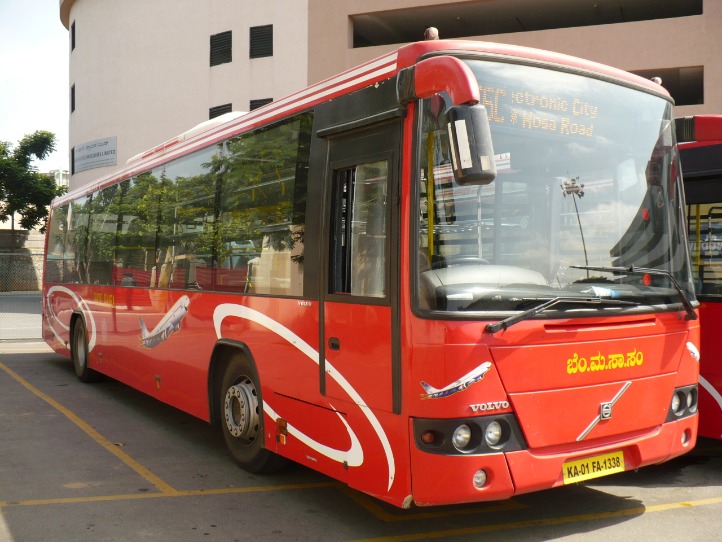
As Europe continues to invest in sustainable transport, bus travel remains a convenient option for travelers who want to reduce environmental impact without sacrificing reach. The evolving mix of express corridors, regional links, and night services ensures that buses remain a practical and popular mode of travel for exploring Europe’s cities, landscapes, and cultural highlights.
Economic and Environmental Considerations
Bus travel in Europe offers a dense network of intercity and cross-border routes that connect capitals, regional towns, and popular tourist destinations. Long-distance coaches, including overnight services, supplement rail and air travel by providing affordable, door-to-door options with flexible schedules.
European bus networks range from international cross-border services to national and regional routes. Well-known international operators and platforms have expanded coverage across many countries, while smaller regional operators provide connections in rural areas. The rise of platform-enabled services has made it easier to compare routes, book tickets, and manage transfers across operators in a single itinerary.
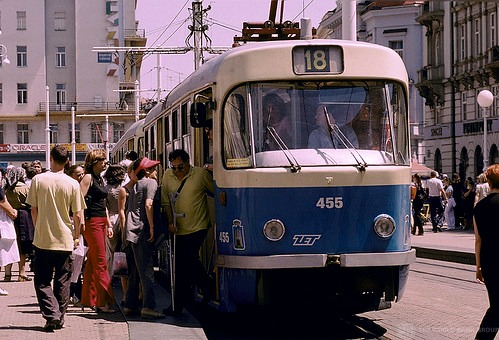
Economically, bus travel often undercuts rail and air options on price, particularly for short to mid-distance trips. Fares can be highly dynamic, with discounts for students, seniors, and early bookings; multi-operator itineraries can be price-competitive when booking multi-leg journeys in advance. On average, buses consume less fuel per passenger-kilometer than planes or private cars when full, but energy efficiency varies by vehicle age and occupancy, influencing total cost and emissions.
Environmentally, buses generally offer lower carbon emissions per passenger-kilometer than planes and many car trips, making them a favorable option for reducing transport-related pollution. The environmental benefits depend on load factors, vehicle technology, and energy source. European policies encourage replacing old diesel buses with low-emission vehicles, electric and hydrogen-powered buses, and the deployment of low-emission zones that steer travel away from dense urban centers.
Technological advances are transforming the experience: electric buses, hybrid options, and increasingly efficient diesel models reduce emissions; cities invest in bus rapid transit, park-and-ride hubs, and cross-border bus terminals to improve reliability. Real-time tracking, mobile apps, onboard Wi-Fi, and accessible services enhance planning and comfort for travelers, including those with mobility needs.
Cross-border travel in Europe benefits from the Schengen area in many routes, but travellers should verify border controls, visa requirements, and baggage policies for specific itineraries. Ticketing across countries is facilitated by aggregators, but separate national regulations on safety standards, driver hours, and road taxes can influence schedules, fares, and service quality.
Challenges include route viability on low-demand corridors, seasonal demand fluctuations, and competition with rail services which can attract more speed-focused travelers. Conversely, for many trips, especially during shoulder seasons or in regions with limited rail coverage, bus travel offers a practical, lower-carbon alternative that supports regional connectivity and tourism.
To optimize a European bus trip: compare routes and total travel time, not just price; consider overnight services to save on accommodation and maximize sightseeing; check luggage allowances and seat reservations in busy corridors; use reputable platforms to avoid scams; and factor into the choice whether reducing emissions or minimizing travel time is more important for your trip.
Overall, bus travel in Europe blends affordability, coverage, and environmental advantages with trade-offs in travel time and service consistency, making it a flexible option for exploring the continent.
Planning Your European Bus Trip
Planning a European bus trip offers a flexible, budget-friendly way to explore iconic cities, scenic landscapes, and hidden gems across the continent. With a mix of fast intercity services and overnight routes, smart planning—booking tickets in advance, checking schedules, and considering passes or regional routes—helps you maximize time and minimize hassle on your bus travel across Europe.
Budgeting and Passes
Planning a European bus trip can be a budget-friendly and flexible way to travel between cities across the continent. With long-distance networks, you can hop between capitals and towns without the need for trains or flights in many cases.
- Map your route first: list cities you want to visit and estimate drive times between them; use route planners on major bus networks to check distances and daily schedules.
- Set a realistic budget: transportation, accommodation, meals, activities, and contingency; buses are usually cheaper than trains but overnight rides can save on lodging.
- Research bus networks and passes: look at major operators (for example, FlixBus, BlaBlaBus, Eurolines networks) and see if they offer passes, multi-ride tickets, or region-based cards; sometimes passes can save money if you plan many trips in a region.
- Book in advance for the best fares: many long-distance routes price seats dynamically; consider overnight buses to maximize travel time and save a night’s lodging.
- Mix in local travel considerations: some cities have excellent regional buses or day-trip options that let you explore the countryside inexpensively.
- Pack smart for bus travel: compact luggage, a neck pillow, a power bank, and snacks; check luggage allowances with your chosen operator.
- Safety and comfort: choose seats with access to exits, check reviews of comfort and punctuality, and be mindful of pickpockets in busy hubs.
Passes and budgeting tips: If you plan many rides in a single region, look for network passes, value bundles, or promotional tickets; compare total costs of individual tickets versus a pass with the number of journeys you expect. Check transfer rules, blackout dates, and whether the pass covers border crossings or requires regionality. For country-to-country trips, sometimes buying tickets per leg and using overnight options yields the lowest price.
Itinerary Design and Time Management
- Define your core route: identify 4–6 anchor cities that form a logical axis (e.g., west to east or north to south) and plan secondary stops around them.
- Estimate travel times using current timetables and add buffer time for transfers, delays, and meals—2–4 hours per connection is a practical cushion in many cases.
- Balance day trips with rest days: avoid back-to-back long travel days and allow for free afternoons to explore or simply relax.
- Prioritize overnight options when feasible: overnight buses or sleeper services can maximize sightseeing time and reduce lodging costs.
- Book strategically: secure long-haul legs early, then fill in shorter hops as plans firm up, leaving some flexibility for changes.
- Account for seasonality and variability: consider daylight hours, festival crowds, and seasonal maintenance on routes when drafting your timeline.
Seasonality and Travel Timing
Planning a European bus trip unlocks a wide network of cities at a lower price point and with a slower pace that lets you soak in the scenery between stops. Long-distance coaches connect capitals and many smaller towns across the continent, offering frequent departures, modern amenities, and flexible schedules that suit varied itineraries.
Seasonality matters more for bus travel than you might expect. In peak summer (roughly June to August) prices rise, seats sell out in advance, and popular routes fill quickly. Shoulder seasons—April to May and September to October—often offer comfortable weather, lighter crowds, and better deals. Winter travel can be cheaper, especially on southern routes, but some services are reduced or limited on routes with fewer passengers. Check each route’s timetable for holiday reductions around Christmas and New Year and around local festivals.
Travel timing tips: book in advance when your route is popular, but stay flexible when possible to chase price drops. Midweek departures (Tuesday to Thursday) and daytime services can be cheaper than weekend or peak-evening departures. Night buses are a popular option to save on hotel costs and maximize sightseeing time, but consider comfort and rest quality. When crossing borders, be mindful of potential delays and carry valid ID or a passport, as a small number of routes still require checks outside the Schengen area.
Plan routes around practical hubs. Europe’s coach networks concentrate around major cities like Paris, Amsterdam, Berlin, Vienna, Prague, Milan, Barcelona, Madrid, and Rome, with feeder routes to smaller towns. Use a route planner or aggregator to compare options, travel times, and prices across operators such as FlixBus, BlaBlaCar Bus, and their partners. Keep in mind that some routes require reservations in advance, while others are walk-up friendly with open seating.
Practicalities matter for a comfortable bus trip. Check luggage allowances and how many bags you can bring, as charging cables and snacks on board are not guaranteed. Bring a compact neck pillow, a light blanket, a reusable water bottle, and a portable charger. Research rest stops and scenic detours along your path, and consider whether you prefer a direct route or a few scenic leg-breaks. If you need reliable Wi‑Fi or charging at your seat, verify these features before booking.
Tools and tactics for saving money: compare prices across operators, set price alerts, and be patient for a good deal. Book early on busy routes, but for some legs last-minute fares can appear. Check cancellation and refund policies, especially with longer itineraries, and understand any hidden costs for seat selection, luggage, or extras. If you’re traveling with a group, look for multi-seat bookings or discounts offered by some operators.
Sample itinerary idea for two weeks in Western and Central Europe by bus: Paris to Amsterdam (2 days), Amsterdam to Berlin (2 days), Berlin to Prague (2 days), Prague to Vienna (2 days), Vienna to Budapest (2 days), then fly or train to your next region. Adapt the pacing to your pace and energy, using night journeys to minimize hotel stays and to wake refreshed in your next city.
Safety and comfort tips: buy tickets from official operator sites or trusted aggregators, download the digital ticket, and keep a printed backup. Stay aware of pickpockets in crowded stations and on board, keep valuables secure, and choose seats with the best balance of legroom and proximity to restrooms. Have a plan B in case a route is delayed or canceled, and ensure you have travel insurance and essential documents accessible.
Bus Operators and Networks in Europe
Across Europe, bus travel is powered by a dense tapestry of national and regional operators, cross-border services, and international coach networks that stitch together cities, towns, and rural areas. Modern networks offer frequent intercity connections, affordable regional routes, and integrated ticketing, with central hubs along major corridors enabling seamless journeys for commuters and travelers while adapting to evolving mobility trends and sustainability goals.
National, Regional, and Express Carriers
Bus travel in Europe connects thousands of towns and cities through a mosaic of national networks, regional services, and international express carriers. Travelers can move efficiently between capitals and smaller towns, often at competitive prices with trains and flights. The system is built from three layers: national long-distance services, regional and local networks coordinated by transport authorities, and cross-border intercity coaches that stitch together Europe’s cities.
National or country-wide intercity coaches deliver long-distance connections within a single country. In the United Kingdom, National Express operates a broad network of long-distance routes; in Spain, ALSA runs extensive domestic routes linking major cities with feeder services to regional rail. In Austria, ÖBB Postbus (the bus arm of the national rail group) serves rural and regional corridors, complementing rail services. Across Europe, many national operators blend with international networks to serve both domestic and cross-border journeys.
Regional carriers and local operators form the backbone of access to rural areas and smaller towns. They typically work under regional transport authorities and publicly funded networks that set timetables, integrate fares, and coordinate with rail services. In many countries, private bus companies operate alongside publicly owned or subsidised services, with the regional transport association (Verkehrsverbund) coordinating ticketing and timetables to create seamless travel within a region.
Express intercity carriers focus on point-to-point links between major hubs, often with fast travel times, simple pricing, and heavy use of modern coaches. FlixBus is the dominant pan-European network, offering routes across dozens of countries with a single booking platform and standardized amenities. Other players include Megabus and various national operators that run cross-border routes, sometimes under umbrella brands such as Eurolines or regional partnerships. The result is a dense web of cross-border connections that makes bus travel a practical alternative to trains and flights.
Ticketing in Europe increasingly happens through digital platforms that aggregate schedules from multiple operators. The FlixBus app and website are widely used for booking long-distance journeys, while aggregator sites such as Omio (GoEuro) help compare routes across different carriers. Regional and national services may also offer online booking and mobile tickets, with integrated smart cards in some regions to unify fares across operators.
European bus networks are expanding their sustainability credentials with electric, hybrid, and natural-gas buses on many routes. Cities and operators invest in charging infrastructure and more efficient timetable planning to cut emissions and improve reliability. On-board amenities such as Wi-Fi and power outlets are common on Express coaches, making long journeys more comfortable for students, commuters, and budget travelers.
Tips for travelers: check cross-border validity of tickets, understand luggage allowances, and consider seat reservations for popular routes. Book in advance for the best fares on popular corridors; allow extra time for border controls in non-Schengen contexts; and verify accessibility if a passenger has mobility needs. If you plan to combine rail and bus, ensure timetables align and consider regional pass options if available.
In summary, Europe’s bus networks offer a versatile, often affordable way to reach a wide range of destinations. From nationwide carriers to regional networks and international express operators, travelers can craft flexible itineraries that complement trains, flights, and car travel, while enjoying modern conveniences and increasing sustainability.
Intercity and International Routes
Bus travel in Europe offers one of the continent’s most extensive networks for intercity and international journeys, featuring a mix of pan‑European operators and national carriers. Over the past decade, long-distance coach services have grown rapidly, providing affordable, frequent connections between capitals, major hubs, and many smaller towns across dozens of countries.
FlixBus stands out as the largest pan‑European operator, building a broad network that spans Western, Central, Northern, Southern, and increasingly Eastern Europe. The model relies on standardized coaches and a franchise‑style approach with local partner operators. Tickets are sold online via the FlixBus app and website, with dynamic pricing and real‑time updates. On many routes, services include free Wi‑Fi, power outlets, and comfortable seating, with optional seat reservations on longer journeys. FlixBus connects major capitals and regional centers, and its footprint has grown to cover a wide array of cross‑border links in Europe.
BlaBlaCar Bus, previously known as Ouibus, is another major pan‑European option. Backed by the BlaBlaCar ride‑sharing platform, BlaBlaCar Bus operates cross‑border routes across numerous European countries with a focus on straightforward pricing and reliable service. The network often overlaps with FlixBus, giving travelers a choice of providers on the same routes and enabling price comparisons and flexible scheduling across multiple markets.
Beyond the two largest brands, Europe’s international coach scene includes regional operators that complement the big networks. Historically, the Eurolines brand linked many cities across Europe; in recent years, much of that coverage has migrated to the FlixBus and BlaBlaCar Bus networks, while remaining local operators continue to serve specific corridors. In Central and Eastern Europe, regional players such as RegioJet offer day and night services that connect Prague, Vienna, Bratislava, Berlin, and neighboring markets, adding depth to the cross‑border travel map. These networks collectively create dense coverage for distances ranging from a few hours to overnight journeys.
Intercity and international routes in Europe tend to cluster along well‑established corridors. Common day routes connect Paris–Berlin, Paris–Amsterdam, Madrid–Lisbon, London–Paris–Brussels, Milan–Zurich, and Vienna–Budapest, while longer international hops allow travelers to reach Madrid, Lisbon, Berlin, Warsaw, and other capitals in a single day or overnight ride. Night buses remain popular for saving on hotels and maximizing daytime exploration, with some networks offering sleeper/semi‑sleeper options on longer runs and cross‑border services that simplify multi‑city itineraries.
Booking and ticketing across these networks is increasingly streamlined. Many travelers use multi‑operator platforms such as booking apps and aggregators to compare times and prices, then purchase from the operator that best fits their schedule. Operators typically offer mobile apps and web portals for ticketing, seat selection on certain routes, and real‑time travel updates. Luggage policies and onboard amenities vary by operator and route, so travelers should verify allowances and restrictions before departure.
When planning a European coach trip, consider several practical points: book in advance to secure the best fares and preferred seats, especially on popular corridors; check whether a route requires a seat reservation and whether overnight journeys suit your comfort needs; review luggage rules and accessibility options if needed; and be aware of cross‑border travel requirements and time zones that may affect connections. Overall, Europe’s bus networks provide a flexible, cost‑effective way to explore a wide range of destinations, from major cities to lesser‑known towns, with convenient cross‑border links that complement the continent’s rail and air options.
Budget vs. Premium Services
Across Europe, bus travel connects cities from major capitals to smaller towns through a mix of budget operators and premium-brand networks, with cross-border ticketing becoming increasingly seamless thanks to integrated platforms.
- Budget services focus on price-conscious travelers. They typically offer low base fares, extensive route coverage, and frequent promotions. Fares are dynamic and bookable via mobile apps or websites. Baggage policies vary and may require extra fees for larger bags; onboard amenities like Wi‑Fi can be limited or charged separately. Travel times may be longer due to more stops, but the large networks provide broad options.
- Premium services emphasize comfort and reliability. They often feature larger seats, more legroom, reserved seating, quieter buses, fewer stops, and better onboard amenities such as power outlets or snacks. Schedules tend to be more predictable, and customer service is usually stronger, with clearer refund policies and dedicated support.
- Cross-border networks: Many routes cross national borders. Operators cooperate on through-tickets, unified price structures, and timed connections at major hubs. Booking platforms often show international itineraries in a single checkout, making multi-country trips simpler.
- Booking and price considerations: Compare total trip time, number of transfers, luggage allowances, cancellation policies, and reliability histories. Budget fares can be cheaper up-front but may incur extra costs for bags or changes; premium fares cost more but tend to save time and reduce stress on connections.
- Travel tips: Book early for the best prices; use flexible date searches; check seat selection and luggage rules; read recent rider reviews for cleanliness and punctuality; consider night buses to save on accommodation; verify pickup/drop-off points as they can differ from rail stations.
- Regional variations: Western and Central Europe host dense networks in Germany, France, the UK, and the Benelux; Southern Europe connects Spain, Italy, Portugal with frequent cross-border services; Central and Eastern Europe are expanding networks, improving cross-border schedules and multi-country tickets.
Whether you travel budget or premium, planning ahead and comparing routes will help you get the best value for your European bus trips.
Booking, Tickets, and Payment Methods
Discover Europe by bus with simple booking, clear ticket options, and flexible payment methods. You can compare routes between capitals and regional hubs, reserve seats in advance, and receive your tickets as e-tickets, mobile passes, or print-at-home docs. When paying, you’ll usually have cards, digital wallets, or bank transfers, with some carriers offering multilingual support and currency options to accommodate international travelers.
Online Platforms and Aggregators
Planning bus travel across Europe involves comparing routes, securing tickets, and choosing reliable payment methods. This guide covers Booking, Tickets, and Payment Methods, Online Platforms and Aggregators to help you navigate the European bus network.
- Booking and tickets
- Direct operator sites such as FlixBus and Eurolines often offer seat selection, mobile tickets, and loyalty perks.
- Online aggregators like Omio, Busbud, and GoEuro compare times, prices, and routes across multiple operators, sometimes with exclusive fares.
- Ticket delivery is typically via e-ticket or QR code for scanning on the bus, with optional printed copies where required.
- Refunds and changes vary by operator and fare type; flexible fares cost more but allow changes with minimal penalties.
- Payment methods
- Most platforms accept credit and debit cards, and some support PayPal, Apple Pay, or Google Pay for quick checkout.
- Prices are usually shown in the local currency or the platform’s default currency; avoid dynamic currency conversion if possible to prevent extra fees.
- Ensure you are on a secure site or app, avoid public WiFi when entering payment details, and keep your confirmation email or barcode handy.
- Online platforms and aggregators
- Aggregators help compare routes, durations, departure times, and total costs across multiple operators in one search.
- Be aware of additional fees such as luggage charges, seat reservations, or city tax when calculating the final price.
- Read reviews about punctuality and service quality, and check the operator’s cancellation and support policies before booking.
- Language options and customer support availability are important for nonlocal travelers, so choose platforms with clear help articles and contact channels.
Whether you prefer direct bookings with operators or comparisons on aggregators, a little preparation saves time and money on European bus trips.
Ticket Types and Fare Rules
Booking a bus trip across Europe involves choosing routes, fares, and payment options that fit your itinerary and budget. This article covers Booking, Tickets, and Payment Methods, as well as Ticket Types and Fare Rules for European bus travel.
- Booking platforms and process
- Operator websites and mobile apps offer direct bookings with real-time seat availability.
- Travel aggregators can compare routes, times, and prices across operators.
- Tickets are usually issued as e-tickets or mobile tickets; printouts may be accepted by some operators.
- Tickets and payment methods
- Common payment methods include credit and debit cards, digital wallets (such as Apple Pay or Google Pay), and sometimes bank transfers.
- Cash payments are increasingly rare online but may be possible at certain ticket offices or on some routes.
- Always check refund and modification options before purchasing.
- Ticket types and fare rules
- Single/One-way tickets for point-to-point journeys, and return or round-trip options where available.
- Open-ended or multi-ride passes for multiple trips within a period, useful for city-to-city travel across a region.
- Seat reservations may be required on long-distance routes; some fares include reserved seating while others are open seating.
- Fare rules cover changes, cancellations, name changes, and refunds; discounted fares often have stricter rules and more restrictions.
- Luggage allowances and restrictions vary by operator; check allowed bags and any extra charges for larger items.
- Tips for European bus travel
- Book in advance for popular routes and peak travel times to secure best fares and seats.
- Compare terms for refunds and changes; flexible fares can save money if plans are uncertain.
- Verify border crossing requirements and any travel advisories that could affect schedules.
Cancellation and Change Policies
Booking, tickets, and payment methods for bus travel across Europe vary by operator, but most major routes offer user-friendly online booking, mobile apps, and at-station counters. This guide summarizes typical options and common cancellation and change policies.
- Booking process
Steps usually include searching for routes, selecting a date and seat type, entering passenger details, reviewing the fare, and confirming the purchase. After payment, you typically receive an e-ticket by email or in-app, which you can display on your phone or print at home. Some operators also offer group bookings or corporate accounts.
- Tickets and types
Tickets are commonly delivered as e-tickets or mobile tickets. Fare types may include standard, flexible, and discounted options (student, youth, senior, or group). Flexible fares usually allow changes or cancellations with reduced or no penalties, while non-refundable tickets are cheaper but strict. Seat selection policies vary; some operators charge extra for seat selection or require additional fees for reserved seating.
- Payment methods
Most operators accept major credit and debit cards, digital wallets (Apple Pay, Google Pay), and sometimes PayPal. Some routes also support bank transfers or partner payment platforms. In some cases, you may see “pay later” or installment options. Ensure your payment page uses a secure connection and keep a copy of your payment confirmation.
- Cancellation policy
Cancellation terms differ by fare type and operator. Flexible fares may offer full or partial refunds, while non-refundable fares typically do not. Cancellations are usually processed back to the original payment method within several business days. During peak seasons, penalties may be higher, and some routes may have stricter rules for cancellations close to departure date.
- Change policy
Changes to date, time, or route are often allowed on flexible fares and some standard fares for a fee or fare difference. Last-minute changes may be restricted or incur higher penalties. Changes are usually completed by the original booking channel, whether online, via app, or at a service desk. Always check deadlines for changes before departure.
Routes and Destinations to Know
Routes and destinations to know when traveling by bus in Europe open up a tapestry of city breaks and scenic escapes. From fast cross-border corridors linking major capitals to regional routes that reveal overlooked towns, planning around reliable networks, night buses, and border-friendly services can save time and money. Popular routes like London to Paris, Berlin to Prague, Madrid to Barcelona, and Rome to Florence are just the start, with countless regional connections that let you explore both well-trodden trails and hidden gems.
Popular Cross-Border Routes
Bus travel across Europe offers affordable routes that connect major capitals with scenic cross-border corridors, making it easy to hop from one culture to another without a flight. This guide highlights Routes and Destinations to Know for popular cross-border journeys that many travelers choose when exploring Europe by bus.
West and North Europe routes are among the most active. London to Paris is a classic cross-border run, with daytime and overnight options that typically take roughly 7 to 9 hours. Paris to Amsterdam links two major capitals in about 6 to 9 hours on various coaches, while Amsterdam to Berlin provides a direct link across central Europe in roughly 7 to 9 hours depending on the service and border stops.
Central Europe centers on efficient, compact hops. Berlin to Prague is a favorite for night and day services, usually around 3.5 to 4 hours. Prague to Vienna follows with about 3 to 4 hours of travel, and Vienna to Budapest offers one of the shortest long-haul links in the region at roughly 2.5 to 3 hours. These routes are popular for quick city breaks, university trips, and weekend getaways.
Iberian routes bring Spain and Portugal closer together. Madrid to Lisbon is a long but common cross-border journey, typically around 6 to 9 hours depending on the service and stops; the reverse Lisbon to Madrid is similar. These routes open access to the Atlantic capitals without a flight, with overnight options available on some services.
Alpine and neighboring cross-border corridors connect Italy, Switzerland, France, and beyond. Milan to Zurich is a well-used path in about 4 hours, while Geneva to Milan runs in roughly 4 to 5 hours. Paris to Geneva is another frequent cross-border link at around 4 to 5 hours, and Zurich to Munich crosses Switzerland into Germany in about 4 to 5 hours. These routes are popular for scenic transitions through the Alps and for linking culinary capitals with financial hubs.
There are longer cross-border journeys that pair distant cities for travelers who want to cover more ground by bus. London to Berlin can take about 9 to 12 hours depending on the day and stops. Paris to Barcelona is a longer cross-border route spanning roughly 10 to 13 hours, while Madrid to Paris can run around 10 to 14 hours. Night buses on these routes are common, offering savings on accommodation and a chance to maximize daytime sightseeing.
When planning cross-border bus travel in Europe, check the operator networks (such as FlixBus and regional carriers), note the border crossing times, and confirm whether overnight services are available. Booking in advance often yields better prices, and flexible tickets can help if plans change. Consider overnight trips for long-haul routes to save on both time and lodging costs, and use city-center pickup and drop-off points to minimize extra transfers.
Capital to Capital Routes
Bus travel across Europe is a cost-effective way to hop between capitals and discover diverse landscapes. Modern coaches offer frequent departures, comfortable seating, Wi‑Fi on many services, and scenic routes that often beat the train on price.
Routes and Destinations to Know include major corridors that connect capitals across Western, Central, Southern, and Northern Europe. Western Europe centers like London, Paris, Brussels and Amsterdam create dense, frequent services. Central Europe links such as Berlin, Vienna and Prague offer reliable daytime and overnight routes. Southern Europe ties Madrid, Lisbon and Rome together, while Northern routes connect Oslo, Stockholm and Copenhagen. Night buses are especially popular along longer distances, letting travelers save on accommodation while enjoying steady schedules.
Capital to Capital Routes
London to Paris: Typical journey time is about 7–9 hours by day service, with night buses sometimes taking about 9–11 hours depending on border checks and stops.
Paris to Berlin: A direct daytime or overnight coach typically runs around 8–12 hours, depending on the route and traffic.
Madrid to Lisbon: Expect roughly 6–8 hours for a direct daytime ride, with occasional longer or overnight options.
Rome to Paris: Long-distance routes can take around 14–20 hours, with overnight options letting you travel while you sleep.
Brussels to Amsterdam: A quick hop of about 2–3 hours, making it one of Europe’s shortest capital-to-capital bus connections.
Vienna to Budapest: Usually 2–3 hours, a popular daytime segment in Central Europe’s rail-and-bus network as well.
Berlin to Prague: Roughly 4–5 hours by direct service, a common cross‑border link in Central Europe.
Oslo to Stockholm: Typically around 5–7 hours, with night services offering alternative schedules.
Copenhagen to Stockholm: About 6–7 hours, with frequent daily departures on major bus networks.
Prague to Vienna: Around 3–4 hours on direct routes, connecting two historic capitals via efficient cross‑border buses.
Tips for Capital to Capital Routes: Book in advance on popular routes, consider night buses to save on accommodation, compare luggage allowances, and check border requirements or visa considerations where applicable. Major operators include FlixBus and BlaBlaCar Bus, with local partners offering regional services that sometimes extend beyond these capitals.
Destinations and route planning for Europe’s capitals can be layered with scenic landscapes, budget-friendly fares, and practical travel times. Whether you’re chasing quick hops or overnight adventures, buses provide flexible options to connect Europe’s heartlands without the rail crowds.
Scenic and Offbeat Routes
Bus travel across Europe opens up a vast map of routes and destinations, connecting bustling capitals with quaint towns and landscapes you can only reach by road. Long-haul coaches offer affordable fares, overnight options, and the freedom to wake up in a new city without worrying about trains or flights, making it easy to stitch together a multi-city itinerary.
Routes and destinations to know include iconic cross-border connections such as Paris to Amsterdam, Amsterdam to Berlin, and Berlin to Prague, which link some of Central Europe’s must-see cities. From Vienna to Budapest you’ll ride between two architectural capitals, while Madrid to Barcelona and Madrid to Lisbon showcase Spain’s and Portugal’s varied scenery. Northern routes like Copenhagen to Stockholm and Milan to Geneva illustrate how a single ticket can span multiple landscapes, from frost-dusted coastlines to Alpine foothills.
Scenic routes deserve a dedicated mile marker, because the journey itself becomes the memory. Basel to Interlaken passes through the Swiss Alps via the Gotthard corridor, delivering views of lakes, valleys, and snow-dusted peaks. The Danube valley between Vienna and Salzburg presents rolling hills and river glimpses that feel cinematic, and Lyon to Nice threads a route along the Rhône and into the foothills of the Alps with Mediterranean light on the horizon. Other memorable stretches include Prague to Karlovy Vary for Bohemian forests, and Milan to Lake Como where the lake towns rise like postcards along the water.
Offbeat routes reveal quieter corners of Europe you might miss on a train schedule. Zagreb to Plitvice Lakes is a gateway to Croatia’s famous national park, while Split to Dubrovnik offers coastal scenery and cliffside villages along the Adriatic. Ljubljana to Lake Bled provides a compact Alpine escape with easy day trips, and Prague to Cesky Krumlov wheels you through forests and medieval towns that feel suspended in time. Southeast routes like Sarajevo to Mostar in Bosnia and Herzegovina expose rugged mountains and Ottoman-era towns that give a deeper flavor to the continent beyond the usual capitals.
Tips for making the most of European bus routes: compare overnight options to save on lodging, check luggage allowances and seat reservations, and use mobile apps or printed timetables to track border checks and platform changes. Booking ahead can secure better fares in peak seasons, and staying flexible lets you swap destinations if weather or schedules shift. With a little planning, bus travel becomes a cost-effective, scenic, and offbeat way to experience Europe’s diverse regions in one memorable journey.
Onboard Experience and Travel Essentials
Embarking on a European bus journey blends practical travel with moments of scenic discovery, and understanding the onboard experience alongside essential packing tips sets the trip up for success. Modern intercity coaches often offer comfortable seating, quiet cabins, Wi-Fi, power outlets, and generous luggage allowances, while regional services may vary. Packing smart means lightweight, versatile items: a compact neck pillow, a refillable water bottle, snacks, a portable charger, a universal plug adapter, a small daypack, and copies of your tickets and IDs. From boarding tips to choosing routes and staying comfortable on long stretches, this guide introduces the essentials for bus travel across Europe.
Onboard Amenities and Comfort
Traveling by bus across Europe blends affordability with the chance to glimpse landscapes between cities. A thoughtful onboard experience, plus the right travel essentials, makes long rides comfortable and enjoyable as you hop from the Alps to the Atlantic coast.
Onboard experience in European coach networks focuses on comfort and efficiency. Modern long-distance buses offer roomy seats with adequate pitch, ergonomic headrests, and adjustable recline, helping you settle for hours. Quiet cabins, reliable climate control, and clean restrooms contribute to a smoother journey. Clear multilingual announcements and helpful crew support reduce travel stress, while punctual departures and predictable schedules are valued by travelers who plan tight connections.
As you choose your route, look for amenities that matter most: free Wi-Fi to stream or work, power outlets or USB ports at seats for charging devices, and accessible restrooms on board. Some operators provide complimentary bottled water or light snacks, and many buses offer personal reading lights and dark curtains for enhanced rest. Plenty of storage space in overhead racks and undercarriage compartments helps keep your belongings secure and accessible.
To maximize comfort, dress in layers and bring a lightweight travel blanket or shawl for variable European climates. A neck pillow, eye mask, and earplugs can improve sleep on overnight legs. Pack a small travel kit with hand sanitizer, wet wipes, and any medications you rely on, plus a refillable water bottle and healthy snacks to avoid long delays at stops.
Essential documents and arrangements for European bus travel include a valid passport or ID, any required visas, travel insurance, and copies of reservations. A regional SIM card or eSIM ensures you can navigate with offline maps and stay reachable. Have an itinerary with border-crossing plans, ticket numbers, and contact details for your accommodation. A portable charger, universal plug adapter, and a backup map or printouts provide redundancy if connectivity drops.
Most European bus services allow a carry-on and a larger suitcase stored in the baggage hold. Pack light but complete: one versatile outfit per day, comfortable walking shoes, a compact rain jacket, and a compact towel if you plan to return from a lake or coast. Keep valuables in your carry-on and a small daypack within easy reach for stops. Remember to label bags and know the luggage limits for your provider.
Safety aboard is a joint effort: fasten seat belts where offered on highways, keep aisles clear, and respect quiet hours on overnight services. Be mindful of fellow passengers’ space, use headphones for media, and store luggage securely to avoid shifting during motion. Always follow crew instructions at border checkpoints and during service changes.
Major European operators strive for accessible travel, with wheelchair-friendly spaces, priority seating, and assistive boarding devices where available. If you need specific accommodations, contact the operator in advance and select seats that best fit your accessibility requirements. Families with young children can benefit from bulkhead seats and dedicated spaces on some coaches.
Choosing routes that suit your itinerary helps enhance the onboard experience. Overnight services save time and hotel costs, while daytime journeys let you soak in the scenery from rolling hills to coastlines. Compare operators such as major pan-European networks and regional providers to balance price, frequency, and comfort. Be aware that border rules can vary; many European routes operate without passport checks inside the Schengen area, but border controls may appear on certain routes or at night.
With the right preparation, bus travel across Europe can be a comfortable, affordable, and scenic way to explore multiple cities. The combination of comfortable onboard amenities and practical travel essentials keeps you rested and ready to explore your next destination.
Luggage Rules and Packing Tips
Bus travel across Europe combines budget-friendly fares with frequent routes, allowing travelers to hop between capitals and charming towns while enjoying varying landscapes from Alpine passes to coastal plains.
Onboard experience varies by operator, but most long-distance coaches offer comfortable seating with adjustable headrests, decent legroom, and a smoother ride than some older buses. Many services provide Wi‑Fi, power outlets at seats, and clean restrooms; you’ll often encounter quiet zones and timely rest stops every few hours to stretch your legs and buy refreshments.
Travel essentials help you stay comfortable and organized. Pack a lightweight jacket, a travel pillow, eye mask and earplugs, and your favorite headphones for entertainment. Bring snacks and a refillable water bottle, plus a universal charger or power bank. Have copies of reservations and important documents on your phone or printed, plus some local currency and a card for purchases.
Luggage rules vary by company and route, but the typical policy in Europe allows at least one large suitcase (often around 20 kg) plus a smaller carry‑on bag. Extra bags or overweight luggage may incur fees. Always check the operator’s luggage limits before you travel, label your bags, and keep valuables with you in a daypack; remember that luggage is usually stored in a separate hold or overhead compartments and not in the passenger cabin.
Packing tips to lighten your load: roll clothes instead of folding, use packing cubes, and choose versatile layers for different weather. Focus on a few neutral outfits, comfortable walking shoes, a compact rain jacket, and a compact toiletries kit with travel-sized bottles. Pack medications, basic first aid items, a small sewing kit, and backups of important documents. If you use electronics, bring adapters suitable for European outlets and a small charger cable set.
Finally, plan your day to make the most of your ride. Book seats with extra legroom if available and download offline maps or entertainment for long stretches. Arrive at the stop early to find the correct platform and keep your belongings close to you at stations. Have a flexible itinerary, but confirm the bus number and arrival time at your destination to minimize surprises.
Connectivity, Power, and Entertainment
Bus travel across Europe opens up a vast, budget-friendly network that links capitals, coastlines, and mountains with frequent departures and reasonable journey times. From overnight sleeper routes in the Alps to daytime hops along the Baltic coast, you can tailor comfort by choosing a basic, classic coach or a newer, more spacious model. The onboard experience varies by operator and vehicle, with newer buses offering reclining seats, extra legroom, and tidy toilets, while older fleets may feel more compact. Crossing borders can involve passport checks and occasional delays, especially outside the Schengen area, so always carry your passport and reservation details.
Onboard Experience and Travel Essentials: Expect courteous service, clean aisles, and climate control that you can adjust within reasonable limits. If seats are assigned, find your number and settle in quickly to avoid blocking the aisle. Travel light but ready for long hours: bring a small daypack you can keep under your seat, a refillable water bottle, snacks, a light jacket for air conditioning, a neck pillow and eye mask for rest, and basic toiletries in a clear bag. Have copies or digital access to your ticket, reservation codes, and any visas or passport pages you might need, plus a credit card or euros for snacks and reservations at stops.
Connectivity: On many long-distance European buses you will find free or paid Wi-Fi, but speed and stability can be inconsistent on rural routes or in tunnels. You’ll likely be able to check messages or stream lightly, but plan to download offline maps and entertainment before you travel. If you rely on data abroad, consider an eSIM or a local SIM and keep roaming turned off to avoid surprises, and bring headphones so you can enjoy private listening without disturbing others.
Power: USB charging ports are increasingly common at individual seats, and some coaches offer 230-volt sockets, though availability is not universal. Don’t assume every seat has power, so charge devices fully before boarding and carry a compact power bank for overnight legs. Pack spare charging cables and adapters suitable for European sockets if you have nonstandard plugs.
Entertainment: Options vary from in-seat screens showing films and music to nothing but a silent cabin with occasional announcements. If you want to stay entertained, download films, podcasts, or books in advance, bring your own headphones, and bring a lightweight e-reader or tablet. A quiet carriage or family-friendly sections may be available on some services, so check the operator’s app or website for details before you move.
Food, Rest Stops, and Sleeping Arrangements
Traveling by bus across Europe offers a budget-friendly, flexible way to hop between cities and soak in landscapes from the Alps to the Baltic coast. The onboard experience varies by operator, route, and whether you’re on a daytime ride or a long overnight journey, but with smart packing and a few tips you can ride comfortably from Madrid to Copenhagen.
Onboard essentials include a small daypack you can carry in the cabin, your passport or ID, tickets, and any visas you might need. Bring a reliable charger and a power bank, plus a universal adapter for different plugs across countries. Pack a light jacket or sweater, a warm layer for chilly evenings, and a rain shell. A refillable water bottle, a handful of snacks, medications, a basic first-aid kit, hand sanitizer, tissues, and earplugs or noise-cancelling headphones help the ride go smoothly. A neck pillow and an eye mask can turn a long trip into a more restful one.
Food on European buses is typically limited, especially on shorter routes. Some longer intercity routes may offer a small snack service or drinks, but most travelers rely on service areas at rest stops. Pack durable snacks like fruit, nuts, crackers, and energy bars, and keep a water bottle handy. When you reach major hubs, you can grab coffee, a pastry, or a quick meal. If you have dietary needs, check the operator’s website in advance and consider bringing foods that travel well.
Rest stops on long journeys usually come every 2–4 hours at service areas with restrooms and eateries. Use these breaks to stretch your legs, hydrate, and reset your posture. On international routes, border checks may occur; sometimes you’ll stay on the bus, other times you’ll disembark briefly for checks. Keep valuables close and be mindful of departure times so you don’t miss the next leg of your journey.
Sleeping arrangements on overnight European buses are generally reclining seats rather than actual beds. Some premium coaches offer extra legroom or quiet zones, but most travelers should not expect a bed-like experience. To sleep better, choose a seat toward the middle of the bus away from doors and the engine, bring a travel pillow, a light blanket, and use an eye mask and earplugs. Wear comfortable clothing, avoid heavy meals before sleep, and consider popping in a light scarf or shawl to create a personal, cozy cocoon.
Tips for planning include comparing routes and booking windows across operators like FlixBus, Eurolines, and regional companies. Book early to secure a preferred seat and better prices, especially for overnight trips. Check luggage allowances—most buses allow one large bag in the hold and a small bag in the cabin—but pack light enough to manage stairs and overhead racks. Have digital copies of tickets on your phone, and download offline maps and language basics in case of spotty connectivity. Knowing a few phrases in the local language can also ease border or city transfers.
With thoughtful packing, clear expectations about seating and rest stops, and a flexible attitude, bus travel across Europe can be a comfortable, social, and scenic alternative to trains and flights.
Safety, Regulations, and Accessibility
Across Europe, bus travel is guided by safety-minded regulations and inclusive design that help every journey feel reliable and accessible. European standards set vehicle safety, driver hours, and route transparency, with regular inspections to ensure service quality. Buses increasingly feature low floors, ramps, accessible seating, and clear information to welcome passengers with mobility or sensory needs.
Identity, Documentation, and Border Rules
Bus travel across Europe offers affordable, flexible ways to see the continent, with a wide network of routes linking major cities and smaller towns. To make the most of it, travelers should be aware of safety practices, the regulatory environment, accessibility options, and the rules around identity, documentation, and borders.
Safety on European coaches combines well maintained vehicles, professional drivers, and clear passenger guidance. Most modern coaches are equipped with seat belts, emergency exits, fire extinguishers, and first aid kits. Drivers receive training on road safety, customer service, and handling emergencies, and they observe driving and rest rules designed to reduce fatigue. Passengers should follow crew instructions, wear seat belts where provided, keep aisles clear, and report any safety concerns to staff.
Regulations governing bus travel in Europe balance market access with passenger rights. The European Union sets rules on international coach services, including access to the market for operators, information requirements, and protections for travelers. Regulations also cover driving times, rest periods, vehicle maintenance, and licensing of operators. In addition, there are passenger rights rules that require timely information about delays and cancellations and provide compensation or assistance in certain cases. Always check your ticket and the operator’s terms for specifics.
Accessibility is a growing priority, with many operators offering low floor buses, ramps or lifts, and spaces for wheelchairs or mobility devices. Not all routes or vehicles are fully accessible, so it is important to book in advance and inform the operator of any mobility needs. When accessible seating is available, staff can help with boarding and seating arrangements, and some services provide audible announcements and alternative formats for travellers with visual or hearing impairments.
Travellers should carry valid identification. EU citizens can usually travel with a national identity card within Schengen, while non EU travellers typically need a passport and, where required, a visa. Children and minors may have additional rules or consent requirements for travel, especially on international journeys. It is wise to keep digital copies of documents as well as the originals, and to check entry requirements for each country on your route.
Border rules depend on the route. Inside the Schengen Area, border checks are rare but can occur, and travellers should carry ID and be prepared for possible checks. When crossing into non-Schengen countries (for example, the UK, Ireland, or some Balkan routes), passport control may apply, and visa or entry requirements may be in place. Border formalities can cause delays, so plan extra time for long journeys and verify entry rules with the operator before travel.
Before you travel, review the operator’s safety record, accessibility options, and any border or visa requirements for your itinerary. Arrive early, keep essential documents handy, and have a flexible plan for delays or substitutions. By understanding safety, regulations, accessibility, identity, documentation, and border rules, you can enjoy a smoother, safer bus trip across Europe.
Road Safety and Driver Regulations
Bus travel in Europe places safety, regulations, and accessibility at the core of the passenger experience. Across the continent, modern coaches and intercity buses are built to high safety standards and are governed by EU-wide rules that member states implement in national law.
Vehicle safety and regulation: EU type approval ensures buses meet structural integrity, braking, steering, and crash safety requirements before they can operate in member states. Regular technical inspections are required to keep fleets roadworthy, and operators must maintain proper maintenance records. On-board safety equipment such as anti-lock braking systems and electronic stability control, clear emergency exits, and well-marked safety procedures are standard in modern buses, with seat belts commonly installed and their use emphasized for passenger safety where present.
Accessibility: European travel is increasingly accessible. Low-floor buses, entry ramps or lifts, spaces for wheelchairs, priority seating, and clear visual and audible information help travellers with reduced mobility, seniors, and families with children. Transport operators follow accessibility directives and best practices to provide accessible ticketing, information at stops, and trained staff to assist passengers with varying needs.
Road safety and driver regulations: Drivers must comply with EU rules on working hours and driving time to prevent fatigue. The driving time limits and mandatory rest periods are supported by tachographs that record duty and driving periods. Many operators require a Certificate of Professional Competence for drivers, with ongoing training on safety, customer service, and disability awareness. Regular roadworthiness checks, adherence to speed limits, and safe driving practices help ensure safer journeys, including on cross-border routes managed under harmonized standards.
Passenger safety and information: Operators provide clear safety instructions, visible emergency exits, and well-maintained interiors. Multilingual safety announcements, accessible route information, and real-time updates at stops reduce confusion and support safe boarding and alighting. In the event of incidents, passengers are advised to follow crew directions and use emergency procedures appropriately.
Conclusion: When traveling by bus in Europe, you benefit from robust safety standards, comprehensive driver regulations, and growing accessibility features. By choosing reputable operators with transparent safety credentials, maintenance records, and accessible services, travelers can enjoy secure, inclusive, and convenient journeys across the continent.
Accessibility Options for Travelers with Disabilities
Bus travel across Europe combines a dense network with strong safety standards and growing accessibility features. This overview covers Safety, Regulations, and Accessibility and highlights options for travelers with disabilities when planning trips by bus in Europe.
Safety on European buses is supported by harmonized technical rules, regular vehicle inspections, and professional driver training. Modern coaches undergo routine maintenance, mandatory functional checks, and periodic safety audits. Operators follow speed, braking, and collision avoidance standards; emergency exits, fire extinguishers, first-aid kits, and passenger information in emergencies are standard. For international journeys, bus companies also coordinate with border control and security procedures to ensure a smooth and secure trip.
Passenger rights for bus travel in Europe are protected by EU and national regulations. The key EU rule is Regulation (EC) No 181/2011 on rights of passengers in bus and coach transport, which requires clear information about services, non-discrimination, assistance for travellers with disabilities, compensation in certain cases, and accessible complaints procedures. National regulators enforce these rules, and some countries have additional protections for unaccompanied minors, delays, cancellations, and accessibility standards. When booking, look for information about available assistance, seating policies, and who to contact if help is needed at the departure point or during the journey.
Accessibility on European buses includes vehicle features and service practices designed to help travellers with disabilities. Many long-distance and urban coaches now use low-floor designs, kneeling or ramp access, fold-out or lift-assisted entry, and dedicated wheelchair spaces with secure points. On-board features often include priority seating, audible and visual stop announcements, door-to-door information, and in some cases accessible toilets. Some operators provide transport to and from stations with staff assistance. Ticketing and travel information systems increasingly include accessible formats or options for screen reader compatibility and braille or large-print materials.
To use these options, plan ahead. Contact the operator to request accessible assistance at least 24 to 48 hours before travel where possible. Many European operators offer pre-boarding support, help with boarding ramps, and guidance about seating arrangements. When booking, ask about seating with space for a wheelchair, how the wheelchair must be secured, and whether a companion can travel free or at a reduced fare. Check station accessibility, step-free routes, and whether tickets can be issued in accessible formats. In-journey features such as a PA system with clear announcements, visual displays, and service animal policies are also important considerations. For travellers who use service dogs, verify policies with the operator in advance, as they can vary.
Because accessibility and safety provisions vary by country and operator, it is wise to verify before you travel. Use operator websites or national accessibility helplines, and keep documentation that confirms assistance arrangements. Arrive early to allow staff to assist with boarding, and keep a copy of essential medical and emergency contact information. If a problem occurs, request a supervisor or contact the operator’s accessibility support line. Remember that while many routes and services offer robust accessibility, some regional or niche services may have limited capacities; planning ahead reduces stress and helps ensure a smoother trip.
Across Europe, safety, regulations, and accessibility are evolving to make bus travel more inclusive and reliable. By understanding your rights, knowing what accessibility options exist, and coordinating with operators in advance, travellers with disabilities can enjoy greater independence when exploring the European bus network.
Sustainable Travel and Environmental Impact
Bus travel across Europe offers a sustainable alternative to air travel, helping to lower per-passenger emissions while connecting cities, towns and scenic routes with less noise and traffic impact. By choosing modern, efficient coaches, using regional networks, and planning off-peak journeys, travelers can reduce their carbon footprint, support affordable mobility, and experience Europe’s diverse landscapes responsibly.
Reducing Carbon Footprint with Bus Travel
Sustainable travel across Europe is increasingly about choosing modes of transport that minimize environmental impact while maximizing experience. Bus travel offers a practical, often affordable way to reach cities, towns and scenic regions across the continent without the high carbon footprint of flying or the congestion of driving alone.
Environmental impact of bus travel in Europe depends on occupancy, route length and the energy used by the fleet. Buses move many passengers in a single vehicle, and when fully booked they typically produce far less carbon dioxide per traveler-kilometer than cars and many short-haul flights. Modern intercity coaches often run on cleaner diesel engines, and increasingly on hybrid or electric power where charging infrastructure exists. The overall footprint is strongest when buses run at high occupancy over longer routes, making bus travel one of the most energy-efficient options for long-distance movement.
Reducing the carbon footprint with bus travel can be done by choosing direct routes to minimize mileage and transfers, preferring intercity coaches over air travel for medium distances, and supporting operators that invest in low-emission buses. Where available, electric and hydrogen buses further cut emissions, and in cities, dedicated bus lanes and efficient scheduling reduce energy use and improve reliability.
Practical tips for sustainable bus travel in Europe include planning ahead to compare options with rail, selecting daylight or overnight services to reduce hotel energy, traveling with a full or near-full bus to maximize occupancy, and considering carbon offset programs offered by some operators. Look for operators that publish environmental data or have fleet upgrades to electric or hybrid power. When possible, combine bus with rail for long journeys, creating a lower-carbon multi-modal itinerary.
Policy and infrastructure across Europe support a shift toward greener bus travel. EU and national programs fund investments in cleaner buses, low-emission zones, bus rapid transit corridors and expanded intercity networks, all aimed at giving travelers reliable, comfortable and low-carbon options. A robust bus network also helps reduce dependence on domestic flights for medium-distance trips and supports cleaner regional mobility.
In summary, sustainable travel in Europe can be supported by choosing bus travel for many routes, especially where it offers direct connections and high occupancy. By staying informed about fuel types, fleet upgrades and route efficiency, travelers can significantly reduce their personal carbon footprint while exploring the diverse landscapes and cultures of Europe.
Green Bus Technologies and Practices
Sustainable travel in Europe increasingly centers on buses as a low-emission, high-capacity mode of urban and regional transport. The shift from private cars to efficient bus networks is driven by climate targets, air quality goals, and the desire for reliable, affordable mobility that serves diverse communities.
Historically, bus fleets have been associated with diesel emissions and noise, but modern practices aim to dramatically reduce both. Per-passenger emissions on well-designed bus corridors can be substantially lower than cars, especially when networks are integrated with rapid transit links and pedestrian-friendly urban design.
Green bus technologies are advancing rapidly across Europe. Battery electric buses (BEVs) are expanding in city centers due to zero tailpipe emissions and improving range. Hydrogen fuel cell buses offer quick refueling and strong performance on longer routes, complementing BEVs on different service profiles. Hybrid and plug-in hybrid variants provide transitional options where charging infrastructure is uneven or routes demand high duty cycles.
Battery technology and charging infrastructure are critical enablers. Depot charging supports overnight readiness, while opportunity charging at busy termini or along high-demand corridors reduces downtime and extends range. Europe is piloting overhead pantograph charging, fast DC chargers at depots, and smart energy management systems to balance grids and bus fleets.
Technologies like regenerative braking and lightweight materials further lower energy use. Aerodynamic bus design, low-rolling-resistance tires, and modular interiors improve efficiency and passenger comfort. Digital tools for fleet management—telemetry, route optimization, and real-time traffic data—help operators minimize energy consumption and maximize uptime.
Operational practices play a major role in environmental performance. Eco-driving training reduces fuel use, idle time, and acceleration harshness. Optimized timetables, synchronized transfers, and bus prioritization on congested corridors shorten trip times and reduce emissions per passenger kilometer. Regular maintenance and predictive analytics prevent efficiency losses and extend vehicle life.
Alternative fuels such as renewable diesel and hydrogen are part of a diversified European strategy. Biofuels can lower lifecycle emissions when produced from sustainable feedstocks, though their overall benefits depend on feedstock choices and supply chains. Urban fleets increasingly combine electric, hydrogen, and low-carbon liquid fuels to match route length, passenger demand, and charging options.
Policy frameworks in the European Union guide planning, procurement, and funding for greener buses. The European Green Deal, Clean Vehicles Directive, and national programs steer cities toward zero-emission bus fleets and more sustainable procurement practices. Funding from the EU, national budgets, and public-private partnerships accelerates infrastructure build-out, fleet replacement, and research into new propulsion and energy-storage technologies.
Case studies across Europe show a growing footprint of electric and hydrogen buses in capitals and regional hubs. Cities like those in Northern, Western, and Southern Europe are expanding electric fleets on core corridors, while hydrogen buses sustain longer routes and high-occupancy services. These networks are paired with pedestrianized zones, improved bus lanes, and real-time passenger information to attract riders away from private cars.
Beyond technology, sustainable bus travel is about measurable impact. Life-cycle assessments weigh vehicle production, operation, and end-of-life recycling, encouraging manufacturers to design for durability and easier component recovery. Battery recycling and second-life applications for energy storage help close the loop, reducing environmental footprints and creating circular economies around bus fleets.
As European cities grow more densely connected, buses offer an inclusive, scalable path to sustainable travel. By combining zero-emission propulsion, smart operations, and supportive urban design, Europe can maintain reliable mobility while dramatically reducing air pollution, noise, and climate impact for residents and visitors alike.
Cross-Border Tips for Multi-Country Itineraries
Cross-border bus travel across Europe lets you hop from medieval towns to sunlit coastlines on a fraction of the cost, but multi-country itineraries demand smart planning. In this guide, you’ll find practical tips for choosing routes that minimize transfers, timing connections across time zones, and navigating border checks and language gaps. Learn how to compare regional and international buses, book tickets in advance, pack light for easy transfers, and stay flexible with overnight services. With sensible budgeting, pacing, and safety habits, you can craft a seamless European bus journey that covers several countries without breaking the trip.
Visa and Border Considerations
Bus travel across Europe lets you hop between many countries quickly, but multi-country itineraries demand careful attention to visas and borders. This guide covers cross-border tips for planning, visa basics and practical border considerations for a smooth ride by coach.
Most of Western and Central Europe operates under the Schengen Area, meaning passport checks at internal borders are rare. But non-Schengen states and some border regions still run checks, and border policies can change during high travel seasons or security alerts. Always have your travel documents handy and stay informed about the latest rules for each country on your route.
Visa basics: check whether your nationality requires a visa for each country you plan to visit. If you are visa-exempt for Schengen short stays, you can usually stay up to 90 days within any 180-day period across the Schengen states, but the counting can be complex when you visit multiple countries. If you plan longer stays or multiple entries, apply for the appropriate visa before you travel and keep the visa decision letters with you.
Documents you should carry: passport valid for at least six months beyond your travel dates, a second form of ID, and any visas or residence permits. Make copies or digital backups of all documents, including travel insurance. Carry proof of onward travel or return tickets, and hotel bookings or accommodation addresses as may be required by border staff.
Border crossing tips on a bus: you may be asked to show ID even when the route is not explicitly a border crossing. At busy border points, lines can be long and checks variable. Be ready to explain your route, show visas if needed, and answer questions about your stay. If a destination requires a visa, ensure you have the correct documentation ready for inspection.
Planning your route and tickets: map your legs and check how many borders you’ll cross. Some bus routes cover several countries with one booking, while others require you to switch buses in a border town. Confirm baggage rules across operators, and know whether you will need to collect or re-check luggage at each transfer. Buy flexible tickets where possible in case you need to adjust plans if a border policy changes.
Money, health and connectivity: carry a mix of cash and cards, and know which currencies you will encounter on your route. Travel insurance is essential; check whether your policy covers multiple countries and any adventure activities. If you’re coming from the EU or UK, consider your health coverage (GHIC/EHIC where applicable) and keep emergency numbers handy. Ensure your mobile plan works abroad or have a local SIM for the countries you’ll visit.
Practical tips and references: set up offline maps, download essential apps for bus timetables and border information, and double-check official government pages for visa and border updates. The rules can change, so before you depart, verify with your bus operator and the embassies of all countries on your route.
Common Challenges and How to Avoid Them
Bus travel across Europe offers great value and flexibility, but it also presents common challenges such as confusing schedules across operators, overnight wait times, language barriers, rigid luggage limits, last‑minute delays or cancellations, and navigating large or unfamiliar stations. To avoid these issues, plan ahead: compare routes and operators, book tickets in advance, confirm times and boarding points, download offline maps and translation apps, pack light with essential carry‑on items, keep receipts and tickets handy, allow extra transfer time, and check border or visa requirements for each country. With careful planning and a little patience, you can minimize delays and enjoy a smoother European bus journey.
Delays, Crowds, and Peak Season Planning
Traveling by bus across Europe offers budget-friendly routes, scenic landscapes, and easy access to many cities. Yet travelers often face common challenges: delays, crowded terminals, and the pressure of peak-season schedules. With smart planning, you can reduce these issues and keep your trip running smoothly.
Delays are the most frequent hurdle on European bus journeys. They can be caused by heavy highway traffic on major corridors, weather in mountain passes, road works, late arrivals of connecting services, or occasional border checks on non-Schengen routes. Understanding these factors helps you plan better.
Ways to avoid or minimize delays include choosing direct or fewer-transfer itineraries, leaving extra time for connections, and checking live updates from the operator app or a trusted traffic or booking platform. If a transfer is unavoidable, know the station layout and have a clear plan B.
Travelers can also reduce the impact of delays by traveling during off-peak times, such as midweek or non-holiday periods, and by avoiding the busiest routes during peak hours. Having a flexible mindset and backup options helps you stay on track.
Crowds at bus stations and on popular routes can be a challenge, especially in large hubs and during school holidays. Tickets for the most popular corridors can sell out quickly, leaving less desirable options for those who wait too long.
To dodge crowds, book early and pick less popular times or routes. Travel midweek, choose longer but less traveled links, and consider overnight services that run while others are resting. Smaller towns can offer quieter departures and fewer queues at stations.
On travel day, arrive early at the station, use luggage services if available, and keep your seat reservation and ID ready. In busy terminals, follow posted signs to your platform and keep an eye on departure boards for any last-minute changes.
Peak-season planning: in summer and around national holidays, demand spikes. Build a flexible itinerary, reserve key legs well in advance, and have backup options in case a route sells out. Consider splitting long journeys into two legs with an overnight stop to enjoy more places and avoid back-to-back crowds.
Packing and preparation matter too. Pack light, check luggage allowances, and bring essentials in an accessible bag. Carry a reusable water bottle, snacks, a power bank, and a universal adapter. Have offline maps and important documents readily available in case mobile service is spotty.
Budget and safety considerations help you travel confidently. Compare prices across operators, be mindful of at-station scams, and keep valuables secure. If crossing borders, check current passport requirements and any visa rules that may apply, even on short regional hops within Europe.
With careful planning for delays, crowds, and peak-season demand, bus travel in Europe remains a cost-effective, scenic way to explore the continent while maintaining flexibility and comfort.
Resources and References
Resources and references for European bus travel bring together schedules, operator networks, fare information, and practical tips from official transport authorities, national agencies, and reputable travel guides. These sources help you plan routes across Europe, compare prices, verify travel times, and stay updated on border rules, safety advisories, and accessibility options for a smooth journey.
Official Transport Authorities
Resources and references for bus travel in Europe provide authoritative guidance on schedules, safety, rights, and licensing. This article collects official transport authorities and primary sources you can consult when planning cross-border or domestic coach journeys.
Key EU-wide sources include the European Commission’s Mobility and Transport portal (https://ec.europa.eu/transport/home_en) which outlines passenger rights, operator licensing, safety rules, and cross-border coaching policies across member states. The European Commission site and the Eurostat data portal (https://ec.europa.eu/eurostat) offer official statistics on bus travel, usage, and regional mobility patterns.
United Kingdom — Department for Transport (DfT): https://www.gov.uk/government/organisations/department-for-transport; Driver and Vehicle Standards Agency (DVSA): https://www.gov.uk/government/organisations/driver-and-vehicle-standards-agency; Traffic Commissioners: https://www.trafficcommissioners.org.uk/
Germany — Federal Ministry for Digital and Transport (BMVI): https://www.bmvi.de/; Kraftfahrt-Bundesamt (KBA): https://www.kba.de/DE/Home/home_node.html
France — Ministère de la Transition écologique (Ministry of Ecological Transition): https://www.ecologie.gouv.fr/; Direction générale des infrastructures, des transports et de la mer (DGITM): https://www.ecologie.gouv.fr/dgitm
Spain — Ministerio de Transportes, Movilidad y Agenda Urbana (MITMA): https://mitma.gob.es/; Dirección General de Tráfico (DGT): https://www.dgt.es/
Italy — Ministero delle Infrastrutture e dei Trasporti (MIT): https://www.mit.gov.it/
Netherlands — Ministry of Infrastructure and Water Management (Ministerie van Infrastructuur en Waterstaat): https://www.rijksoverheid.nl/onderwerpen/mobiliteit; Netherlands Vehicle Authority (RDW): https://www.rdw.nl/
Sweden — Trafikverket (Swedish Transport Administration): https://www.trafikverket.se/; Transportstyrelsen (Transport Agency): https://www.transportstyrelsen.se/
Finland — Traficom (Finnish Transport and Communications Agency): https://www.traficom.fi/en
Norway — Statens vegvesen (Public Roads Administration): https://www.vegvesen.no/
Ireland — National Transport Authority (NTA): https://www.nationaltransport.ie/
Portugal — Instituto da Mobilidade e dos Transportes (IMT): https://imt-ip.pt/
Belgium — SPF Mobilité et Transports (Federal Public Service Mobility and Transport): https://mobilite.belgium.be/
Austria — Bundesministerium für Klimaschutz, Umwelt, Energie, Mobilität, Innovation und Technologie (BMK): https://www.bmk.gv.at/
Using these official sources helps ensure you have up-to-date rules on cross-border travel, operator licensing, safety standards, and passenger rights for bus journeys across Europe.