
Planning and preparation for pensioner bus travel
Planning and preparation for pensioner bus travel helps ensure safe, comfortable journeys. Start by checking timetables, peak times, and accessibility features like priority seating or wheelchair space with the operator. On travel day, gather essentials such as photo ID, senior discounts, medications, a charged phone, and arrange assistance if needed, then allow extra time and stay flexible.
Choosing routes, timetables, and duration
Planning and preparation for pensioner bus travel helps maintain independence and makes journeys safer and more comfortable. With a little planning, most trips can be simple and stress-free.
Start by confirming your eligibility and benefits: pensioner travel passes, concession discounts, and where to obtain or renew them. Have your identification and pass ready for travel, and keep a small card or note with important contact numbers in case of need.
Accessibility and comfort are important. Look for routes that use low‑floor buses, check which stops have sheltered waiting areas, and prefer seating with enough space to sit and stand easily. If you use mobility aids, verify that the bus you plan to board can accommodate them and that there are spaces available when you need them.
Choosing routes involves weighing direct services against the convenience of a familiar stop. Whenever possible, pick routes with fewer transfers and stops close to your destination. If a transfer is necessary, choose options with short walking distances and reliable connections, and check the transfer times in advance.
Timetables are the backbone of planning. Consult official timetable pages or journey planners, and note the first and last buses, as well as any weekend or holiday variations. Some services run less frequently in the evenings or on Sundays, so have backup options in mind.
Duration planning means building in extra time for boarding, alighting, and walking to and from stops. Allow for potential delays caused by traffic, weather, or crowding. On cold or rainy days, you may need a little longer to get to the stop, so factor that into your plan.
Transfers require careful timing. If you must change buses, know the exact stop and the typical transfer interval, and consider the walking distance between stops. Check if the transfer window allows for a longer wait during peak times or if you should take a slightly different route.
Practical tips for the day include carrying a light bag with essentials, medications, a card or money for payments, a mobile phone charged and ready for emergencies, and a small list of emergency contacts. Keep your travel pass visible and within easy reach for quick access by the driver or conductor.
Onboard etiquette and safety help everyone enjoy the ride. Be ready to move to the preferred seating area if needed, offer a seat to someone who needs it, and hold onto handrails when the bus is moving. If you experience an issue during travel, contact the transit operator’s help line as soon as it’s safe to do so.
With thoughtful planning and practical checks, pensioner bus travel can be a reliable and enjoyable part of daily life, helping you stay connected to friends, appointments, and activities without unnecessary stress.
Booking methods: online, phone, and in-person
Planning and preparation can make bus travel for pensioners simple, comfortable, and affordable. A little advance thinking helps you reach your destination on time, with the right seat, and with any assistance you might need.
Start by mapping your route and checking the timetable for the day of travel. Look for direct services if possible, and note transfer points if you must change buses. Allow extra time for waking at the bus stop, boarding, and possible delays, especially during peak periods or in bad weather.
Accessibility matters. If you need a priority seat, space for a wheelchair, or a ramp, check in advance whether the service provides this and where to board. If you use mobility aids or have a helper, let the operator know so staff can assist with boarding and seating.
Fare discounts and concessions can save money. Many regions offer pensioner fares or travel cards; bring your pension ID or a photo ID as required. Check the terms and keep your travel card or concession details handy in case they are requested by staff or the ticketing system.
Booking online offers convenience. Visit the transport operator’s website or a ticketing app, choose your date and service, select a concession if eligible, and complete payment. You can often download or email an e-ticket, or save it to your phone for easy scanning on the bus. If you are new to online booking, look for a help or accessibility section on the site.
Booking by phone is a good option if you prefer human support or need to arrange special assistance. Have your travel date, time, origin and destination ready, plus any accessibility needs and passenger details. Some operators can arrange carer or companion services and remind you of the trip when you are near departure time.
Booking in person at a bus station or travel center is another reliable method. You can speak with staff, ask about seat availability, request assistance, and pay with cash or card. If you have luggage, ask about storage options and any limits before you board.
Plan for luggage and belongings. Label bags clearly, keep essential items (medication, valuables, explanation notes) in your carry-on, and avoid overpacking. If you need to transfer between buses, pack light enough to carry or request help with loading.
On travel day, arrive early and have your ticket ready, either printed or digital. Note the bus number and platform, and listen for announcements in case of delays. If you miss a connection, contact the operator as soon as possible to explore alternatives.
Health and safety matter too. Bring any necessary medications, water, and a small snack. Wear comfortable clothing and shoes, and plan for rest breaks if your journey is long. If you have specific medical needs, carry a note or doctor’s letter if helpful for travel staff.
If you travel with a carer or companion, check whether there are discounts or special seating arrangements for accompanying persons. Some operators allow carers to travel at reduced or free rates or to reserve seats together; always confirm when you book.
With careful planning, pensioner bus travel can be relaxed and reliable. Use online, phone, or in-person booking to suit your preference, and keep a little extra time in your schedule for a stress-free trip.
Accessibility services and driver assistance requests
Travel by bus can be a comfortable and affordable option for pensioners when you plan ahead.
Planning and preparation: Start by checking the local bus timetable online or at stops, noting peak times to avoid crowded services. Look for routes that use low‑floor buses for easier boarding, and confirm whether senior fares or concession passes are available. If you travel with a companion, check if companion discounts apply.
Accessibility services: Many buses offer accessibility features to help passengers with limited mobility or other needs. These can include step‑free entry, ramps or kneeling buses, priority seating near the door, and clear audible and visual stop announcements. Some operators also provide accessible ticket machines, tactile guides at stops, and space for wheelchairs or mobility scooters. If you need these services, contact the operator ahead of time to arrange them and ensure your trip is scheduled accordingly.
Driver assistance requests: To arrange driver assistance, contact the operator’s accessibility or customer service line at least 24 to 48 hours before your trip. Provide your travel date, time, pick‑up and drop‑off stops, and any special needs (for example, wheelchair access, help with boarding, or space for a walker). If possible, specify a meeting point and how you will identify yourself. Some systems permit you to add the request when you book online or via app.
On the day of travel: Arrive a little early at the stop, bring your concession travel card or senior pass, any photo ID if required, and your mobility aids. Wear comfortable clothing and shoes and carry any necessary medications, water, and a small bag. If you use a wheelchair or walker, know where the designated spaces are and how the driver will assist.
During the journey: Let the driver know when you board that you need assistance, and follow their instructions for seating and securing mobility equipment. Sit in a designated accessible seat if available and keep aisles clear. If you need to alight at a specific time or stop, signal clearly to the driver as you approach your stop.
If things go wrong: If assistance is not provided as arranged, contact the operator or accessibility help line as soon as possible and note the date, time, route, and staff member. Use the operator’s complaint process or the local transport authority’s accessibility complaints channel. Many agencies track these issues to improve service.
Extra tips: Consider travelling with a companion for added support, check for service changes or weather impacts, and use maps or apps that indicate accessibility features. Joining local pensioner groups or disability networks can share tips about the best routes and services.
Accessibility and safety on buses
Accessibility and safety on buses are especially important for pensioners who rely on public transport to stay connected and independent. Modern buses offer low-floor entrances, priority seating, sturdy handrails, ramps or lifts, and clear audio and visual stop announcements to help older riders board, travel, and alight with confidence and comfort.
Step-free access, seating, and priority seating
Bus travel can be a convenient and affordable option for pensioners, offering independence and easy access to shops, appointments, and social activities. Accessibility and safety are important so everyone can travel with confidence.
Step-free access is key for riders who use walkers, wheelchairs, or have trouble with stairs. Many buses are low-floor, with ramps or level boarding at the doors, and there are spaces for wheelchairs and mobility aids. Always look for step-free signs and let the driver know if you need help boarding.
Seating on a bus should be easy to reach and comfortable. Priority seating near the front or in wide aisles helps people with limited mobility get on and off more easily. Seats with armrests and good legroom make it simpler to sit and stand, and it can help to have a stable grip when moving to your seat.
Priority seating is reserved for older people and people with reduced mobility. If you are seated in a priority seat and someone who needs it boards, offer your seat or move politely to allow them to sit. Try to keep the aisles clear and avoid occupying priority seats when you are able to stand for others who need them.
Safety on board includes holding the handrails when moving to or from your seat, staying seated while the bus is moving, and keeping bags and personal belongings on the floor or in your lap so they don’t trip others. Allow extra time for boarding and alighting, and mind the step when you enter or leave the bus.
Planning ahead can make journeys smoother. Check timetable and accessibility information for your usual routes, and if you need help, contact the bus operator or station staff. Some services offer assistance to help you board, find a seat, or identify the best doors to use. Arranging help in advance can make travel safer and more comfortable.
With step-free access, thoughtful seating, and clear priority seating policies, bus travel can remain a reliable and dignified option for pensioners who want to stay connected to their communities.
Mobility aids, canes, walkers, and wheelchairs
Traveling by bus is a practical option for many pensioners, and accessibility and safety are essential to make journeys comfortable and secure. Mobility aids such as canes, walkers, and wheelchairs should fit safely on board, with clear pathways and designated space. Modern buses often include features to help older passengers travel with confidence.
Accessibility features you may see include low-floor entry, ramps, or kneeling buses that lower the front to the curb. Some buses have two steps only, wide doors, and a dedicated wheelchair area near the front. Look for priority seating near the doors, and keep aisles clear for mobility devices. If you are unsure, ask the driver for guidance before boarding.
For canes and walkers, keep them within reach and use the handrails when boarding and during the ride. If you use a folding walker, store it in its folded form in the designated area or next to your seat as directed by staff. Do not block the aisle or doorways with walking aids. When sitting, consider placing the cane or walker in a position that won’t slip or cause a tripping hazard.
Wheelchairs should be accommodated in the wheelchair area with the chair facing a window or as directed by the operator. Tell the driver you require the wheelchair space before boarding. Once seated, engage the brakes on the chair to prevent motion and secure the chair with the bus’s restraints or straps. Ensure footrests are folded or out of the way, and keep hands, feet, and clothing clear of moving parts and seat belts if available.
Safety during boarding and alighting is critical. Allow time to navigate curbs, use the ramp if the bus is equipped, and wait for the driver’s signal to depart. Stand away from the doors or the ramp zone until the bus has come to a complete stop. If you need assistance, request help from the driver or a station attendant, and consider traveling with a companion or caregiver.
Planning ahead can reduce stress. Check local bus routes for accessibility features and hours of operation, especially on routes with high elderly travel. Some buses require prearranged assistance for boarding or alighting; contact your transit agency ahead of time if you need a ramp, a walker-storage option, or a staff member to assist. Carry a lightweight bag with essentials, but avoid overloading to maintain balance while moving through the bus.
Tips for carers and families: practice using mobility aids on a safe, quiet route; remind the pensioner to sit with the mobility aids in a safe place; ensure the passenger is seated or secured before moving. In emergencies, follow staff instructions and use accessible emergency exits if needed.
Remember that each bus system varies. By knowing the features, asking for help, and planning ahead, pensioners can travel more safely and comfortably on buses, enjoying independent travel or companionship on trips to appointments, shops, or social activities.
Emergencies, safety briefings, and contact information
Traveling by bus can be a practical and comfortable option for pensioners, and with the right accessibility and safety measures in place, journeys are safer and easier to manage.
Accessibility features on modern buses often include low-floor entrances, ramps or kneeling suspension, and space for wheelchairs or mobility scooters. Look for designated priority seating near the front, clear aisles, and areas to store mobility devices. Many buses use audible and visual announcements to help you find your stop, and there are sometimes hearing loops at the driver’s cab or on departure screens to aid navigation.
Before you travel, plan with accessibility in mind. Check your route for accessible doors and ramps, and if you need assistance, contact the operator in advance or speak with the driver when you board. If you travel with a companion, they can help with boarding, getting to your seat, and keeping the aisle clear. Pack light, wear comfortable shoes, and keep your essential items within easy reach in a small bag or pouch.
Boarding and alighting safely is easiest when you move to the nearest accessible door as the bus approaches. Use the ramp or steps as directed, hold onto handrails, and wait for the driver’s signal before boarding or alighting. Sit in a designated seat where possible and keep personal items and bags off the aisle to prevent trips or falls. If you use a mobility aid, secure any brakes or devices as instructed and follow staff directions during boarding.
Onboard safety briefings help everyone stay prepared. Drivers may announce safety information at the start of the journey or at key points along the route. Pay attention to exit locations, how to use any safety equipment, and where to sit or stand during the trip. If you have questions or need adjustments to the briefing (for example for visual or hearing impairments), ask the driver or staff for assistance.
In an emergency on the bus, remain as calm as possible and listen for instructions from the driver or control center. Use the emergency call button or alert device if you need help, and provide your location and any medical information that could be important. If you can do so safely, help others who may need assistance, and follow posted signage and staff directions to the nearest safe exit.
If an evacuation is required, buses and crews are trained to assist people with mobility challenges. Stay seated if you can, or move to the nearest safe exit with help from staff. Do not block doors or aisles, and await further instructions before leaving the bus. Once outside, move to a safe area and contact emergency services if needed.
Contact information and ongoing support are important for accessibility and safety. For assistance arranging accessible travel, arrange for help with your local bus operator’s accessibility line or use their online form. In an emergency, dial the country’s appropriate emergency number: 112 in the European Union, 911 in the United States and Canada, or 999 in the United Kingdom. For route planning, feedback, or lost property, contact your transport authority or the operator’s customer service office via their official website or published contact details.
Fares, discounts, and payment methods
Bus travel for pensioners combines affordable fares, generous discounts, and convenient payment options. Many systems offer reduced rates or senior cards with proof of age, plus daily, weekly, or off-peak passes to save money. Payments can be made with cash on boarding, contactless cards, mobile wallets, or pre-purchased passes online or via an app, making trips easy and budget-friendly for seniors.
Senior discounts, passes, and eligibility
Bus travel for pensioners can be a convenient and affordable way to stay independent and connected. Public transit networks often offer discounts, specialized passes, and easy payment options designed to support seniors who travel regularly.
Fares are typically structured to be affordable for seniors. In many systems, a standard reduced fare applies to travelers above a certain age, with further reductions during off-peak hours. Some regions also offer free rides on specific days or under certain conditions. Always check your local transit authority for the exact fare rules that apply to you.
Senior discounts are widely available, but eligibility and documentation vary by area. Common requirements include being aged at least 60 or 65, proof of age with a government ID, and, in some cases, a pension card or concession card issued by the government. Some programs require ongoing enrollment or annual renewal.
Passes for seniors provide a simple way to save time and money. Examples include monthly passes, annual passes, or unlimited ride cards that cover most or all trips within a validity period. To obtain a senior pass, visit your transit authority’s office or website, and bring proof of age and residency as required. Some programs also offer online registration and mail delivery of the pass.
Payment methods vary by system but often include cash for exact fare, contactless payment with debit or credit cards, and mobile wallets such as Apple Pay or Google Pay. Many networks also issue smart cards or transit cards that you can preload with credit or a pass. Some apps let you buy digital tickets or load passes onto your phone for easy boarding.
Using a senior pass or discount card usually requires scanning or presenting the card on boarding. If you have a smartphone pass, you may need to trigger the ticket in the transit app before you board. Always carry a backup form of payment in case you encounter a device issue.
Eligibility and exemptions can extend to other groups for additional savings, including people with disabilities, veterans, or carers. Some areas offer companion fares for a personal assistant traveling with a senior. Check the rules for your area to avoid fines and to ensure you receive the correct discount.
Tips to make the most of bus travel as a pensioner include planning trips ahead, checking service timetables and holiday hours, and allowing extra time during peak periods. Local councils and transit agencies publish guides for seniors with details on eligibility, passes, and how to apply.
Contactless cards, mobile payments, and cash handling
Fares for pensioners, discounts, and payment methods are designed to make bus travel affordable and easy. This guide covers contactless cards, mobile payments, and cash handling for pensioners on urban and regional routes.
- Fares, discounts, and payment methods
- Fares often include a reduced rate for pensioners, with eligibility and required proof varying by city or transit authority. Look for senior or pensioner concessions on the official website or at a transit station.
- Discounts may include daily, weekly, or monthly passes, or single-trip reductions. Have the appropriate ID or pension card ready if needed.
- Accepted payment methods typically include cash, contactless bank cards, and digital wallets. Some systems also offer stored-value or travel cards that apply pensioner discounts automatically.
- Contactless cards
- To use, simply tap the card on the reader when boarding. In many systems, you do not need to tap again at the end of the ride.
- Benefits include faster boarding and automatic application of any applicable discounts or daily limits.
- If a card is lost or damaged, contact the transit operator to report it and arrange a replacement; check whether discounts transfer to the new card.
- Mobile payments
- Use a mobile wallet (such as Apple Pay or Google Pay) by tapping your phone on the reader where NFC is supported.
- Mobile payments offer the same fare rules as cards and can be convenient for on-the-go travel, with the option to enable auto-reload where available.
- Security tips: keep your phone locked with a strong PIN or biometric protection, update apps regularly, and carry an alternative method if battery runs out.
- Cash handling on buses
- Most buses accept coins and some may accept banknotes; exact fare is often preferred, and change may not always be available.
- Tips for pensioners: carry enough small coins for exact fares, or use a prepaid card or contactless method to reduce the need for cash handling.
- Safety and convenience: stay aware of surroundings when handling cash and consider using more secure payment options where possible.
Budgeting tips and travel budgeting tools
Bus travel can be a reliable, affordable option for pensioners, offering independence without the need to drive. With careful planning, you can reach appointments, social events, and everyday errands on a predictable budget.
In many places, pensioners are eligible for reduced fares or free travel on certain bus services. Eligibility and rules vary by country, region, and operator. Look for concessionary travel passes, senior fares, or specific schemes from your local transit authority or bus company. You may need to show proof of age or residency, and some passes are only valid at certain times of day or on off-peak routes.
Beyond basic discounts, many networks offer off-peak fares, weekend specials, or unlimited-ride passes that cap costs for a day, a week, or a month. If you travel regularly, a multi-ride ticket or monthly pass can provide consistent savings.
Payment methods for buses have evolved. Most buses accept cash, contactless debit or credit cards, and mobile wallets. Many areas also offer stored-value smart cards or travel passes that you can top up online or at ticket machines. If you mainly use cash, carry the exact fare to avoid delays; if you travel often, a pass or card you can top up will save time and effort.
Budgeting tips: Start by estimating your weekly bus use, including trips to appointments, shops, and social activities. Compare the cost of pay-as-you-go versus passes and look for off-peak options. Consolidating several trips into a daily or weekly pass can reduce hassles and save money. If you travel with others, see if group fares apply.
Travel budgeting tools: Use fare calculators and route planners in apps or on transit websites to compare prices and times. Popular options include Google Maps, Citymapper, and Moovit, which can show cheapest routes and times. Keep a simple travel budget spreadsheet or use budgeting apps to track monthly costs. Some transit authorities publish price caps or monthly limits that automatically stop charging after a set amount.
Practical tips: Check accessibility of buses and stops, plan around busy times if you want to minimize crowds, and keep a lightweight bag to reduce effort. Sign up for alerts about service changes and discounted days. If you anticipate a long trip, plan rest breaks and know where accessible facilities are located along your route.
With the right discounts, payment options, and budgeting tools, pensioners can enjoy safer, more affordable bus travel and maintain independence.
Comfort, health, and daily routines on the bus
For many pensioners, bus travel is a trusted part of daily life, providing independence, connection, and predictable routines. Comfort and health come first: choosing a seat with good back support, staying hydrated, taking gentle stretches at stops, and moving slowly to avoid dizziness. A typical daily routine on the bus might include planning routes in advance, keeping essentials within reach, using handrails when boarding, and allowing time for rests during longer rides to help maintain energy for errands, appointments, and social visits.
Seating comfort, climate control, and noise management
Traveling by bus can be comfortable and accessible for pensioners, with thoughtful seating, climate control, and simple daily routines. Here are practical tips on seating comfort, climate management, and noise reduction to support health and enjoyment on bus journeys.
- Seating comfort
- Choose seats with extra legroom or near the front for smoother boarding and easier standing when stopping.
- Look for seats with supportive backrests and stable armrests; if you need extra support, ask staff about suitable seating or accessible areas.
- Bring a compact cushion or a small travel pillow to support the lower back and neck, and wear comfortable shoes.
- Reserve priority seating if available and use assistive devices with care to avoid blocking aisles.
- Climate control
- Dress in layers so you can adjust to temperature changes; keep a light shawl or cardigan handy.
- Bring a light blanket or shawl for chilly rides, and a small fan or cooling neck wrap if the bus is warm.
- If the climate feels stuffy, politely request the driver to adjust the air conditioning or open a window if allowed and safe.
- Stay hydrated; avoid overheating by taking breaks when the bus stops if possible.
- Noise management
- Bring earplugs or noise‑cancelling headphones for a calmer ride, and listen to soothing music or podcasts at a comfortable volume.
- Choose a quieter seat away from loud conversations or engines where possible; ask fellow passengers to keep noise to a reasonable level.
- Use a white-noise app or gentle music to mask background noise during longer journeys.
- Daily routines on the bus
- Plan a regular hydration and snack schedule; carry a small bottle of water and easy-to-eat snacks if permitted on board.
- Bring any required medications in a clearly labeled container and keep them in a accessible bag; set reminders for doses.
- Perform simple seated stretches and ankle circles every hour to support circulation; take short walks during longer stops if the route allows.
- Keep belongings secure and within easy reach; use a lightweight bag that can be worn over the shoulder to avoid clutter in the aisle.
- Know the stop sequence and arrange assistance in advance if you need help boarding or alighting.
- Health and safety considerations
- Consult your doctor about long bus trips if you have health concerns; carry a basic medical information card and emergency contact.
- Wear slip-resistant shoes and use a walking aid if needed; hold onto handrails on every stop and move slowly when boarding or exiting.
- Plan for rest breaks at key towns or transit hubs to stretch and rehydrate.
Hydration, snacks, and medication reminders
Bus travel for pensioners can be a comfortable, enjoyable way to stay connected, run errands, and visit friends. With a little planning around comfort, health, and daily routines, journeys become easier and safer.
Comfort on the bus starts with the right seating and clothing. Choose a seat with enough leg room or near the aisle for easier standing. Bring a lightweight travel cushion or rolled sweater for lower back support, and dress in layers so you can adjust to changes in temperature. Comfortable shoes and loose clothing help circulation during long rides, and a small blanket can add coziness on chilly days.
Health considerations include managing chronic conditions, staying alert to changes in mood or fatigue, and taking care of breathing and circulation. If you have diabetes, heart issues, or high blood pressure, plan medications and snacks around travel times. Move your feet and ankles regularly, and take slow breaks when the bus stops if you are able. Fresh air when doors open can help with dizziness or shortness of breath, but avoid exposing yourself to cold drafts.
Daily routines on the bus can create a sense of calm. Arrive early at the stop to reduce stress, settle into your seat, and unpack essentials from a tote bag. Use simple routines like listening to a podcast, a favorite playlist, or reading with a lightweight book. Keep a small kit of necessities within reach: a bottle of water, tissues, glasses or hearing aid supplies, and a light snack.
Hydration is important, especially on longer trips. Sip water regularly rather than gulping large amounts. Carry a refillable bottle or a sealed bottle of water, and set reminders to drink about every 20–30 minutes. If you are sensitive to travel fatigue, avoiding caffeine in the hours before travel can help maintain steadier hydration.
Snacks provide steady energy without mess. Choose easy, non-messy options like nuts, dried fruit, cheese portions, wholegrain crackers, or fruit that travels well. Pack snacks in a small, sealable container and take only what you need so you don’t carry heavy bags. Avoid sticky or crumbly foods and sugary treats that can spike energy then crash.
Medication reminders are essential. Use a labeled pill organizer and a list of meds with doses and times. Set alarms on your phone or a watch, and bring an extra copy of your prescription in case you need it. Keep medications in their original containers and store them in an accessible part of your bag. If you require injections or special timing, plan with your healthcare provider and bus service in advance.
Planning and safety help you travel with confidence. Check accessibility options at the bus stops and on the vehicle, including seating for mobility devices and priority seating. If you need assistance, contact the bus operator ahead of time or arrange help through a local elder support service. Bring a simple medical card or urgency contact information in case of an emergency. Before departing, review the route, estimated times, and where you can stop for restrooms.
By keeping comfort, health, and routines in mind, pensioners can enjoy bus travel as a practical and pleasant form of transportation. Small habits like proper hydration, smart snacking, and reliable medication reminders create safer, more comfortable journeys.
Hydration reminders and handling midday fatigue
Comfort, health, and daily routines on the bus are important for pensioners who travel regularly. With a few small preparations, bus trips can be calm, enjoyable, and easy to manage every day.
Make comfort a priority by choosing comfortable clothing and supportive footwear, bringing a light blanket or shawl for cooler buses, and using a small cushion to support the lower back or neck. If you have wind or heat issues, layer clothing so you can adjust as the bus conditions change.
Health on the move means keeping up circulation, staying hydrated, and taking any prescribed medications on schedule. Gentle leg stretches, ankle circles, and circling the shoulders during longer rides help prevent stiffness. Carry a personal water bottle, keep it within arm’s reach, and take small sips every 15 to 20 minutes as needed. If you have medical devices or concerns, carry a doctor’s note or card with important information for drivers or aides.
Daily routines on the bus can support independence. Plan trip times that fit your energy level, bring a book or a device for listening to music or podcasts, and set small goals for what you want to do at each stop. If possible, sit near the front for easier access to the driver and for quicker disembarkation, and let the driver know if you need extra help boarding or alighting.
Hydration reminders are simple: drink regularly rather than waiting to feel thirsty, keep a sealed water bottle handy, and choose low‑sugar beverages when possible. Avoid excessive caffeine or high‑sugar drinks that can lead to dehydration and a quick energy drop. If you use diuretics or have a medical condition, follow your doctor’s guidance about fluid intake.
Handling midday fatigue is common on long rides. To stay alert, get some fresh air during stops when allowed, do light stretching, and take a short rest if it is safe. Eating a balanced midday snack that includes protein and fiber can help prevent a sudden energy slump; avoid heavy or spicy meals just before or during travel. If you feel unusually tired, sit in a comfortable position and talk to a companion or the driver if you need a moment of rest.
Snacks, medications, and a small emergency kit can support a smooth trip. Pack items like password-safe lists of important numbers, a small bottle of hand sanitizer, tissues, a flashlight, and a phone with an emergency contact. Also pack sun protection for outdoor stops, a hat or cap, and sunglasses if you will be exposed to bright sunlight at stops.
Accessibility and safety matter. If you require a mobility aid, confirm with the transport provider about accessible seating, priority seating, and assistance at stops. Travel with a companion if possible, or arrange for staff assistance. Keep a list of medications, allergies, and emergency contacts in a clearly labeled wallet card or phone note that you can show to transport staff if needed.
Packing checklist for pensioners on the bus: comfortable clothes, supportive shoes, a lightweight blanket, a refillable water bottle, healthy snacks, any medications in original packaging, a small first‑aid kit, a phone charger, and printed copies of travel details and emergency contacts.
By planning ahead and listening to your body, you can enjoy regular bus trips with comfort, good health, and steady routines. Hydration, gentle activity, and reasonable rest will help you stay energized for your day of travel and errands.
Travel planning for different contexts
Travel planning for different contexts becomes especially practical for pensioners who travel by bus, balancing accessibility, comfort, and cost across day trips, medical visits, and social outings. This introductory paragraph sets out key considerations—accessible buses and route options, affordable fares or passes, reliable timetables, and support services—to help pensioners plan safe, comfortable journeys with confidence.
Urban bus networks: frequent stops and transfer options
Travel planning for pensioners in urban bus networks centers on reliability, comfort, and clear options for frequent stops and easy transfers. By focusing on routes with high stop density, you can reduce walking and waiting time while keeping trips predictable and simple.
Start by mapping out your common destinations—home, medical appointments, groceries, social venues—and identify buses that serve those corridors with regular headways. Look for routes that operate frequently during the times you travel, including mornings, afternoons, and weekends, and note where the stops are so you can step off close to your destination without extra walking.
Transfer options are a key part of urban travel for pensioners. Favor systems that offer free or affordable transfers within a set time window, typically 60 to 90 minutes, so you can switch buses without paying again. Check if the network supports a single card or ticket that covers multiple legs, and keep printed transfer slips handy if you use paper tickets.
Accessibility and comfort matter every day. Choose buses with low floors, ramps or lifts, priority seating, and clear audio and visual stop announcements. If you use a cane, walker, or wheelchair, verify that the route has step-free access at both origin and transfer points and that stops have curb cuts or accessible paths.
Discounts and tickets designed for pensioners can make trips more affordable. Carry the relevant ID or concession card and inquire about age-based fare reductions, time-of-day discounts, or monthly passes. Many systems also offer reduced fares for caregivers or companions on certain routes—check the local policy and plan accordingly.
Planning for different contexts helps ensure mobility for essential tasks and social activities. For shopping trips, map out routes with frequent stops near major stores and consider times when aisles are less crowded. For medical appointments, choose routes with reliable service and allow extra time for waiting or delays. For social events, look for routes that offer late-evening or weekend service and safe, well-lit stops near venues.
Practical tools can simplify planning. Use official transit maps and journey planners to compare multiple routes, then save your preferred options for quick reference. If data access is limited, print timetables for key routes and keep a small, unfolded map in your bag. Don’t hesitate to ask station staff or drivers for directions and transfer guidance when you’re unsure.
Safety and comfort on the day of travel are important. Bring a small bag with essentials, stay hydrated, and have a plan for what to do if a bus is late or crowded. If you feel uncertain about a transfer, it’s wise to choose a route with a familiar stop and a straightforward walk to the destination.
When disruptions occur, such as road work or service changes, have a back-up plan. Identify one or two alternate routes that connect your origin and destination with minimal extra walking, and keep a list of nearby stops for quick rerouting. Most networks publish service advisories—checking these before you travel can save time and reduce stress.
With thoughtful planning, urban bus travel can be accessible, affordable, and reliable for pensioners. By prioritizing routes with frequent stops, clear transfer options, and supportive amenities, you can maintain independence, manage daily needs, and enjoy more social opportunities in the city.
Regional and rural routes: schedules and reliability
Travel planning for pensioners often centers on comfort, affordability, and reliable schedules, especially when using buses for regional and rural trips. For older travelers, a well-thought-out plan can turn a potentially stressful journey into a smooth and enjoyable outing, whether visiting family, attending appointments, or exploring local towns.
Regional and rural routes tend to have fewer services than urban networks, with some areas covered by a mix of scheduled buses, demand-responsive services, and community transport. To prepare, identify the main operators serving your area and check their timetables, which are usually posted on official websites, local council pages, or regional travel guides. Many pensioners are eligible for concession fares or reduced-price passes, so it’s worth confirming what discounts apply and how to obtain them before you travel.
Reading timetables in rural contexts may require flexibility. Look for first and last buses, typical departure windows, and any seasonal changes that affect services in winter or harvest periods. Some routes run only on weekdays or specific market days, while others may require a connection with a town bus or shuttle service. Having printed copies of the timetable or saving a digital version that you can access offline helps when signal is weak in remote areas.
Reliability can be more variable in regional and rural routes due to factors like weather, road works, or funding cycles. To manage this, build extra time into your plan and have a backup option in mind, such as a local taxi service that accepts concession cards or a community transport scheme that operates on demand. Real-time updates via operator apps or local travel alert services can help you adjust plans if a bus is delayed or cancelled.
Booking and accessibility are important considerations. Some long rural routes allow advance seat reservations or require pre-booking for certain times of day, while others are straight-through services. If you use mobility aids, check whether the service provides assistance, step-free access, or space for a wheelchair, and inform the operator ahead of time about any assistance you might need at stops or with boarding.
Practical planning tips for pensioners include keeping a simple travel folder with the latest timetables, contact numbers, and concession details; carrying a reduced-fare ID card or pension card; and packing essentials such as a small bottle of water, a snack, a lightweight bag, and a small weather-appropriate item in case of delays. Consider joining local senior travel groups or forums to share route tips and to learn about any local transport schemes designed to improve rural mobility.
Example planning note: if you plan a weekly trip from a village to a regional town for a clinic appointment, check the day-specific service, note the connection times, and identify a safety margin in case of slow traffic. Have a backup plan involving a community transport option or an agreed taxi service, and confirm the return leg the day before. With careful preparation, pensioners can navigate regional and rural bus networks with greater confidence and independence.
Weather impact and contingency planning
Travel planning for pensioners on bus travel can open up a world of accessible, affordable experiences. Whether you are visiting family, enjoying a day out at the seaside, or running errands in town, careful planning helps you travel with confidence and comfort.
Different contexts require different planning. For urban or suburban trips, look for low‑floor buses with ramps, accessible seating, and clear priority seating. Check if your local service offers assistance for boarding and alighting, and note nearest stops with easy access. For rural or long‑distance journeys, plan around fewer scheduled services by checking timetables in advance, booking assistance where available, and allowing extra time for connections. When organizing group trips with a carer or friend, confirm seating arrangements, accessibility needs, and whether the service can accommodate mobility aids such as walkers or wheelchairs.
Weather can significantly affect bus travel for pensioners. Heatwaves can cause dehydration and fatigue, cold snaps can make waiting uncomfortable, rain or snow can create slippery pavements, and icy roads may lead to delays. Strong winds can affect schedules on some routes. Always check the forecast for the travel day, pack appropriate clothing, carry water, wear comfortable footwear, and plan for shorter exposure times if heat is high or temperatures are very low.
Contingency planning for weather and service disruptions is essential. Have a flexible backup plan in case your preferred route is delayed or cancelled. Identify alternative buses or nearby routes, know the operator’s helpline, and consider travel apps or notice boards for live service updates. Allow extra time between connections, carry light snacks, and keep important documents and medications in an easily accessible place. If a journey is cancelled, know the refund or rebooking options offered by the operator and whether a local taxi or rideshare is a viable temporary alternative.
Practical contingency tips include booking assistance in advance if needed, requesting a dedicated seat near the door for easier boarding, and carrying a small portable phone charger so you can check live updates. It is also wise to travel with a trusted companion or contact person who can help in case of a delay. Keep a simple emergency card with essential medicines, allergies, and your doctor’s contact details, and ensure you have a plan for what to do if you feel unwell while traveling.
Health, safety, and comfort should be central to your planning. Bring any required medications, a small first‑aid kit, and comfortable layers you can remove or add as the day changes. Hydration is important, so carry a refillable bottle. If you use mobility aids, confirm that the bus can accommodate them and that there is space on the lower deck or a designated area. Check if staff can assist with getting on and off, and arrange a travel buddy if you prefer support on longer trips.
Finally, make the most of discounts and accessibility programs for pensioners. Many regions offer concession passes, reduced fares, or special escort services. Plan ahead by registering for these programs, carrying the necessary ID, and choosing routes that maximize your benefit without compromising comfort or safety. With thoughtful travel planning, weather awareness, and clear contingency options, bus travel can remain a reliable, enjoyable way for pensioners to explore, stay connected, and maintain independence.
Safety reminders and security on bus journeys
Safety reminders and security for pensioners on bus journeys: plan ahead with the timetable, arrive early, and use the bus stop safely; when boarding, hold the handrail and take a stable seat near the front or where staff can assist you; keep belongings close and secure, wear comfortable non-slip shoes, and use a seat belt if available; stay seated while the bus is moving and hold onto the rails when getting on and off; follow the driver’s instructions and ask for help with stairs, transfers, or finding the right stop if needed; if you notice anything unusual, tell the driver or a staff member right away. With these simple tips, bus travel can be safe, easy, and enjoyable for pensioners.
Luggage, valuables, and belongings
Bus travel can be comfortable and affordable for pensioners, with many routes designed to be accessible and easy to use. To help you stay safe and keep your belongings secure, here are practical reminders about luggage, valuables, and personal belongings during your bus journeys.
Plan ahead before you travel. Check timetable and route details, know where to board and alight, and arrange any mobility aids you might need. If you use a walking stick or wheelchair, tell the driver so assistance can be planned. If you need help, don’t hesitate to ask a staff member or a fellow passenger.
On the bus, sit in a safe, well‑lit area, ideally near the driver or a staffed area if available. Keep aisles clear and avoid standing in doorways when the bus is moving. Hold onto handrails and wear comfortable shoes so you can move safely if you need to stand or move about the bus.
Luggage: Carry only what you can manage safely. Use a compact, sturdy bag with a secure zipper. Keep essential items in a small bag you can keep on your lap or in front of you. If you have larger luggage, ask staff where to store it safely and never leave bags unattended.
Valuables: Keep money, cards, phones, and keys close to your body. Use a front pocket or a secure cross‑body bag with a zipper. Avoid flashing valuables and never leave valuables on seats or in open racks where others can reach them.
Belongings: Place smaller items in a zippered inner pocket and carry essential items in a pouch you can reach easily, such as glasses, medications, and travel passes. Consider labeling bags with your name and a contact number inside in case a bag is misplaced.
During boarding and alighting, watch your belongings and keep your bag close. If you need assistance, ask the driver or a fellow passenger, but never leave bags unattended on seats or near doors while you step away.
At your destination, do a quick check for all your items before you leave the stop or station. If something is missing or you think you’ve lost an item on a bus, contact the bus company or station staff as soon as possible to review lost property options.
Protecting personal data and ticket safety
Traveling by bus can be a comfortable and affordable way for pensioners to stay independent. To help you get the most from every journey, here are safety reminders and security tips focusing on personal data and ticket safety.
Before you travel: check the timetable from official sources, plan your route with familiar stops, and arrange assistance if you need it. If you use a mobility aid, confirm space on the bus in advance.
Getting on and off: use the handrails, watch your step on every curb, and let others alight before you board. If you have to queue, stand in a safe area away from the doors and traffic.
On the bus: keep bags and belongings under seats or on your lap, not in the aisle. Store a walking stick or umbrella safely. If you’re seated near the driver, you’ll get help faster if you need it.
Protecting personal data: when buying tickets or using apps, only use official websites or apps from the bus company. Never share passwords, codes, or your full date of birth with strangers, and avoid sending copies of ID or bank details by email or chat.
Ticket safety: keep your ticket, pass, or mobile ticket in a secure place. Check the ride details and expiry date before boarding. If someone asks you to share your ticket, politely refuse and contact the operator if you’re unsure.
Mobile tickets and contactless payments: charge your phone, keep payment apps secure with a PIN or biometric lock, and only use trusted networks. Be aware of attempts to skim card details; never let a stranger hold your card while you pay.
Beware of scams and people asking for sensitive information. If someone offers unsolicited help with your ticket or money, move to a staff area or ask the driver for assistance. Always verify contact information with the bus company.
In case of loss, theft, or safety concerns: report immediately to the driver or conductor, cancel cards if needed, keep emergency numbers handy, and know where to get help at your regular stops. After your journey, review personal data you shared and store tickets safely.
With planning, awareness, and clear boundaries, pensioners can enjoy safer, smoother bus journeys every day.
Social aspects and community resources
Bus travel for pensioners is about more than getting from A to B; it supports social connection, reduces isolation, and keeps older adults engaged with their communities. Local resources—discounted fares, reduced-ride programs, volunteer driver schemes, and accessible information services—make planning trips easier, while group outings and travel training foster independence and a sense of belonging.
Group travel and social clubs for pensioners
Bus travel for pensioners is more than getting from A to B; it is a gateway to social connection, independence, and a cherished sense of community. Local programs through senior centers and transit partners can turn routine trips into opportunities to meet friends and explore new places together.
Social aspects of group travel include companionship on morning rides, shared stories, and mutual support. When pensioners travel together, they form circles of trust, plan outings, and look out for one another, reducing loneliness and building long-lasting friendships.
Community resources play a vital role in making group travel accessible. Transit agencies often offer reduced fare programs for seniors, volunteer driver schemes, and mobility assistance at bus stops. Local councils, libraries, and senior centers may coordinate day trips and multi-day excursions with trained volunteers and escorts.
Group travel and social clubs organize regular outings such as museum visits, theatre trips, nature walks, and seaside excursions. Clubs may run monthly schedules with changed itineraries, ensuring a mix of easy walks and more adventurous days while staying mindful of mobility needs and safety.
Accessibility and safety are central to successful bus travel for pensioners. Modern buses may be wheelchair accessible, have low floors, priority seating, and space for walkers or canes. Coordinators plan pick-up points with step-free access, and staff or volunteers can assist passengers boarding and disembarking.
Planning and coordination often involve partnerships between senior centers, volunteer groups, and transport operators. Volunteers help with booking, route planning, and on-trip support. Fundraising, grants, and discount passes help keep costs affordable for participants.
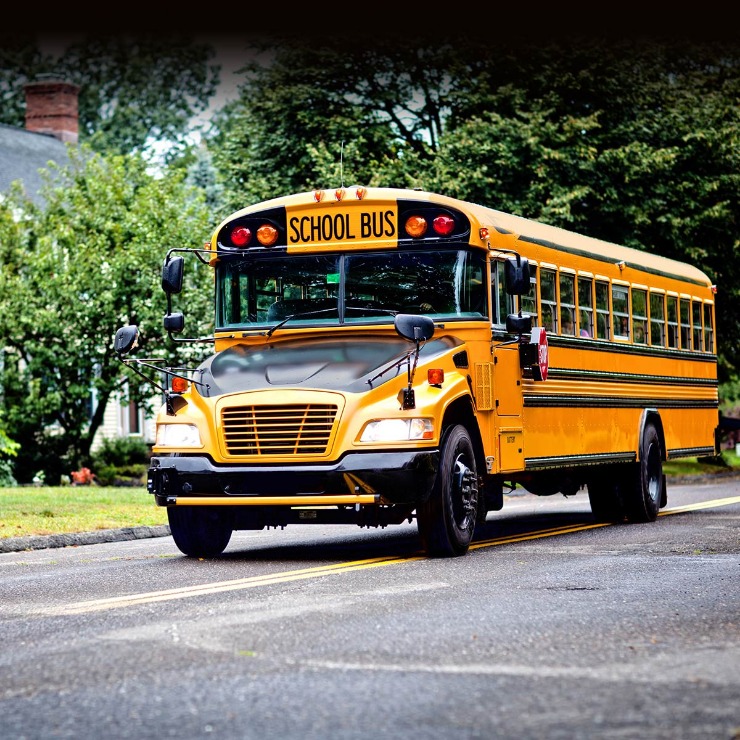
Participation in group travel can positively impact well-being by providing purpose, routine, and social contact. Regular outings give pensioners something to look forward to, encourage physical activity appropriate to ability, and create intergenerational opportunities when family members accompany or join events.
Getting involved is simple: contact your local senior center, library, or bus company to learn about available programs. If there isn’t a group yet, you can start one by gathering neighbors, identifying a monthly schedule, and recruiting volunteers to assist with booking and on-bus support.
In summary, social aspects and community resources linked to bus travel for pensioners help combat isolation, support independence, and enrich everyday life. With thoughtful planning, inclusive accessibility, and friendly group culture, pensioners can enjoy safe, enjoyable outings while building strong networks across their communities.
Volunteer roles, travel companions, and travel buddies
Bus travel for pensioners can expand independence, reduce isolation, and connect you with your local community. This article explores four key areas to help you make the most of bus travel: social aspects and community resources, volunteer roles, travel companions, and travel buddies.
-
Social aspects and community resources
Group outings organized by senior centers, libraries, or neighborhood clubs turn bus trips into social events. Look for local transit discounts for seniors, accessibility services, and travel training offered by your transit authority. Community transport schemes and escorted trips can help with first-time riders or riders needing mobility assistance. Building connections with other riders can make trips more enjoyable and help you plan future excursions with friends or neighbors.
-
Volunteer roles
Volunteer drivers and escorts support community shuttle programs, often with training and safety checks. Ride coordinators help plan schedules, pickup points, and group bookings. Volunteers can also serve as greeters at bus stops or travel ambassadors who assist newcomers with fares, routes, and accessibility options. Check with local councils on aging, libraries, or transit agencies to learn about available opportunities and requirements.
-
Travel companions
Travel companions are fellow riders who join you on day trips or longer journeys. Find companions through senior centers, faith-based groups, libraries, and online community boards. When planning, discuss pace, rest breaks, accessibility needs, medical supplies, and who handles tickets and payments. Travelling with a companion can improve safety, reduce planning stress, and make experiences more enjoyable.
-
Travel buddies
Travel buddy programs pair riders with similar interests, mobility considerations, and trip goals. To participate, complete a short matching questionnaire and meet potential buddies for a trial trip. Share important information in advance (medications, accessibility requirements, language, and comfort level). Always travel with consent, inform family or carers, and carry emergency contacts. Local community organizations, churches, and transit volunteer groups often maintain buddy databases to help pensioners connect for longer or more frequent trips.
Local authority and charity programs supporting bus travel
For many pensioners, bus travel is not just a way to get from A to B — it preserves independence, enables regular shopping and medical appointments, and supports daily contact with friends and neighbours.
Socially, regular bus trips help maintain routines, foster a sense of belonging in the local community, and reduce feelings of isolation. The bus can become a familiar space where conversations with other passengers, drivers, and staff create small moments of connection that brighten the week and encourage participation in community activities.
Community resources play a key role in widening access. Volunteer driver schemes, community buses, and rural minibuses offer transport options where services are limited. Local clubs and libraries often collaborate with transport providers to organise group outings, travel training for new riders, and escorted trips for those who may need a little extra support to feel confident behind the wheel of a bus.
Local authorities often run concessionary schemes and travel passes to make bus travel affordable for older residents. These programs may include free or discounted journeys during certain times or on specific routes, funding for accessible vehicles, and coordinated timetables that connect health, social care, and community services. Authorities also publish information in accessible formats to ensure all pensioners can plan trips with ease.
Charities and regional organisations contribute significantly as well. Age UK and partner groups provide guidance on applying for travel cards, offer travel advice hotlines, and fund initiatives that reduce the financial and practical barriers to bus travel. Some charities run “bus buddy” schemes, where volunteers accompany or accompany someone to an important appointment or social event, helping to build confidence and independence.
Practical guidance for pensioners includes understanding eligibility for concessionary passes, knowing what documents are needed to apply, and learning how to plan complex journeys with multiple legs. It also helps to know peak and off-peak travel options, how to access accessible buses, and where to seek support from local councils or charity hotlines if a timetable changes or a route is reduced.
Rural and urban areas face different realities. In rural communities, community transport and volunteer drivers can be vital lifelines, while in cities there are more formal schemes and a wider range of routes. Across both contexts, partnerships between councils, transport operators, and charities aim to keep services stable, reliable, and affordable for pensioners.
Overall, social aspects and community resources, along with local authority and charity programs, work together to ensure bus travel remains a viable, enjoyable, and inclusive option for pensioners, supporting independence, social engagement, and access to essential services.