
Planning and Trip Design for Over-60s
Bus travel for over-60s combines the comfort of pace with the freedom to see more, but it benefits from careful planning. Prioritize accessible boarding and seating, reliable schedules, planned rest stops, and accommodations for medical or mobility needs, while designing a flexible itinerary that respects pace and energy. With thoughtful operator choices and a realistic plan, a bus journey can be safe, enjoyable, and enriching for travelers aged sixty and up.
Assessing travel goals and preferences
Planning and trip design for over-60s traveling by bus starts with clarifying goals and preferences, then designing routes and schedules that fit pace, comfort, and safety.
- Define travel goals and pace: clarify destinations, trip length, desired pace, social versus quiet experiences, and the level of activity you want each day.
- Assess health, mobility, and accommodations: note any mobility aids, need for rest breaks, medications, or medical support, and how these needs will be met on each leg of the journey.
- Explore accessible bus options and station facilities: look for low‑floor buses, ramps, priority seating, space for wheelchairs or walkers, and accessible restrooms at terminals.
- Plan routes and schedules with rests in mind: prefer daytime travel when possible, choose routes with comfortable layover times, and check for direct services to minimize transfers.
- Prioritize on‑board and on‑stop comfort: consider seat width and legroom, noise levels, climate control, access to restrooms, and opportunities to stretch during breaks.
- Understand pricing, discounts, and insurance: compare senior fares, passes, and refund policies; consider travel insurance that covers medical needs and trip disruptions.
- Pack smart and prepare documents: bring medications in original containers, copies of prescriptions, health insurance cards, emergency contacts, a small first‑aid kit, and essentials in an easy‑reach bag.
- Build a support plan with companions and staff: arrange travel companions if helpful, inform bus operators of any assistance needs in advance, and know how to request help at stations.
- Design a balanced itinerary with pacing and contingencies: include buffer days, flexible activities, backup travel options, and clear plans for delays or weather disruptions.
Choosing routes with comfortable travel times
Planning and trip design for travelers aged 60 and over can make bus journeys smoother, safer, and more comfortable. The aim is to choose routes with travel times that fit energy levels, reduce fatigue, and provide ample opportunities for rest and repositioning along the way.
Start with a clear travel window and accessibility needs. Check that the chosen operators offer low‑floor entry, ramp access, priority seating, and space for mobility aids or collapsible wheelchairs. Look for coaches with comfortable seating, sufficient legroom, and easy access to restrooms, as well as reliable on‑board information about stops and delays.
When choosing routes, prioritize direct services or those with the fewest transfers. A single direct trip often reduces the cumulative stress of waiting, boarding and navigating between buses. If transfers are necessary, choose options with longer layovers that allow plenty of time for restful breaks, meal routines, and gentle stretching without rushing.
Break up long journeys into shorter segments to maintain comfort. Ideal leg durations vary, but many travelers find 2 to 3 hours of steady seating followed by a planned pause to stand, stretch, and move a little is helpful. Consider daytime travel when possible to align with natural rest cycles and daylight for easier navigation at stops and during transfers.
Plan for predictable timing and buffers. Check real‑time service alerts, build in extra time for potential delays, and avoid back‑to‑back connections that leave little recovery time. If you prefer quieter surroundings, look for off‑peak departures and larger, well‑established routes with high reliability records.
Booking details matter. If traveling with a companion or caregiver, confirm seating together and request assistance at the station if needed. Ask about seating preferences that maximize comfort, such as seats near the middle of the bus, away from the engine, with easy access to the restroom when available, and consider reserving seats with extra legroom where possible.
Pack with comfort in mind. Bring water, easy‑to‑digest snacks, any regular medications, a small cushion or a folded blanket for warmth, and a simple entertainment or reading option. Have a plan for movement breaks, and wear comfortable layers to adapt to varying temperatures on the bus and at stops.
On travel day, arrive early to allow for smooth boarding and any required assistance. If you anticipate needing help, contact the operator in advance to arrange access assistance, seating support, or curbside pickup. Having a clear plan reduces stress and helps you enjoy the journey.
After the trip, give yourself time to recover. A light activity period, hydration, and a comfortable rest environment help ease the transition back to regular routines. Review the trip experience to identify routes and practices that felt most comfortable for future journeys.
Seasonal considerations and crowd avoidance
Planning and trip design for travelers over 60 who choose bus travel focuses on comfort, accessibility, pace, and safety. This guide covers planning steps, seasonal considerations, and crowd-avoidance strategies to help you design enjoyable and low-stress bus journeys.
Seasonal considerations influence route choice, packing, timing, and on-bus comfort. Weather, daylight, and holiday patterns affect schedules and access to attractions.
- Choose routes and departure times with reliable weather windows and minimal exposure to severe conditions.
- Pack layers, rain gear, and comfortable footwear to adapt to temperature changes on buses and in varied stops.
- Schedule travel to maximize daylight for sightseeing and easier navigation between stations.
- Allow extra time for winter or rainy-season delays and for slower boarding or rest stops.
- Confirm accessibility features and reserve seats near the front or near the door if mobility aids are needed.
- Carry essential medications, copies of prescriptions, and emergency contacts; verify travel insurance coverage for older travelers.
To avoid crowds while traveling by bus, plan with off-peak times and practical strategies that reduce waiting and congestion.
- Travel midweek and outside school holidays to encounter fewer crowds at stations and on buses.
- Book buses or tours with off-peak departures (early morning or late afternoon) when possible.
- Consider routes with fewer transfers and longer direct legs to minimize busy stations and fatigue.
- Reserve seats in advance and arrive early to settle in calmly and avoid rushed boarding.
- Prefer smaller towns or scenic byways with fewer stops to reduce station turnover and crowding.
- Pack a small comfort kit (neck pillow, blanket, water) to stay comfortable in bus cabins during busy periods.
By combining thoughtful planning, seasonal awareness, and crowd-aware scheduling, travelers over 60 can enjoy safer, calmer, and more enjoyable bus journeys.
Accessibility and Comfort on Buses
For travelers over 60, accessibility and comfort on buses are essential to independent, enjoyable journeys. Modern buses are designed with low floors or ramps for easy boarding, wide entry doors, and stable, step-free access, while priority seating, clear signage, and audible and visual announcements support aging eyes and ears. Cushioned seats, climate control, smooth suspension, and sturdy handrails reduce fatigue and risk of discomfort on longer trips, helping seniors travel with confidence, dignity, and greater freedom to explore their communities.
Step-free access and seating options
Accessible and comfortable bus travel is important for people over 60 who want to stay independent, visit family, or attend appointments. With the right design features and thoughtful seating, a journey by bus can be easy and enjoyable.
Step-free access means buses with low floors, level entry, and ramps or kneeling mechanisms that make boarding smoother from curb heights. Many fleets include these features, and some stops are designed for closer, level boarding. When planning a trip, check your local transit guide for step-free routes and any station-specific limitations.
Seating options are a big part of comfort. Look for priority seating near the doors that is reserved for older adults or those with mobility challenges. Prioritize seats with stable armrests, good cushioning, and clear space nearby for a walker or wheelchair. If you are on a longer journey, choose seats with extra legroom and consider proximity to the doors for easier boarding and alighting without disturbing other passengers.
Getting on and off the bus can be easier with a little planning. If you need assistance, ask the driver or bus staff for help with ramps, kneeling, or guiding you to a suitable seat. Allow extra time at boarding and alighting, and hold onto handrails as you move to your seat. If you use a mobility device, book or reserve a space in the designated area when possible.
Accessibility features extend beyond seating. Many buses offer audible stop announcements and visible displays to help with navigation. Some services include additional aids such as clear route maps, larger print materials, or information available in multiple formats. If you rely on hearing or vision accommodations, check what is available on your usual routes and during your typical travel times.
To stay comfortable during the ride, wear comfortable clothing and shoes, plan for shorter trips if you experience fatigue, and take small essentials in a bag you can carry easily. If you have a medical condition or require frequent breaks, consider scheduling trips with spaces for rest or planning connections that allow for time between legs of your journey.
Planning ahead can make a big difference. Check your local transit authority’s accessibility information online, and sign up for travel assistance if it’s offered. Real-time bus apps or customer service lines can confirm which buses have level boarding, priority seating, and staff available to help. If possible, practice a short trip to become familiar with the process before longer journeys.
In summary, buses with step-free access, clearly marked seating, and reliable accessibility features can make bus travel a practical and comfortable option for people over 60, supporting independence and pleasant journeys.
Priority seating and space for mobility aids
Accessible and comfortable bus travel supports independence for people over 60, helping you reach appointments, social events, and daily errands with confidence. Modern buses are designed with features that ease boarding, travel, and getting off at your stop.
Key accessibility features include low‑floor entry for easy stepping on and off, level boarding, and ramps or kneeling buses where needed. Wide doors and clear floor space make it easier to move with a walking aid, mobility scooter, or a folding chair. Inside, grab rails, stable handholds, and clearly marked priority seating help you remain steady and comfortable during the journey. Many buses also offer clear audio announcements and visual route information for easier wayfinding.
Comfort on the move matters as well. Look for buses with good suspension for a smoother ride, supportive seating with adequate legroom, and climate control that keeps you warm in winter and cool in summer. Some buses provide storage space for walking aids and folding mobility aids near the seating area, reducing the effort needed to stow items during the ride.
Priority seating is reserved for passengers who need extra support or have mobility challenges. Seats near the front are usually clearly marked. If you need a seat, you can let the driver or a member of staff know, and you can ask a fellow passenger to offer their seat if appropriate. If you are able to stand, it helps keep seats available for those who need them most.
Space for mobility aids is an important design feature. Many buses include designated areas near the front for wheelchairs and mobility scooters, with securement points or straps to keep devices steady during the journey. Where available, foldable seats adjacent to these spaces can be moved to create room. When these areas are in use, please respect the space and avoid placing bulky items in the way.
Planning and assistance can make a big difference. Check your local transit provider’s accessibility information before you travel, plan routes with step-free boarding points, and consider requesting travel assistance if available. Arriving a little early to board can reduce stress, and carrying a simple list of your needs or a support person can help staff respond quickly.
To have a smooth journey, practice good bus etiquette: board slowly, hold onto handrails, and use the priority seating space considerately. If you require assistance, ask the driver—most bus teams are trained to help passengers who need extra support. Keep aisles clear, secure any loose belongings, and thank the driver and fellow passengers for their cooperation.
Accessible bus travel is about planning, respect, and practical design. By choosing routes with accessible entries, using the available spaces for mobility aids, and sharing courteous seating habits, people over 60 can enjoy comfortable, independent travel on buses with confidence.
Onboard comfort tips for long journeys
Accessibility and comfort on buses matter for travelers over 60, making long journeys safer and more enjoyable. With thoughtful planning and onboard tips, you can travel with confidence and ease.
Look for buses with low-floor entry, ramps or lifts, kneeling capability, and space for wheelchairs or walkers. Some long-distance coaches also include accessible restrooms; check with the operator in advance to understand what is available.
Ask about priority seating, audible route announcements, large-print timetables, and staff assistance on request. Knowing what help is available can make boarding and the journey smoother.
Before you travel, plan ahead: confirm the route and stops, check accessibility at each stop, and ask if you can reserve a seat or assistance slot. A quick call or online check can save time and reduce stress on travel day.
Booking and boarding tips include arriving early, having a travel companion if possible, and identifying the best boarding point. Let the driver or staff know if you need extra time or help to settle in.
Onboard seating and comfort: choose a seat with extra legroom if available, preferably near the aisle for easier transfer. Bring a lightweight travel pillow or small blanket, and wear comfortable, layered clothing to adapt to temperature changes.
Climate and hydration are important on longer trips. Buses can vary in temperature, so layer up and carry a reusable water bottle. Pack light snacks to keep energy steady, and avoid heavy meals just before long journeys.
Movement and comfort during the journey: when safe to do so, stand and stretch at breaks, and do simple seated exercises like ankle rotations or shoulder rolls. If you have circulation concerns, consider comfortable socks or compression stockings as recommended by your healthcare provider.
Hearing and vision: use hearing aids if you wear them and carry extra batteries. Ask for volume adjustments or written announcements if needed, and keep a small map or route plan handy on your phone or paper map for reference.
Mobility aids and safety: bring walkers, canes, or folding mobility devices and ask about space allocations on the bus. Store aids in designated areas and secure them when seated if required; use seat belts where available and follow crew instructions for safety.
Packing essentials include medications, copies of prescriptions, emergency contact details, a small first-aid kit, and a phone charger. Having these close at hand can reduce delays and worry during the journey.
Travel companions and accessibility teams can make a big difference. If you travel with someone, they can help with boarding, seating decisions, and comfort management, and together you can plan rest stops along the way.
After the journey, take time to rest and stretch your limbs. A gentle walk or light activity on arrival can ease stiffness and help you recover from a long bus ride.
Fares, Discounts, and Payment Methods
Bus travel for people aged 60 and over offers clear savings through senior fares, concessions, and easy payment options. Many areas provide reduced single fares, daily or weekly passes, and dedicated travel cards for frequent riders. Payment methods typically include contactless cards or mobile wallets, with cash on board where accepted, and prepaid smart cards that store discounts. Check local operators for eligibility and the exact discounts available in your area.
Senior discounts and travel cards
Bus travel for people over 60 can be affordable when you know the fares, discounts, and payment options available. This guide explains how fares are set, what senior discounts exist, and which payment methods you can use when travelling by bus.
Fares: Most bus networks set fares by distance or by zones. Many systems offer lower prices for off-peak travel or time-based passes that cover multiple trips. Some areas provide flat-rate day passes, 7-day passes, or monthly passes for unlimited or extended travel. Senior fares may apply to all trips, or only during certain times or days, depending on the local rules. Always check your local transit website for the exact fare structure.
Discounts: Senior discounts are commonly available to people aged 60 or 65 and up, though the exact age threshold varies by city or country. A senior travel card or senior ID may be required to receive the discount. Discounts can apply to single rides, day passes, weekly passes, or monthly passes. Some systems limit discounts to regular routes and exclude special services; others offer nationwide or regional programs.
Payment methods: You can often pay with cash on board, but cash fares may be higher or drivers may have limited change. More networks now support contactless payments using debit or credit cards, mobile wallets, or transit apps. Many buses also accept reusable travel cards or passes that you load with value or a time-based pass. In some places you must tap in at boarding and, for some services, tap out when you exit, while others require only a tap on entry.
Senior discounts and travel cards: To obtain a senior discount card or travel pass, contact your local transit authority or visit their website to apply. You’ll usually need proof of age (such as a passport or ID) and a current photo. Some programs are free or have a small renewal fee, and many cards can be renewed online. Once you have the card or pass, carry it with you and present or scan it when you are boarding or when required by the reader. If you travel often, a monthly or annual pass linked to your senior status can provide significant savings.
Tips: Verify the exact eligibility, hours, and limitations for senior discounts in your area, as rules vary widely. Plan ahead for peak times when discounts may differ, and consider off-peak travel when possible. If you need assistance, ask the driver or station staff how best to use your card or what payment options are available. Always check for any changes to services or fares on the official transit authority site before you travel.
Contactless payment and smart cards
Bus travel for people over 60 can be affordable and convenient when you know the fares, discounts, and payment options available. Many transit networks offer senior concessions and modern payment methods, including contactless payments and smart cards.
Fares and discounts: Most cities provide reduced fares for seniors or a concession card. Options may include pay-as-you-go at a lower rate, weekly or monthly travel passes, or even free travel on certain days. Eligibility usually depends on age and sometimes income or mobility status. Check your local transit authority’s website or contact center for the exact age threshold, prices, and how to apply. You may need to show ID or a senior travel card when you first buy a pass or use a concession fare.
Payment methods: You can typically pay with cash, bank or credit cards, or contactless options. Common methods include contactless debit or credit cards, mobile wallets like Apple Pay or Google Pay, and PIN-protected cards for security. Smart cards or travel cards store value or passes and can be topped up online, at ticket machines, or in a customer service office.
Contactless payment and smart cards: With contactless payment, you simply tap a card or phone on the bus reader to pay the fare. Smart cards carry a stored balance or a time-limited pass and are read by tapping the card on the reader. Some systems require you to tap on entry and again on exit, while others charge on boarding. Always check local instructions to ensure you’re charged correctly. Keep cards in a safe place and monitor your balance; many networks offer auto-recharge and online accounts.
Tips for getting the best value: If you travel regularly, a weekly or monthly pass can be cheaper than paying per ride. If you are eligible, register for a senior concession card or pass and carry any required ID. Look for off-peak travel times when fares are lower, and consider how different passes work across buses and other transit modes in your area. Finally, learn how to renew or replace a lost card and keep your contact details up to date with the transit authority to avoid interruptions in service.
Planning for value: comparing operators
Planning for value in bus travel for people over 60 means weighing fares, discounts, and payment options to get the most out of every trip.
Fares and discounts vary by operator, but common patterns include distance-based or zone-based pricing, flat-rate fares, and capped daily or weekly charges. Many operators offer concession fares for seniors, which may require a dedicated card or proof of age. In some regions, travel for older adults is supported by programs that provide free or reduced travel during off-peak times or on specific routes. Always check the exact rules for your area and the operator you plan to use, since eligibility, borders of validity, and the need for a photo ID can differ.
Payment methods are broad and continuing to expand. Cash remains available on some services, but contactless debit or credit cards, smart cards, and mobile wallets are increasingly common and provide quick boarding. Some operators let you buy tickets or passes through an app or website and store them on your device. If you use a stored-value card or app, keep a backup method in case of technical issues and know how to renew a pass before it expires.
When planning value and comparing operators, start with your typical travel patterns. Calculate the per-ride cost under each operator, but also consider day, week, or month passes and whether there is a cap on total spending. Look at transfer rules between routes or modes, as some systems allow free transfers within a time window while others require new fares. Multiplier options such as multi-operator day passes or joint tickets can save money if you travel across zones or networks. Assess coverage and frequency, reliability, bus stops near home and destinations, and accessibility features important for older travellers. Finally, verify the payment methods accepted by each operator and whether senior discounts require an active pass, a linked account, or proof of age at ride time.
Practical steps to maximize value include comparing two or three operators for your usual routes, planning off-peak travel when possible, and signing up for any available senior concession programs. Carry your ID or concession card, a backup payment method, and a plan for replacements if a device fails. Consider testing a single route with each operator to verify boarding times, seat availability, and ease of purchasing tickets. If you travel with a companion, check whether there are group passes or discounts for two or more riders. Finally, use route planning tools to check live service updates and which operator serves your stops most reliably.
Example comparison, in a typical city: Operator A offers a lower base fare but no weekly pass, while Operator B charges a bit more per ride but provides a 7‑day pass that covers most of your routes. Operator A might require separate payments for each trip, while Operator B consolidates travel into a single affordable weekly cap. If your routine includes more than seven trips in a week, Operator B’s pass may cut costs; if your trips are irregular or mostly off-peak and you rarely ride across zones, Operator A could be cheaper. Consider coverage: if Operator A services fewer stops near your home and destinations, the extra walking or transfers could negate savings. These variables demonstrate why a thoughtful comparison across fare structure, passes, and coverage matters for over-60 travellers.
By focusing on fares, discounts, and payment methods with a planning mindset, older travellers can maximize value without sacrificing reliability or accessibility. A simple three-step approach—identify eligible discounts, map typical journeys, and test a couple of operators—often yields the best combination of price, convenience, and peace of mind.
Safety and Security for Older Travelers
Bus travel can be a comfortable, affordable way for people over 60 to see the world. This introduction covers essential safety and security tips—from planning accessible routes and reserving seats to staying aware of belongings, boarding safely, and getting help when needed—so you can travel with confidence.
Medication safety and anti-slip features
Bus travel can be a comfortable and affordable option for people over 60. With thoughtful planning, you can enjoy safer, smoother journeys between towns and cities.
Safety and security start before you board. Choose reputable operators with well-maintained coaches, clear accessibility information, and adequate driver assistance. Check if the bus has seating near the front or near exits, and learn where the emergency exits are. If you travel with a companion, share your itinerary with a family member or friend and arrange check-ins during the trip.
On the day of travel, arrive early to allow time for boarding and any assistance requests. Use designated priority seating if available, and always fasten your seat belt if the vehicle has one. Keep aisles clear, hold handrails when moving through the bus, and store bags safely under the seat or in overhead racks to prevent trips when stepping on or off the bus. Be mindful of weather conditions that can make floors slippery and ask staff for help if you are unsure of a step or ramp.
Modern coaches often include anti-slip features to reduce slips and falls. Look for non-slip flooring on steps and in entry areas, firmly fixed handrails, and clearly marked step edges. If the floor is wet or slick, ask staff for help or request another stop if needed. Wearing shoes with a good, non-slip sole and using a walking aid with a rubber tip also helps prevent slips when boarding or moving inside the bus.
Medication safety is essential on long trips. Pack all medicines in their original packaging in your carry-on bag, with a clearly labeled list of doses and times. Bring a spare supply in case of delays, and keep critical medications in a readily accessible pocket. If you need refrigeration, notify the operator and plan accordingly. Carry a doctor’s note or prescription information for any regulated medicines, and know the local rules about bringing medicines across borders or regions.
Protect your belongings. Keep valuables in a secure front pocket or a small bag worn close to your body, and never leave bags unattended at stops or stations. At the destination terminal, stay aware of your surroundings and use staffed areas or information desks if you need help locating your next bus. If you travel with a companion, agree on a meeting point in case you get separated.
During the journey, stay hydrated, take small sips regularly, and avoid heavy meals just before or during travel. If a long ride is planned, ask about scheduled rest stops or break times to stretch your legs and use restroom facilities. Plan for any medical needs, such as glucose monitoring or emergency contacts, and keep a list of emergency numbers handy.
By choosing the right operator, securing medication, and using anti-slip features and good footwear, travelers over 60 can enjoy safe and secure bus journeys with confidence.
Road safety basics and driver communication
Traveling by bus can be a liberating way for people over 60 to explore towns and visit family. To stay safe and secure while enjoying the journey, it helps to plan, be aware of common risks, and know how to communicate with drivers and staff. This guide covers safety and security, road safety basics, and practical tips for talking with bus drivers on trips for you or a companion.
Safety and security begin before you step on the bus. When choosing services, look for low-floor or step-free access, priority seating, and space for mobility aids. Check that the bus has secure storage for a bag and a safe place to sit with a seat belt if present. If needed, book assistance in advance with the operator or at the station.
Pack wisely for a day trip. Carry essentials in a small cross-body bag, keeping money, cards, ID, phone, and meds secure and easy to reach. Use a zipper or fastened pocket, and keep tickets and travel documents in a separate, waterproof sleeve. Bring a light jacket, water, and any medical supplies you may need during the journey.
On arrival at the stop, give yourself extra time. Check the route and stop number, listen for announcements, and if you need help, request assistance from the staff or driver. When boarding, hold the handrail and take a steady step. If you use mobility aids or a wheelchair, inform staff so they can help you onto the bus safely.
Securing yourself on the bus reduces risk during the ride. Sit in a forward-facing seat if possible, fasten your seat belt where provided, and keep aisles clear. Use the back of the seat in front for support when standing or leaving the seat for turns. If you feel unsteady, sit near the driver or an aisle seat with a strap or handrail.
Security on crowded trips includes protecting belongings. Keep bags zipped and in your lap or a secure shoulder bag across your body. Avoid flashing valuables, and be mindful of others in crowded terminals. If you store belongings under seats, check before you stand up to prevent tripping or leaving items behind.
Road safety basics for bus travel are straightforward. Do not distract the driver; listen for stops and announcements. Stay seated when the bus is moving, fasten your seat belt where available, and use handrails when boarding and alighting. Take care with your balance on uneven pavement or ramps, and move slowly if you have mobility concerns.
Effective driver communication is essential. If you have mobility, hearing, or vision needs, let the driver know before you travel or as you board. Speak clearly, keep sentences short, and confirm the stop name or landmark. If you have a list or card with key information (your stop, allergies, medications), show it to the driver politely. For hearing concerns, consider writing a quick note or using a signal to indicate you need assistance. If possible, travel with a companion who can help you communicate.
Emergency readiness: learn how to use the bus intercom or emergency alarm, and where the emergency exits are. Carry emergency contact numbers, and know where to go for medical help if needed. If you feel unwell during the trip, tell the driver immediately and ask for assistance to reach a safe stop.
At the end of the trip or in long journeys, give yourself time to rest after disembarking. Stand back from doors, check step heights, and arrange any mobility aids as needed. If you need extra help, request it at the stop or from station staff.
Tips for companions and carers: plan in advance, ensure you have the companion’s contact details, and check accessibility options. Bring medications, a basic first-aid kit, and a phone charger. Keep a small notepad or card with essential information and how to reach a caregiver.
With preparation and clear communication, bus travel for people over 60 can be safe, comfortable, and enjoyable. By knowing the safety basics, respecting road safety, and coordinating with drivers, you can reduce risk and focus on the journey and the destination.
Scams, tickets, and personal information protection
Bus travel offers convenience and affordability for people over 60, but staying safe and protecting personal information is essential. This guide covers safety, scams, tickets, and data protection to help you travel with confidence.
Scams can happen at stations, online, or during boarding. Common tricks include fake ticket sellers, offers that seem cheaper than official channels, or requests for payment under pressure. Never buy tickets from strangers, never share your PIN or full card number, and take time to verify any deal with the official operator.
Buying tickets: use official operator websites, apps, or authorized agents listed on the operator site. Check the operator name, logo, and contact details. Keep the ticket or e-ticket on your phone or printout until you reach your destination. If you qualify for senior discounts, carry valid ID as proof of age and know the operator’s discount policy and required documents.
At the station: stay in well-lit, staffed areas and avoid isolated spots. Watch your belongings, especially when handling tickets or cash. Use a secure bag with zippers and carry important items in front pockets. If you feel uneasy or spot a suspicious person, seek help from staff at a ticket desk or information point.
On the bus: sit in a comfortable, accessible seat near an exit if you have mobility considerations. Keep valuables close and use a bag with a cross-body strap. Avoid leaving bags unattended during transfers. Use the bus’s call button or speak with the driver or conductor if you need assistance or if you notice anything unusual.
Personal information protection: do not share your birth date, full address, or bank details with strangers. When booking, provide only required information on official sites, use a strong, unique password, and enable two-factor authentication if available. Read the operator’s privacy policy and adjust any privacy settings to limit data sharing.
Online booking security: ensure websites use https and display a padlock symbol; beware of phishing emails that mimic the operator—do not click suspicious links and verify communications by contacting the operator through official channels. Use secure networks, avoid public computers for sensitive bookings, and monitor payment confirmations for unfamiliar charges.
If you must call or visit a counter: do not disclose sensitive information unless you initiated the contact. Be cautious of voice scams offering refunds or upgrades and validate any claim with the official operator’s contact information before acting.
If something goes wrong: report suspected scams to the operator or transport authority, cancel or monitor compromised payment cards, and keep copies of tickets and receipts as evidence. Reach out to consumer protection agencies if needed and consider changing passwords and reviewing bank statements for unusual activity.
Accessibility and health: pre-book assistance for mobility, medical needs, or oxygen support if required. Carry a list of medications, a small medical kit, emergency contacts, and copies of important documents. Plan rest breaks and stay hydrated, bringing snacks and comfortable clothing for longer journeys.
Practical tips: choose reputable operators, read reviews, and allow extra time for connections. Travel with a friend or inform a family member of your itinerary, especially on unfamiliar routes. By preparing in advance and staying alert, you can enjoy safer, smoother bus travel.
Health and Wellness While Traveling by Bus
Health and wellness while traveling by bus is especially important for travelers over 60, who benefit from regular movement, staying hydrated, smart snacking, and thoughtful pacing to manage medications and fatigue, making each journey safer, more comfortable, and enjoyable.
Hydration, rest, and posture
Traveling by bus can be a comfortable and affordable way for travelers over 60 to see family, visit friends, and explore new places. With thoughtful health habits and simple wellness practices, long journeys can feel safer and more enjoyable.
Hydration is essential on bus trips. The cabin can feel dry, and dehydration can cause fatigue, headaches, and dizziness. Carry a refillable water bottle, sip small amounts regularly, and limit caffeine and alcohol, which can increase dehydration.
Rest is important for comfort and energy. Choose a seat with good back support when possible, bring a travel pillow, a lightweight blanket, and wear layered clothing. Try to align travel times with your normal rest patterns to reduce fatigue.
Posture matters for breathing, circulation, and back health. Sit back with knees at hip level, feet flat on the floor, shoulders relaxed, and head supported by the headrest. If your seat lacks lumbar support, use a small pillow or a rolled towel to maintain the natural curve of your spine.
Move regularly to keep blood flowing. When the bus pauses at stops, stand or stretch briefly. If standing is not possible, do gentle seated leg extensions, ankle circles, and toe taps every 30–60 minutes. Compression socks can help reduce swelling on longer trips.
Comfortable clothing and gear can make a big difference. Wear comfortable, non-binding clothes and flat shoes. Bring a blanket, a neck pillow, a small fan or cooling towel for comfort, and a bag with essentials like medications, snacks, tissues, and hand sanitizer.
Food and beverages support steady energy. Eat light, balanced meals before travel and choose easy-to-digest snacks during the trip. Avoid heavy, greasy meals that may cause fatigue. Take medications with meals if required and according to your doctor’s guidance.
Plan for breaks and safety. Review the itinerary for scheduled stops and plan time for hydration, toilet breaks, and movement. If you use a walker or cane, bring it along or arrange assistance ahead of time. Let the driver or travel companions know if you need help.
Medical readiness can prevent small problems from turning into big ones. Carry a written list of medications and dosages, known allergies, and emergency contacts. Have any necessary medical equipment on hand, plus travel insurance and copies of important documents. If you have chronic conditions, consult your clinician before a trip and discuss activity limits and medication timing.
Listen to your body and pace yourself. By prioritizing hydration, rest, and good posture, bus travel becomes more comfortable, safer, and enjoyable for seniors and those traveling over 60.
Managing chronic conditions on the road
Traveling by bus can be a comfortable and affordable way for people over 60 to explore new places, but staying healthy on the road takes planning and practical routines.
Before you depart, check in with your healthcare provider about travel readiness, obtain any needed letters, and create a current medication list with doses, times, and allergies.
Packing smart and bringing medications in your carry-on bag in their original containers along with a bit of an extra supply, a pill organizer, and copies of prescriptions. Include emergency contacts, your doctor’s name, and recent medical history in case you need care away from home.
On the bus, choose a seat with adequate legroom and easy access to the aisle. Bring a small cushion or blanket for comfort, wear supportive shoes, and try simple in‑seat movements every hour—ankle circles, foot pumps, and shoulder rolls to keep circulation flowing.
Hydration and nutrition matter. Sip water regularly, limit alcohol, and avoid heavy meals that sit in the stomach during a long ride. Pack balanced snacks and know how a meal schedule might align with your medications and routine.
If you have diabetes, carry a reliable glucose meter, test strips, and fast‑acting sugar. Keep a supply of snacks that can quickly raise blood glucose if needed, and try to maintain a predictable eating pattern even on travel days.
For those with high blood pressure or heart conditions, take prescribed medications on time, monitor symptoms, and consider limiting salty snacks and caffeine on the trip. A small home blood pressure monitor can help you stay aware of your numbers during travel.
Arthritis and mobility concerns are common in older travelers. Plan rests at regular intervals, perform gentle stretches, and use handrails for hitches or getting on and off buses. A lightweight travel aid or cane can boost confidence and safety.
If you have respiratory conditions such as COPD or asthma, bring your inhalers and any prescribed accessories, keep hydrated, and avoid smoky or dusty environments at stops. Short, steady breaks to move and breathe can prevent discomfort.
People with kidney disease or other chronic conditions should stay mindful of fluid intake and symptoms that warrant medical advice. Plan breaks to drink fluids, and carry a plan for seeking care if you notice unusual swelling, confusion, or new shortness of breath.
Safety and planning throughout the journey help reduce stress. Wear a medical ID bracelet or carry a card with your conditions and emergency contacts, share your itinerary with a trusted person, and know where to access healthcare along the route or at your destination.
After you reach your destination, take time to rest and rehydrate, review how the trip went, and follow up with your doctor if you notice any new or worsening symptoms. With preparation, bus travel for seniors can be a healthy, enjoyable experience.
Emergency preparedness and medical IDs
Traveling by bus offers comfort and affordability for travelers over 60, but staying healthy on long trips requires planning. This guide focuses on health and wellness, emergency preparedness, and medical IDs to help you ride safely and comfortably.
Health and wellness basics include staying hydrated, eating light but steady meals, and moderating caffeine and alcohol. Bring a reusable water bottle and refill at stops when possible. Pack healthy snacks such as fruit, nuts, or yogurt to keep energy steady and avoid blood sugar dips during the ride. If you have a medical condition, carry a copy of your care plan and any dietary restrictions you may need on board.
Comfort and movement matter on a long bus journey. Choose a seat with adequate legroom if possible, and wear comfortable, breathable clothing and supportive shoes. A small neck pillow or travel blanket can improve sleep on overnight trips. Every hour or so, perform simple seated stretches: ankle circles, heel taps, knee lifts, and shoulder rolls to promote circulation and reduce stiffness. If available, consider compression socks to support leg circulation on longer legs of travel.
Medications and safety require careful organization. Keep all prescribed medications in their original containers in your carry-on bag, along with a spare supply in case of delays. Use a daily pill organizer with clear labels and set reminders on your phone. Bring a list of medications and doses, plus generic names in case a pharmacist needs to help you at a stop. If you use inhalers, nitroglycerin, or other essential devices, keep them accessible and inform the bus staff if you might need assistance.
Emergency preparedness is essential for peace of mind. Carry a written list of medical conditions, allergies, current treatments, and any implants or devices. Include emergency contacts and your travel insurance details. A printed card with key information can stay with you even if your phone battery dies. If you have a chronic condition, discuss your travel plan with your clinician before departure and carry a letter from your doctor if you anticipate special needs.
Medical IDs can be lifesaving during a medical event. Wear a medical ID bracelet or necklace that lists critical information such as conditions, medications, and allergies, plus an emergency contact. You can also keep a digital Medical ID on your phone using the Health or Medical Information features available on many devices, which can be accessed by responders if needed. Keep both a physical card in your wallet and up-to-date digital IDs for maximum visibility.
During the ride, stay attentive to your body. If you feel unwell, alert the driver and request assistance, especially if you experience chest pain, severe shortness of breath, or sudden weakness. If you need to stop for medical care, plan ahead by identifying the next stop or nearby clinics along the route. Having a travel plan, including insurance details and a list of medications, helps you navigate delays or medical needs with less stress.
Accessibility Tools and Technology
Accessibility tools and technology are transforming bus travel for people aged 60 and over, making journeys safer, easier, and more inclusive. Features like low-floor buses, step-free boarding, real-time accessibility information, audible and visual travel prompts, and user-friendly ticketing apps help seniors plan trips with confidence, find accessible seats, and get assistance when needed. As transit services adopt mobile guides, voice assistants, tactile wayfinding, and reliable accessibility data, riding the bus becomes more independent and enjoyable for older travelers.
Mobile apps for schedules and alerts
Accessibility Tools and Technology for bus travel help people over 60 plan trips, stay informed, and ride more confidently. By using mobile apps for schedules and alerts, seniors can access real time information, accessible features, and simplified navigation on the go.
-
Accessibility tools on mobile devices
Smartphones and tablets include built in features such as screen readers, voice control, larger text, high contrast, and reduced motion. Activating these tools makes it easier to read schedules, read alerts, and follow directions while waiting at bus stops or boarding.
-
Apps for schedules and real time alerts
Transit apps provide live bus arrivals, service alerts, and route planning. Look for apps that indicate accessible routes, offer offline maps, and show step free or wheelchair accessible options to help choose the best boarding points.
-
Features that matter for over-60 travelers
Choose apps with large readable fonts, simple layouts, clear color contrast, spoken directions, and easy to tap controls. The ability to set departure reminders and transfer alerts reduces the chance of missing a bus.
-
Planning trips with accessibility in mind
Select routes that use low floor buses, stops with audible announcements, and nearby curbside access. Check if the app shows staff assistance options at major hubs and save preferred routes for quick planning.
-
Safety tips and tips for first time users
Test a trip with a caregiver or friend, verify accessibility features before boarding, carry a charged device, and use offline maps in areas with spotty signal. Sharing your itinerary with a trusted contact can also add a layer of safety.
Accessible ticketing platforms
Accessibility Tools and Technology are reshaping bus travel for people over 60, making planning, booking, and boarding easier and safer.
Key accessibility tools include screen readers, magnification, and adjustable text size on smartphones, tablets, and computers; speech-to-text and voice commands; high-contrast display themes; and large, clearly labeled buttons on apps and ticket kiosks.
Onboard and at stops, real time audio announcements, captioning for videos, hearing loops, visual route maps, and tactile signage support navigation for travelers with hearing or vision differences.
Accessible ticketing platforms are essential for this group. They should offer keyboard navigable websites and apps, scalable text, high contrast color schemes, clearly labeled controls, and alternative formats such as large print PDFs or audio prompts.
Ticketing platforms should provide simple language, predictable flows, consistent layouts, and options to reserve assistance or connect with staff. They should support senior discounts and easy access to concession fares without complicated verification.
Practical tips for over 60s include checking if the bus company offers low floor buses and ramps, confirming if staff can provide doorstep assistance, using apps that show accessibility features in real time, carrying an accessible ticket in multiple formats, and knowing how to contact customer support if needed.
Accessible ticketing platforms and accessible technology empower older travelers to use bus networks with greater independence, confidence, and safety, supporting more inclusive and convenient public transport for all.
Navigating unfamiliar stops with confidence
Accessibility tools and technology are helping travellers aged 60 and over navigate unfamiliar bus stops with more confidence. By combining user-friendly apps, assistive devices, and clear on-street infrastructure, senior riders can plan trips, locate the right stop, and board with less stress.
Before you travel, check which stops on your route have accessibility features such as step-free access, tactile paving, and audible announcements. Review the stop’s surroundings, landmarks, and the exact stop name. Use transit websites or accessibility statements to confirm whether a stop has raised platforms, curb cuts, or accessible seating areas on nearby buses.
On a smartphone or tablet, use apps designed for public transit that support accessibility. Look for real-time arrival information, route options with accessible stops, large text options, high-contrast displays, and text-to-speech directions. Save your usual routes and enable offline maps in case signal is weak. If you use screen readers, ensure the app works well with TalkBack, VoiceOver, or other assistive tech.
At the stop, rely on audio announcements and visual signage. If available, tactile maps or wayfinding cues can help you identify the correct platform. Public transport systems may offer beacons or QR codes at stops that you can scan to hear spoken information about the next bus and its route. Keep a portable power bank, headphones for private listening, and a note with important stop names.
On board, look for low-floor buses and priority seating if you need extra space. Board as early as you can and request assistance from the driver or station staff if you need help finding the right seat or paying your fare. Many buses provide audible stop announcements or a route map display; if you miss a stop, stay calm and use the stop alerts to reassess.
Voice assistants can be a handy ally. Ask your phone or smart speaker for directions to the next stop, the bus number, or arrival times. Save language preferences and ensure the app is in English if that is your preferred language. Practice a few routes in familiar areas before venturing to new stops to build confidence.
Safety and confidence come from preparation. Share your travel plan with a friend or family member, carry essential contact details, and know how to get assistance if something changes. Accessibility tools are there to support you, not complicate the journey, and with practice you will navigate unfamiliar stops more smoothly.
Luggage, Packing, and Carry-On Essentials
For travelers over 60, bus journeys offer a relaxed, affordable way to see new places, and smart luggage and packing can make the trip comfortable from start to finish. This guide to luggage, packing, and carry-on essentials covers choosing light, manageable bags, planning a compact wardrobe, organizing medications and documents, and practical on board comforts that ease mobility, accessibility, and stress-free travel.
What to pack for comfort and convenience
Travelers over 60 can enjoy comfortable bus journeys by packing with purpose. Luggage, packing, and carry-on essentials should prioritize accessibility, comfort, and practicality for sometimes long days on the road.
Luggage basics: choose one lightweight rolling suitcase or soft-sided bag plus a smaller personal bag that fits under the seat or on your lap. Look for easy-grip handles, smooth wheels, and a simple interior layout. Check the bus company’s luggage limits and storage options ahead of time, and label your bags clearly with your name and contact information.
Comfort and everyday convenience: pack breathable clothing in layers so you can adapt to changing temperatures on the road or in stations. Include a lightweight cardigan or shawl, a comfortable pair of shoes you’ve already worn, moisture-wicking socks, and a compact travel pillow for short naps or longer rides. A small travel blanket can add warmth on chilly evenings.
Health and safety basics: bring any regular medications in their original bottles with clear dosing instructions, plus a few days extra in case of delays. Carry a basic first-aid kit, a small bottle of hand sanitizer, tissues, and any necessary contact or allergy information. Refill a reusable water bottle at stops to stay hydrated and avoid dehydration, which is common on long trips.
Carry-on essentials for easy access: keep important documents (ID, bus pass or tickets), your phone and charger, and a portable power bank in your personal bag. Include a small snack, a folded umbrella, a lightweight rain poncho, and any reading materials or an e-reader for entertainment. A compact disinfecting wipe can help keep surfaces cleaner between stops.
Packing strategy for comfort: roll clothes instead of folding to save space and reduce creases, and use lightweight packing cubes or pouches to organize items by category (toiletries, electronics, medications). Choose a capsule wardrobe with a few versatile items that mix and match, and keep a spare set of underwear and socks in your carry-on in case of a bag delay.
Technology and accessibility: bring a simple phone or tablet for navigation, audiobooks, and travel updates. Download offline maps, podcasts, or e-books before the trip in case Wi-Fi is spotty. If you need hearing or visual aids, plan ahead to bring portable solutions and ensure chargers and adapters are compatible with your devices.
On-bus comfort and routine: a lightweight eye mask and earplugs can improve rest on noisy or bright routes. A small, quiet fan or humidifier bottle helps with dry air on longer journeys, and a compact blanket can add coziness. Schedule short stretches at stops where possible to reduce stiffness and keep joints comfortable.
Accessibility and security: if you use mobility aids, verify available storage space and seat accessibility with the carrier. Keep valuables close—wallet, passport, medications—in a secure, zipped inside pocket or a small money belt under clothing when possible. Label your bags and keep a simple itinerary and essential contact numbers in an easily reachable place.
Quick packing checklist: one lightweight carry-on plus a personal bag; layered clothing and comfortable shoes; medications and copies of prescriptions; water bottle, healthy snacks, tissues, sanitizer, and a small first-aid kit; pillow, blanket, eye mask, and earplugs; documents, IDs, tickets, and cash; phone, charger, power bank, and offline entertainment; umbrella or rain gear; packing cubes or pouches to stay organized.
Luggage limits and storage on buses
Traveling by bus can be a comfortable and economical option for the over 60s, especially for short to medium trips. Luggage, packing, and carry-on essentials matter just as much as the route or the timetable. With a bit of planning, you can move smoothly from booking to boarding with everything you need within reach.
Luggage basics for bus travel usually involve at least one larger suitcase for your main items and one smaller bag or backpack for essentials you want to access quickly. Check the specific luggage limits with your bus operator before you travel, as policies differ. In general, you can expect under-bus storage for one or two suitcases and overhead racks or a small designated area for carry-ons in the passenger area. Keep in mind that some buses have lower weight limits or size restrictions for safety and loading speed.
Carry-on essentials are items you want to have within arm’s reach during the journey. Pack medications in their original packaging with a copy of the prescription if needed, a small bottle of water, healthy snacks, reading glasses or a magnifier, a phone or e-reader, and a light jacket or shawl for varying temperatures on the bus. Also include travel documents, a printed copy of your itinerary, a map or directions, and a small personal care kit with tissues, hand sanitizer, and lip balm.
For packing tips that suit seniors, choose a lightweight suitcase with smooth-rolling wheels and a sturdy handle. Use packing cubes or bags to organize clothes by outfit or by day, and roll garments to save space and reduce wrinkles. Consider a simple wardrobe: a few comfortable outfits, a couple of warm layers, slip-on shoes, and a compact rain jacket. Leave some space for souvenirs or items you may purchase along the way.
Luggage limits and storage on buses can vary widely. Always confirm with your operator about maximum bag dimensions, weight, and the number of bags allowed. If you’re unsure, err on the side of lighter packing and fewer bags. Remember that heavy luggage can be awkward to lift and maneuver, especially if you travel solo. Label each bag with your name and a mobile number, and consider a TSA-style or travel lock for security, but never lock a bag that will be checked upon arrival if the driver needs to inspect it.
Storage on buses is typically in two places: the under-bus compartment and the overhead racks in the passenger area. Large suitcases usually go in the under-bus compartment, accessed by staff during boarding and while the bus is parked. Smaller items and carry-ons go in overhead racks or, if space is limited, in a seat-back pocket or a small personal bag tucked under the seat. When loading, place heavier bags toward the bottom and ensure aisles remain clear. If you need assistance, ask the driver or a fellow passenger; many operators offer help for loading and unloading.
Security and labeling help prevent loss or mix-ups. Use a sturdy tag with your name and a contact number, and consider placing a secondary tag inside the bag as well. Do not leave valuables in checked luggage; keep medications, money, and electronics in your carry-on bag. If you’re carrying fragile items, wrap them in clothing and clearly mark the bag as fragile, so staff handle it with care.
Special considerations for travelers over 60 include planning for mobility needs. If you use a walking aid or a compact folding wheelchair, check whether the bus has accessible storage or space for folding equipment. Some routes allow assistance from staff to help with boarding and luggage handling. Bring a lightweight, easy-to-remove outer layer and slip-on shoes for easier changes in temperature and comfort during short stops.
Putting together a practical packing checklist can help you stay organized. Essentials: medications and copies of prescriptions, travel documents, a small first-aid kit, a refillable water bottle (empty until you pass security if needed), a light sweater or jacket, a travel pillow, a compact umbrella, a snack bag with non-messy snacks, and a small sewing kit or repair kit. Practical items: a phone charger or portable power bank, a map or offline route guide, earphones for podcasts or music, and a lightweight tote for personal items you want quick access to.
Finally, plan for comfort and timing. Pack enough outfits for the length of the trip plus a spare, but avoid overpacking. Arrive early to allow time for luggage handling and boarding assistance if needed. With thoughtful packing, clear luggage limits, and calm preparation, bus travel for seniors can be a relaxed, enjoyable way to explore new places while keeping essentials within easy reach.
Security of belongings on transit
Traveling by bus can be especially enjoyable for people over 60 when packing is light, simple, and secure. This guide covers luggage choices, packing and carry-on essentials, and practical ways to safeguard belongings during transit.
- Luggage and bags: choose lightweight, durable options with smooth-rolling wheels and comfortable handles. A main suitcase or duffel plus a small daypack works well. Keep an extra copy of your itinerary in your daypack and label bags with your name and a contact number. Consider a bag with lockable zippers and easy access to essentials like medications and glasses.
- Packing checklist: pack layers suitable for varying temperatures on buses and in stations, comfortable walking shoes, and a compact umbrella. Include toiletries in a clear bag, medications with a 7–10 day supply, copies of important documents, a charging cable, a universal adaptor, a reusable water bottle, healthy snacks, and a lightweight sewing kit for quick repairs.
- Carry-on essentials for comfort: a travel pillow, a lightweight blanket or shawl, sunglasses, reading material or a tablet, earplugs or noise-cancelling headphones, a fully charged mobile phone and charger, tissues, hand sanitizer, and a small first-aid kit. Keep essential items like your passport or ID, travel tickets, and a map or itinerary in an easy-to-reach inner pocket.
- Security of belongings on transit: keep valuables with you whenever possible and never leave bags unattended. Use a bag with secure pockets or a money belt for cash and cards, and store valuables in an inner secure pocket of your clothing if practical. Photograph important documents and store digital copies in a secure cloud or email. Be mindful at stops and stay with your belongings when you must step away from your seat.
- Onboard and at stations: arrive early to avoid rushing, request assistance if needed, and choose seating near the driver or doors if accessibility is important. Use staff or volunteer help for boarding and bag handling if offered, and keep a simple card with emergency contact information in your wallet or bag.
Destinations and Itineraries Friendly to Over-60s
Whether you’re exploring regional beauties or classic cities, destinations and itineraries friendly to travelers over 60 make bus travel comfortable and manageable. Designed for slower paces, these routes prioritize easy, step-free boarding, generous rest stops, daytime travel, and predictable schedules, with scenic drives through coastlines, hills, and historic towns. Each itinerary balances cultural highlights with relaxed days, plenty of time to sit back and chat with fellow travelers, and practical tips like senior discounts, accessible accommodations, and helpful transport networks along the way.
Short breaks, scenic routes, and accessible attractions
Bus travel can be a perfect fit for travelers over 60 who want comfort, sociable days on the road, and easy access to scenic destinations. Short breaks by coach or long-distance bus offer generous seating, straightforward boarding on low-floor vehicles, and the chance to see landscapes without the strain of flying or driving. This guide highlights destinations and 2–3 day itineraries that are especially friendly to slower paces and accessible attractions.
Destinations: The Lake District offers gentle lake routes, short scenic bus rides between Windermere, Ambleside and Bowness, and flat promenades along the water. Base yourself in Windermere for a two-day break and enjoy a relaxed lake cruise, a stroll along the Windermere lakeshore in Bowness, and easy hops to Ambleside or Grasmere. The area is rich with museums, gardens and boat trips that cater to comfortable walking and plenty of seating, making it ideal for a peaceful, scenic escape.
Destinations: York and the North York Moors provide compact towns with accessible centers and broad, well-kept paths. A gentle two- or three-day itinerary can start in York with a visit to York Minster, the Shambles, and a relaxed river cruise. A day trip by bus to Whitby offers cliff-top walks and a harbor stroll with mostly level routes, while a later excursion to a North York Moors village provides open views and easy trails suitable for slower paces.
Destinations: Cornwall’s coast is renowned for dramatic scenery and sheltered towns with accessible facilities. A short break with a base in St Austell or Falmouth allows day trips to the Eden Project and the Lost Gardens of Heligan, both equipped with accessible paths and facilities. From there, a relaxed ride to St Ives or Fowey gives flat promenades, sea air, and opportunities for short, level walks along the harbour and beaches. Coastal towns often provide ample seating in cafes and museums that adapt to a slower travel rhythm.
Destinations: Wales’ north coast offers easy, scenic bus routes between friendly towns. Llandudno makes a good base with a flat promenade, easy access to nearby Conwy, and options for a gentle Great Orme tram ride or a short coast path stroll. Conwy Castle and Bodnant Garden are popular, with facilities and routes that accommodate relaxed pace visits and accessible parking close to entry points.
Tips for accessibility and planning: Look for low-floor buses and level boarding, check if veterans or senior concession fares are available in your area, and reserve seats if possible. Plan recovery breaks so you’re not rushing between activities, choose attractions with seating and accessible paths, and pack essentials like water, a light snack, and any daily medications. Choose accommodations near bus stops or with step-free access, and consider guided or hop-on-hop-off options that minimize transfers while maximizing views and comfort.
Two-day Lake District sample itinerary: Day 1, arrive in Windermere and take a gentle lake cruise plus a flat stroll along the water’s edge in Bowness. Day 2, take a short bus to Ambleside for a scenic, level loop by Waterhead and a relaxed café stop before returning to Windermere. This pace keeps travel time manageable and emphasizes scenic views, accessible facilities, and comfortable seating.
Three-day York and Whitby sample itinerary: Day 1, explore York’s compact centre, visit York Minster and the Shambles, followed by a relaxed river cruise. Day 2, bus to Whitby for cliff-top walks with level paths and a harbour visit. Day 3, return to York via a longer coastal route with planned pauses for rest and refreshments. The plan emphasizes easy walks, ample seating, and a calm travel rhythm.
Three-day Cornwall coast sample itinerary: Day 1, travel from Plymouth to St Austell with a restful stop along the coast. Day 2, visit the Eden Project and then the Lost Gardens of Heligan, both offering accessible routes and seating. Day 3, take a gentle bus ride to St Ives or another coastal town with flat promenades, time for a seaside lunch, and a relaxed return. This itinerary balances iconic sights with manageable walking and plenty of breaks.
Rail-bus combinations and day trips
Traveling by bus and train can be wonderfully suited to travelers over 60, offering comfortable pacing, fewer stairs, and opportunities to rest between sights. This article highlights destinations and itineraries that pair rail and bus travel with relaxed day trips, designed to be accessible and enjoyable for older travelers.
Destinations and routes that are friendly to over-60s often feature reliable public transport, flat or gently rolling terrain, plenty of seating and rest stops, and scenic views without long hikes between sights.
- England: Bath and the surrounding Cotswolds by rail, with short bus hops to villages such as Lacock, Bradford-on-Avon, and Stourhead Gardens.
- Scotland: Edinburgh as a base with easy day trips by train and bus to North Berwick, Melrose, and other Borders towns.
- England: The Lake District with Windermere or Oxenholme as a base for gentle lakeside walks and short bus connections to Bowness, Grasmere, and Coniston.
- Netherlands: Amsterdam as a hub for day trips by train and bus to Zaanse Schans, Volendam, and Haarlem; the region offers flat terrain and good accessibility.
- France and Belgium: Easy trips from Lille or Paris by rail to charming towns with short local buses to châteaux, markets, and riverside walks.
- Germany/Rhine Valley: Koblenz or Bacharach as a base for relaxed river views and nearby winery villages reachable by short rail and bus hops.
- Switzerland: Lucerne or Interlaken for scenic outings with easy bus routes to lakeside towns and gentle hill landscapes.
Sample itineraries show how a day can be enjoyed with minimal fatigue while taking in culture, scenery, and history.
- Bath, Lacock, and Corsham: Take a short train ride to Bath Spa, enjoy a gentle stroll along the Pulteney Bridge, then use a local bus to Lacock to visit the historic village and abbey. Return to Bath by bus for a relaxed evening.
- Edinburgh and the Borders: Rail to a nearby Borders town such as North Berwick or Melrose, with a short bus ride to a scenic spot or abbey. Plenty of cafes for seated breaks before returning to Edinburgh by train.
- Amsterdam and Zaanse Schans: Train from Amsterdam Central to Zaandijk-Zaanse Schans or an easy bus ride to Zaanse Schans for windmills, cheese shops, and a riverside stroll. Return to Amsterdam for a leisurely dinner.
- Windermere and the Lake District: Rail to Windermere, a gentle boat cruise on Lake Windermere, and a bus to nearby villages like Bowness or Ambleside for a lunch break, then back to Windermere by bus.
- Koblenz and the Rhine Valley: Train to Koblenz, a relaxed riverside promenade, and a short bus ride to a nearby vineyard or castle town for a light lunch, before returning by train.
Tips for planning a comfortable trip include checking senior fares and any required reservations in advance, choosing base towns with frequent rail and bus connections, pacing activities to allowances for rest, and carrying a light snack, water, and a small portable seat cushion if needed.
Volunteer and community travel options
Bus travel offers an accessible, social, and affordable way for travelers over 60 to explore new places at a comfortable pace.
Destinations friendly to over-60s in Europe include the Lake District and the Cotswolds in the United Kingdom with short, scenic bus routes and plenty of gentle walks; Cornwall’s coastal towns for easy shorefront strolls; Brittany and Normandy in France for relaxed coastal drives and accessible museums; and the Netherlands for canal towns and compact city centers that are easy to explore on a coach or local bus.
Across North America and beyond, senior-friendly bus itineraries focus on scenery, culture, and downtime. In the United States, a 3–5 day fall foliage tour in New England, a 5–7 day coastal or rainforest route on the West Coast, and guided city breaks with built‑in rest days work well. In Canada, coach trips to Quebec City and Montreal, or to the Maritimes, keep driving modest and the pace relaxed. In Australia and New Zealand, coach-based itineraries along the coast or through national parks provide easy pacing with plentiful stops.
Volunteer and community travel options can add purpose and connection to the journey. Look for programs that use public or group transport to reach sites, include accessible lodging, and offer optional short day trips to fit energy levels. Examples include elder-friendly volunteer holidays that place participants in community centers or conservation projects, and Road Scholar‑style service-learning trips that pair sightseeing with service activities.
Sample itineraries offer a gentle pace and built‑in rest days. Option A: Lake District gentle circuit (4 days): base in Windermere with daily short bus trips to Ambleside and Kendal, easy lakeside walks, and time for tea breaks. Option B: Brittany and Normandy coast (5 days): coastal towns, relaxed drives, visits to museums and markets, with comfortable hotel bases and regular sit-down meals. Option C: New England fall foliage (5–6 days): start in Boston, day trips to historic villages, scenic byways, and seaside towns, with evenings reserved for easy strolls and light dining.
Practical planning tips help ensure comfort and safety. Choose operators that offer low-floor or step-free buses, reserved seating, and clear rest-stop schedules. Plan for shorter driving segments with regular breaks, and pack light clothing, medications, a small first-aid kit, and any mobility aids. Bring a friend or join a travel group for companionship and shared pacing.
Health, safety, and accessibility should be top priorities. Verify accessibility at accommodations, ask about elevator access, and confirm availability of on-bus amenities such as water, heating or cooling, and comfortable seating. Carry travel insurance, copies of prescriptions, and emergency contact details. Check health considerations for destinations, including altitude, climate, and required vaccinations or precautions.
Booking and discount opportunities can make senior bus travel more affordable. Look for 60+ or senior discounts on long-distance and regional bus services, student or group rates for multi-stop itineraries, and bundled tours that combine transportation with lodging and guided experiences. Consider joining travel clubs or volunteer organizations that specialize in accessible itineraries, and compare independent coach tours with guided programs to find the best pace, pace, and price for your needs.
Planning Resources and Support Networks
Planning resources and support networks play a crucial role in enabling bus travel for people over 60. They connect seniors with accessible routes, reliable timetables, travel assistance, and community networks that offer companionship, advice, and practical help in planning journeys, booking trips, and accessing concessions.
Local senior centers and travel groups
Planning bus travel for people over 60 requires access to resources and support networks to stay independent and safe on the road. By using local services and trusted networks, seniors can find routes, schedules, and support that fit their pace and needs.
Local senior centers often act as planning hubs for bus trips. They hold information about nearby routes, senior fare programs, and group outings. Centers may organize volunteer driver rosters, chaperoned day trips, or casual neighborhood rides, making it easier to try new routes with guidance from staff or peers.
Good planning resources include transit authority websites, printed timetables, and travel apps with accessibility filters. Many transit agencies offer reduced fares for seniors, with options such as monthly passes or discounted single-trip tickets. Use route planners to check transfers, walking distances to stops, and expected wait times before you travel.
Support networks extend beyond centers. Neighbors, family, and friends can form a travel buddy system to share costs and provide assistance at stations. Volunteer networks, church groups, and community organizations sometimes coordinate ride-sharing or carpooling to bus stops or events, which helps with confidence and safety.
Travel groups within communities often organize day trips and longer excursions by bus. Joining a seniors’ travel club or a center’s outings program can provide companions, sensible pacing, and pre-trip briefings on what to expect. When joining, ask about accessibility options, seating arrangements, and whether the driver can assist with boarding and alighting.
Accessibility and safety are essential planning factors. Check whether buses have low-floor entry, ramps, priority seating, and space for mobility aids. If you need assistance, arrange it in advance with the transit agency or the trip organizer. Bring a list of medications, emergency contacts, and any medical equipment you might need for a day out.
Practical planning steps include deciding the destination, checking the timetable for the preferred day, confirming accessibility needs, and arranging a contact who will pick you up at the final stop. Start early, allow extra travel time, and test a short practice trip before committing to longer outings.
By connecting with local senior centers and community travel groups, people over 60 can build reliable planning resources and supportive networks that make bus travel enjoyable and sustainable.
Bus company accessibility policies
Planning resources and support networks can make bus travel safer, easier and more enjoyable for people aged 60 and over. By knowing what to look for in accessibility policies and who can help, you can navigate routes with confidence and independence.
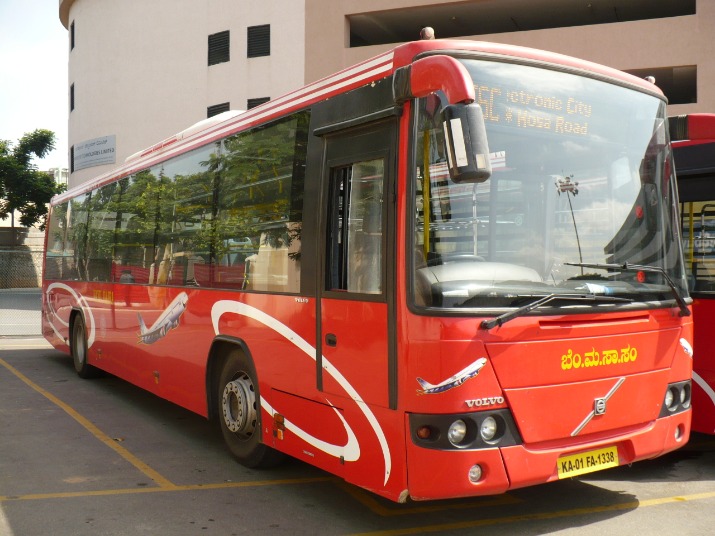
Start with official transit websites and journey planners that include accessibility filters. Look for route maps, stop accessibility information, real‑time service updates, and details about which vehicles on a line are low‑floor or wheelchair accessible. Local advice services, Age UK branches, and disability charities often publish plain‑language guides to help you compare options.
Bus company accessibility policies typically cover whether vehicles are designed for step‑free boarding, the availability of ramps or kneeling buses, and facilities such as priority seating, space for mobility aids, and audible and visual stop announcements. Many operators offer written accessibility statements, staff training on assistance and inclusion, and information in Easy Read formats.
Booking and requesting assistance is a key part of planning. You may be able to request help at the stop, when you book or via an app. Tell the operator about your mobility needs, whether you travel with a wheelchair, walker, or companion, and what time you need to be met or helped onto the bus. Clear advance notice helps ensure staff can prepare the best route and boarding assistance.
Support networks can supplement formal policies. Family, friends, or neighbours can offer rides or accompany you on trips. Local community transport schemes, volunteer driver schemes, and befriending services can provide door‑to‑door options or escorted travel if you need extra help getting to a bus stop or station.
Practical planning tips include checking disability or senior concessions, bringing a photo ID if required, carrying a mobile phone with emergency contacts, and allowing extra time for unfamiliar routes or busy periods. Pack light, know your stop name and number, and have a backup plan in case a service is late or cancelled.
In many regions there are concession fares or discounts for people over 60. These may be available by showing a senior card, a national entitlement card, or via an app. Always confirm eligibility, booking requirements, and whether companions or carers travel free or at a reduced rate with the operator.
To get started, gather the basics: a list of routes you use, accessibility features you need, and contact details for your local transit authority and any community transport schemes. Create a simple plan with a backup option, then reach out to the relevant services to arrange assistance and join local support networks for ongoing help with travel.
Travel insurance considerations for older travelers
Planning for bus travel as an older traveler involves gathering resources and building support networks that help you move safely and comfortably from start to finish.
Useful planning resources include checking bus company accessibility pages for features like step free entry, priority seating, space for mobility devices, and advance assistance requests; consulting travel agencies or operators that specialize in seniors or accessible travel; using government or local health authority travel advisories; and joining consumer or disability organizations that publish travel tips and checklists for older travelers.
Support networks can make a big difference. Reach out to family or friends to arrange companions or share rides to stations; connect with local senior centers or community transport schemes that offer escorted travel or volunteer travel buddies; join online forums or clubs for travelers over 60; keep an up to date emergency contact list and a portable medical information card with your conditions, medications, and allergies.
Travel insurance considerations for older travelers include looking for coverage that handles pre existing medical conditions with a waiver or medical underwriting, emergency medical and evacuation, trip interruption and cancellation, and coverage for delays or missed connections. Compare inclusions, exclusions, limits, and whether the policy is restricted by age or trip length; confirm that doctors and hospitals in your travel area are in network, and understand how to submit a claim and obtain 24/7 assistance if you need help on the road.
When planning bus trips specifically, verify that the chosen route offers accessible terminals and buses, reserve accessible seating if needed, and arrange for any required assistance with boarding and alighting ahead of time. Pack light but include essential medical supplies, extra medications, a copy of prescriptions, your insurance details, and a list of emergency contacts. If you use mobility aids, confirm space in the bus and at stops, and plan rests every two to three hours to stretch and stay hydrated.
On travel days, bring a simple kit with a water bottle, healthy snacks, a charger, and a portable phone or tablet for maps and communicating with companions. Keep valuables, medications, and important documents in an easily accessible bag, and know where to get help at bus terminals if you feel unwell or need assistance with seating, luggage, or directions.
With the right resources and a supportive network, bus travel for people over 60 can be comfortable, safer, and more enjoyable. Start by identifying reliable planning resources, building your support network, and choosing a travel insurance plan that fits your health needs and travel plans.
Environment, Sustainability, and Budget Travel
For travelers over sixty, bus travel offers a practical path to explore the world that respects the environment and keeps costs down. It blends environmental sustainability—lower emissions and energy use—with budget-minded choices, comfortable itineraries, and the chance to see everyday landscapes up close.
Choosing efficient bus services and eco-friendly options
Traveling by bus offers a practical blend of environmental responsibility, cost savings, and ease for travelers aged 60 and over. When you plan with sustainability in mind, you can reduce your carbon footprint while enjoying comfortable, affordable journeys.
Choosing environmentally friendly transport matters because buses generally emit fewer greenhouse gases per passenger compared with cars, especially when routes are well-filled. Modern fleets with low-emission engines, better aerodynamics, and efficient scheduling help cut noise, air pollution, and fuel use. By preferring buses over car trips, you also help reduce road congestion and the demand for parking spaces in busy towns and cities.
To find efficient bus services, look for operators with newer, low-emission fleets (electric, hybrid, or Euro 6/VI diesel standards) and reliable on-time performance. Check route frequency and proximity to your starting point and destination, since high-frequency, well-connected services save waiting time and reduce the need for multiple transfers. Transparent timetables, real-time updates, and clear accessibility options are signs of a rider-friendly, efficient service.
Accessibility and comfort are especially important for travelers over 60. Seek buses with low floors, wide doors, step-free access, and grab handles. Prioritize operators that offer comfortable seating, adequate legroom, and quiet cabins. If you have mobility aids, confirm space for a walker or folding wheelchair and whether dedicated seating or priority areas are available. Clear onboard information and helpful staff also make long journeys easier.
Budget travel for seniors often hinges on smart planning. Look for senior discounts, exemption schemes, or concession passes, and consider off-peak travel when fares are lower and stations are less crowded. Booking in advance can lock in lower prices, while season tickets or multi-ride passes may provide significant savings for frequent riders. If you’re combining bus and rail, seek integrated tickets or travel cards that simplify transfers and maximize savings.
Eco-friendly options are expanding as cities invest in cleaner fleets. Electric buses and hydrogen-powered coaches are increasingly common in urban routes and regional services. When selecting a journey, check the operator’s fleet information, environmental reports, or sustainability statements to gauge what proportion of the fleet is zero-emission and how often fleets are renewed. Even within the same city, choosing routes served by electric buses can noticeably reduce your travel footprint.
Planning a stay-friendly trip means considering comfort, safety, and reliability. Use travel apps or operator websites to compare routes not only by price but by carbon footprint and journey time. Pack light, wear comfortable footwear, and arrange assistance in advance if needed. If you’re traveling with a companion, sharing a ride can further cut costs and ease navigation through stations or bus terminals. With a thoughtful approach, bus travel can be both greener and gentler on a senior budget.
Budget planning and cost-saving strategies
For travelers over 60 who want to travel more sustainably, long-distance bus trips offer a compelling combination of lower environmental impact and budget friendliness. When buses are full and well maintained, they emit fewer kilograms of CO2 per traveler than most cars and many flights, making a road trip by coach a greener choice for careful planners.
Modern coaches are designed with accessibility in mind. Many routes feature low-floor boarding, wide aisles, comfortable seating, on-board toilets, and space for walkers or foldable mobility aids. When booking, check which seats have extra legroom and whether the operator can provide assistance at stations or arrange curb-to-curb help.
Budget planning begins with a realistic daily budget and a clear itinerary. Compare fares across operators, look for senior or student discounts, and consider multi-journey passes or return-ticket deals. Off-peak departures, midweek travel, and longer advanced bookings often yield the best prices.
Cost-saving strategies include booking early, using flexible dates, and splitting long trips into shorter legs to reduce fatigue and sometimes fare costs. Bring a refillable bottle, snacks, and a small travel pillow to stay comfortable. Check luggage allowances and avoid extra charges for seat selection or extra bags.
To maximize sustainability, choose carriers that use newer, cleaner engines and optimize routes for efficiency. Digital tickets save paper, and carrying a reusable bottle and minimal single-use plastics reduces waste on the road. If possible, travel with a companion to share a seat or book a longer direct route to cut down on transfers.
Health and safety matter for travelers over 60. Plan for rest stops, keep medications accessible, and bring any necessary mobility aids. Verify station accessibility in advance and arrange assistance if needed. Consider travel insurance and have emergency contacts on hand.
Practical planning tips: create a simple itinerary with dates, times, and contact numbers, then back it up with offline maps and copies of tickets. Use reputable comparison sites or apps to spot price drops and new routes. Keep the budget updated as you go and set a cap for meals and souvenirs.
Overall, bus travel offers a sustainable, affordable gateway to adventures for those over 60 who want to explore without overspending or harming the environment. With careful planning, a comfortable coach journey can deliver scenic routes, social moments, and peace of mind.
Seasonal discounts and membership programs
Bus travel for people over 60 offers a practical, environmentally friendly way to explore new places while keeping budgets under control. By prioritizing surface transport over flying or car trips, older travelers can enjoy comfortable journeys with fewer hassles and a lighter ecological footprint.
Environmentally, buses typically produce lower emissions per passenger than cars, especially on densely trafficked routes where they operate near full capacity. Choosing bus travel helps reduce traffic congestion and air pollution, contributing to healthier urban environments and quieter streets for everyone, including those who are sensitive to noise and air quality.
Many bus networks are advancing sustainability through modern fleets that use lower-emission engines, hybrids, or electric power. Some routes run on renewable or biofuels, and operators are investing in energy-efficient driving practices and route optimization to minimize fuel use. Onboard recycling bins, water conservation, and digitized tickets further reduce waste and plastic use.
Budget travel is a major advantage of bus journeys. Fare structures are often simpler and cheaper than rail or air options, with the added benefit of avoiding airport or parking fees. For over 60s, many operators offer concession fares, reduced-price day trips, or unlimited travel passes that align with pension or retirement budgets. Traveling by bus also makes it easier to control daily expenses since most costs are paid upfront or in predictable installments.
Seasonal discounts and promotions are common and can significantly lower travel costs. Look for off-peak deals, winter or shoulder-season sales, and holiday specials designed to fill seats during slower periods. Many operators publish seasonal bundles that combine multiple trips or day trips at a reduced price, and some destinations offer bundled discounts when you combine a bus journey with local attractions.
Membership programs can amplify savings and convenience. Senior-specific loyalty cards, annual travel passes, and bundled memberships provide ongoing discounts, priority seating, and advance booking options. Some networks offer tiered programs where points earn free rides, discounts on companion tickets, or access to exclusive travel windows and itineraries.
For comfort and safety, choose buses with low floors, ample seating, and storage for mobility aids. Check accessibility features, such as step-free entry, priority seating, and clear announcements. Plan ahead by reserving seats if possible, carrying light luggage, staying hydrated, and scheduling longer journeys with comfortable breaks at suitable towns along the route.
Pairing bus travel with gentle planning can maximize benefits: map routes that minimize transfers, select daytime journeys to avoid fatigue, and combine several shorter trips into a longer but relaxed itinerary. By prioritizing sustainable options, leveraging seasonal discounts, and joining membership programs, travelers over 60 can enjoy greener, cheaper, and more comfortable adventures on the road.